Butter vs Oil: 14 Kitchen Tests That Show Which One Your Recipe Really Needs
Butter vs oil is the kitchen showdown everyone is watching this year. Side by side test videos have racked up hundreds of millions of views, with one YouTube short alone passing 280 million. The fun part is that the answer changes with every dish. Butter brings flavor, browning and flaky layers. Oil handles high heat and keeps cakes moist for days. Pick the wrong one and your eggs turn rubbery, your brownies go cakey or your pie crust comes out tough. With holiday baking season close, here is the simple guide we wish we had years ago, one dish at a time, with a recipe for each..
Butter vs Oil for Fried Eggs: Crispy Edges or Soft Whites?
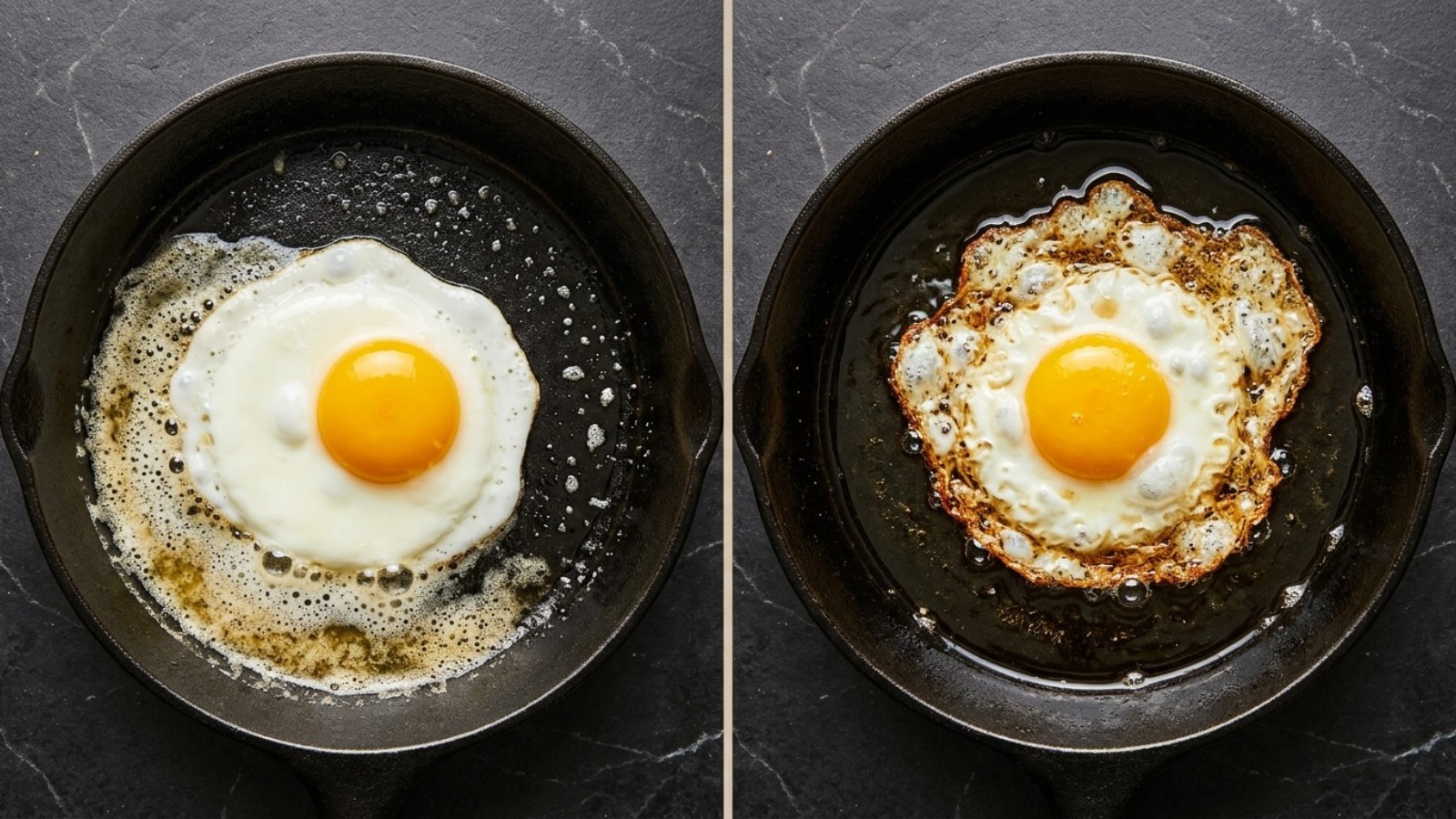
Fried eggs are the perfect first test. Hot oil puffs up the whites and gives you those crispy, lacy brown edges people love. Butter cooks at a gentler heat for soft, tender whites with a rich, nutty taste, but it can burn if the pan gets too hot. The viral tests started right here, and you can watch Patrick Zeinali’s Oil Vs Butter test on YouTube. Tell us which egg is yours: lacy and crisp, or soft and buttery..
You will need: 2 large eggs, 1 tbsp butter or 2 tbsp neutral oil (canola, vegetable or olive), a pinch of salt, black pepper, toast to serve.
How to make it: 1. For crispy eggs, heat the oil in a skillet over medium high heat until it shimmers. 2. For soft eggs, melt the butter over medium low heat until it foams. 3. Crack the eggs into a small bowl, then slide them into the pan. 4. In oil, spoon some hot oil over the whites so they puff and crisp, about 2 minutes. 5. In butter, cover the pan for 2 to 3 minutes until the whites set. 6. Season with salt and pepper and serve.
Butter vs Oil for Scrambled Eggs: Butter Wins Every Time
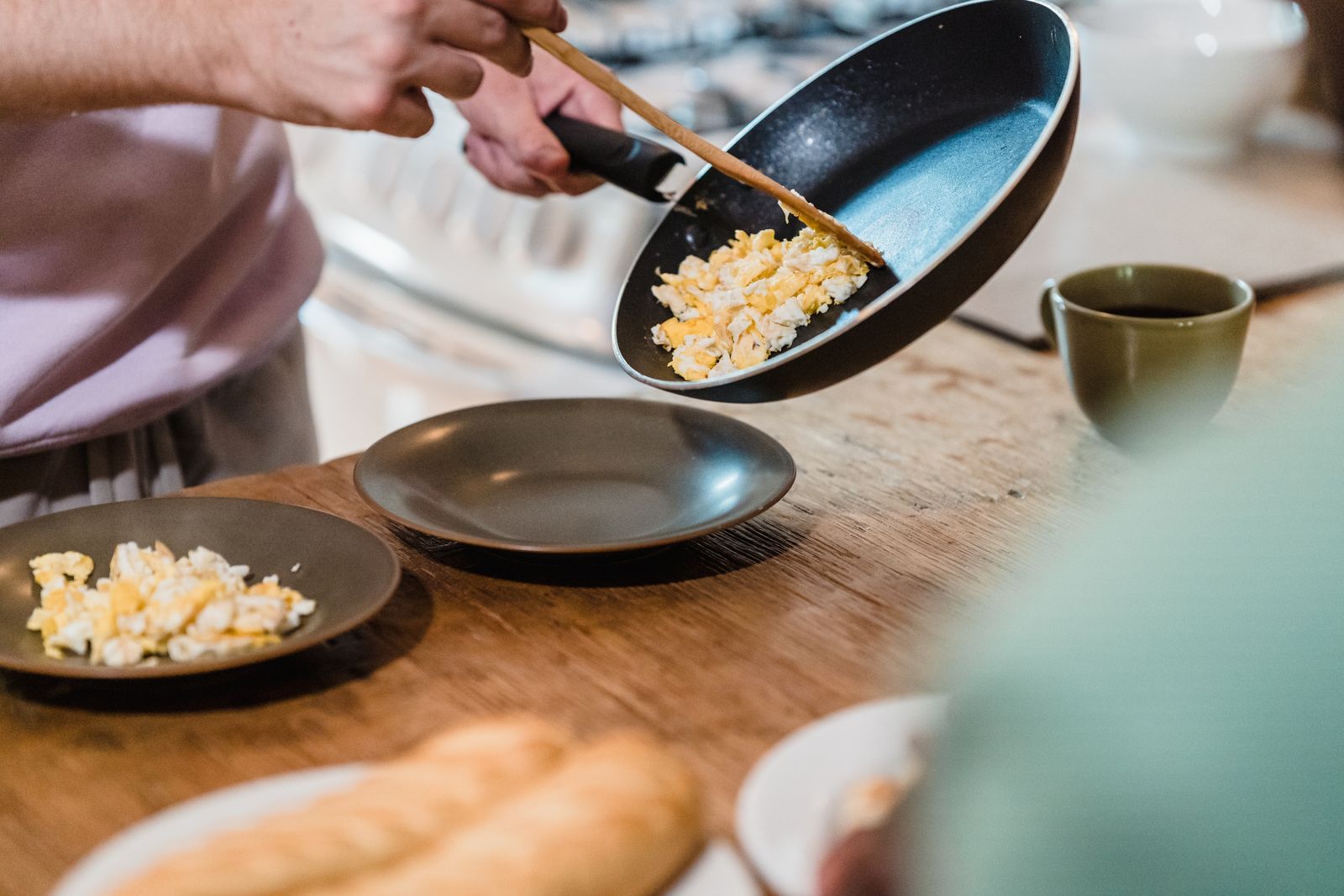
Scrambled eggs are the easiest call in the whole butter vs oil fight. Butter melts at a gentle heat, which is exactly how soft, creamy curds should cook. The milk solids in butter also add a rich, almost cheesy flavor that oil simply cannot give you. Oil works, but the eggs taste flat and the edges can turn rubbery. Do you like your scrambled eggs soft and glossy or firm and fluffy?
You will need: 4 large eggs, 1 tbsp butter, 2 tbsp milk or cream (optional), a pinch of salt, black pepper, chopped chives to serve.
How to make it: 1. Whisk the eggs with the milk and salt until no streaks remain. 2. Melt the butter in a nonstick pan over low to medium low heat. 3. Pour in the eggs and wait 20 seconds. 4. Push the eggs slowly from the edges to the middle with a spatula. 5. Take the pan off the heat while the eggs still look a little wet. 6. Add pepper and chives and serve right away.
Steak: Start With Oil, Finish With Butter
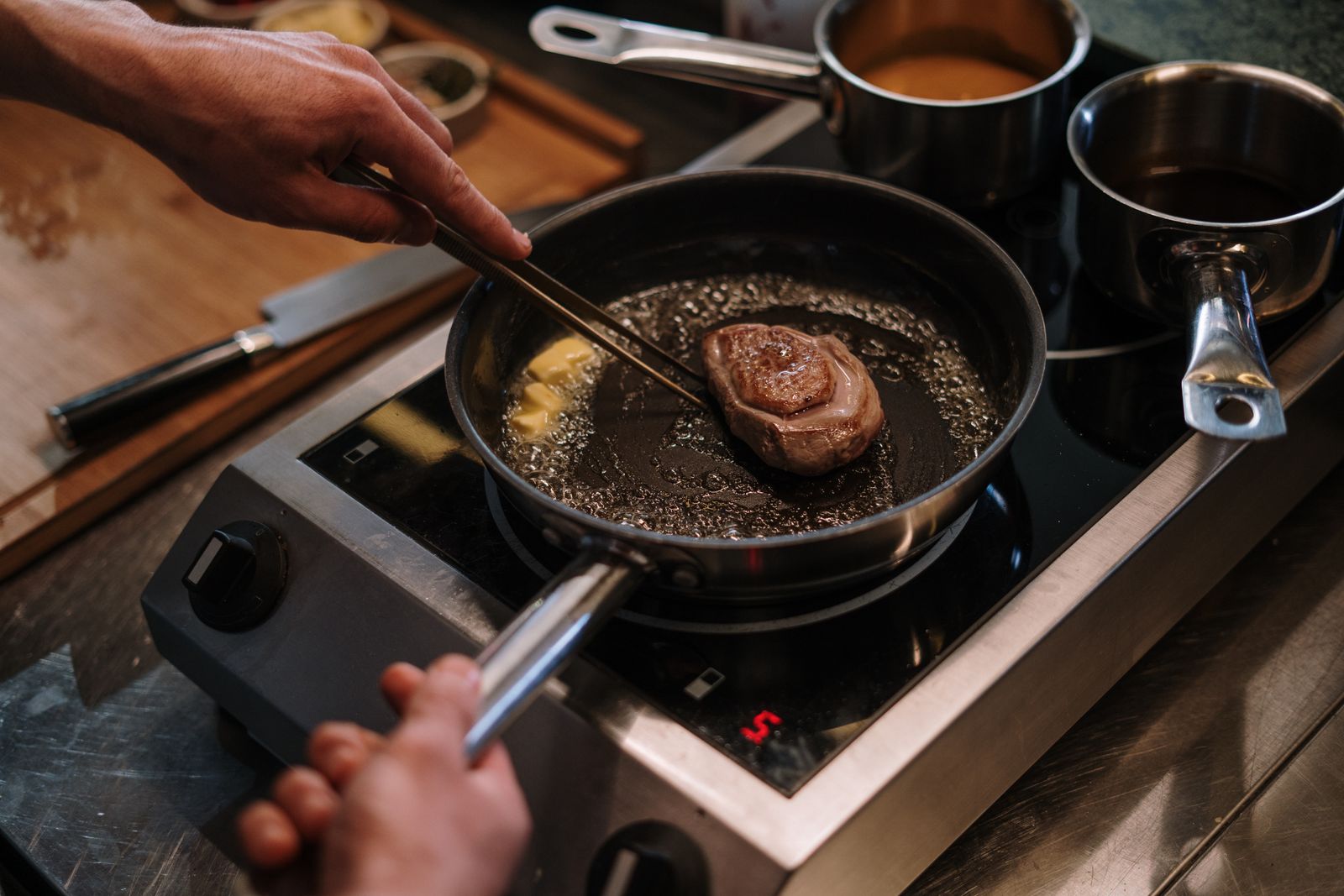
Steak is where you stop picking sides and use both. Butter starts to burn at around 350 F, but a great crust needs a much hotter pan, so you sear in a high heat oil first. Once the crust forms, you drop in butter, garlic and thyme and spoon the foaming butter over the meat. That last minute is where the steakhouse flavor comes from. Medium rare or medium for you?
You will need: 2 ribeye or strip steaks (1 inch thick), 1 tbsp neutral oil (canola, vegetable or avocado), 3 tbsp butter, 3 cloves garlic (smashed), 3 sprigs fresh thyme or rosemary, kosher salt, black pepper.
How to make it: 1. Pat the steaks dry and season well with salt and pepper. 2. Heat the oil in a heavy skillet over high heat until it shimmers. 3. Sear the steaks 3 minutes without moving them. 4. Flip, then add the butter, garlic and herbs. 5. Tilt the pan and spoon the foaming butter over the steaks for 2 to 3 minutes. 6. Rest 5 minutes before slicing.
Butter vs Oil for Deep Frying: Oil Only, No Contest
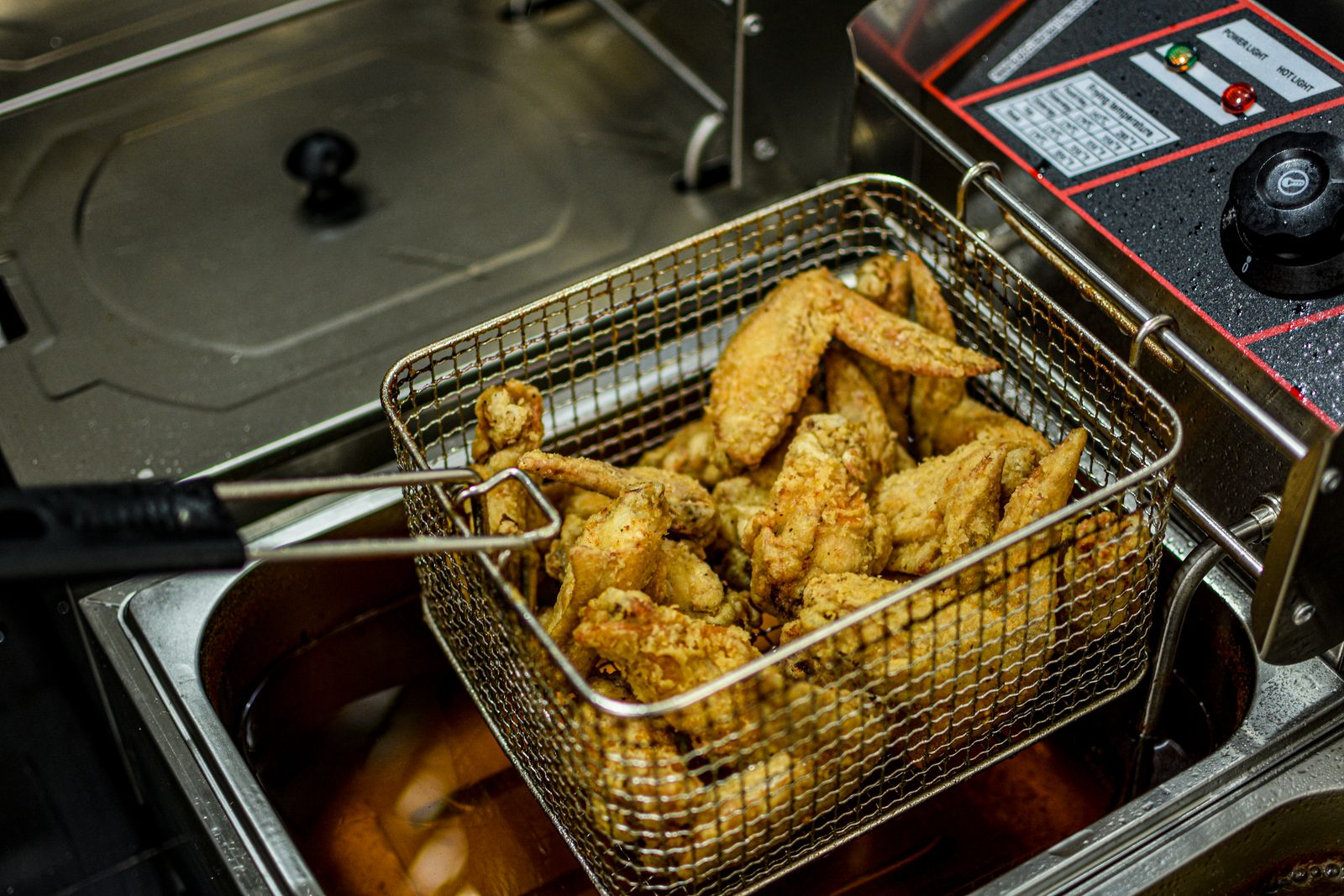
The butter vs oil videos that pulled hundreds of millions of views made one thing clear: deep frying in butter looks fun, but it is a mess. The milk solids scorch long before the butter is hot enough to fry, so food turns dark and bitter. A neutral oil with a high smoke point, like peanut or canola, stays clean and gives you that shattering crust. Save the butter for dipping. What do you love to fry at home?
You will need: 2 lb chicken wings or drumettes, 1 cup buttermilk, 1 cup flour, 1 tsp garlic powder, 1 tsp paprika, 1 tsp salt, 1/2 tsp black pepper, peanut or canola oil for frying, hot sauce or honey to serve.
How to make it: 1. Soak the wings in buttermilk for at least 30 minutes. 2. Mix the flour with the spices. 3. Heat about 2 inches of oil to 350 F in a deep heavy pot, using a thermometer. 4. Toss the wings in the flour and shake off the extra. 5. Fry in small batches for 10 to 12 minutes until golden and 165 F inside. 6. Drain on a rack and season while hot.
Roast Potatoes: Oil for Crunch, Butter at the End
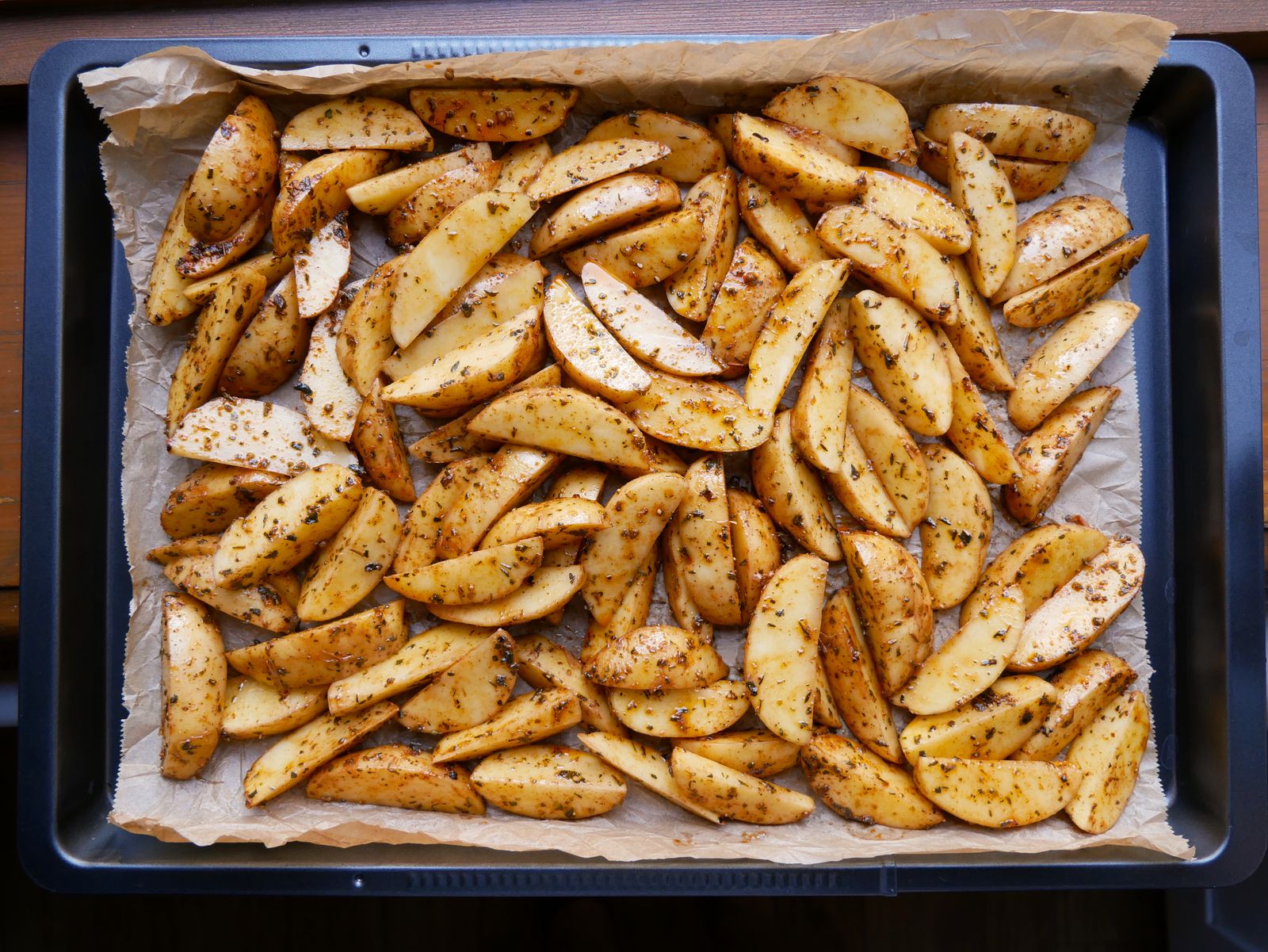
Roast potatoes need a hot oven, around 425 F, and that heat is too much for butter alone. Oil coats every edge and helps the outside turn deep golden and crunchy. The trick from good restaurant kitchens is to toss the hot potatoes with a spoon of melted butter right before serving. In the butter vs oil debate, this is the best of both. Wedges, cubes or smashed?
You will need: 2 lb Yukon gold or russet potatoes (cut into wedges), 3 tbsp olive or vegetable oil, 1 tsp salt, 1/2 tsp garlic powder, 1/2 tsp paprika, 2 tbsp butter (melted), chopped parsley or rosemary.
How to make it: 1. Heat the oven to 425 F. 2. Boil the wedges for 5 minutes, drain well and let them steam dry. 3. Toss with the oil, salt, garlic powder and paprika. 4. Spread on a sheet pan with space between each piece. 5. Roast 35 to 40 minutes, turning once, until crisp. 6. Toss with the melted butter and herbs and serve.
Pancakes: Butter in the Batter, a Thin Film of Oil in the Pan
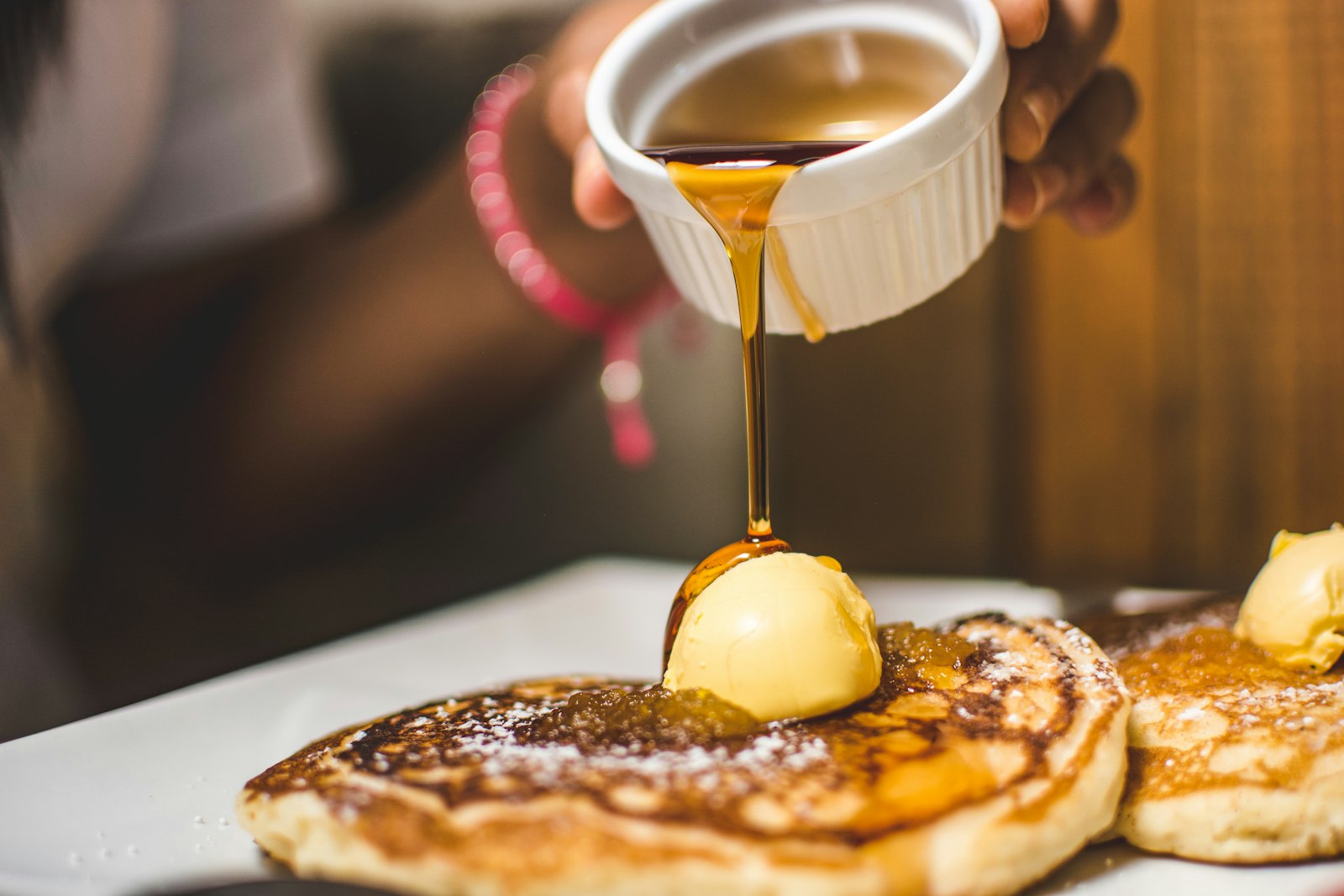
Melted butter in the batter gives pancakes that warm, diner style flavor. But if you grease the griddle with butter, it browns too fast and leaves dark spots after a few batches. A very thin film of oil, wiped on with a paper towel, cooks every pancake evenly. Then add a pat of butter on top for serving. Is it maple syrup or something else at your table?
You will need: 1 1/2 cups flour, 3 1/2 tsp baking powder, 1 tbsp sugar, 1/2 tsp salt, 1 1/4 cups milk, 1 egg, 3 tbsp butter (melted), 1 tsp neutral oil for the pan, butter and maple syrup to serve.
How to make it: 1. Whisk the flour, baking powder, sugar and salt in a bowl. 2. Whisk the milk, egg and melted butter in another bowl. 3. Stir the wet into the dry until just mixed, with a few lumps. 4. Wipe a hot griddle with a thin film of oil. 5. Pour 1/4 cup batter per pancake and flip when bubbles pop on top. 6. Cook 1 minute more and serve with butter and syrup.
Butter vs Oil for Grilled Cheese (and the Mayo Trick)
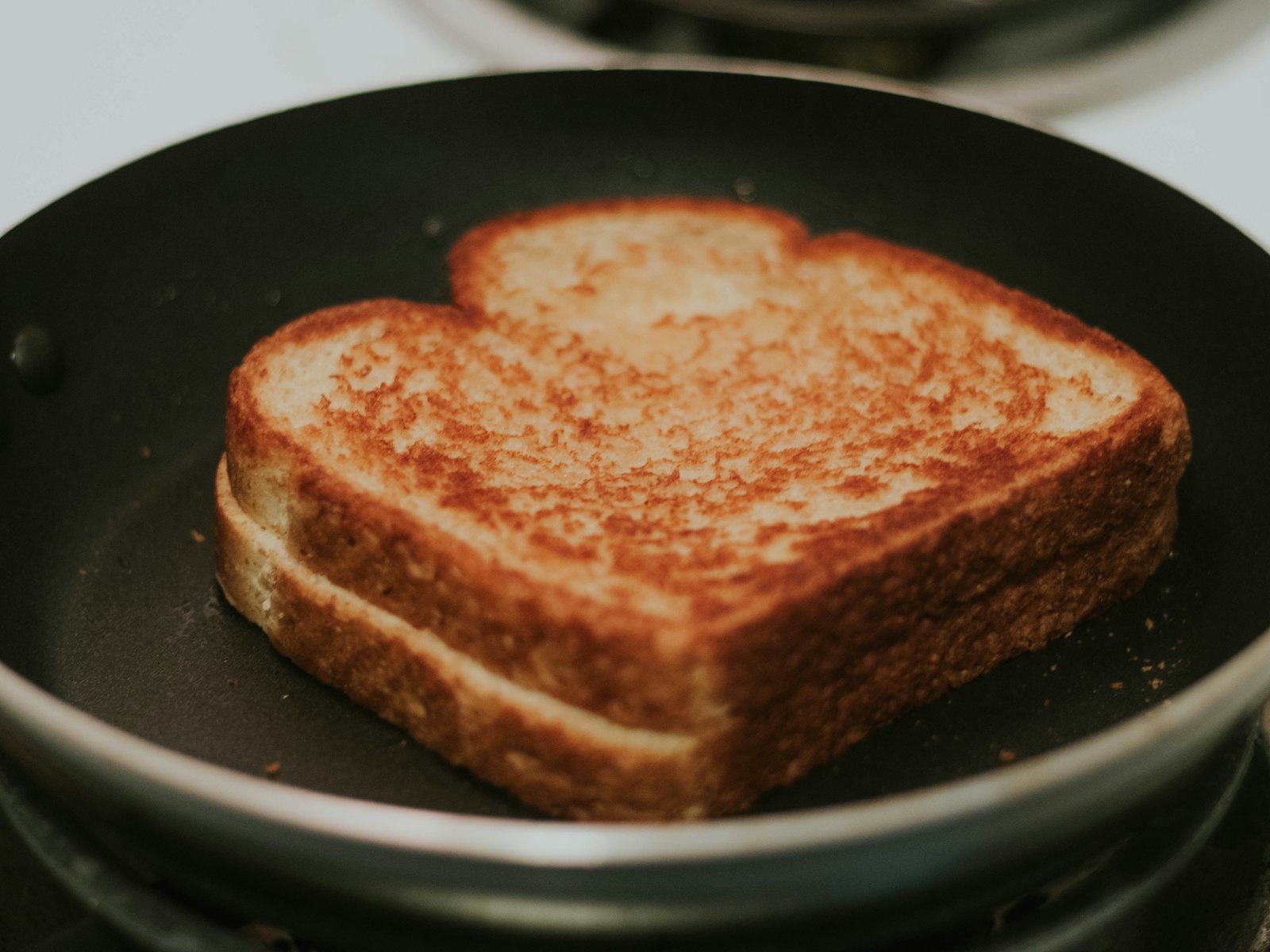
For grilled cheese, butter on the bread is the classic for a reason: it browns into a crisp, golden, nutty crust. Oil makes the bread greasy and pale. There is one wild card in the butter vs oil question here. Some cooks swear by a thin layer of mayo, which spreads easily and browns very evenly. Butter is still the taste winner. Which team are you on, butter or mayo?
You will need: 4 slices sandwich bread or sourdough, 2 tbsp soft butter, 4 slices cheddar, 2 slices American cheese or Swiss, optional tomato soup to serve.
How to make it: 1. Spread butter on one side of each bread slice, edge to edge. 2. Heat a skillet over medium low heat. 3. Place 2 slices butter side down and layer on the cheese. 4. Top with the other slices, butter side up. 5. Cook 3 to 4 minutes per side, pressing gently, until golden and melted. 6. Rest 1 minute, slice and serve.
Garlic Bread: Butter, Brushed On Warm
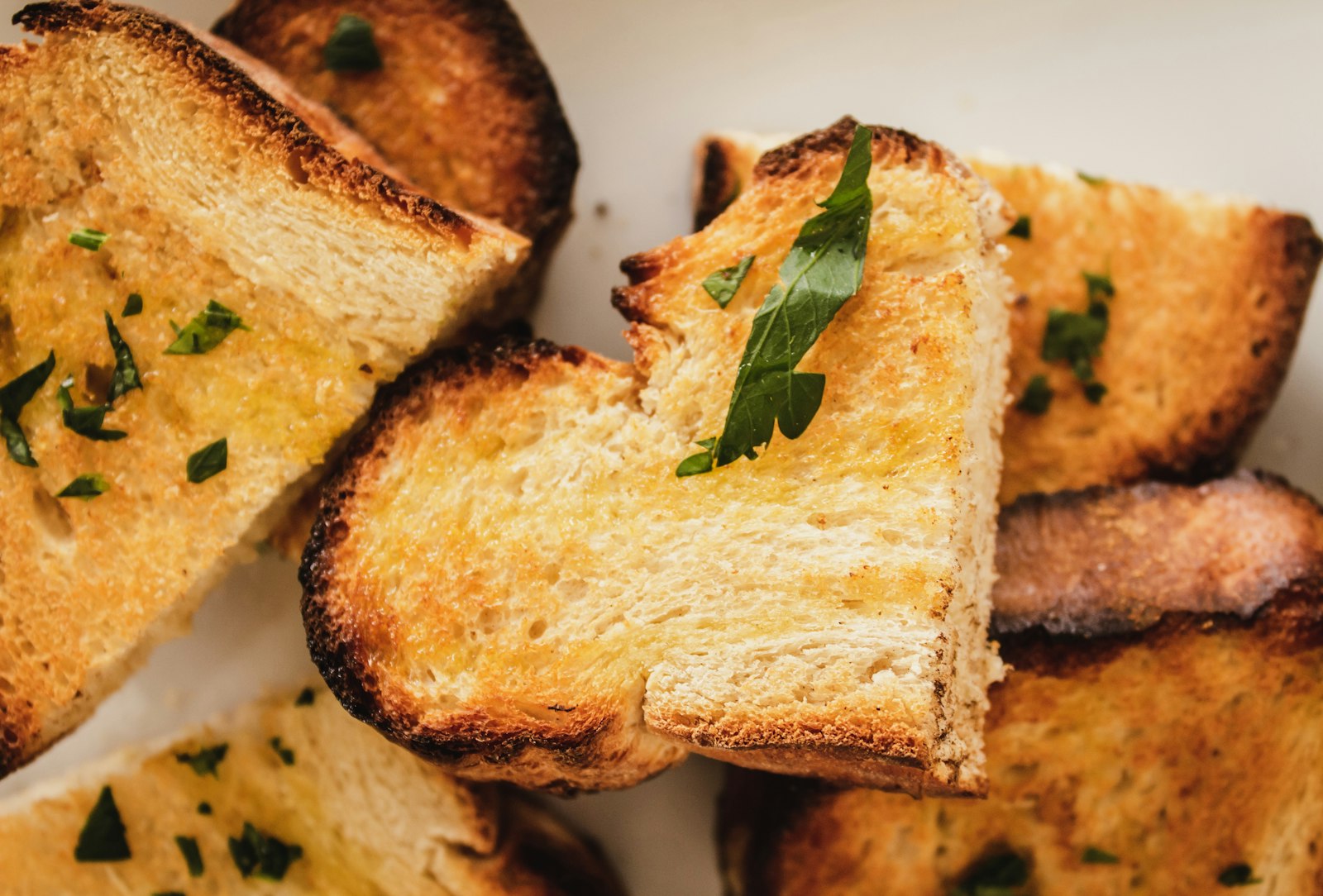
Garlic bread is pure butter territory. Soft butter mashed with garlic and parsley soaks into the bread and turns crisp and golden in the oven. Olive oil works for a lighter bruschetta style toast, but it does not give that classic pizza night flavor. For a little of both, mix 1 tablespoon of olive oil into the butter so it spreads even when cold. Soft and buttery or extra crunchy?
You will need: 1 loaf Italian or French bread, 1/2 cup butter (softened), 4 cloves garlic (finely grated), 2 tbsp chopped parsley, 1/4 cup grated Parmesan, a pinch of salt, 1 tbsp olive oil (optional).
How to make it: 1. Heat the oven to 400 F. 2. Mash the butter with the garlic, parsley, Parmesan, salt and olive oil. 3. Slice the bread in half the long way. 4. Spread the garlic butter all over the cut sides. 5. Bake on a sheet pan 10 to 12 minutes. 6. Broil 1 minute for a golden top and slice.
Chocolate Cake: Oil Keeps It Moist for Days
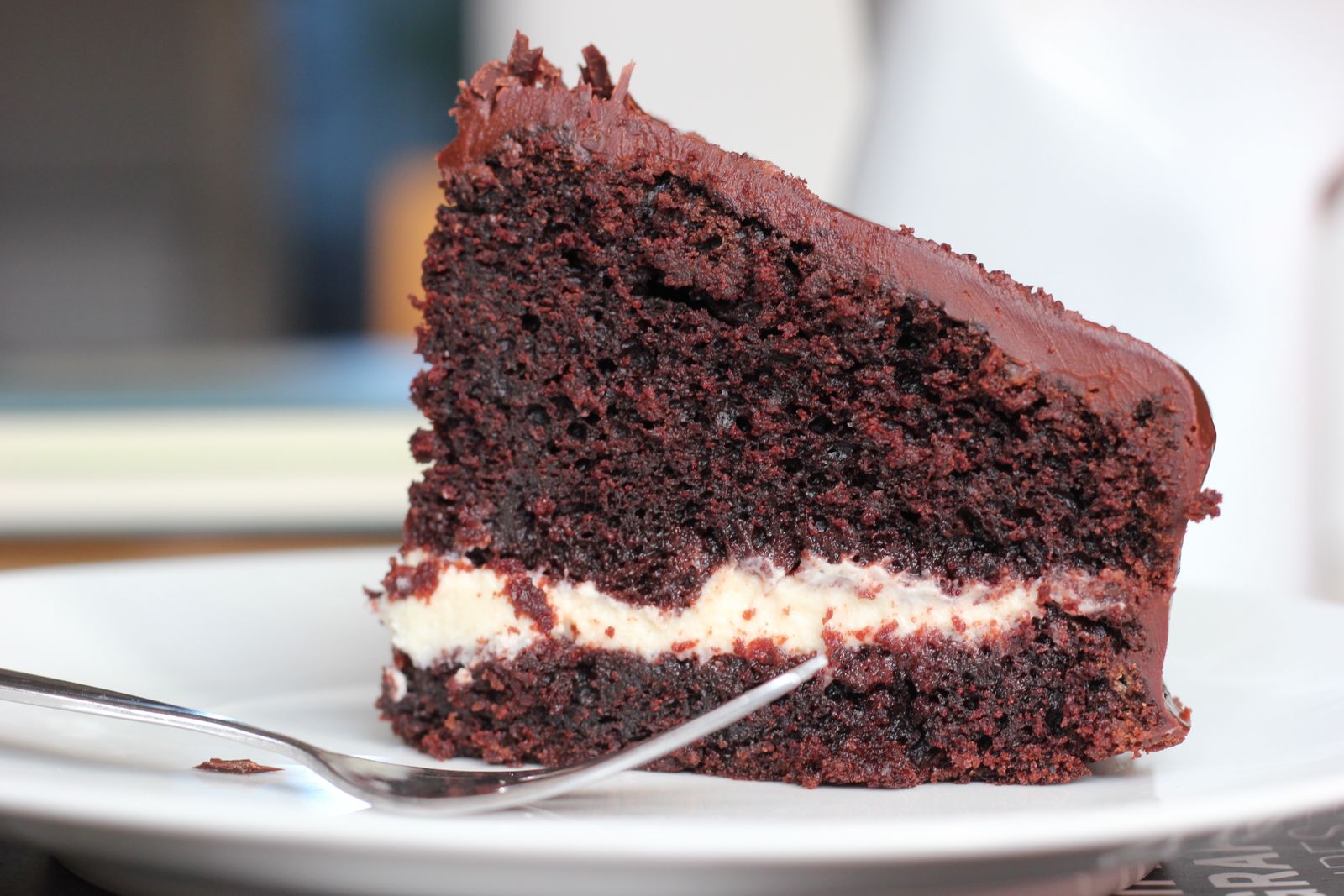
Here the butter vs oil answer flips. Oil stays liquid at room temperature, so an oil based chocolate cake feels soft and moist even on day three. Butter firms up as it cools, which can make a chocolate cake taste a bit dry. The deep cocoa flavor covers any loss of butter flavor anyway. This is why so many famous chocolate cake recipes use oil. Frosting lover or plain slice?
You will need: 1 3/4 cups flour, 2 cups sugar, 3/4 cup cocoa powder, 2 tsp baking soda, 1 tsp baking powder, 1 tsp salt, 2 eggs, 1 cup buttermilk, 1/2 cup vegetable oil, 2 tsp vanilla, 1 cup hot coffee or hot water.
How to make it: 1. Heat the oven to 350 F and grease two 9 inch round pans. 2. Whisk the flour, sugar, cocoa, baking soda, baking powder and salt. 3. Add the eggs, buttermilk, oil and vanilla and beat 2 minutes. 4. Stir in the hot coffee; the batter will be thin. 5. Pour into the pans and bake 30 to 35 minutes. 6. Cool completely before frosting.
Pound Cake: Butter for Structure and Rich Flavor
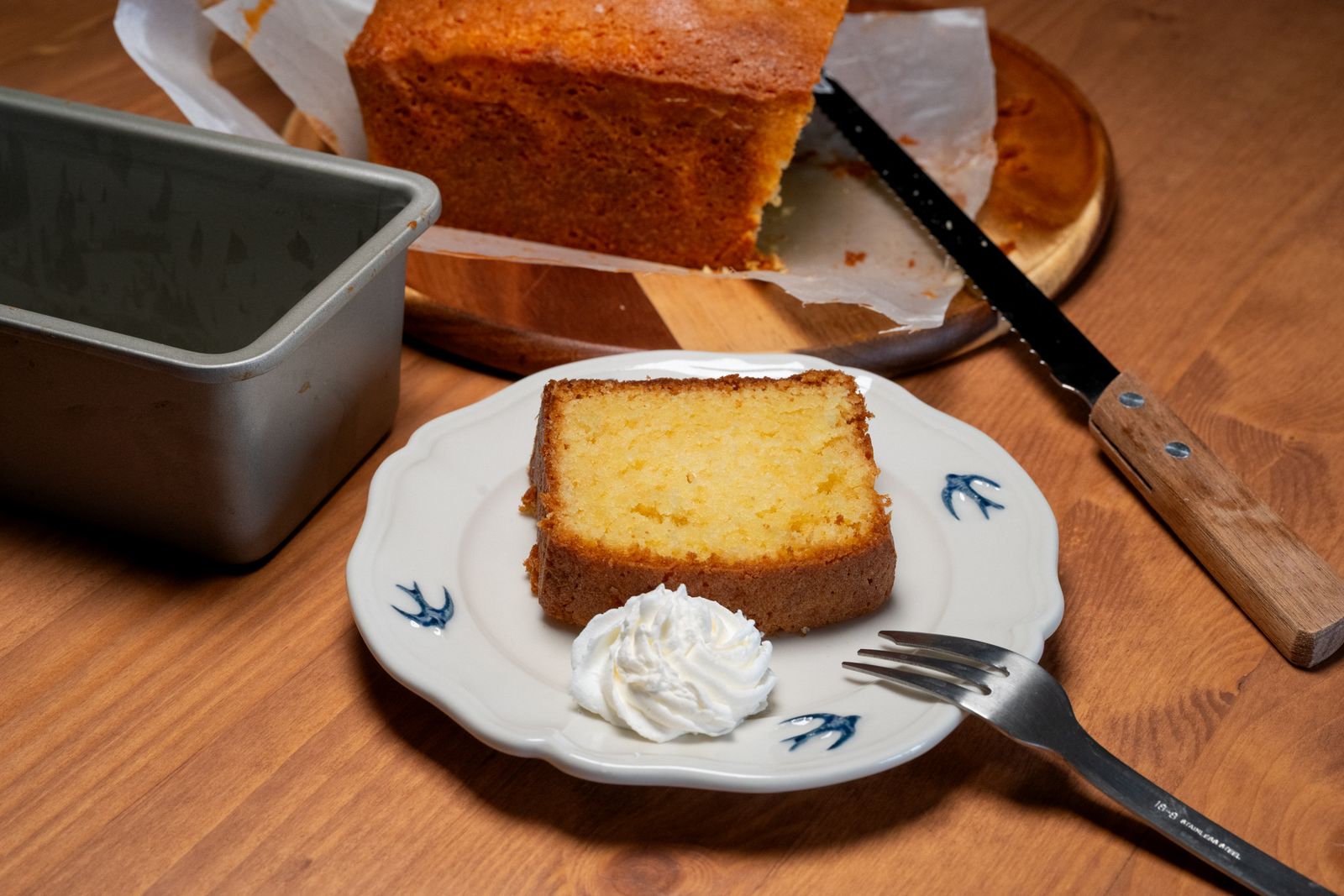
Pound cake needs butter, and it is not close. Beating soft butter with sugar traps tiny air bubbles, and those bubbles give the cake its lift and fine, tight crumb. Oil cannot be creamed, so an oil pound cake turns out denser and tastes plain. This is a cake where the butter is the star, so use a good one. Do you top yours with berries, glaze or nothing at all?
You will need: 1 cup butter (softened), 1 1/2 cups sugar, 4 eggs (room temperature), 2 tsp vanilla, 2 cups flour, 1/2 tsp baking powder, 1/2 tsp salt, 1/2 cup sour cream or milk.
How to make it: 1. Heat the oven to 325 F and grease and flour a 9×5 inch loaf pan. 2. Beat the butter and sugar 4 to 5 minutes until pale and fluffy. 3. Beat in the eggs one at a time, then the vanilla. 4. Mix the flour, baking powder and salt. 5. Add the flour in two parts, alternating with the sour cream, mixing on low. 6. Bake 60 to 70 minutes until a skewer comes out clean.
Butter vs Oil Brownies: Chewy or Cakey?
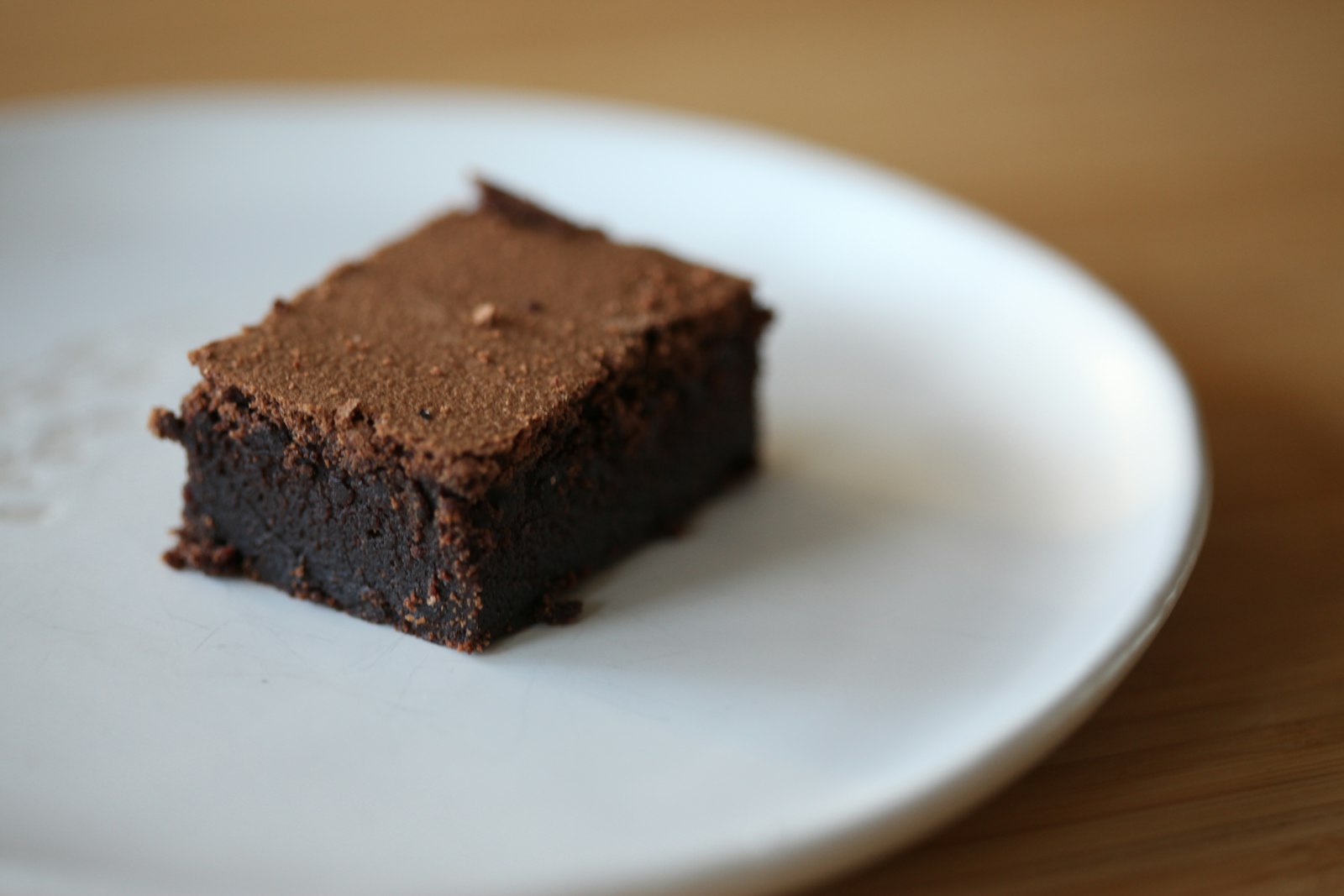
Brownies are the most argued over butter vs oil bake of all. Melted butter gives that chewy, fudgy center with a shiny crackly top that most people picture. Oil makes them softer, lighter and more cake like, and they stay moist longer. Many bakers use mostly butter with a splash of oil for the best of both. So tell us honestly: are you a corner piece or a middle piece person?
You will need: 1/2 cup butter (melted), 2 tbsp vegetable oil, 1 cup sugar, 2 eggs, 1 tsp vanilla, 1/3 cup cocoa powder, 1/2 cup flour, 1/4 tsp salt, 1/4 tsp baking powder, 1/2 cup chocolate chips.
How to make it: 1. Heat the oven to 350 F and line an 8 inch square pan with parchment. 2. Whisk the warm butter, oil and sugar for 1 minute. 3. Beat in the eggs and vanilla until glossy. 4. Fold in the cocoa, flour, salt and baking powder. 5. Stir in the chocolate chips and spread in the pan. 6. Bake 22 to 26 minutes and cool before cutting.
Banana Bread and Muffins: Oil for a Soft, Tender Crumb
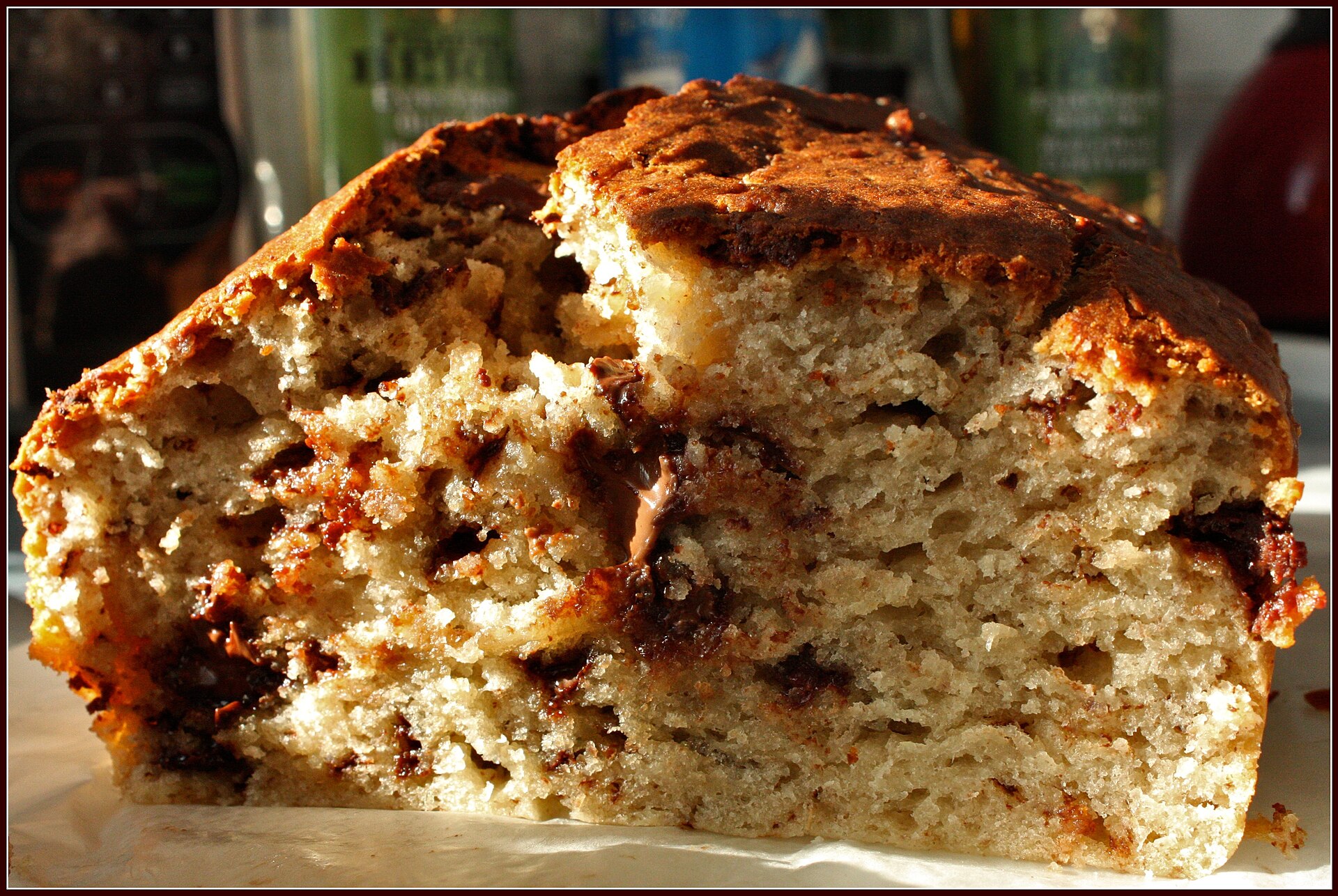
Quick breads like banana bread, pumpkin bread and muffins love oil. Oil coats the flour and keeps the crumb tender, and the loaf stays soft for days instead of drying out. Ripe bananas bring plenty of flavor, so you do not miss the butter. Want a hint of butter taste anyway? Use half melted butter and half oil. Chocolate chips or walnuts in yours?
You will need: 3 very ripe bananas (mashed), 1/3 cup vegetable oil, 3/4 cup brown sugar, 1 egg, 1 tsp vanilla, 1 tsp baking soda, 1/4 tsp salt, 1 1/2 cups flour, 1/2 tsp cinnamon, 1/2 cup chocolate chips or chopped walnuts.
How to make it: 1. Heat the oven to 350 F and grease a 9×5 inch loaf pan. 2. Mix the bananas, oil, sugar, egg and vanilla. 3. Stir in the baking soda, salt and cinnamon. 4. Fold in the flour until just mixed. 5. Add the chips or nuts and pour into the pan. 6. Bake 55 to 65 minutes, then cool 10 minutes before turning out.
Chocolate Chip Cookies: Butter for Lift and Chew
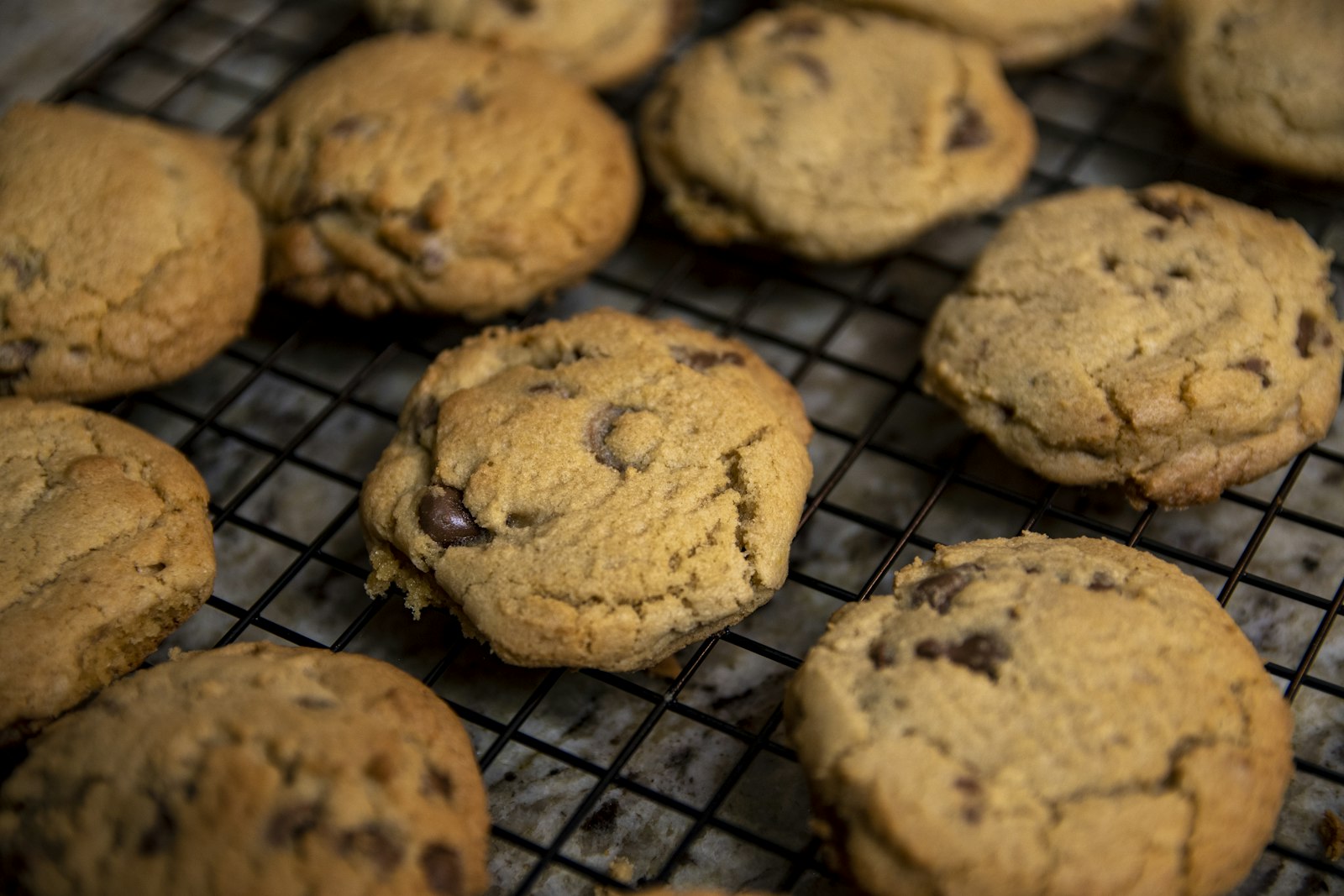
Cookies are a big win for butter in the butter vs oil test. Creaming butter with sugar adds air for lift, and butter’s water turns to steam that helps the edges set while the middle stays chewy. Oil cookies spread less evenly and taste flatter. Butter also browns beautifully. Want to go one step further? Try our brown butter desserts for that toasty, nutty flavor. Crispy or chewy cookie fan?
You will need: 1 cup butter (softened), 3/4 cup brown sugar, 1/2 cup white sugar, 2 eggs, 2 tsp vanilla, 2 1/4 cups flour, 1 tsp baking soda, 1 tsp salt, 2 cups chocolate chips.
How to make it: 1. Heat the oven to 375 F and line baking sheets. 2. Beat the butter and both sugars until creamy, about 3 minutes. 3. Beat in the eggs and vanilla. 4. Mix in the flour, baking soda and salt on low. 5. Stir in the chocolate chips and scoop 2 tbsp balls onto the sheets. 6. Bake 9 to 11 minutes until the edges are golden.
Pie Crust and the Golden Rule of Butter vs Oil
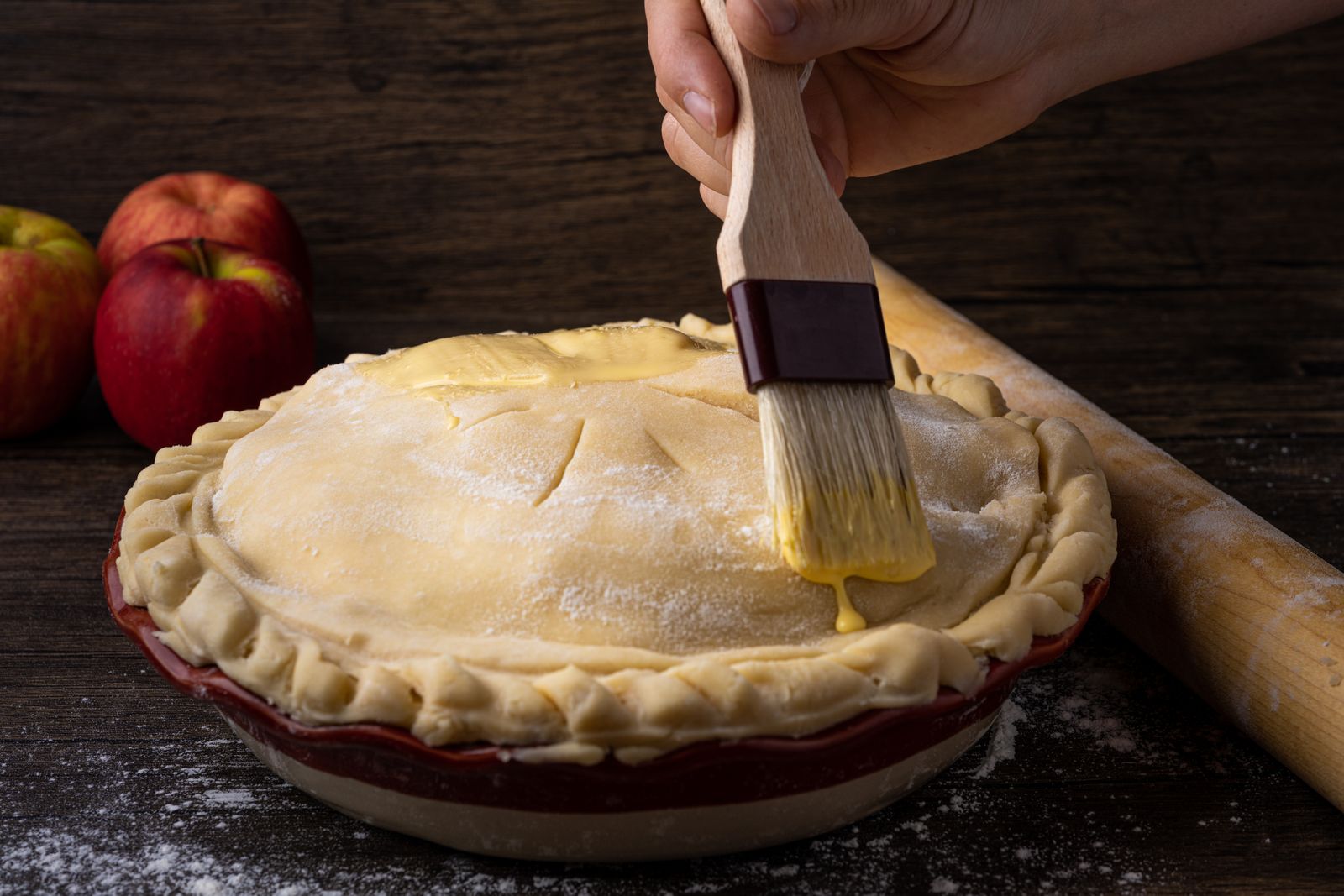
Cold butter is the secret to flaky pie crust. Little pieces of butter melt in the oven and leave thin layers of air, which is where the flakes come from. Oil makes an easy press in crust that is tender but never flaky. That brings us to the golden rule of butter vs oil: oil for high heat, frying and moist cakes, butter for flavor, flaky pastry and finishing. To swap in quick breads, use about 3/4 cup oil for 1 cup butter. Which test surprised you most?
You will need: 2 1/2 cups flour, 1 tsp salt, 1 tbsp sugar, 1 cup very cold butter (cubed), 6 to 8 tbsp ice water, 1 egg (beaten) for the egg wash, your favorite pie filling.
How to make it: 1. Whisk the flour, salt and sugar. 2. Cut in the cold butter until the pieces are the size of peas. 3. Stir in ice water a spoon at a time until the dough holds together. 4. Split in two discs, wrap and chill at least 1 hour. 5. Roll out, fill and top the pie, then brush with egg wash. 6. Bake at 400 F for 20 minutes, then 350 F for 30 to 40 minutes until golden.