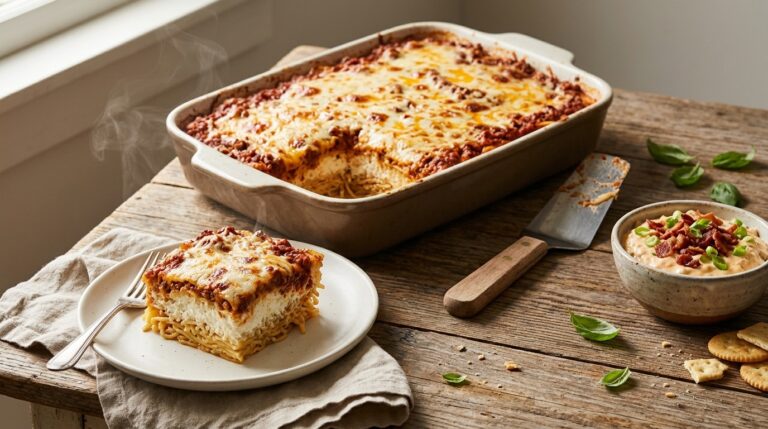
14 Spanish and Portuguese Desserts That Taste Like a Trip to Lisbon and Madrid
Walk into any bakery in Lisbon or Madrid and the smell of caramel, cinnamon and warm custard will stop you in your tracks. Spanish and Portuguese desserts are made with simple things like eggs, milk, sugar, almonds and bread, yet they taste like a celebration. Many of them come from old convent kitchens and grandmothers who wasted nothing. Get ready to travel without leaving your kitchen..
Pastel de Nata, the Pride of Portuguese Desserts
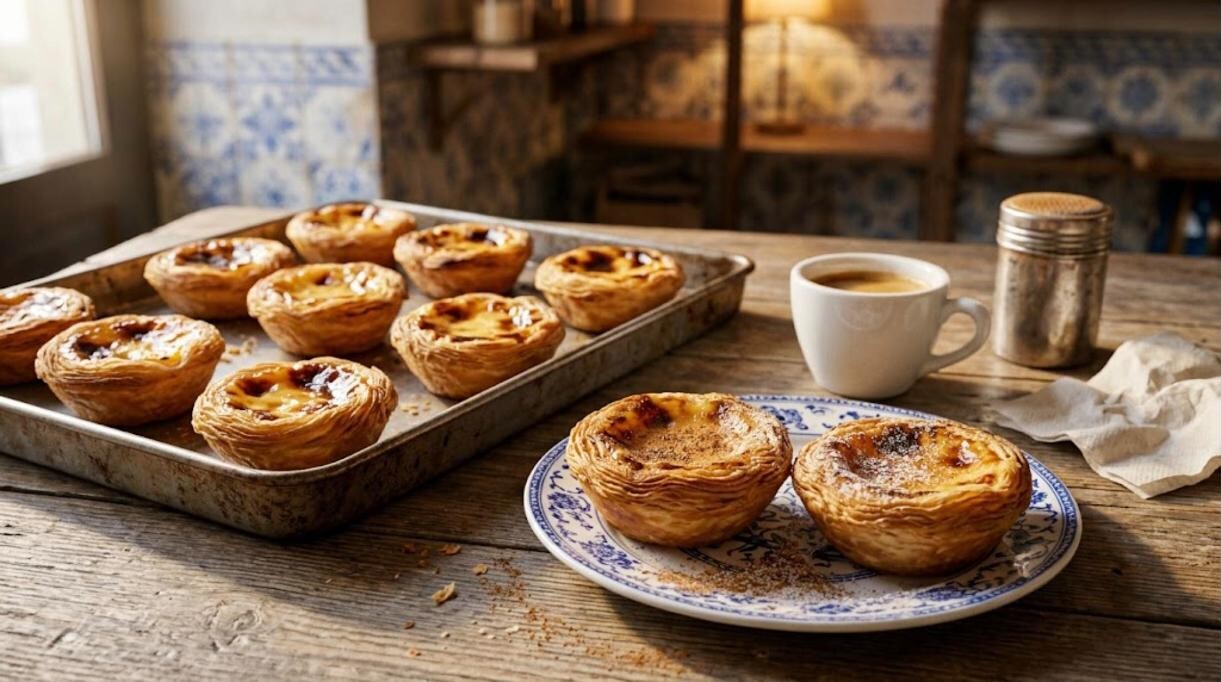
These little custard tarts are the most famous of all Portuguese desserts. A crisp, flaky shell holds a creamy egg custard with dark, blistered spots on top from a very hot oven. In Lisbon, people eat them warm with a dusting of cinnamon and a tiny coffee. Store bought puff pastry makes them doable at home. How many could you eat in one sitting?
You will need: You need: 1 sheet puff pastry, 1 cup milk, 2 tablespoons flour, 2/3 cup sugar, 1/3 cup water, 1 cinnamon stick, 1 strip lemon peel, 6 egg yolks, 1/2 teaspoon vanilla, cinnamon for dusting.
How to make it: Roll the pastry into a tight log, slice into 12 rounds and press into a muffin tin. Whisk flour into milk and heat until thick. Boil sugar, water, cinnamon and lemon for 3 minutes and whisk into the milk. Cool slightly, whisk in yolks and vanilla and strain. Fill the shells and bake at 525F for 10 to 12 minutes.
Basque Burnt Cheesecake, a Modern Star of Spanish Desserts
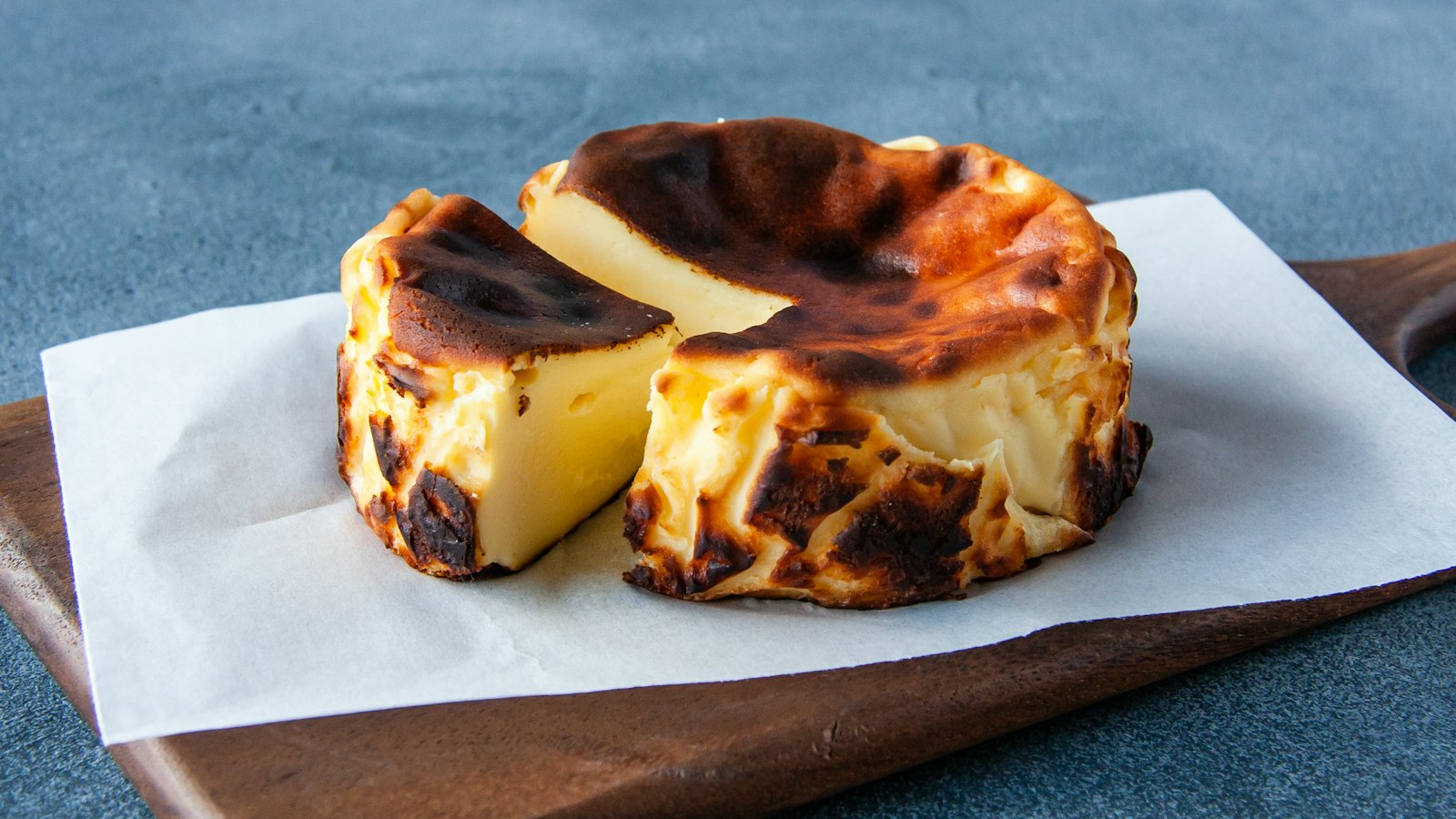
This cheesecake from San Sebastian broke all the rules and became a worldwide hit. It bakes at a very high heat so the top turns deep brown, almost burnt, while the inside stays soft and creamy. There is no crust and no water bath, and the cracks are part of the charm. Would you call this the easiest cheesecake in all of Spanish and Portuguese desserts?
You will need: You need: 2 pounds cream cheese, 1 1/4 cups sugar, 5 eggs, 1 1/2 cups heavy cream, 1/4 cup flour, 1/2 teaspoon salt, 1 teaspoon vanilla, parchment paper.
How to make it: Line a 9 inch springform pan with two sheets of crumpled parchment. Beat cream cheese and sugar until smooth. Add eggs one at a time, then cream, vanilla, salt and flour. Pour into the pan. Bake at 400F for 55 to 60 minutes until dark on top and wobbly inside. Cool and serve at room temperature.
Crema Catalana, One of the Oldest Spanish Desserts
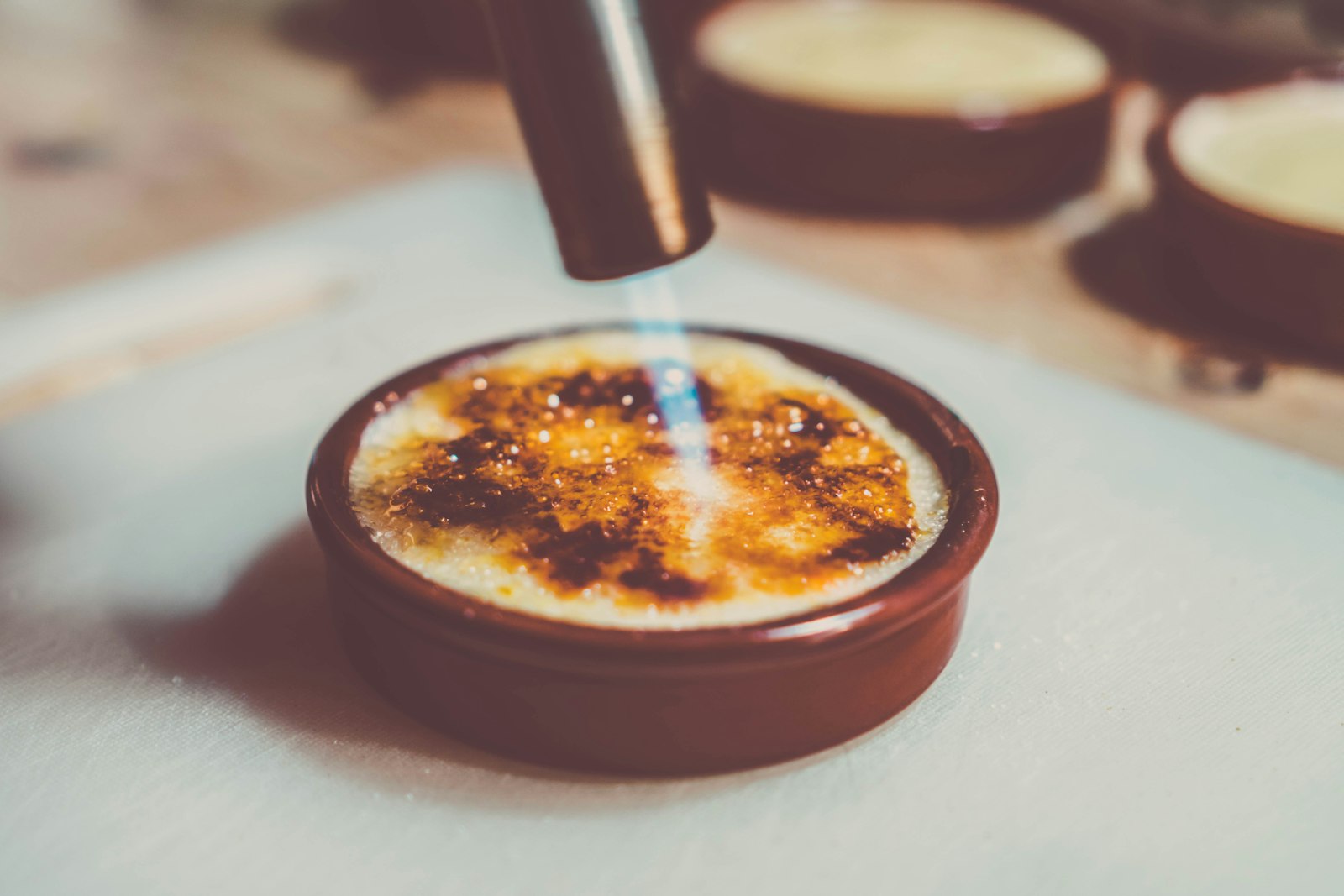
Crema catalana is the Spanish cousin of creme brulee, and many say it came first. The custard is flavored with lemon and orange peel and a cinnamon stick, then cooked on the stove instead of the oven. Right before serving, sugar is caramelized on top until it forms a glassy crust. Poll: A) crema catalana, B) creme brulee, C) I love both?
You will need: You need: 2 cups milk, peel of 1 lemon, peel of 1/2 orange, 1 cinnamon stick, 5 egg yolks, 1/2 cup sugar, 2 tablespoons cornstarch, extra sugar for the top.
How to make it: Heat milk with lemon peel, orange peel and cinnamon until steaming, then let it steep 15 minutes. Whisk yolks, sugar and cornstarch. Strain the milk into the yolks, return to the pot and stir until thick. Pour into shallow dishes and chill. Sprinkle sugar and torch until golden.
Tarta de Santiago
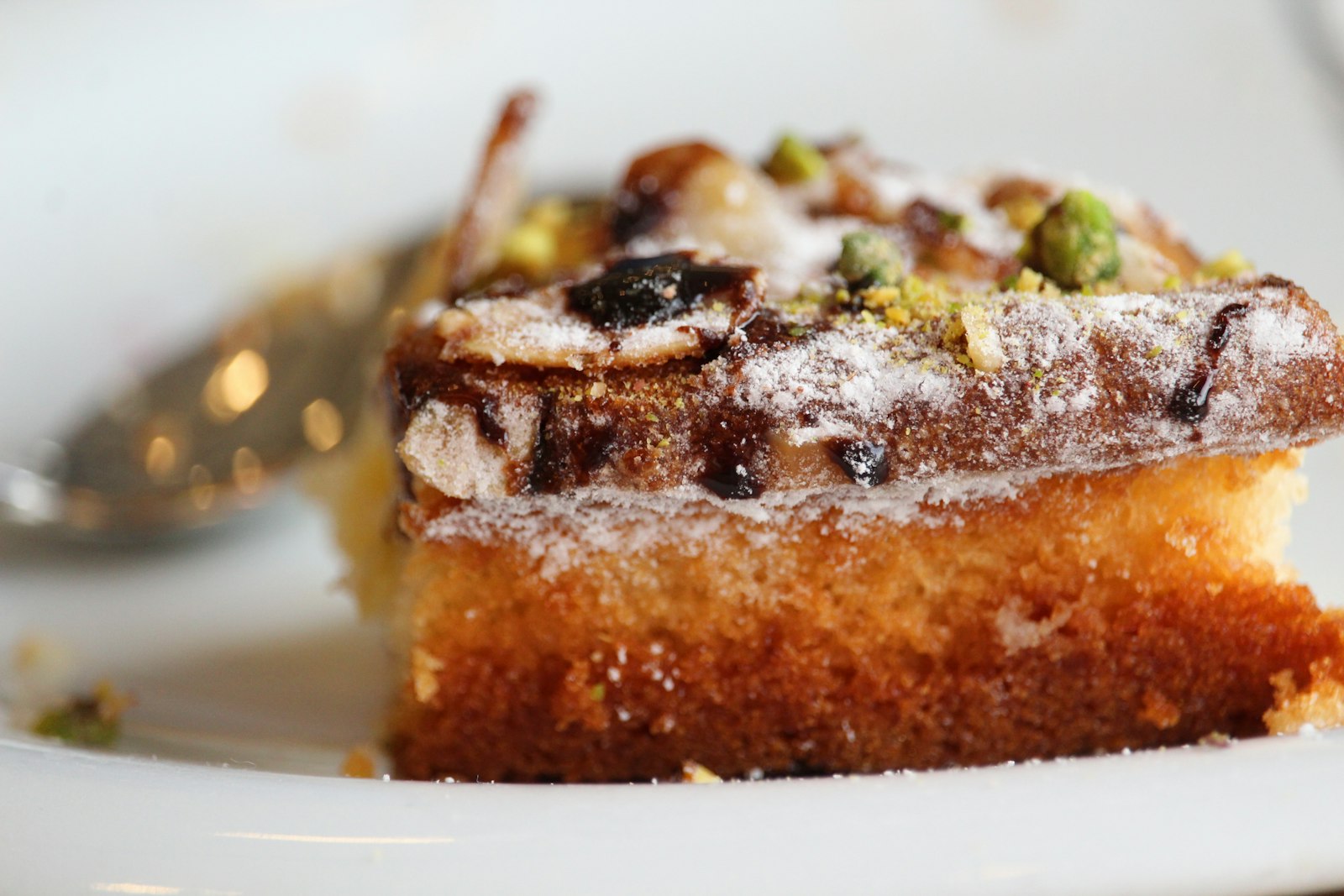
This flourless almond cake from Galicia has been made for centuries for pilgrims walking the Camino de Santiago. It needs only almonds, eggs, sugar and lemon zest, so it is naturally gluten free. Traditionally it gets a dusting of powdered sugar with the cross of Saint James stenciled on top. It is moist, nutty and lovely with coffee, a true icon of Spanish and Portuguese desserts.
You will need: You need: 2 1/2 cups ground almonds, 1 cup sugar, 4 eggs, zest of 1 lemon, 1/2 teaspoon cinnamon, powdered sugar for dusting.
How to make it: Heat oven to 350F and grease a 9 inch pan. Beat eggs and sugar until pale and fluffy. Fold in almonds, lemon zest and cinnamon. Pour into the pan and bake 35 to 40 minutes until golden. Cool, then dust with powdered sugar.
Torrijas
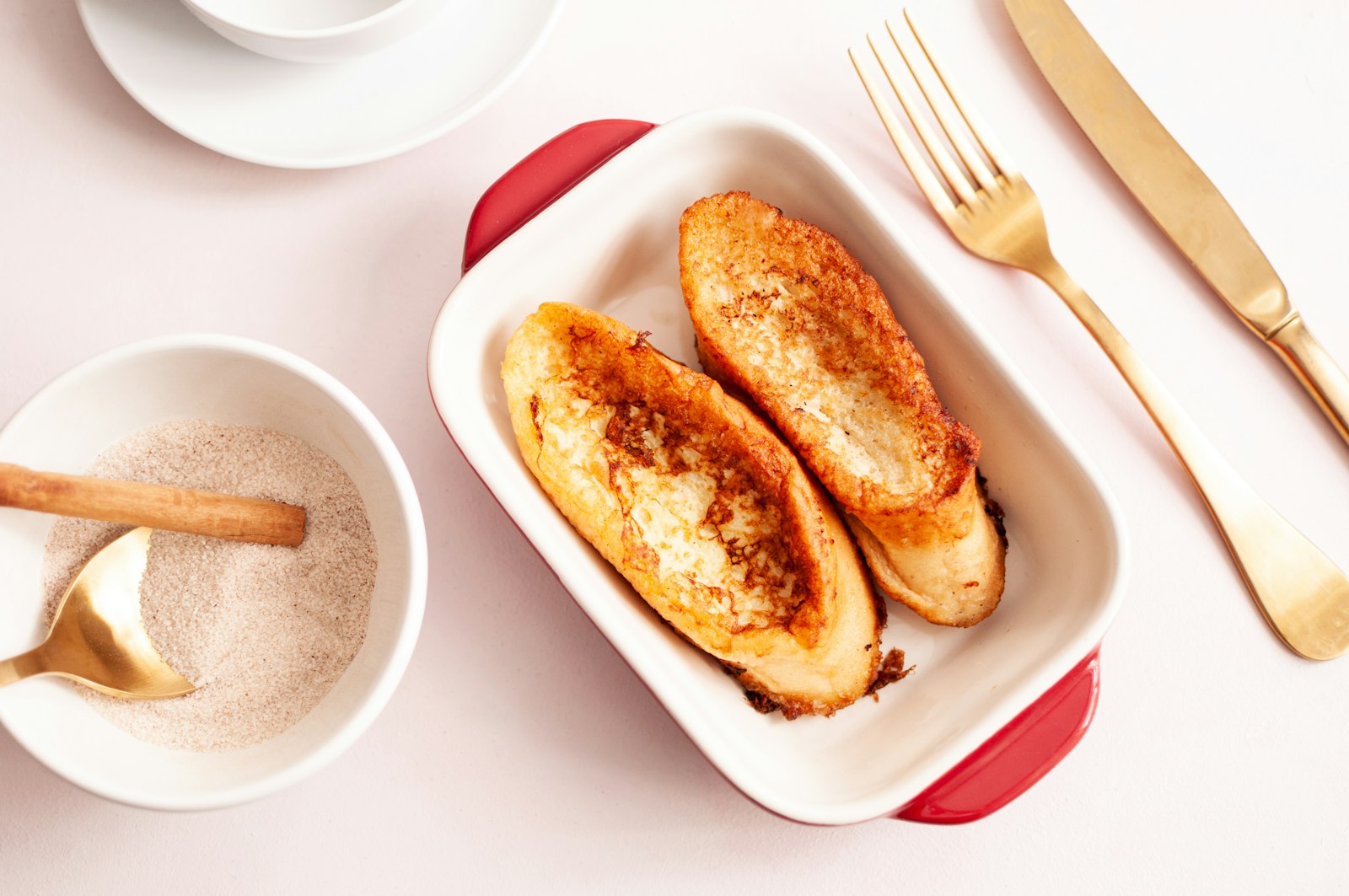
Torrijas are Spain’s answer to French toast, made especially during Easter week. Thick slices of day old bread soak in milk infused with cinnamon and lemon, get dipped in egg and fried until golden. Then they are rolled in cinnamon sugar or drizzled with honey. Crisp outside, custardy inside. Many Spanish and Portuguese desserts were born from leftover bread like this. Would you eat them for breakfast or dessert?
You will need: You need: 1 loaf day old bread, 3 cups milk, 1/2 cup sugar, 1 cinnamon stick, peel of 1 lemon, 3 eggs, olive oil for frying, cinnamon sugar or honey.
How to make it: Heat milk with sugar, cinnamon and lemon peel, then cool to warm. Slice bread 1 inch thick. Soak each slice in milk until soft. Dip in beaten egg. Fry in hot olive oil until golden on both sides. Drain and coat in cinnamon sugar.
Arroz Doce (Portuguese Rice Pudding)
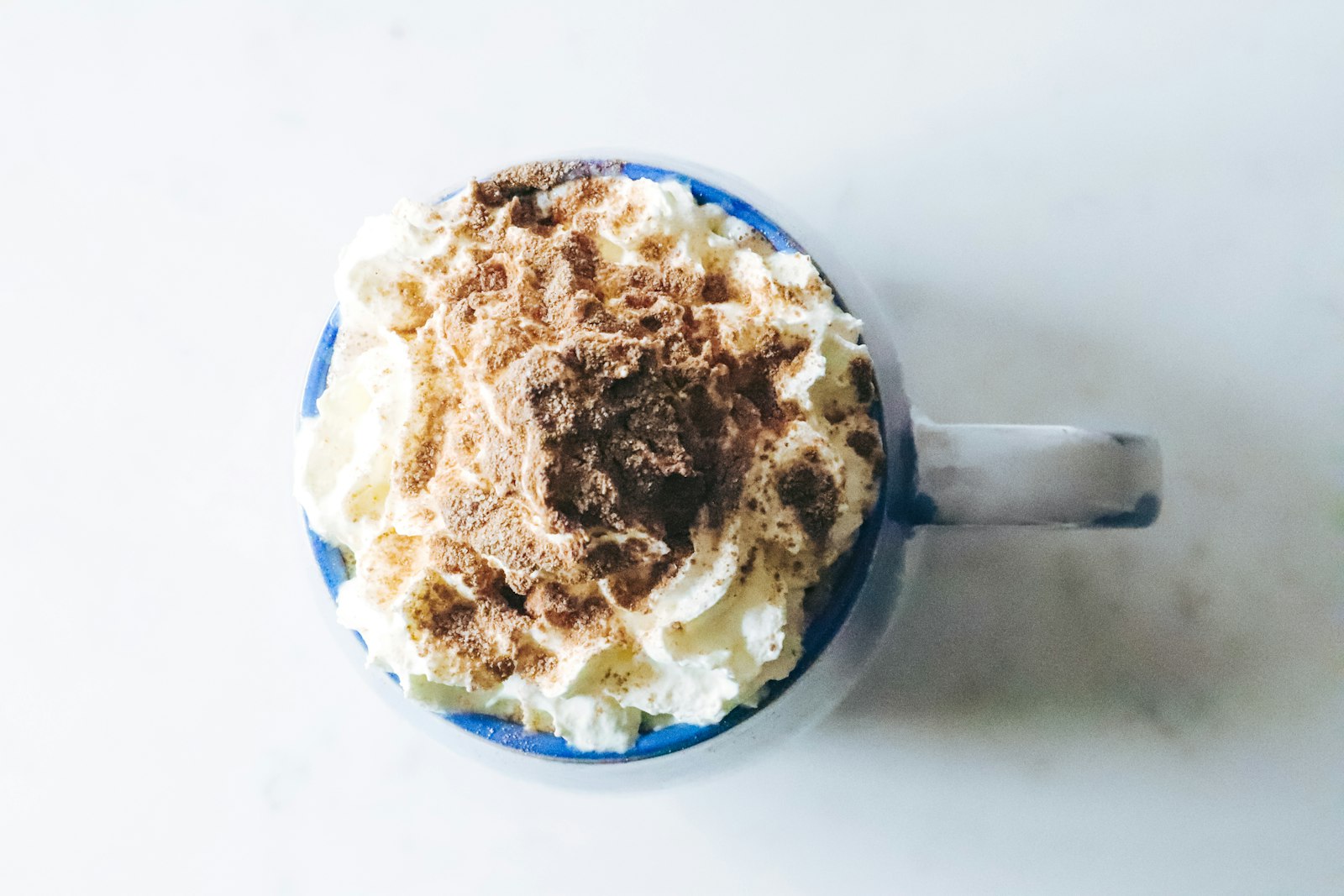
Arroz doce is the creamy rice pudding found at every Portuguese wedding, christening and Christmas table. Rice cooks slowly in milk with lemon peel and cinnamon, then egg yolks make it extra rich. The top is decorated with cinnamon, often in pretty patterns or even names. It is pure comfort in a bowl and a favorite among Spanish and Portuguese desserts. Warm or cold, how do you like rice pudding?
You will need: You need: 1 cup short grain rice, 2 cups water, 4 cups milk, peel of 1 lemon, 1 cinnamon stick, 3/4 cup sugar, 3 egg yolks, pinch of salt, ground cinnamon.
How to make it: Simmer rice in water with salt, lemon peel and cinnamon until the water is gone. Add milk a little at a time, stirring, for 30 minutes. Stir in sugar. Remove from heat and quickly stir in the yolks. Spoon into a dish and dust with cinnamon.
Churros With Thick Hot Chocolate
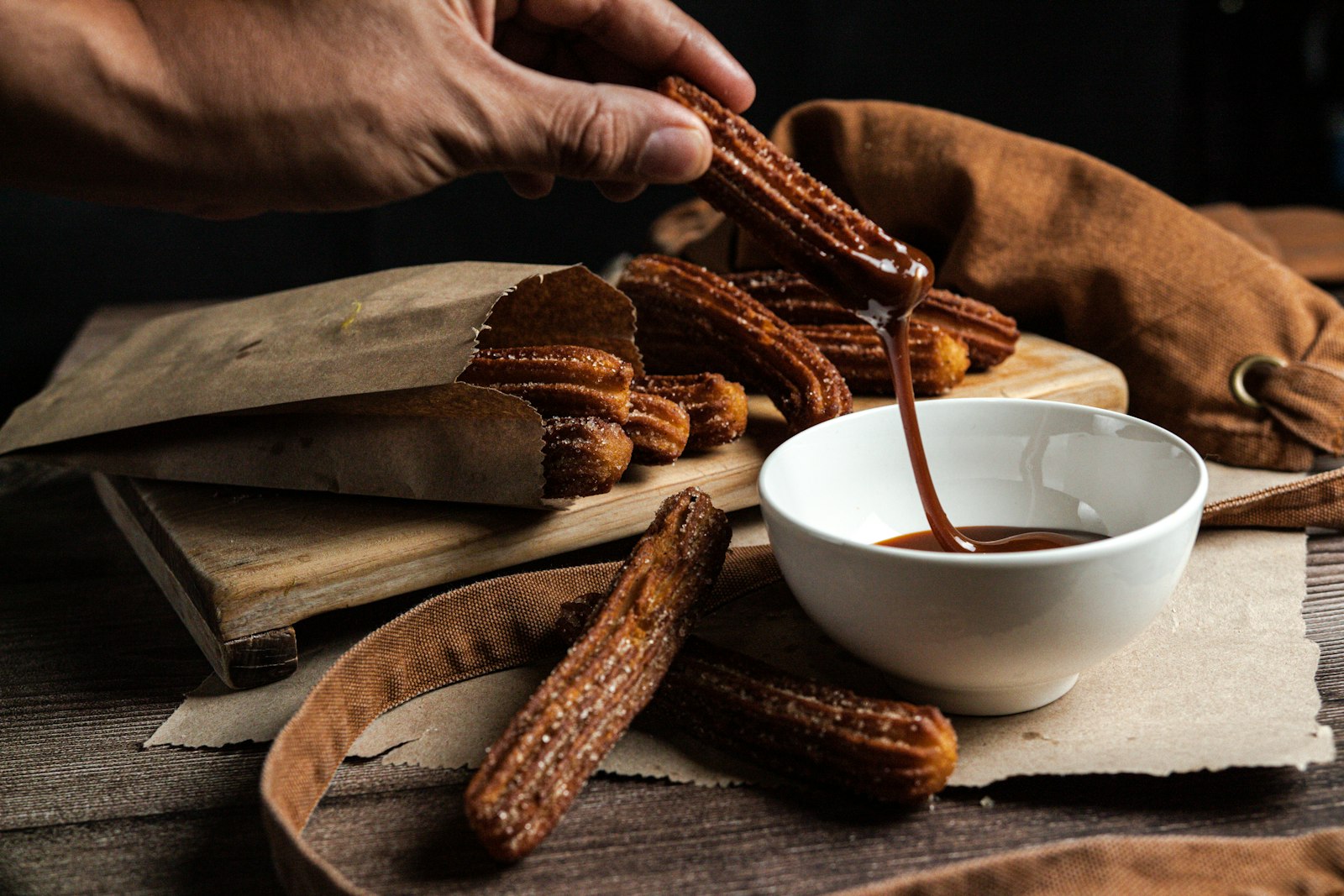
No list of Spanish and Portuguese desserts is complete without churros. In Spain they are eaten with a cup of hot chocolate so thick you can almost stand a spoon in it. The dough is just flour, water and salt, piped into hot oil and fried until crisp. Dip, bite, repeat. Who else would order a second round?
You will need: You need: 1 cup water, 1 tablespoon sugar, 1/2 teaspoon salt, 2 tablespoons oil, 1 cup flour, oil for frying, cinnamon sugar. Chocolate: 2 cups milk, 4 ounces dark chocolate, 1 tablespoon cornstarch, 2 tablespoons sugar.
How to make it: Boil water, sugar, salt and oil. Stir in flour until a ball forms. Pipe strips into hot oil and fry until golden. Roll in cinnamon sugar. For the chocolate, heat milk, sugar and cornstarch until thick, then melt in the chocolate.
Pao de Lo, a Classic Among Portuguese Desserts
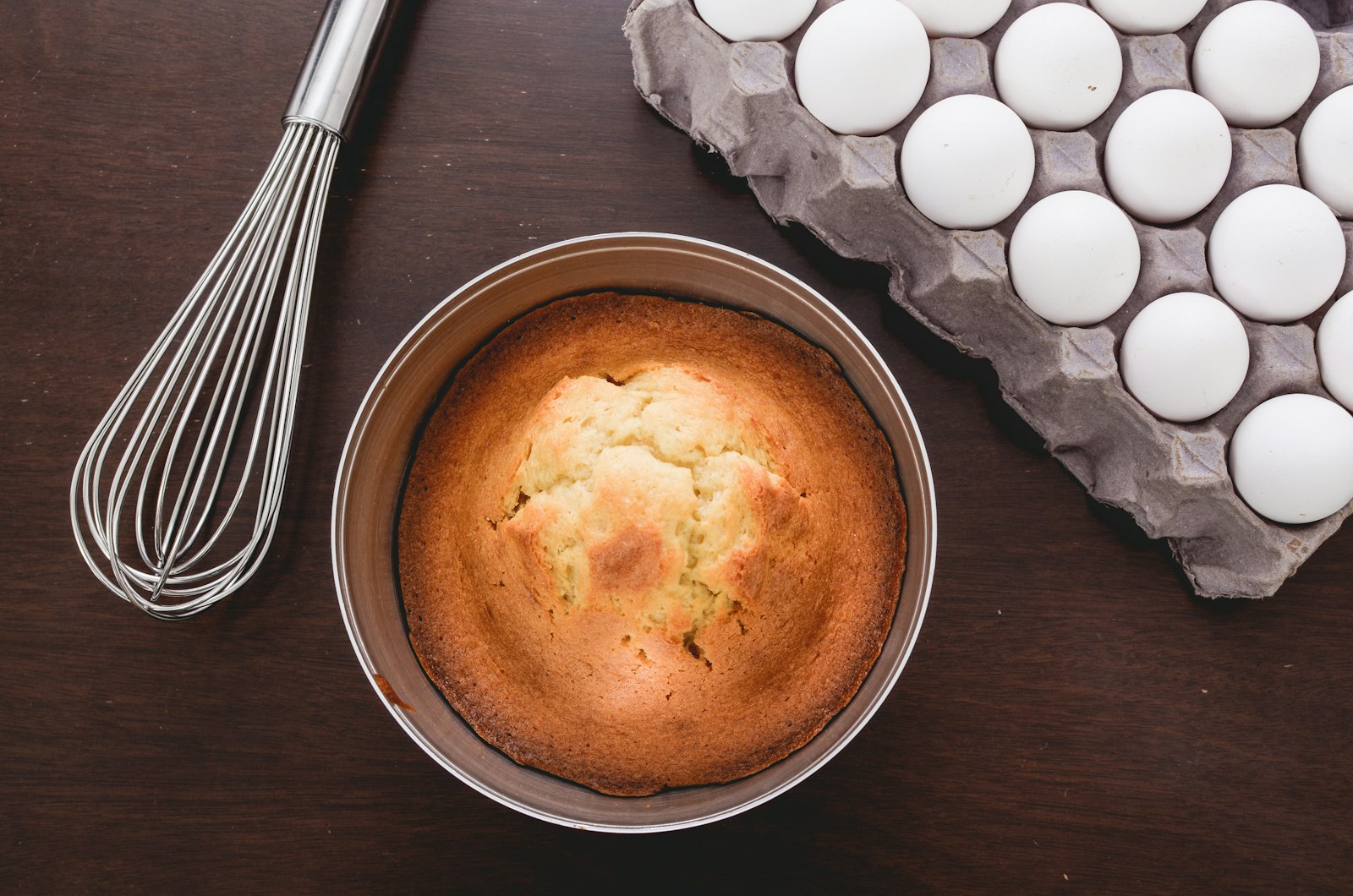
Pao de lo is one of the oldest cakes in Portugal, and it is made with just eggs, sugar and a little flour. All the lift comes from beating the eggs for a long time, so the crumb is airy and golden. Some regions bake it with a soft, almost runny center. It is a must at Easter, like so many Spanish and Portuguese desserts. Have you ever baked a cake with no butter at all?
You will need: You need: 6 eggs, 4 egg yolks, 1 cup sugar, 3/4 cup flour, pinch of salt, parchment paper.
How to make it: Heat oven to 350F and line a round pan with parchment. Beat eggs, yolks and sugar on high speed for 15 minutes until thick and pale. Gently fold in the sifted flour and salt. Pour into the pan. Bake 30 to 35 minutes. Cool in the paper.
Bizcocho de Aceite (Olive Oil Cake)
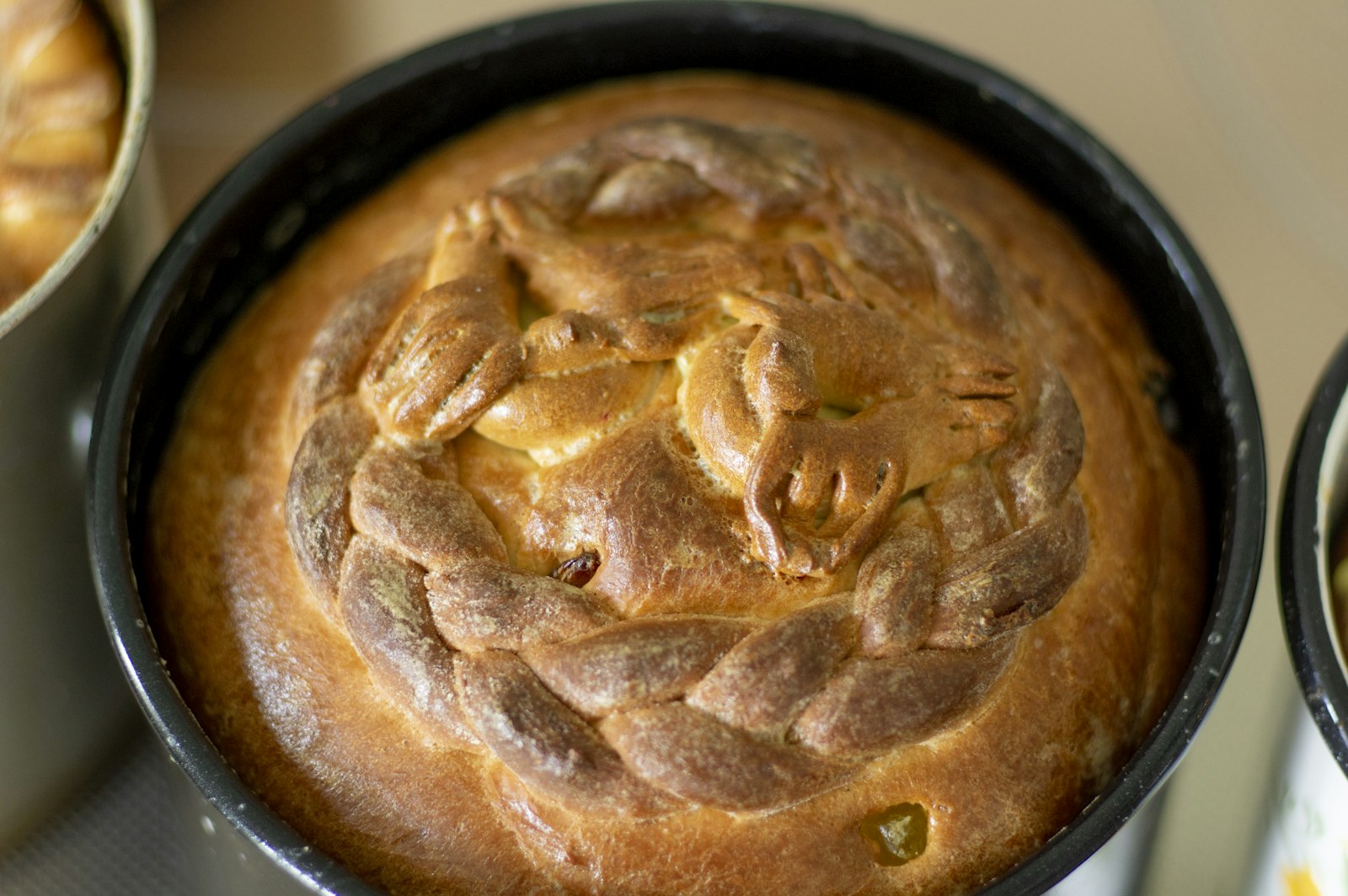
In Spain, many home bakers use olive oil instead of butter, and this simple cake shows how good that can be. It is tender, moist and fragrant with orange zest. It keeps well for days, so it is perfect for afternoon snacks with milk or coffee. Use a mild olive oil for a softer flavor. Olive oil shows up in many Spanish and Portuguese desserts. Is it new to you in cake?
You will need: You need: 3 eggs, 1 cup sugar, 3/4 cup mild olive oil, 3/4 cup plain yogurt, zest of 1 orange, 2 cups flour, 2 teaspoons baking powder, pinch of salt.
How to make it: Heat oven to 350F. Beat eggs and sugar until pale. Whisk in olive oil, yogurt and orange zest. Fold in flour, baking powder and salt. Pour into a greased round pan. Bake 40 minutes until a toothpick comes out clean. Cool before slicing.
Pudim (Portuguese Caramel Pudding)
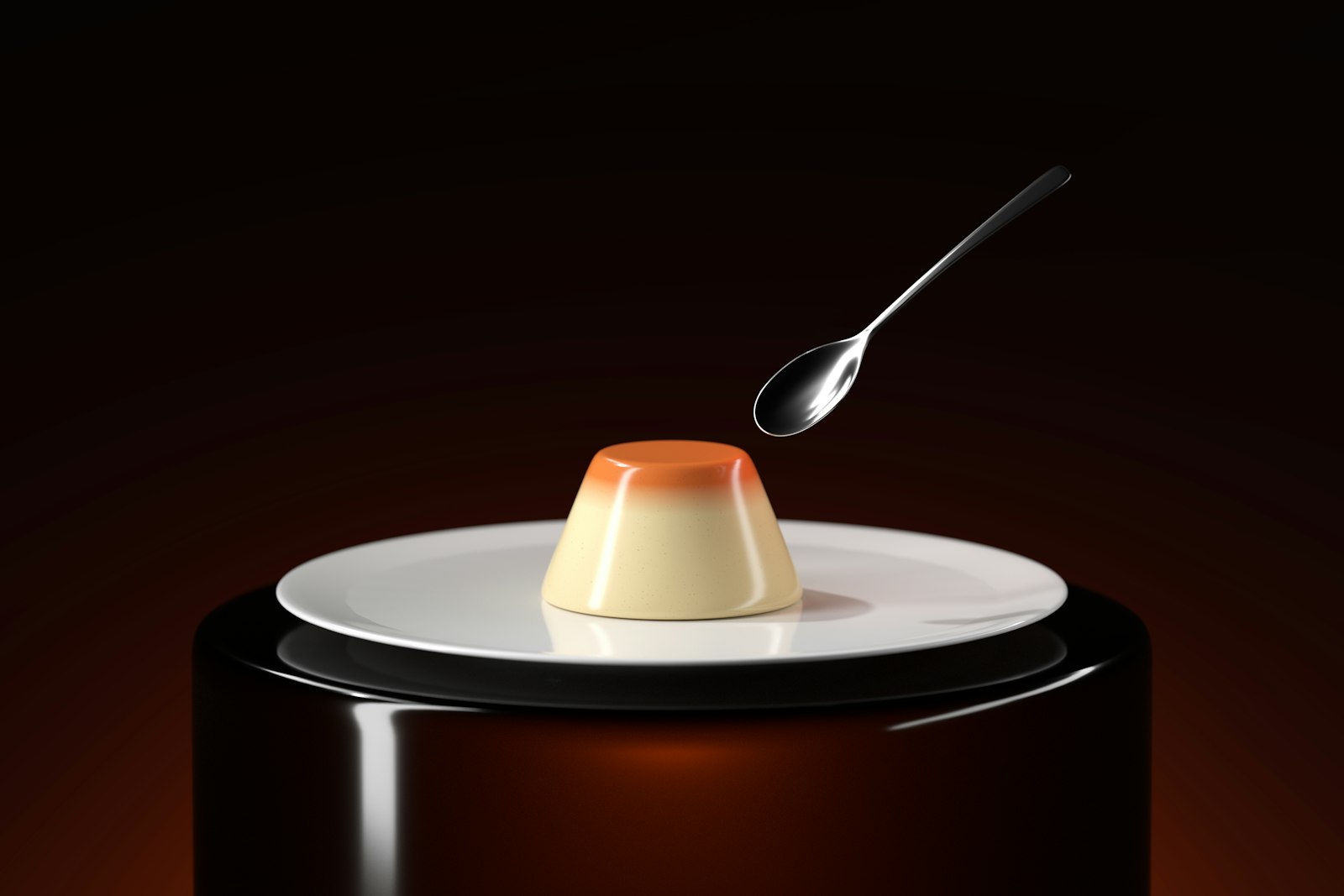
Pudim is the Portuguese version of a caramel custard, and every family has its own recipe. It is smooth, rich and covered in a dark, glossy caramel that runs down the sides when you flip it. Some versions add a splash of port wine, others keep it simple with vanilla. It is the dessert that always comes out at Sunday lunch.
You will need: You need: 1 cup sugar for caramel, 4 eggs, 2 egg yolks, 1 can condensed milk, 2 cups milk, 1 teaspoon vanilla.
How to make it: Melt sugar in a pudding mold until amber and swirl to coat. Blend eggs, yolks, condensed milk, milk and vanilla. Pour into the mold. Bake in a water bath at 350F for 50 minutes until set. Cool, chill for 4 hours and flip onto a plate.
Membrillo (Quince Paste) With Cheese
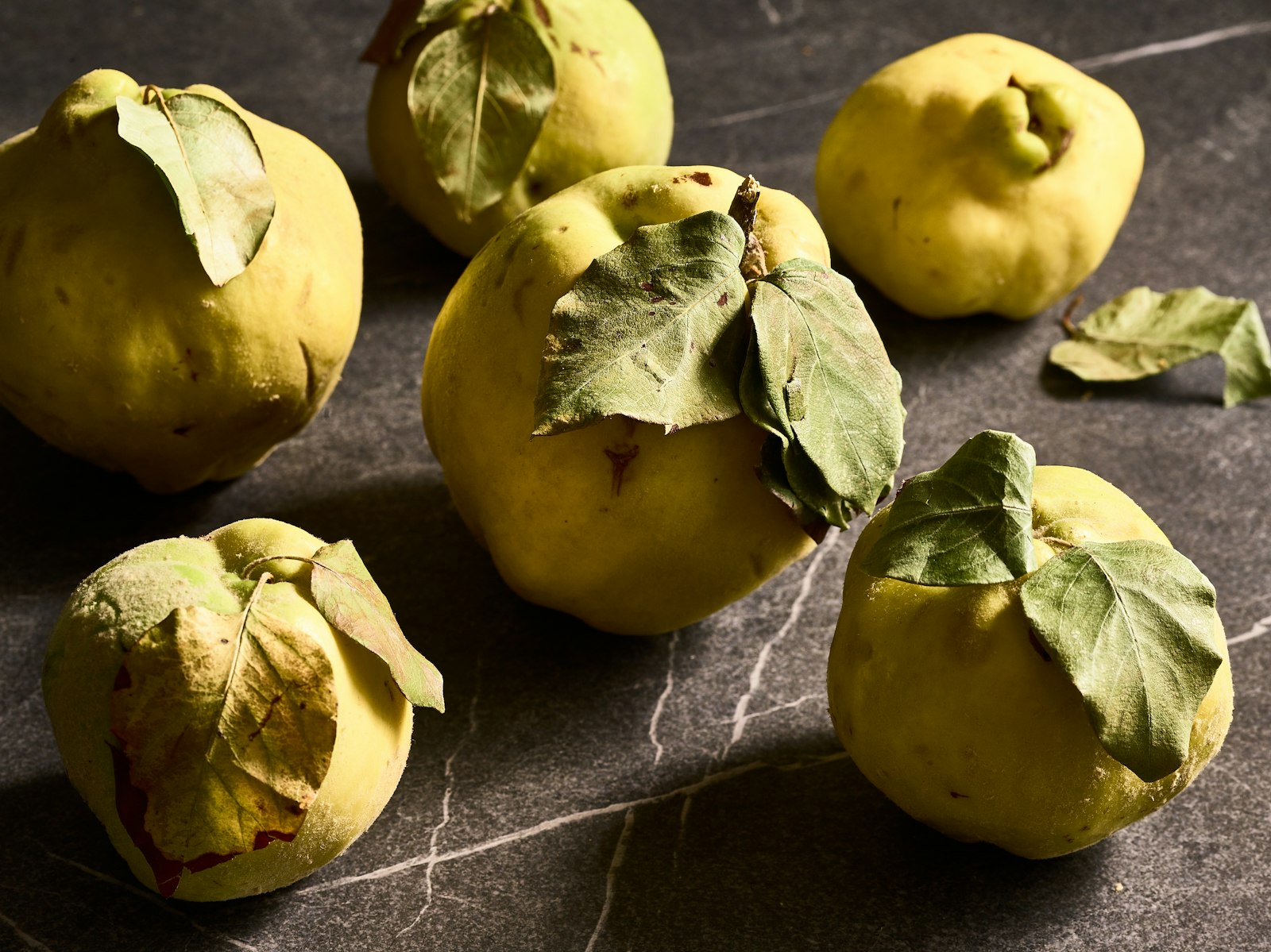
Membrillo is a thick, sliceable paste made from quinces, a fall fruit that looks like a lumpy pear. It cooks for a long time until it turns deep orange red and firm. In Spain it is served with a slice of Manchego cheese, a sweet and salty bite that is perfect for holiday platters. Quick poll: A) with cheese, B) on toast, C) straight from the knife?
You will need: You need: 4 pounds quinces, 1 vanilla bean, peel of 1 lemon, juice of 1 lemon, about 4 cups sugar, Manchego cheese to serve.
How to make it: Peel, core and chop quinces. Simmer in water with vanilla and lemon peel until soft, then drain and puree. Weigh the puree and add the same weight in sugar plus the lemon juice. Cook over low heat, stirring, for 1 hour until thick and dark. Pour into a lined pan and let it set.
Salame de Chocolate (Chocolate Salami)
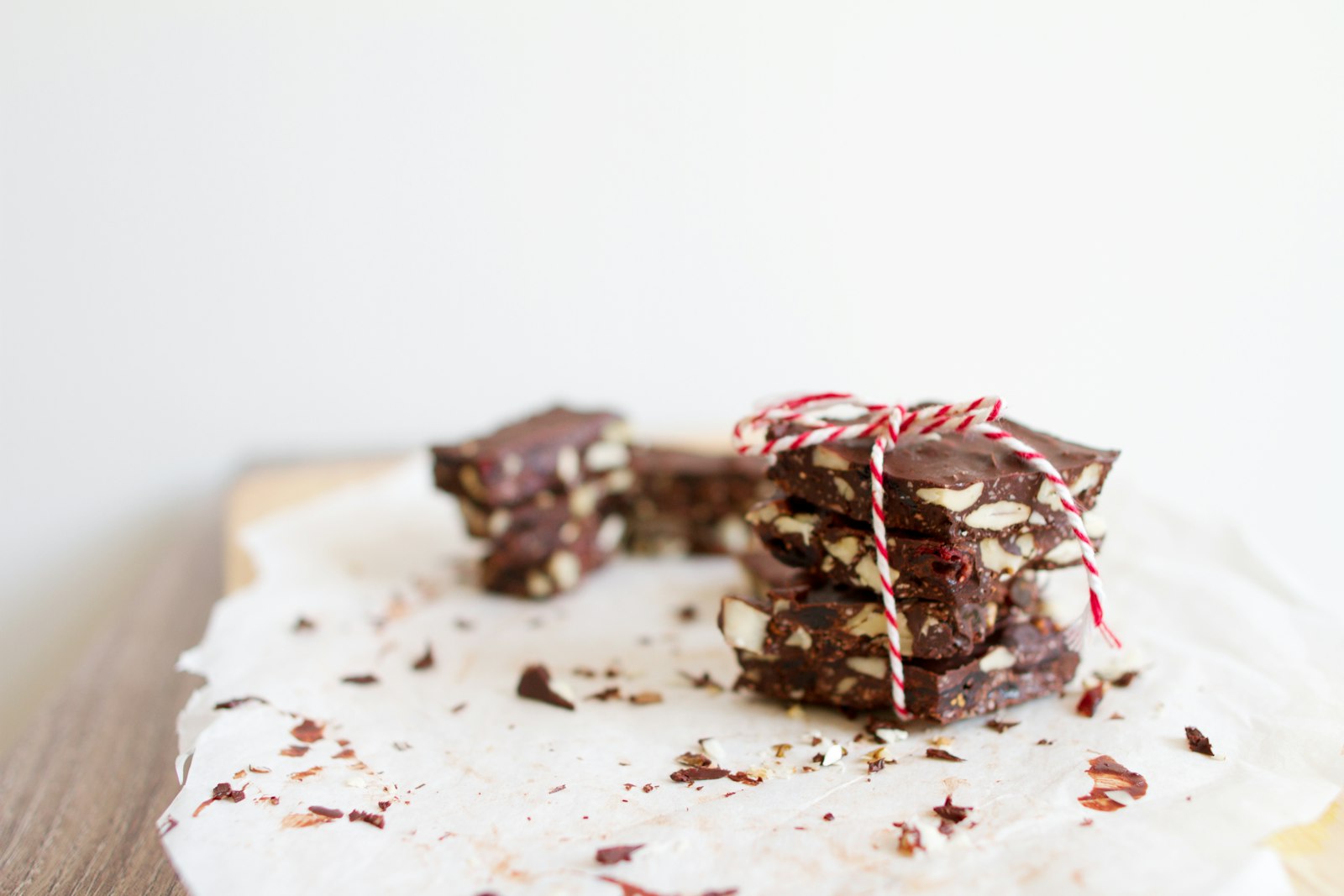
This fun Portuguese no bake treat looks like a salami, but it is made of chocolate and crushed cookies. The mix gets rolled into a log, chilled and sliced, so every round shows little cookie pieces like the real thing. Tie it with string for a cute holiday gift. Kids love helping with this one. It is one of the most playful Spanish and Portuguese desserts. Would you fool your guests?
You will need: You need: 8 ounces dark chocolate, 1/2 cup butter, 1/2 cup sugar, 2 egg yolks or 1/4 cup condensed milk, 2 tablespoons cocoa, 7 ounces plain tea biscuits, powdered sugar.
How to make it: Melt chocolate and butter. Stir in sugar, cocoa and condensed milk. Break the biscuits into small pieces and fold in. Shape into a log on plastic wrap, roll tight and chill 4 hours. Roll in powdered sugar and slice.
Natillas, the Comfort Food of Spanish Desserts
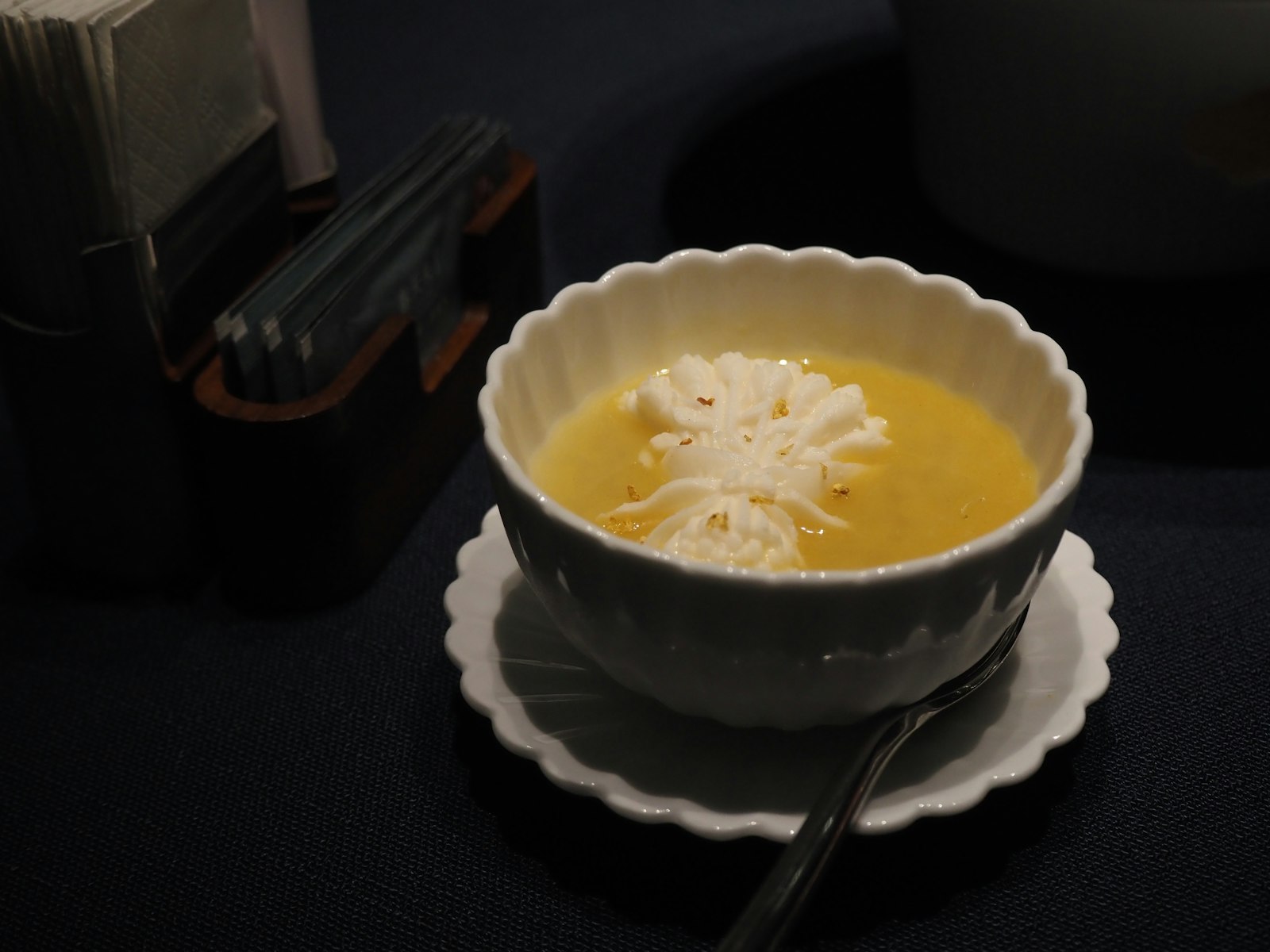
Natillas is a soft, pourable Spanish custard that tastes like childhood for millions of people. It is flavored with cinnamon and lemon, served cold in little bowls and topped with a Maria cookie that softens into the cream. It is easy, gentle and sweet, the kind of dessert grandma made on a weeknight. Of all the Spanish and Portuguese desserts here, which one reminds you of your childhood?
You will need: You need: 4 cups milk, peel of 1 lemon, 1 cinnamon stick, 6 egg yolks, 3/4 cup sugar, 2 tablespoons cornstarch, Maria cookies, ground cinnamon.
How to make it: Heat milk with lemon peel and cinnamon and let it steep. Whisk yolks, sugar and cornstarch. Strain in the warm milk, return to the pot and stir over low heat until it coats a spoon. Pour into bowls, place a cookie on top and chill. Dust with cinnamon.
Almendrados (Almond Cookies)
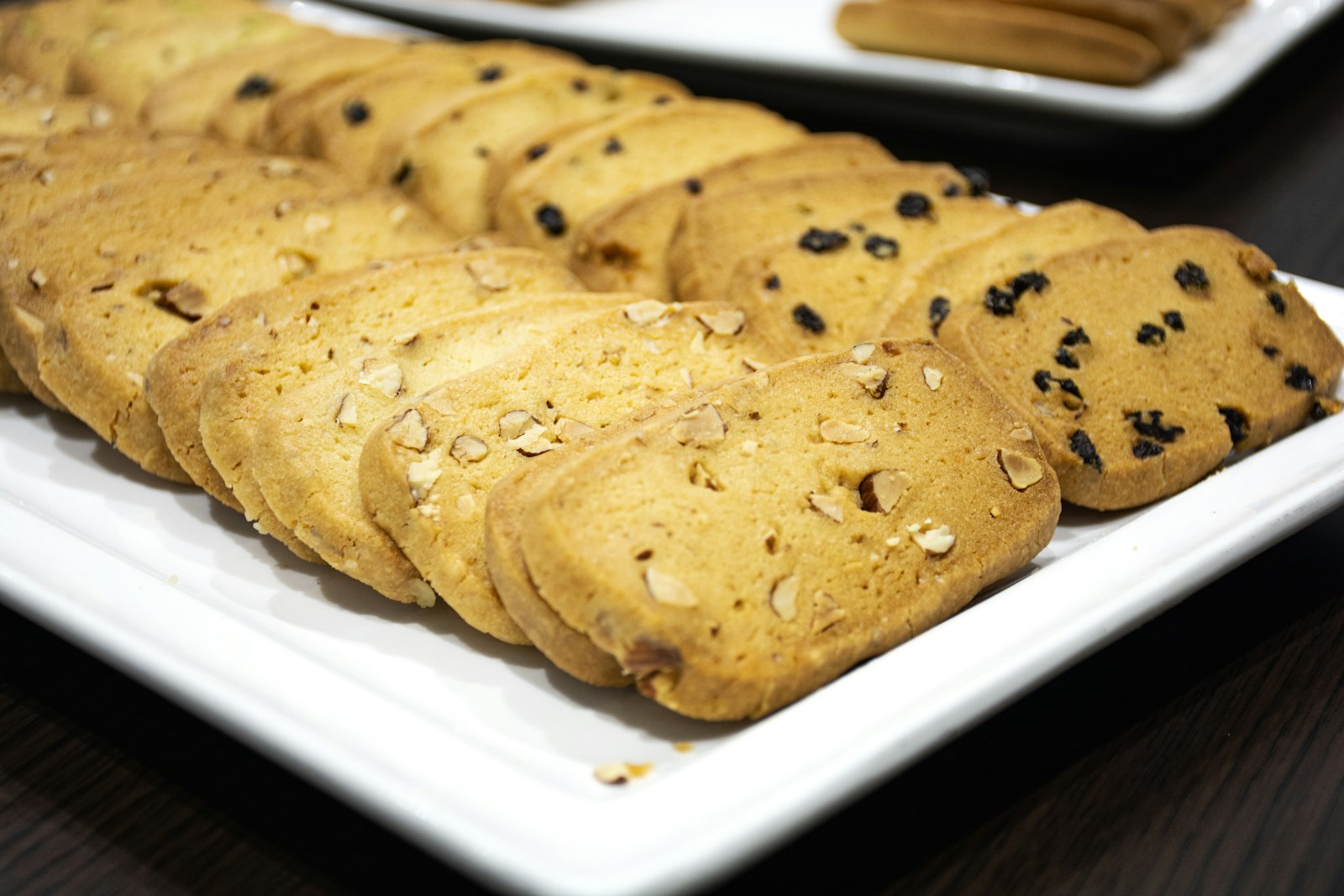
Almendrados are chewy little almond cookies made with only three ingredients: ground almonds, sugar and egg whites. They are naturally gluten free and very popular around Christmas in Spain. A whole almond pressed on top makes them look festive. For more nutty holiday baking, try these pecan desserts. Which of these Spanish and Portuguese desserts will you make first?
You will need: You need: 2 cups ground almonds, 3/4 cup sugar, 2 egg whites, zest of 1 lemon, whole almonds for the tops.
How to make it: Heat oven to 350F. Mix ground almonds, sugar and lemon zest. Stir in egg whites to make a sticky dough. Roll into small balls and place on a lined tray. Press a whole almond into each. Bake 12 to 15 minutes until lightly golden.