Steak au Poivre: The 25-Minute French Bistro Pepper Steak You Can Make at Home
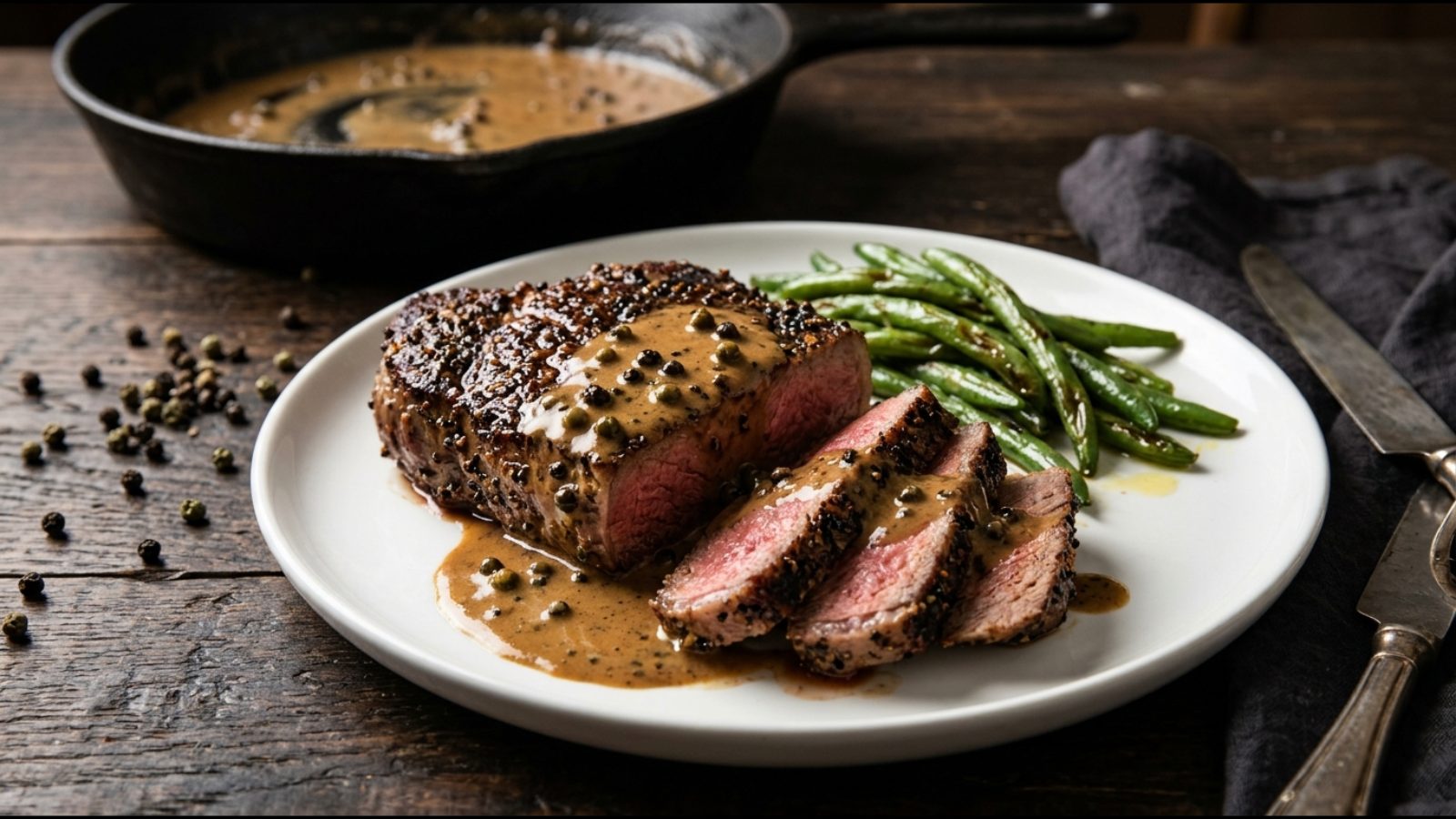
Steak au poivre is the most famous bistro steak in the world, and it is having a big moment again. Steak videos are everywhere this fall, and a new YouTube video showing how to make the classic has passed 1.3 million views since September. The good news is that the dish itself is wonderfully simple: a good steak, a crust of cracked black pepper and a creamy pan sauce made in the same skillet. You can make it at home in about 25 minutes, with no special tools and no restaurant tricks. It is perfect for date night, a small Thanksgiving or a cozy Christmas Eve for two..
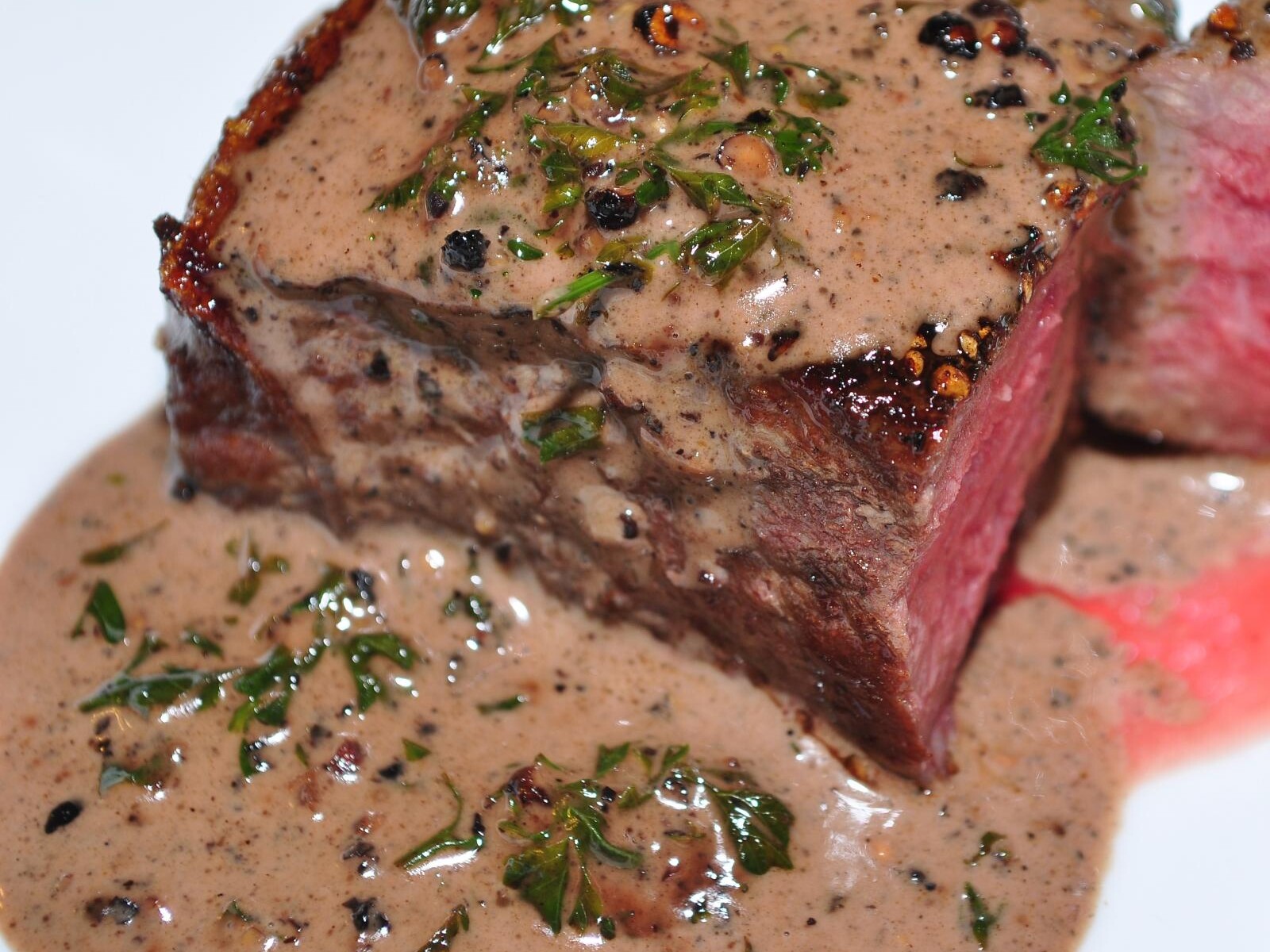
The name just means pepper steak in French. Instead of the fine gray pepper from a shaker, the steak is pressed into coarsely cracked peppercorns. When it sears in a hot pan, the pepper toasts into a crunchy, fragrant crust that is bold but not burning hot. Then the browned bits left in the pan become a silky sauce with shallot, broth and cream. Every bite is peppery, beefy and rich.
This version is written for home cooks. The sauce is made without alcohol first, using beef broth and a little Dijon mustard for depth, and the classic splash of brandy is listed only as an option. You will also find safe internal temperatures, serving ideas and easy variations for chicken and pork.
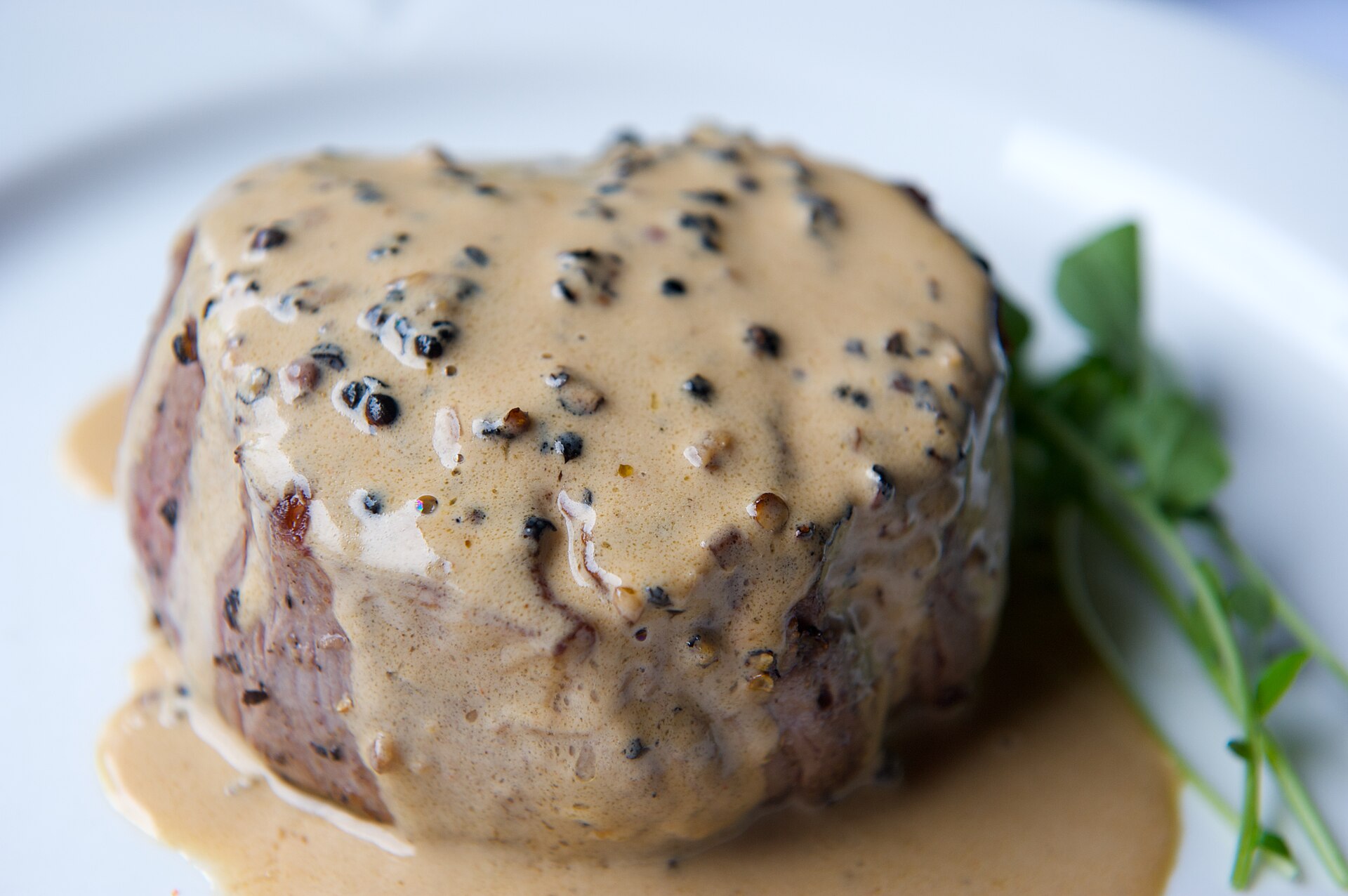
What You Need for Steak au Poivre
This recipe serves two and doubles easily. If you are cooking for a crowd, use two skillets so the steaks are not crowded.
- Steaks: 2 boneless steaks, such as New York strip, filet mignon or ribeye, 1 to 1 1/2 inches thick (about 8 to 10 oz each).
- Pepper crust: 1 1/2 tablespoons whole black peppercorns and 1 teaspoon kosher salt.
- For searing: 1 tablespoon neutral oil and 1 tablespoon butter.
- For the sauce: 1 tablespoon butter, 1 small shallot finely minced, 1/2 cup beef broth, 1/2 cup heavy cream, 1 teaspoon Dijon mustard, and 1 more tablespoon cold butter to finish.
- Optional: 2 tablespoons brandy or cognac, added with the broth, and a pinch of chopped parsley.
How to Choose the Best Steak
Steak au poivre works with almost any tender cut. Filet mignon is the most elegant and very lean, so the creamy sauce is a perfect match. New York strip has more beefy flavor and a nice chew, and it is the cut most bistros use. Ribeye is the richest and juiciest. Whatever you pick, look for steaks at least 1 inch thick. Thin steaks overcook before the pepper crust has time to toast.
Take the steaks out of the fridge about 30 minutes before cooking so they cook more evenly. Pat them very dry with paper towels. A dry surface is the secret to a deep brown crust.
Crack the Pepper, Do Not Grind It
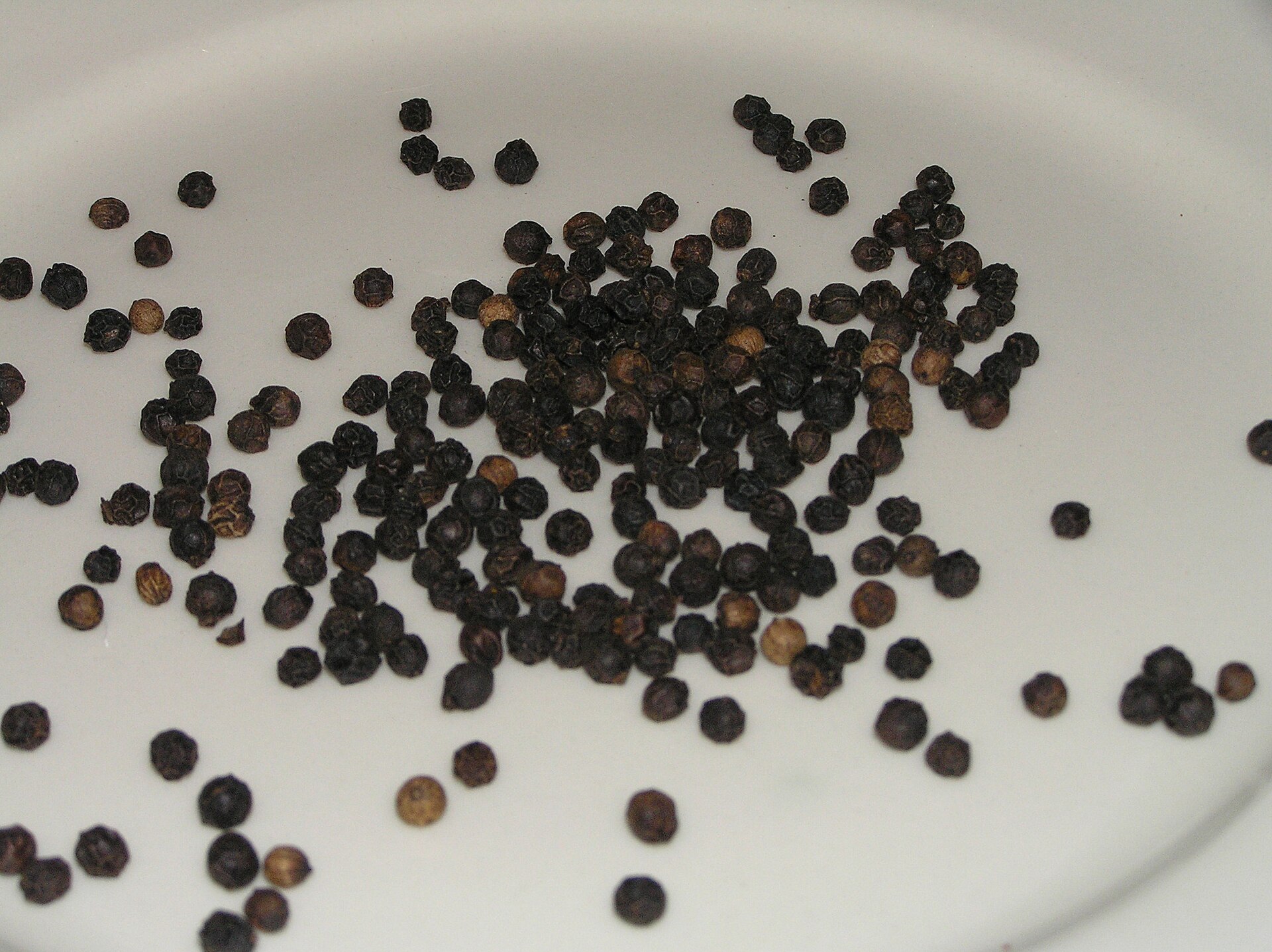
This is the step that makes or breaks the dish. Pre-ground pepper is too fine and turns bitter and harsh in a hot pan. You want coarse, cracked pieces. Put the peppercorns in a zip-top bag and press down hard with the bottom of a heavy skillet, rocking it back and forth. A rolling pin or a mortar and pestle also work. You can also use a pepper mill on its coarsest setting. Shake the cracked pepper through a fine strainer if you want to remove the dusty powder, which keeps the heat gentle.
How to Make Steak au Poivre, Step by Step
- Season. Sprinkle the steaks all over with salt. Spread the cracked pepper on a plate and press one or both sides of each steak firmly into it so the pepper sticks.
- Heat the pan. Heat the oil in a heavy skillet, ideally cast iron or stainless steel, over medium-high heat until it shimmers.
- Sear. Add the steaks and leave them alone for 3 to 4 minutes, until a dark crust forms. Flip, add the tablespoon of butter and cook 3 to 4 minutes more for medium-rare on a 1 1/4 inch steak. Tilt the pan and spoon the butter over the top.
- Check the temperature. Use an instant-read thermometer in the thickest part. Pull the steaks at about 125F for rare, 130 to 135F for medium-rare and 140F for medium. The USDA recommends cooking whole cuts of beef to 145F with a 3 minute rest, so cook to that if you prefer it fully safe by those guidelines.
- Rest. Move the steaks to a warm plate and let them rest 5 to 8 minutes while you make the sauce. The juices settle and the inside finishes cooking.
- Make the sauce. Lower the heat to medium. Pour off any burnt fat, add 1 tablespoon butter and the shallot, and cook 1 minute. Pour in the broth (and brandy, if using) and scrape up all the browned bits. Simmer until reduced by half, about 2 minutes. Stir in the cream and Dijon and simmer 2 to 3 minutes until it coats a spoon. Turn off the heat and swirl in the cold butter.
- Serve. Pour any juices from the resting plate into the sauce. Slice the steaks or serve them whole, with the peppercorn sauce spooned over the top.
About the brandy: the classic French method adds cognac and sometimes lights it. It is optional, and we do not recommend flaming it at home. The broth and Dijon version above is rich and delicious on its own. If you do use brandy, take the pan off the heat before you pour it in.
What to Serve With Steak au Poivre
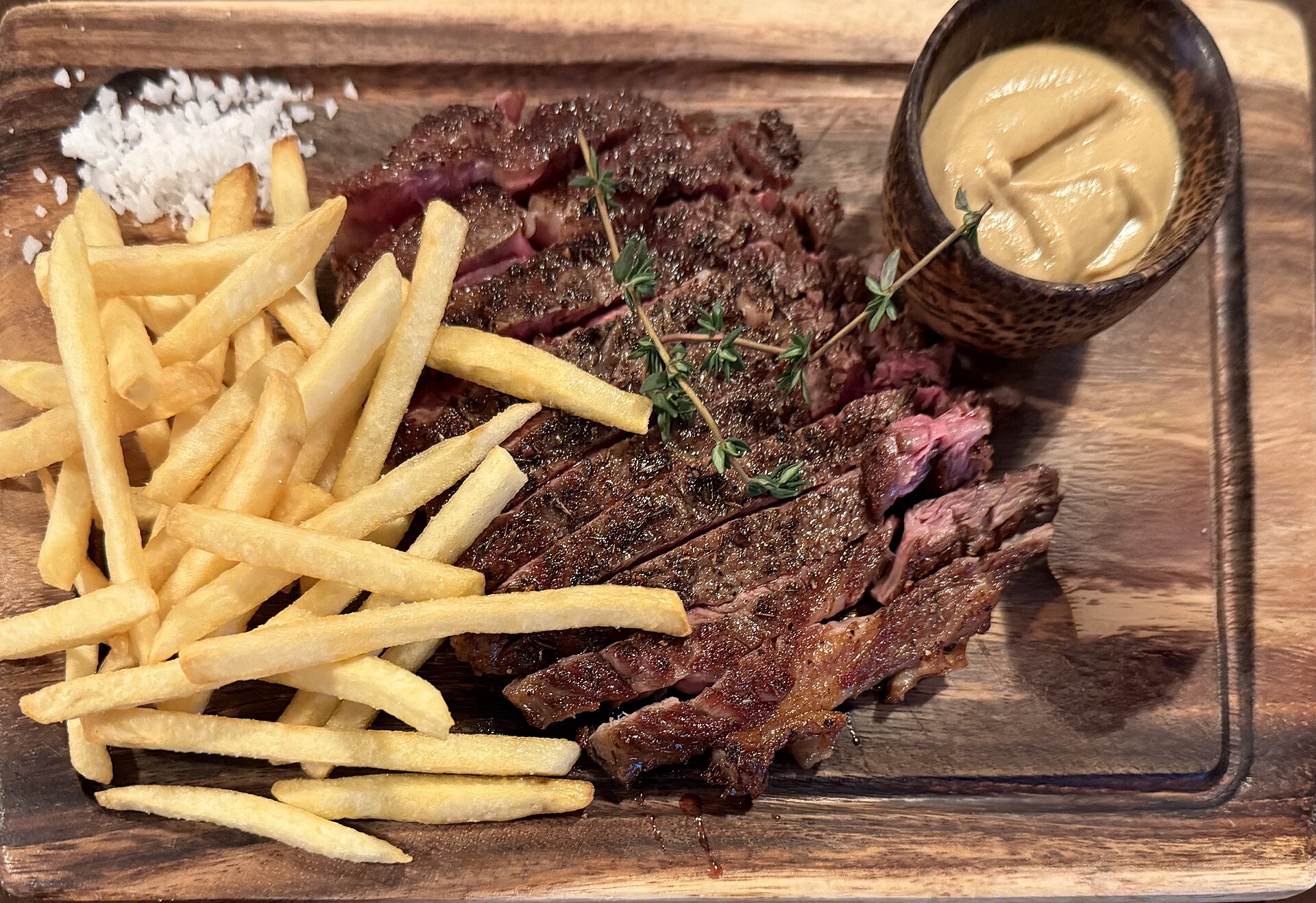
In Paris, steak au poivre almost always comes with a pile of crispy fries, and that is still the best match. Creamy mashed potatoes are a cozy holiday choice, because they catch every drop of the sauce. For something green, try simple green beans with butter, roasted asparagus or a crisp salad with a sharp vinaigrette to cut the richness. A warm baguette is a must for wiping the plate. Looking for more ideas for a special night in? Browse our steak dinners at home that beat a fancy steakhouse.
Steak au Poivre for Two on the Holidays
If you are hosting a small Thanksgiving or a quiet Christmas Eve this year, steak au poivre is a smart choice. It takes less than half an hour, uses one pan and feels truly special. Pair it with mashed potatoes, green beans and a small dessert and you have a restaurant-style holiday dinner without a 20 pound bird. NYT Cooking’s classic pepper steak recipe has more than 1,600 ratings from home cooks, and their steak au poivre for two has more than 800, proof that this dish has become a home favorite.
Easy Variations
- Chicken au poivre: pound boneless chicken breasts to an even 3/4 inch, crust them with pepper and cook 5 to 6 minutes per side until 165F. Make the same sauce.
- Pork chop au poivre: use thick boneless pork chops and cook to 145F with a 3 minute rest.
- Green peppercorn sauce: stir a tablespoon of drained green peppercorns into the cream sauce for a milder, tangy flavor.
- Mixed pepper crust: blend black, white and pink peppercorns for a colorful, slightly sweeter crust.
Steak au Poivre FAQ
Is steak au poivre very spicy? Not really. Cracked pepper is aromatic and warm rather than fiery, and the cream sauce softens it. If you are sensitive, press pepper on only one side of each steak.
Can I use pre-ground pepper? It is not recommended. Fine pepper burns quickly and tastes harsh. Coarsely cracked pepper is the whole point of the dish.
Can I make it without cream? Yes. Reduce the broth, then swirl in 2 extra tablespoons of cold butter for a glossy, lighter pan sauce.
Which pan is best? A heavy cast iron or stainless steel skillet. Nonstick pans do not build the browned bits that give the sauce its flavor.
Once you make steak au poivre at home, it is hard to order it at a restaurant again. It is quick, it is classic, and it turns an ordinary weeknight into a celebration. Which cut will you try first?