Dishes Invented at Hotels: 16 Famous Classics First Served to Grand Hotel Guests, From the Brownie to Waldorf Salad
Dishes invented at hotels are hiding in plain sight on almost every American table. The fudgy brownie, the buttery dinner roll in the bread basket, the creamy salad dressing in the fridge door and even the Caesar salad all trace back to grand hotel kitchens, where famous chefs cooked for presidents, opera stars and world fair visitors. Food origin stories are some of the most loved reads on MSN, and these ones come with a bonus: every dish is easy to make at home. Some origins are well documented, while others are proudly claimed by more than one hotel, so we tell you which is which. Here are 16 famous dishes invented at hotels, from Chicago and Boston to London and Vienna, each with the true story, what you will need and simple steps..
The Palmer House Brownie: Chicago, 1893
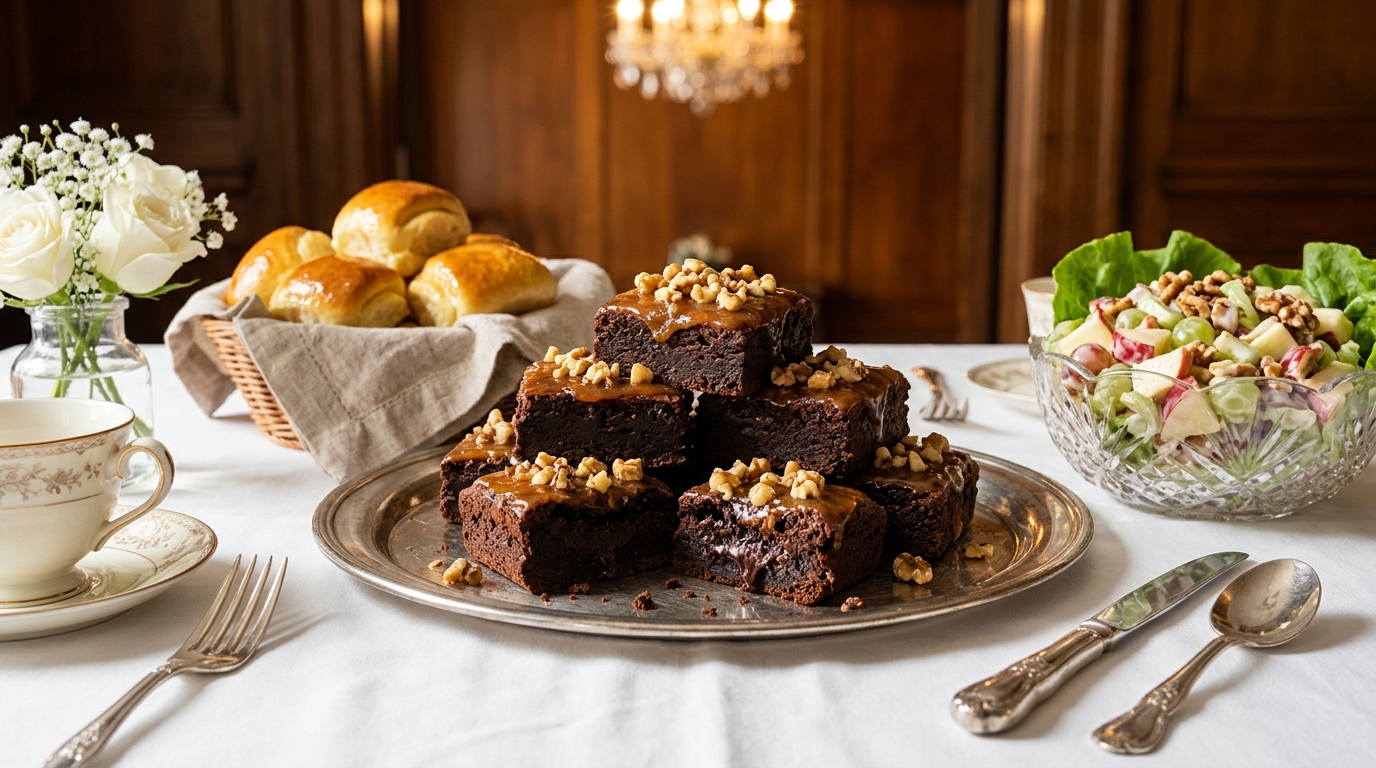
The brownie may be the most famous of all dishes invented at hotels. According to the history of the chocolate brownie, Chicago socialite Bertha Palmer asked the pastry chef at her husband’s Palmer House hotel for a dessert that ladies could eat from a boxed lunch at the 1893 World’s Columbian Exposition. The chef created a dense chocolate square with walnuts and a shiny apricot glaze. The hotel still bakes the original recipe today, and home cooks around the world bake its easy descendants every single week..
You will need: 1 cup butter, 8 ounces semisweet chocolate, 1 1/2 cups sugar, 4 eggs, 1 teaspoon vanilla, 1 cup flour, 1 1/2 cups chopped walnuts, 1/2 cup apricot preserves, 2 tablespoons water.
How to make it: 1. Heat the oven to 350 F and line a 9 by 13 inch pan with parchment. 2. Melt the butter and chocolate together, then cool for 5 minutes. 3. Whisk in the sugar, eggs and vanilla, then fold in the flour and 1 cup of walnuts. 4. Spread in the pan, scatter over the rest of the walnuts and bake for 30 to 35 minutes. 5. Warm the preserves with the water, brush over the warm brownies and cool before cutting.
Parker House Rolls: Boston’s Famous Folded Dinner Rolls
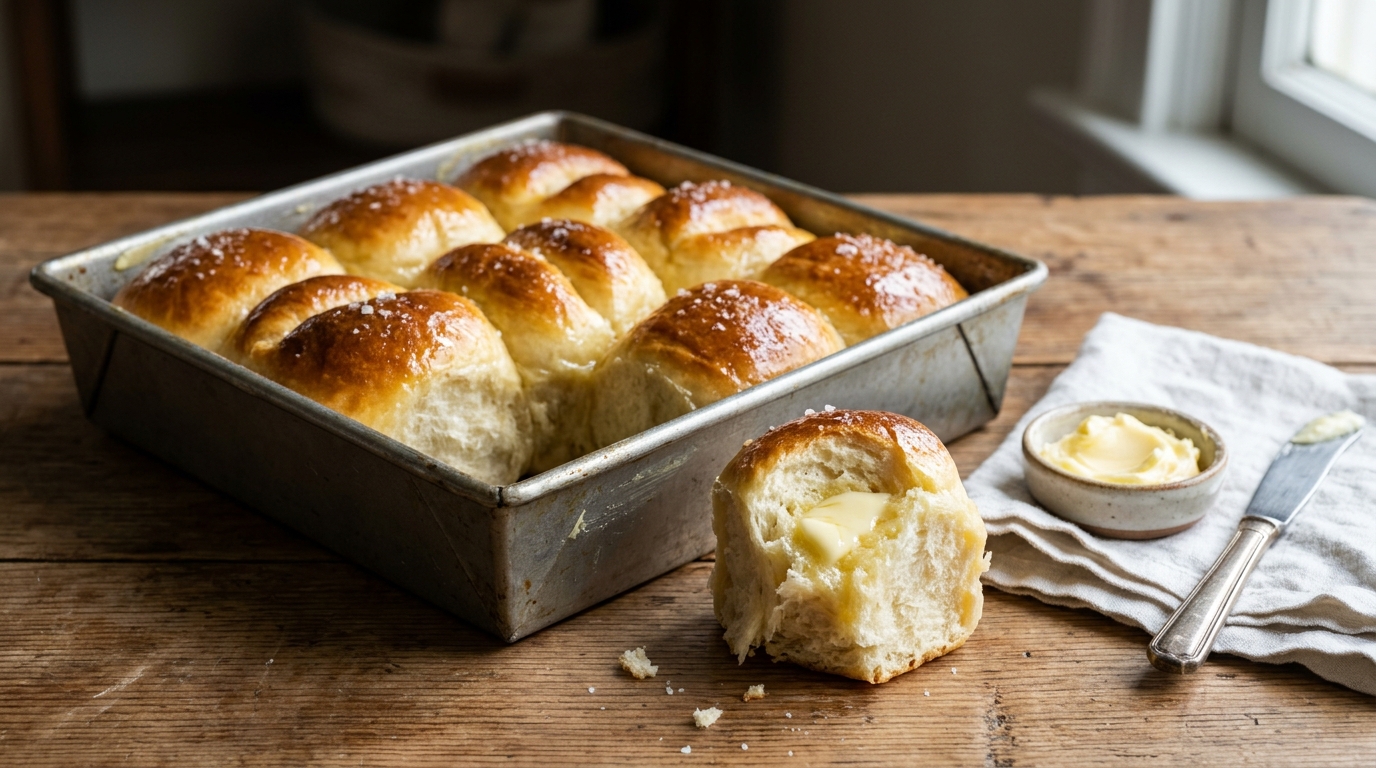
Boston’s Parker House hotel opened in 1855 and became one of the most talked-about places to eat in America. Its signature dinner rolls, soft folded pockets of buttery bread, were being served there by the 1870s. A favorite legend says a grumpy baker tossed some unfinished rolls into the oven and they puffed up into this shape, though nobody can prove it. What is certain is that the name stuck, and Parker House rolls are now a classic in holiday bread baskets across the country. Of all the dishes invented at hotels, few are baked at home more often.
You will need: 1 cup warm milk, 2 1/4 teaspoons instant yeast, 3 tablespoons sugar, 1 egg, 6 tablespoons soft butter plus 4 tablespoons melted butter, 3 1/2 cups flour, 1 1/2 teaspoons salt, flaky salt for the tops.
How to make it: 1. Mix the milk, yeast, sugar, egg and soft butter, then add the flour and salt and knead until smooth. 2. Let the dough rise until doubled, about 1 hour. 3. Roll it out 1/2 inch thick, cut into ovals, brush with melted butter and fold each one in half. 4. Arrange snugly in a buttered pan and let them rise for 30 minutes. 5. Bake at 375 F for 15 to 18 minutes, then brush with butter and sprinkle with flaky salt.
Boston Cream Pie, Another of the Dishes Invented at Hotels
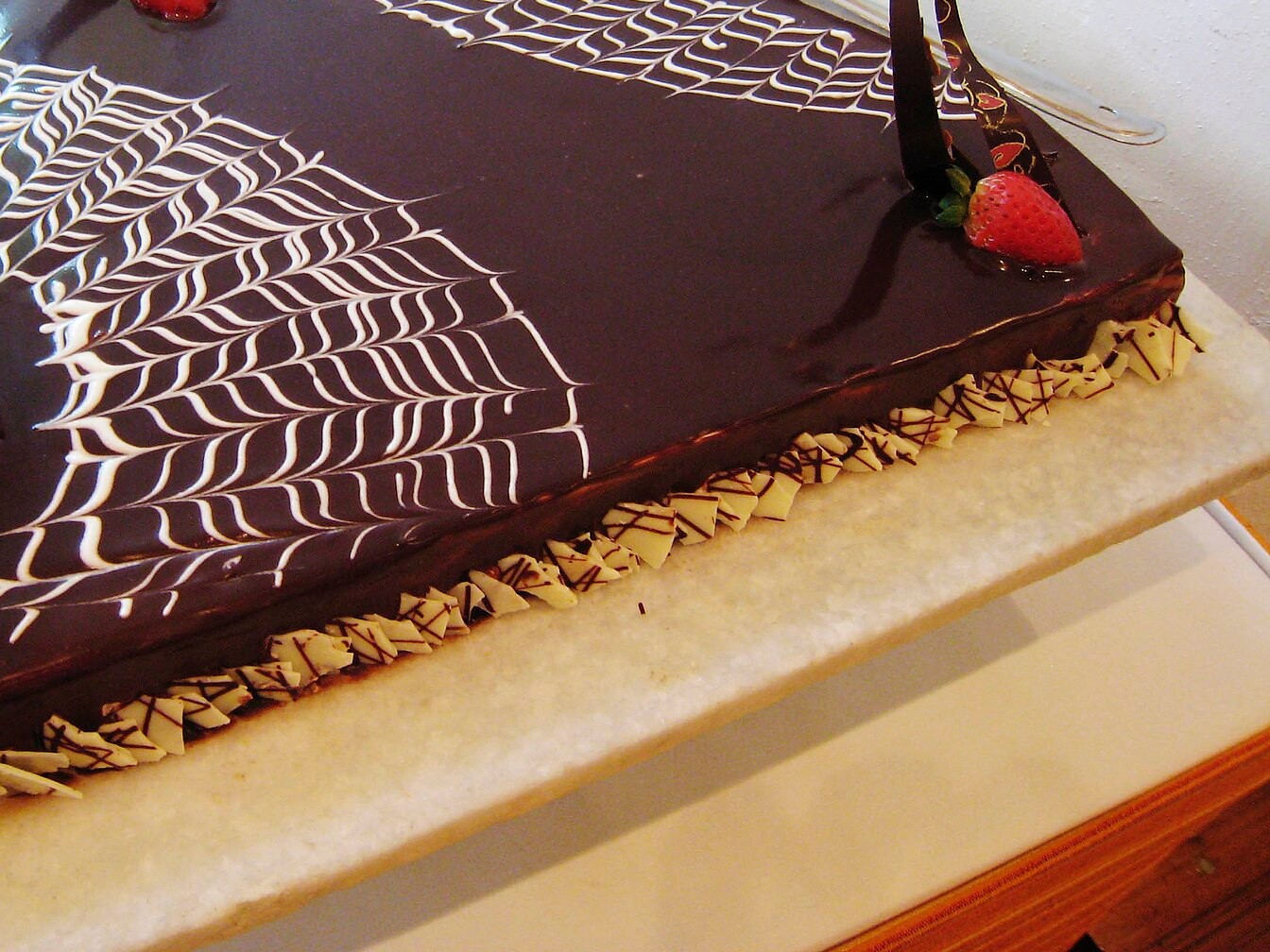
Boston cream pie is really a cake, and it was born in the same Parker House kitchen as the rolls. In 1856 a French chef at the hotel layered sponge cake with thick vanilla custard and poured chocolate glaze over the top, which was an unusual idea at the time. Guests loved it, and in 1996 Massachusetts named it the official state dessert. The name probably comes from a time when cakes and pies were baked in the same round tins and the words were used loosely. Two dishes invented at hotels from one kitchen is still a record few hotels can match.
You will need: 2 layers of vanilla sponge cake (8 or 9 inch), 2 cups milk, 1/2 cup sugar, 4 egg yolks, 3 tablespoons cornstarch, 1 teaspoon vanilla, 1 tablespoon butter, 4 ounces dark chocolate, 1/2 cup heavy cream.
How to make it: 1. Whisk the milk, sugar, yolks and cornstarch in a pan and cook, stirring, until thick. 2. Take off the heat, stir in the vanilla and butter, then chill the custard until cold. 3. Spread the custard over one cake layer and top with the second layer. 4. Heat the cream until steaming, pour it over the chopped chocolate and stir until glossy. 5. Pour the glaze over the top, let it drip down the sides and chill for 1 hour before slicing.
Waldorf Salad: New York, 1896
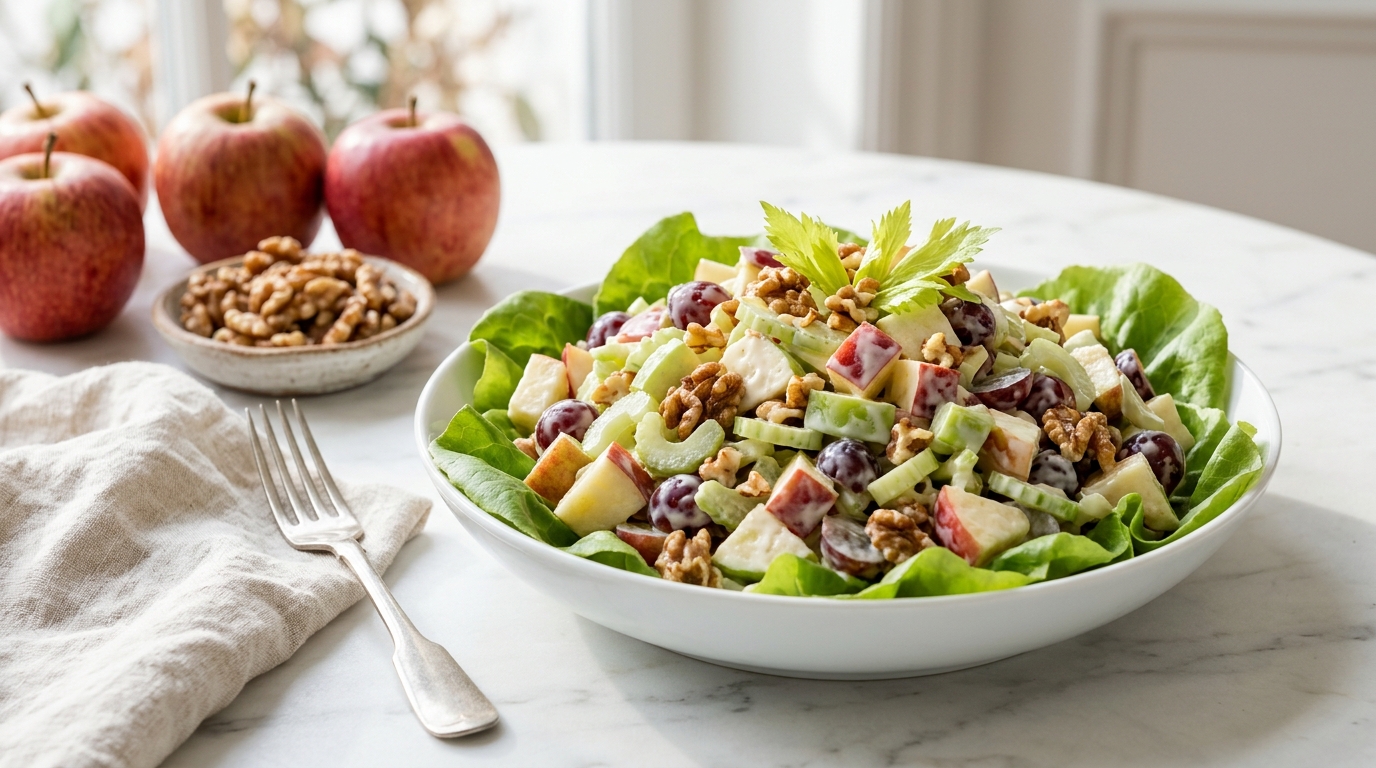
The Waldorf salad was first served in 1896 at the Waldorf Hotel in New York, where it was created by the famous maitre d’hotel Oscar Tschirky, known to guests as Oscar of the Waldorf. His original version was simple: crisp apples, celery and good mayonnaise on lettuce. Walnuts were added a few decades later, and grapes came along after that. The crunchy, creamy salad became a symbol of elegant hotel dining and is still a favorite on holiday buffets and at ladies’ lunches today. It is one of the easiest dishes invented at hotels to make for a crowd.
You will need: 2 crisp red apples, 2 celery ribs, 1 cup red or green grapes, 3/4 cup toasted walnuts, 1/3 cup mayonnaise, 1/4 cup plain yogurt, 1 tablespoon lemon juice, salt, pepper, lettuce leaves.
How to make it: 1. Core and dice the apples and toss them with the lemon juice so they stay bright. 2. Slice the celery thinly and halve the grapes. 3. Stir the mayonnaise and yogurt together with a pinch of salt and pepper. 4. Fold the apples, celery, grapes and most of the walnuts into the dressing. 5. Serve on lettuce leaves and scatter the remaining walnuts on top.
Eggs Benedict and the Famous Hotel Breakfast Story
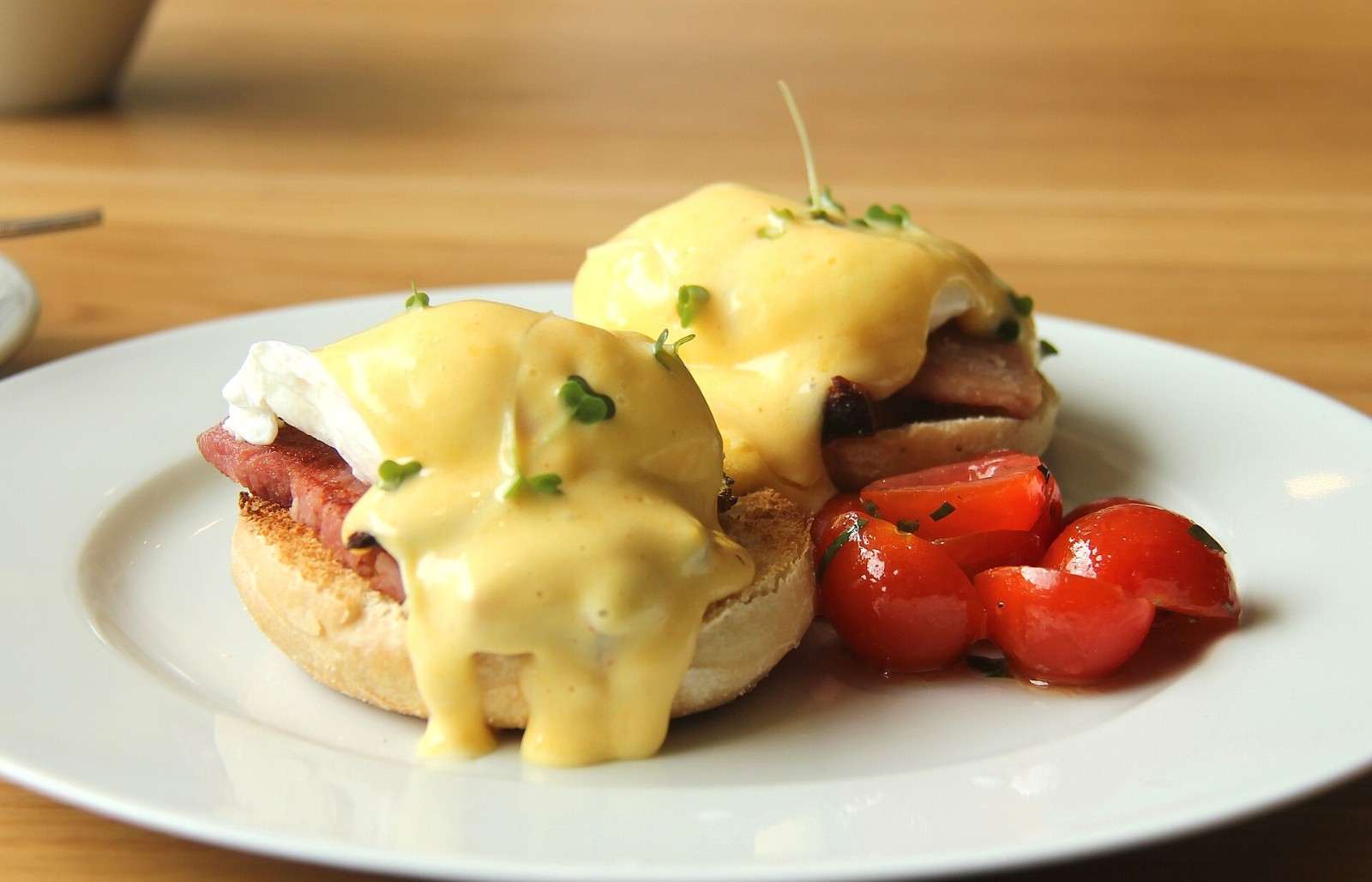
Eggs Benedict has two famous origin stories, and a New York hotel is part of one of them. In one account, a Wall Street stockbroker named Lemuel Benedict walked into the Waldorf Hotel in 1894 and ordered buttered toast, poached eggs, crisp bacon and a pitcher of hollandaise. Oscar Tschirky liked the idea so much that he put it on the menu with ham and an English muffin. The famous Delmonico’s restaurant tells a different story, so the dish is proudly claimed by both. That makes it one of the most debated dishes invented at hotels or restaurants.
You will need: 4 eggs, 2 English muffins, 4 slices Canadian bacon or ham, 3 egg yolks, 1 tablespoon lemon juice, 1/2 cup melted butter, pinch of cayenne, salt, chives, a splash of vinegar.
How to make it: 1. Blend the egg yolks and lemon juice, then slowly drizzle in the hot melted butter until thick; season with salt and cayenne. 2. Toast the muffin halves and warm the bacon in a skillet. 3. Bring a pan of water to a gentle simmer with a splash of vinegar. 4. Poach the eggs for about 3 minutes until the whites are set. 5. Stack muffin, bacon and egg, spoon over the sauce and sprinkle with chives.
Thousand Island Dressing From the St. Lawrence River
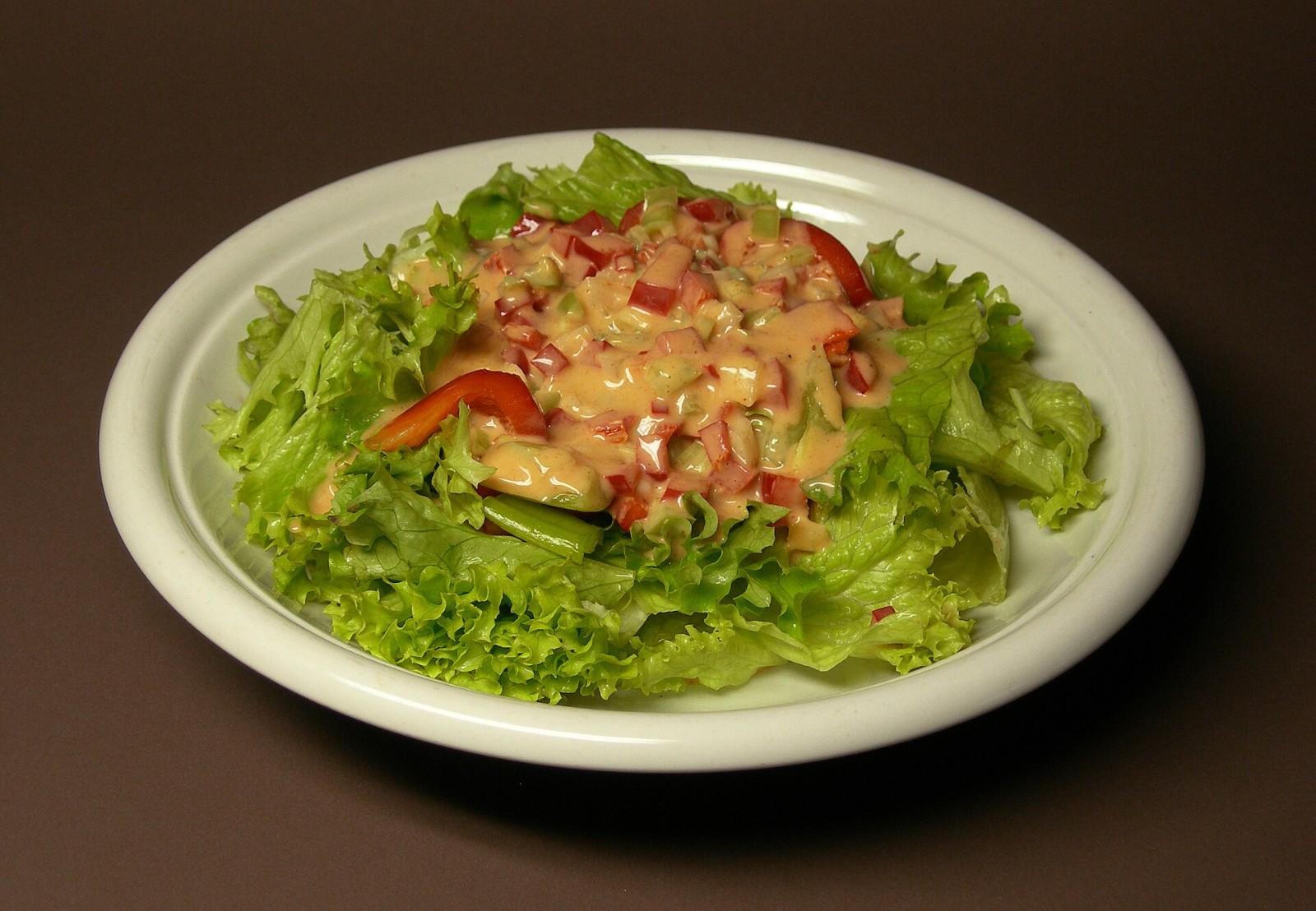
Thousand Island dressing is named after the Thousand Islands, a summer vacation area on the St. Lawrence River between New York and Canada. The most popular story says a fishing guide’s wife made the pink dressing for shore dinners, and it was then served at a local hotel in Clayton, New York. Another version credits wealthy hotel owner George Boldt, who ran the Waldorf-Astoria and had a castle in the islands. Both stories are still told, and the dressing is still a family favorite. Many dishes invented at hotels come with more than one story, and this one is no exception.
You will need: 1/2 cup mayonnaise, 2 tablespoons ketchup, 2 tablespoons sweet pickle relish, 1 tablespoon finely chopped onion, 1 hard-boiled egg, 1 teaspoon lemon juice, 1/2 teaspoon paprika, salt and pepper.
How to make it: 1. Finely chop the hard-boiled egg. 2. Stir the mayonnaise, ketchup, relish, onion and lemon juice together in a bowl. 3. Fold in the chopped egg and season with paprika, salt and pepper. 4. Chill for at least 30 minutes so the flavors blend. 5. Serve on wedge salads, burgers, Reuben sandwiches or as a dip for shrimp.
Green Goddess Dressing Among Famous Dishes Invented at Hotels
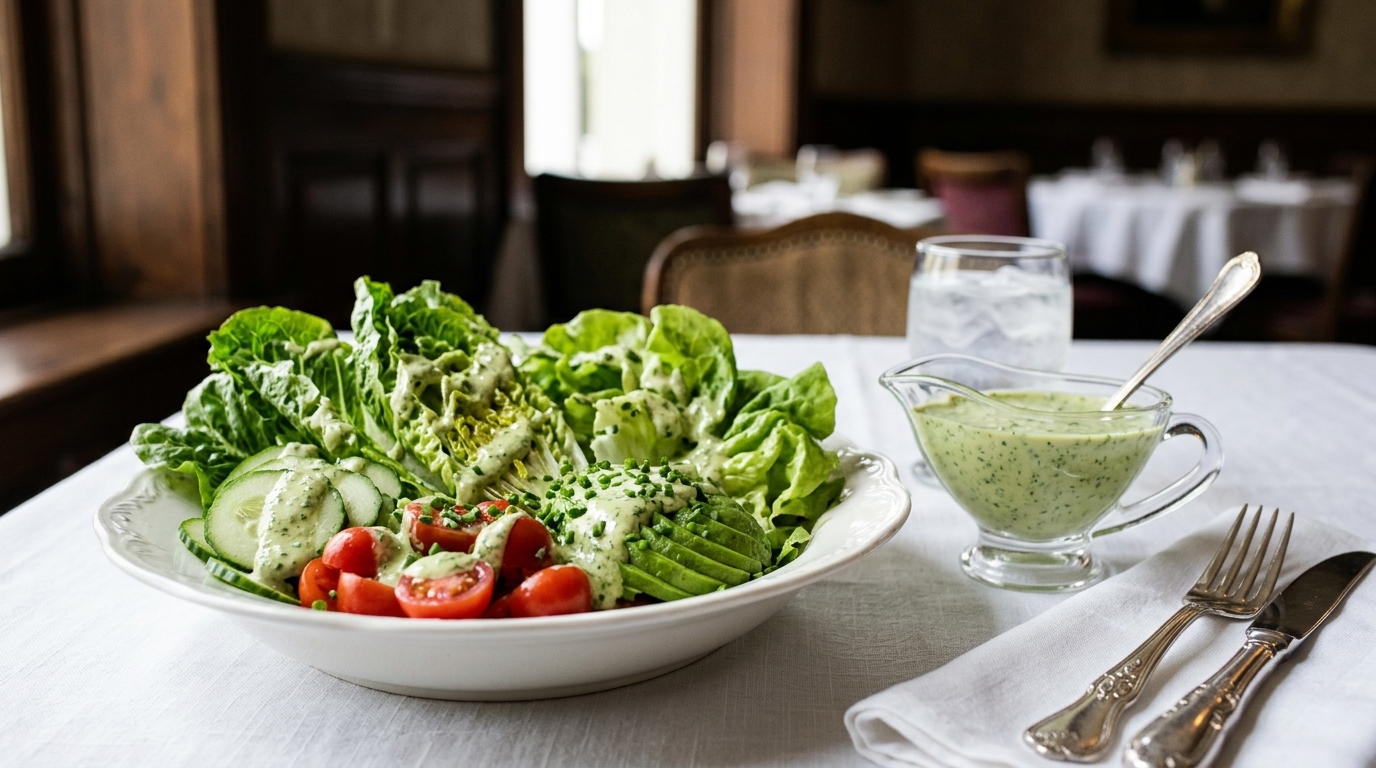
Green Goddess dressing was created in 1923 at the Palace Hotel in San Francisco. British actor George Arliss was staying there while starring in a hit play called The Green Goddess, and the hotel’s chef, Philip Roemer, honored him with a pale green dressing made with mayonnaise, anchovy, tarragon, parsley and chives. It became a California classic, faded for a while and is now hugely popular again, both as a salad dressing and as a dip for vegetables at parties.
You will need: 1 cup mayonnaise, 1/2 cup sour cream, 1 cup mixed parsley, tarragon and chives, 2 green onions, 2 anchovy fillets or 1 teaspoon anchovy paste, 1 small garlic clove, 1 tablespoon lemon juice, 1 tablespoon white wine vinegar, salt and pepper.
How to make it: 1. Put the herbs, green onions, anchovy and garlic in a blender. 2. Add the mayonnaise, sour cream, lemon juice and vinegar. 3. Blend until smooth and pale green. 4. Season with salt and pepper and chill for 30 minutes. 5. Serve over crisp romaine and avocado or as a dip for raw vegetables.
Crab Louie, the King of West Coast Salads
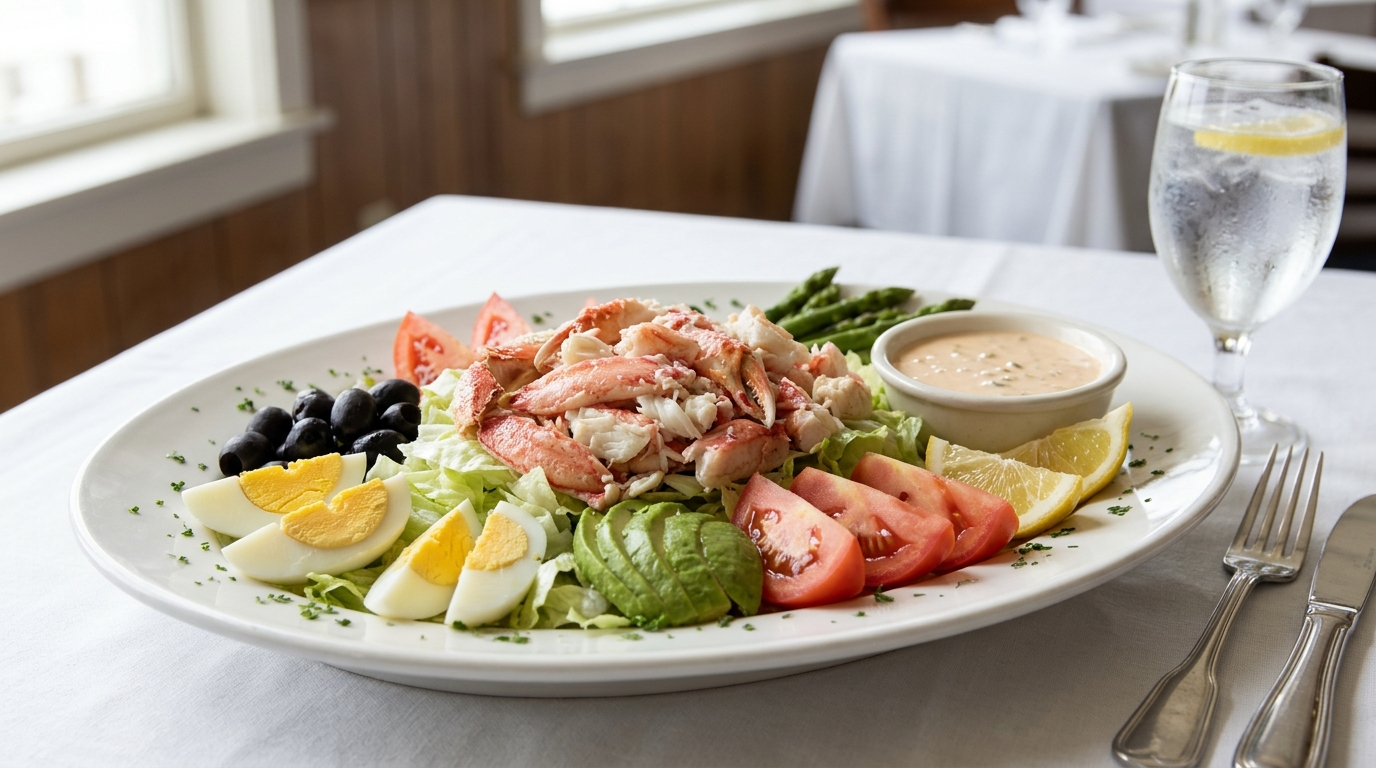
Crab Louie has been called the king of salads, and its birthplace is still argued about. Several West Coast restaurants and dining rooms claimed it in the early 1900s, and one of the best-known claims belongs to the Davenport Hotel in Spokane, Washington, named after its founder Louis Davenport. By the 1910s the salad of sweet crab on crisp lettuce with egg, tomato and a creamy pink dressing was on menus all along the Pacific coast, and it is still a classic in San Francisco. Like other dishes invented at hotels, it was made to impress well-dressed diners.
You will need: 1 pound cooked lump crab meat, 1 head iceberg lettuce, 2 hard-boiled eggs, 2 tomatoes, 1 avocado, cooked asparagus spears, black olives, 1/2 cup mayonnaise, 3 tablespoons chili sauce, 1 tablespoon lemon juice, 1 tablespoon chopped green onion.
How to make it: 1. Stir the mayonnaise, chili sauce, lemon juice and green onion together for the dressing. 2. Shred the lettuce and spread it on a large platter. 3. Pile the crab in the center. 4. Arrange quartered eggs, tomato wedges, avocado, asparagus and olives around it. 5. Serve with the dressing and lemon wedges on the side.
Vichyssoise: A Cold Soup From the Ritz-Carlton in New York
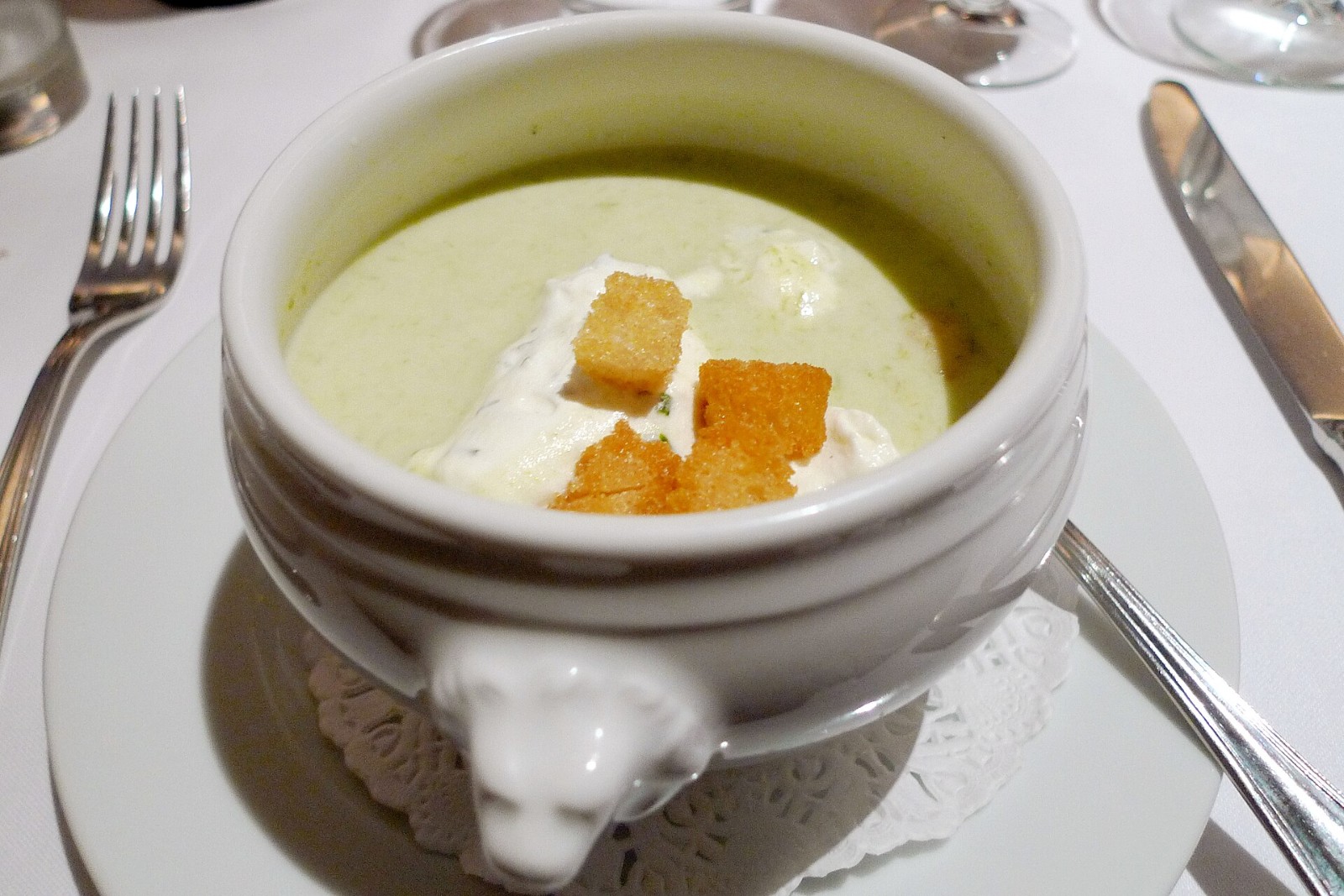
Vichyssoise sounds very French, but it was created in New York. Louis Diat, the French chef at the Ritz-Carlton hotel, remembered how his mother cooled her hot leek and potato soup with cold milk for her children on summer days. In 1917 he turned that memory into a smooth chilled soup for hotel guests and named it after Vichy, a town near his childhood home. Served cold with chives, it is still an elegant and surprisingly easy first course for a holiday dinner. Chefs who created dishes invented at hotels often drew on simple family cooking like this.
You will need: 3 leeks (white parts), 1 small onion, 3 tablespoons butter, 1 pound potatoes, 4 cups chicken or vegetable broth, 1 cup heavy cream, 1/2 cup milk, salt, white pepper, chives.
How to make it: 1. Slice and rinse the leeks well, then soften them with the onion in butter for 10 minutes. 2. Add the peeled, diced potatoes and broth and simmer for 20 minutes until tender. 3. Blend until completely smooth. 4. Stir in the cream and milk, season with salt and white pepper and chill for at least 4 hours. 5. Serve cold in small bowls topped with chopped chives.
Peach Melba: Dishes Invented at Hotels for an Opera Star
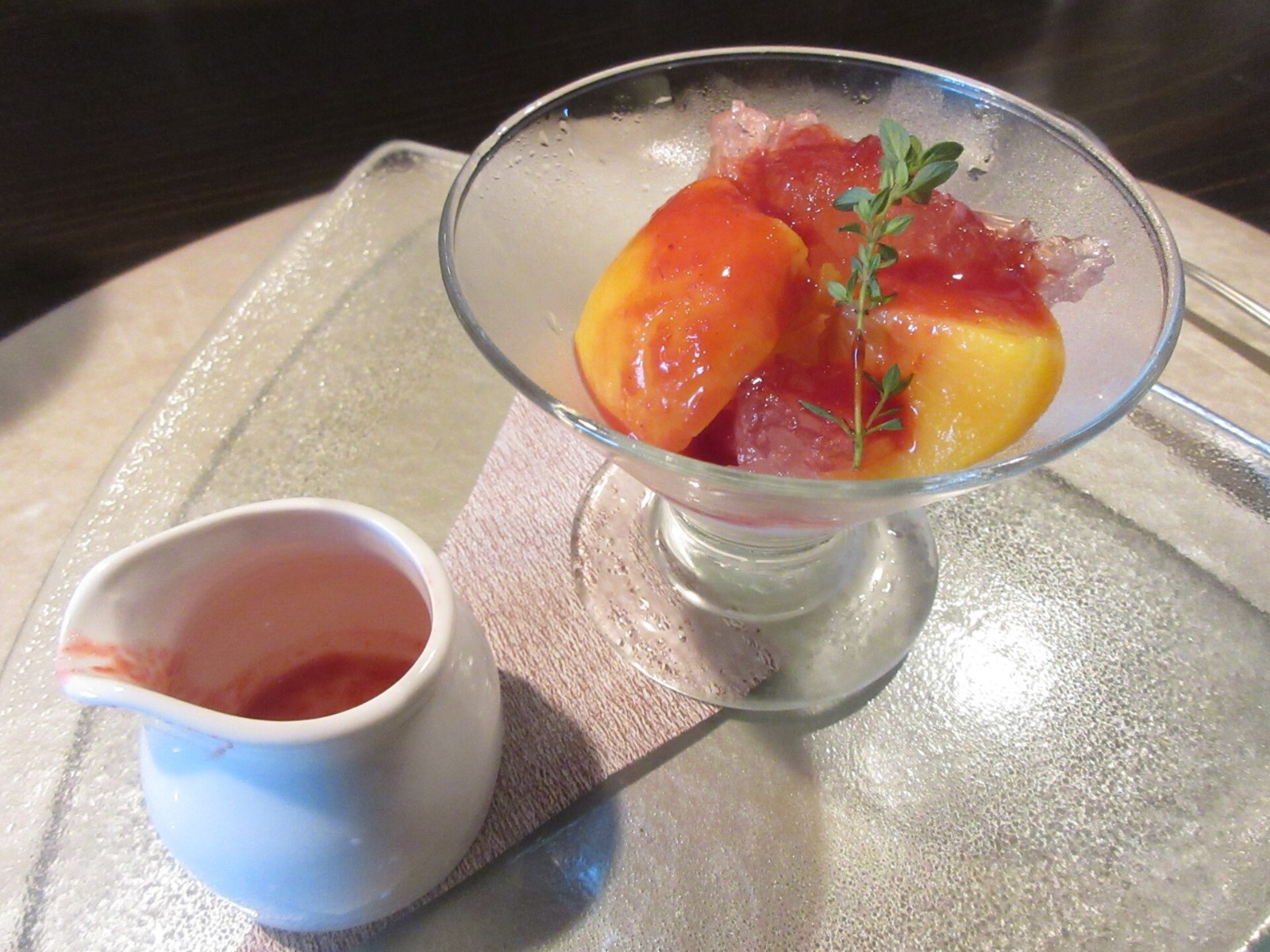
Peach Melba was created at the Savoy Hotel in London around 1892 or 1893 by the great French chef Auguste Escoffier. He made it for Nellie Melba, the Australian opera soprano, who was singing in London at the time. The first version came to the table on an ice swan, but the dessert itself was simple: ripe peaches poached in syrup, served on vanilla ice cream with a bright raspberry sauce. More than 130 years later, it is still one of the easiest showstopper desserts you can make.
You will need: 4 ripe peaches, 1 cup sugar, 2 cups water, 1 vanilla bean or 1 teaspoon vanilla, 2 cups raspberries, 2 tablespoons powdered sugar, 1 teaspoon lemon juice, vanilla ice cream, toasted sliced almonds (optional).
How to make it: 1. Simmer the sugar, water and vanilla, then poach the halved peaches for 5 to 8 minutes. 2. Slip off the skins and let the peaches cool in the syrup. 3. Blend the raspberries with powdered sugar and lemon juice, then strain out the seeds. 4. Scoop vanilla ice cream into chilled glasses and top each with two peach halves. 5. Spoon over the raspberry sauce and sprinkle with almonds.
Melba Toast, Named for the Same Opera Singer
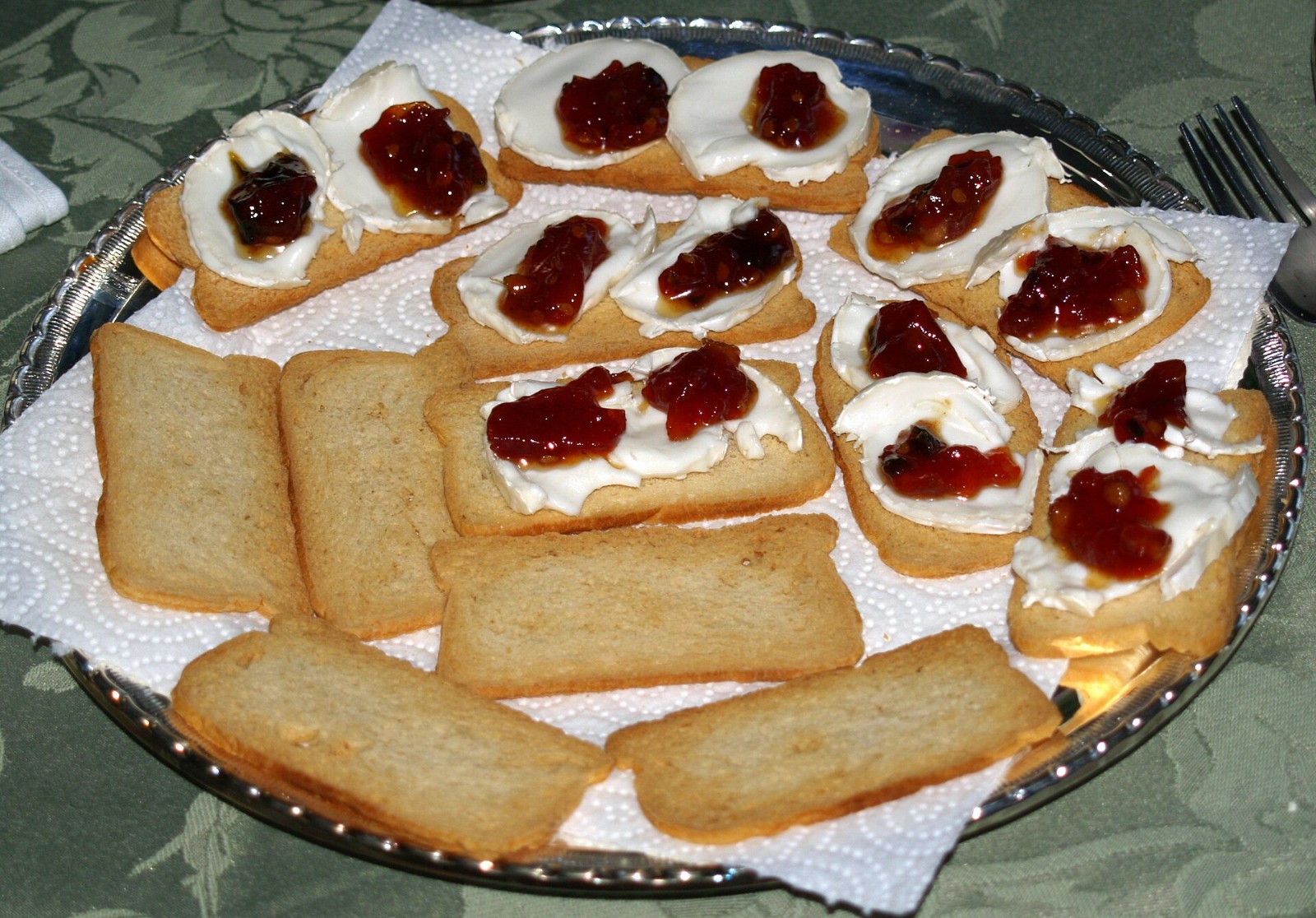
Nellie Melba gave her name to a second famous food from Escoffier’s kitchen. In the late 1890s, when the singer was ill and on a strict diet, the chef made her very thin, very crisp slices of dry toast. The story goes that hotelier Cesar Ritz chose the name, and Melba toast was soon on menus everywhere. Today it is the perfect crunchy base for party appetizers, from cheese and dips to smoked fish, and it takes only a few minutes to make at home. It may be the simplest of all dishes invented at hotels.
You will need: 1 loaf day-old white or whole wheat sandwich bread, olive oil or melted butter (optional), flaky salt, toppings such as cream cheese, smoked salmon, pate or herb dip.
How to make it: 1. Toast the bread slices lightly in a toaster. 2. Cut off the crusts while warm. 3. Slice each piece in half through the middle with a sharp knife to make two very thin slices. 4. Cut into triangles, lay them untoasted side up on a baking sheet and bake at 300 F for 10 to 15 minutes until crisp and curled. 5. Cool and serve with your favorite toppings.
Sachertorte: The Chocolate Cake of Vienna’s Hotel Sacher
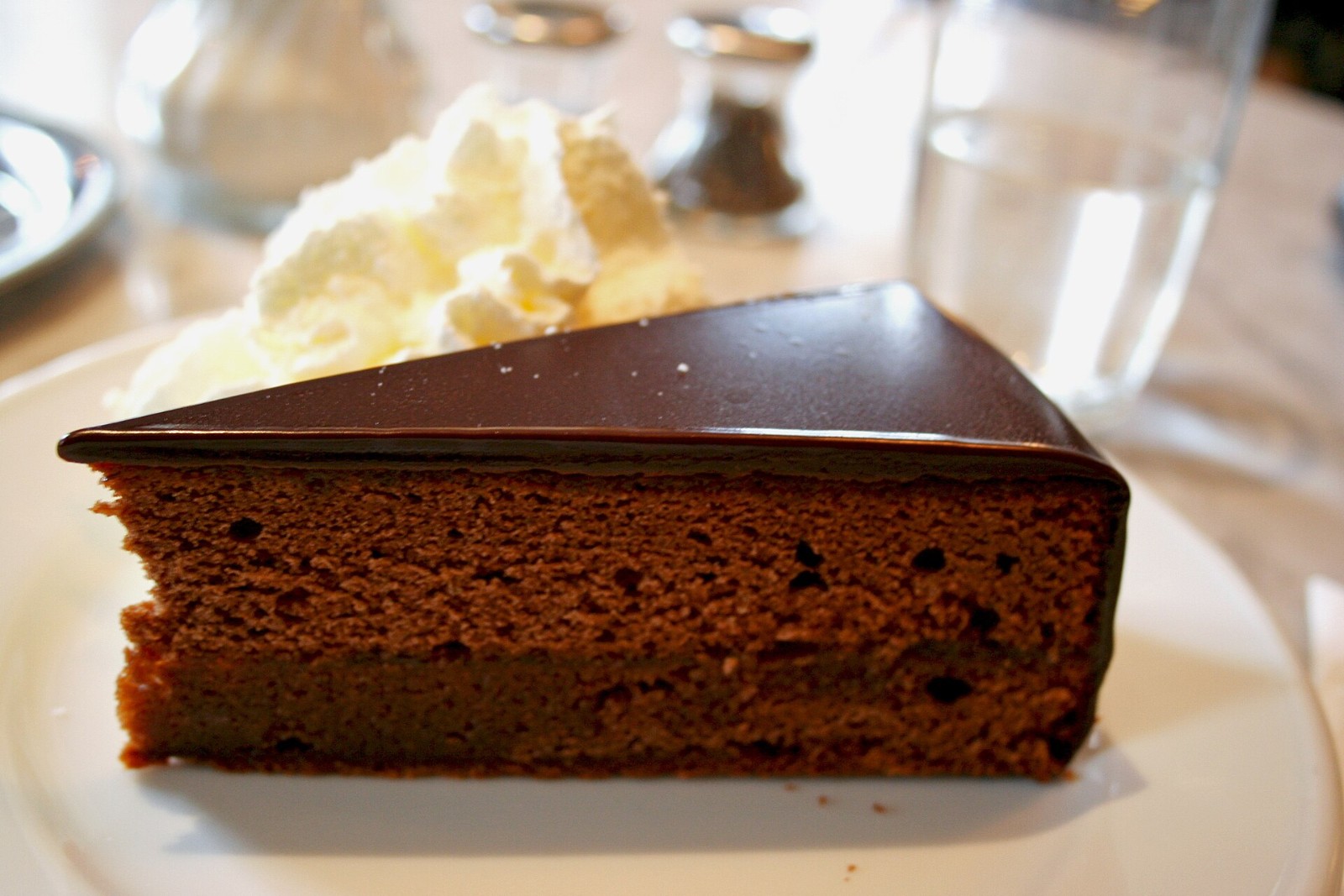
Sachertorte was first made in 1832 by Franz Sacher, a 16-year-old apprentice cook, for Prince Metternich in Vienna. His son Eduard later opened the Hotel Sacher in 1876, and the dense chocolate cake with a thin layer of apricot jam and shiny chocolate glaze became the hotel’s pride. Visitors to Vienna still line up for a slice served with unsweetened whipped cream. It is one of the most famous cakes in Europe and a wonderful bake for a winter celebration. In Europe, dishes invented at hotels like this one became symbols of whole cities.
You will need: 5 ounces dark chocolate, 1/2 cup butter, 1/2 cup sugar, 6 eggs (separated), 1 teaspoon vanilla, 1 cup flour, 3/4 cup apricot jam, 6 ounces dark chocolate and 1/2 cup cream for the glaze, unsweetened whipped cream to serve.
How to make it: 1. Melt the chocolate and cool; beat the butter with half the sugar, then beat in the yolks, vanilla and chocolate. 2. Whip the whites with the rest of the sugar to soft peaks and fold in with the flour. 3. Bake in a 9 inch pan at 350 F for 45 to 50 minutes, then cool. 4. Split the cake, fill and coat with warm strained apricot jam. 5. Pour the warm chocolate and cream glaze over the top and sides and let it set.
Caesar Salad Was Born in Tijuana in 1924
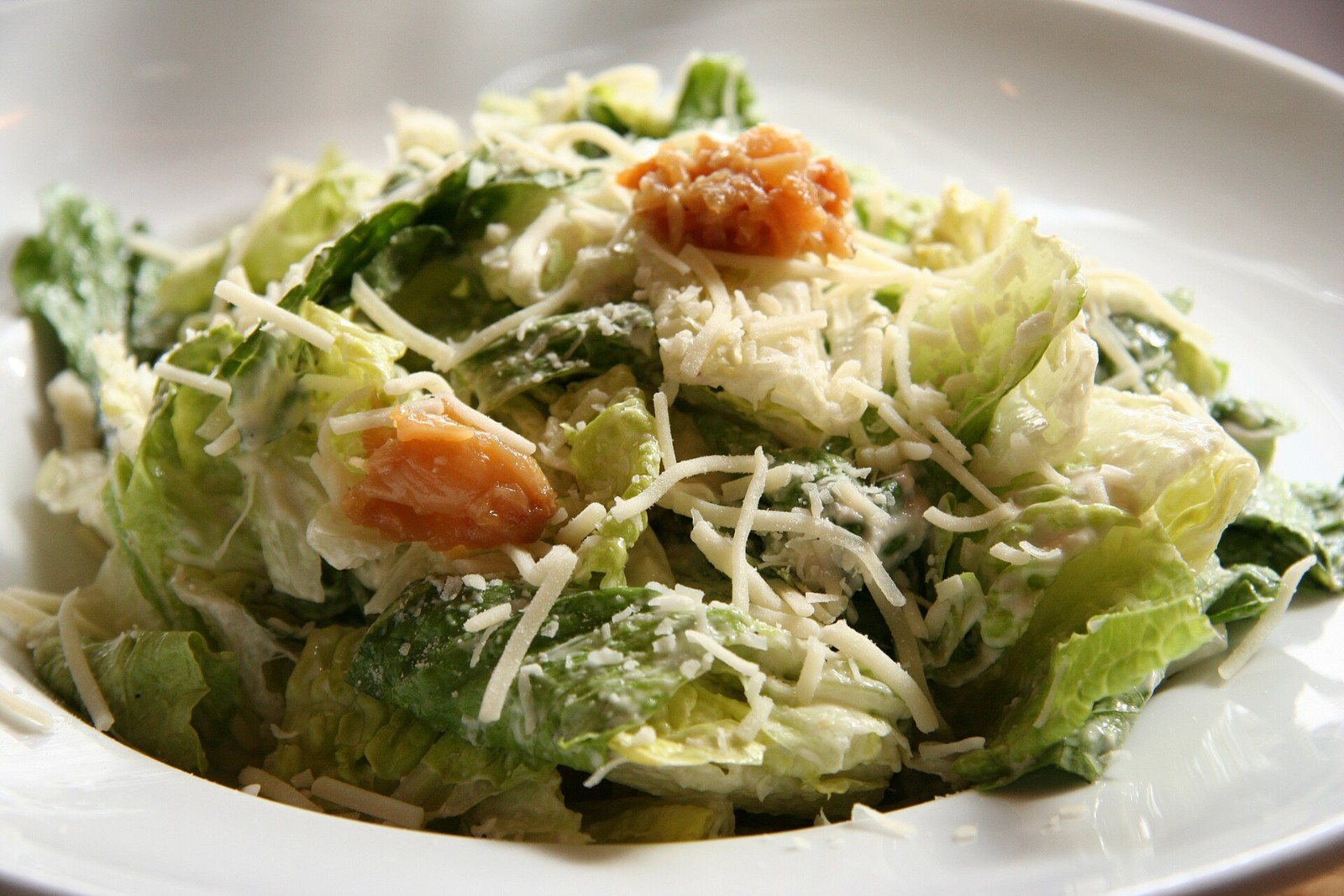
Caesar salad has nothing to do with Julius Caesar. It was created by Caesar Cardini, an Italian-American restaurateur who ran a restaurant in Tijuana, Mexico, which drew American visitors in the 1920s. The family story says that on July 4, 1924, the kitchen was running low, so Cardini tossed what he had, romaine, croutons, Parmesan, egg, lemon and olive oil, right at the table. The show and the flavor were a hit, and today Caesar salad is one of the most ordered salads in the world. Few dishes invented at hotels or restaurants have traveled so far.
You will need: 2 hearts of romaine, 2 cups bread cubes, 1/3 cup olive oil, 1 garlic clove, 2 tablespoons lemon juice, 1 teaspoon Dijon mustard, 1 teaspoon Worcestershire sauce, 2 anchovy fillets (optional), 1/3 cup mayonnaise, 1/2 cup grated Parmesan, black pepper.
How to make it: 1. Toss the bread cubes with a little olive oil and bake at 375 F until golden. 2. Mash the garlic and anchovies, then whisk in the lemon juice, mustard, Worcestershire and mayonnaise. 3. Slowly whisk in the remaining olive oil and half of the Parmesan. 4. Toss the whole romaine leaves with the dressing. 5. Top with croutons, the rest of the cheese and plenty of black pepper.
Chicken a la King, One of the Most Debated Dishes Invented at Hotels
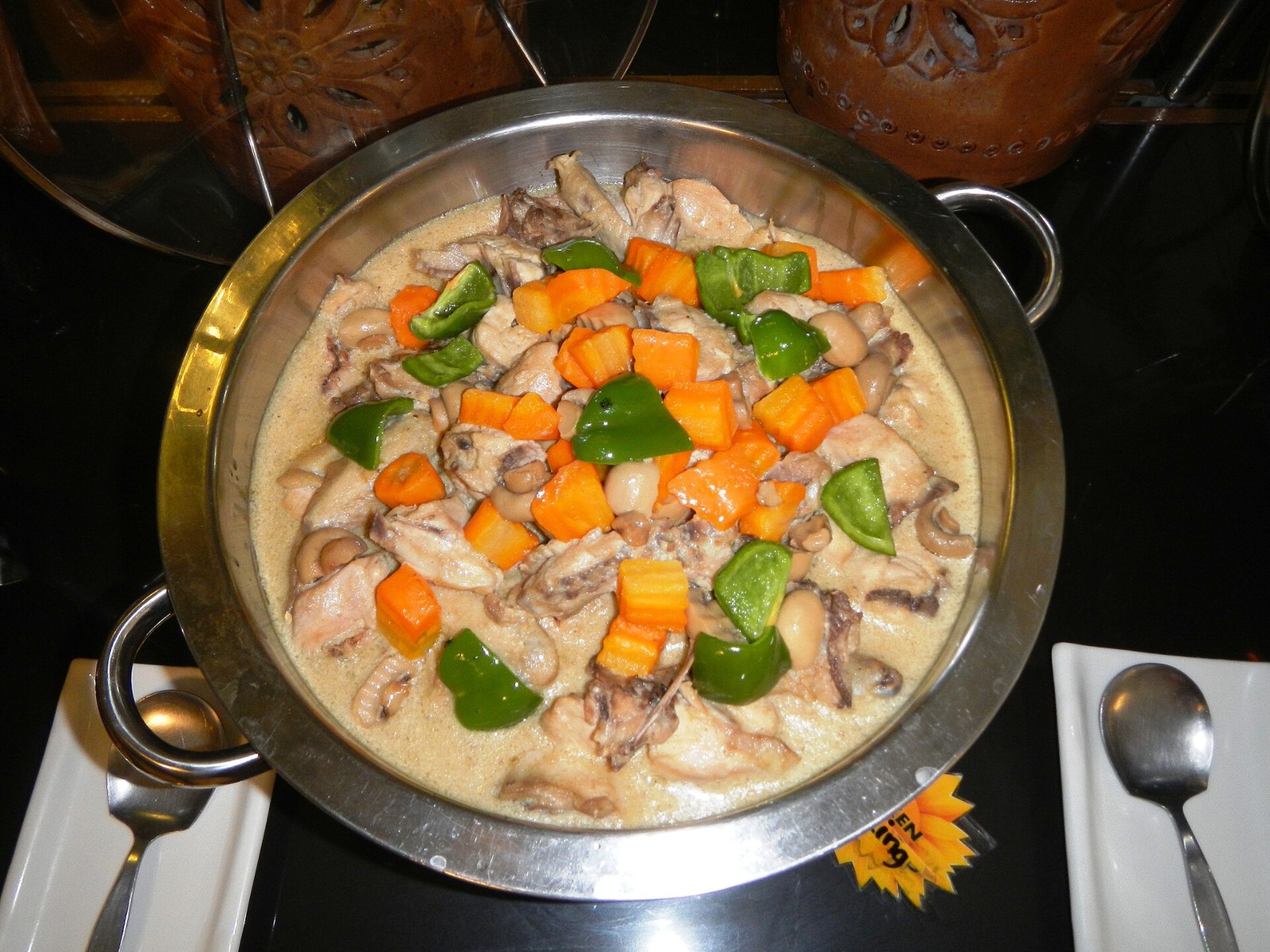
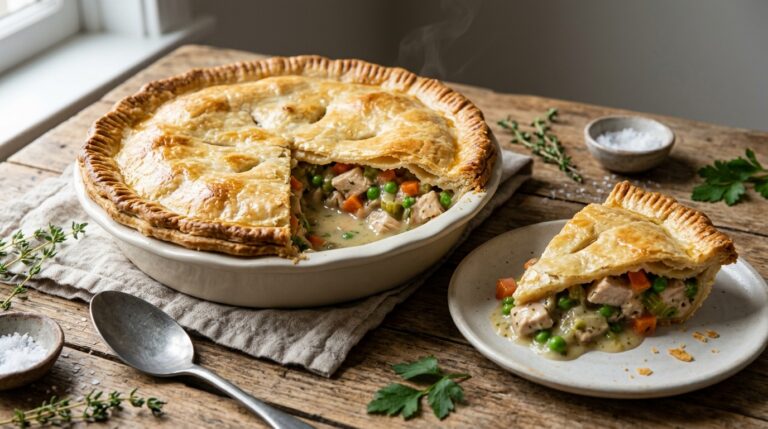
Chicken a la King is a creamy comfort dish with royal-sounding roots that are still argued about. One popular story says it was created in the 1890s at the Brighton Beach Hotel in New York and named for the hotel’s owners, the King family. Other accounts credit Delmonico’s restaurant or a London hotel. However it began, chicken, mushrooms and peppers in a rich cream sauce became a star of hotel banquets and wedding buffets, served in puff pastry shells, over toast points or on fluffy rice.
You will need: 3 cups cooked chicken (cubed), 8 ounces mushrooms, 1 green bell pepper, 1 jar pimientos or 1 roasted red pepper, 4 tablespoons butter, 1/4 cup flour, 1 1/2 cups chicken broth, 1 cup milk or cream, 1 cup peas, salt, pepper, puff pastry shells or toast.
How to make it: 1. Cook the mushrooms and diced green pepper in the butter until soft. 2. Stir in the flour and cook for 1 minute. 3. Slowly whisk in the broth and milk and simmer until thick and smooth. 4. Add the chicken, pimientos and peas and heat through; season with salt and pepper. 5. Spoon into warm puff pastry shells or over toast or rice.
The Kentucky Hot Brown: Dishes Invented at Hotels After Midnight
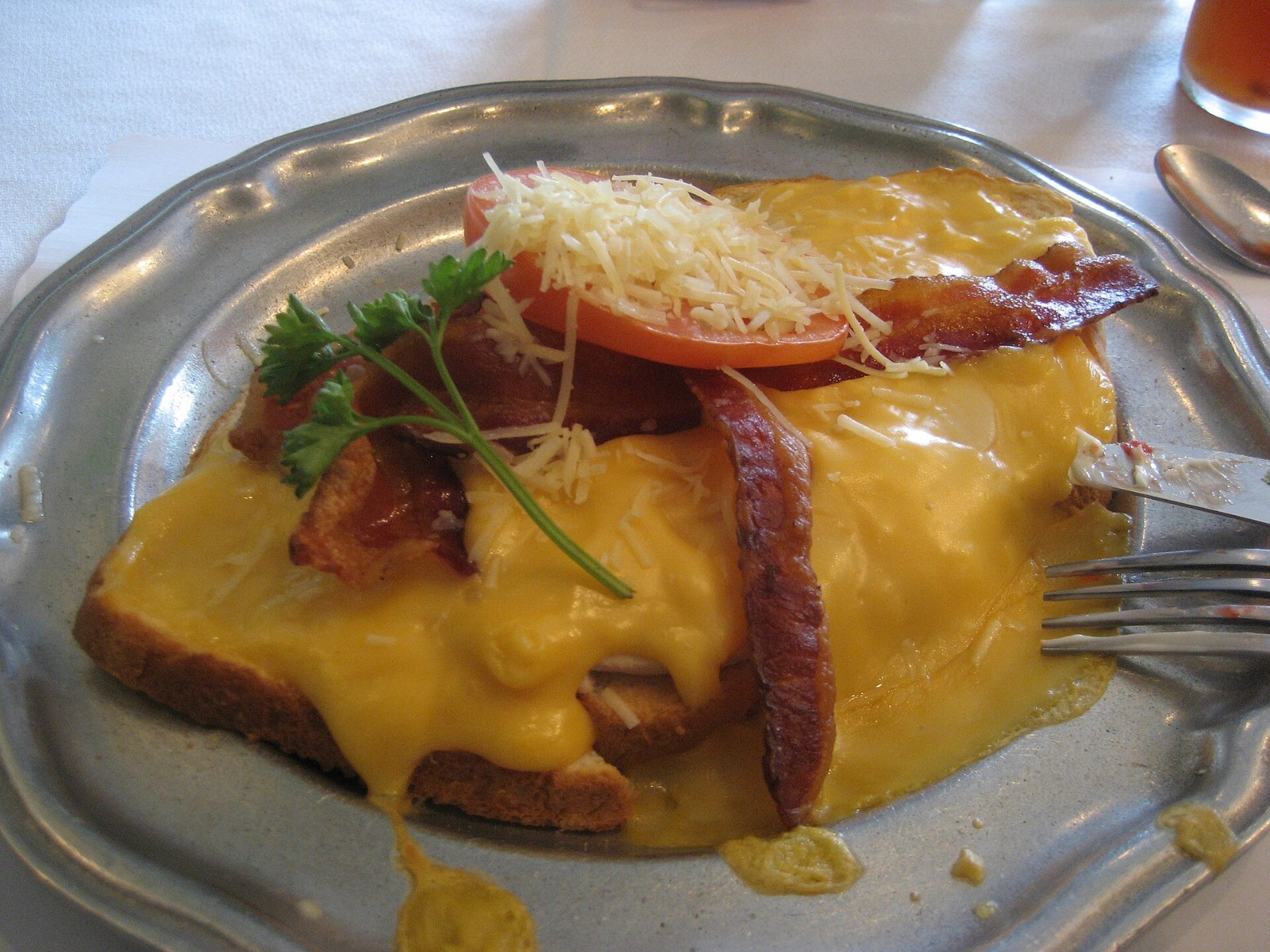
The Hot Brown was invented in 1926 at the Brown Hotel in Louisville, Kentucky, where hundreds of guests danced late into the night. Chef Fred Schmidt wanted something better than ham and eggs for their midnight supper, so he created an open-faced sandwich of roast turkey on toast, covered with creamy Mornay cheese sauce, broiled until bubbling and topped with bacon and tomato. It is now a Kentucky icon and a perfect way to use leftover holiday turkey. For more famous sandwiches worth a road trip, see our legendary sandwiches you can make at home.
You will need: 4 thick slices white bread (toasted), 1 pound sliced roast turkey, 8 slices bacon (cooked), 2 tomatoes, 3 tablespoons butter, 3 tablespoons flour, 2 cups heavy cream or milk, 1/2 cup grated Pecorino or Parmesan, paprika, parsley.
How to make it: 1. Melt the butter, whisk in the flour, then slowly whisk in the cream and simmer until thick. 2. Stir in the cheese and season with salt and pepper. 3. Place toast in oven-safe dishes and pile on the turkey and tomato slices. 4. Cover generously with the sauce and broil for 2 to 3 minutes until bubbling and spotted brown. 5. Top with crossed bacon slices, a pinch of paprika and parsley.
Hotel Afternoon Tea Scones You Can Bake at Home
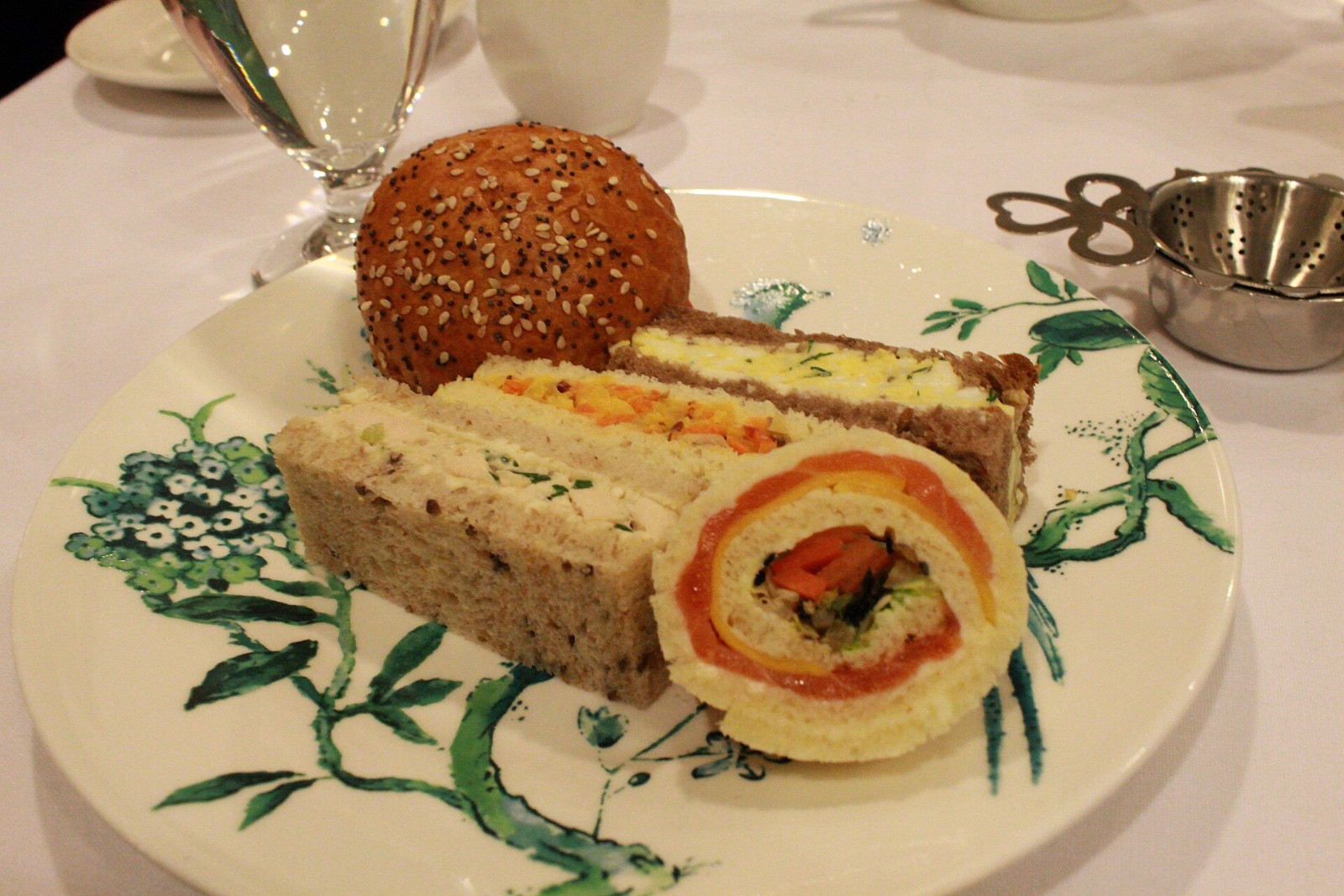
Afternoon tea started in the 1840s, when Anna, Duchess of Bedford, began asking for tea and a little something to eat in the late afternoon. Grand hotels in London turned the habit into an elegant event, with tiered stands of finger sandwiches, pastries and warm scones with clotted cream and jam. You do not need a hotel booking to enjoy it. A batch of tender scones, a few small sandwiches and a pot of tea turn any holiday afternoon at home into something special. Pair the scones with any of the sweet dishes invented at hotels above for a grand finale.
You will need: 2 cups flour, 1 tablespoon baking powder, 2 tablespoons sugar, 1/2 teaspoon salt, 6 tablespoons cold butter, 2/3 cup cold milk, 1 egg, strawberry jam, clotted cream or whipped cream.
How to make it: 1. Heat the oven to 425 F and line a baking sheet. 2. Rub the cold butter into the flour, baking powder, sugar and salt until crumbly. 3. Stir in the milk and most of the beaten egg just until a soft dough forms. 4. Pat it 1 inch thick, cut rounds with a floured cutter and brush the tops with the rest of the egg. 5. Bake for 12 to 14 minutes until risen and golden; serve warm with jam and cream.