Why Restaurant Food Tastes Better: 18 Chef Tricks You Can Use Tonight
Ever wonder why the same steak, pasta or basket of fries tastes so much better when you eat out? It is rarely a secret ingredient. It is a handful of small chef tricks that line cooks repeat every single night without thinking, from salting early to letting meat rest. We gathered the moves that make the biggest difference and paired each one with a real recipe you can make at home this week. Which one will you try first..
Chef Tricks Start With Salt: Season in Layers
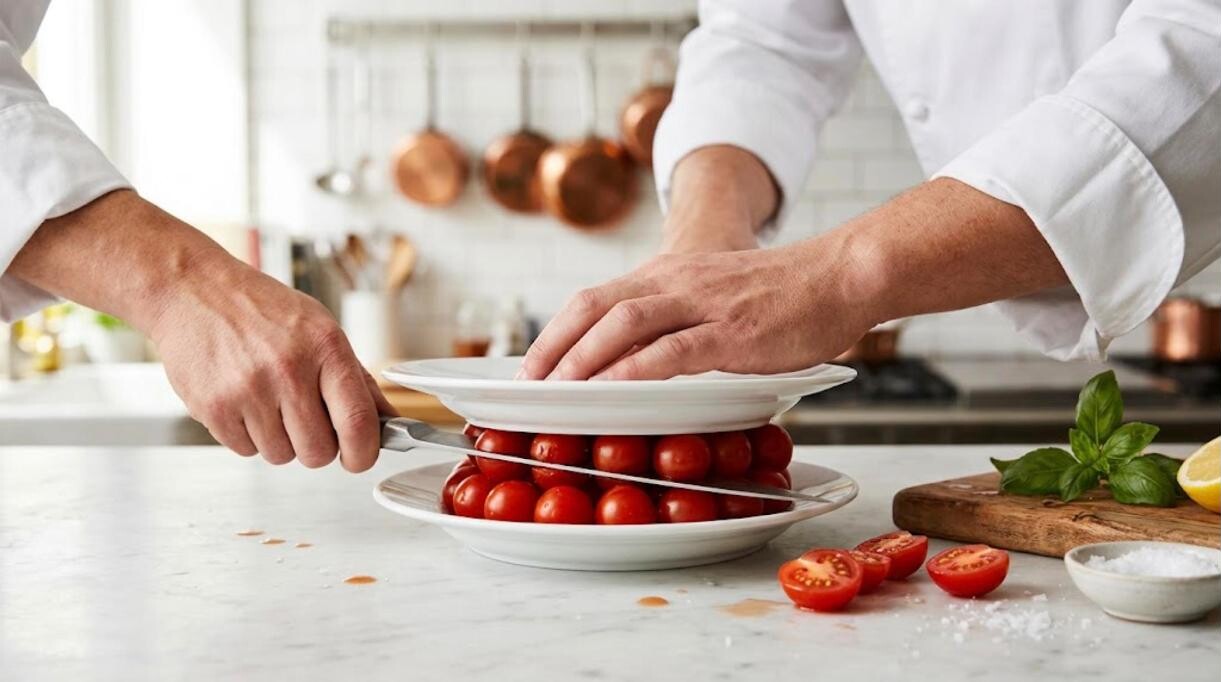
Here is the first thing every restaurant cook learns: salt is not a last minute sprinkle. Chefs season a little at every stage, so the flavor goes all the way through instead of sitting on top. Salt the tomatoes before they hit the bowl, salt the pasta water, salt the onions as they soften. Taste as you go. Quick question: do you salt at the start, the end, or both? This simple tomato salad shows the difference in five minutes.
You will need: 1 pint cherry tomatoes, 1/2 teaspoon flaky or kosher salt, 1 small shallot, 2 tablespoons olive oil, 1 teaspoon red wine vinegar, a few basil leaves, black pepper.
How to make it: Halve the tomatoes and toss them with half the salt. Let them sit 10 minutes so the juices come out. Slice the shallot thin and soak it in the vinegar with a pinch of salt. Add the shallot, vinegar, oil and pepper to the tomatoes. Taste, add the last of the salt only if it needs it, and finish with torn basil.
Chef Tricks for Steak: Salt Early and Baste With Butter
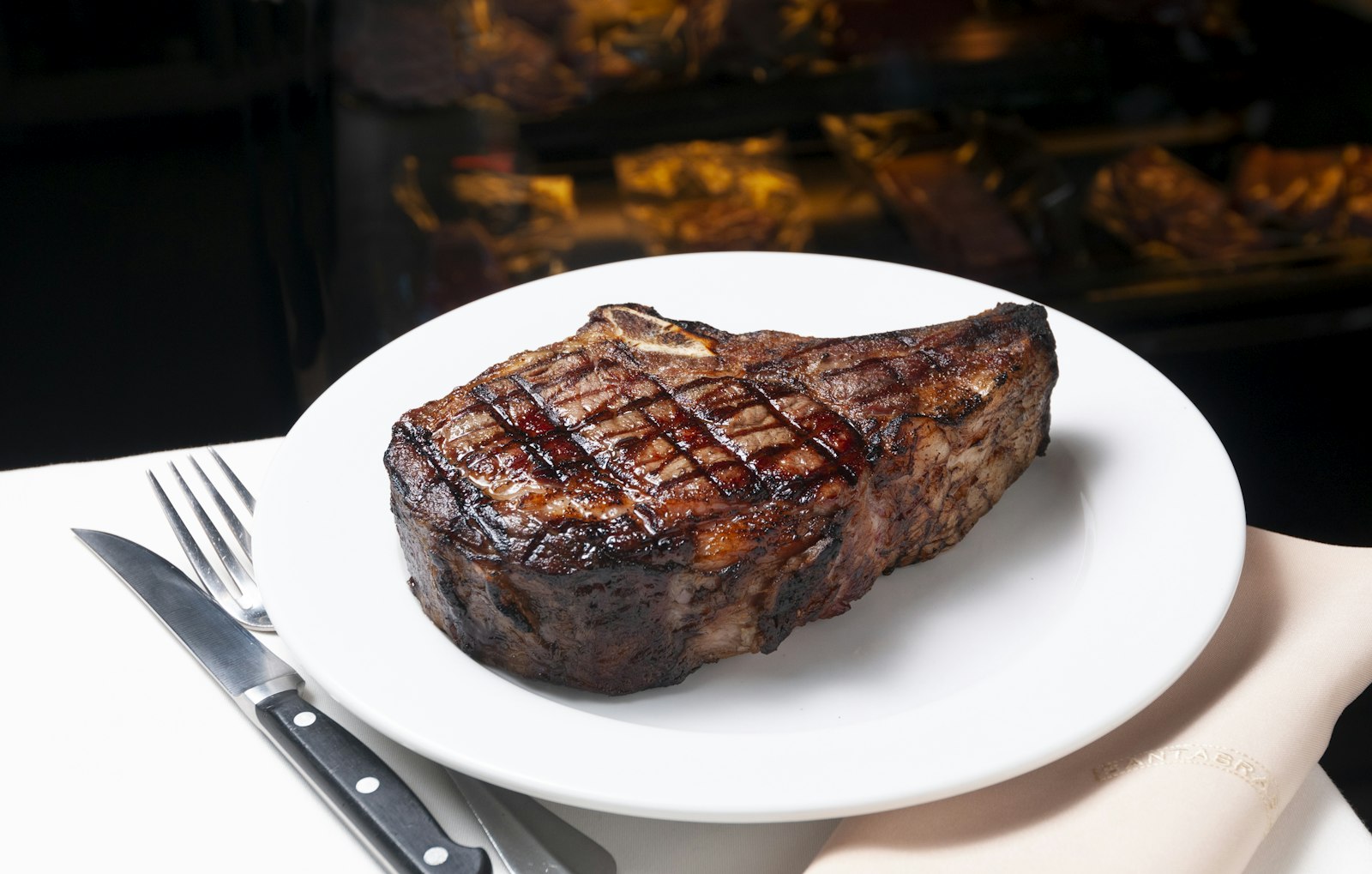
Restaurant steak gets its deep crust because the cook salts it well ahead of time, often 40 minutes to a day before cooking. The salt pulls moisture out, then gets drawn back in, so the meat is seasoned inside and the surface dries for a better sear. Then comes the butter bath at the end with garlic and thyme. Your kitchen will smell like a steakhouse.
You will need: 2 ribeye or strip steaks (1 inch thick), 2 teaspoons kosher salt, black pepper, 1 tablespoon neutral oil, 3 tablespoons butter, 3 garlic cloves (smashed), 3 thyme sprigs.
How to make it: Salt the steaks and leave them uncovered on a rack in the fridge for at least 40 minutes. Pat dry and add pepper. Heat oil in a cast iron pan until it just smokes. Sear 3 to 4 minutes per side. Add butter, garlic and thyme, tilt the pan and spoon the foaming butter over the steaks for 1 minute. Rest 5 minutes, then slice.
Finish the Pasta in the Sauce, Not on the Plate
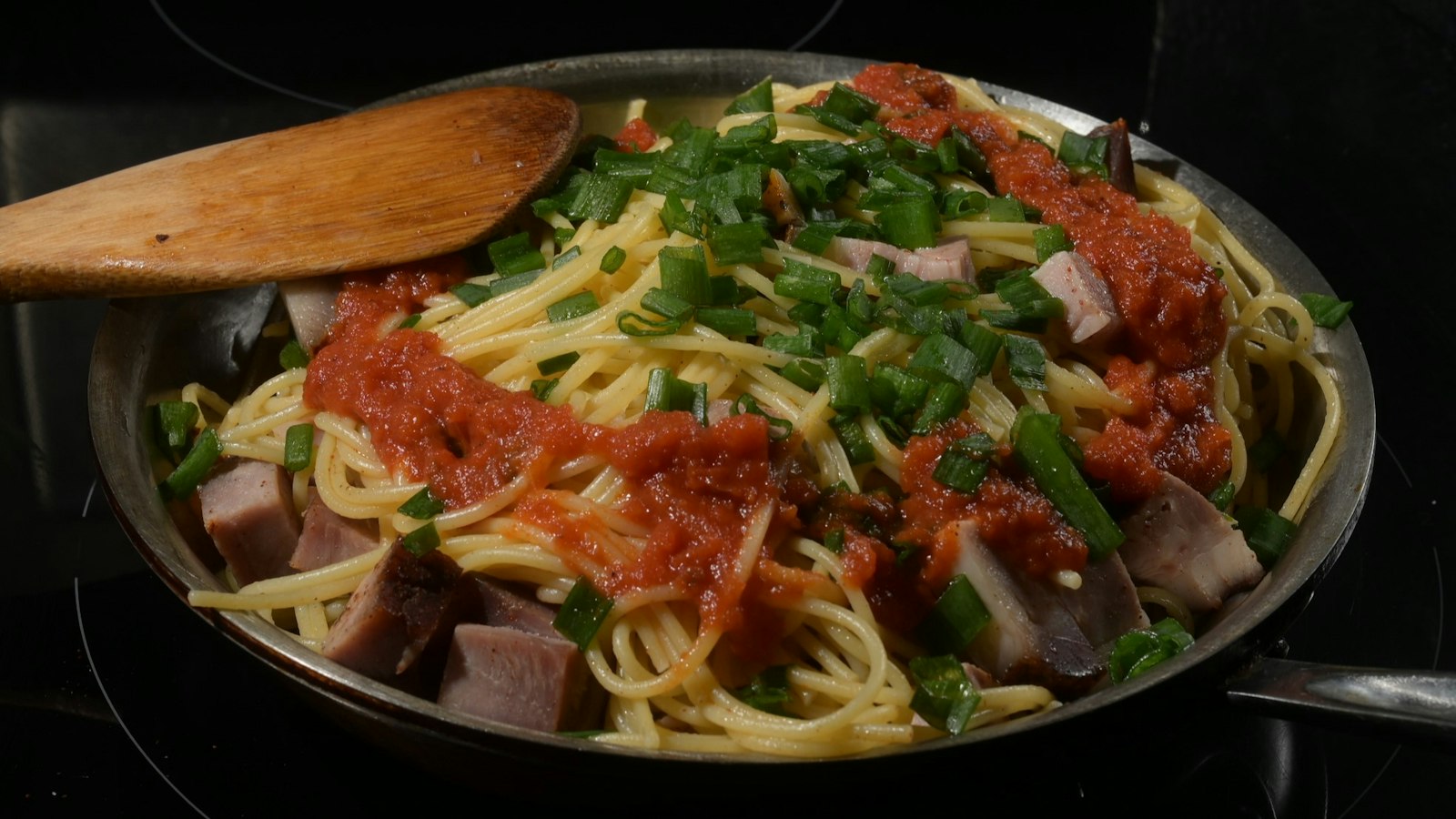
At home we pour sauce over a pile of noodles. In restaurants the pasta comes out of the water a minute early and finishes cooking in the pan with the sauce and a splash of starchy pasta water. The starch helps the sauce cling to every strand so it looks glossy instead of watery. Once you try it, you will never go back. Team spaghetti or team penne?
You will need: 12 ounces spaghetti, 2 tablespoons olive oil, 3 garlic cloves (sliced), 1 can (28 ounces) crushed tomatoes, 1/2 teaspoon salt, pinch of red pepper flakes, 1/2 cup reserved pasta water, basil, grated Parmesan.
How to make it: Cook the garlic in oil over medium heat until pale gold. Add tomatoes, salt and pepper flakes and simmer 15 minutes. Boil the pasta in well salted water, pulling it 1 to 2 minutes before the box time. Save a cup of the water. Move the pasta into the sauce with 1/2 cup water and toss over medium heat for 2 minutes until glossy. Finish with basil and Parmesan.
Dry Brine the Chicken the Night Before
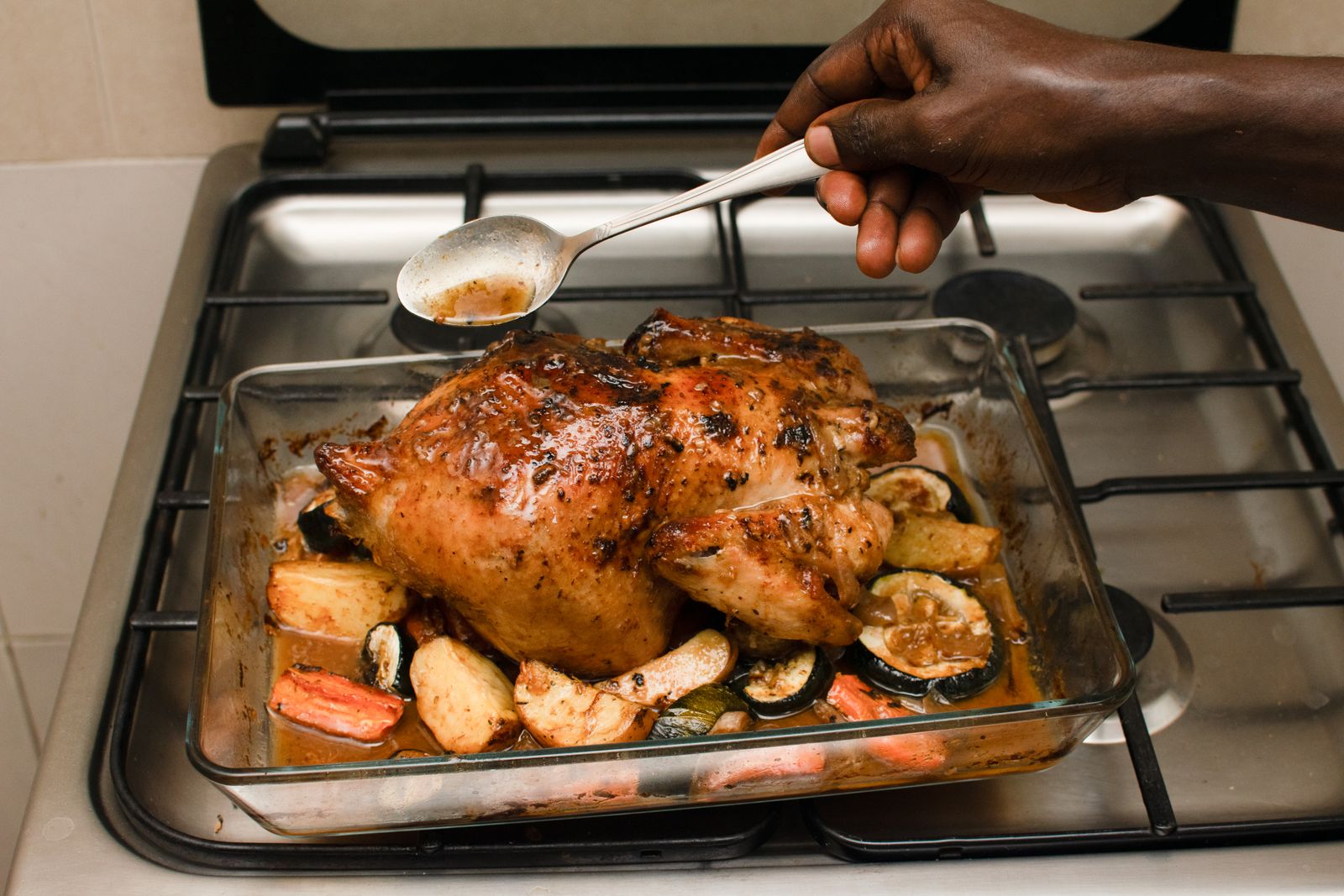
The crispiest roast chicken you have ever had probably sat uncovered in a restaurant fridge overnight. Salting a day ahead seasons the meat deep down and dries out the skin, so it roasts up golden and crackly. No buckets of brine, no mess. Just salt, a rack and a little patience. This is the easiest of all the chef tricks and maybe the most rewarding one.
You will need: 1 whole chicken (4 pounds), 1 tablespoon kosher salt, 1 teaspoon black pepper, 1 lemon, 4 garlic cloves, a few thyme or rosemary sprigs, 1 tablespoon olive oil, carrots and onions for the pan.
How to make it: Pat the chicken dry, rub the salt all over and inside, and set it on a rack in the fridge, uncovered, for 12 to 24 hours. Heat the oven to 425 F. Stuff the cavity with lemon, garlic and herbs. Rub with oil and pepper. Roast on a bed of vegetables for 60 to 75 minutes, until the thigh reads 165 F. Rest 15 minutes before carving.
Fry Your Fries Twice
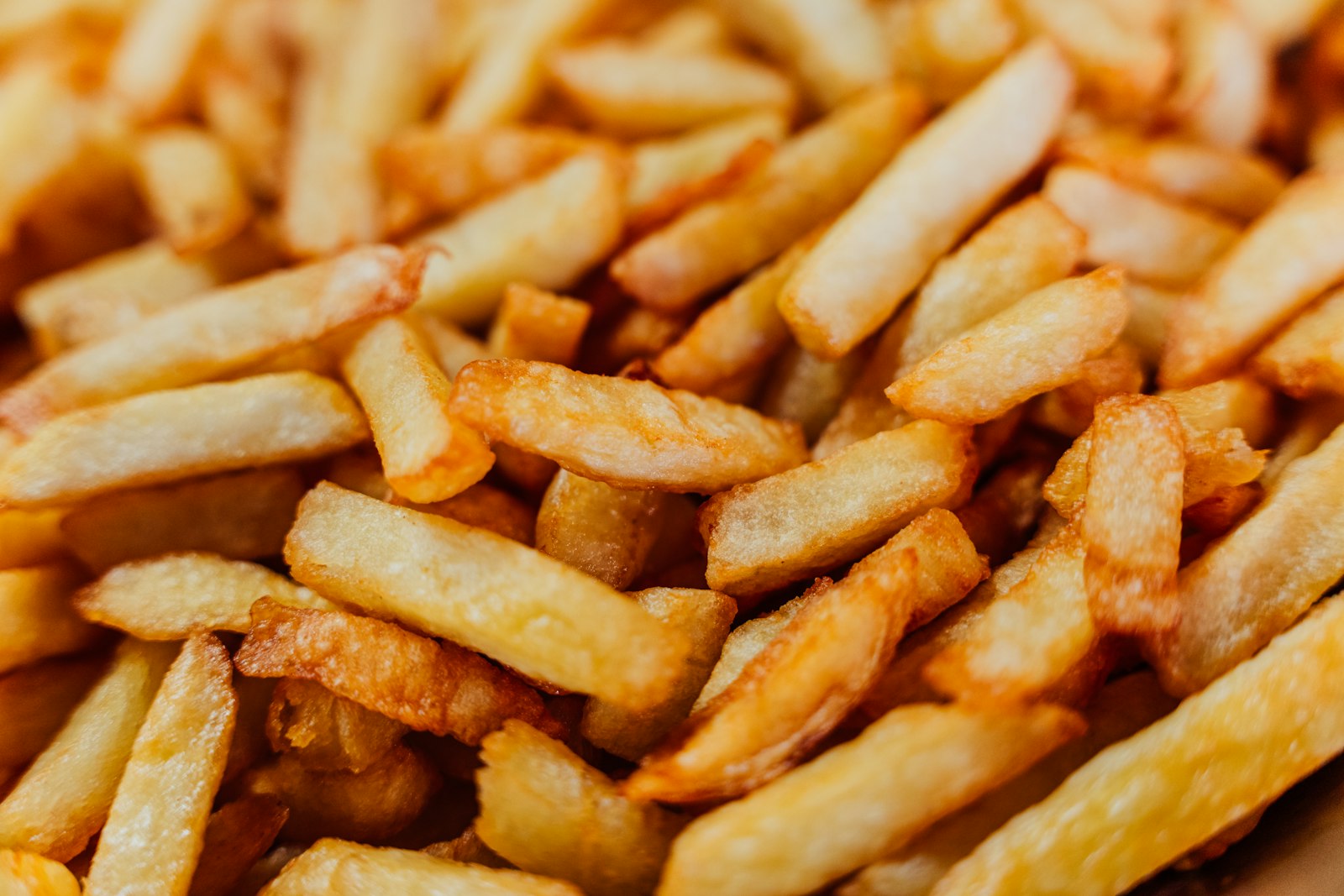
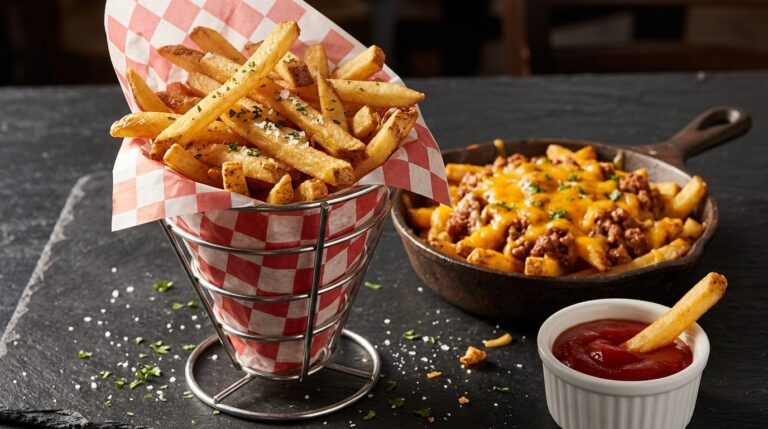
Of all the chef tricks for potatoes, this one is famous. Ever notice how restaurant fries stay crisp all the way to the last bite? They are cooked twice. The first fry at a lower temperature cooks the potato through until soft. The second fry at a higher heat makes the outside crunchy and golden. Soaking the cut potatoes first rinses off extra starch so they do not stick or go limp. Ketchup, mayo or ranch?
You will need: 2 pounds russet potatoes, cold water, neutral oil for frying (about 6 cups), 1 teaspoon fine salt.
How to make it: Cut potatoes into 1/4 inch sticks and soak in cold water for 30 minutes. Drain and dry very well. Heat oil to 300 F and fry in batches for 5 to 6 minutes until soft but pale. Drain on a rack and cool at least 15 minutes. Raise the oil to 375 F and fry again for 2 to 3 minutes until golden. Salt right away while hot.
Scrambled Eggs: Low Heat and Pull Them Early
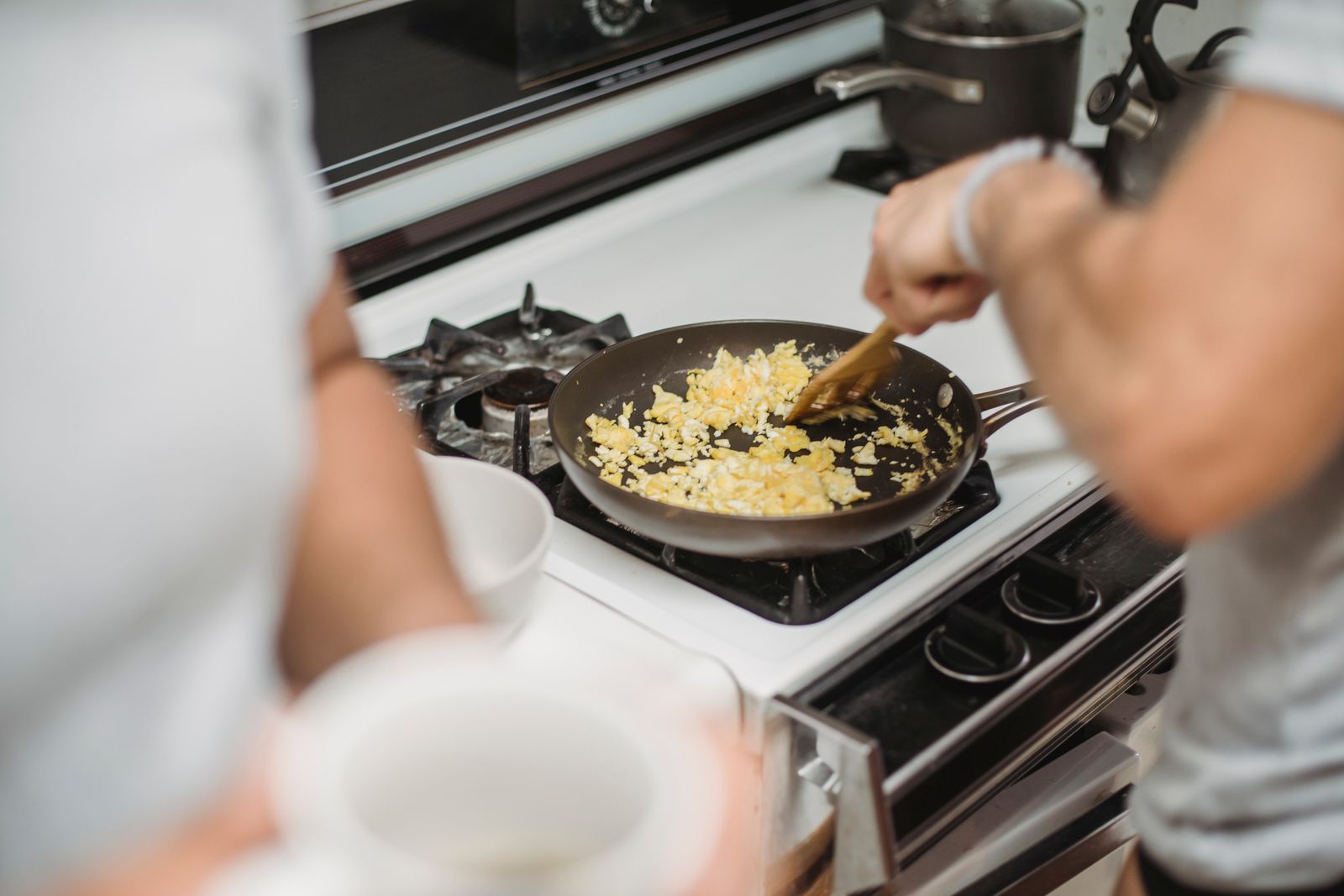
Brunch spots serve soft, creamy scrambled eggs thanks to two chef tricks: they cook them gently and take them off the heat while they still look a little wet. The heat left in the pan finishes the job. High heat squeezes the water out and leaves eggs rubbery. A pat of cold butter at the end stops the cooking and makes them silky. Soft and creamy or firm and fluffy? Tell us your style.
You will need: 4 large eggs, 1 pinch of salt, 1 tablespoon butter plus 1 teaspoon cold butter, 1 tablespoon chopped chives, black pepper, toast to serve.
How to make it: Whisk the eggs with salt until no streaks remain. Melt 1 tablespoon butter in a nonstick pan over low heat. Add the eggs and stir slowly with a spatula, scraping the bottom, for 3 to 4 minutes. When they are almost set but still glossy, take the pan off the heat. Stir in the cold butter, add chives and pepper, and serve right away on toast.
Rinse Your Rice and Let It Rest
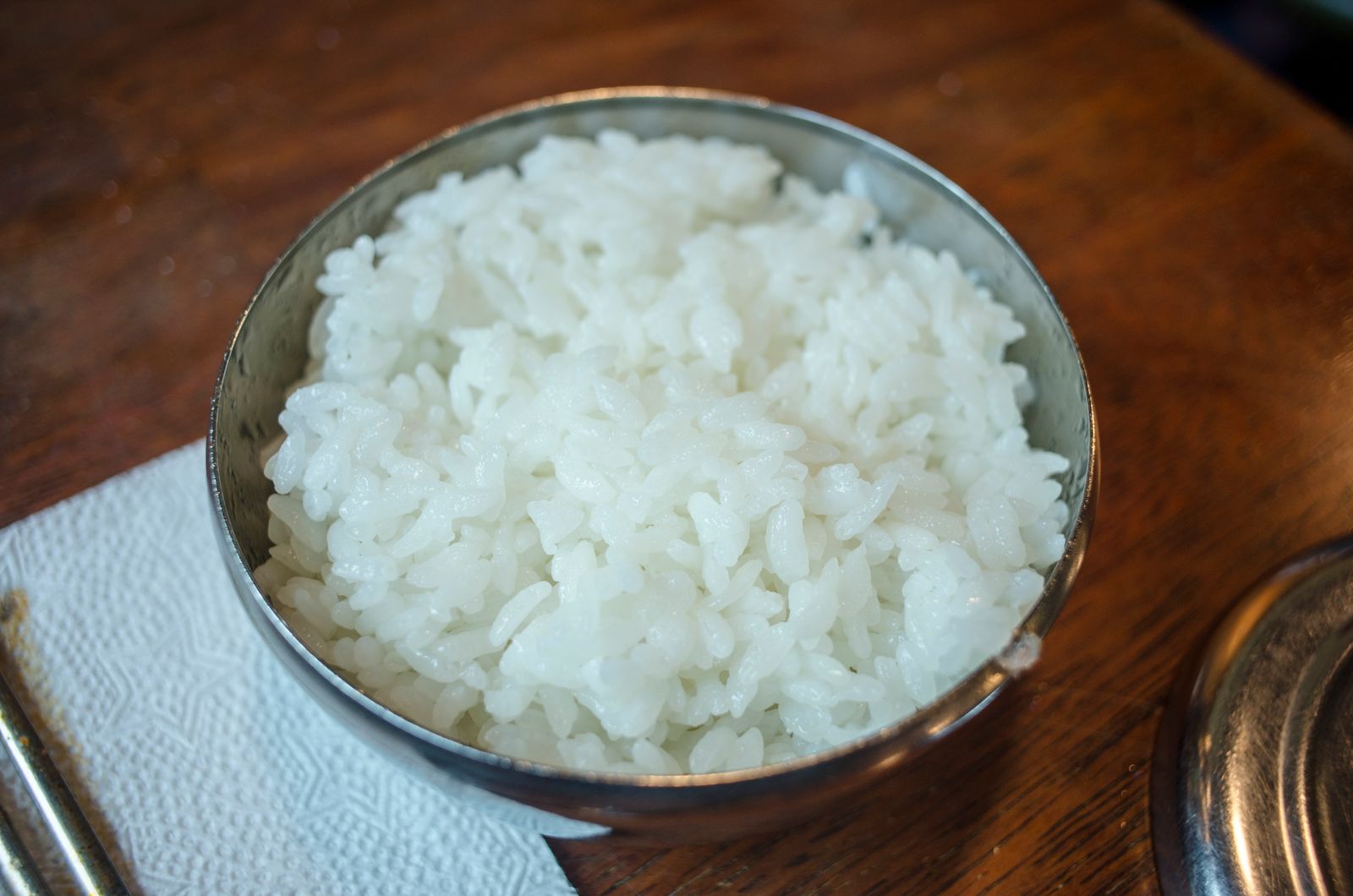
Fluffy restaurant rice with separate grains comes down to two small chef tricks. First, rinse the rice until the water runs nearly clear, which washes off loose starch that turns rice gummy. Second, let it sit, covered and off the heat, for 10 minutes after cooking so the steam finishes the grains evenly. No peeking. It sounds too simple, but it works every time.
You will need: 1 1/2 cups long grain white rice, 2 1/4 cups water, 1/2 teaspoon salt, 1 teaspoon butter (optional).
How to make it: Put the rice in a bowl, cover with cold water, swirl and pour off the cloudy water. Repeat 3 or 4 times. Add the rice, water, salt and butter to a pot and bring to a boil. Cover, turn the heat to low and cook 15 minutes. Turn off the heat and leave the lid on for 10 minutes. Fluff with a fork and serve.
Chef Tricks for Pan Sauce: Never Waste the Browned Bits
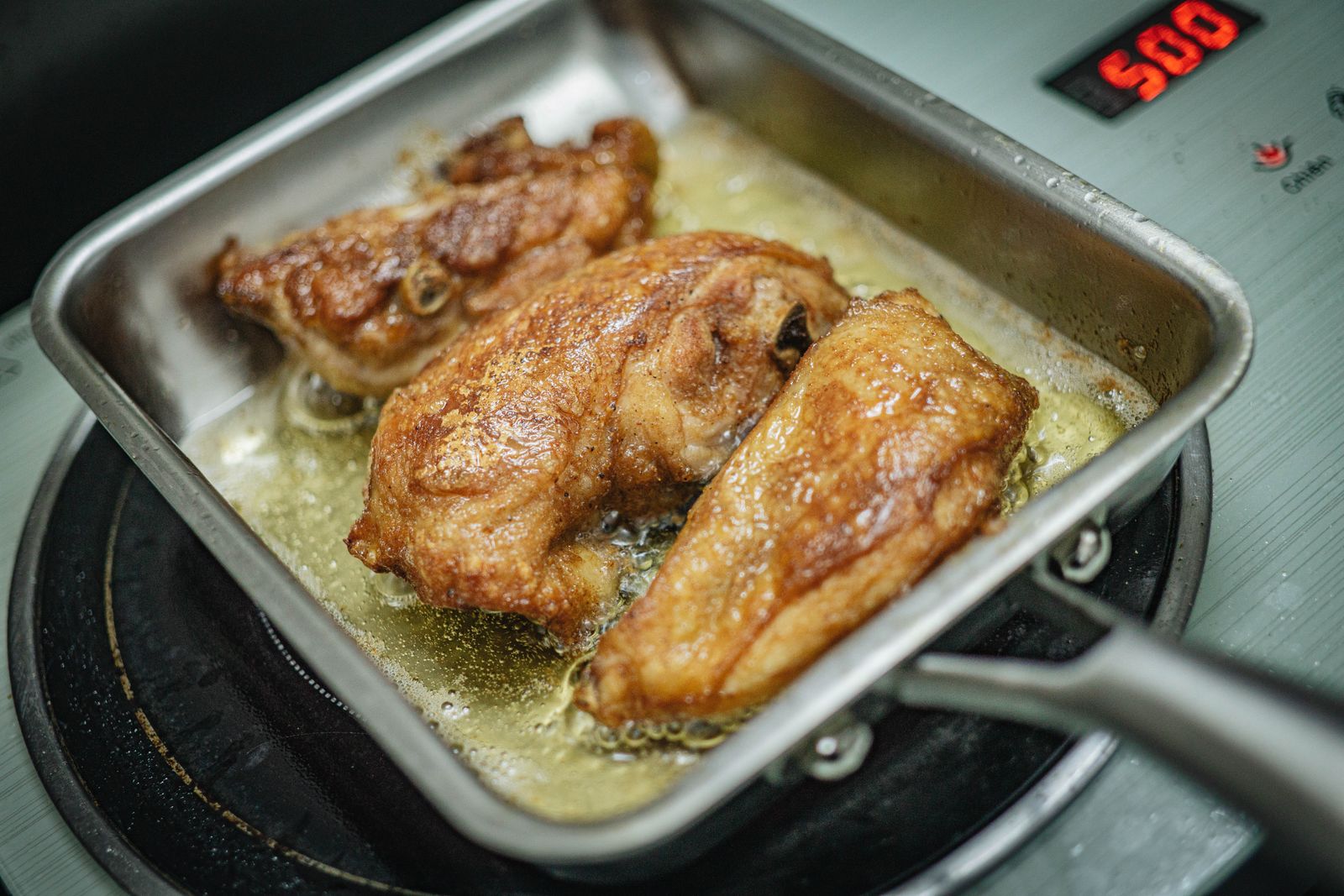
Those brown, stuck on bits in the pan after searing chicken are pure flavor. Cooks call them fond, and they turn them into a quick sauce in about three minutes. A splash of broth loosens them, a little mustard and butter make it rich. Mini poll: what do you usually do with that pan? A) wash it, B) make gravy, C) never thought about it, D) sauce every time.
You will need: 4 thin chicken cutlets, salt and pepper, 2 tablespoons flour, 2 tablespoons oil, 1 small shallot (minced), 3/4 cup chicken broth, 1 teaspoon Dijon mustard, 1 tablespoon lemon juice, 2 tablespoons cold butter, parsley.
How to make it: Season the cutlets and dust them with flour. Brown in hot oil 3 minutes per side, then move to a plate. Lower the heat, add the shallot and cook 1 minute. Pour in the broth and scrape up every browned bit. Simmer until reduced by half. Whisk in mustard and lemon, then the cold butter off the heat. Spoon over the chicken with parsley.
Season the Salad Greens, Not Just the Dressing
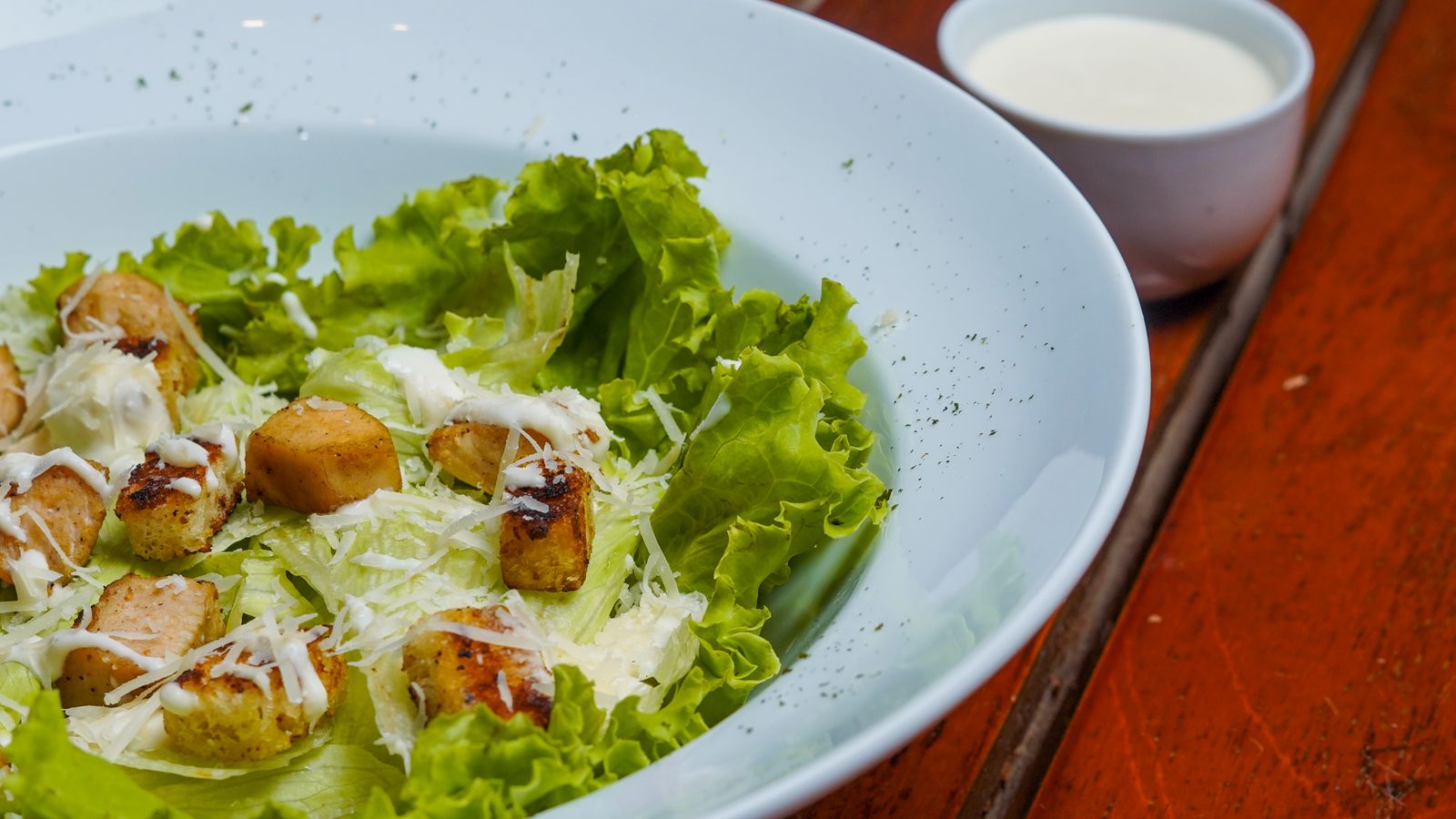
A restaurant salad tastes alive because the leaves themselves get a pinch of salt and pepper before the dressing goes on, and everything is tossed in a big bowl so each leaf is coated. Cold, dry lettuce matters too, since water dilutes the dressing. This quick Caesar uses a blender dressing with no raw egg, so it is easy for weeknights.
You will need: 1 large head romaine (chilled and dried), salt and pepper, 1 cup croutons, 1/2 cup shaved Parmesan. Dressing: 1/3 cup mayonnaise, 2 tablespoons lemon juice, 1 teaspoon Dijon, 2 anchovy fillets or 1 teaspoon Worcestershire, 1 garlic clove, 1/4 cup grated Parmesan, 3 tablespoons olive oil.
How to make it: Blend all the dressing ingredients until smooth. Tear the romaine into a large, wide bowl and sprinkle with a pinch of salt and pepper. Add a few spoonfuls of dressing and toss with your hands until every leaf is lightly coated. Add more dressing only if needed. Top with croutons and shaved Parmesan and serve cold.
Chef Tricks for Curry: Toast Whole Spices First
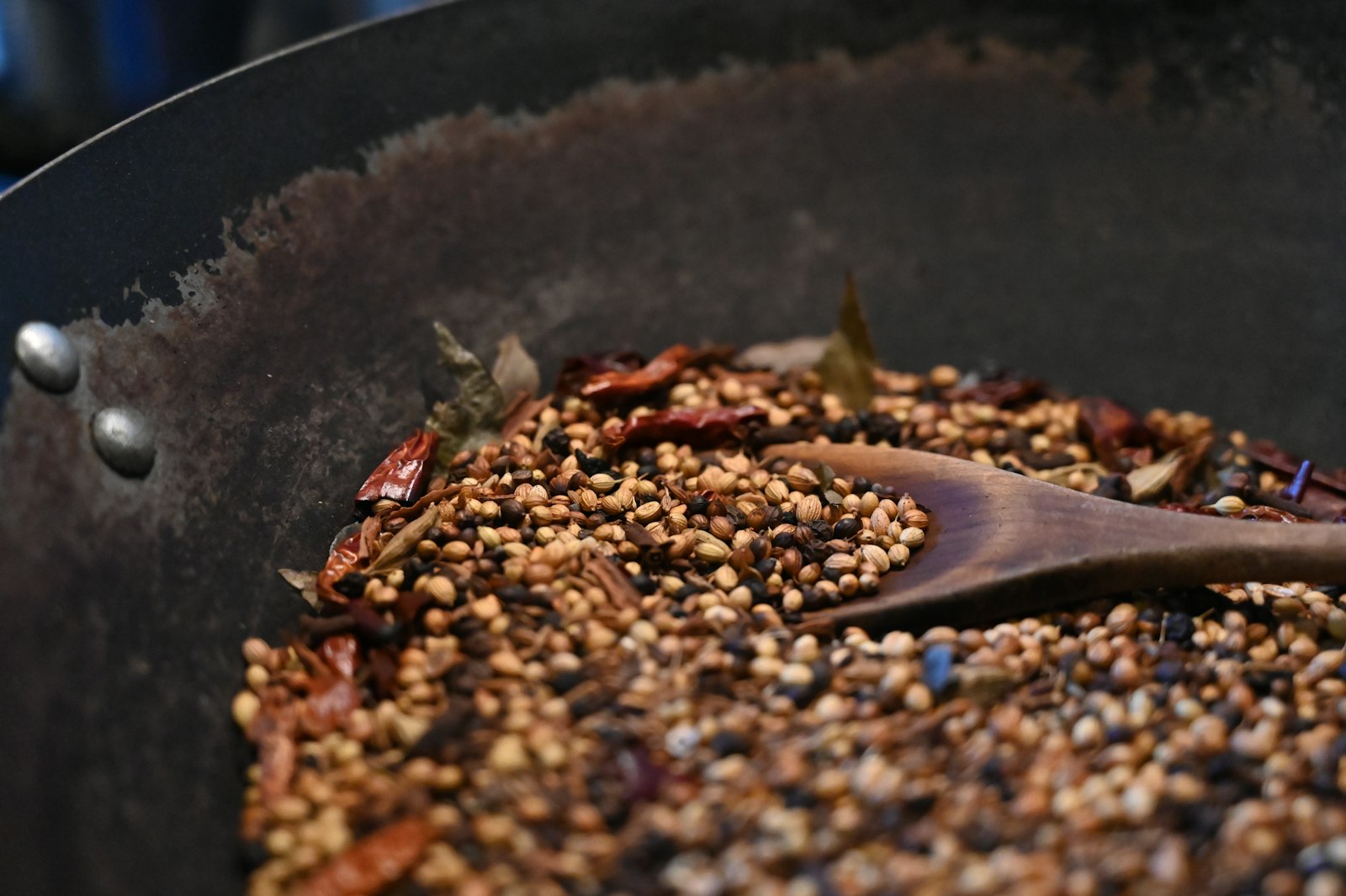
Ground spices from a jar lose aroma over time. Cooks warm whole cumin, coriander and peppercorns in a dry pan until fragrant, then grind them fresh. The difference in smell alone will stop you in your tracks. This simple chicken curry gets its deep flavor from a quick toast and grind. Do you have a spice grinder, or will you use a mortar and pestle?
You will need: 1 tablespoon cumin seeds, 1 tablespoon coriander seeds, 1/2 teaspoon black peppercorns, 1 teaspoon turmeric, 2 tablespoons oil, 1 onion, 4 garlic cloves, 1 tablespoon grated ginger, 1 can (14 ounces) tomatoes, 1 1/2 pounds chicken thighs (cubed), 1/2 cup coconut milk, 1 teaspoon salt, cilantro.
How to make it: Toast the cumin, coriander and peppercorns in a dry skillet over medium heat for 2 minutes until fragrant. Cool and grind, then mix with turmeric. Cook the onion in oil until golden. Add garlic, ginger and the spice mix for 1 minute. Add tomatoes, chicken and salt, and simmer 20 minutes. Stir in coconut milk, heat through and top with cilantro.
A Squeeze of Lemon at the End Wakes Up Vegetables
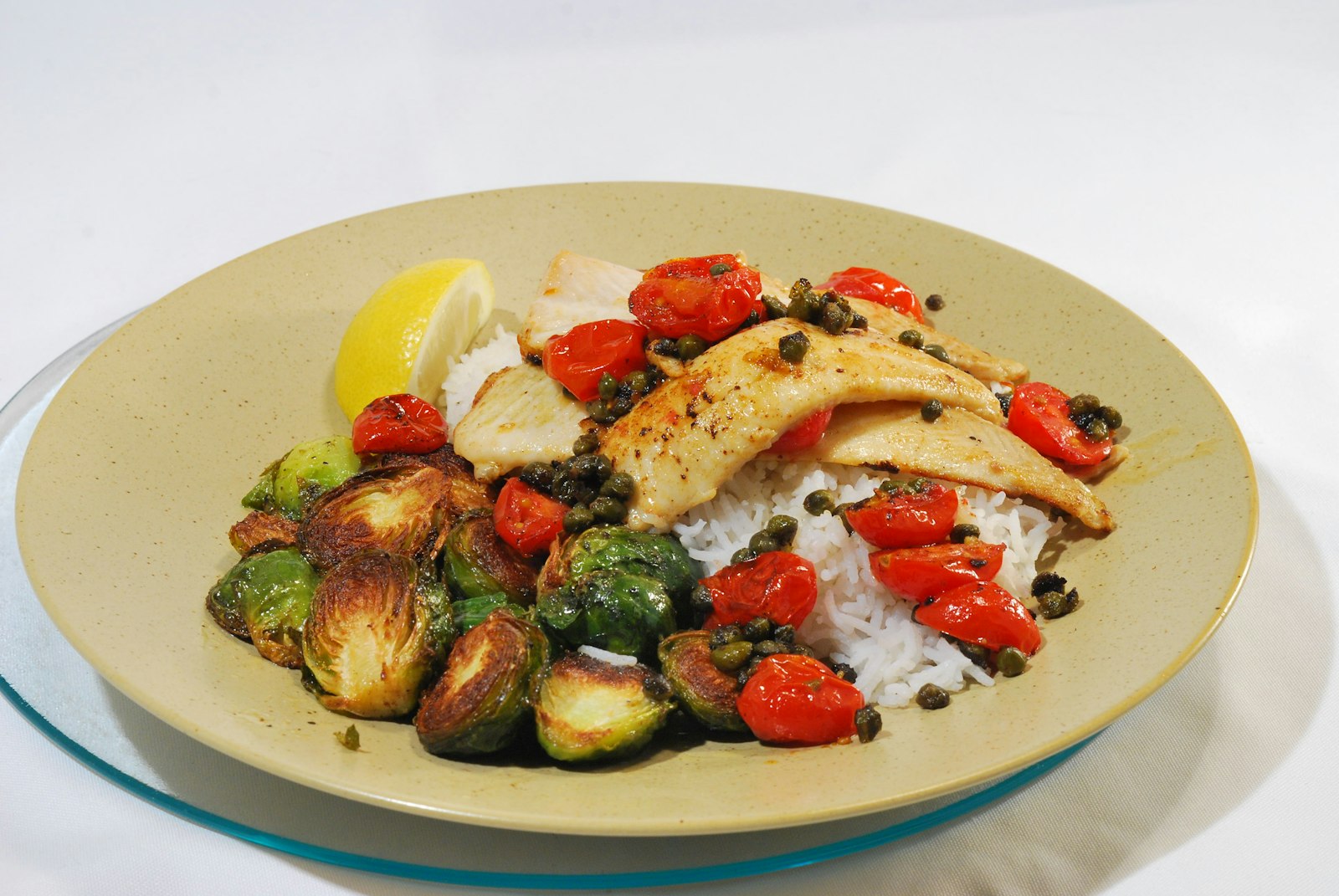
Some chef tricks are about flavor, not technique. When a dish tastes flat, most of us reach for more salt. Chefs often reach for acid instead. A squeeze of lemon or a few drops of vinegar right before serving makes roasted vegetables taste brighter and more like themselves. Add it at the end, not the start, so the flavor stays fresh. If you love a classic steakhouse plate, these go perfectly with our steak dinners that beat a night out.
You will need: 1 pound broccoli or Brussels sprouts, 2 carrots, 1 red onion, 1 cup cherry tomatoes, 3 tablespoons olive oil, 3/4 teaspoon salt, black pepper, 1/2 lemon, 2 tablespoons chopped parsley.
How to make it: Heat the oven to 425 F. Cut the vegetables into similar sized pieces. Toss with oil, salt and pepper and spread on a sheet pan with space between them. Roast 20 to 25 minutes, turning once, until browned at the edges. Squeeze the lemon over the hot vegetables, toss, taste for salt and finish with parsley.
Chef Tricks for Burgers: Smash Once, Flip Once
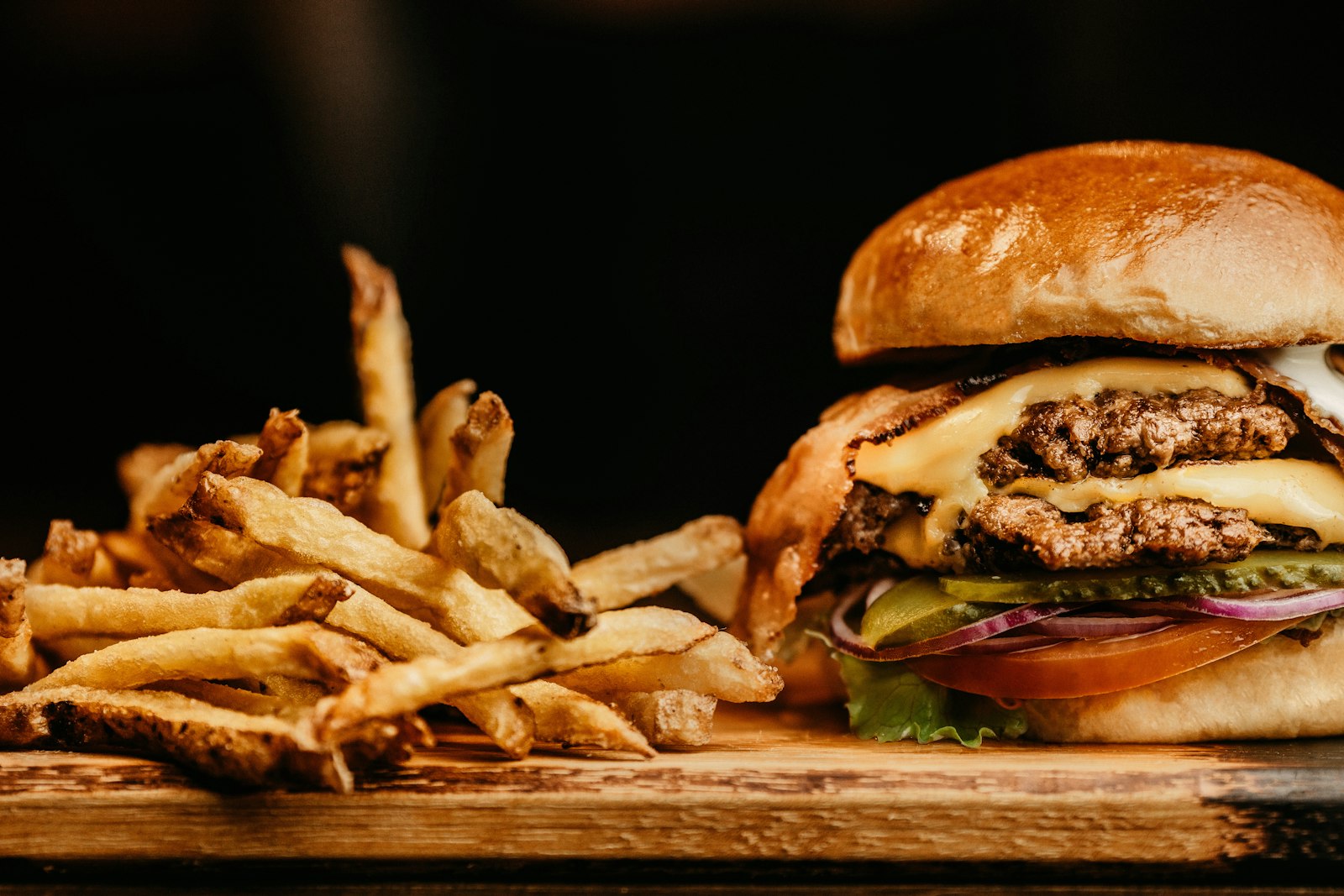
The best diner burgers have lacy, crunchy edges. The trick is pressing a ball of cold beef hard into a very hot pan in the first 30 seconds, then leaving it alone. One flip only. Pressing later just pushes out the juice. Thin patties also cook fast, so you can feed the whole family in about 15 minutes. Cheese on or cheese off?
You will need: 1 pound 80/20 ground beef, salt and pepper, 4 slices American cheese, 4 soft burger buns, 1 tablespoon butter, pickles, thin sliced onion, ketchup and mustard.
How to make it: Divide the beef into 4 loose balls and keep them cold. Toast the buttered buns and set aside. Heat a cast iron pan or griddle very hot. Add a ball, press it flat with a sturdy spatula and hold for 10 seconds. Season the top. Cook 2 minutes until the edges are deep brown, flip once, add cheese and cook 1 minute. Build with pickles, onion and sauce.
Brown the Base Before the Broth Goes In
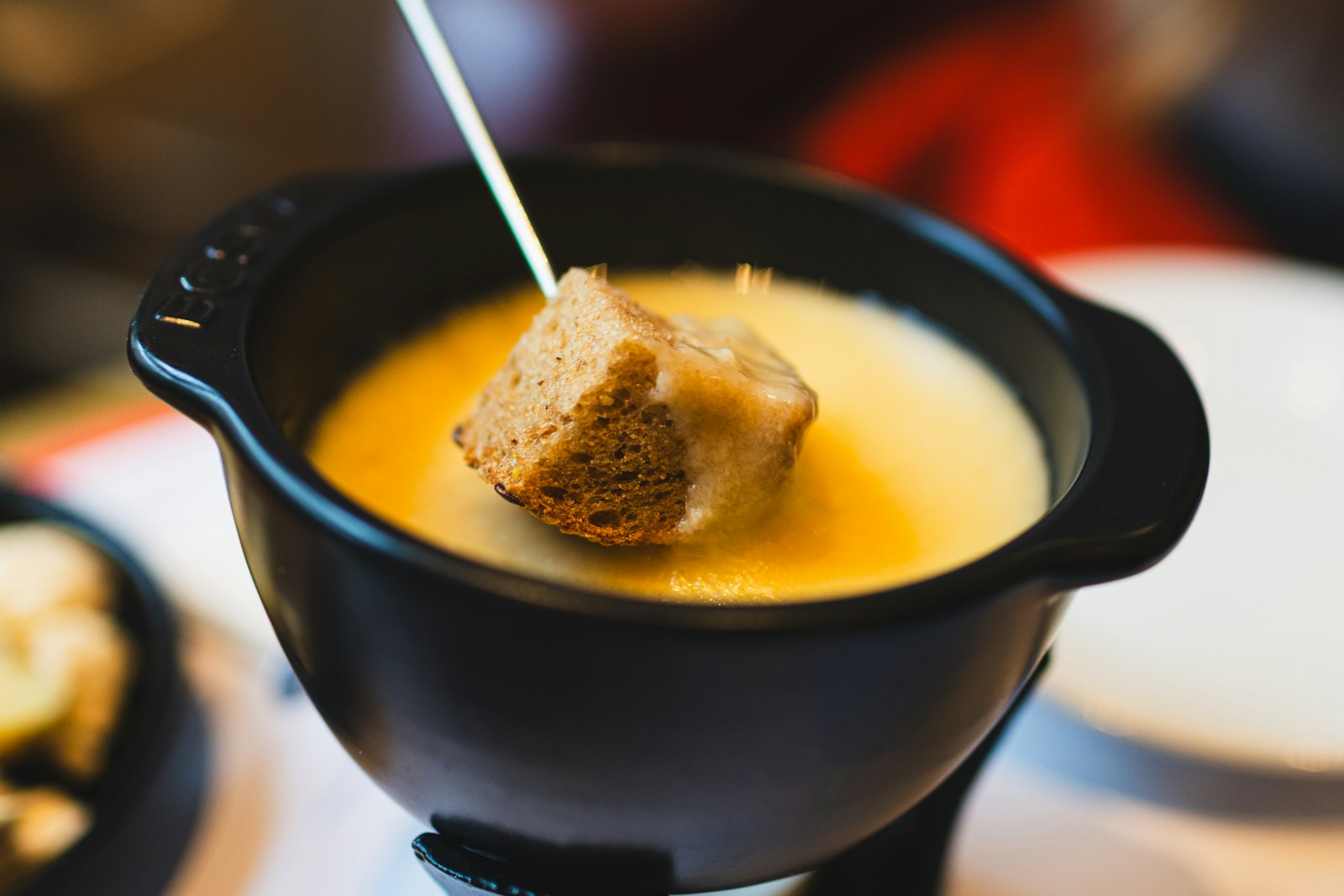
Restaurant soups taste rich thanks to chef tricks like this one: the cook builds flavor before any liquid goes in. Onions, carrots and celery are cooked until truly golden, and a spoon of tomato paste gets toasted until it darkens. That browning adds the deep, savory taste that a pot of simmered vegetables alone never gets. Do you have a favorite soup for chilly nights?
You will need: 2 tablespoons olive oil, 1 large onion, 2 carrots, 2 celery stalks, 3 garlic cloves, 1 tablespoon tomato paste, 1 pound potatoes (diced), 6 cups chicken or vegetable broth, 1 can white beans (drained), 1 teaspoon salt, 2 cups chopped kale, Parmesan.
How to make it: Cook the onion, carrots and celery in oil over medium heat for 12 minutes, stirring now and then, until golden. Add garlic and tomato paste and cook 2 minutes until the paste darkens. Pour in a little broth and scrape the pot. Add potatoes, the rest of the broth and salt. Simmer 20 minutes. Add beans and kale for 5 minutes. Serve with Parmesan.
Grilled Cheese: Butter the Bread, Low Heat and a Lid
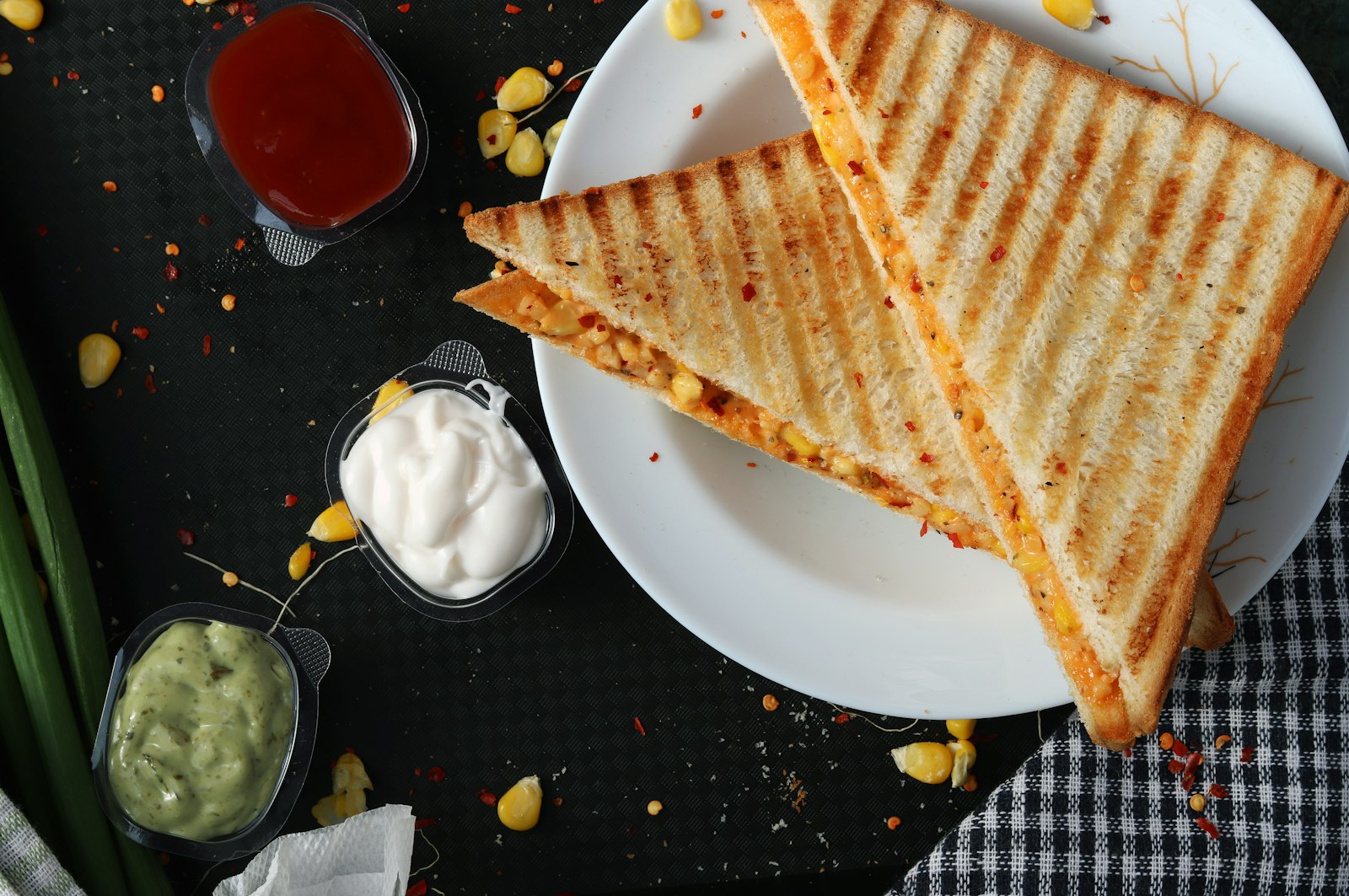
Cafe grilled cheese is golden outside and fully melted inside because it cooks low and slow. Butter goes on the outside of the bread, not in the pan, so it browns evenly. A lid traps heat so the cheese melts before the bread burns. Some cooks swear by a thin layer of mayo for extra crunch. Would you try it?
You will need: 4 slices sourdough or sandwich bread, 2 tablespoons soft butter, 4 slices cheddar, 2 slices Swiss or Monterey Jack, a pinch of garlic powder (optional).
How to make it: Spread butter on one side of each slice and sprinkle with garlic powder if using. Place two slices butter side down in a cold skillet. Layer the cheese and top with the other slices, butter side up. Turn the heat to medium low and cover. Cook 4 minutes until golden, flip, cover again and cook 3 minutes more until the cheese is melted. Rest 1 minute and slice.
Let Meat Rest Before You Slice It
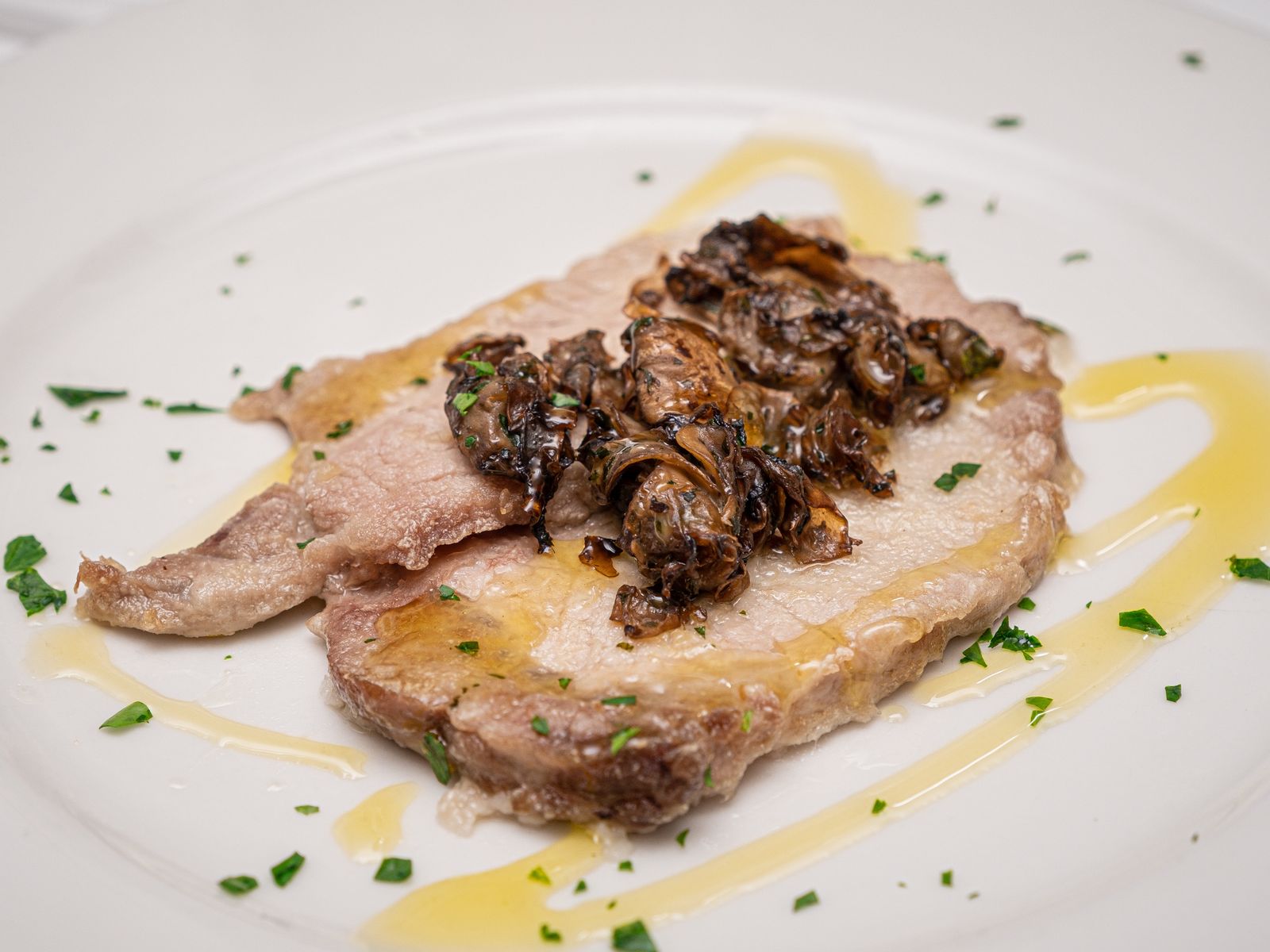
Cut into a roast straight from the oven and the juice runs all over the board. Restaurants rest every piece of meat for a few minutes, loosely covered, so the juices settle back in and each slice stays moist. A small piece needs about 5 minutes, a big roast needs 15 or more. It is the hardest wait in the kitchen, but it pays off.
You will need: 1 pork tenderloin (about 1 1/4 pounds), 1 teaspoon salt, 1/2 teaspoon pepper, 1 teaspoon garlic powder, 1 tablespoon oil, 8 ounces mushrooms (sliced), 1 tablespoon butter, 1/2 cup broth, thyme.
How to make it: Heat the oven to 400 F. Season the pork and brown it in oil on all sides in an oven safe pan. Roast 15 to 20 minutes until it reads 145 F. Move to a board, tent with foil and rest 5 to 10 minutes. Meanwhile cook the mushrooms in butter in the same pan, add broth and thyme and simmer 3 minutes. Slice the pork and spoon over the mushrooms.
Chef Tricks for Stir Fry: Prep Everything First
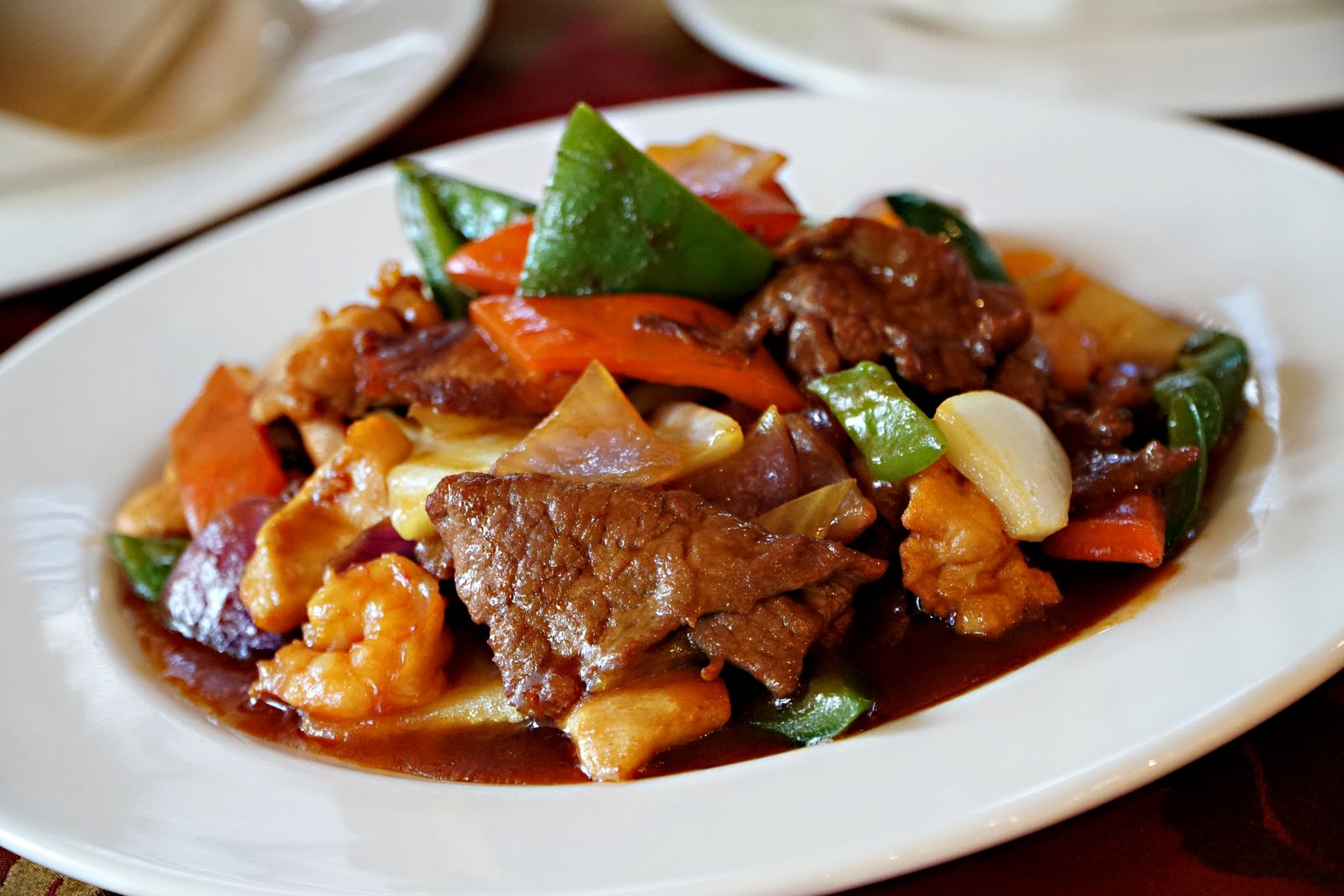
In a busy kitchen nothing gets cooked until everything is chopped and measured. Cooks call it mise en place, and it is the reason a stir fry comes together in minutes without burning. Once the wok is hot, there is no time to slice an onion. Line up your bowls first and dinner suddenly feels calm. Do you prep first or chop as you go?
You will need: 1 pound flank steak (sliced thin), 1 tablespoon cornstarch, 3 tablespoons soy sauce, 1 tablespoon oyster sauce, 1 teaspoon sugar, 2 tablespoons oil, 1 bell pepper, 1 cup broccoli florets, 1 onion, 3 garlic cloves, 1 tablespoon ginger, 2 green onions, rice to serve.
How to make it: Toss the beef with cornstarch and 1 tablespoon soy sauce. Mix the rest of the soy, oyster sauce and sugar in a cup. Chop all the vegetables and set everything next to the stove. Sear the beef in hot oil for 2 minutes and remove. Stir fry the vegetables 3 minutes, add garlic and ginger for 30 seconds, return the beef, add sauce and toss 1 minute.
Dry the Salmon Skin for a Real Crunch
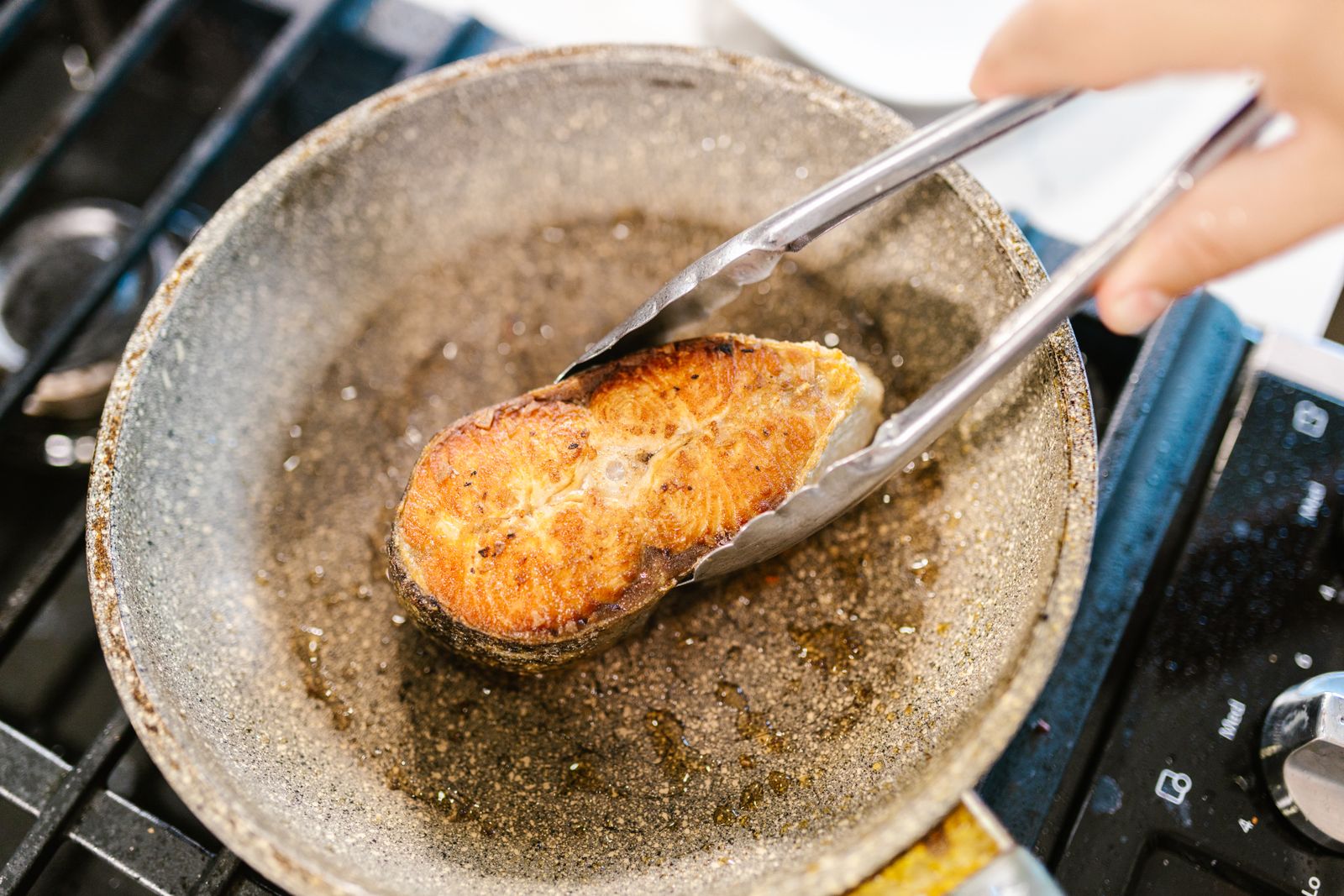
Crispy skin salmon is a restaurant favorite, and the chef tricks behind it are simple. Many people think they cannot make it at home. The secret is a very dry skin, a hot pan and patience. Pat it dry, press it flat for the first few seconds so it does not curl, then leave it skin side down for most of the cooking. Crispy skin fan, or do you peel it off?
You will need: 2 salmon fillets with skin, 1/2 teaspoon salt, black pepper, 1 tablespoon oil, 1 tablespoon butter, 1 garlic clove, 1/2 lemon, chopped dill.
How to make it: Pat the skin very dry with paper towels and season both sides. Heat oil in a skillet over medium high heat. Lay the salmon skin side down and press gently with a spatula for 15 seconds. Cook without moving for 5 to 6 minutes until the skin releases and is crisp. Flip, add butter and garlic and cook 1 to 2 minutes. Finish with lemon and dill.
Warm the Butter and Milk for Silky Mashed Potatoes
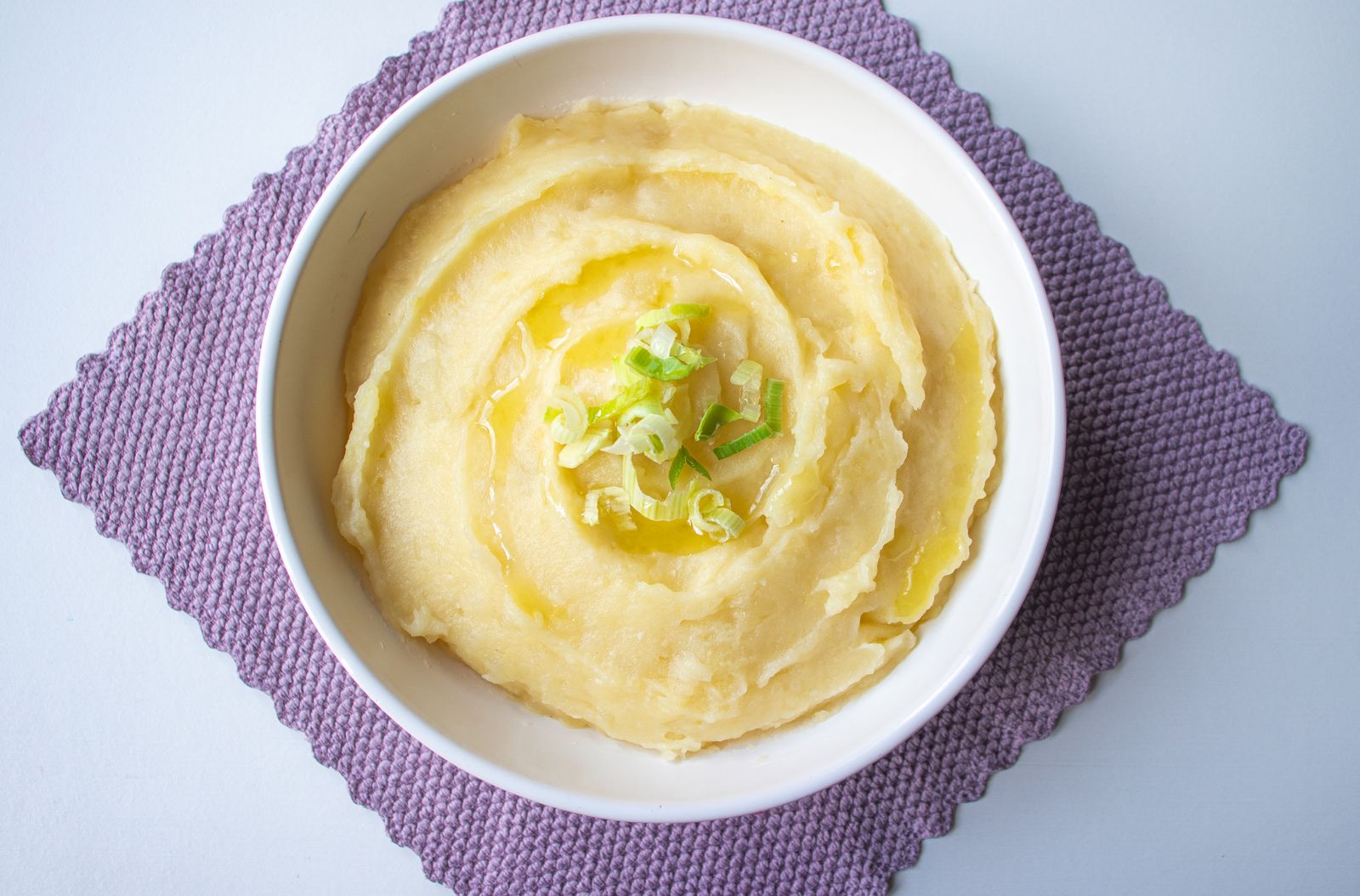
Restaurant mashed potatoes are smooth and fluffy, never gluey. Cooks start the potatoes in cold salted water so they cook evenly, dry them for a minute after draining, and add warm butter and milk instead of cold. Mashing gently by hand, not in a blender, keeps them light. Lumps or no lumps? Every family has a strong opinion.
You will need: 2 1/2 pounds Yukon Gold potatoes, 1 tablespoon salt for the water, 6 tablespoons butter, 3/4 cup whole milk, salt and pepper to taste, chives.
How to make it: Peel and cut the potatoes into even chunks. Put them in a pot of cold water with the salt and bring to a boil. Simmer 15 to 18 minutes until very tender. Drain, return to the pot over low heat for 1 minute to dry. Warm the butter and milk together. Mash the potatoes, then stir in the warm milk mixture. Season and top with chives.