Egg Katsu: 1 Crispy Panko Egg With a Runny Yolk That Pulled In Nearly 10 Million Views
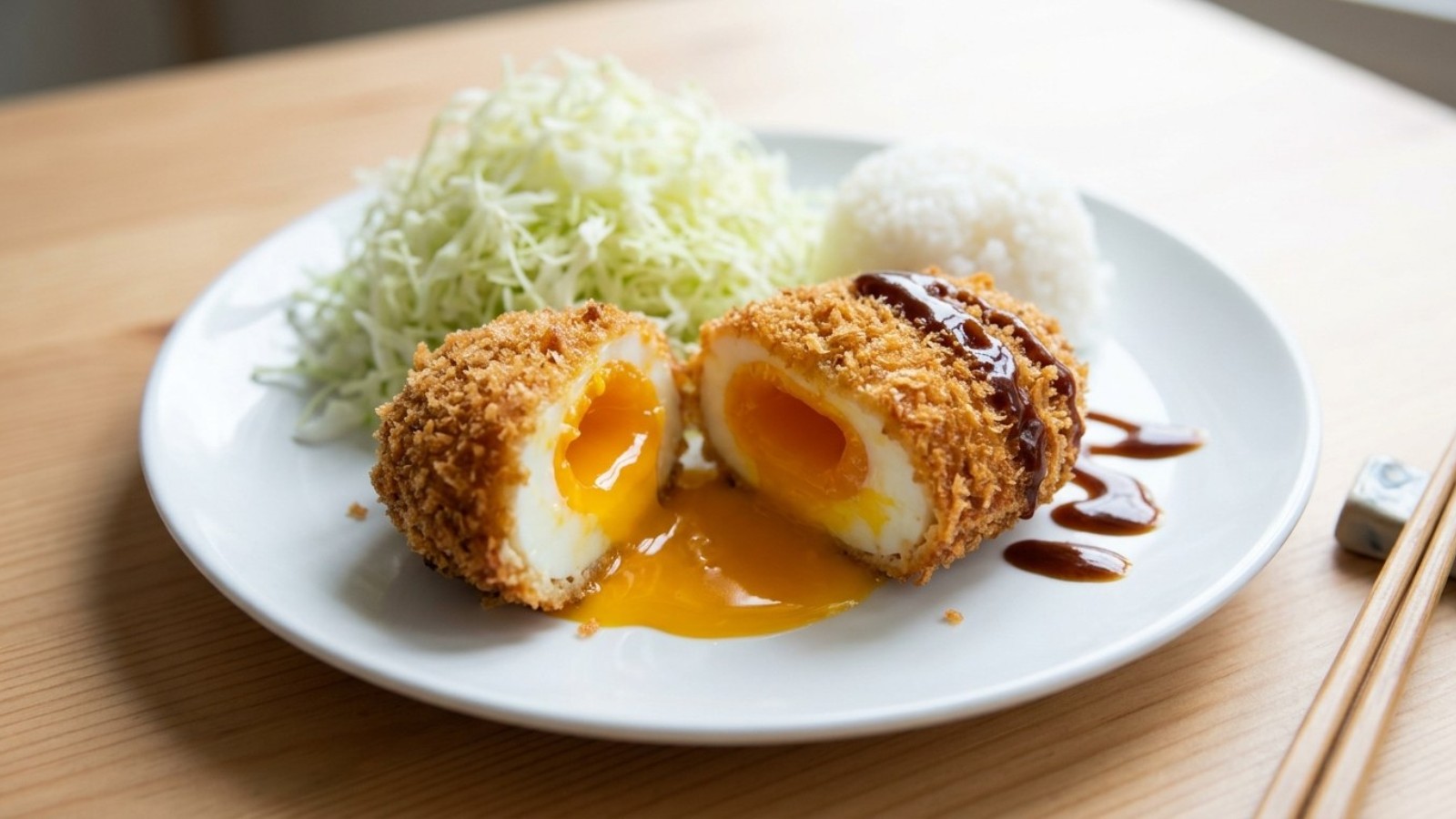
Egg katsu looks like a golden little cutlet sitting on your plate. Then you cut into it and a bright, runny yolk spills out across the rice. It takes two ingredients plus oil, it cooks in about two minutes, and one home cook’s video of it has been watched close to 10 million times. It is crunchy, rich and cheap, and it turns a plain egg into something that feels like a treat. Below you will find where it came from, the easy parchment paper trick behind the viral version, the exact timing for a runny or jammy yolk, and five ways to serve it. Here is how to make it at home, step by step..
The cook behind the video is Lisa Kitahara, a Japanese Canadian recipe developer who runs the cooking site Okonomi Kitchen. As NYT Cooking reported in October, her Instagram video was nearing 10 million views, with about 4 million more on TikTok. She told the paper she had low expectations for it because she thought the recipe was “too simple.”
Simple is exactly why people love it. You do not need a special pan, a batter or a fancy sauce. If you have eggs, a bag of panko and a small pot, you can make egg katsu for breakfast, lunch or a late-night snack tonight.
Where Egg Katsu Comes From
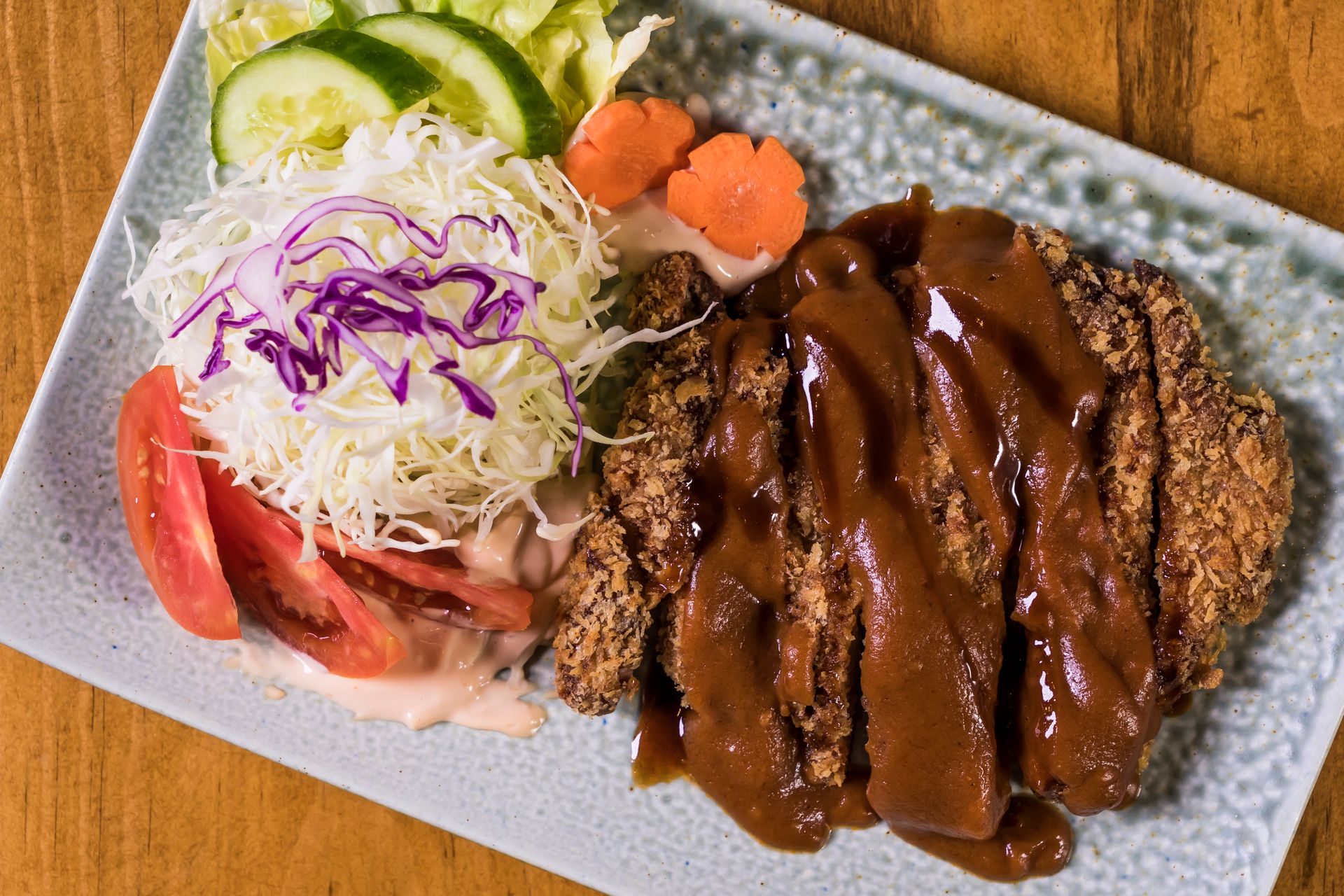
In Japan, “katsu” usually means tonkatsu, a pork cutlet coated in panko and fried until crisp, served with a pile of shredded cabbage and a sweet, tangy brown sauce. Egg katsu borrows that same crunchy coat and the same plate, but puts a soft egg in the middle instead of meat.
The idea is not brand new. NYT Cooking traced it back to a 2013 egg recipe contest in Japan, run by two national egg and poultry groups. Out of 286 entries, the grand prize went to Kaori Kosugi of Hokkaido for her panko-coated “Egg Fry,” and part of her prize was a full year of eggs. NYT Cooking notes that Kitahara came up with her version independently, and it was her video that took it worldwide.
Like this kind of kitchen trick? You will also love our egg hacks that millions of home cooks saved, from easy peeling to no-fail poached eggs.
What You Need
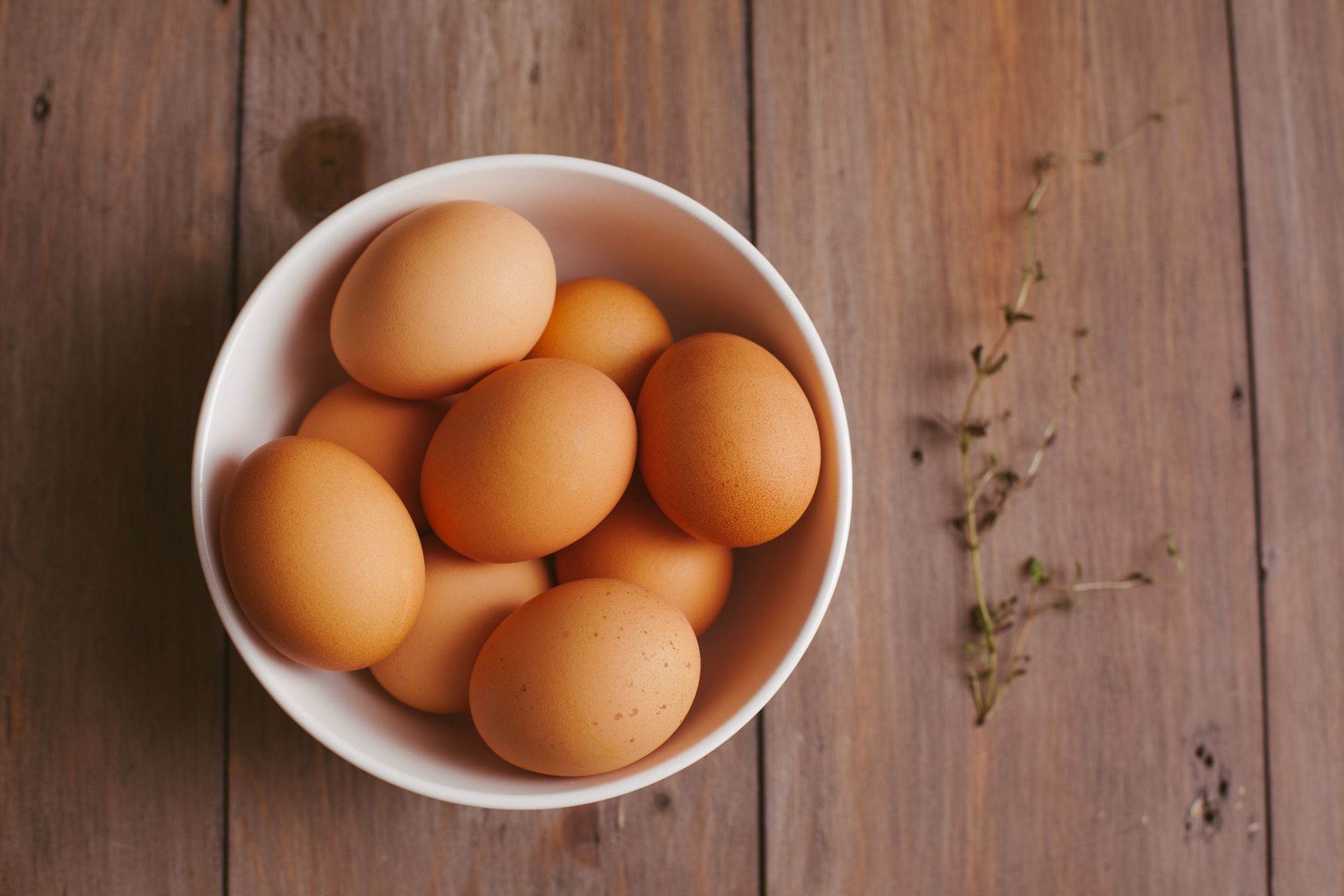
This makes 2 servings. Double it as needed, but fry one or two at a time.
- 2 large eggs, cold from the fridge. Slightly older eggs hold their shape a little better.
- About 2/3 cup panko breadcrumbs (roughly 1/3 cup per egg). Japanese-style panko gives the lightest crunch.
- A pinch of salt for each egg.
- Neutral oil for frying, such as canola, vegetable or peanut oil, enough to fill a small pot about 1 1/2 inches deep.
- Two squares of parchment paper, about 5 1/2 inches wide, and a small shallow bowl.
- To serve (optional): finely shredded cabbage, steamed rice, and tonkatsu sauce or a splash of soy sauce.
How to Make Egg Katsu, Step by Step
The clever part of the viral method is the parchment paper. The raw egg is the glue, so there is no flour and no egg wash. The parchment holds everything together until the hot oil sets the crust.
- Heat the oil. Pour the oil into a small, deep pot and heat it to 350 F. A cheap clip-on thermometer makes this easy.
- Make a panko bed. Set a square of parchment inside a small shallow bowl and sprinkle about a tablespoon of panko in a circle about 4 inches wide.
- Add the egg. Gently open one egg onto the panko, taking care not to break the yolk. Sprinkle on a pinch of salt, then cover the top and sides with more panko until no egg is showing. Let it sit for 2 to 3 minutes so the crumbs stick.
- Lower it in. Lift the parchment by the corners and slowly lower it, egg and all, into the oil. A slotted spoon under the paper gives you more control.
- Fry and spoon. Fry about 1 minute, spooning hot oil over the top so the panko sets. The egg will start to let go of the paper. Pull the parchment out with tongs or chopsticks.
- Flip and finish. Turn the egg gently and fry about 1 minute more, until both sides are deep golden. For a very runny yolk, keep the total time near 2 minutes. For a jammy yolk, add 10 to 15 seconds.
- Drain and serve fast. Move it to a wire rack for a few seconds, skim loose crumbs out of the oil, then fry the next egg. Egg katsu is best eaten right away.
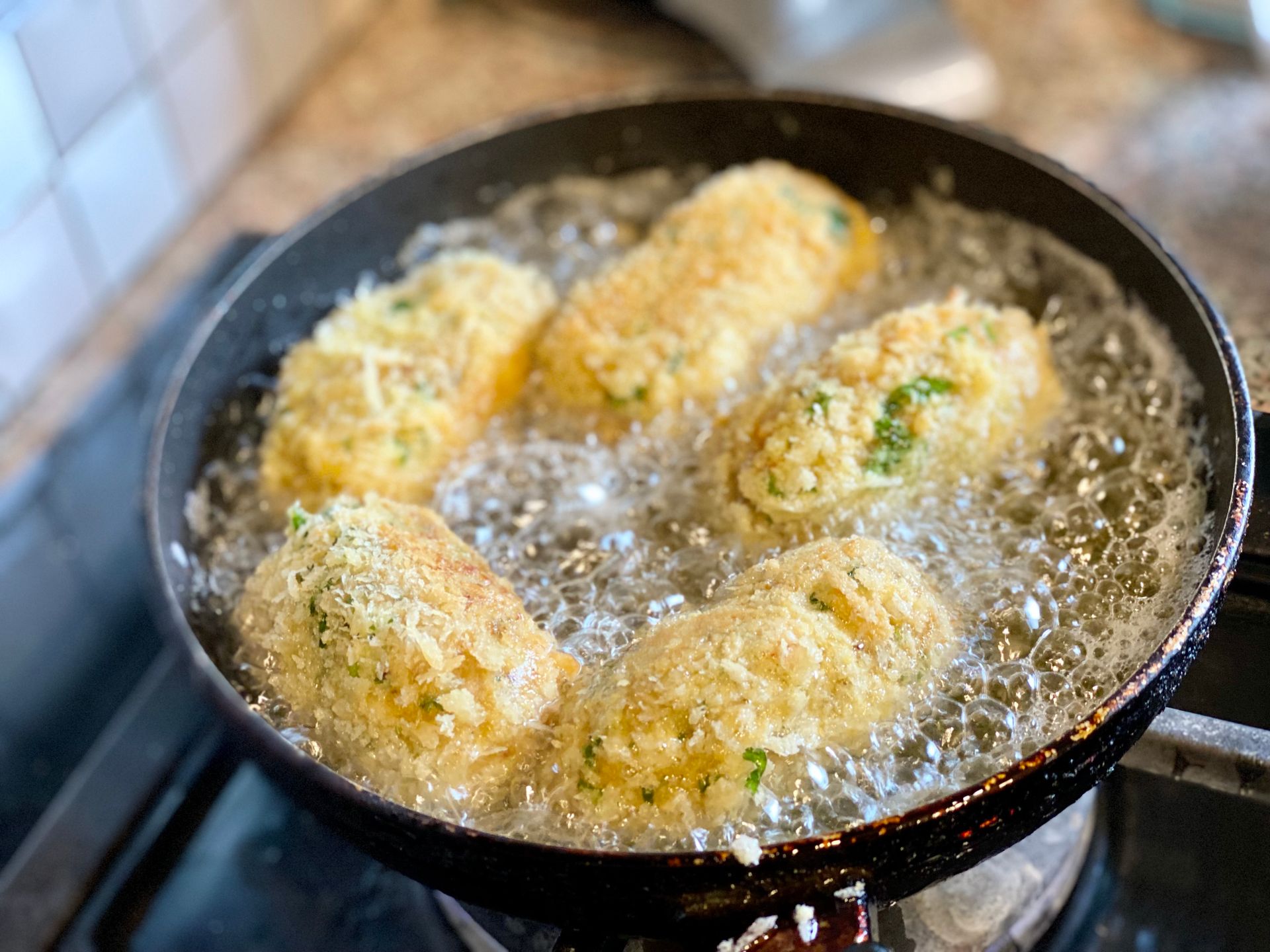
Safety first: use a deep pot so the oil sits well below the rim, keep water away from the oil, and never leave hot oil alone on the stove. Keep kids back from the pot during this part. They can help build the panko beds instead.
A note on runny yolks: soft yolks are not fully cooked. Food safety experts suggest pasteurized eggs for young children, pregnant women, older adults and anyone with a weak immune system. For them, fry a little longer until the yolk is set.
Tips, Mistakes to Avoid and Easy Variations
- Oil too hot: the outside browns before the inside is ready and the yolk can go hard. Stay between about 340 F and 350 F.
- Oil too cool: the panko soaks up oil and turns greasy instead of crisp.
- Coating falling off: let the coated egg rest for a few minutes, and spoon hot oil over the top before you flip.
- Air fryer option: spray the coated egg well with oil and air fry at a high heat for a few minutes. Kitahara says it can be done, but she does not recommend it, because the yolk cooks through. Expect a firm egg, not a runny one.
- Make-ahead round egg version: soft-boil eggs for 6 1/2 minutes, chill them in ice water and peel. Roll each one in flour, then beaten egg, then panko, and fry at 350 F for 1 to 2 minutes until golden. You get a round katsu egg with a jammy center, like the one in our top photo.
Which yolk is your favorite? A) runny and spilling everywhere, B) jammy and soft, or C) fully set?
5 Ways to Serve Egg Katsu
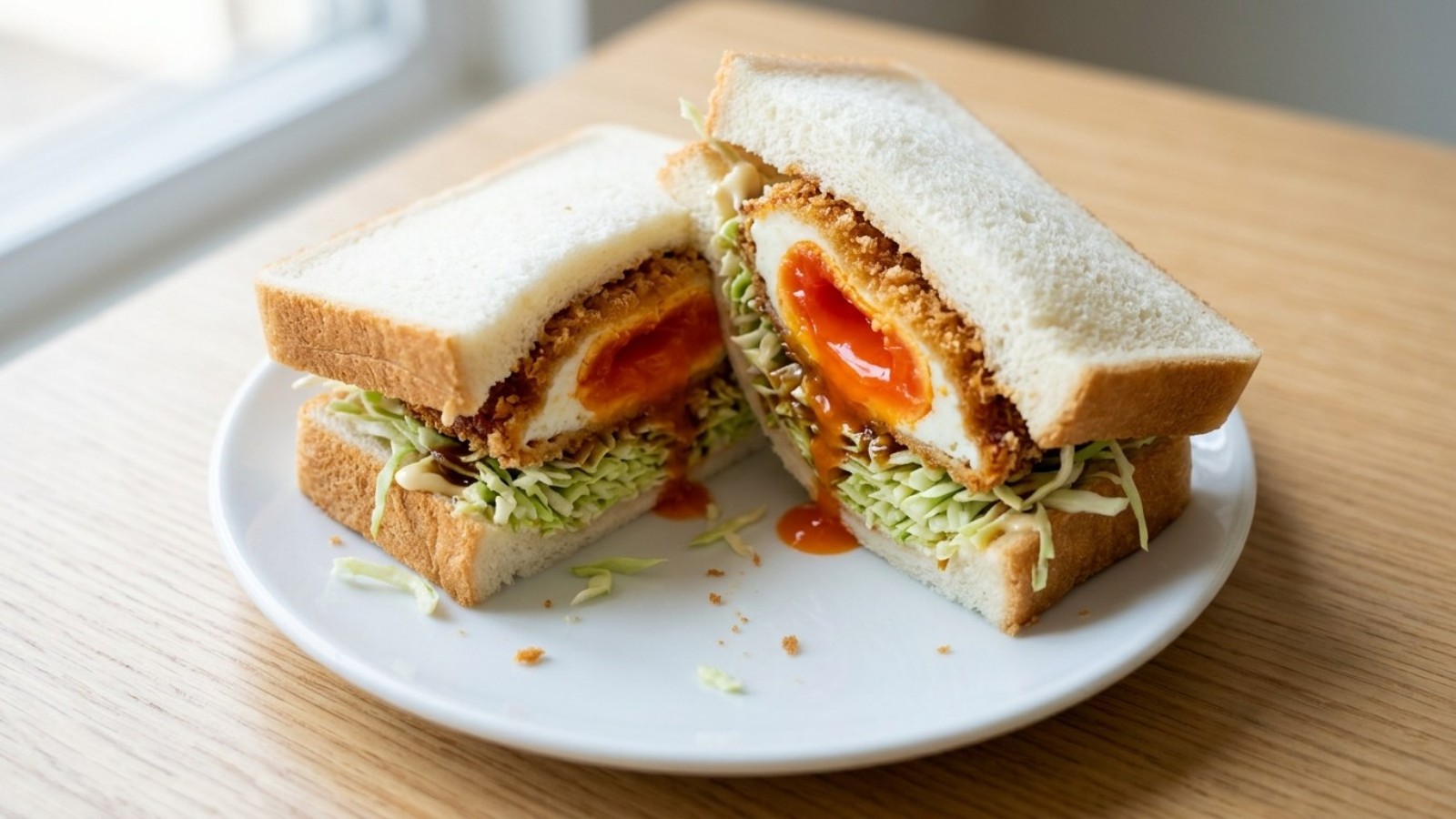
- The classic plate: a big pile of finely shredded cabbage, a scoop of rice and a drizzle of tonkatsu sauce.
- Egg katsu sando: soft white bread, a little mayo, shredded cabbage and sauce. Cut it in half for that yolk shot.
- Rice bowl: set it on hot rice with a splash of soy sauce and sliced green onion, then break the yolk into the rice.
- On noodles or ramen: slide it on top of a bowl of noodles, hot or cold. The yolk makes its own creamy sauce.
- On a burger: Kitahara strongly recommends adding it to a burger, and it is hard to argue with that.
You can also try it on Japanese curry or with toast and a simple salad for brunch. Which one would you make first?
Egg Katsu FAQ
Can I make it ahead? It is best fresh, while the crust is crisp and the yolk is soft. Leftovers keep in the fridge for about a day. Reheat in an air fryer or toaster oven at 350 F for a few minutes. The yolk will firm up.
What oil is best? Any neutral oil with a high smoke point, like canola, vegetable or peanut oil.
Can I use regular breadcrumbs? Yes, but the crust will be denser. Panko flakes are bigger and lighter, which is where the big crunch comes from.
How many eggs can I fry at once? One or two in a small pot. Crowding the pot drops the oil temperature and makes the coating soggy.
Give egg katsu a try this week. Two ingredients, two minutes in the pot, and you get one of the most satisfying bites the internet has found in a long time.