Japanese Souffle Pancakes: 16 Fluffy Japanese Desserts Millions Watched Jiggle on YouTube
Japanese souffle pancakes are the dessert that taught the internet to love a wobble. On YouTube, one video of a cook making a souffle pancake from cheap pantry staples has passed 41 million views, another showing two eggs turned into a tall fluffy stack has more than 24 million, and a clip of a giant jiggly cheesecake coming out of an Osaka oven sits above 14 million. The magic is simple: egg whites whipped into a glossy meringue, folded into a light batter, then cooked low and slow with a splash of water and a lid for steam. Japan has a whole family of desserts built on that same airy idea, from cotton cheesecake to castella and chiffon. Here are 16 fluffy Japanese treats to make at home, each with what you will need and easy steps..
Classic Japanese Souffle Pancakes With Butter and Maple
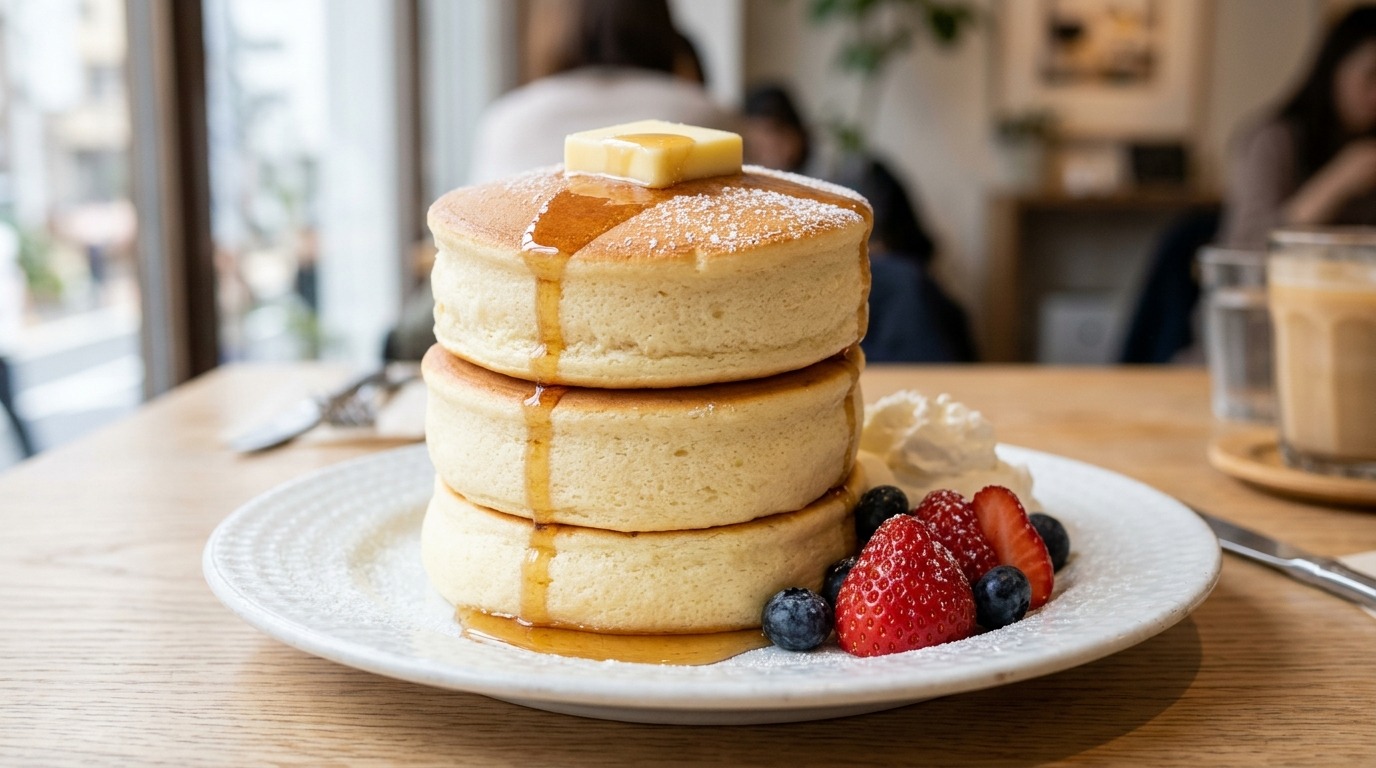
Classic Japanese souffle pancakes are the ones that made people stop scrolling. Each pancake stands about two inches tall, with a golden top, pale sides and a center so soft it trembles when the plate moves. Cafes in Tokyo and Osaka often ask guests to wait 20 minutes because every batch is made to order, and that patience is part of the fun. At home the secret is a stiff meringue, a gentle fold and a covered pan on the lowest heat. Finish with butter, maple syrup and fresh berries..
You will need: 2 eggs (separated), 2 tablespoons milk, 1/4 cup cake flour, 1/2 teaspoon baking powder, 1/2 teaspoon vanilla, 2 tablespoons sugar, 1/4 teaspoon cream of tartar or lemon juice, butter, maple syrup, berries.
How to make it: 1. Whisk the yolks, milk and vanilla, then sift in the flour and baking powder and mix until smooth. 2. Beat the cold egg whites with cream of tartar, adding sugar slowly, until glossy stiff peaks form. 3. Fold the meringue into the yolk batter in three additions, keeping it airy. 4. Pile tall mounds in a lightly oiled nonstick pan on the lowest heat, add 1 tablespoon water and cover. 5. Cook 5 to 6 minutes, add a little more batter on top, flip gently, cover and cook 5 minutes more. Serve at once.
Strawberry Cream Japanese Souffle Pancakes
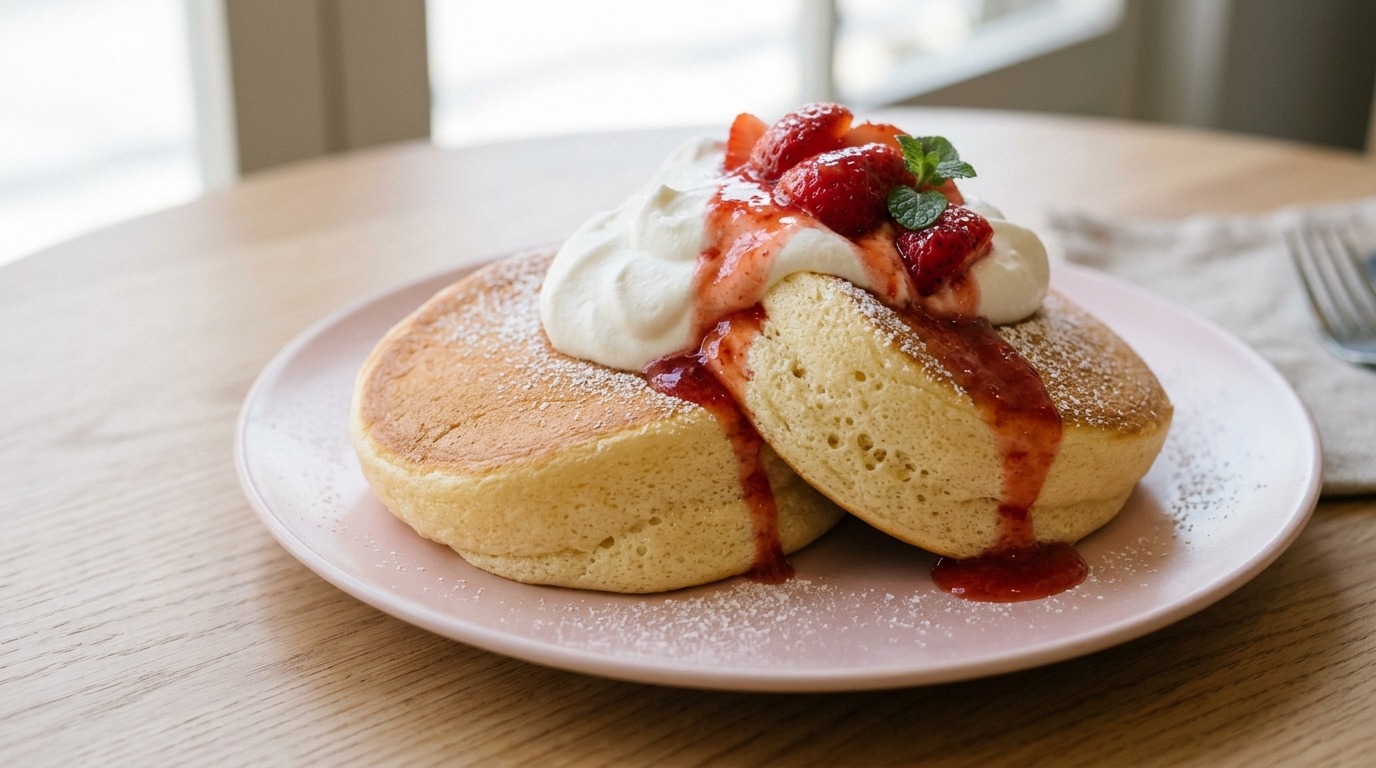
Strawberries and cream are the most photographed topping in Japanese souffle pancakes cafes, and it is easy to see why. The bright red fruit and soft white cream look beautiful against the golden pancakes, and the slight tartness of the berries balances the sweet, eggy crumb. A spoonful of quick strawberry sauce running down the sides makes every bite juicy. Make the sauce first so it can cool while you whip the meringue, and keep the cream lightly sweetened so the fruit shines.
You will need: 1 batch souffle pancake batter, 1 1/2 cups strawberries, 2 tablespoons sugar, 1 teaspoon lemon juice, 1/2 cup heavy cream, 1 tablespoon powdered sugar, mint leaves.
How to make it: 1. Simmer half the strawberries with sugar and lemon juice for 6 minutes, then mash and cool. 2. Whip the cream with powdered sugar to soft peaks and chill. 3. Cook the souffle pancakes low and slow in a covered pan. 4. Stack two pancakes, add a swirl of cream and sliced fresh strawberries. 5. Spoon the strawberry sauce over the top and finish with mint and powdered sugar.
One-Egg Japanese Souffle Pancakes for One
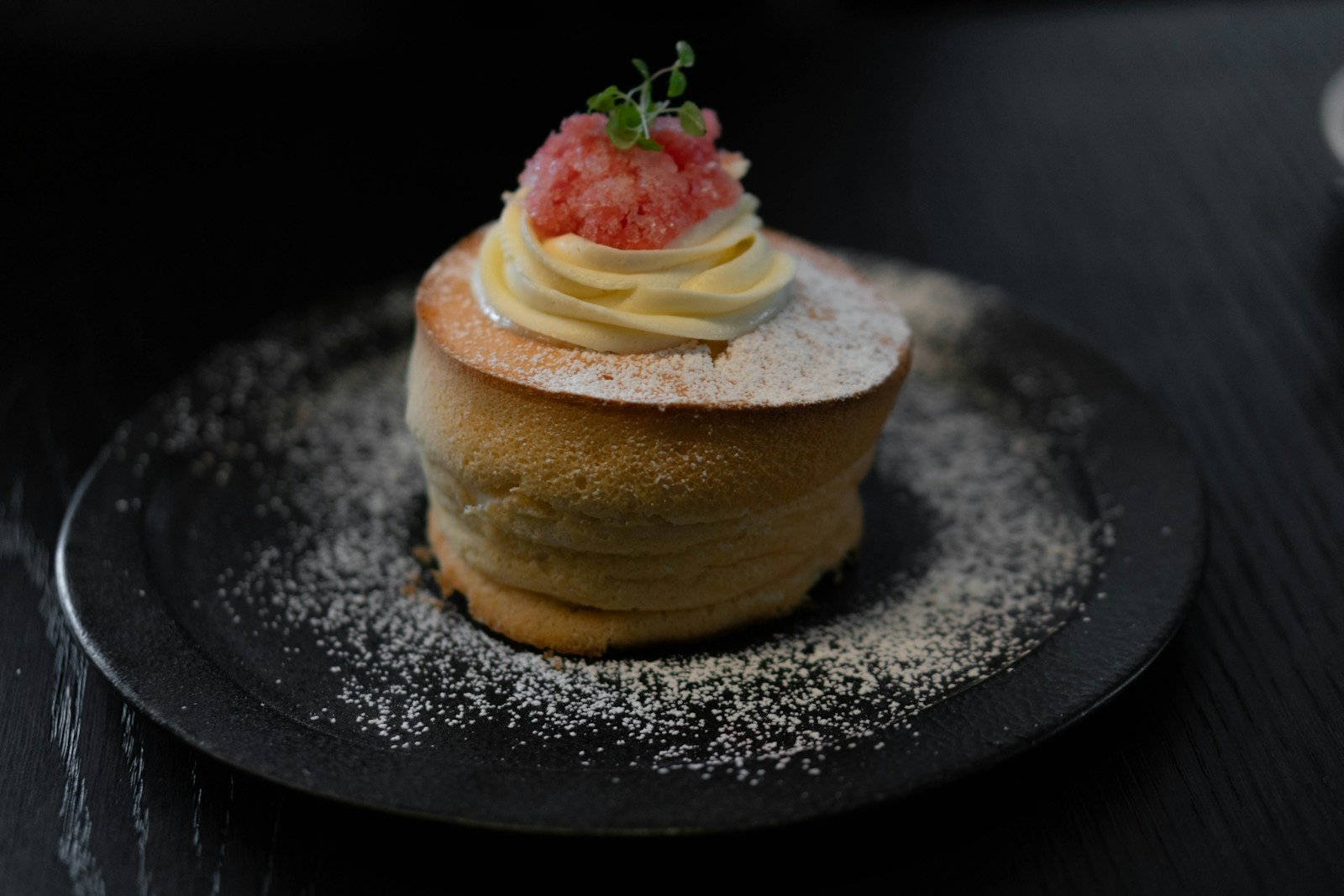
Some of the most watched videos in the jiggly pancake craze use just a single egg, and this small batch is perfect for a quiet weekend breakfast. One egg makes one tall pancake or two smaller ones, so there are no leftovers to go flat in the fridge. It is also the best way to practice, because you can learn how your stove behaves before cooking for a crowd. Japanese souffle pancakes for one look elegant with a swirl of cream and a little fruit on top.
You will need: 1 egg (separated), 1 tablespoon milk, 2 tablespoons cake flour, 1/4 teaspoon baking powder, 1 tablespoon sugar, a few drops lemon juice, whipped cream, chopped strawberries, powdered sugar.
How to make it: 1. Mix the yolk with milk, then stir in the flour and baking powder. 2. Whip the white with lemon juice and sugar to stiff, glossy peaks. 3. Fold the meringue into the yolk mixture in two additions. 4. Spoon one tall mound into a covered nonstick pan on very low heat with a teaspoon of water and cook 6 minutes per side. 5. Top with whipped cream, strawberries and a dusting of powdered sugar.
Matcha Japanese Souffle Pancakes With Sweet Red Bean
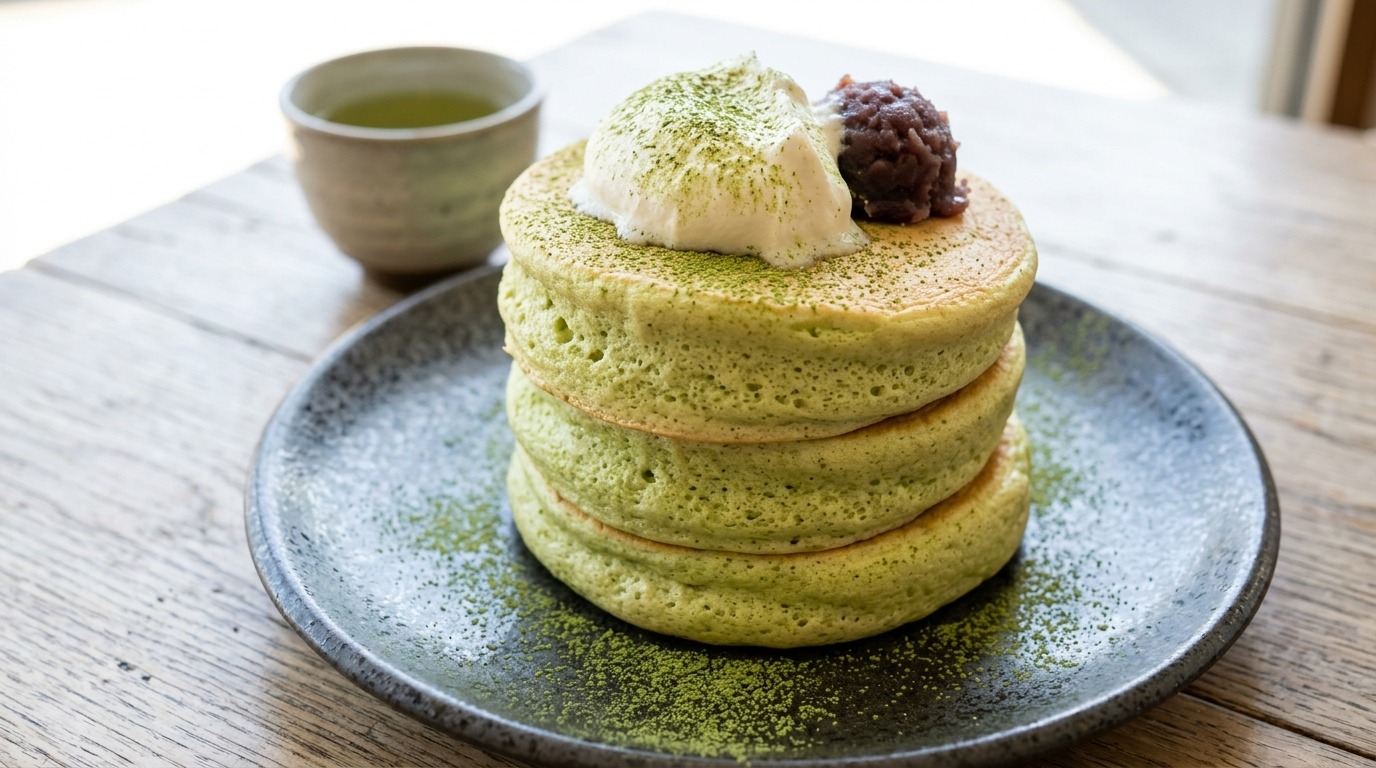
Green tea lovers can turn Japanese souffle pancakes into a cafe-style treat by sifting matcha powder into the batter. The tea gives the pancakes a soft green color and a gently bitter flavor that pairs beautifully with sweet red bean paste, called anko, and a cloud of whipped cream. Use good quality culinary matcha and sift it well, because lumps of powder will show up as dark specks. A little extra sugar in the meringue balances the earthy tea flavor.
You will need: 1 batch souffle pancake batter, 2 teaspoons matcha powder, 1 extra tablespoon sugar, 1/2 cup sweet red bean paste, whipped cream, extra matcha for dusting.
How to make it: 1. Sift the matcha with the flour and baking powder before mixing into the yolk batter. 2. Whip the whites with all the sugar to stiff peaks and fold in gently. 3. Cook the pancakes in a covered pan on the lowest heat with a splash of water. 4. Stack the pancakes and add a scoop of red bean paste and whipped cream. 5. Dust with a little matcha just before serving.
Jiggly Japanese Cotton Cheesecake
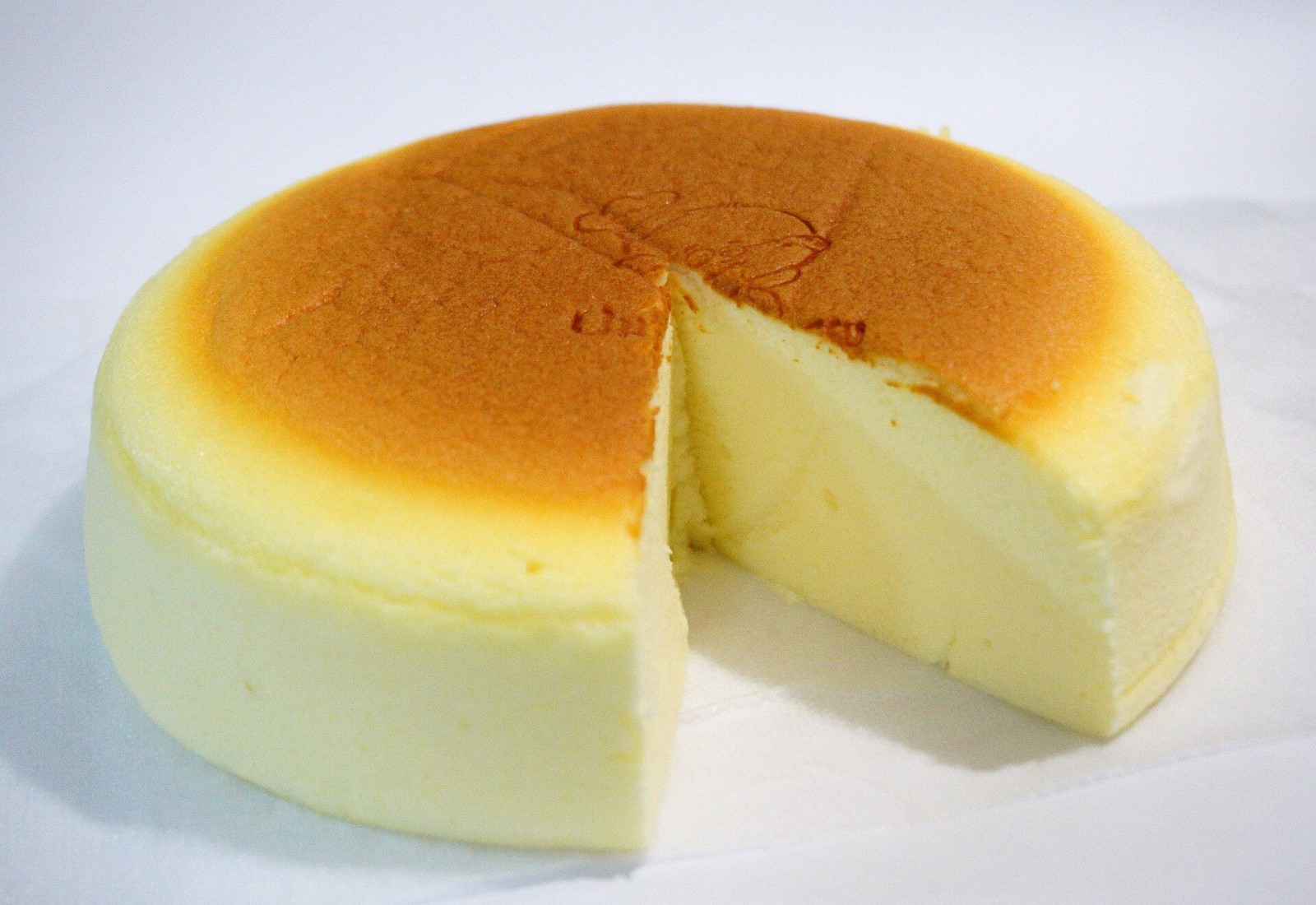
Japanese cotton cheesecake is the other star of the wobble videos, a light, airy cake that shakes like a pillow when it comes out of the oven. It mixes cream cheese with whipped egg whites, so it eats like a cross between a sponge cake and a cheesecake, with the same airy lift as Japanese souffle pancakes. The cake is baked in a water bath at a low temperature, which keeps the top smooth and the inside moist. You can read more about the history of Japanese cheesecake, which dates back to the 1960s and 1970s in Japan.
You will need: 8 oz cream cheese, 1/4 cup butter, 1/2 cup milk, 6 eggs (separated), 1/3 cup cake flour, 2 tablespoons cornstarch, 1/2 cup sugar, 1 tablespoon lemon juice, 1/4 teaspoon cream of tartar.
How to make it: 1. Melt the cream cheese, butter and milk together over low heat until smooth, then cool slightly. 2. Whisk in the yolks, lemon juice, flour and cornstarch. 3. Beat the whites with cream of tartar and sugar to soft, glossy peaks and fold in. 4. Pour into a lined 8-inch pan set in a water bath and bake at 320 F for 25 minutes, then 285 F for 50 minutes. 5. Leave in the oven with the door ajar for 15 minutes, then cool and chill.
Japanese Cheesecake With a Shiny Apricot Glaze
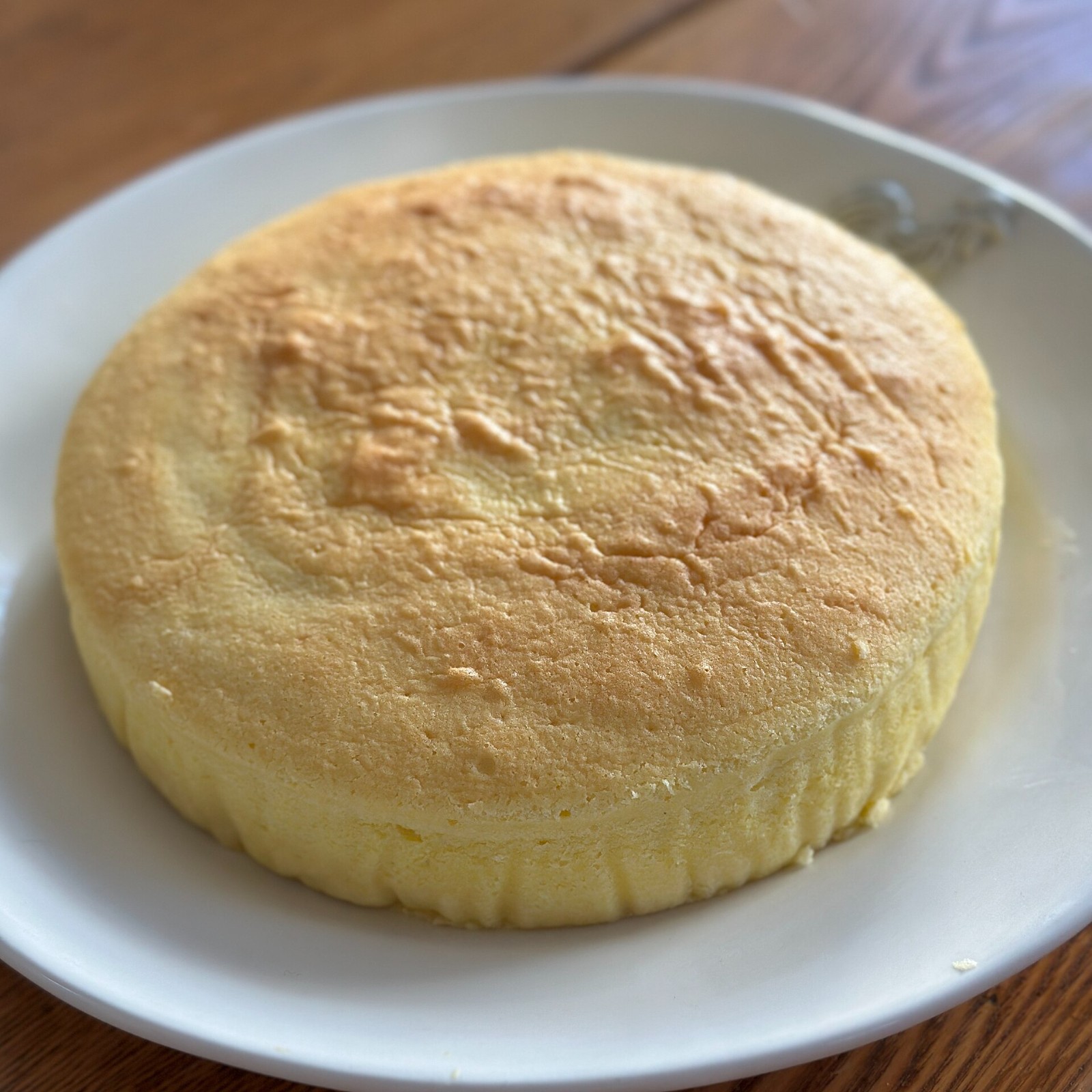
Bakeries across Japan and Asia often brush their cotton cheesecakes with a thin apricot glaze, which gives the golden top a beautiful shine and a hint of fruity sweetness. It also keeps the surface from drying out in the fridge. This is the easy finishing touch that makes a homemade cake look like it came from a bakery window. Warm the jam just enough to loosen it, strain out any fruit pieces and brush it on while the cake is still slightly warm.
You will need: 1 baked Japanese cotton cheesecake, 1/3 cup apricot jam, 1 tablespoon water, a pastry brush, powdered sugar (optional), fresh apricot slices (optional).
How to make it: 1. Bake the cotton cheesecake and let it cool for 20 minutes out of the pan. 2. Warm the apricot jam with water in a small pan until runny. 3. Strain the jam through a fine sieve. 4. Brush a thin layer over the top of the cake. 5. Chill for 2 hours and serve with apricot slices or a dusting of powdered sugar.
Castella, the Honey Sponge Cousin of Japanese Souffle Pancakes
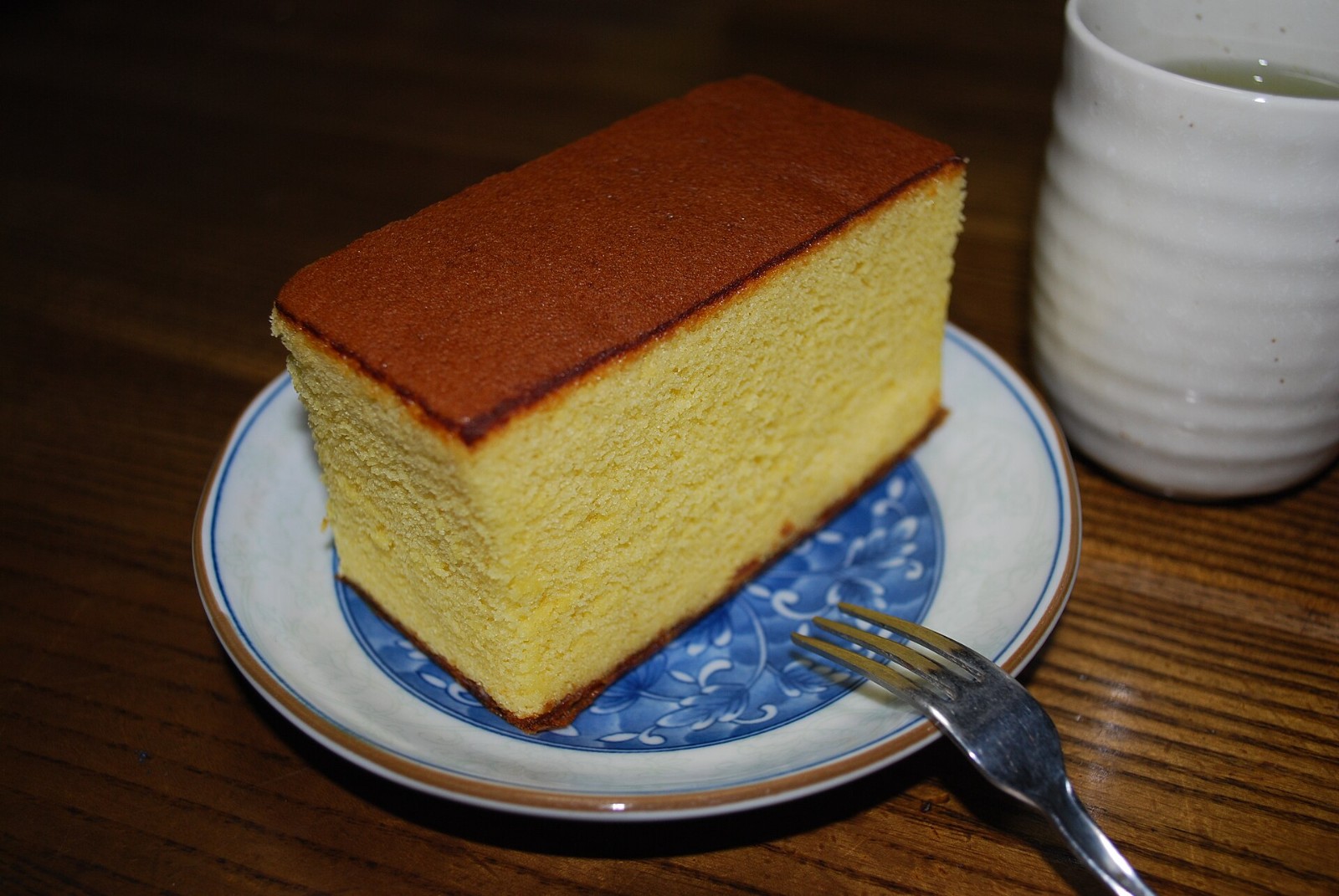
Castella is one of the oldest Western-style cakes in Japan. Portuguese traders brought a sponge cake to Nagasaki in the 1500s, and local bakers turned it into this tall, moist honey loaf with a dark caramel top and bottom. Like souffle pancakes, it gets its lift almost entirely from whipped eggs, with no butter at all. The cake is traditionally wrapped and rested overnight, which makes the crumb even softer and more fragrant. It is lovely with green tea in the afternoon.
You will need: 5 eggs, 3/4 cup sugar, 3 tablespoons honey, 2 tablespoons warm water, 1 cup bread flour, 1 tablespoon milk, a loaf pan lined with parchment.
How to make it: 1. Mix the honey with warm water and set aside. 2. Beat the eggs and sugar over a warm water bath, then off the heat, until thick, pale and tripled in volume. 3. Beat in the honey mixture, then sift in the flour in three additions and mix gently. 4. Pour into the pan, drop it on the counter to remove big bubbles and bake at 320 F for 45 to 50 minutes. 5. Wrap the warm cake in plastic, rest overnight, then trim the edges and slice.
Japanese Strawberry Shortcake, the Christmas Cake of Japan
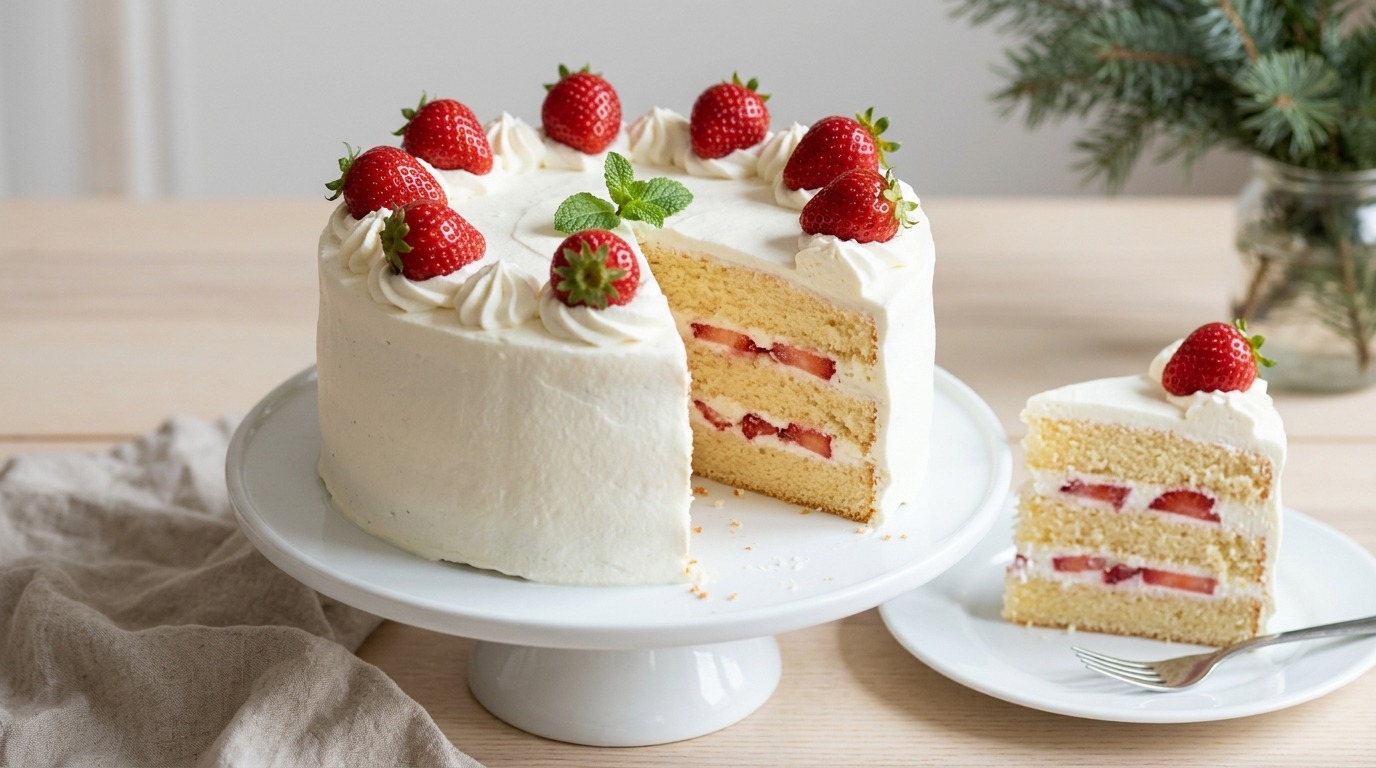
In Japan, Christmas Eve means strawberry shortcake. Families reserve these snowy white cakes weeks in advance, and bakeries line up hundreds of boxes for pickup. Unlike the biscuit-style shortcake many Americans know, the Japanese version uses a feather-light sponge layered with fresh cream and sliced strawberries. The red and white colors look festive on any holiday table. Keep the cream lightly sweetened and chill the cake for a few hours so the layers set and slice cleanly.
You will need: 1 8-inch sponge cake (or two layers), 2 cups heavy cream, 3 tablespoons sugar, 1 pound strawberries, 1/4 cup simple syrup.
How to make it: 1. Slice the sponge into two or three layers and brush each with simple syrup. 2. Whip the cream with sugar to medium-stiff peaks. 3. Spread cream on the first layer, add sliced strawberries and more cream, then repeat. 4. Cover the whole cake smoothly with cream and pipe rosettes around the edge. 5. Top each rosette with a whole strawberry and chill for 2 hours.
Tall and Airy Chiffon Cake
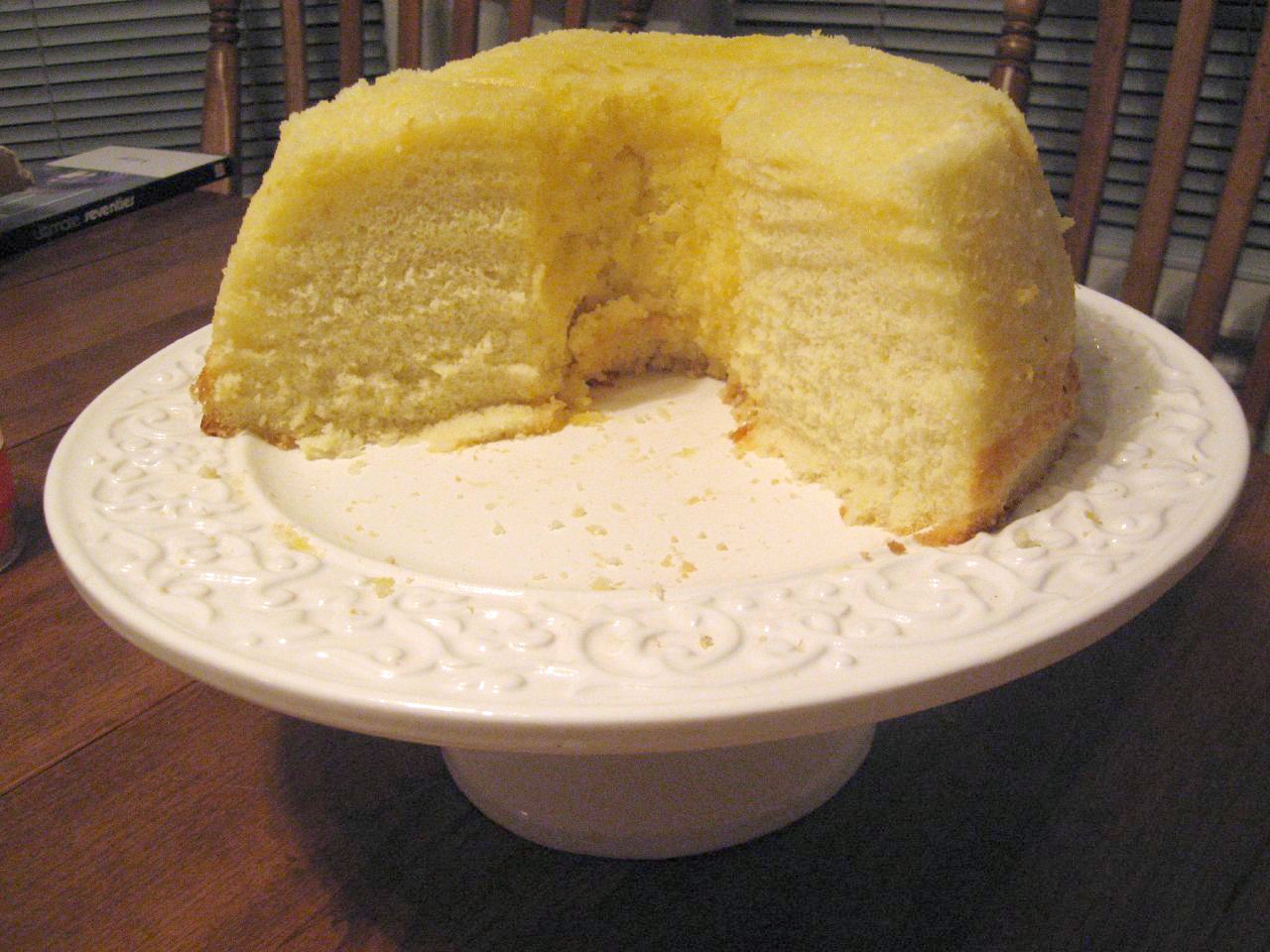
Chiffon cake is a favorite in Japanese bakeries, often flavored with matcha, black sesame, earl grey tea or citrus. It is made with oil instead of butter and plenty of whipped egg whites, just like Japanese souffle pancakes, so it stays soft and springy even after a day or two. The cake bakes in an ungreased tube pan so the batter can climb the sides, then cools upside down to keep its height. A slice of lemon chiffon with a spoon of whipped cream is light enough for any time of day.
You will need: 5 eggs (separated), 1/2 cup sugar (divided), 1/3 cup neutral oil, 1/2 cup water or juice, zest of 1 lemon, 1 cup cake flour, 1 1/2 teaspoons baking powder, 1/4 teaspoon cream of tartar.
How to make it: 1. Whisk the yolks with half the sugar, oil, water and zest, then sift in the flour and baking powder. 2. Beat the whites with cream of tartar and the remaining sugar to stiff peaks. 3. Fold the meringue into the batter in three additions. 4. Pour into an ungreased tube pan and bake at 325 F for 50 to 55 minutes. 5. Turn the pan upside down to cool completely, then run a knife around and unmold.
Dorayaki Pancake Sandwiches With Sweet Red Bean
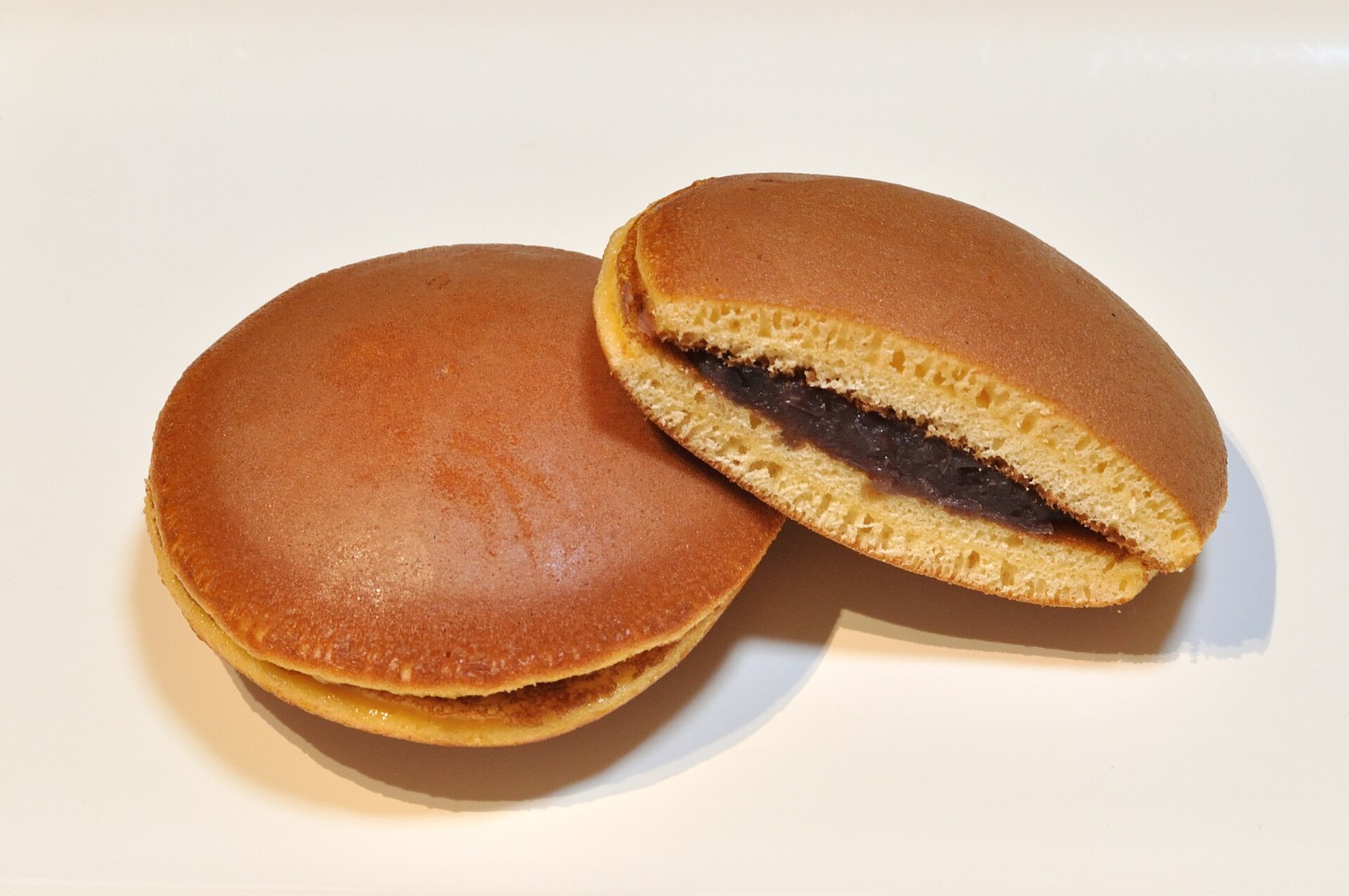
Dorayaki are two small honey pancakes sandwiched around sweet red bean paste, and they are one of the most loved snacks in Japan. The batter is richer and denser than Japanese souffle pancakes, with honey that gives the outside a deep golden color. They are easy to pack for lunch boxes and road trips, and they keep well wrapped for a day. For a twist, fill them with custard, whipped cream or chestnut paste. Cook them on a lightly oiled pan for a smooth, even color.
You will need: 2 eggs, 1/3 cup sugar, 1 tablespoon honey, 1 cup flour, 1 teaspoon baking powder, 3 to 4 tablespoons water, 1 cup sweet red bean paste.
How to make it: 1. Whisk the eggs, sugar and honey until frothy. 2. Stir in the flour and baking powder, then add water until the batter flows slowly. 3. Wipe a nonstick pan with a little oil and cook 3-inch pancakes on medium-low until bubbles appear. 4. Flip and cook 30 seconds more, then cover with a towel to keep soft. 5. Sandwich a spoon of red bean paste between two pancakes and press the edges.
Milk Bread French Toast, Cafe Style
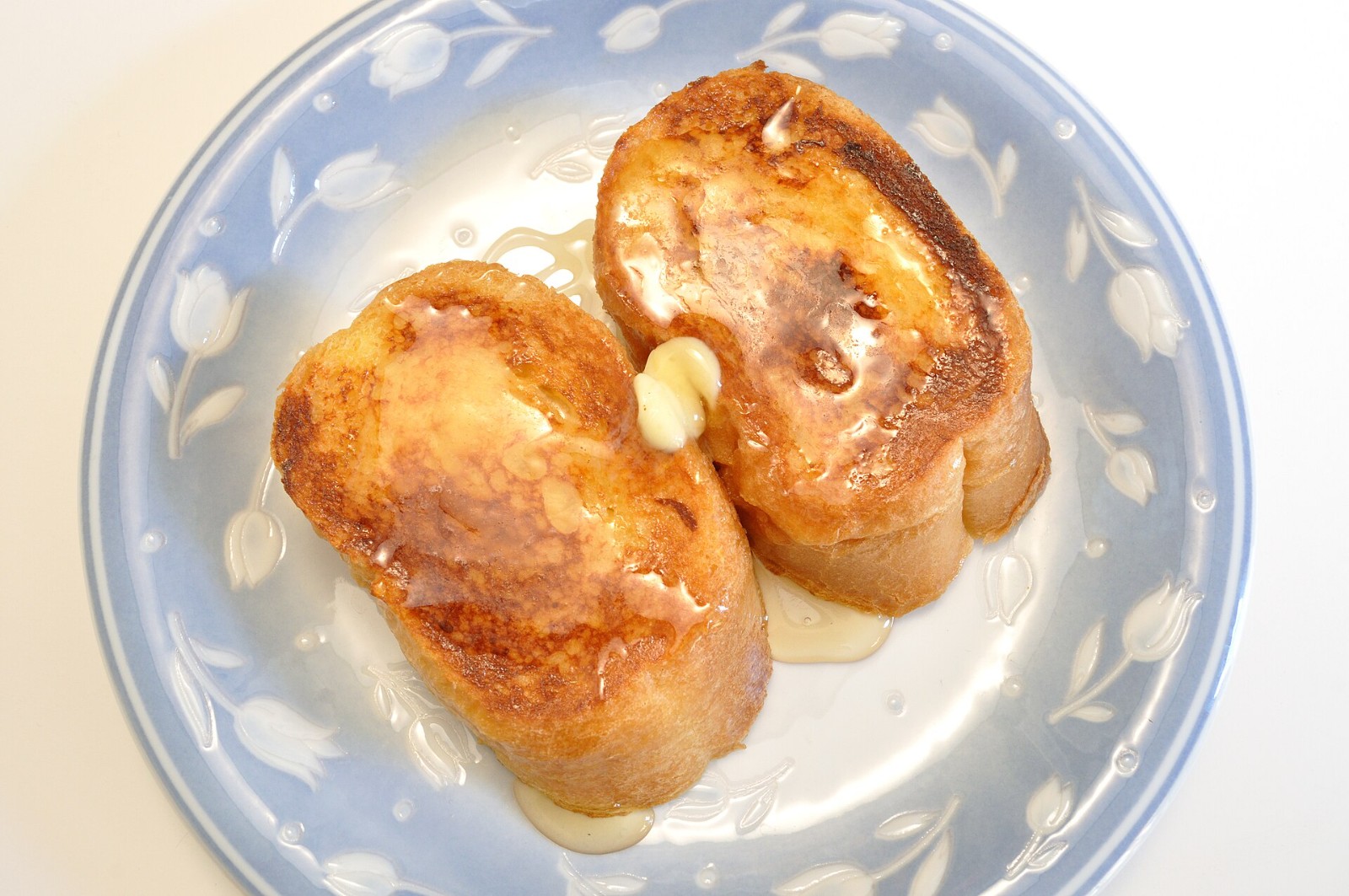
Japanese milk bread, called shokupan, is soft, tall and slightly sweet, and it makes the most custardy French toast you will ever eat, a perfect partner to Japanese souffle pancakes on a brunch table. Cafes in Japan cut extra-thick slices and soak them for hours, sometimes overnight, so the center turns almost like pudding. Cook it slowly in butter with a lid on to warm the inside, then uncover to crisp the outside. Any thick soft white bread or brioche will work if you cannot find milk bread nearby.
You will need: 2 thick slices milk bread, 2 eggs, 3/4 cup milk, 2 tablespoons cream, 1 tablespoon sugar, 1/2 teaspoon vanilla, butter, maple syrup or honey, powdered sugar.
How to make it: 1. Whisk the eggs, milk, cream, sugar and vanilla. 2. Soak the bread in the custard for at least 1 hour, turning once, or overnight in the fridge. 3. Melt butter in a pan on low heat, add the bread and cover for 6 minutes. 4. Flip, cover and cook 5 minutes more, then uncover to brown both sides. 5. Serve with butter, syrup and powdered sugar.
Purin, Japanese Caramel Custard Pudding
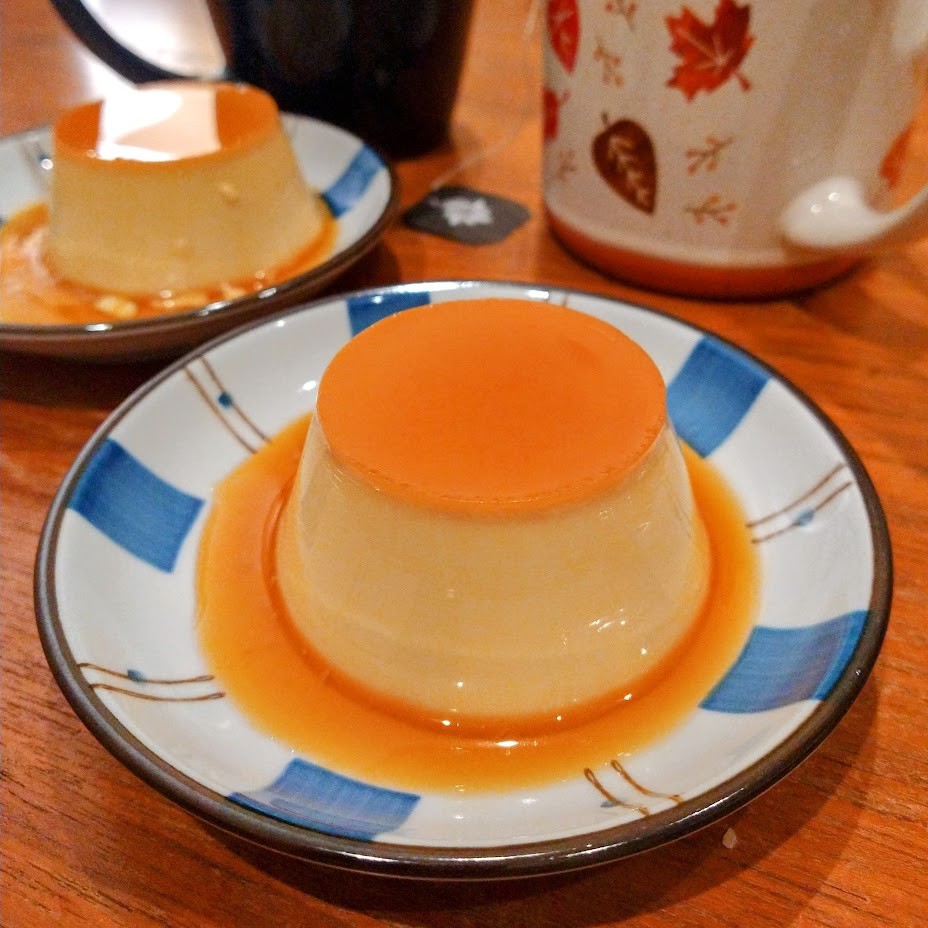
Purin is the wobbly custard pudding sold in every Japanese convenience store and cafe, and it is the original jiggly dessert. It is a firm, smooth custard baked over a layer of dark caramel, then turned out so the sauce pools around it. Home bakers love it because, like Japanese souffle pancakes, it needs only eggs, milk and sugar to start. If you love silky spoon desserts, you will also enjoy these custard desserts so silky and creamy. Strain the custard and bake it gently for the smoothest texture.
You will need: Caramel: 1/3 cup sugar, 2 tablespoons water. Custard: 2 eggs, 1 yolk, 1 1/4 cups milk, 1/4 cup sugar, 1 teaspoon vanilla.
How to make it: 1. Cook the sugar and water until amber, add 1 tablespoon hot water and pour into 4 ramekins. 2. Warm the milk with sugar, then whisk slowly into the eggs and yolk with vanilla. 3. Strain the custard into the ramekins and cover with foil. 4. Bake in a water bath at 300 F for 30 to 35 minutes until just set with a slight wobble. 5. Chill for 4 hours, then run a knife around and turn out onto plates.
Fruit Sando, the Whipped Cream Fruit Sandwich
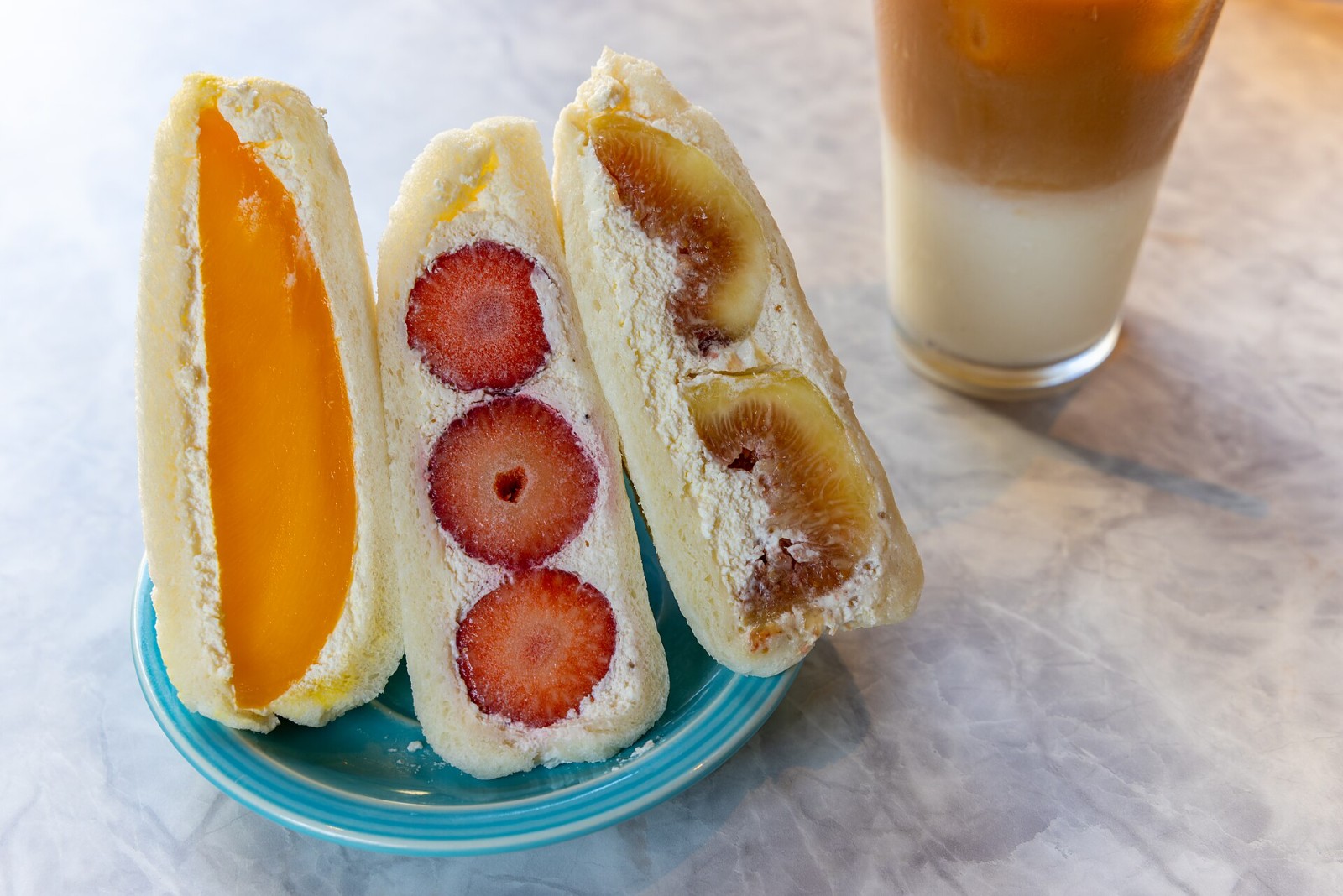
The fruit sando turned a simple sandwich into an art form. Japanese fruit shops and cafes fill soft white bread with thick whipped cream and whole pieces of strawberry, kiwi and mango, then slice it so the fruit forms a pretty pattern. The trick is to plan where you cut before you place the fruit. It is a fun no-bake project for kids and looks stunning on a brunch or holiday tea table. Chill the sandwiches before slicing for the cleanest edges.
You will need: 4 slices soft white bread or milk bread, 1 cup heavy cream, 2 tablespoons sugar, 1 tablespoon mascarpone (optional), strawberries, kiwi, mango.
How to make it: 1. Whip the cream, sugar and mascarpone to stiff peaks. 2. Spread a thick layer of cream on two slices of bread. 3. Arrange the fruit along the line where you will cut, then cover with more cream. 4. Top with the remaining bread, wrap tightly in plastic and mark the cut line. 5. Chill for 1 hour, trim the crusts and slice through the fruit.
Taiyaki Fish Waffles With Custard
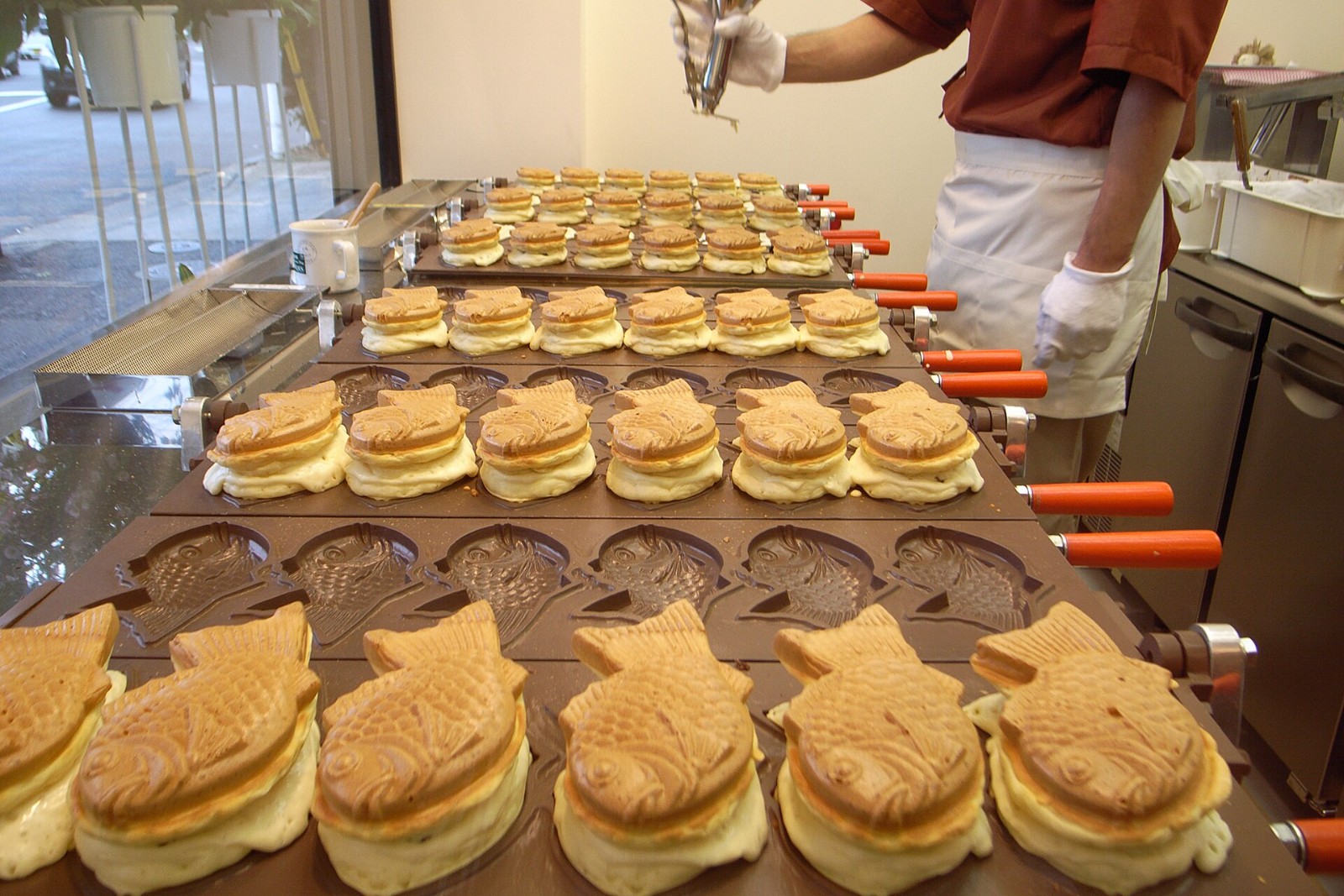
Taiyaki are fish-shaped cakes cooked in special iron molds, and watching a street vendor flip rows of them is almost as satisfying as eating one. The crisp, golden shell is filled with sweet red bean paste or vanilla custard. At home you can buy a small taiyaki pan, or use the same batter in a waffle iron for a fun shortcut. The custard version is a hit with kids, and it is best eaten warm while the outside is still crisp.
You will need: 1 cup cake flour, 1 teaspoon baking powder, 2 tablespoons sugar, 1 egg, 3/4 cup milk, 1 tablespoon melted butter, 1 cup thick vanilla custard or red bean paste.
How to make it: 1. Whisk the flour, baking powder and sugar, then add the egg, milk and butter. 2. Heat and lightly oil a taiyaki pan on both sides. 3. Fill one side halfway with batter, add a spoon of custard and cover with more batter. 4. Close the pan and cook 2 to 3 minutes per side until golden. 5. Cool on a rack for a minute so the shell crisps, then serve warm.
Japanese Roll Cake With Fresh Cream
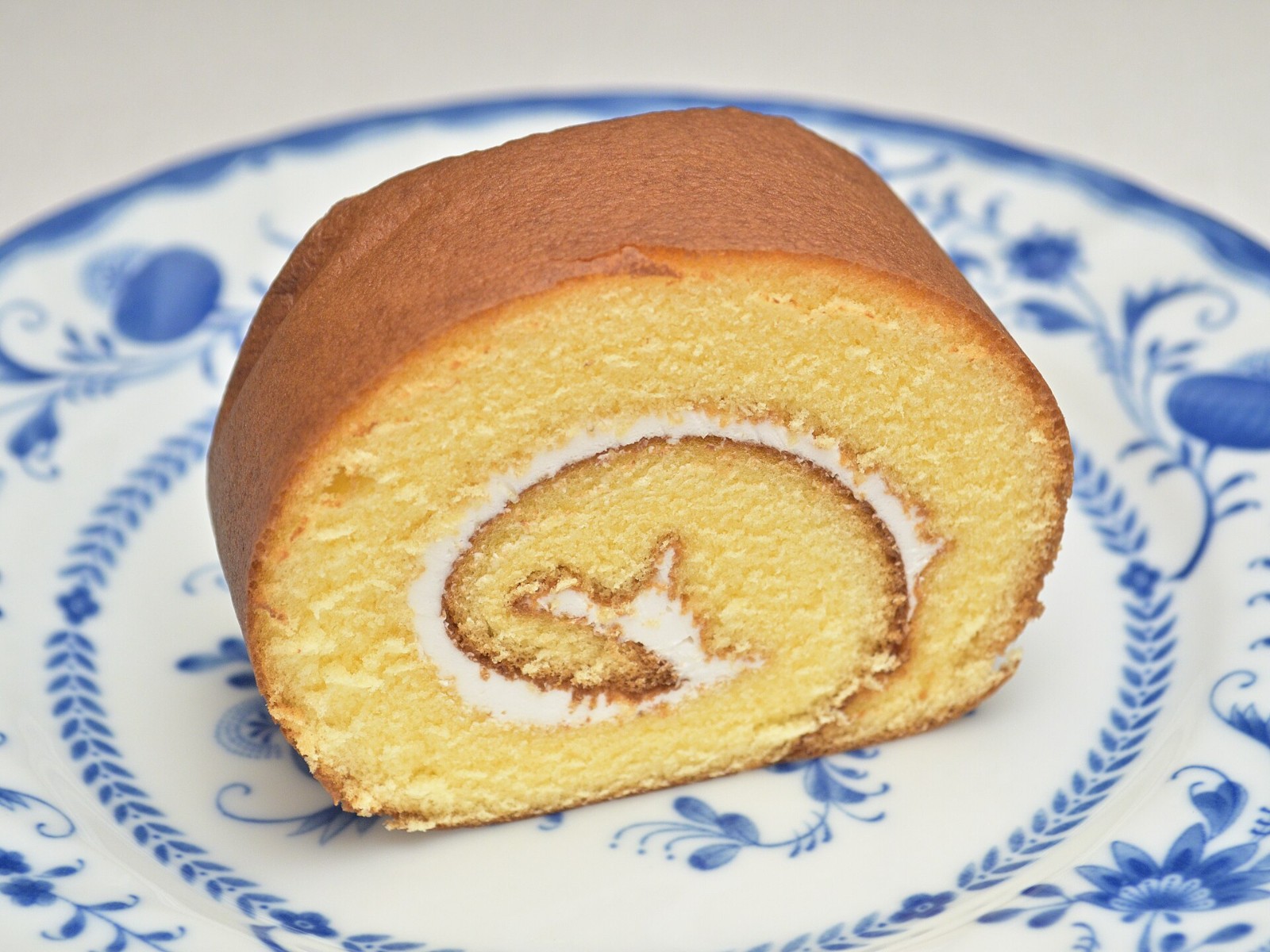
Japanese roll cakes are lighter than most Swiss rolls, with a moist, cottony sponge wrapped around a thick center of fresh cream. Many bakeries keep the swirl simple so the soft cake and cream are the stars. The sponge uses the same meringue method as Japanese souffle pancakes, and it is baked thin on a sheet pan and rolled while still warm so it does not crack. Add strawberries, mango or chestnut cream to the center for a seasonal version. Chill it seam side down before slicing for neat spirals.
You will need: 4 eggs (separated), 1/3 cup sugar (divided), 2 tablespoons oil, 3 tablespoons milk, 1/2 cup cake flour, 1 cup heavy cream, 2 tablespoons sugar for the cream.
How to make it: 1. Whisk the yolks with half the sugar, oil and milk, then sift in the flour. 2. Beat the whites with the remaining sugar to stiff peaks and fold in. 3. Spread in a lined sheet pan and bake at 340 F for 12 minutes. 4. Cool slightly, then spread with whipped cream, leaving a border at the far edge. 5. Roll up tightly with the paper, wrap and chill for 1 hour before slicing.
3 Mistakes That Make Japanese Souffle Pancakes Deflate
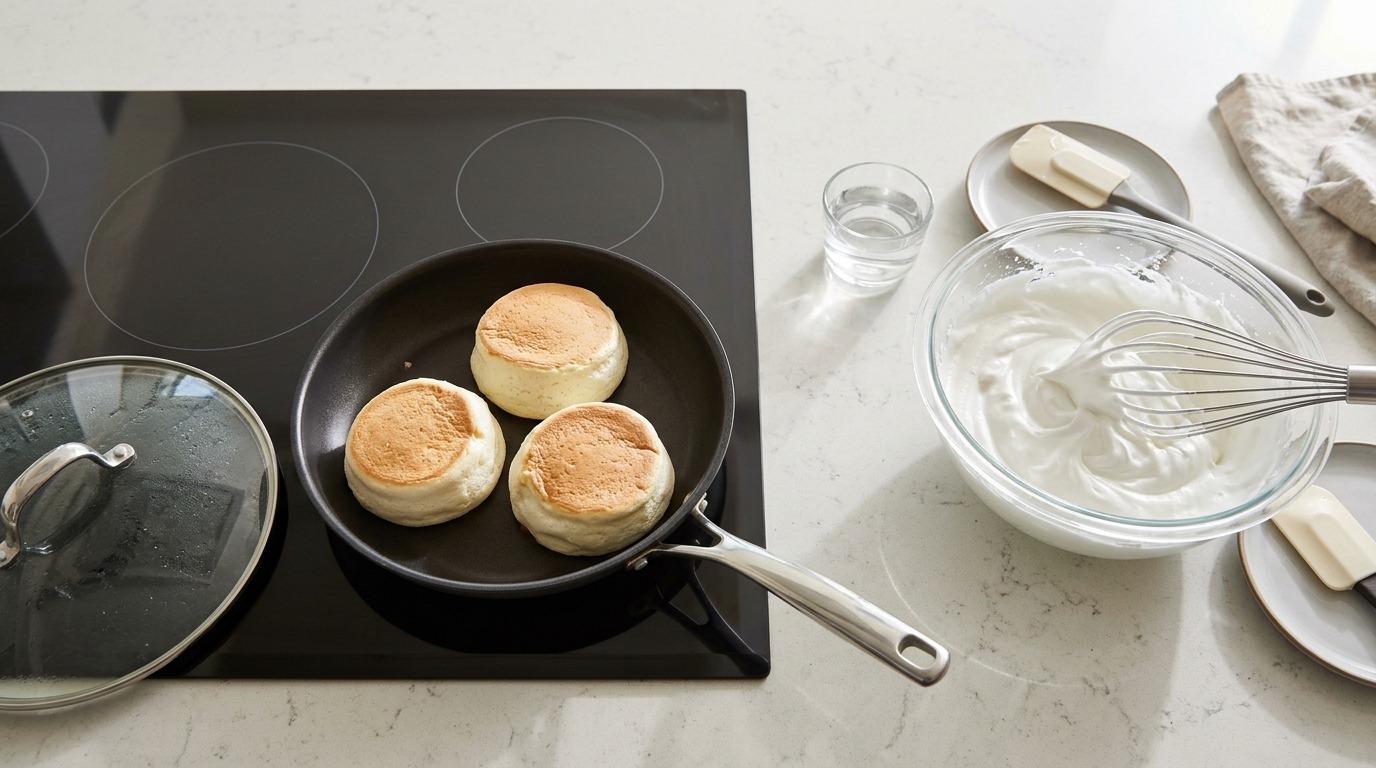
If your Japanese souffle pancakes sink as soon as they leave the pan, one of three things is usually to blame. First, the meringue was under-whipped or over-whipped: you want glossy, stiff peaks that hold, not soft peaks or dry clumps. Second, the heat was too high, which browns the outside before the center can cook and set. Third, the pan was left uncovered, so there was no steam to help them rise. Use the lowest heat, a lid and a splash of water.
You will need: Cold eggs, a very clean bowl and whisk, a little cream of tartar or lemon juice, a nonstick pan with a lid, water, a thin wide spatula, patience.
How to make it: 1. Separate the eggs while cold and keep any trace of yolk out of the whites. 2. Whip the whites until the peaks stand straight and the meringue looks glossy. 3. Fold, do not stir, and cook the batter right away. 4. Cook on the lowest heat with a tablespoon of water under the lid. 5. Flip gently only when the bottoms are set and golden, then serve immediately.