Puerto Rican Christmas Food: 14 Nochebuena Dishes That Make the Whole House Smell Like Abuela’s Kitchen
Puerto Rican Christmas food is the reason so many families start cooking days before Nochebuena, the big Christmas Eve dinner on December 24. On the island the holiday season is famously long, stretching from parrandas in early December, when friends show up at the door singing aguinaldos, all the way to Three Kings Day on January 6 and the Octavitas that follow. Through all of it the kitchen never really closes. A pork shoulder marinates overnight in garlic and oregano, the rice pot gets a fresh batch of sofrito, and somebody’s tia is already wrapping pasteles in banana leaves at the dining table. Here are 14 Nochebuena dishes that make the whole house smell like abuela’s kitchen, each with a short list of what you will need and easy steps..
Pernil: The Star of Puerto Rican Christmas Food
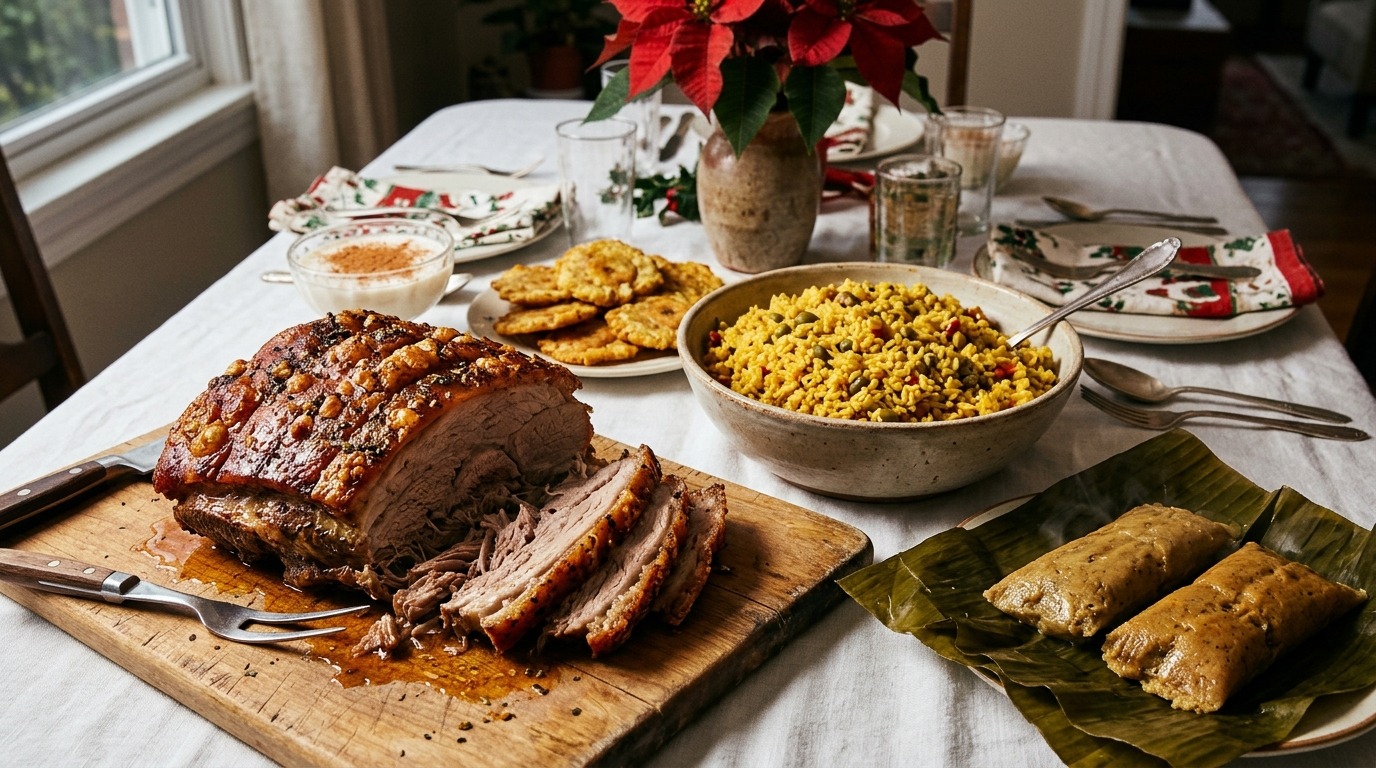
Every Nochebuena table is built around pernil, a whole pork shoulder rubbed with crushed garlic, oregano, black pepper, salt, olive oil and a splash of vinegar, then left to soak up the flavor overnight. It roasts low and slow for hours until the meat pulls apart with a fork and the skin on top turns into a golden, glassy shell. In many homes the first slice is carved before the guests even arrive, just so the cook can check it. The smell drifting out of the oven is how a lot of Puerto Ricans know Christmas has really started..
You will need: 1 bone-in pork shoulder (8 to 10 pounds) with the skin on, 1 whole head of garlic, 2 tablespoons dried oregano, 2 tablespoons kosher salt, 1 tablespoon black pepper, 1/4 cup olive oil and 2 tablespoons white vinegar.
How to make it: 1. Pound the garlic, oregano, salt and pepper into a paste, then stir in the oil and vinegar. 2. Lift the skin gently with a knife, cut deep slits in the meat and push the paste into every slit and under the skin. 3. Cover and refrigerate overnight or up to two days. 4. Roast covered at 325 F for about 5 hours, until the meat is fork tender. 5. Uncover, raise the heat to 425 F and roast 20 to 30 minutes more until the skin is crisp and crackling, then rest before carving.
Slow Cooker Pernil for Easier Puerto Rican Christmas Food
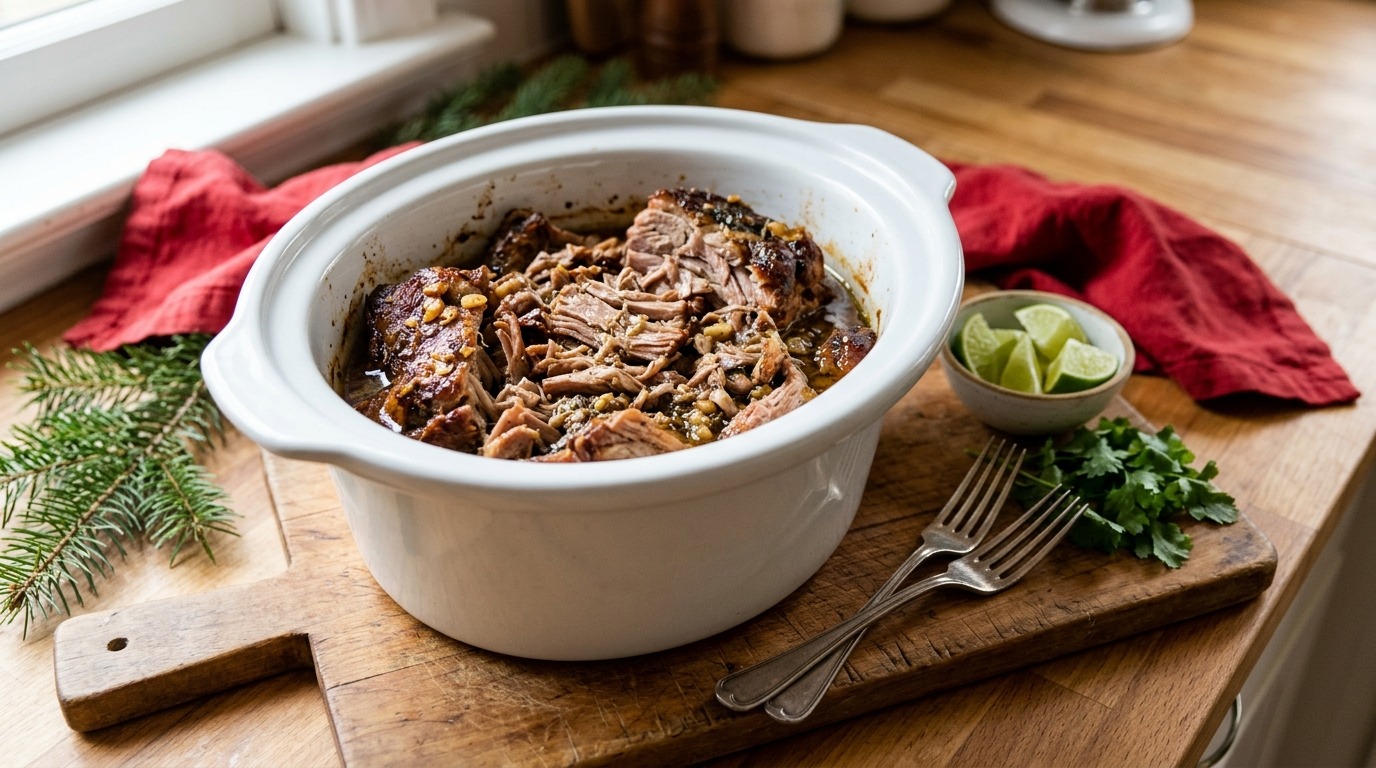
Not everyone has an oven free for six hours on December 24, so for a lot of home cooks who love Puerto Rican Christmas food, the slow cooker has quietly become a favorite shortcut for busy families. The marinade stays exactly the same, with plenty of garlic and oregano, and the pork cooks all day on low while the rest of the meal comes together. The result is softer and juicier, perfect for piling onto plates or tucking into sandwiches the next morning. The only thing it cannot do on its own is crisp the skin, so many cooks finish the shoulder under the broiler for a few minutes right before serving.
You will need: 1 boneless pork shoulder (4 to 5 pounds), 8 garlic cloves, 1 tablespoon dried oregano, 1 tablespoon adobo seasoning, 1 teaspoon cumin, juice of 2 limes, 1/2 cup orange juice and 1 onion, sliced.
How to make it: 1. Blend the garlic, oregano, adobo, cumin and citrus juices into a loose marinade. 2. Rub it all over the pork and marinate in the fridge for at least 4 hours. 3. Lay the onion in the slow cooker, set the pork on top and pour in the remaining marinade. 4. Cook on low for 8 to 10 hours, until the meat shreds easily. 5. Shred with two forks, spoon the juices over the top and broil briefly on a sheet pan if you like crispy edges.
Cuerito, the Crackling Everyone Fights Over
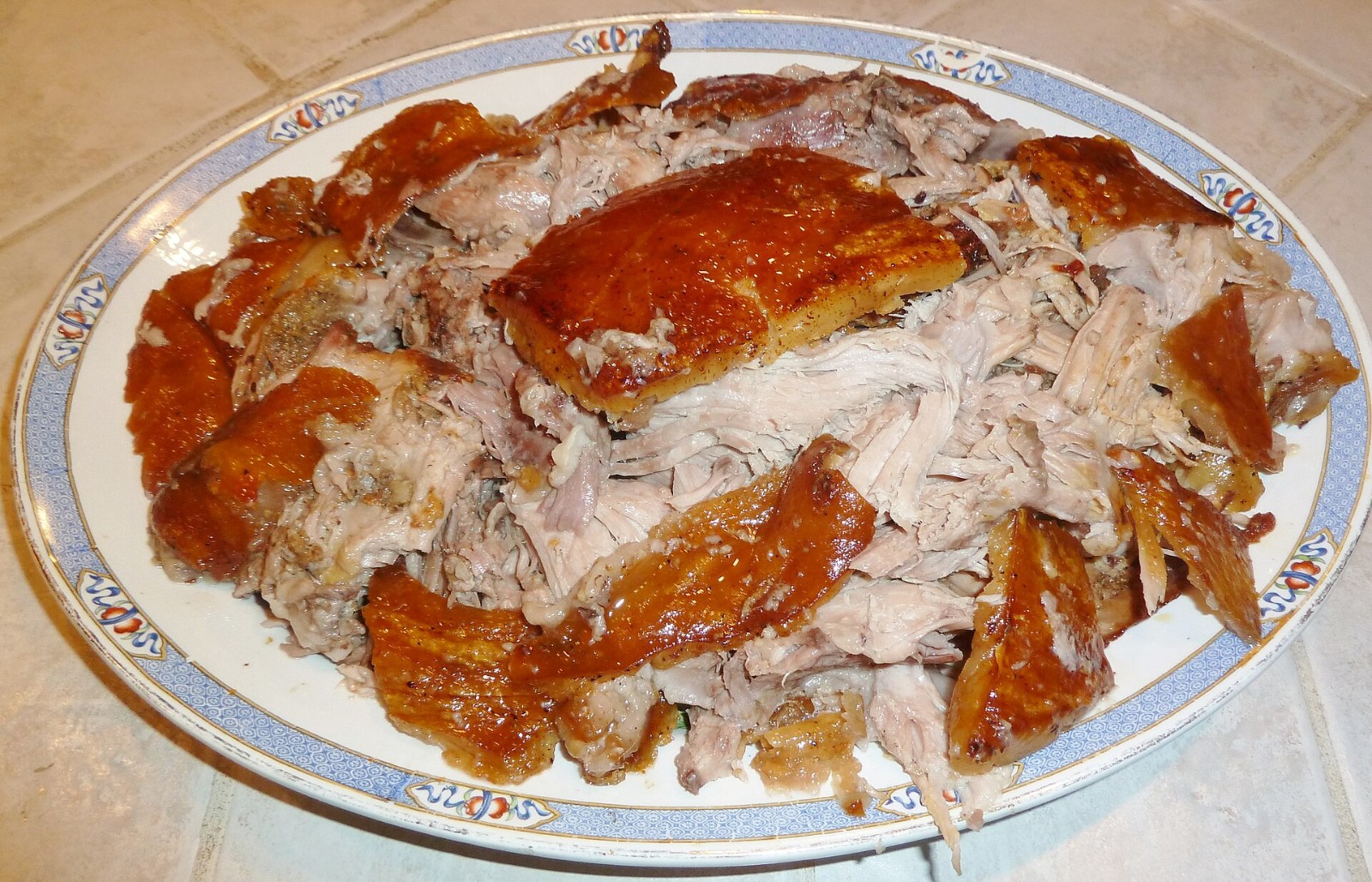
Ask anyone at a Puerto Rican Christmas party which part of the pernil they want and the answer is almost always the cuerito, the crisp, bubbly skin that shatters when you bite it. Family members have been known to sneak pieces off the platter before the meal is served. Getting it right takes a dry surface, a little salt and a final blast of high heat. If you love these big island flavors all year long, our collection of Caribbean dinners bursting with island flavor has plenty more ideas to keep the celebration going after the holidays.
You will need: Cooked pernil with the skin still attached, 1 teaspoon kosher salt, paper towels, a sheet pan and a sharp knife or kitchen shears.
How to make it: 1. After the slow roast, pat the skin completely dry with paper towels. 2. Sprinkle it lightly with salt. 3. Roast at 425 F until the skin puffs, blisters and turns deep golden, checking every 5 minutes so it does not burn. 4. Let it cool for a few minutes so it hardens and gets extra crunchy. 5. Break or cut the cuerito into pieces and serve it right next to the sliced pork.
Arroz con Gandules, the Island’s Holiday Rice
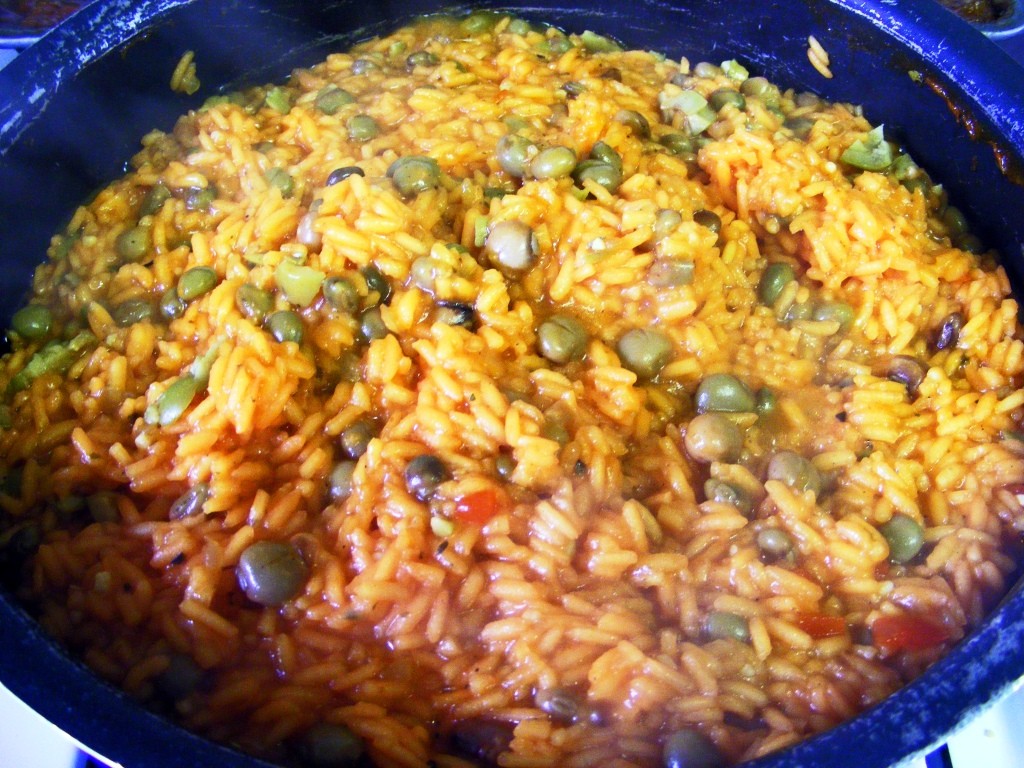
No Puerto Rican Christmas food spread is complete without a big pot of arroz con gandules, rice cooked with green pigeon peas, olives, capers and plenty of sofrito. The rice turns a sunny yellow-orange from achiote or sazon, and the best part for many families is the pegao, the toasted crust that forms at the bottom of the caldero. It is often called the island’s national dish, and on Christmas Eve it sits right beside the pernil. Leftovers are just as loved the next day, warmed up with a fried egg on top.
You will need: 3 cups medium-grain rice, 1 can (15 ounces) green pigeon peas, 1/2 cup sofrito, 2 tablespoons tomato sauce, 1/4 cup sliced green olives, 1 tablespoon capers, 1 packet sazon with achiote, 4 cups chicken broth, 3 tablespoons oil and salt.
How to make it: 1. Heat the oil in a heavy pot and cook the sofrito for 3 minutes until fragrant. 2. Stir in the tomato sauce, olives, capers, sazon and drained pigeon peas. 3. Add the broth, bring to a boil and season with salt. 4. Stir in the rice, cook uncovered until most of the liquid is absorbed, then fold it once. 5. Cover tightly and cook on low for 25 minutes, letting a golden crust form on the bottom.
Pasteles, the Puerto Rican Christmas Food Made by Hand
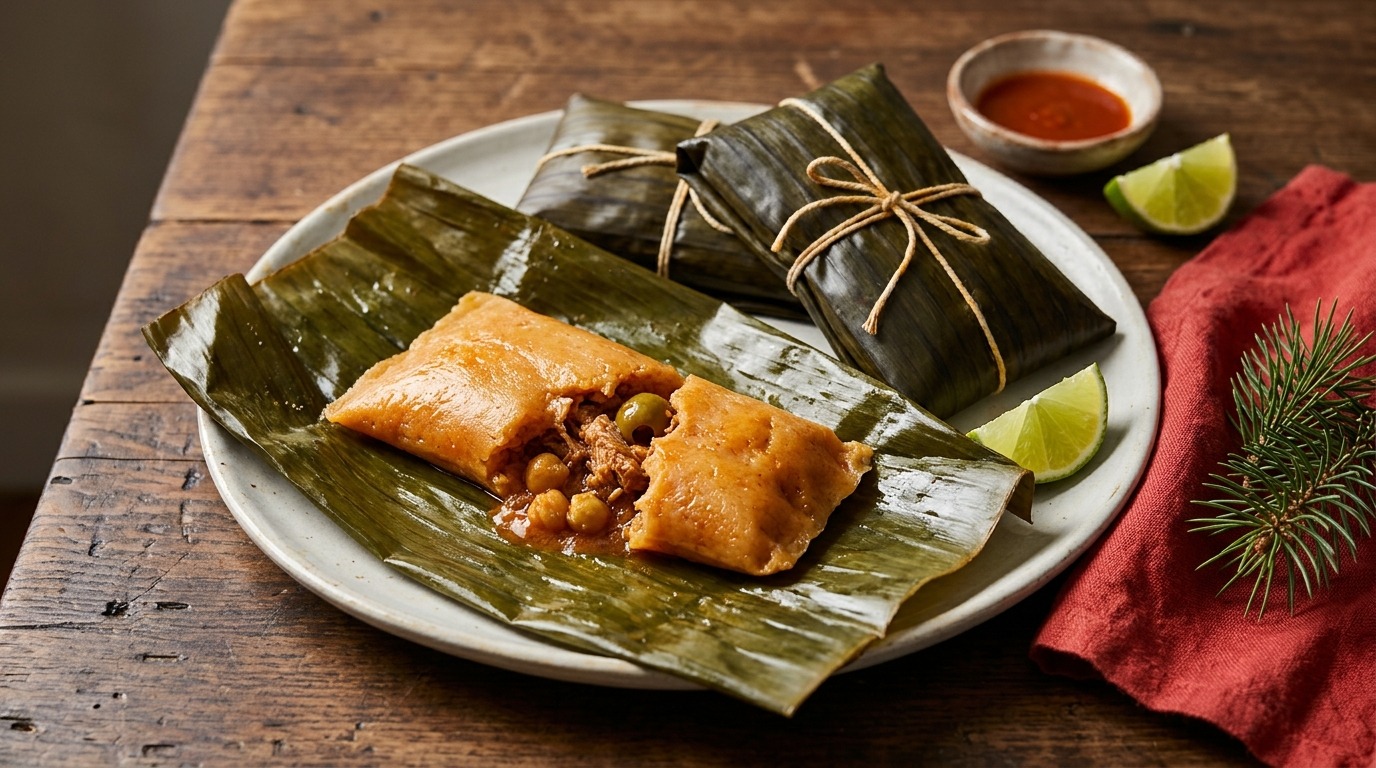
Pasteles are the most labor-intensive Puerto Rican Christmas food, which is exactly why they bring families together. Green bananas, yautia and calabaza are grated into a soft masa, spread on banana leaves, filled with seasoned pork, then folded, tied with string and boiled. Making them is a group project called a pastelada, with one person grating, one filling and one tying, often turning out dozens at a time to share with neighbors. Unwrapping a hot pastel on Christmas Eve, with a little hot sauce on the side, is a memory many people carry for life.
You will need: 2 pounds green bananas, 1 pound yautia, 1/2 pound calabaza squash, 1/2 cup achiote oil, 2 pounds diced pork shoulder, 1/2 cup sofrito, 1/2 cup chickpeas, olives, banana leaves and kitchen string.
How to make it: 1. Brown the pork with sofrito, add a splash of water and simmer until tender, then stir in the chickpeas and olives. 2. Peel and finely grate the bananas, yautia and calabaza, then season the masa with salt, broth and achiote oil. 3. Brush a banana leaf with achiote oil, spread masa in the center and top with a spoonful of filling. 4. Fold the leaf into a neat packet and tie two packets together with string. 5. Boil for about 1 hour, then unwrap and serve hot.
Pavochon, the Turkey That Thinks It Is Pernil
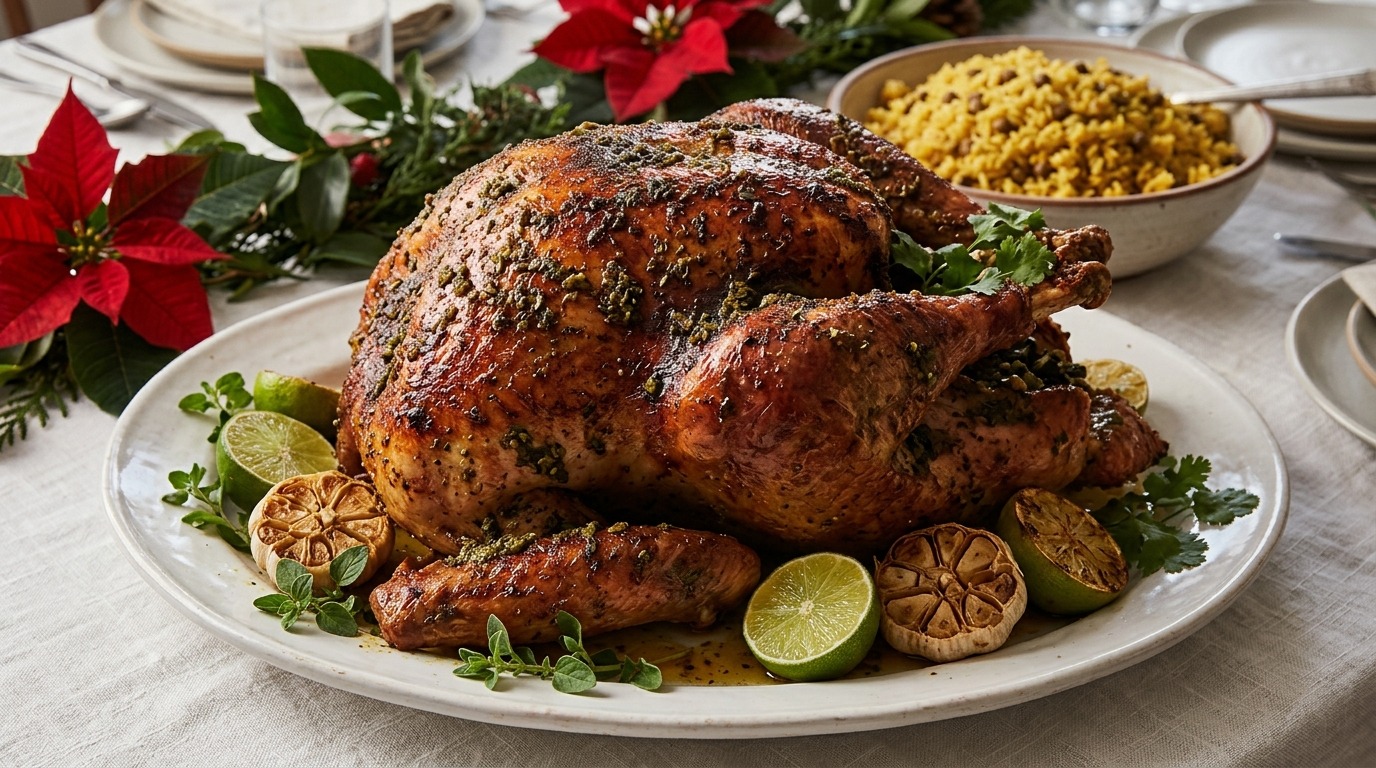
Pavochon is a clever island twist: a whole turkey seasoned just like pernil. The name blends pavo, turkey, with lechon, roast pork, and it bridges the gap between Thanksgiving and Christmas for many families. The bird is rubbed inside and out with garlic, oregano, adobo and sofrito, then often stuffed with mofongo, a mash of fried plantains and garlic. It is a smart choice when you are feeding a crowd, and it brings a bold, savory flavor to the table that a plain roasted turkey simply does not have.
You will need: 1 whole turkey (12 to 14 pounds), 1 head of garlic, 2 tablespoons dried oregano, 2 tablespoons adobo seasoning, 1/2 cup sofrito, 1/4 cup olive oil, juice of 2 limes and black pepper.
How to make it: 1. Mash the garlic with the oregano, adobo, pepper, oil, lime juice and sofrito. 2. Loosen the turkey skin and rub the seasoning under the skin, all over the outside and inside the cavity. 3. Cover and refrigerate overnight. 4. Roast at 325 F, about 13 minutes per pound, basting now and then, until the thickest part of the thigh reaches 165 F. 5. Rest for 30 minutes before carving.
Arroz con Pollo, Holiday Style
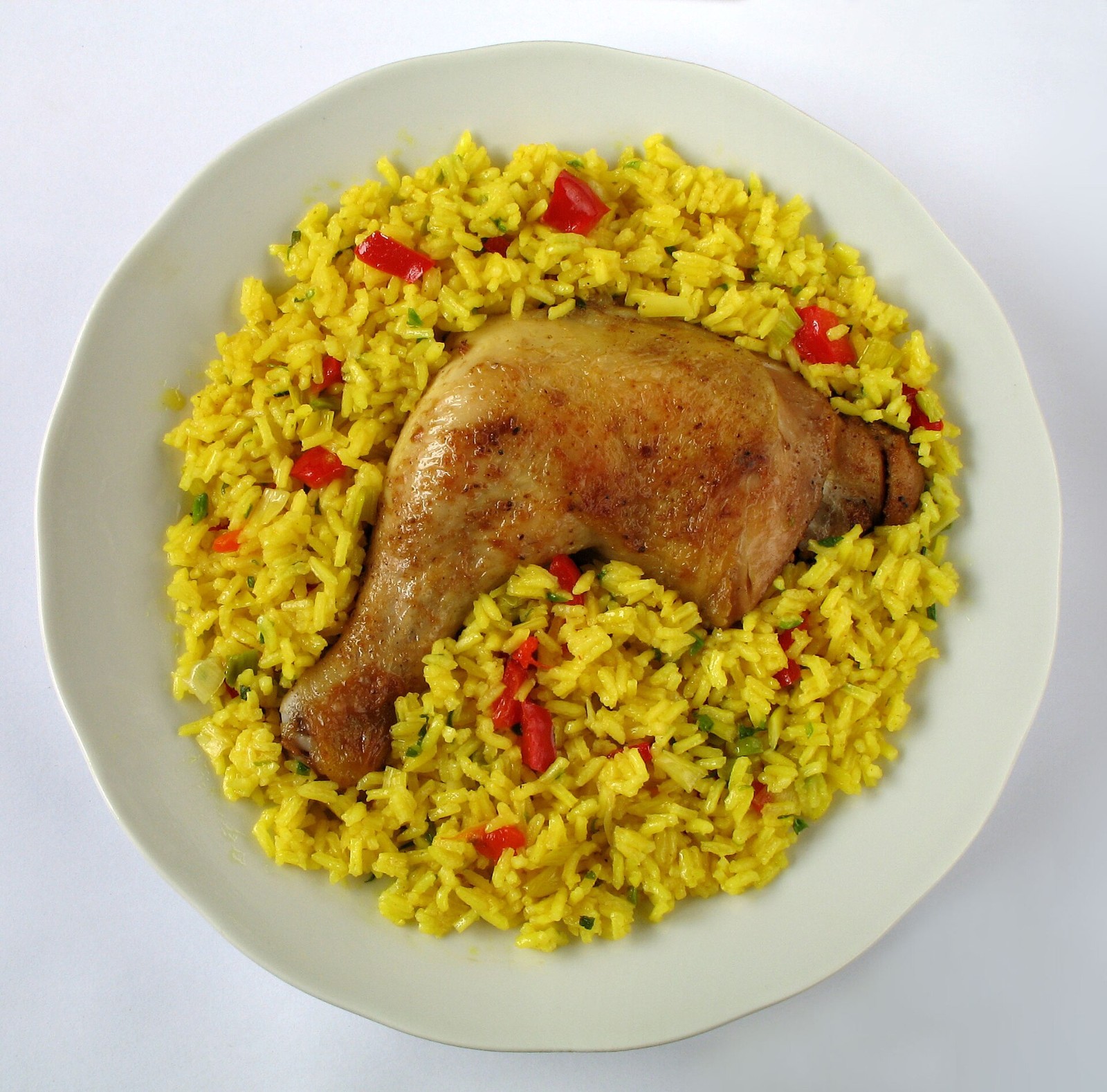
When the guest list grows, many families add a second rice pot to their Puerto Rican Christmas food lineup, and arroz con pollo is the favorite. Bone-in chicken is browned, then simmered right in the rice with sofrito, peppers, olives and a little tomato so every grain absorbs the flavor. It is a comforting, one-pot dish that feeds a lot of people without much fuss, which makes it a lifesaver for holiday hosts. Some cooks add a handful of green peas and strips of roasted red pepper on top just before serving, which gives the platter festive red and green colors.
You will need: 8 bone-in chicken thighs, 3 cups medium-grain rice, 1/2 cup sofrito, 1 packet sazon, 1 red bell pepper, 1/4 cup olives, 2 tablespoons tomato sauce, 4 1/2 cups chicken broth, 1/2 cup green peas, oil and adobo.
How to make it: 1. Season the chicken with adobo and brown it in oil in a wide pot, then set it aside. 2. Cook the sofrito, diced pepper, olives, tomato sauce and sazon in the same pot for 3 minutes. 3. Add the rice and stir to coat, then pour in the broth and nestle the chicken back in. 4. Bring to a boil, cover and simmer on low for 25 to 30 minutes. 5. Scatter peas on top, cover for 5 more minutes and fluff before serving.
Alcapurrias for the Party Snack Table
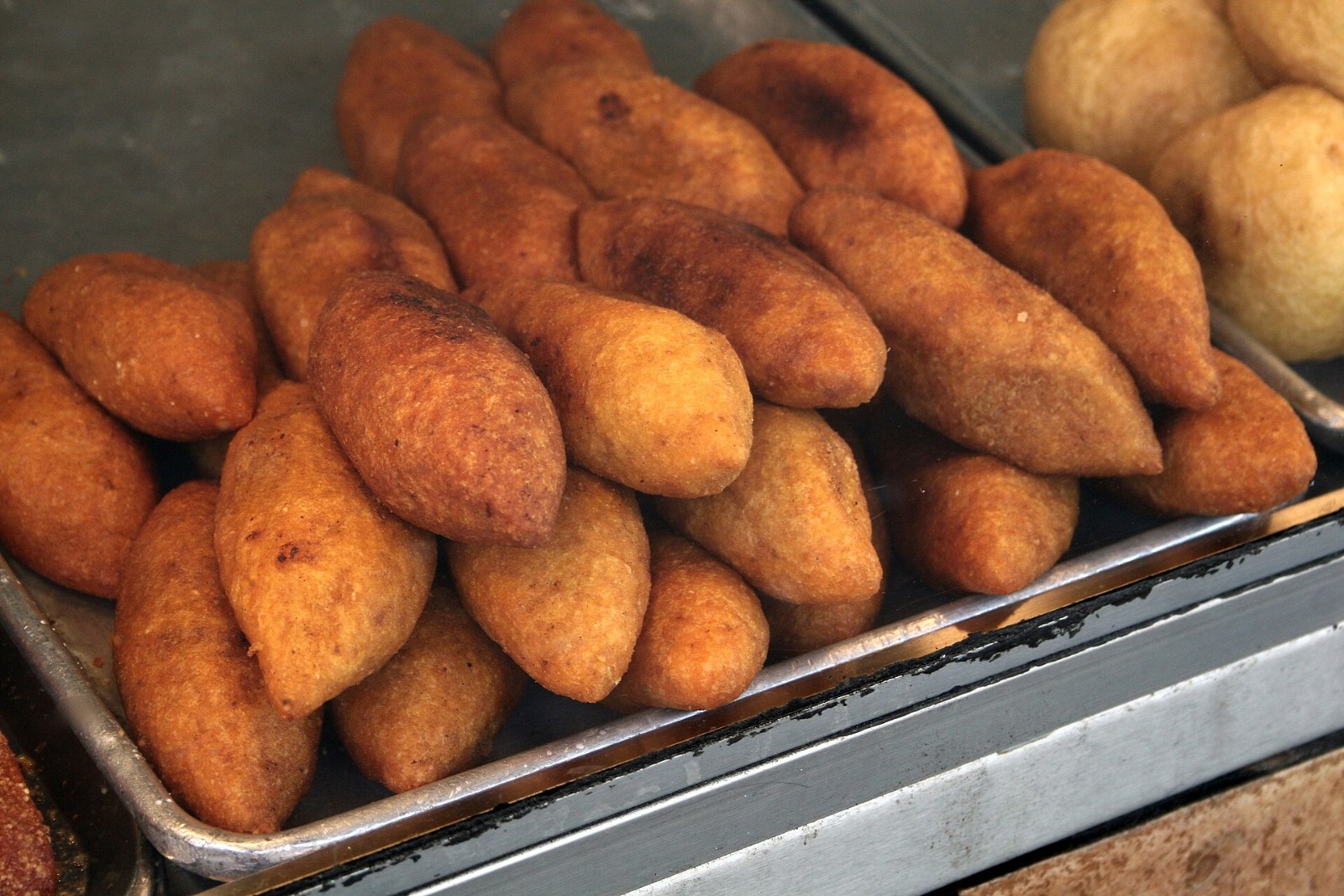
Before the main meal, the Puerto Rican Christmas food snack table at a holiday party is often loaded with alcapurrias. These torpedo-shaped fritters are made from grated green banana and yautia, stuffed with picadillo, a seasoned ground beef, and fried until the outside is crisp and golden. They are classic beach kiosk food on the island, but at holiday time many families make them at home by the dozen. Guests grab them straight from the tray with a napkin, and they tend to disappear long before the pernil is even carved.
You will need: 1 pound green bananas, 1 pound yautia, 1/4 cup achiote oil, 1 teaspoon salt, 1 pound ground beef, 1/3 cup sofrito, 2 tablespoons tomato sauce, a few chopped olives, and oil for frying.
How to make it: 1. Brown the beef with sofrito, tomato sauce and olives until cooked through, then cool the picadillo. 2. Finely grate the peeled bananas and yautia, mix in the achiote oil and salt, and chill the masa for 30 minutes. 3. Spread a spoonful of masa on a piece of wax paper, add a spoonful of filling and cover with more masa. 4. Shape into a log and slide it gently into oil heated to 350 F. 5. Fry until deep golden on all sides and drain on paper towels.
Tostones With Mayo-Ketchup
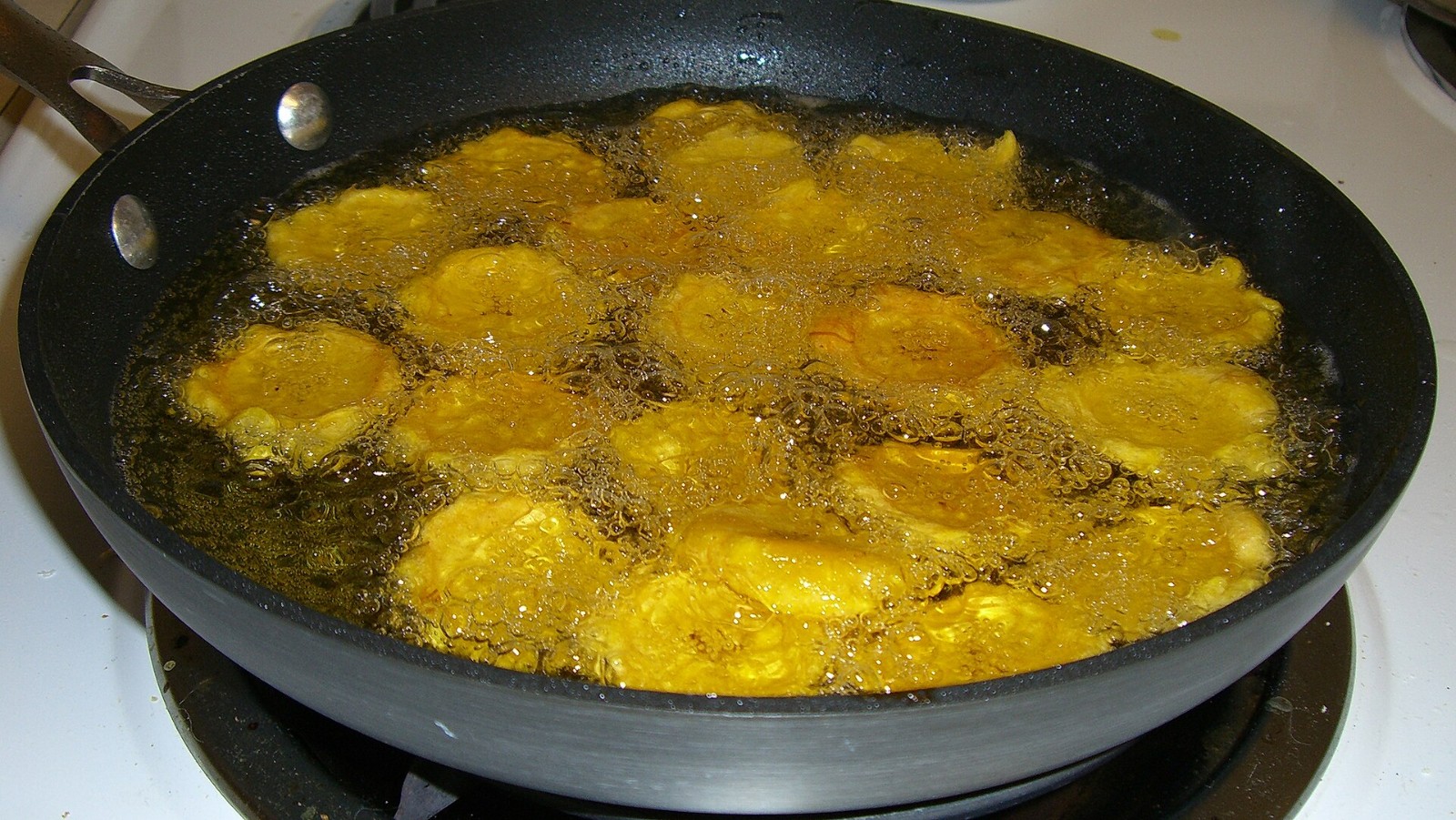
Tostones are twice-fried green plantains, and few sides of Puerto Rican Christmas food disappear faster on Christmas Eve. The plantain slices are fried once until soft, smashed flat, then fried again until crisp around the edges. A sprinkle of salt is all they need, though most families serve them with mayo-ketchup, the simple pink dipping sauce found on nearly every Puerto Rican table. They are perfect for scooping up pernil juices and arroz con gandules. If you want to learn more about the island’s food history, the story of Puerto Rican cuisine mixes Taino, Spanish and African traditions.
You will need: 3 large green plantains, vegetable oil for frying, salt, a small bowl of water with a crushed garlic clove, 1/2 cup mayonnaise, 3 tablespoons ketchup and a pinch of garlic powder.
How to make it: 1. Peel the plantains and cut them into 1-inch rounds. 2. Fry in oil at 325 F for about 3 minutes per side, until soft but not browned. 3. Smash each piece flat with the bottom of a glass or a tostonera. 4. Dip quickly in the garlic water, pat dry and fry again at 375 F until crisp and golden. 5. Salt right away and serve with mayo-ketchup made by stirring the mayonnaise, ketchup and garlic powder together.
Habichuelas Guisadas, the Everyday Stew That Shows Up Anyway
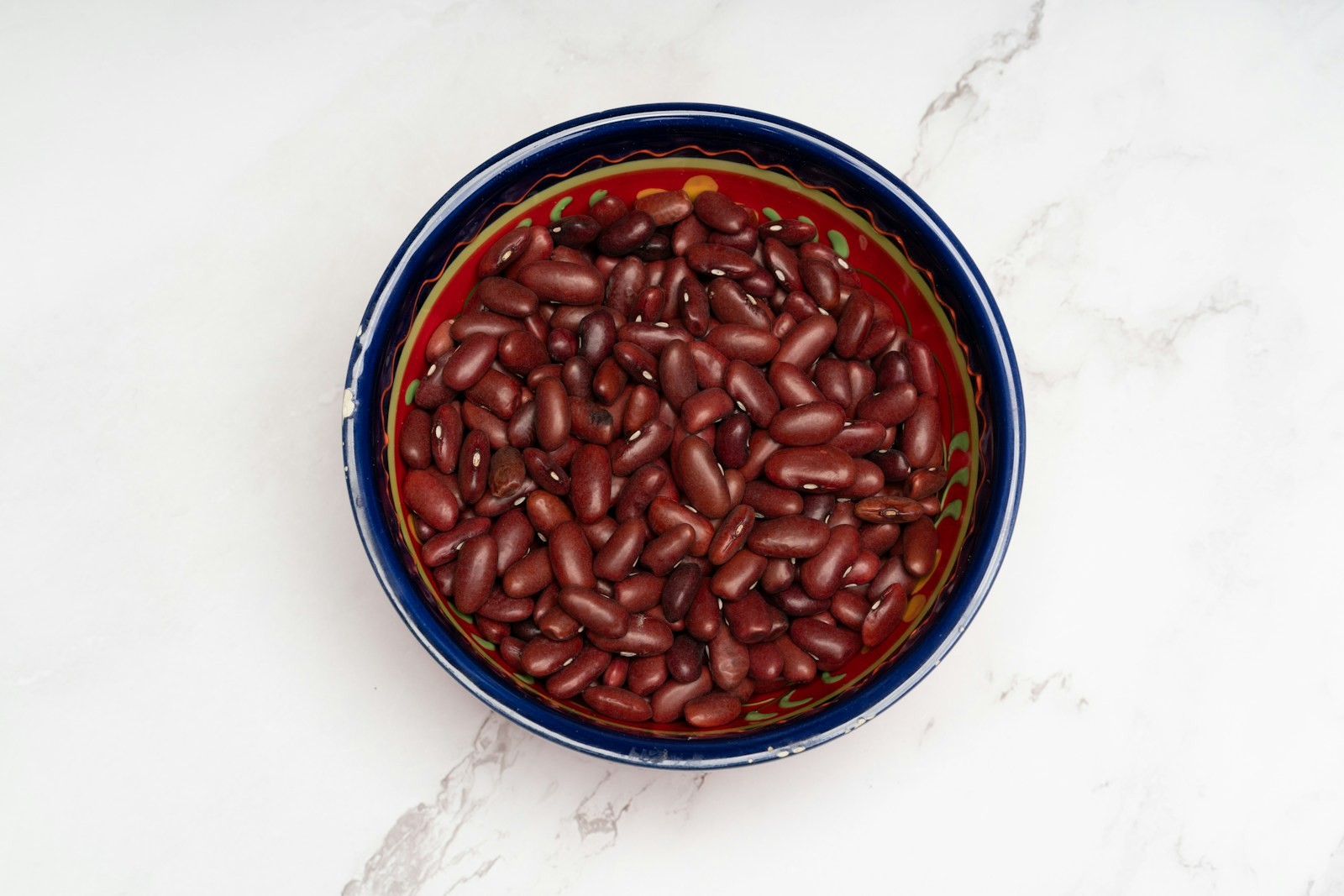
Habichuelas guisadas are stewed beans, and even in a big spread of Puerto Rican Christmas food they rarely get left out. Pink or red beans simmer with sofrito, tomato sauce, cubes of calabaza and potato until the sauce turns thick and silky. Spooned over white rice, they are the comfort food Puerto Ricans grow up eating several times a week. On Nochebuena they are often made for the guests who prefer something simple next to all the richer dishes, and the pot is usually scraped clean by the end of the night.
You will need: 2 cans (15 ounces each) pink or red beans, 1/3 cup sofrito, 1/4 cup tomato sauce, 1 packet sazon, 1 cup diced calabaza or butternut squash, 1 small potato, diced, 1 1/2 cups water, a few olives and 1 tablespoon oil.
How to make it: 1. Cook the sofrito in oil over medium heat for 3 minutes. 2. Stir in the tomato sauce, sazon and olives. 3. Add the beans with their liquid, the squash, potato and water. 4. Simmer for 25 to 30 minutes, stirring now and then, until the vegetables are soft and the sauce thickens. 5. Mash a few beans against the pot to make it creamier and serve over white rice.
Ensalada de Coditos, the Surprise Puerto Rican Christmas Food
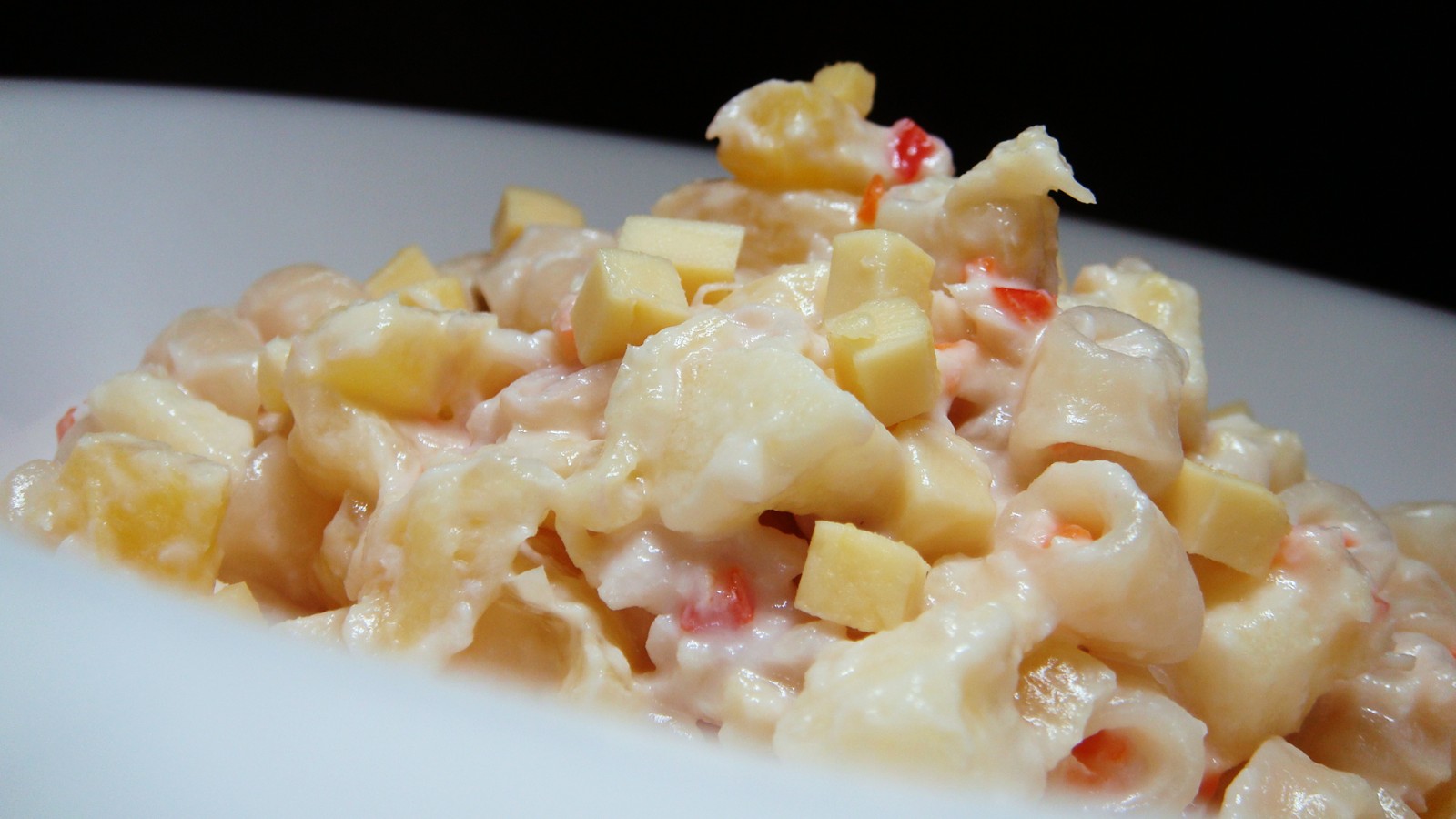
It might surprise outsiders, but a cold elbow macaroni salad is a must-have Puerto Rican Christmas food. Called ensalada de coditos, it is creamy, slightly sweet and often mixed with diced ham, cheese, peppers and sometimes apple or pineapple. Served cold right next to hot pernil and rice, it balances the plate in a way that makes total sense once you try it. Every family has its own version, and arguments about whether it needs onion or sweet relish are part of the holiday tradition.
You will need: 1 pound elbow macaroni, 1 cup mayonnaise, 1/4 cup diced red pepper, 1/4 cup diced onion, 1 cup diced ham, 1 cup diced cheddar or American cheese, 2 hard-boiled eggs, salt, pepper and a pinch of sugar.
How to make it: 1. Cook the macaroni in salted water until just tender, then drain and rinse with cold water. 2. Chop the eggs and add them to a large bowl with the pepper, onion, ham and cheese. 3. Stir in the cooled macaroni, mayonnaise, salt, pepper and sugar. 4. Taste and adjust, adding a little more mayonnaise if it looks dry. 5. Chill for at least 1 hour before serving.
Tembleque: The Wobbly Dessert of Puerto Rican Christmas Food
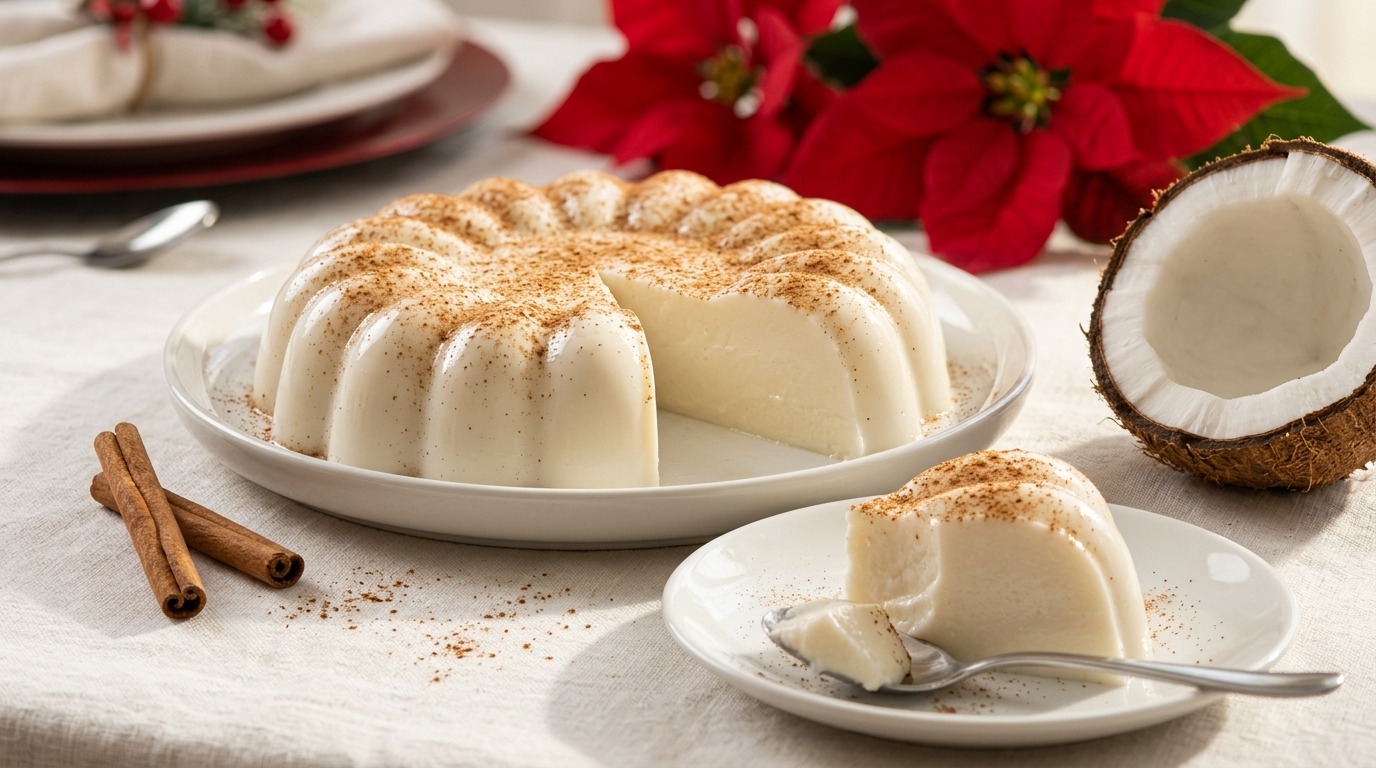
Tembleque gets its name from temblar, to tremble, because a good one jiggles when you set it on the table. This silky pudding is made with just coconut milk, sugar, cornstarch and a pinch of salt, cooked on the stove until thick, then chilled in a mold and finished with a generous dusting of ground cinnamon. It is light, cool and naturally free of eggs, which makes it the perfect ending after a heavy plate of pork and rice. Many families make it in a fluted mold so it comes out looking like a snowy crown.
You will need: 2 cans (13.5 ounces each) coconut milk, 1/2 cup sugar, 1/2 cup cornstarch, 1/4 teaspoon salt, 1 cinnamon stick, 1/2 teaspoon vanilla and ground cinnamon for dusting.
How to make it: 1. Whisk the coconut milk, sugar, cornstarch and salt in a pot until smooth, then add the cinnamon stick. 2. Cook over medium heat, stirring constantly, until it thickens like a heavy pudding, about 10 minutes. 3. Remove the cinnamon stick and stir in the vanilla. 4. Pour into a lightly oiled mold or small cups and refrigerate for at least 4 hours. 5. Unmold onto a plate and dust with ground cinnamon.
Arroz con Dulce, a Sweet Puerto Rican Christmas Food Classic
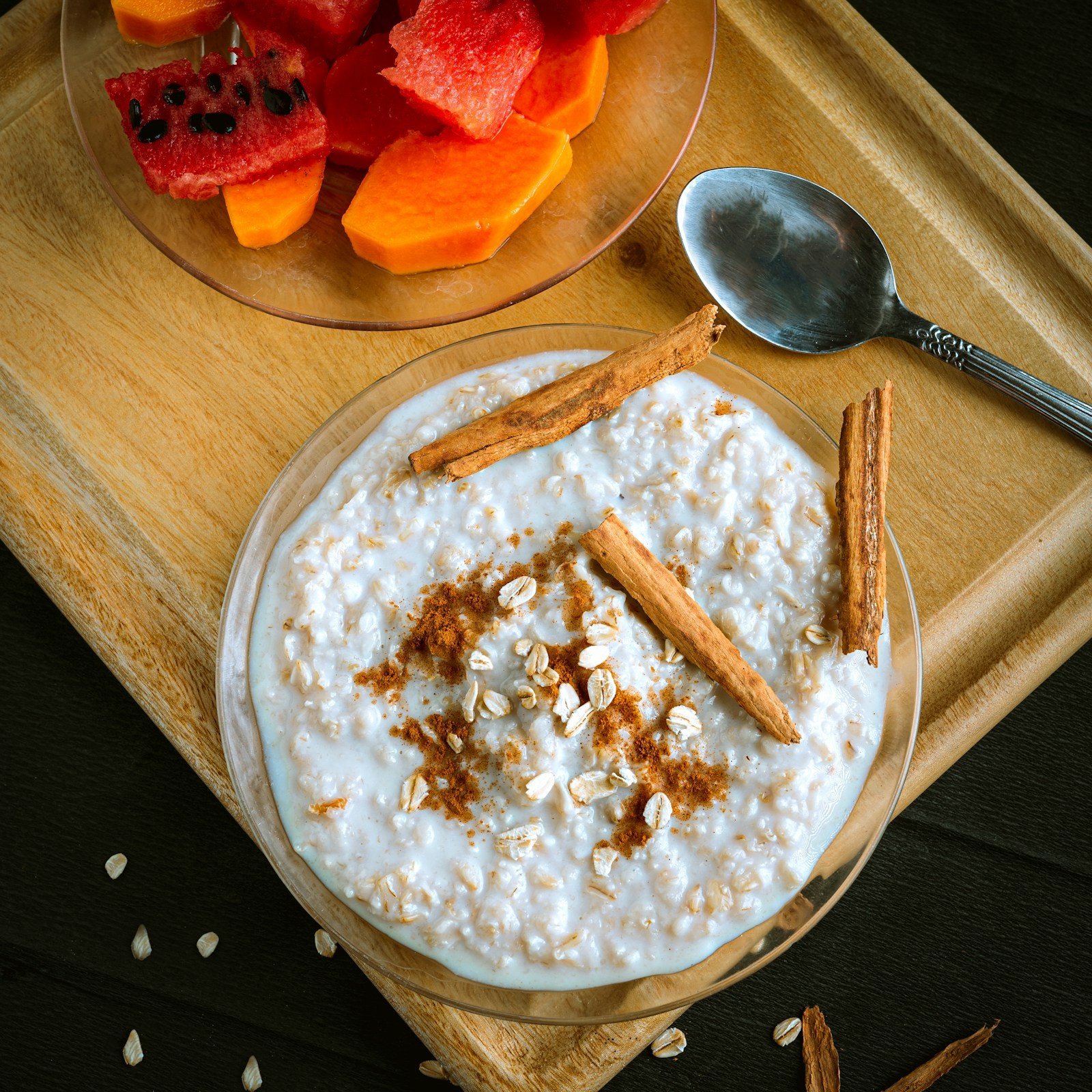
Arroz con dulce is the spiced coconut rice pudding of Puerto Rican Christmas food, and it is nothing like plain rice pudding. Rice is cooked in coconut milk with fresh ginger, cinnamon sticks, cloves and star anise, then sweetened and studded with raisins. Families usually spread it on a big platter, let it cool and cut it into squares to share with neighbors during parrandas. The warm spice smell fills the whole house, and many people say it is the one dessert that tastes most like their grandmother’s kitchen.
You will need: 1 cup short-grain rice, soaked for 2 hours, 1 can (13.5 ounces) coconut milk, 2 cups water, 3 cinnamon sticks, 1 piece of fresh ginger, 6 cloves, 2 star anise, 3/4 cup sugar, 1/2 cup raisins and a pinch of salt.
How to make it: 1. Simmer the water with the cinnamon, ginger, cloves and star anise for 10 minutes, then strain out the spices. 2. Add the coconut milk, salt and drained rice to the spiced water and cook on low, stirring often. 3. When the rice is almost tender, stir in the sugar and raisins. 4. Keep cooking until thick and creamy, about 10 more minutes. 5. Spread on a platter, sprinkle with ground cinnamon and let it set before serving.
Flan de Queso, the Creamy Grand Finale
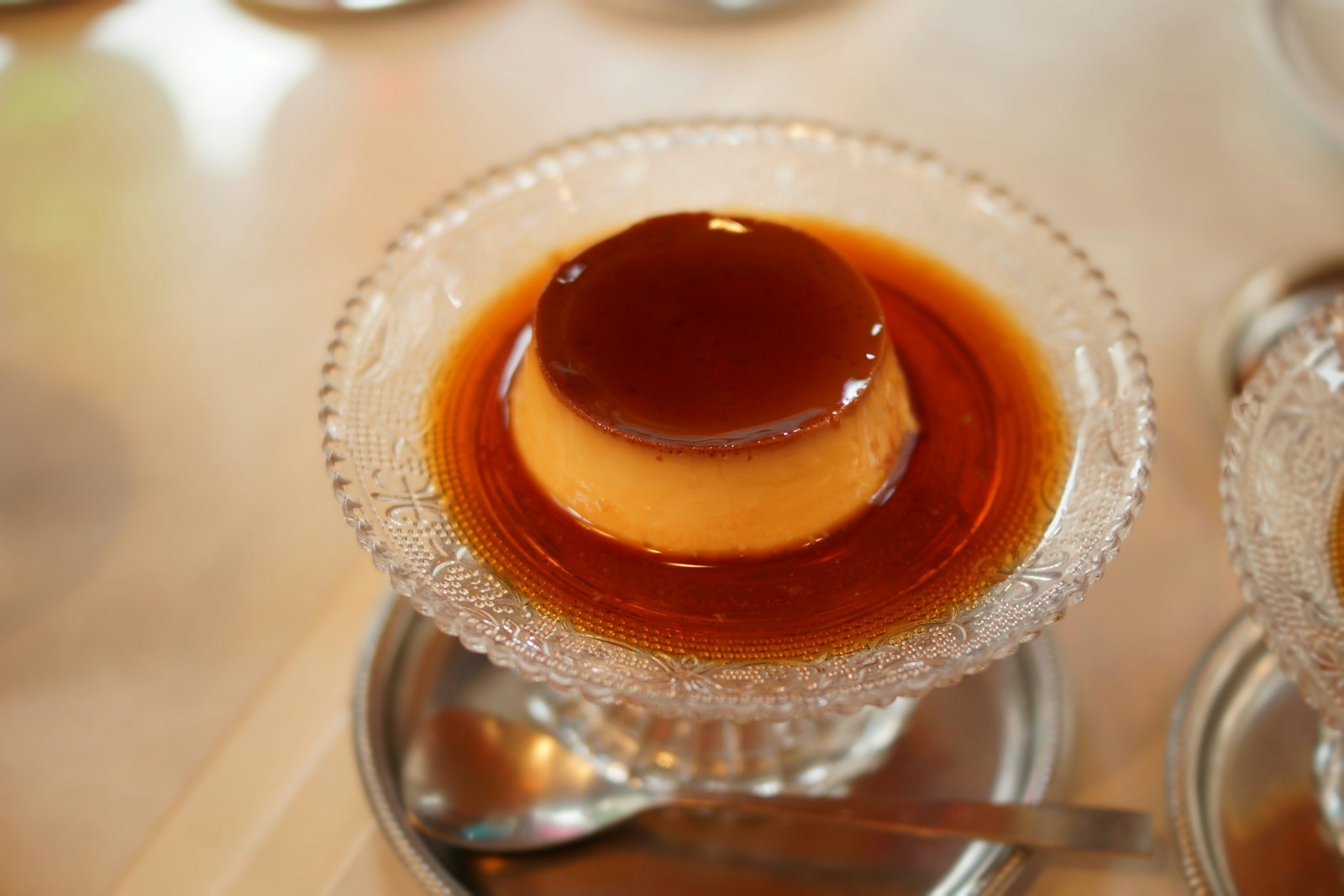
Flan de queso is a richer, denser cousin of the classic custard, made with cream cheese blended into the eggs and milk. It bakes in a pan coated with golden caramel, and when it is flipped onto a plate the caramel runs down the sides like a sauce. The texture lands somewhere between flan and cheesecake, smooth and creamy without being heavy. On many Puerto Rican tables it is the dessert people save room for, and leftover slices rarely survive until the next morning.
You will need: 1 cup sugar for the caramel, 8 ounces cream cheese, softened, 5 large eggs, 1 can (14 ounces) sweetened condensed milk, 1 can (12 ounces) evaporated milk, 1 teaspoon vanilla and a pinch of salt.
How to make it: 1. Melt the sugar in a pan over medium heat until it turns amber, then pour it into a round baking dish and swirl to coat. 2. Blend the cream cheese, eggs, condensed milk, evaporated milk, vanilla and salt until completely smooth. 3. Pour the mixture over the caramel and set the dish in a larger pan with hot water. 4. Bake at 350 F for 60 to 70 minutes, until the center is just set. 5. Cool, chill overnight, then run a knife around the edge and flip onto a plate.