Wartime Ration Recipes: 14 Clever Dishes 1940s Moms Made When Sugar, Butter and Meat Came With Coupons
Wartime ration recipes are some of the smartest cooking America ever did, born in kitchens where sugar, butter, coffee, meat and canned goods could only be bought with stamps from a ration book. From 1942 on, home cooks had to feed hungry families with less of almost everything, so they swapped honey and molasses for sugar, stretched a pound of beef with macaroni and potatoes, and baked cakes with no eggs at all. Victory gardens filled the gaps with carrots, beans and corn. This gallery gathers 14 of those clever home front dishes, from boiled raisin war cake and mock apple pie to creamed chipped beef and crispy corn fritters. Each of these wartime ration recipes is thrifty, simple and still delicious today, especially when grocery prices are high..
Wartime Ration Recipes Start With Boiled Raisin War Cake
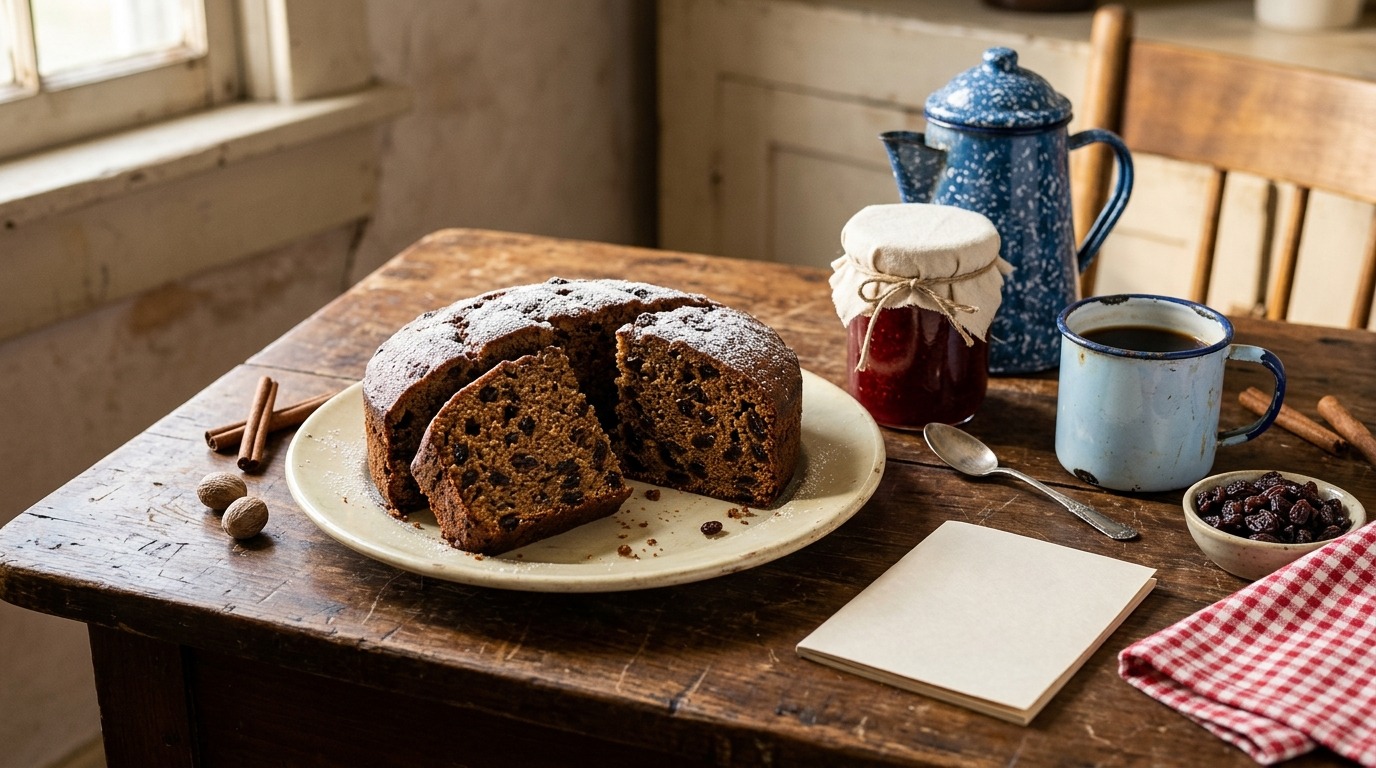
War cake is the star of wartime ration recipes because it skips the three things that were hardest to get during rationing in the United States: eggs, butter and milk. Raisins, brown sugar, water, a spoon of shortening and warm spices are boiled together first, which plumps the fruit and makes a syrupy base that keeps the cake moist for days. Then flour and baking soda go in and the batter bakes into a dark, fragrant loaf that tastes like a cross between spice cake and fruitcake. Many families mailed it to soldiers overseas because it traveled so well..
You will need: 1 cup brown sugar, 1 1/4 cups water, 1/3 cup shortening or margarine, 1 cup raisins, 1 teaspoon cinnamon, 1/2 teaspoon nutmeg, 1/4 teaspoon cloves, 1/2 teaspoon salt, 2 cups flour, 1 teaspoon baking soda, 1/2 teaspoon baking powder.
How to make it: 1. Simmer brown sugar, water, shortening, raisins, spices and salt for 5 minutes, then cool completely. 2. Heat oven to 350°F and grease a loaf pan. 3. Whisk flour, baking soda and baking powder, then stir into the cooled raisin mixture. 4. Pour into the pan and bake 45 to 50 minutes until a toothpick comes out clean. 5. Cool before slicing; it tastes even better the next day.
Woolton Pie, the Victory Garden Star of Wartime Ration Recipes
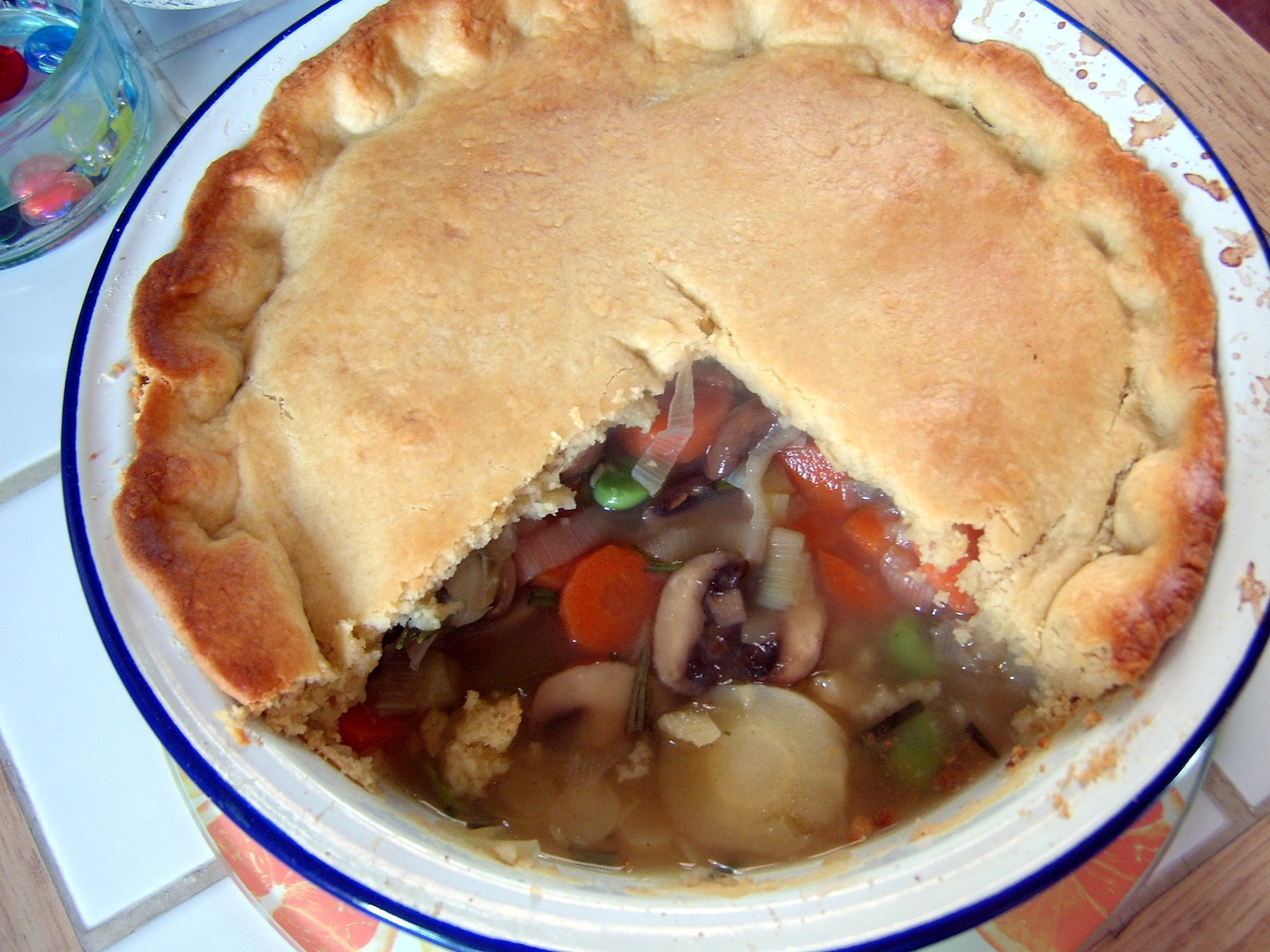
Woolton pie was created in 1941 at London’s Savoy Hotel and named after Britain’s food minister, Lord Woolton, who urged families to cook with whatever the garden gave them. It is a deep dish of diced potatoes, carrots, parsnips, cauliflower and onions in a savory gravy, topped with a whole wheat crust or mashed potato lid. American home front cooks made the same kind of pie from victory garden rows. It is hearty, meat free and cheap, and a sprinkle of grated cheese on top makes it feel like a feast, which is why it still tops lists of wartime ration recipes.
You will need: 2 cups diced potatoes, 2 cups diced carrots, 1 cup cauliflower florets, 1 diced parsnip, 1 chopped onion, 2 cups vegetable broth, 2 tablespoons flour, 2 tablespoons oats, 1 teaspoon thyme, salt and pepper, 1 pie crust or 3 cups mashed potatoes, 1/2 cup grated cheese.
How to make it: 1. Simmer the vegetables in broth for 10 minutes until just tender. 2. Stir in flour and oats and cook until the gravy thickens. 3. Season with thyme, salt and pepper and pour into a baking dish. 4. Cover with the crust or mashed potatoes and sprinkle with cheese. 5. Bake at 400°F for 30 minutes until golden on top.
Mock Apple Pie Made With Crackers
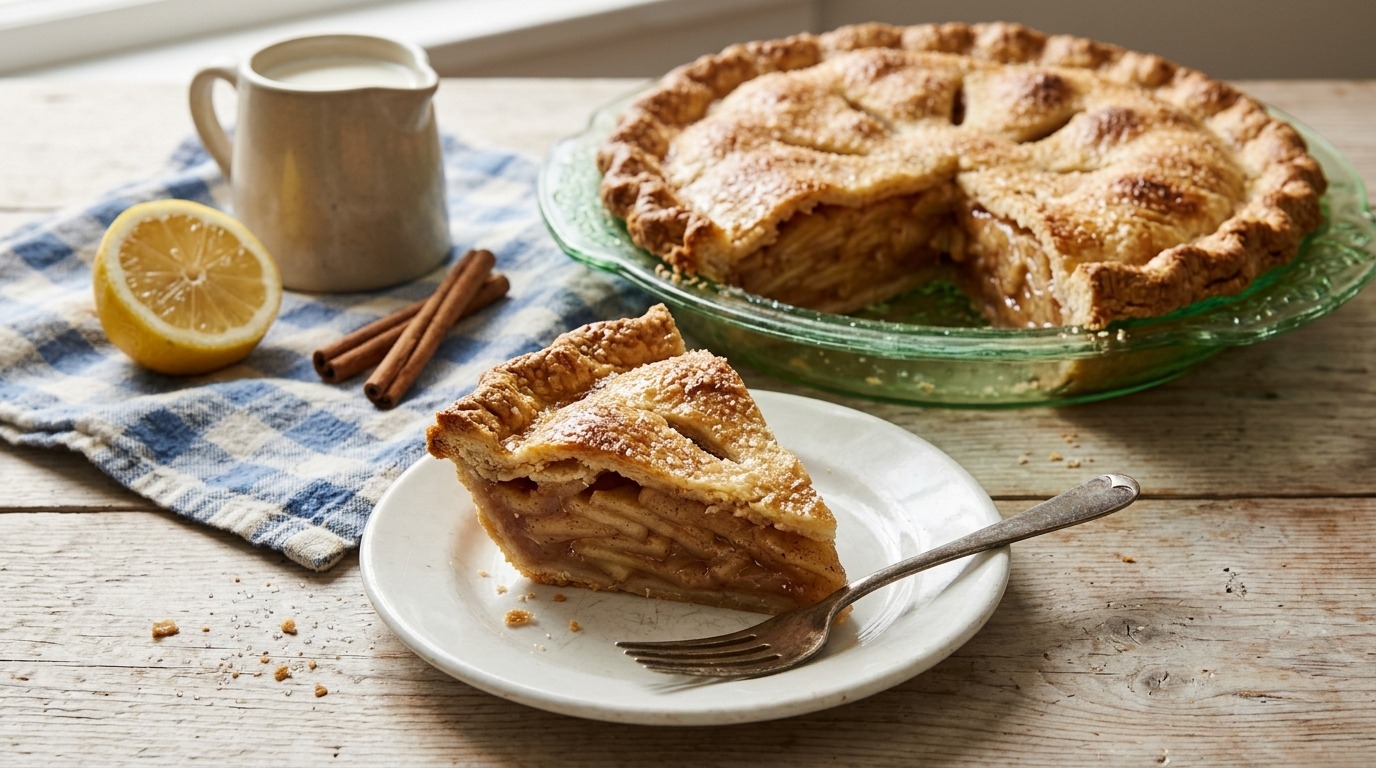
Mock apple pie sounds like a joke until you taste it. Buttery round crackers are simmered in a lemony sugar syrup with cinnamon, and they soften into tender layers that taste uncannily like baked apples. The recipe is older than the war, but it became a home front favorite when fresh apples were scarce or too pricey for the budget. Serve a slice to guests without telling them the secret, then watch their faces when you reveal there is not a single apple in the pie. Few wartime ration recipes are this much fun.
You will need: Pastry for a double crust pie, 36 buttery round crackers, 2 cups water, 1 1/2 cups sugar, 2 teaspoons cream of tartar, 2 tablespoons lemon juice, zest of 1 lemon, 1 teaspoon cinnamon, 2 tablespoons butter or margarine.
How to make it: 1. Heat oven to 425°F and line a pie plate with the bottom crust. 2. Break the crackers into the crust in large pieces. 3. Boil water, sugar and cream of tartar for 15 minutes, then add lemon juice and zest and cool. 4. Pour the syrup over the crackers, dot with butter and sprinkle with cinnamon. 5. Add the top crust, cut vents and bake 30 to 35 minutes until golden.
Creamed Chipped Beef on Toast, a Wartime Ration Recipe Legend
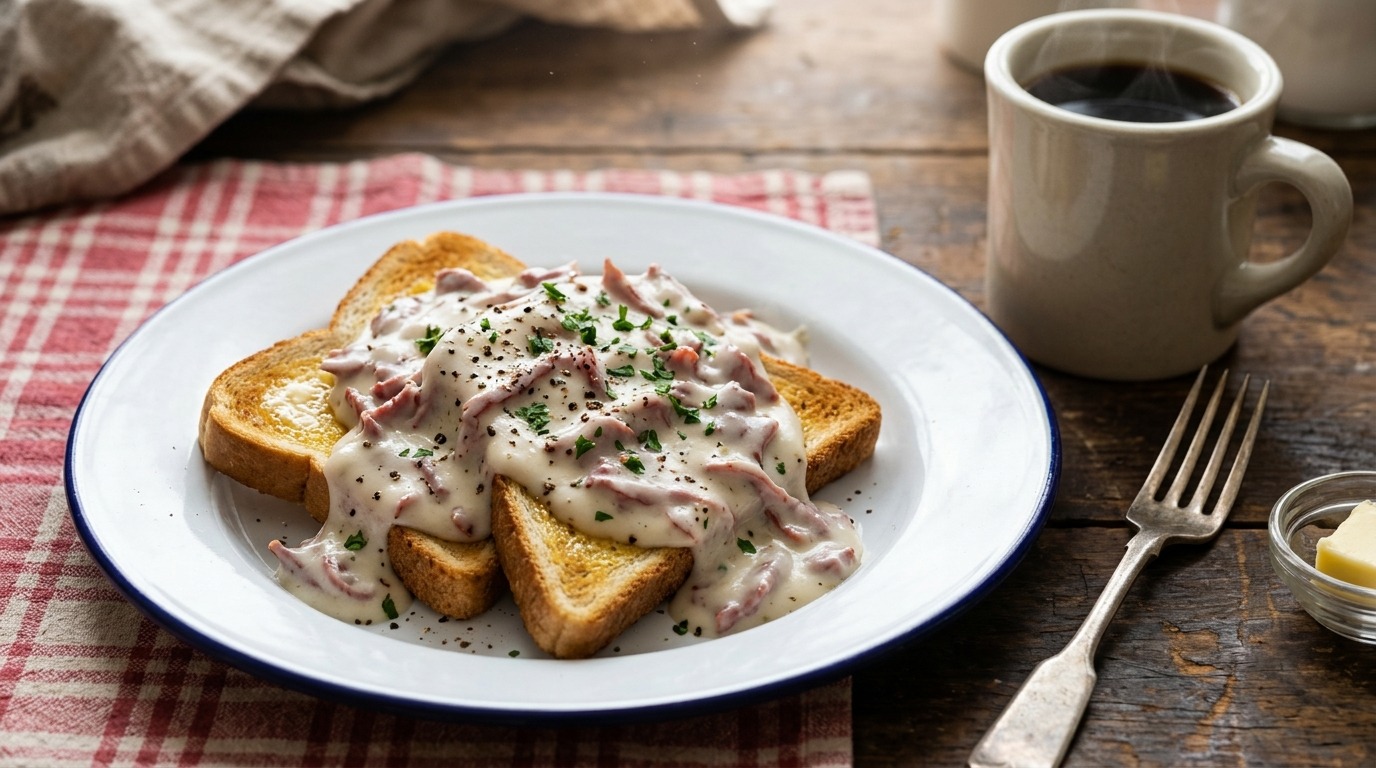
Creamed chipped beef was a mess hall staple during World War II, and soldiers came home with a cheeky nickname for it that still makes grandpas laugh. At home it was one of the most useful wartime ration recipes because a small jar of dried, salty beef stretched into a rich white gravy that fed the whole family. Spooned over hot toast or biscuits, it was ready in 15 minutes and tasted far more filling than its humble price. Many diners still serve it for breakfast today.
You will need: 5 ounces dried beef, 4 tablespoons butter or margarine, 1/4 cup flour, 2 1/2 cups milk, black pepper, a pinch of nutmeg, 6 slices toast or split biscuits.
How to make it: 1. Rinse the dried beef if very salty, then tear it into bite size pieces. 2. Melt butter in a skillet, add the beef and cook 2 minutes. 3. Sprinkle in flour and stir for 1 minute. 4. Slowly whisk in milk and simmer until thick and creamy. 5. Season with pepper and nutmeg and spoon over hot toast.
Macaroni and Tomato Beef Bake to Stretch a Pound of Meat
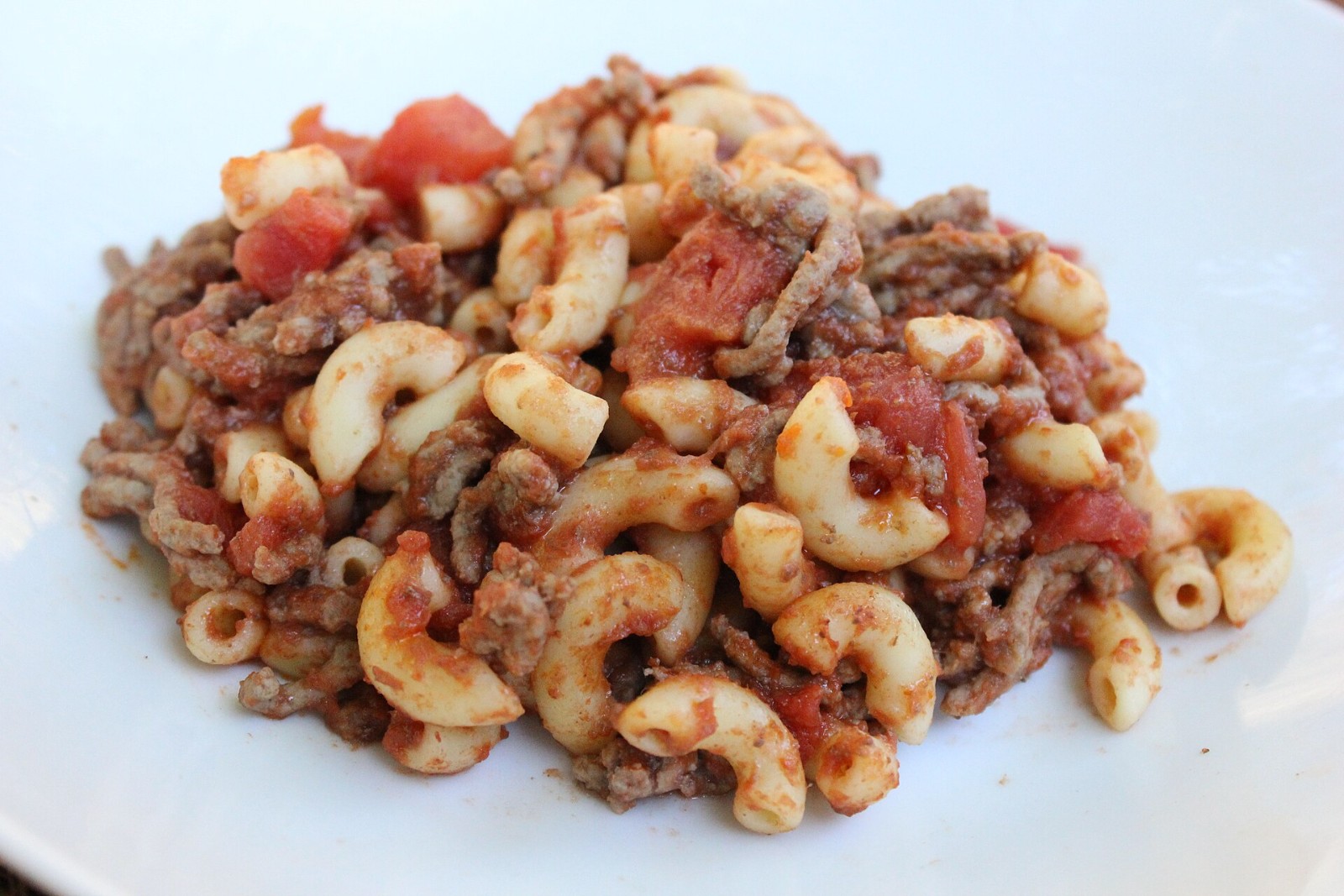
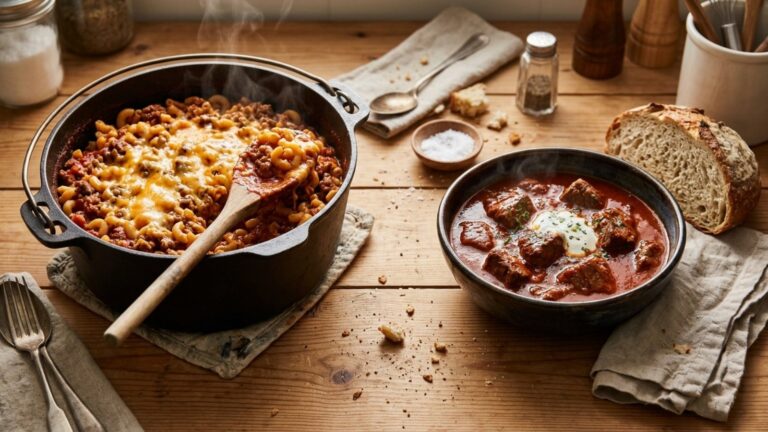
When meat cost precious red ration points, moms learned to make one pound of ground beef feed six. The trick was elbow macaroni, canned tomatoes, onions and green peppers simmered together into a hearty one pot supper that New Englanders call American chop suey and Midwesterners call goulash. It was cheap, filling and quick on a weeknight. Bake it with a little cheese on top and it turns into a bubbling casserole that kids still request decades later, which is why it belongs in every collection of wartime ration recipes.
You will need: 1 pound ground beef, 1 chopped onion, 1 chopped green pepper, 2 cups elbow macaroni, 1 can (28 ounces) crushed tomatoes, 1 cup water, 1 teaspoon paprika, 1 teaspoon salt, 1/2 teaspoon pepper, 1 cup shredded cheese.
How to make it: 1. Brown the beef with onion and green pepper, then drain. 2. Add tomatoes, water, paprika, salt and pepper and bring to a simmer. 3. Stir in the uncooked macaroni, cover and cook 12 to 15 minutes, stirring often. 4. Spoon into a baking dish and top with cheese. 5. Bake at 375°F for 15 minutes until bubbling.
Liver and Onions, the Unrationed Supper
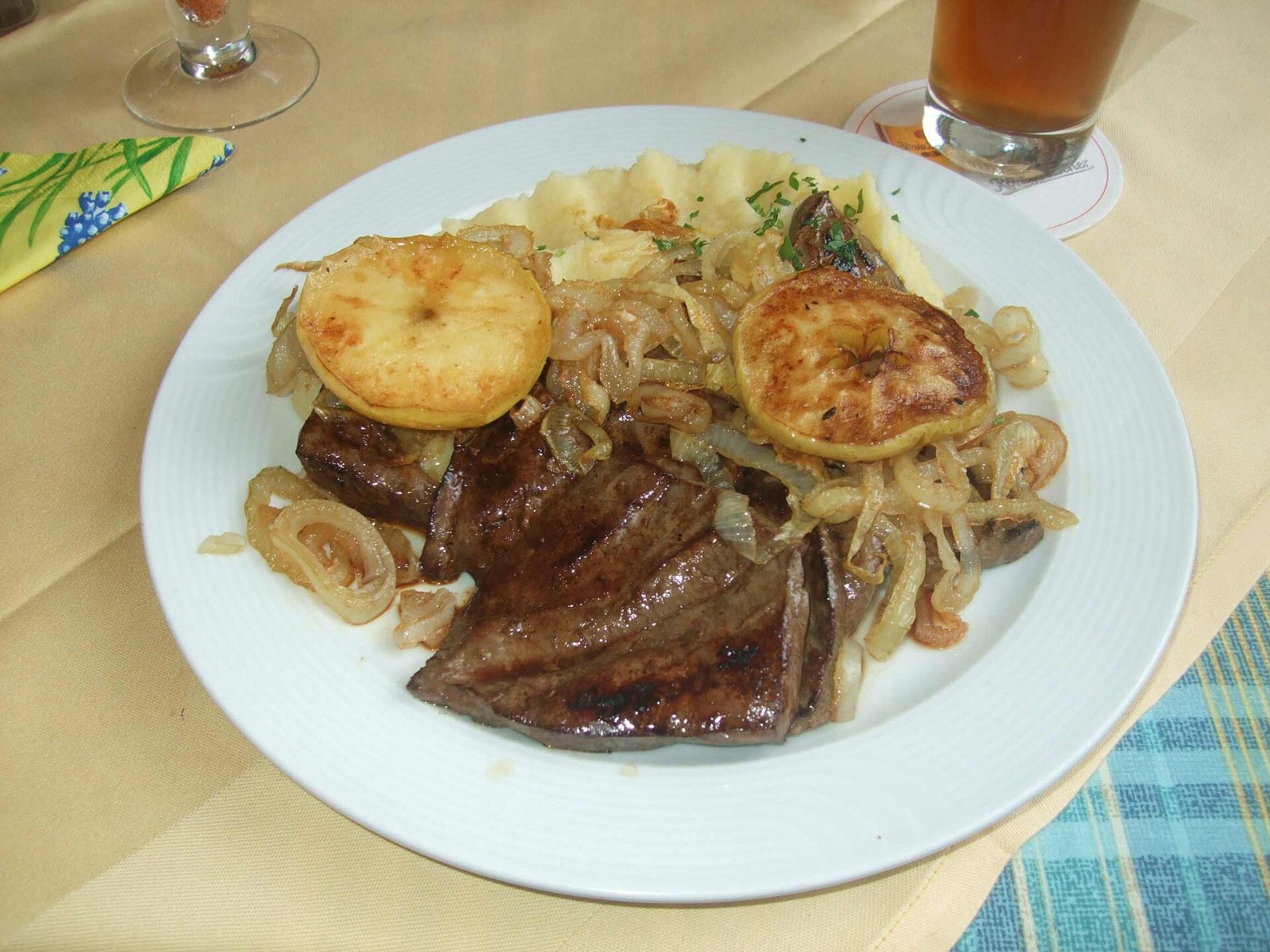
Liver and onions became a regular weeknight supper during the war because organ meats needed few or no ration points, while steaks and roasts used up a family’s stamps fast. Government food campaigns even encouraged cooks to try these “variety meats” so prime cuts could go to the troops. Soaked in milk to soften the flavor, dredged in flour and seared hot, then smothered in sweet caramelized onions, liver is rich, tender and iron rich. Serve it with mashed potatoes to make the most of the onion pan gravy, just as wartime ration recipes suggested.
You will need: 1 pound beef, calf or chicken liver (sliced thin), 1 cup milk, 1/2 cup flour, salt and pepper, 3 tablespoons bacon drippings or oil, 2 large onions (sliced), 1/2 cup beef broth.
How to make it: 1. Soak the liver in milk for 30 minutes, then pat dry. 2. Cook the onions in half the fat over medium heat for 15 minutes until golden, then remove. 3. Dredge the liver in seasoned flour. 4. Sear in the remaining fat 2 minutes per side. 5. Return the onions, add broth, simmer 2 minutes and serve.
Crispy Corn Fritters From the Victory Garden
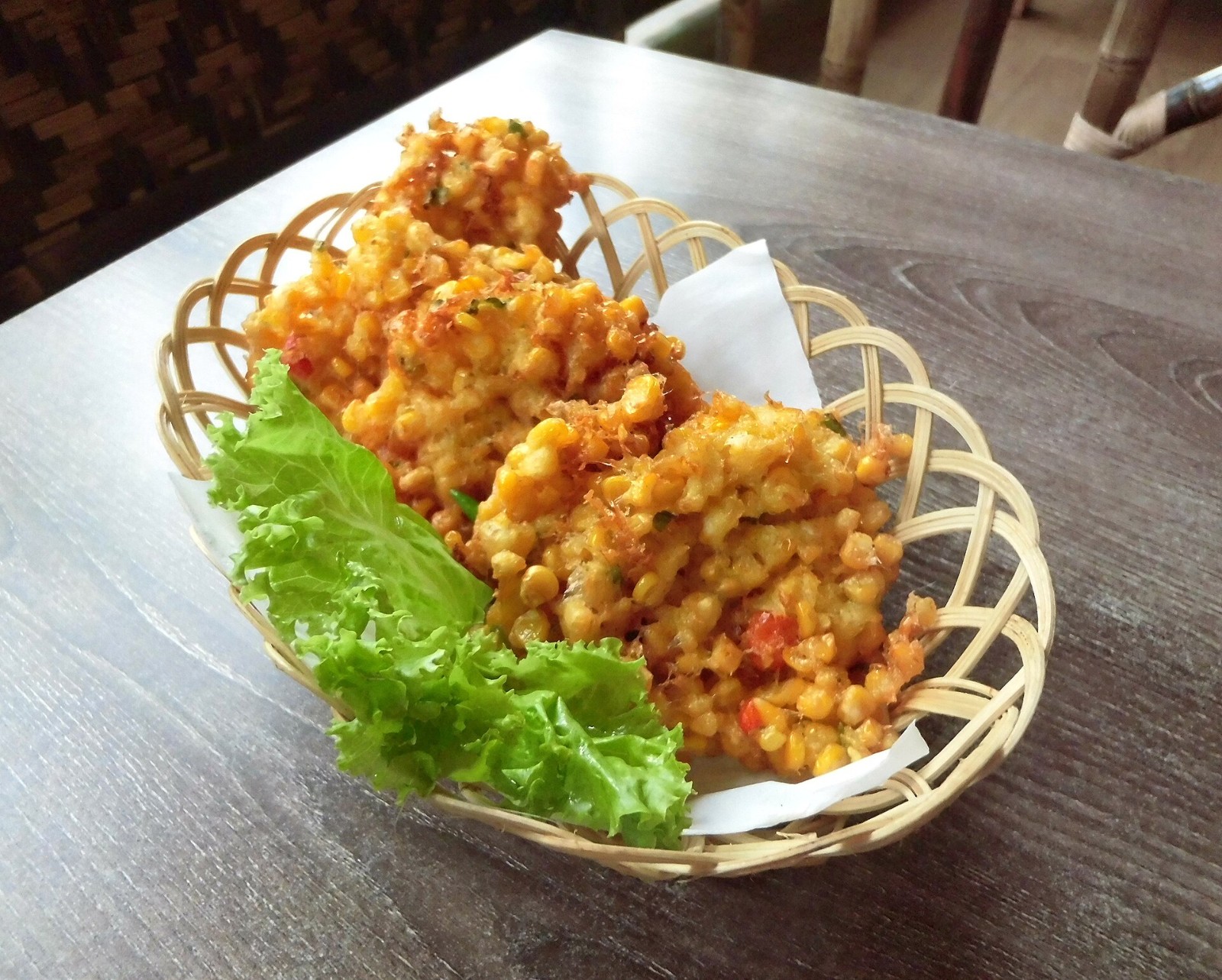
Corn fritters were a summer and fall favorite when victory gardens produced more sweet corn than a family could eat. Fresh or canned kernels were folded into a light batter with a single egg and pan fried into crisp, golden cakes. They could be a side dish for a meatless dinner, a main course with a big salad, or a breakfast with a drizzle of syrup when sugar was short. Even now, they are a fast, budget friendly way to turn a can of corn into something everyone fights over. It is one of the easiest wartime ration recipes to try first.
You will need: 2 cups corn kernels, 1 cup flour, 1 teaspoon baking powder, 1/2 teaspoon salt, 1/4 teaspoon pepper, 1 egg, 1/2 cup milk, 2 sliced green onions, oil for frying.
How to make it: 1. Whisk flour, baking powder, salt and pepper in a bowl. 2. Beat in the egg and milk until smooth. 3. Fold in the corn and green onions. 4. Drop heaping spoonfuls into hot oil in a skillet and flatten slightly. 5. Fry 2 to 3 minutes per side until golden, then drain on paper towels.
Wartime Ration Recipes Favorite: Eggless Chocolate Wacky Cake
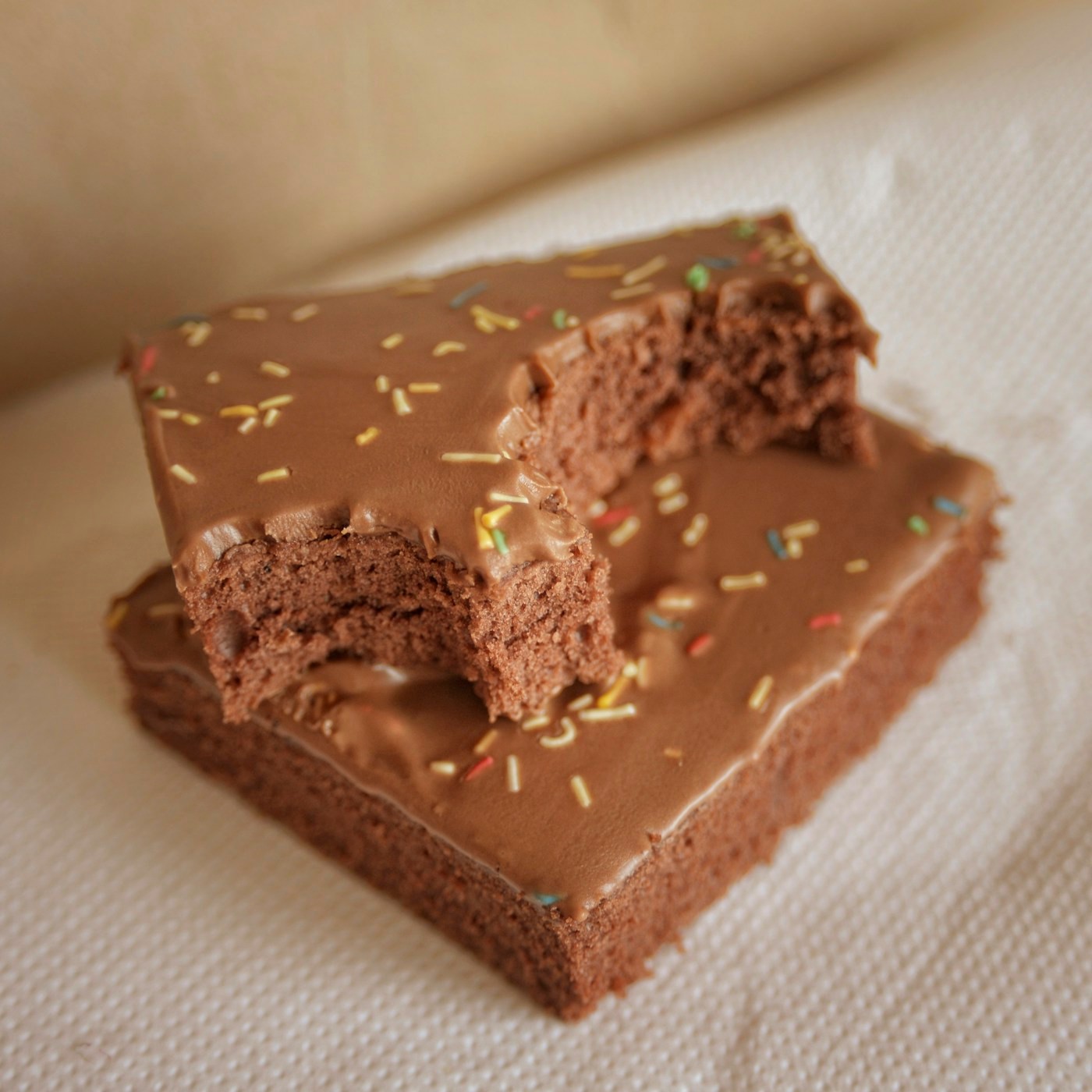
Wacky cake, also called crazy cake and a star of many Depression era desserts, earned its fame during wartime because it needs no eggs, butter or milk. Vinegar and baking soda do the rising, oil replaces butter, and the batter is mixed right in the baking pan, so there are no bowls to wash. The result is a surprisingly moist, deeply chocolatey cake that most people cannot tell apart from a classic recipe. It is one of the wartime ration recipes still baked today, especially by families with egg or dairy allergies.
You will need: 1 1/2 cups flour, 1 cup sugar, 3 tablespoons cocoa powder, 1 teaspoon baking soda, 1/2 teaspoon salt, 1 teaspoon vanilla, 1 tablespoon white vinegar, 5 tablespoons oil, 1 cup cold water.
How to make it: 1. Heat oven to 350°F. 2. Mix flour, sugar, cocoa, baking soda and salt directly in an 8 inch square pan. 3. Make three wells and pour vanilla in one, vinegar in another and oil in the third. 4. Pour water over everything and stir until smooth. 5. Bake 30 to 35 minutes and cool before frosting or dusting with powdered sugar.
Bread Pudding That Wasted Nothing
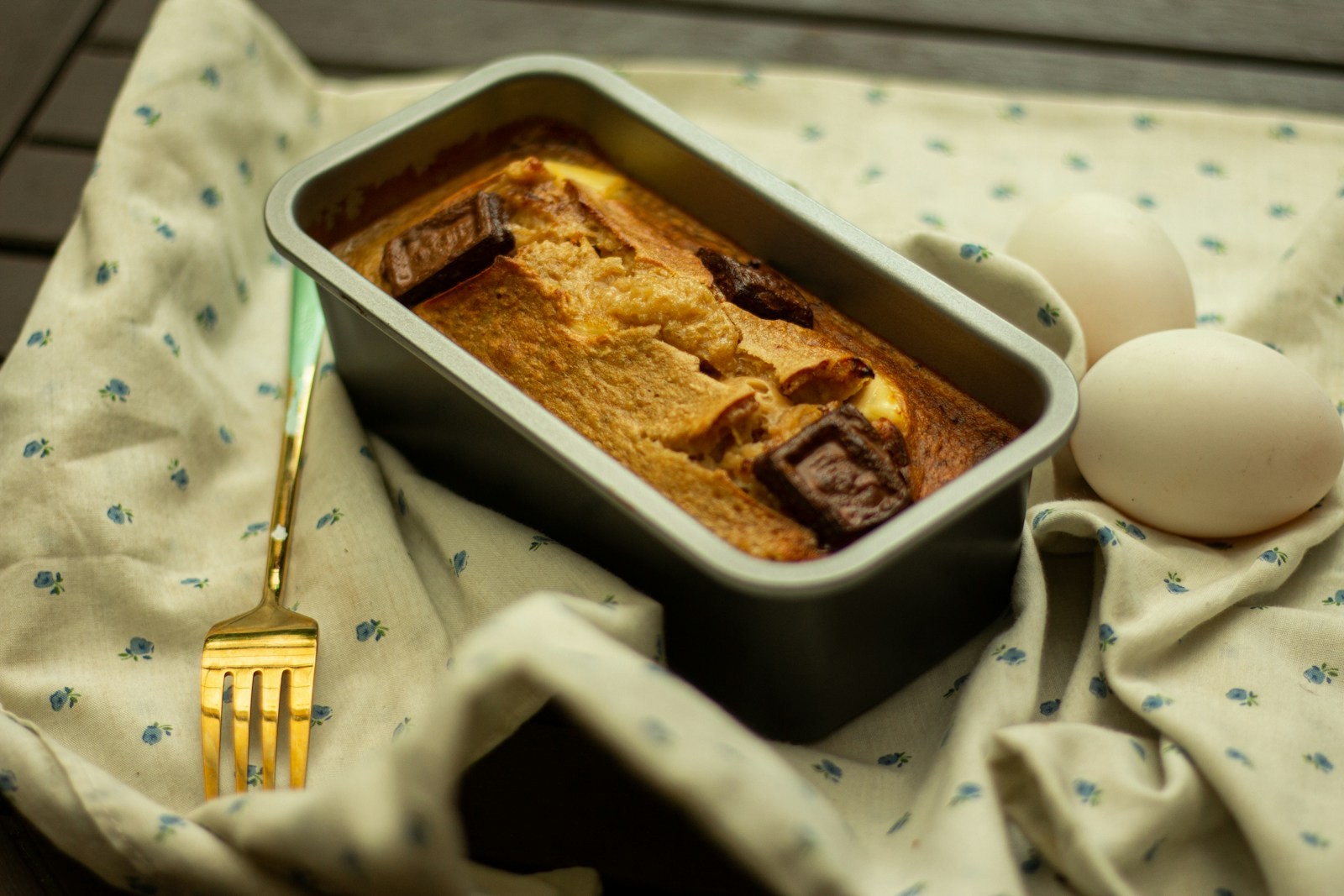
Wasting food was practically unpatriotic on the home front, and posters reminded families to “use it up, wear it out, make it do.” Stale bread became bread pudding, soaked in a thin custard of milk and one or two eggs, sweetened with a little molasses or honey and studded with raisins. It baked into a soft, cozy dessert with a crisp top that tasted far richer than its pantry cost. Warm with a spoon of jam or a splash of cream, it still turns yesterday’s loaf into a treat, the way wartime ration recipes intended.
You will need: 6 cups cubed stale bread, 2 1/2 cups milk, 2 eggs, 1/3 cup brown sugar or honey, 1 teaspoon cinnamon, 1 teaspoon vanilla, pinch of salt, 1/2 cup raisins, 2 tablespoons melted butter or margarine.
How to make it: 1. Heat oven to 350°F and grease a baking dish. 2. Spread the bread and raisins in the dish. 3. Whisk milk, eggs, sugar, cinnamon, vanilla and salt and pour over the bread. 4. Press down and let soak 15 minutes, then drizzle with butter. 5. Bake 40 to 45 minutes until set and golden.
Shepherd’s Pie, the Wartime Ration Recipes Way With Extra Potatoes
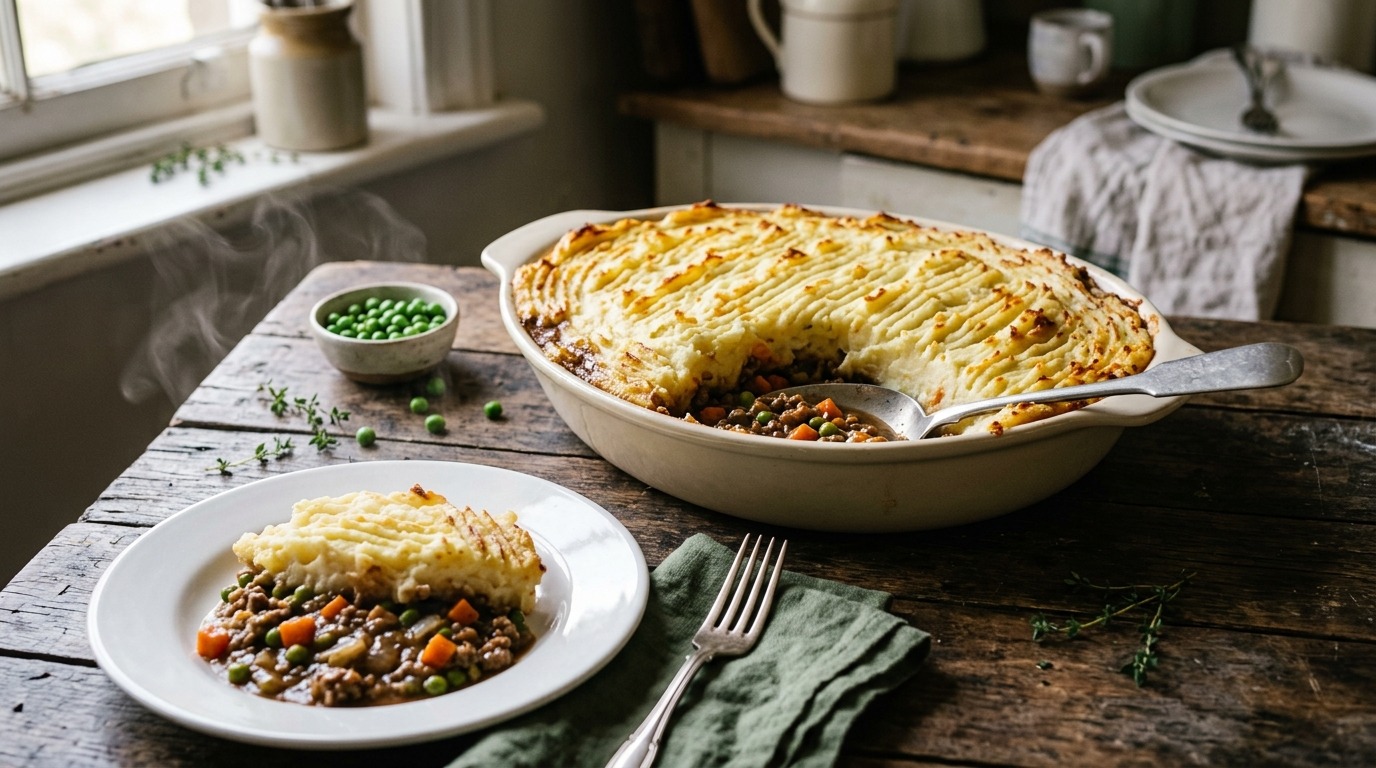
Shepherd’s pie was the perfect way to make leftover roast or a small amount of ground meat feed a crowd. Wartime cooks bulked up the filling with carrots, peas, onions and turnips from the garden, then piled on a thick blanket of mashed potatoes, which were never rationed. A few forks dragged across the top give it those crispy golden ridges everyone loves. This is one of the wartime ration recipes that never went out of style, and it freezes beautifully for busy weeks.
You will need: 1 pound ground lamb or beef (or 2 cups chopped leftover roast), 1 chopped onion, 2 diced carrots, 1 cup peas, 1 cup diced turnip, 2 tablespoons flour, 1 cup beef broth, 1 tablespoon Worcestershire sauce, 4 cups mashed potatoes, 2 tablespoons butter.
How to make it: 1. Brown the meat with onion, then add carrots and turnip and cook 5 minutes. 2. Stir in flour, broth and Worcestershire and simmer until thick. 3. Add peas and spoon into a baking dish. 4. Spread the mashed potatoes on top, rough up with a fork and dot with butter. 5. Bake at 400°F for 25 minutes until golden.
Bean and Barley Soup That Fed a Family for Pennies
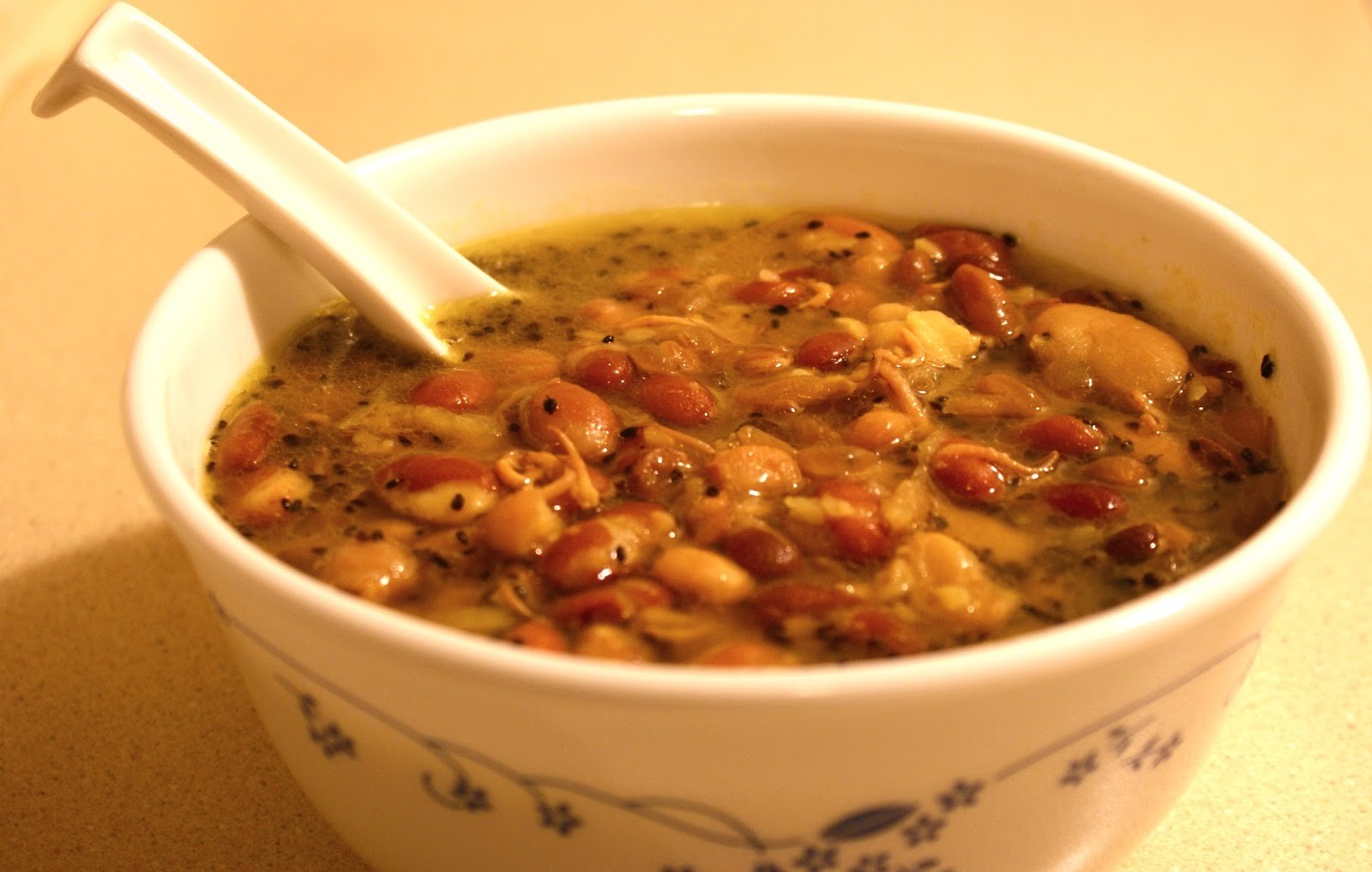
A big pot of bean and barley soup could feed a family for days, and it used almost nothing that needed ration stamps. Dried beans and pearl barley were cheap protein, and a ham bone or a strip of salt pork added smoky flavor when one was on hand. Carrots, celery, onions and tomatoes from the victory garden filled out the pot. The barley thickens the broth into something hearty enough for supper, and like most soups, it tastes even better reheated the next day, a lesson wartime ration recipes taught well.
You will need: 1 cup dried navy beans (soaked overnight), 1/2 cup pearl barley, 1 ham bone or 4 ounces salt pork (optional), 1 chopped onion, 2 diced carrots, 2 diced celery stalks, 1 can (14 ounces) diced tomatoes, 8 cups water or broth, 1 bay leaf, salt and pepper.
How to make it: 1. Drain the beans and place in a large pot with water, ham bone and bay leaf. 2. Simmer 1 hour until the beans start to soften. 3. Add barley, onion, carrots, celery and tomatoes. 4. Simmer 45 minutes more until the barley is tender. 5. Remove the bone, pull off any meat, season and serve.
Honey Oatmeal Cookies From Old Wartime Ration Recipes Cards
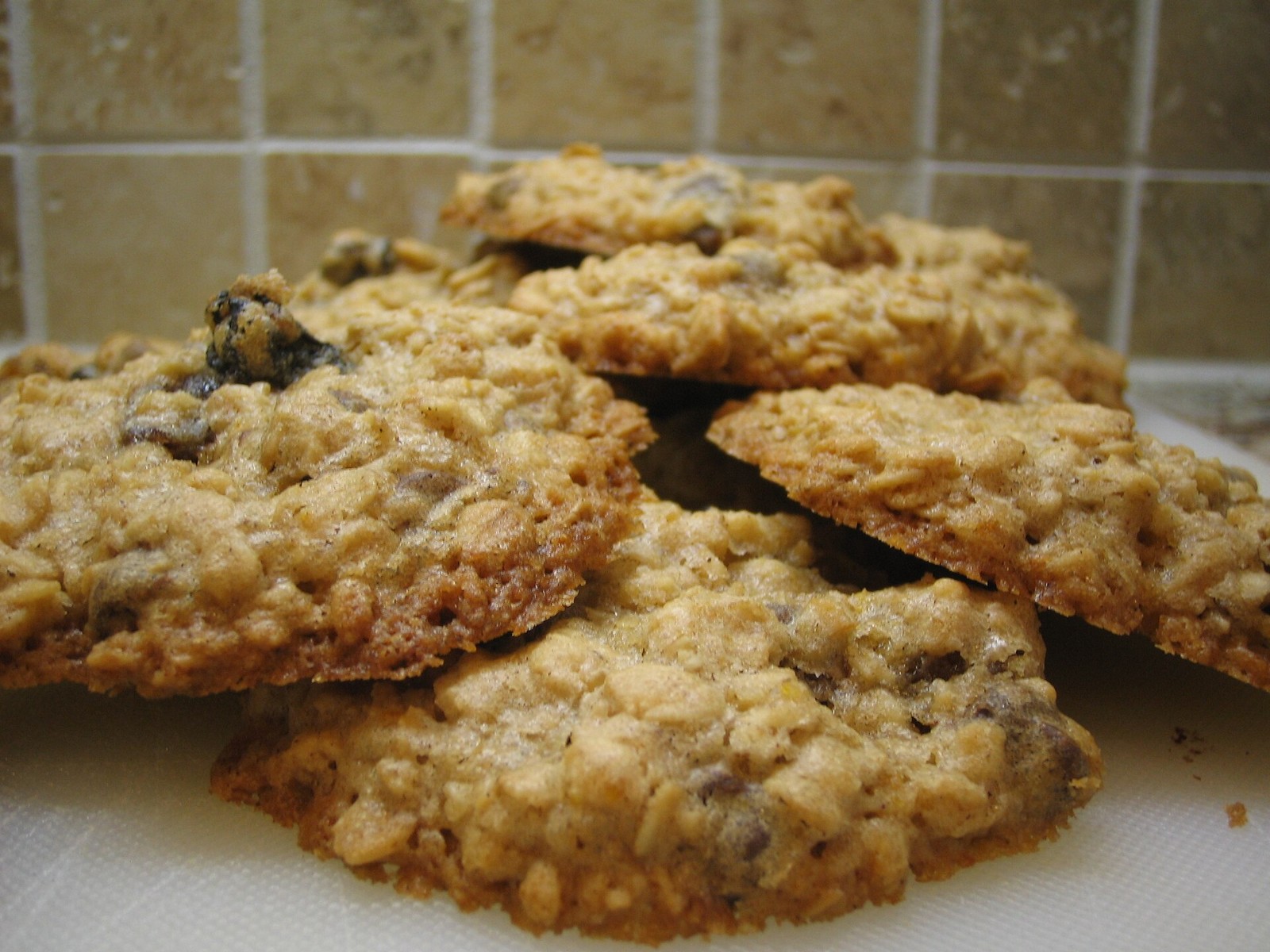
When sugar became the very first food rationed in America in 1942, bakers turned to honey, molasses and corn syrup to keep the cookie jar full. Oatmeal cookies were a natural fit, since oats were cheap, filling and plentiful. A little honey keeps them soft and chewy, raisins add natural sweetness, and margarine or shortening stands in for scarce butter. These cookies were packed into care packages for soldiers overseas because they stayed fresh for weeks. Today they are a lower sugar treat the whole family still loves.
You will need: 1/2 cup shortening or margarine, 1/2 cup honey, 1/4 cup brown sugar, 1 egg, 1 teaspoon vanilla, 1 cup flour, 1/2 teaspoon baking soda, 1/2 teaspoon salt, 1 teaspoon cinnamon, 2 cups rolled oats, 3/4 cup raisins.
How to make it: 1. Heat oven to 350°F and line baking sheets. 2. Beat shortening, honey and brown sugar, then add egg and vanilla. 3. Mix in flour, baking soda, salt and cinnamon. 4. Stir in oats and raisins. 5. Drop by spoonfuls and bake 10 to 12 minutes until golden at the edges.
Potato and Cheese Pasties for the Lunch Pail
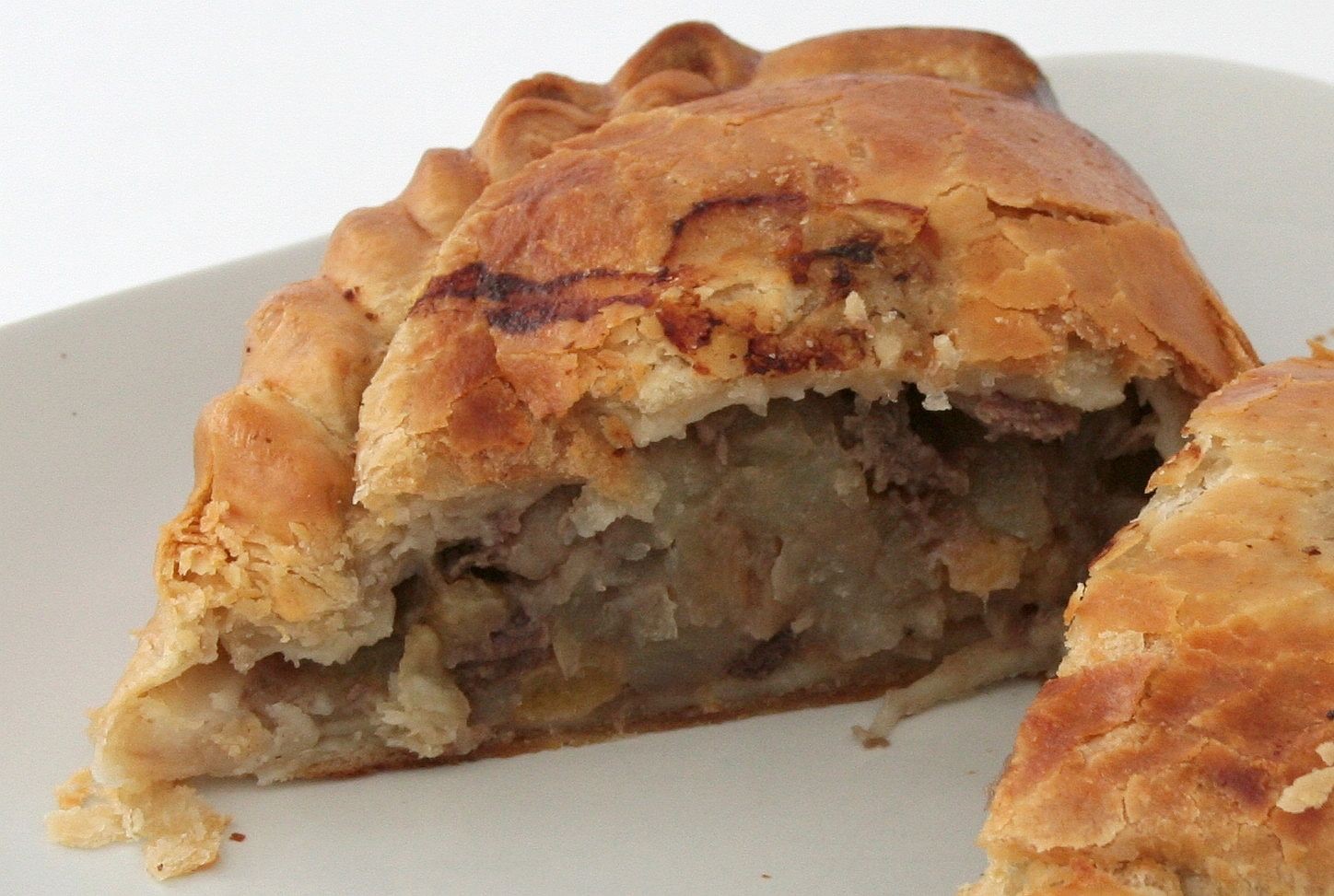
Pasties, the folded hand pies carried by miners for generations, became a smart wartime lunch because the filling could be mostly potatoes, onions and turnips with only a little cheese or meat. Factory workers on long shifts building planes and ships packed them in lunch pails, since they held together and tasted good warm or cold. A crisp crimped crust seals in a peppery, buttery filling that is pure comfort. Make a batch on Sunday and they will cover lunches for most of the week, just like the wartime ration recipes promised.
You will need: Pastry for 2 double crust pies, 2 cups finely diced potatoes, 1 cup diced turnip or rutabaga, 1 chopped onion, 1 cup shredded sharp cheese, 1 teaspoon salt, 1 teaspoon black pepper, 2 tablespoons butter or margarine, 1 egg (beaten).
How to make it: 1. Heat oven to 400°F. 2. Toss potatoes, turnip, onion, cheese, salt and pepper. 3. Roll the pastry and cut six 8 inch circles. 4. Spoon filling onto half of each circle, dot with butter, fold over and crimp the edges. 5. Brush with egg, cut a small vent and bake 40 to 45 minutes until golden.
Carrot Cake Sweetened by the Garden
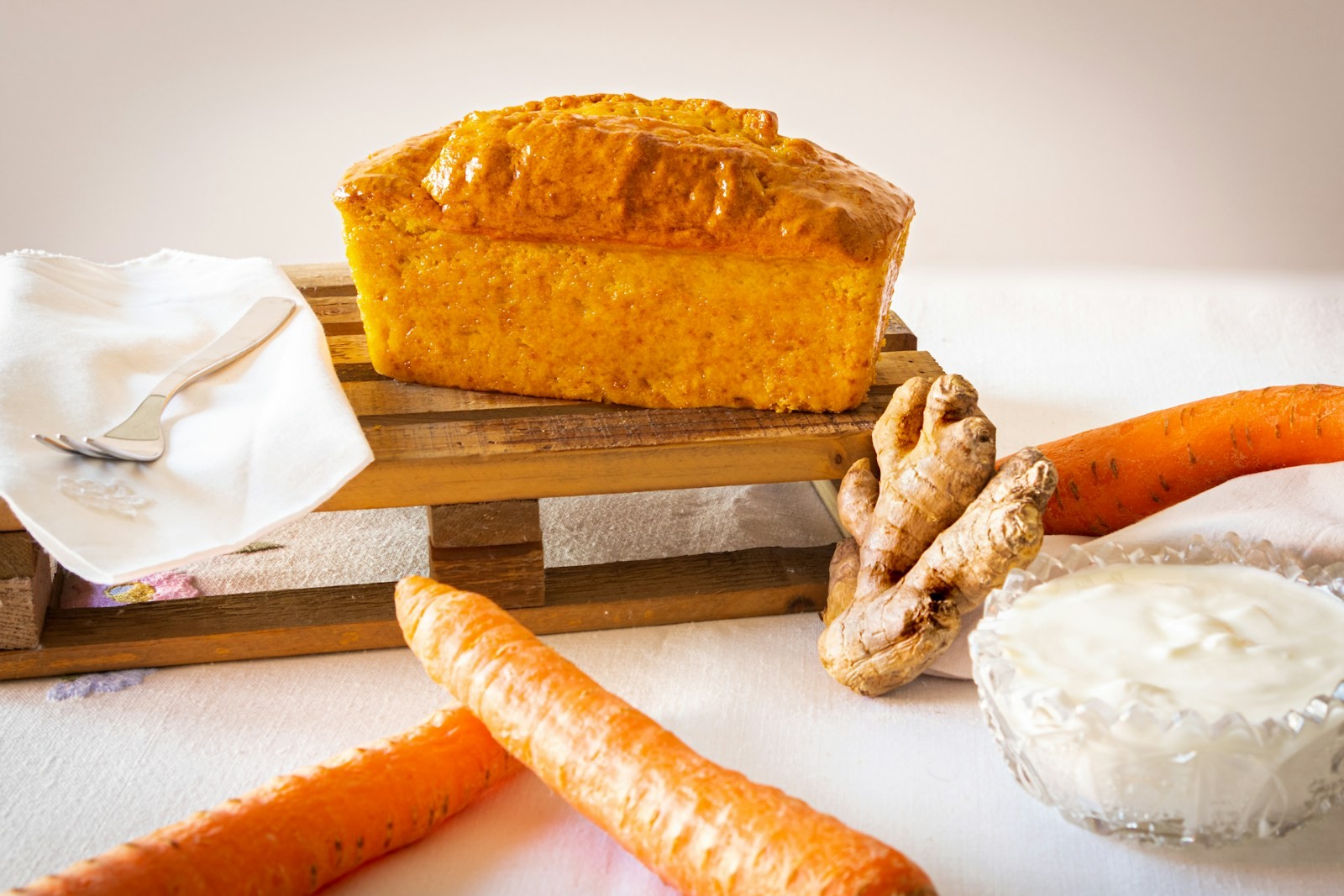
Carrots were the unsung heroes of home front kitchens. They grew easily in victory gardens, and their natural sweetness let bakers cut back on rationed sugar in cakes, puddings and cookies. British food officials even promoted carrots with cheerful cartoon campaigns. Wartime carrot cakes were plainer than today’s tall layer cakes, but the idea stuck and became the frosted favorite we know now. A spiced, moist carrot loaf is still a smart way to bake with less sugar, and a thin cream cheese spread makes it special. It is a sweet ending for any list of wartime ration recipes.
You will need: 2 cups grated carrots, 1 1/2 cups flour, 3/4 cup brown sugar, 1/2 cup oil, 2 eggs, 1 teaspoon baking soda, 1 teaspoon baking powder, 2 teaspoons cinnamon, 1/2 teaspoon nutmeg, 1/2 teaspoon salt, 1/2 cup raisins or walnuts, optional cream cheese frosting.
How to make it: 1. Heat oven to 350°F and grease a 9 inch pan. 2. Beat oil, brown sugar and eggs. 3. Mix in flour, baking soda, baking powder, spices and salt. 4. Fold in carrots and raisins or nuts. 5. Bake 35 to 40 minutes, cool and frost if you like.