Why Real Parmesan Is So Pricey (and the Easy Tricks That Make Every Wedge Last)
Real Parmesan is one of those foods most of us buy without thinking twice, until we see the price tag on a wedge. Then we wonder what makes a hard, crumbly cheese cost so much more than cheddar. The answer is a story of a tiny corner of Italy, more than a thousand years of tradition and a lot of patience. Here is what you are really paying for, and the simple kitchen habits that help every wedge go further..
What a Wheel of Real Parmesan Costs
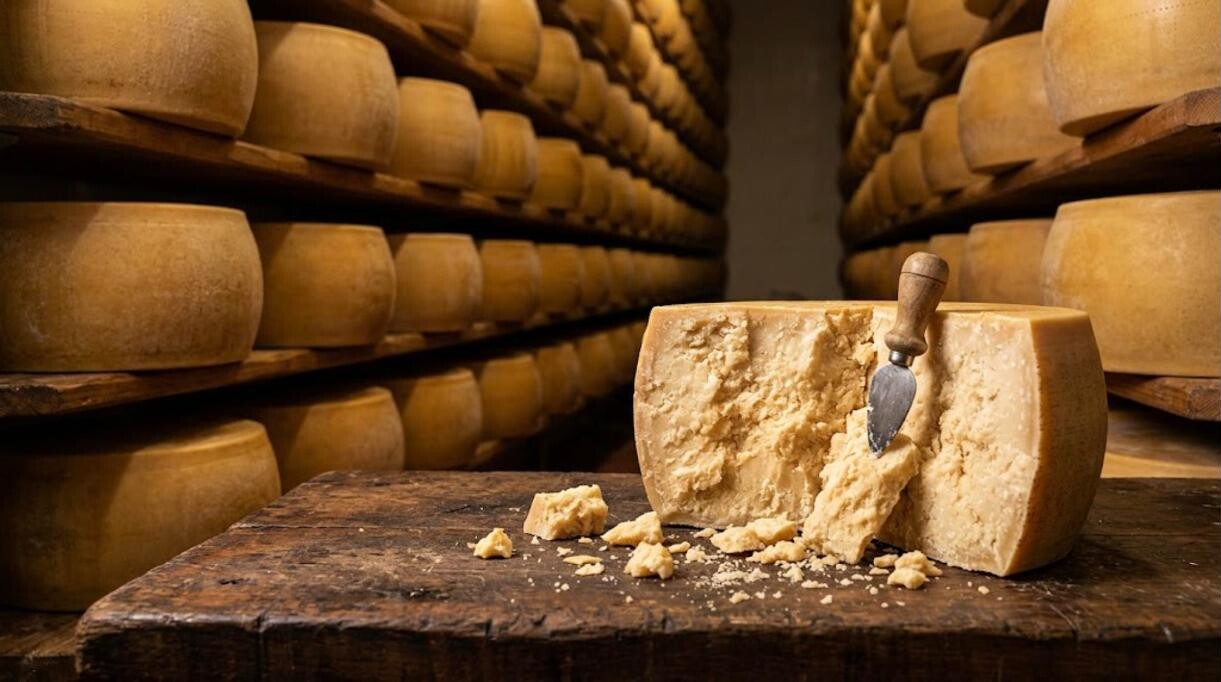
Here is the number that stops people in their tracks: a single wheel of Parmigiano Reggiano can cost over $1,000. That figure comes from a popular 2018 Insider Food video that has been watched more than 37 million times, so prices today may be different. In the video, an average wheel weighed about 88 pounds, which worked out to more than $11 a pound, or over double the price of an average cheddar at the time.
It is also big business. The same video reported that about 3.6 million wheels are made each year and that the industry is worth around 2.2 billion euros, or about 2.5 billion US dollars. Those are the 2018 figures, and both the numbers and the prices have likely changed since then.
Only Three Ingredients and a Thousand Years of History
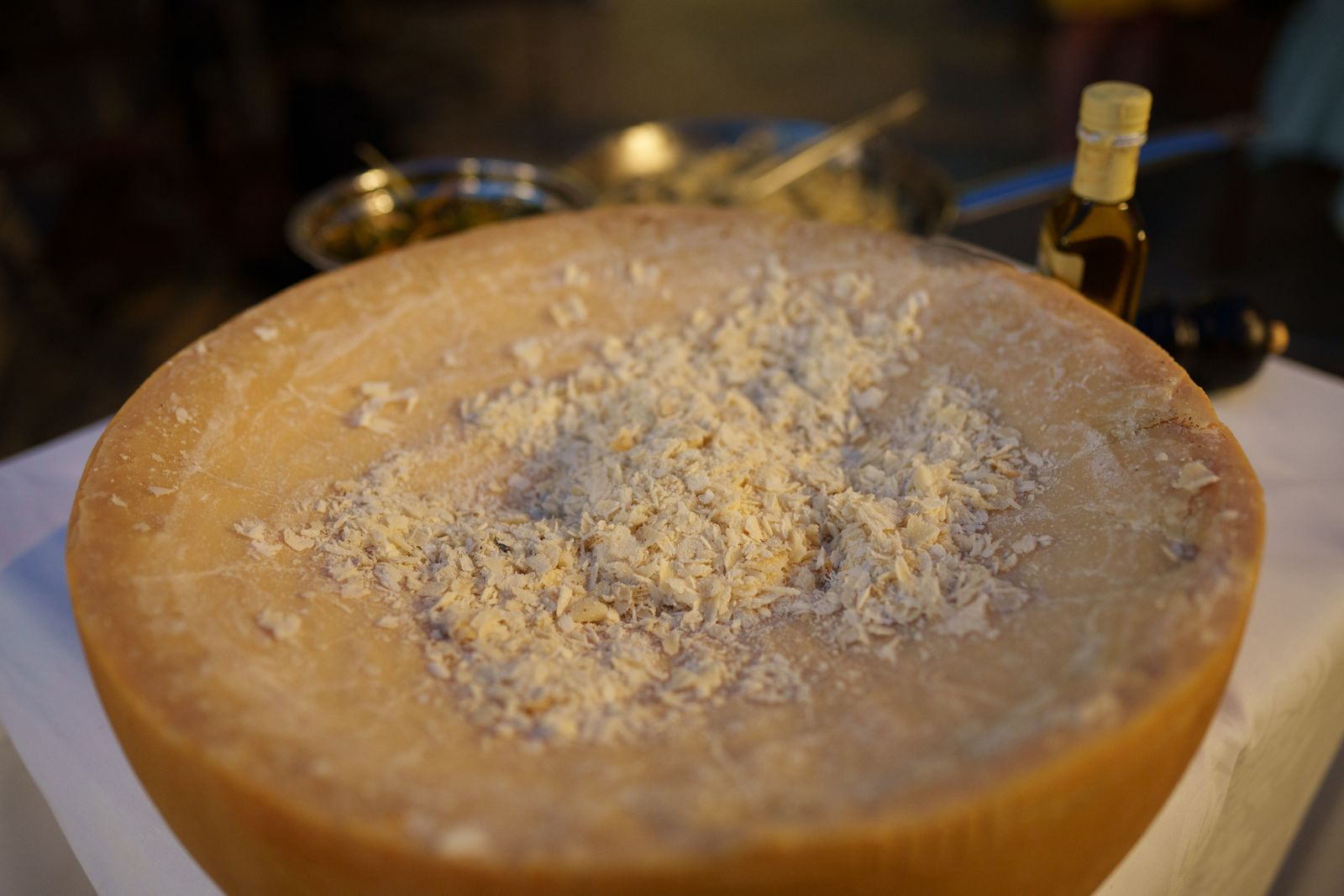
You might expect a fancy cheese to have a long ingredient list. Real Parmesan has just three: cow’s milk, salt and rennet. According to the video, monks were making it more than a thousand years ago, and the recipe has barely changed.
What has changed is how carefully it is protected. Parmigiano Reggiano can only be made in a small, restricted area of the Emilia Romagna region in northern Italy, around the cities of Parma and Reggio Emilia. The video counted 329 certified dairies at the time, all in that same zone. The video explains that three helpful bacteria found only in this territory are part of the reason the exact same cheese cannot be made anywhere else.
How a Wheel of Real Parmesan Is Born
It takes about 131 gallons of milk to make one wheel. The cheesemakers mix fresh whole milk with partly skimmed milk and pour it into big copper vats. Fermented whey, a little like a sourdough starter, goes in with the rennet, and the milk thickens until it can be broken into tiny curds with a long whisk like tool called a spino. The curds are gently cooked, then left to sink and settle for about 45 minutes.
What comes up from the bottom of the vat is a single mass of curd weighing around 220 pounds. Workers cut it in half, because that one mass becomes two wheels, and each half goes into a round mold. A stencil marks the famous pin dot lettering into the rind, and every wheel gets its own ID plaque. About four days later the stencil comes off and the wheels slide into a salt brine, where they float for about 19 days. That brine bath is what helps form the hard rind.
Aged for Years, and Copied Everywhere
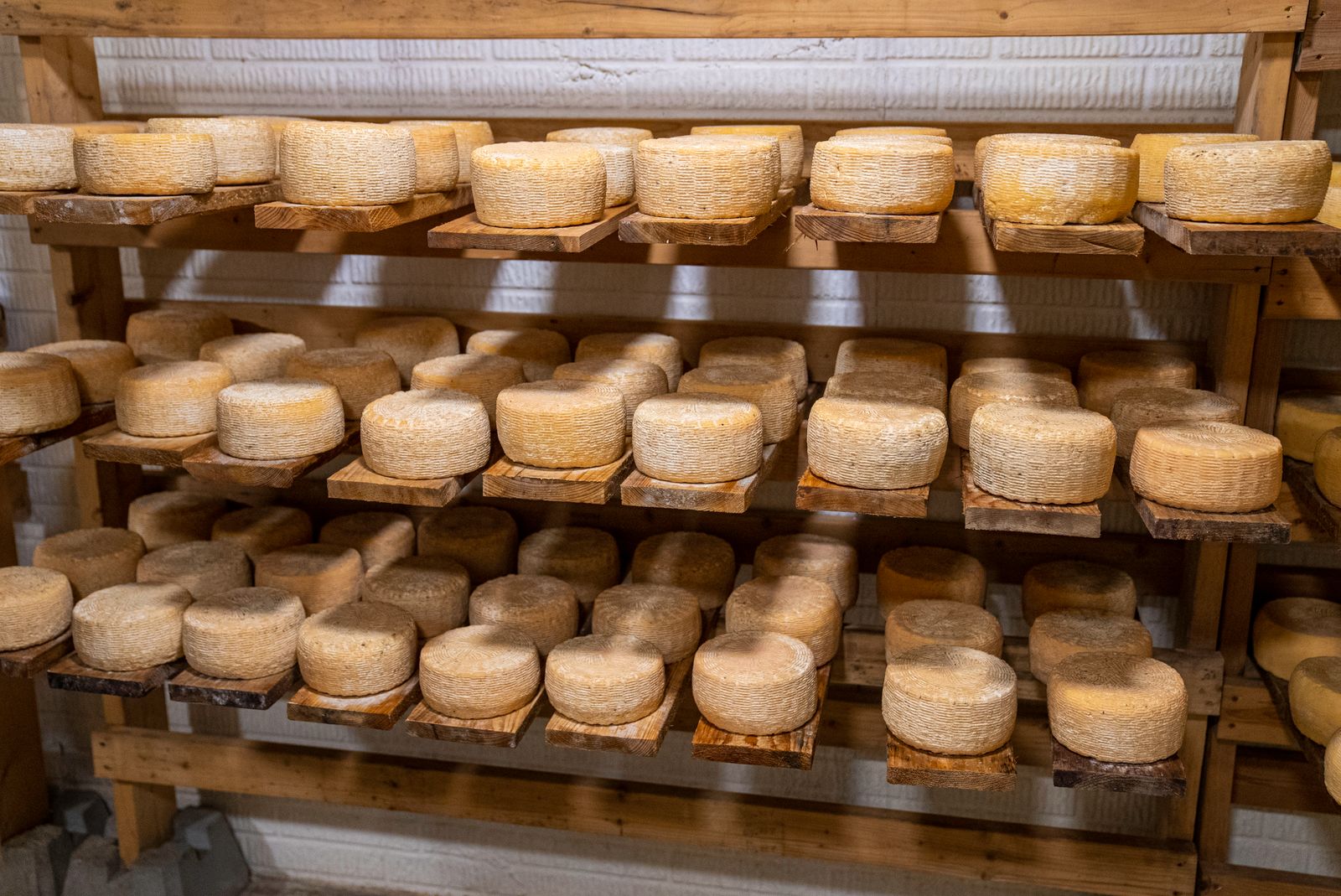
After the brine, the wheels rest on tall shelves for at least 12 months. Then a master grader inspects each one before it earns its official mark. In the video, the average wheel aged about two years, and some were aged as long as ten for a stronger, nuttier taste. Longer aging means a higher price: a cheese aged three years sold for around 13 euros a pound in 2018.
Those prices have created a huge market for copycats. Italy has battled fake food products for years, and the video put the value of that counterfeit industry at around 100 billion euros. Parmigiano Reggiano is protected in the European Union as a PDO, or Protected Designation of Origin, product. To know you are getting the real thing, look for the dotted Parmigiano Reggiano lettering on the rind. If you are buying a piece without visible rind, the package should show the official Parmigiano Reggiano logo and the PDO seal.
How to Make Every Wedge of Real Parmesan Last
Because it costs so much, it pays to waste none of it. These are the habits that help one wedge stretch through weeks of dinners:
Buy a wedge, not a tub. Grated cheese in a shaker often has anti caking agents added and loses flavor fast. A wedge stays fresh much longer, and you grate only what you need.
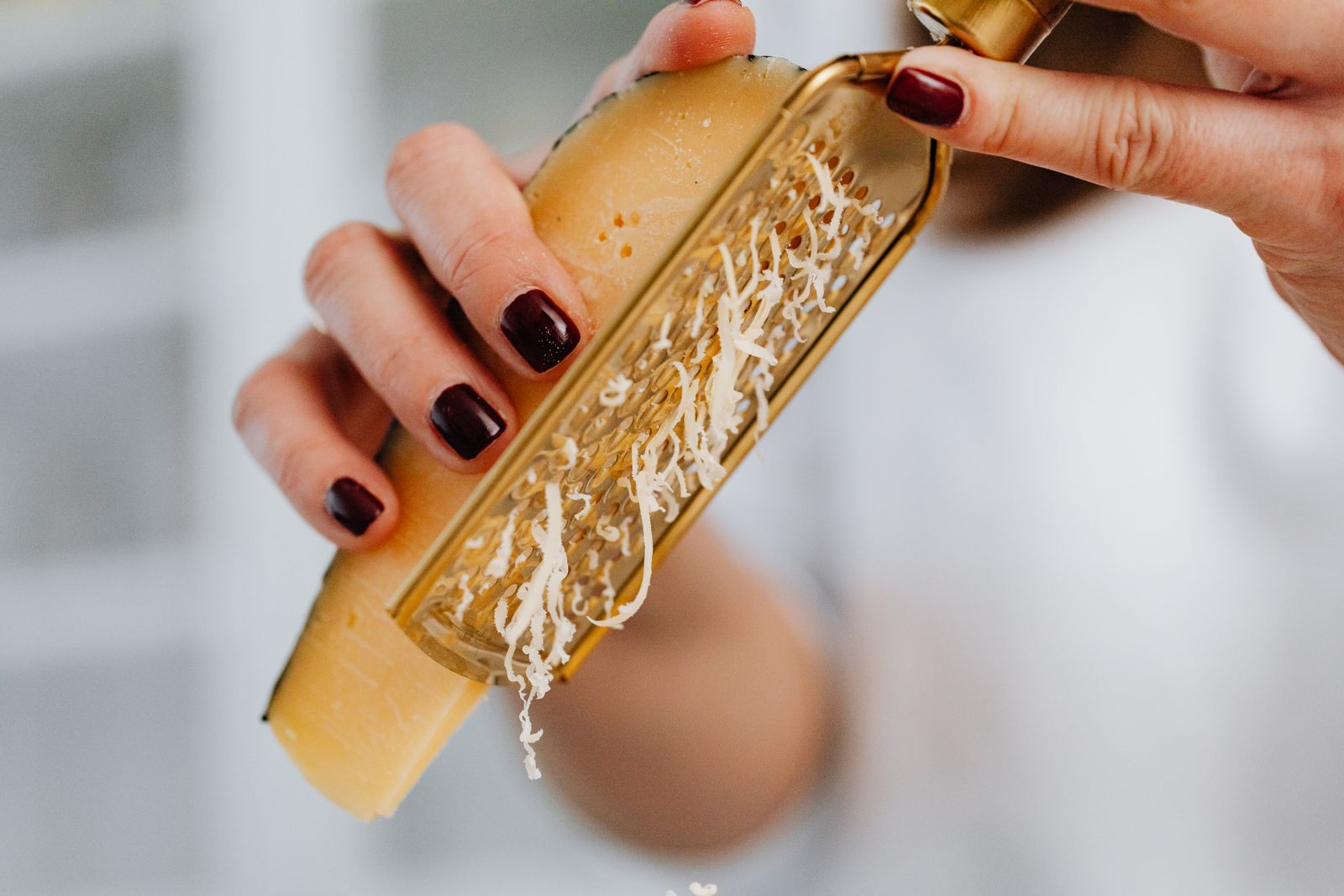
Grate it fresh and use less. Finely grated real Parmesan is fluffy and packed with flavor, so a small handful goes a long way on pasta, soup or salad.
Wrap it so it can breathe. Wrap the wedge in parchment or wax paper, then loosely in foil or a zip bag, and keep it in the cheese or vegetable drawer. Plastic wrap pressed tight on the cheese can trap moisture.
Save every rind. Keep a bag of rinds in the freezer. Drop one into a pot of minestrone, beans, tomato sauce or risotto, and it melts flavor into everything. Fish out what is left before serving.
Little Ways to Use a Little and Taste a Lot
A small amount of good cheese can turn a cheap dinner into something special. Toss hot spaghetti with butter, black pepper, a splash of pasta water and a big handful of finely grated cheese for a cacio e pepe style bowl. Simmer a few rinds with garlic, onion and herbs for an hour to make a rich broth for soup. Or spoon small mounds of grated cheese onto a lined baking sheet and bake at 400 F for 5 to 7 minutes to make crispy frico crackers. For more ideas, try one of our pasta night recipes for the family table, or add a wedge to one of our pretty cheese board ideas.
The next time you see that price on a wedge of real Parmesan, you will know it holds 131 gallons of milk, a year or more of waiting and centuries of craft. Treat it well and it will reward you, one snowy spoonful at a time.