Charming White House Traditions: 15 Holiday and Craft Ideas First Ladies Like Jacqueline Kennedy Started
Charming White House traditions did not all come from grand state dinners. Many began with a first lady who simply loved to decorate, sew, paint or garden. One started the habit of Halloween decorations, another gave the Christmas tree its first theme, and others crocheted, painted china, planted roses and even brought sheep onto the lawn. These small, homey choices shaped how millions of families celebrate today, and videos touring the decorated rooms each holiday season are watched millions of times. Below are fifteen true stories from history, each paired with a simple craft you can make at home, so a little of that famous charm can live on your own mantel, table or front door this season..
Charming White House Halloween Began With Mamie Eisenhower
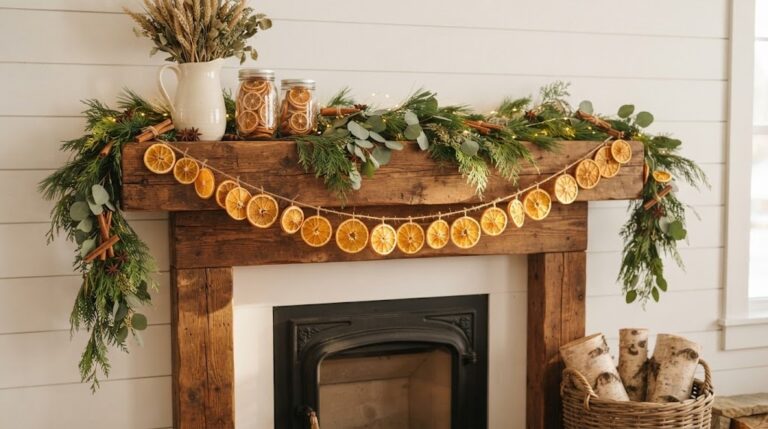
Mamie Eisenhower adored a festive house. In 1958 she was reported to be the first person to bring Halloween decorations into the White House, and at Christmas she had the rooms heavily decorated and bought gifts for the staff. Her love of holidays set the tone for the decorated rooms we all expect today. Bring her spirit home with a cozy mix of pumpkins, paper bats and fall leaves on the mantel, then swap to evergreen when December arrives. Let the season begin..
You will need: Small pumpkins and gourds, black cardstock, scissors, a bat template, removable tape, faux autumn leaves.
How to make it: 1. Trace and cut paper bats from cardstock. 2. Fold the wings slightly so they look like they are flying. 3. Tape them in a swoop above the mantel. 4. Group pumpkins and leaves below.
Charming White House Christmas: Jacqueline Kennedy’s Nutcracker Tree
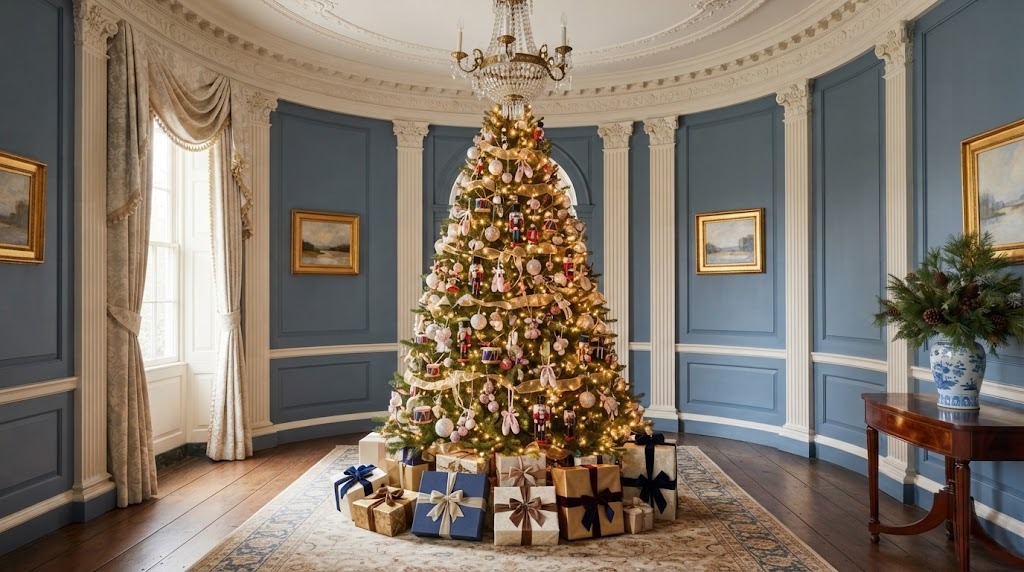
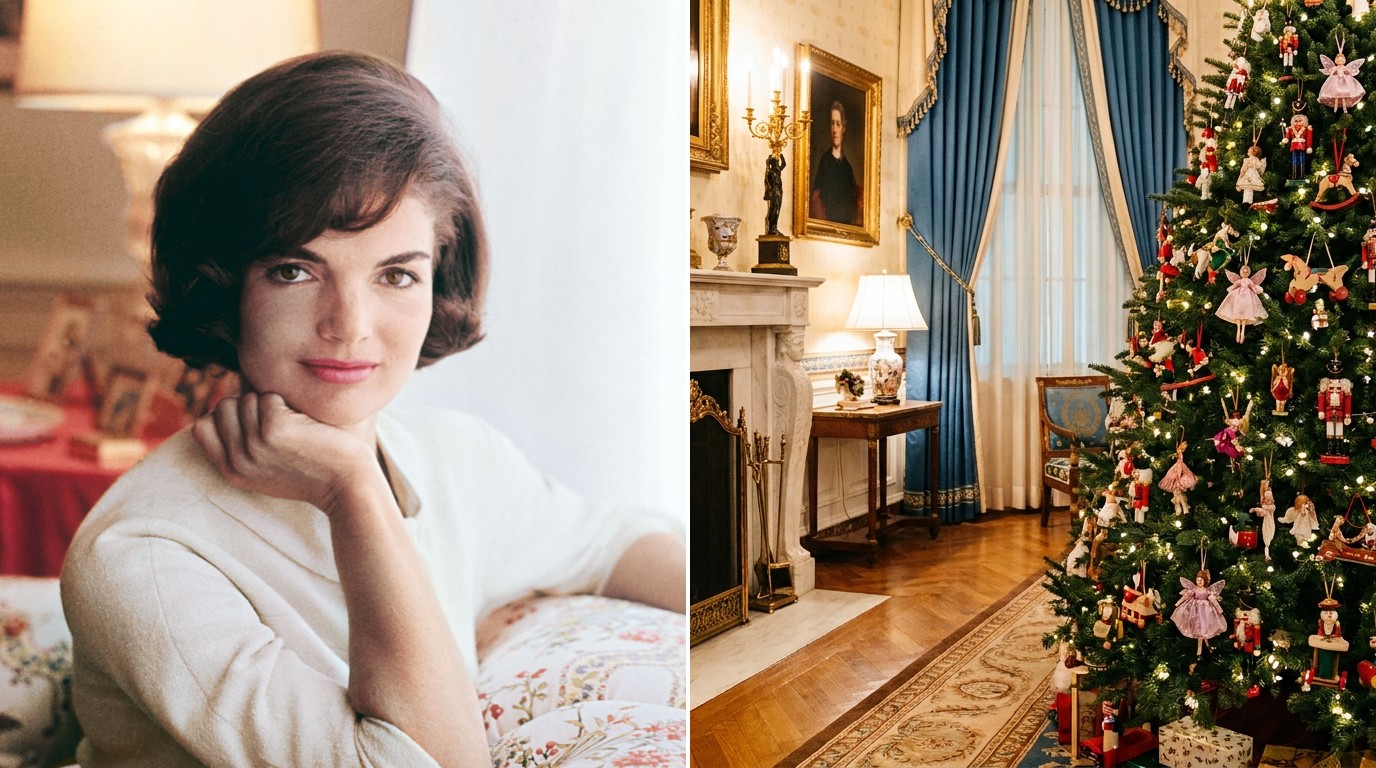
In 1961, Jacqueline Kennedy began the tradition of choosing a theme for the White House Christmas tree, decorating it with a Nutcracker motif. Ever since, first ladies have picked a new theme each year. A themed tree at home is easier than it sounds: choose one story, color or hobby and let every ornament follow it. Toy soldiers, sugar plums, ballet slippers and gold ribbon make a lovely Nutcracker look. What theme would your family pick?
You will need: Small wooden toy soldier ornaments, felt for ballet slippers, gold ribbon, plum colored ornaments, a hot glue gun (adult help).
How to make it: 1. Pick a theme and two or three colors. 2. Make felt slipper ornaments with ribbon ties. 3. Add toy soldiers and plum ornaments. 4. Finish with gold ribbon woven through the branches.
Lou Henry Hoover Starts the First Lady Tree Tradition
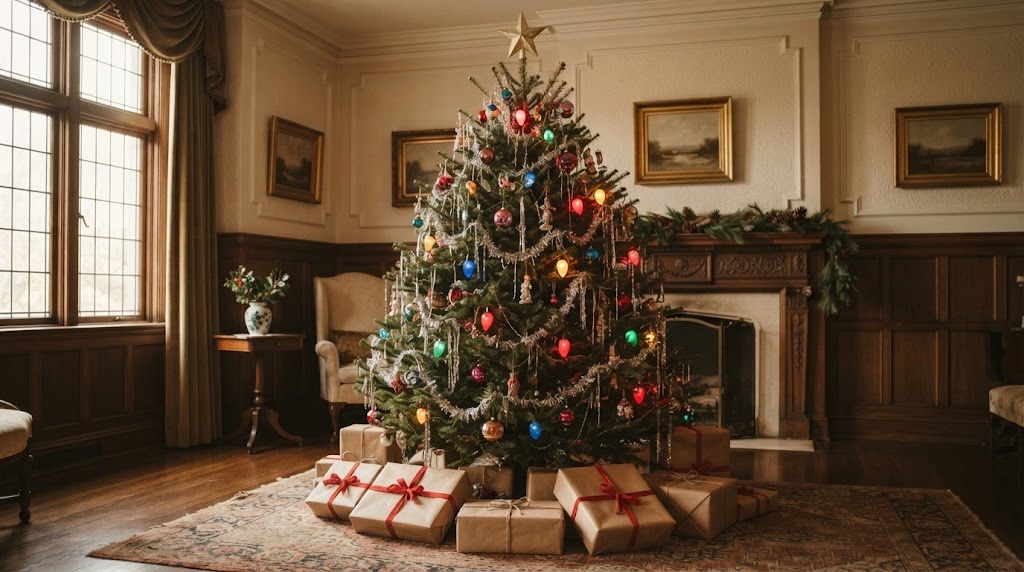
In 1929, Lou Henry Hoover began the tradition of presidential wives decorating the White House tree, with what is called the first official White House Christmas tree. It became a charming White House custom that every first lady since has followed. A 1920s look is easy to recreate: think shiny glass balls, silver tinsel, big old fashioned colored bulbs and gifts wrapped in plain paper with red ribbon. Thrift shops are full of vintage style ornaments this time of year. Do you have any ornaments from your grandparents?
You will need: Glass or shatterproof vintage style ornaments, silver tinsel, large bulb string lights, kraft paper, red ribbon.
How to make it: 1. Wind the lights deep into the branches. 2. Hang the glass ornaments evenly. 3. Drape tinsel strand by strand. 4. Wrap gifts in kraft paper with red ribbon.
Caroline Harrison Decorates an Early Indoor Tree
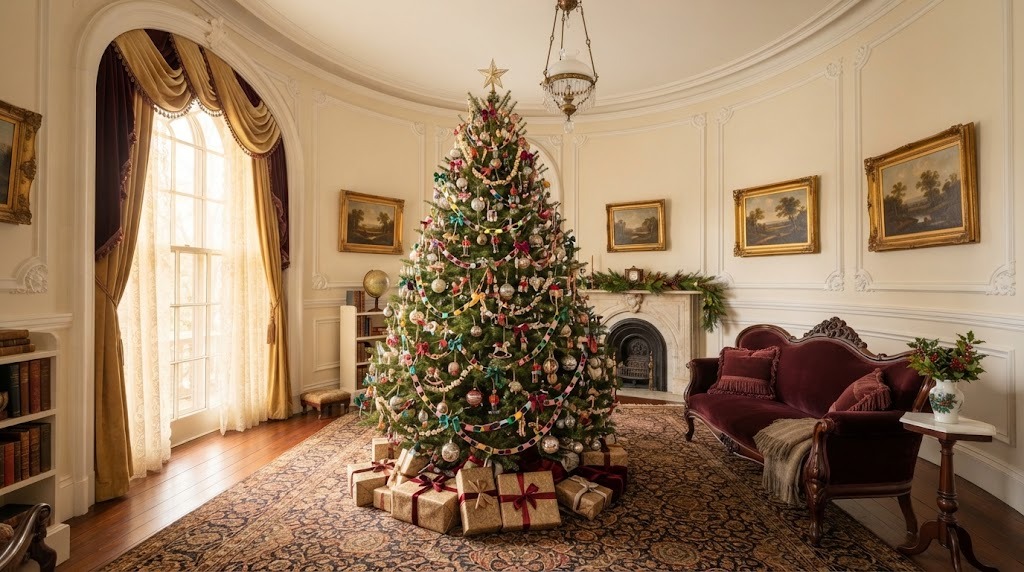
Some of the earliest indoor Christmas trees at the White House arrived during the Benjamin Harrison years, and Caroline Harrison helped decorate one that stood in the second floor oval parlor, today known as the Yellow Oval Room. Victorian trees were full of homemade touches like paper chains, strings of popcorn, little toys and fabric bows. Kids can make a whole tree worth of paper chains in an afternoon. How long a chain can your family make?
You will need: Colored paper strips, a glue stick or stapler, plain popcorn, a needle and thread (adult help), fabric scraps.
How to make it: 1. Cut paper into strips 1 inch wide. 2. Loop and glue each strip through the last one. 3. Thread popcorn into a garland. 4. Tie small fabric bows on the branches.
Caroline Harrison Took Up China Painting
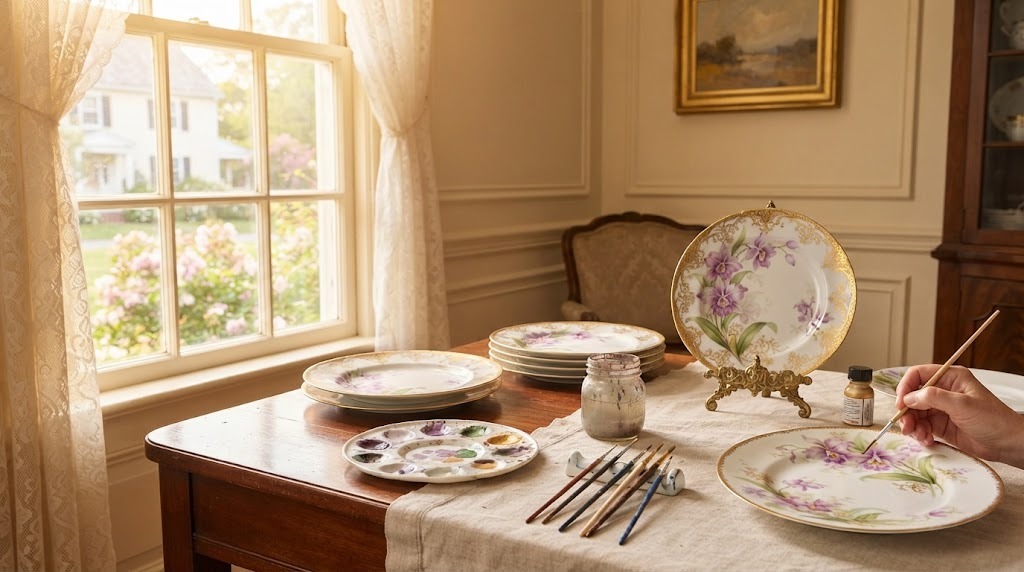
Caroline Harrison was an artist at heart, and she began china painting during her time in the White House. She also took great interest in china from earlier presidents that was stored in the attic, organizing it into what would become the White House china collection. Painting a plate is a lovely gift project today too. Porcelain paint pens make it easy, and many kinds can be baked in a home oven to set the design. Who would you paint a plate for?
You will need: Plain white porcelain plates, porcelain paint pens or brush on porcelain paint, a pencil, rubbing alcohol, an oven (adult help).
How to make it: 1. Clean the plate with rubbing alcohol. 2. Sketch a simple flower lightly. 3. Paint over it and add a gold rim. 4. Bake as the paint label directs and let it cool in the oven.
Orchids Became the Official Flowers for Receptions
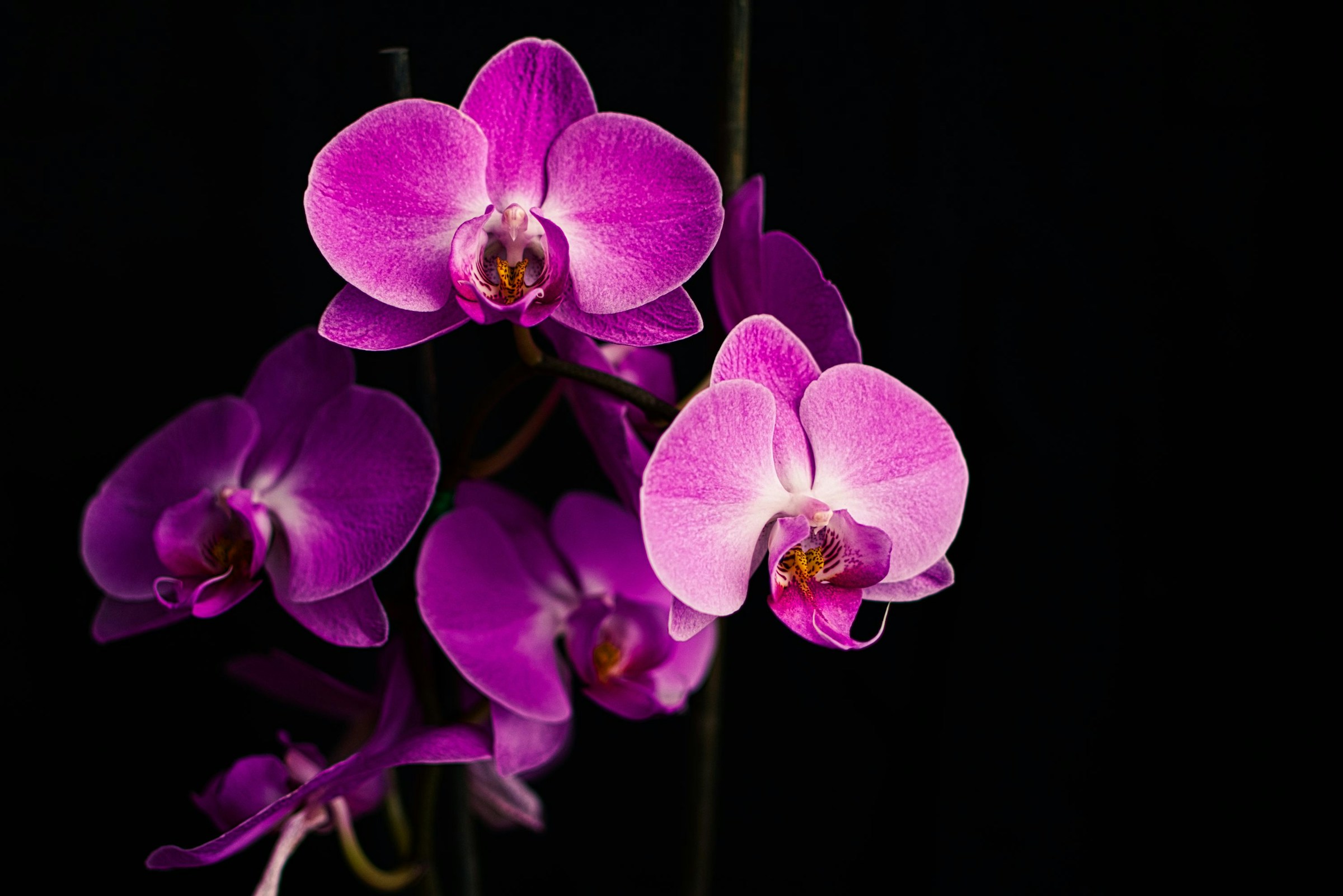
Caroline Harrison also introduced orchids as the official floral decoration at state receptions, a charming White House touch of elegance that guests talked about. Orchids still feel special today, and a single potted orchid can make a whole table look grand. For a craft twist, make paper or tissue orchids for a holiday centerpiece that never needs watering. Group a few in a low dish with moss for a look worthy of a reception. Do you have a green thumb or would you rather go paper?
You will need: Purple and white tissue paper or crepe paper, floral wire, floral tape, scissors, a small dish and moss.
How to make it: 1. Cut five petal shapes and a frilly lip for each flower. 2. Wire the petals around a small center. 3. Wrap the stems with floral tape. 4. Arrange the flowers in a dish of moss.
Charming White House Crochet: Grace Coolidge’s Bed Cover
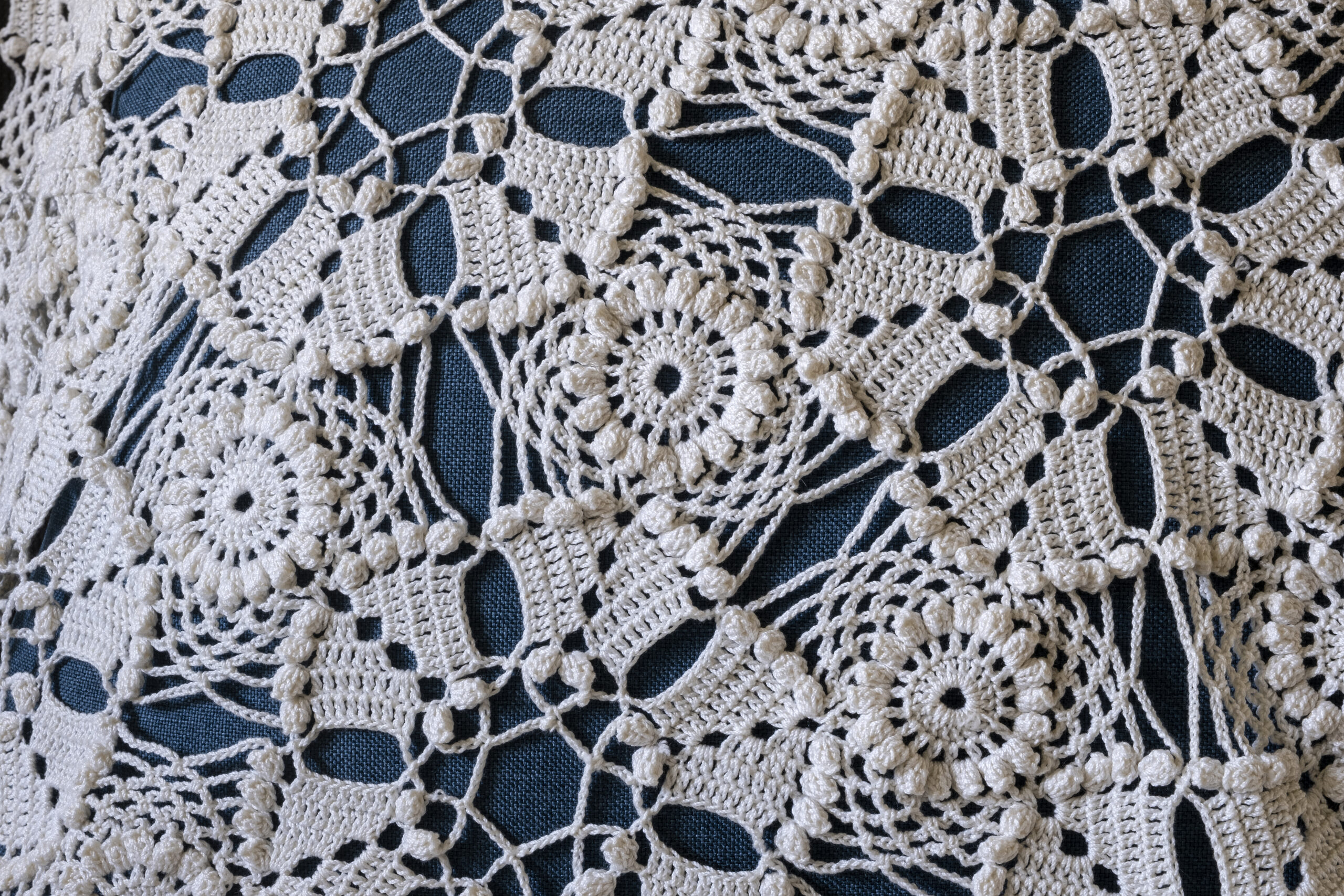
Grace Coolidge added her own handmade touch to the White House. As part of the refurbishing, she crocheted a bed cover for the Lincoln Bedroom, a charming White House story that crafters love. A full bedspread is a big project, but you can start smaller with a throw made from granny squares. Each square is quick, portable and perfect for a few minutes in front of the TV. Join them as you go and the blanket grows all winter. Have you ever tried crochet?
You will need: Worsted weight cotton or wool yarn, a size H crochet hook, scissors, a yarn needle.
How to make it: 1. Learn a basic granny square from a beginner pattern. 2. Make squares in two or three colors. 3. Join them in rows with a yarn needle. 4. Add a simple border all around.
Eleanor Roosevelt’s Val-Kill Furniture Workshop
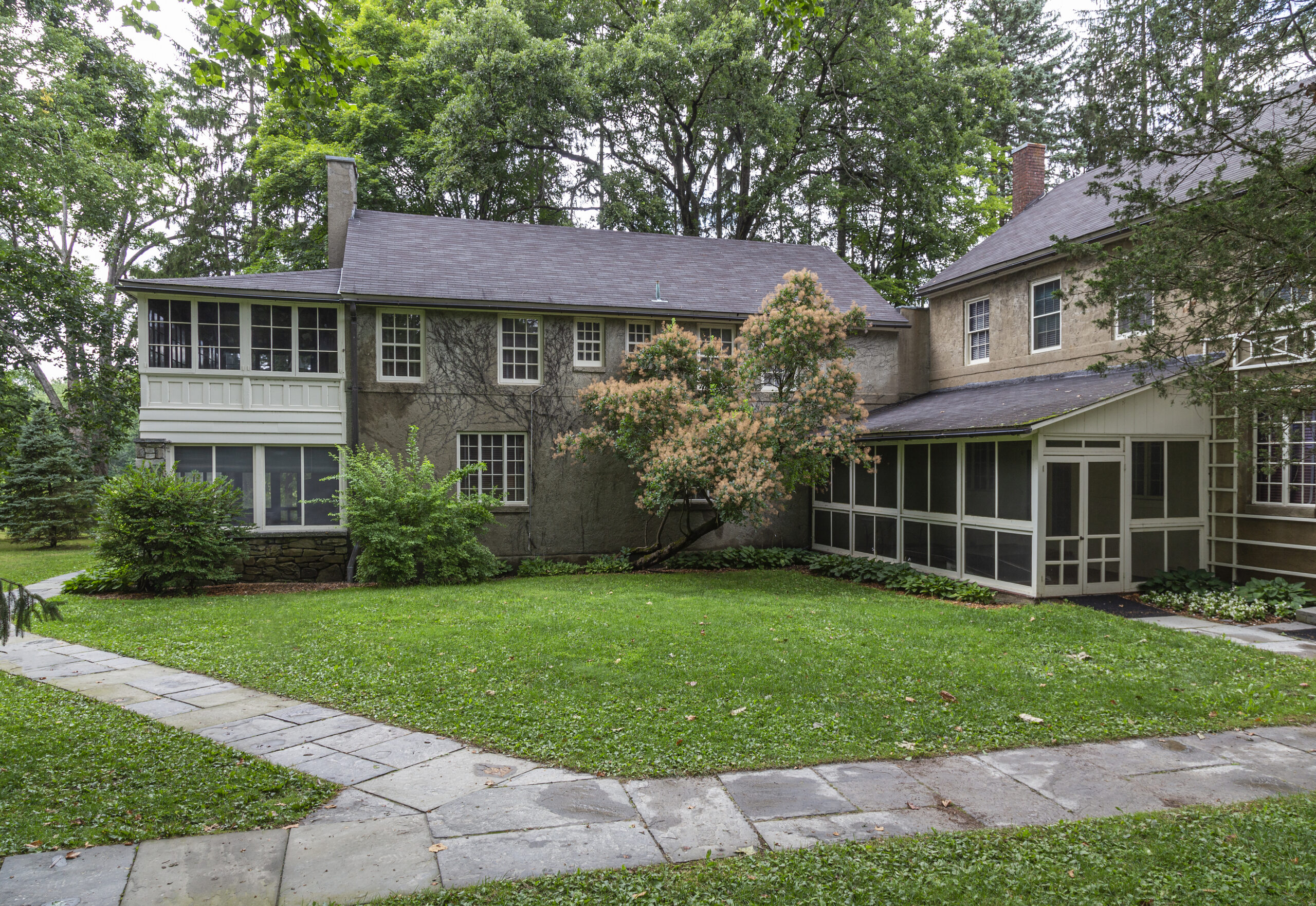
Eleanor Roosevelt and her business partners financed a small factory at Val-Kill in Hyde Park, New York, to give local farming families extra income. Workers made furniture using traditional craft methods, and Nancy Cook, a trained artisan and teacher, designed most of the pieces. The idea was to keep handcraft skills alive. You can honor that spirit by refinishing a simple wooden chair or stool from a thrift shop. Sand it, oil it and give it a second life. What old piece could you rescue?
You will need: A wooden stool or chair, sandpaper in medium and fine grits, a tack cloth, furniture oil or wax, rags, gloves.
How to make it: 1. Wipe the piece clean. 2. Sand with medium, then fine grit. 3. Remove dust with a tack cloth. 4. Rub in oil or wax with a rag and let it cure.
Pewter and Homespun Cloth From Val-Kill
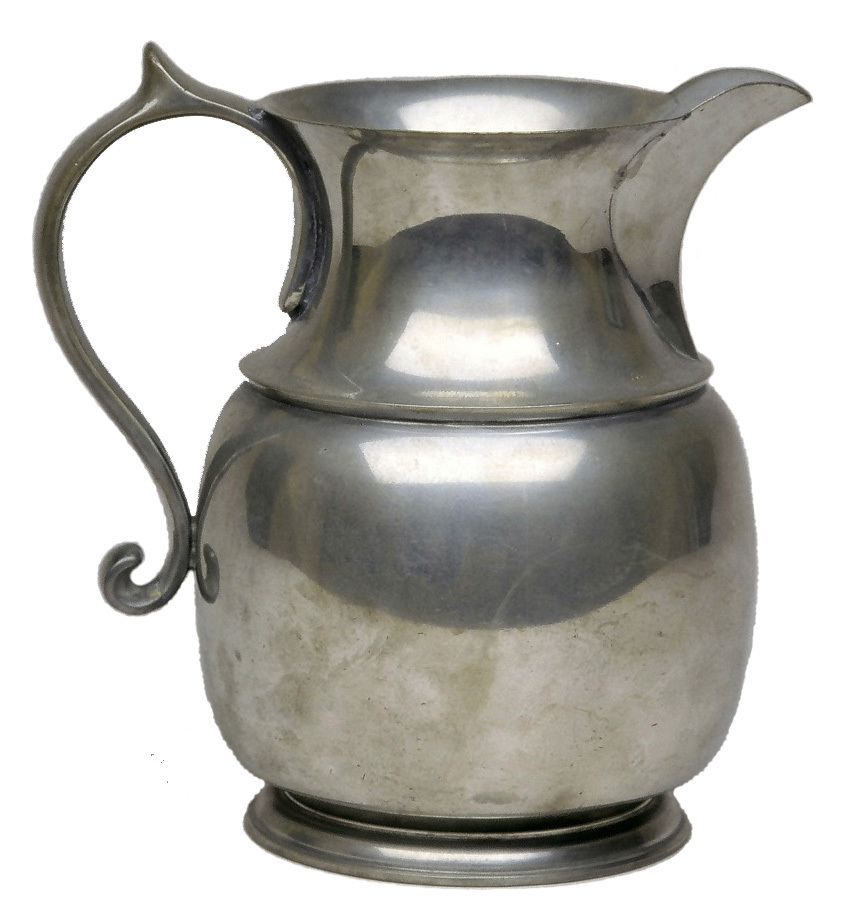
Val-Kill did not stop at furniture. The workshop also made pewter and homespun cloth, using the same traditional methods. Pieces like this simple pewter pitcher show how beautiful everyday objects can be when made by hand. At home, try a homespun inspired craft: weave a small table runner on a cardboard loom using soft wool yarn. It is calming, kid friendly and makes a warm addition to a holiday table. Would you set it under a pewter pitcher or a pot of greenery?
You will need: A sturdy piece of cardboard, a ruler, scissors, cotton string for the warp, wool yarn in two colors, a large blunt needle.
How to make it: 1. Cut notches along two ends of the cardboard. 2. Wrap the string around to make the warp. 3. Weave yarn over and under, pressing rows down. 4. Slide it off and knot the ends.
Ellen Wilson’s Third Floor Painting Studio
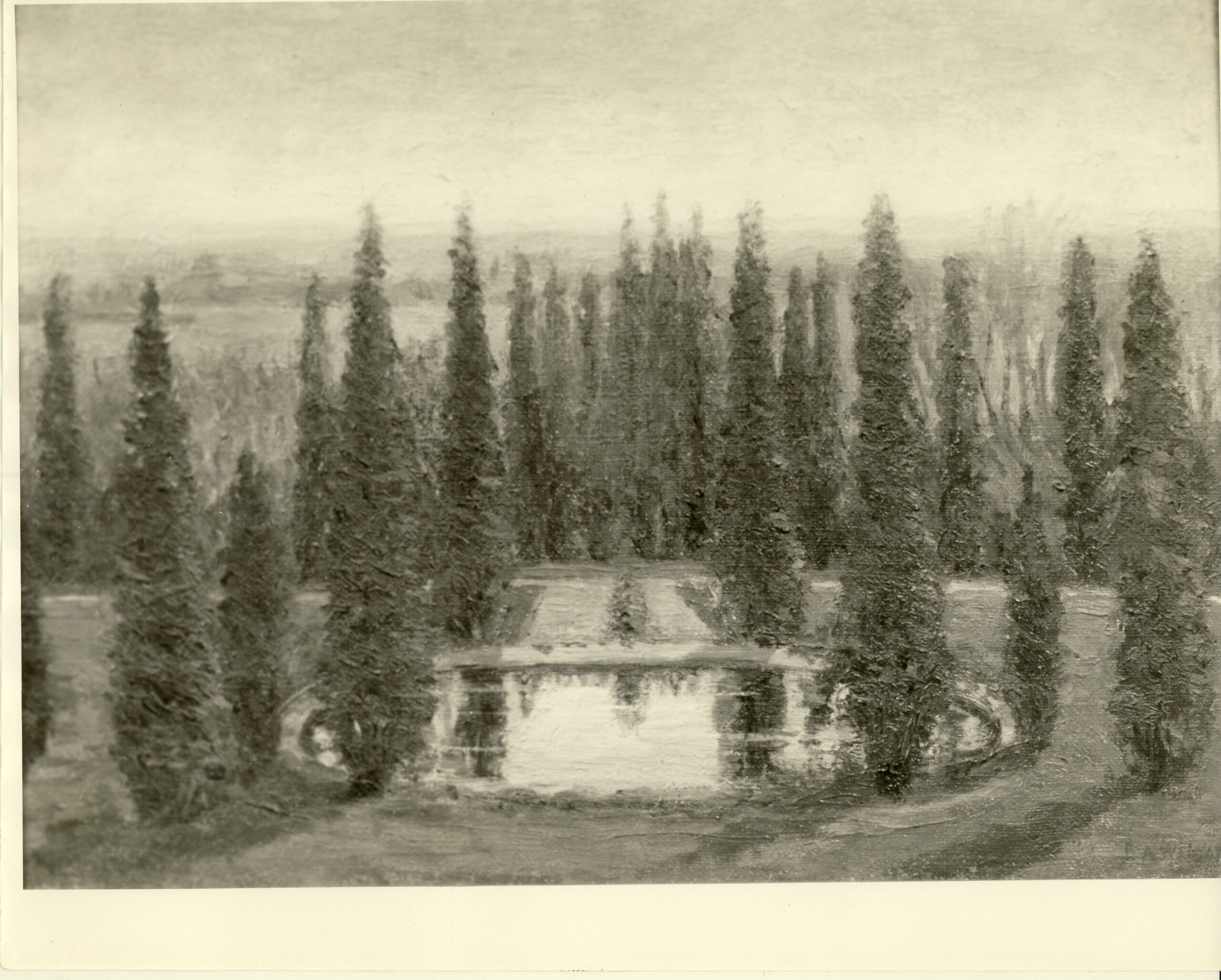
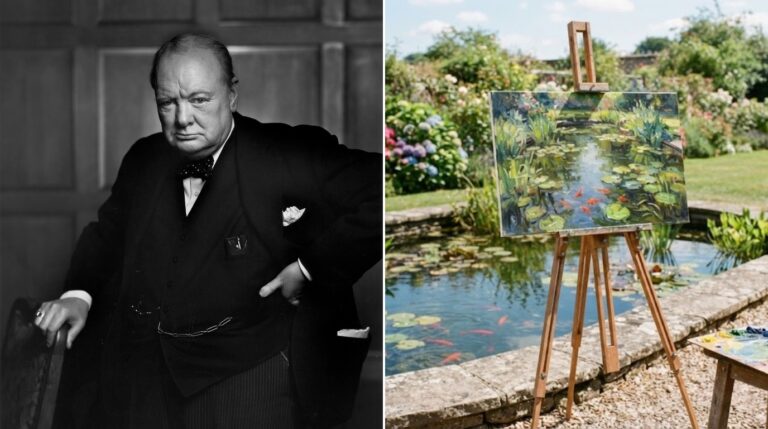
Ellen Axson Wilson was a trained painter. As first lady, she drew sketches and painted in a studio set up on the third floor of the White House, and she exhibited her work under an assumed name. This landscape is one of her own paintings. Her story is a sweet reminder to make space for your own creativity, even in a busy life. Start with a small watercolor sketchbook and paint one simple scene a week. Where would your studio corner be?
You will need: A small watercolor sketchbook, a beginner watercolor set, two round brushes, a jar of water, paper towels, a pencil.
How to make it: 1. Sketch a simple landscape lightly. 2. Paint the sky first with watered down color. 3. Add hills and trees once it dries. 4. Finish with darker details.
Charming White House Gardens: The Rose Garden, 1913
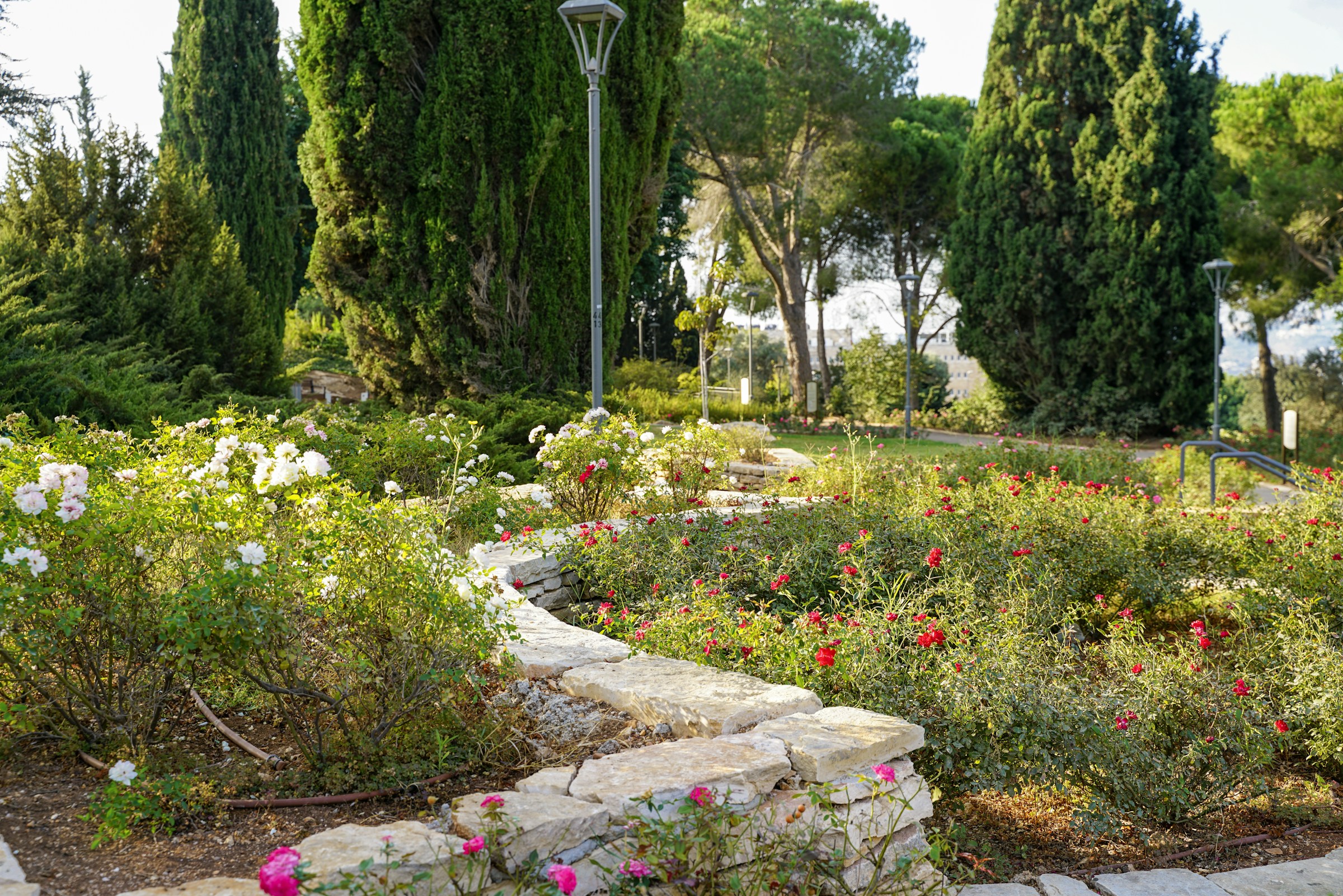
The White House Rose Garden was established in 1913 by Ellen Wilson and designed by landscape architect George Burnap. More than a century later, it is one of the most famous gardens in the country and part of charming White House history. You can save a bit of rose garden beauty all year with pressed petal cards. Dry petals flat in a heavy book, then glue them onto blank cards for thank you notes or holiday greetings. Which flower would you press first?
You will need: Fresh rose petals, paper towels, a heavy book, blank cards, white glue, a small brush, tweezers.
How to make it: 1. Lay petals between paper towels in the book. 2. Press for 1 to 2 weeks. 3. Brush a thin layer of glue on the card. 4. Place the petals with tweezers and let dry.
Edith Wilson’s Sheep on the Lawn
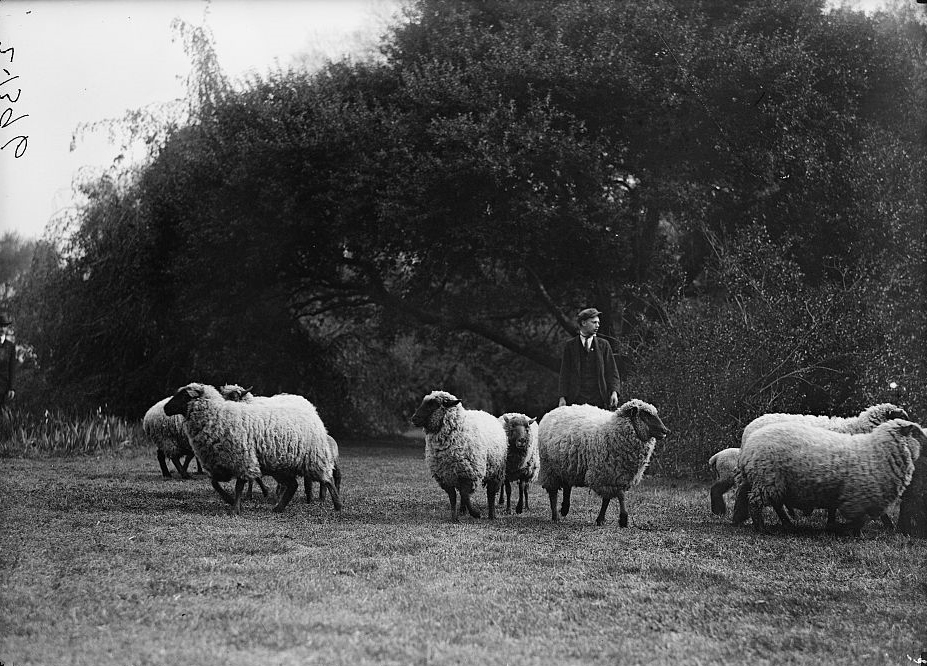
During World War I, Edith Wilson set sheep to graze on the White House lawn instead of using workers to mow it, and their wool was auctioned off to benefit the American Red Cross. It is one of the most surprising pictures in history. A cute tribute is a little flock of yarn pom pom sheep for the mantel or tree. Use white yarn for the bodies and black felt for the faces and legs. Kids adore making these. How many sheep will be in your flock?
You will need: White yarn, a fork or pom pom maker, black felt, scissors, white glue, small googly eyes.
How to make it: 1. Wrap yarn around a fork about 60 times. 2. Tie it tightly in the middle and cut the loops. 3. Fluff and trim into a round body. 4. Glue on a felt face, ears and legs.
Abigail Adams Hung Laundry in the East Room
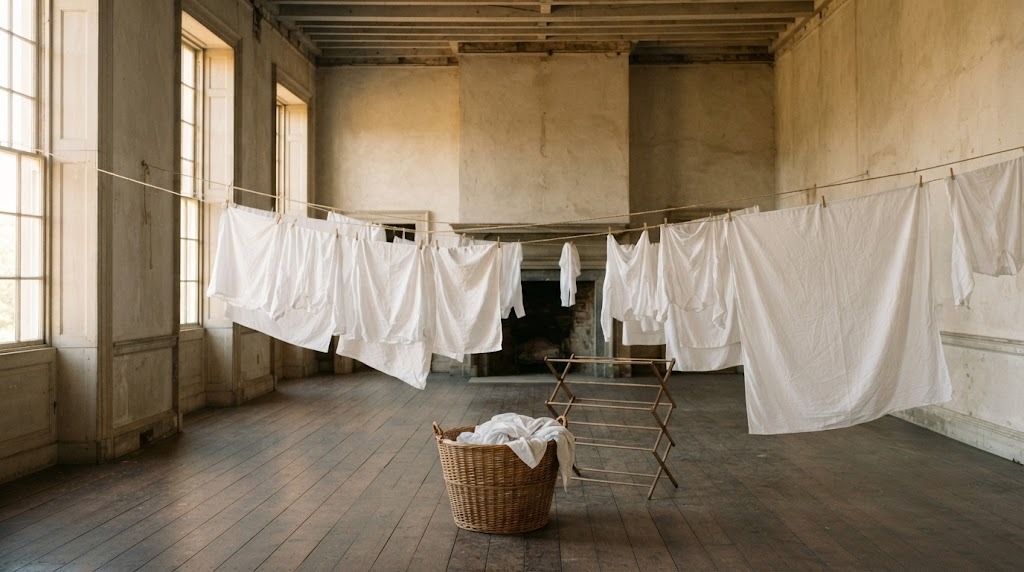
When Abigail Adams moved into the brand new White House, it was far from finished, and she used the East Room to hang up the laundry. Today that same room hosts grand events, which makes the story even sweeter. Turn this charming White House story into a display at home: string a mini clothesline across a wall and clip up holiday cards, kids’ artwork or family photos with tiny wooden pins. It is practical, pretty and easy to change. What would you hang on yours?
You will need: Jute twine, two removable wall hooks, mini wooden clothespins, cards or photos, washi tape (optional).
How to make it: 1. Stick the hooks at each end of the wall. 2. Tie the twine between them with a little slack. 3. Clip cards and photos along the line. 4. Swap them out with the seasons.
Martha Washington’s Sewing Circle
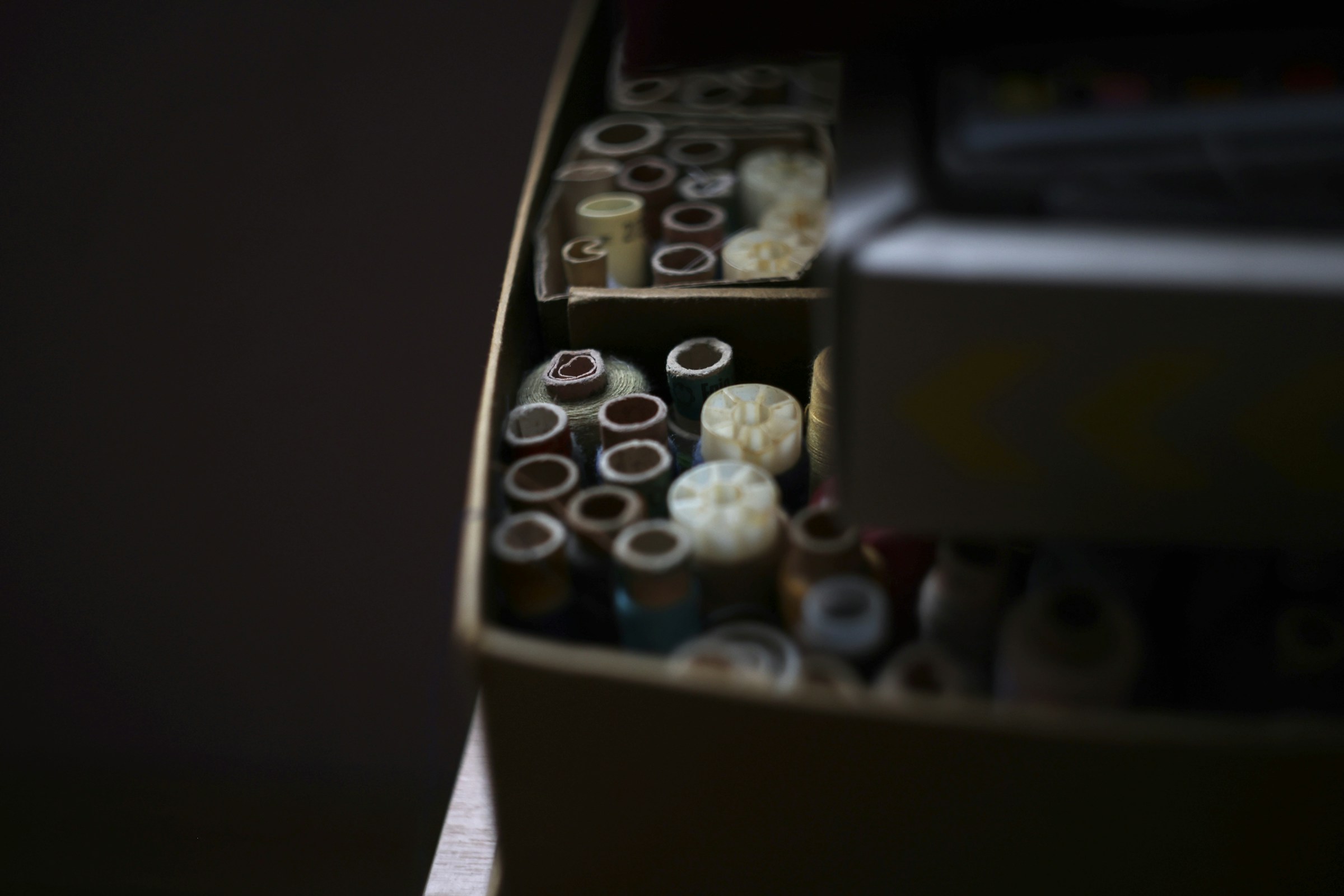
Martha Washington sewed clothes for soldiers while at camp, and she encouraged other officers’ wives to do the same, which led to a sewing circle that helped the war effort. Her example of crafting for others is easy to follow today. Gather friends for a no sew fleece blanket night and donate the blankets to a shelter or hospital. Each one takes about an hour, and nobody needs a sewing machine. Who would you invite to your sewing circle?
You will need: Two pieces of fleece about 1.5 yards each, sharp scissors, a ruler, a cutting mat (optional).
How to make it: 1. Stack the fleece pieces and trim the edges even. 2. Cut a 4 inch square from each corner. 3. Cut 4 inch fringe strips all around. 4. Tie the top and bottom strips together in double knots.
A Charming White House Wildflower Legacy From Lady Bird Johnson

Lady Bird Johnson loved wildflowers from her childhood in East Texas and championed beautifying the nation’s cities and highways. She promoted planting wildflowers along roadsides, and the Highway Beautification Act was nicknamed Lady Bird’s Bill. Spread a little of her charming White House legacy with homemade wildflower seed paper. Plant it in spring and watch it bloom. For more handmade holiday ideas, see these handmade Christmas ornaments. Who would love a gift that grows?
You will need: Scrap paper, water, a blender (adult help), native wildflower seeds, a screen or old window screen, towels, cookie cutters.
How to make it: 1. Tear paper and soak it in water. 2. Blend into a pulp. 3. Stir in the seeds by hand. 4. Press the pulp into cookie cutters on a screen and let it dry for a day.