
Tea Lovers, a Huge New Study Has Good News for Your Heart and One Surprising Warning
If your day does not really start until the kettle whistles, you are in good company. Millions of Americans reach for a cup of tea every morning. Now a huge new study suggests that how you drink it, how often, how strong and even how hot, may matter more than you think when it comes to tea and heart health.

The news is mostly good, with one twist that caught a lot of tea lovers off guard. Here is what the researchers found, what the study does not prove, and a few easy ways to enjoy your favorite cup the smarter way.
What the Tea and Heart Health Study Looked At
The study was published on October 21, 2026, in the Journal of Internal Medicine under the title “Habitual tea consumption is associated with lower cardiovascular disease risk.” The researchers followed 485,934 adults in China, aged 30 to 79, for a median of about nine years, according to the publisher Wiley and reporting by CNN.
During that time, they recorded 14,863 cases of heart and blood vessel disease, including heart disease, stroke related disease, pulmonary heart disease and peripheral artery disease. Participants answered questions about how often they drank tea, which kind they drank, how strong they brewed it and how hot they liked it.
That is a lot of people and a lot of years, which is why the study made headlines from CNN to Medical Xpress within a day. If you like to curl up with something warm while you read, our cozy warm fall drinks are a nice place to start.
The Good News: Regular Tea Drinkers Had Lower Risk
The study finds that people who drank tea at least three days a week had roughly an 11% lower risk of vascular disease than people who drank it less often. That link held up after the researchers adjusted for age, smoking, physical activity, body weight and existing health conditions, CNN reported.
How you brew it seemed to matter too. Moderate strength tea was linked to the lowest risk. Black tea was linked to lower risk across more types of heart and blood vessel disease than green tea, although green tea also showed some benefit. Among weekly drinkers, the lowest estimated risk showed up at about six to eight cups a day, and risk rose again at very high amounts. The authors cautioned that this should not be read as a recommended daily intake.
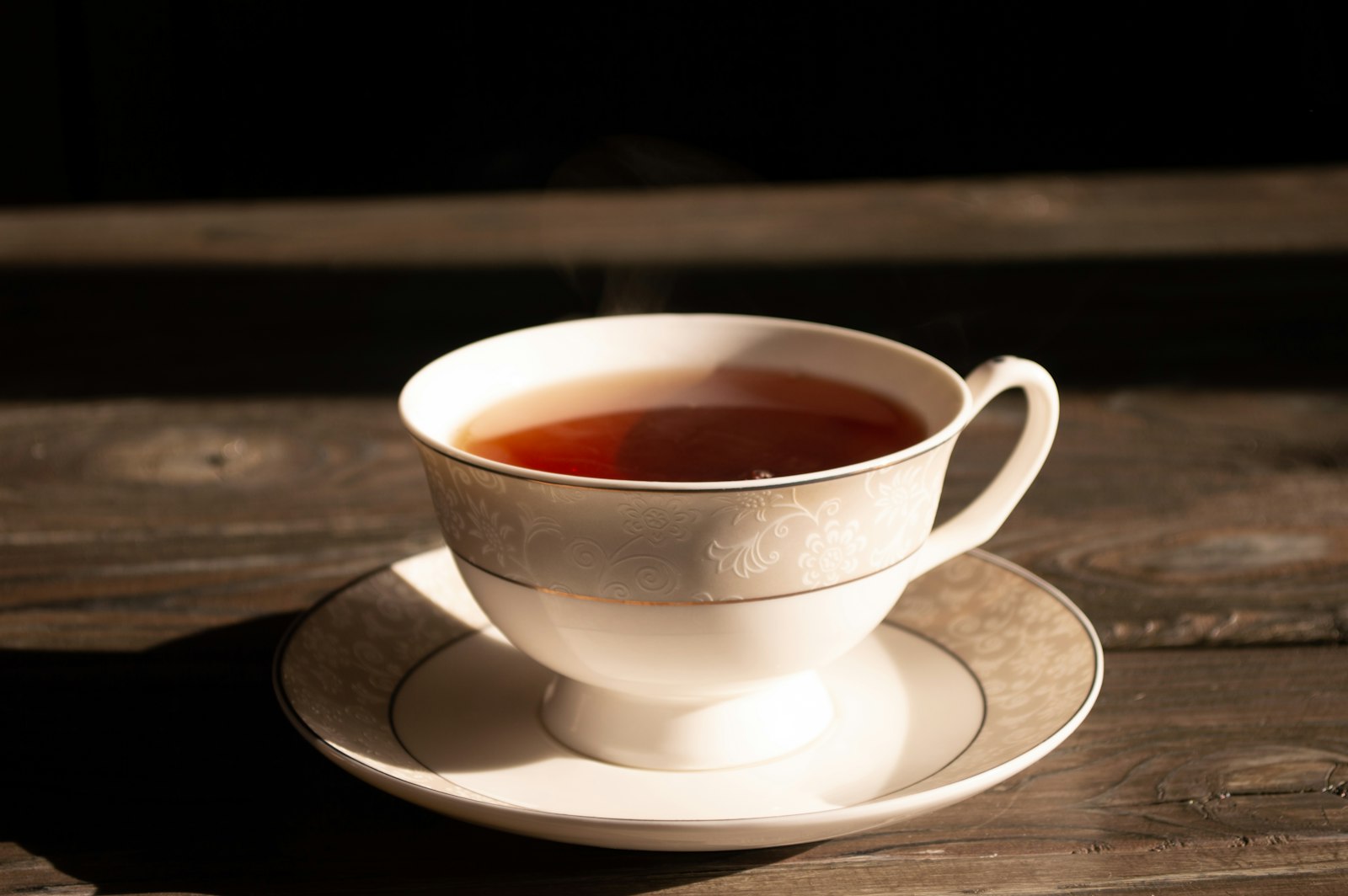
The lowest risk of all showed up in a familiar group: nonsmokers who drank tea regularly and were very physically active. In other words, tea and heart health seem to go together best as part of an overall healthy lifestyle, not as a magic fix on its own.
The Surprise: Burning Hot Tea Was Linked to Higher Risk
Here is the part that got everyone talking. People who said they drank their tea “burning hot” had about a 16% higher risk of vascular disease compared with people who did not drink tea regularly. On the other hand, tea that was warm, hot but not scalding, or at room temperature was linked to a significantly lower risk.
Why would temperature matter? This study cannot say. People who like very hot drinks may also differ in other habits that the researchers could not fully measure. CNN wellness expert Dr. Leana Wen also noted that very hot drinks have been linked in past research to cancer of the esophagus, which is one more good reason to let your cup cool for a few minutes.
What This Study Does Not Prove
This was an observational study. It shows a link, not cause and effect, so it cannot prove that tea itself lowered anyone’s risk. Dr. Wen, an emergency physician and clinical associate professor at George Washington University, explained to CNN that people reported their own tea habits, that “burning hot” can mean different things to different people, and that the study did not use a standard cup size.
She also said people who do not drink tea do not need to start. Regular exercise, not smoking, a nutritious diet and keeping blood pressure and cholesterol in a healthy range are proven steps for a healthy heart, with or without a teapot.
Tea and Heart Health Tips: Enjoy Your Cup the Smarter Way
You do not have to change much to follow what this research suggests. Try these simple habits:
- Let it cool. Give a fresh cup a few minutes until it feels comfortably warm, not scalding.
- Brew it medium. Moderate strength tea was linked to the lowest risk, so there is no need to steep it until it is bitter.
- Go easy on sugar. Dr. Wen pointed out that swapping sugary drinks for unsweetened tea is an easy way to cut added sugar.
- Watch the caffeine. An 8 ounce cup of black tea usually has about 30 to 50 milligrams. The FDA cites 400 milligrams a day as an amount not generally linked to dangerous effects in healthy adults, while pregnant people are advised to keep it to about 200.

A Cozy Fall Recipe: Warm Spiced Black Tea
Want a cup that feels like a hug on a chilly morning? This simple spiced black tea is our own easy recipe. It makes 2 mugs and takes about 10 minutes. Remember the big lesson from the study and serve it warm, not burning hot.
You will need: 2 1/2 cups water, 2 black tea bags, 1 cinnamon stick, 4 whole cloves, 2 thin slices fresh ginger, 1 strip orange peel, 1/2 cup milk (optional), honey to taste.
- Bring the water, cinnamon, cloves, ginger and orange peel to a simmer in a small pot.
- Simmer gently for 5 minutes so the spices can wake up.
- Turn off the heat, add the tea bags and steep for 3 to 4 minutes for a medium strength brew.
- Remove the tea bags and strain out the spices. Stir in warm milk and a little honey if you like.
- Pour into mugs and let it sit for a few minutes until it is comfortably warm before sipping.

So go ahead and enjoy your daily cup. Just make it a regular habit, brew it medium, and give it a few minutes to cool. When it comes to tea and heart health, your favorite mug might be a small, cozy part of a bigger healthy routine.
A quick note: This article is for general information only and is not medical advice. If you are thinking about changing your diet or caffeine intake, or you have concerns about your heart, talk with your doctor first.
Sources: “Habitual tea consumption is associated with lower cardiovascular disease risk,” Journal of Internal Medicine (2026); Wiley news release via EurekAlert; CNN; Medical Xpress.