14 Colonial Recipes From 1776 Kitchens That Your Family Will Still Love Today
What did people actually eat when America was being born? The answer is warm, simple and surprisingly delicious. Colonial kitchens ran on corn, apples, molasses and wood fires, and many of their favorite dishes are still on our tables at Thanksgiving. As the country gets ready to mark 250 years, these colonial recipes are a sweet way to taste a little history, from the cake baked for voting day to the ice cream served at Monticello. Ready to step back in time? Let us start with something sweet..
Colonial Recipes Start With Election Cake
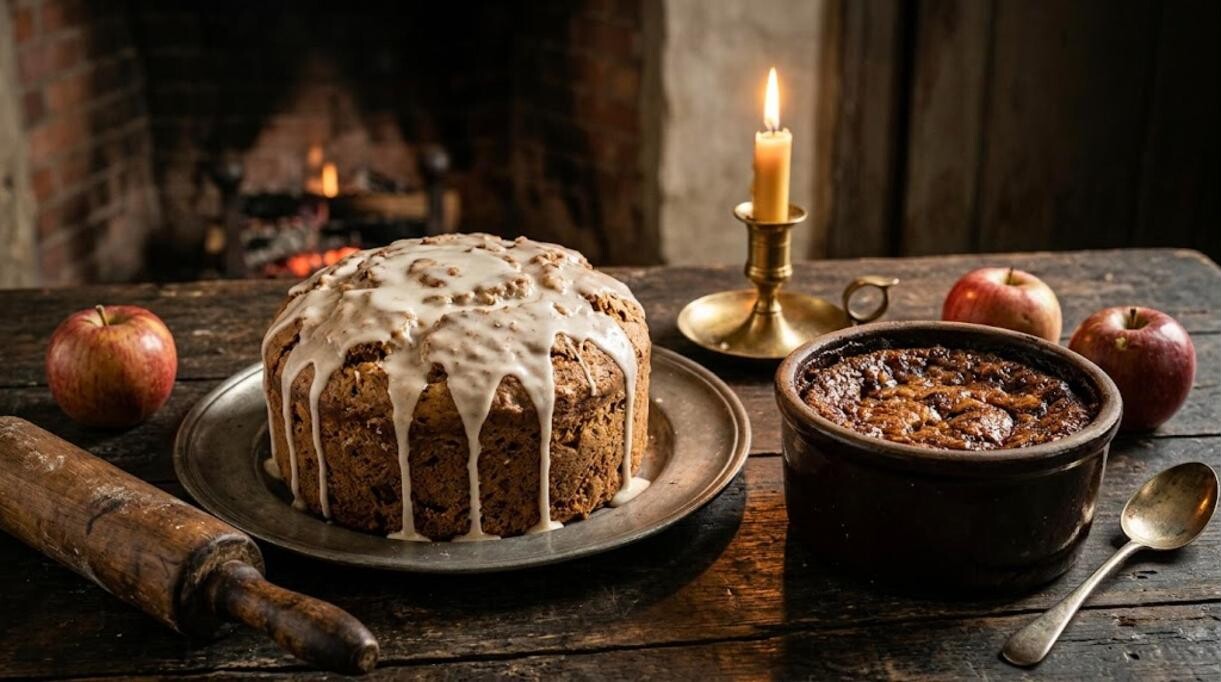
In early New England, election day was a big town celebration, and huge batches of this spiced yeast cake were baked to feed the crowds who came to vote. Recipes for it appear in some of America’s earliest printed cookbooks. It is soft and bready, full of raisins and warm spices, and finished with a simple glaze. Would you bring back a special cake for election day?
You will need: 1 packet (2 1/4 teaspoons) instant yeast, 1 cup warm milk, 3 1/2 cups flour, 1/2 cup soft butter, 3/4 cup brown sugar, 2 eggs, 1 teaspoon cinnamon, 1/2 teaspoon nutmeg, 1/4 teaspoon cloves, 1/2 teaspoon salt, 1 cup raisins or currants. Glaze: 1 cup powdered sugar, 2 tablespoons milk.
How to make it: 1. Mix the yeast, warm milk and 1 cup of flour, cover and rest 30 minutes until bubbly. 2. Beat the butter and brown sugar, then add the eggs. 3. Add the yeast mix, the rest of the flour, the spices and salt and beat to a soft batter. 4. Fold in the raisins and spread in a greased 10 inch tube or Bundt pan. 5. Let it rise 1 1/2 hours, then bake at 350°F for 45 minutes. 6. Cool and drizzle with the glaze.
Rhode Island Johnnycakes
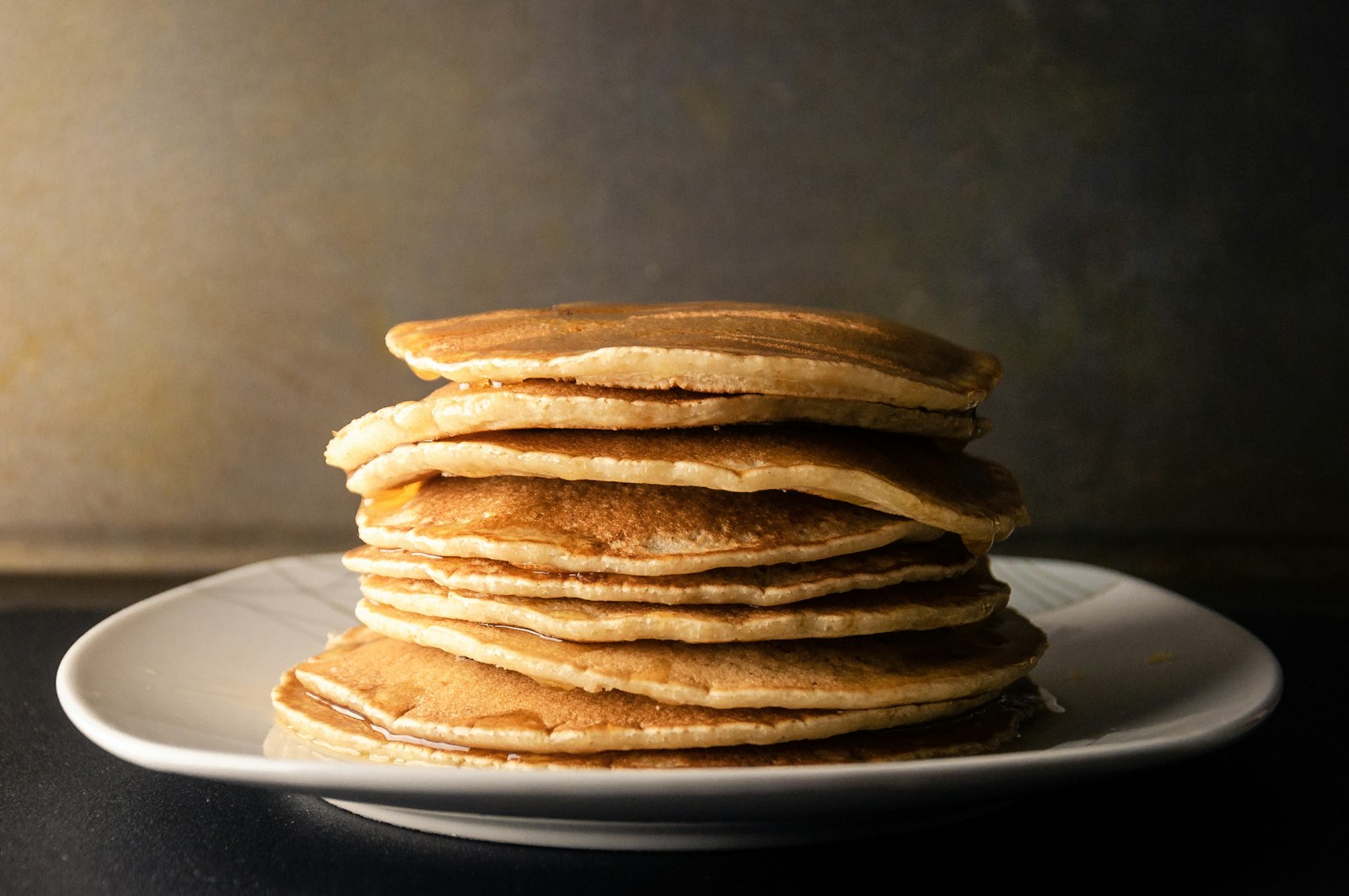
Few colonial recipes are older than this one. Long before pancakes came in a box, colonists learned from Native American cooks to turn ground corn into crisp, thin griddle cakes. Rhode Island still takes its johnnycakes very seriously, made from white cornmeal and boiling water and fried in butter until the edges crackle. They were cheap, filling and easy to carry on a journey. Would you eat yours with maple syrup or with butter and salt?
You will need: 1 cup white cornmeal (stone ground if you can find it), 1 teaspoon salt, 1 teaspoon sugar, 1 1/4 cups boiling water, 1/4 cup milk, butter for frying.
How to make it: 1. Mix the cornmeal, salt and sugar in a bowl. 2. Pour in the boiling water and stir until thick and smooth. 3. Rest 5 minutes, then stir in milk until it drops off a spoon. 4. Heat butter on a griddle over medium heat. 5. Drop in spoonfuls and flatten them a little. 6. Cook 5 to 6 minutes per side until golden and crisp.
Baked Indian Pudding
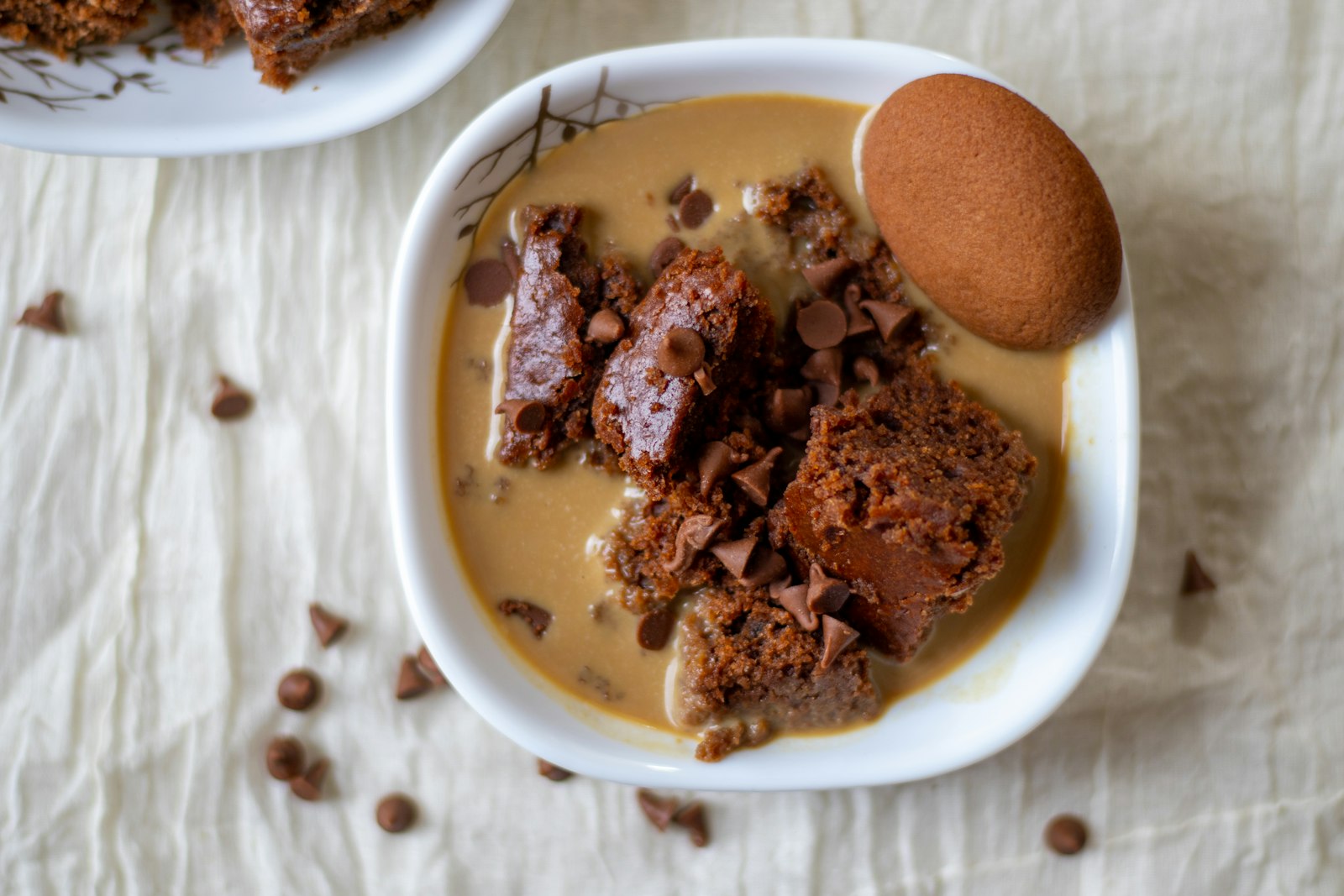
Early colonists called cornmeal Indian meal, and this slow baked pudding is where the name comes from. Cornmeal, milk and dark molasses bake low and slow for hours until thick, spiced and almost like gingerbread in a spoon. Like many colonial recipes, it was served warm after Sunday dinner, and New England families still make it around Thanksgiving. A scoop of vanilla ice cream melting on top is pure magic. Have you ever tasted it?
You will need: 4 cups whole milk, 1/2 cup yellow cornmeal, 1/2 cup molasses, 1/4 cup brown sugar, 4 tablespoons butter, 2 eggs, 1 teaspoon ginger, 1 teaspoon cinnamon, 1/4 teaspoon nutmeg, 1/2 teaspoon salt.
How to make it: 1. Heat the oven to 300°F and butter a 2 quart baking dish. 2. Warm 3 cups of milk until steaming, then slowly whisk in the cornmeal. 3. Cook and stir 10 minutes until thick. 4. Remove from heat and stir in the molasses, sugar, butter, spices and salt. 5. Whisk in the eggs, pour into the dish and pour the last cup of cold milk over the top. 6. Bake 2 hours until set but still a little jiggly.
Colonial Succotash With Corn and Beans
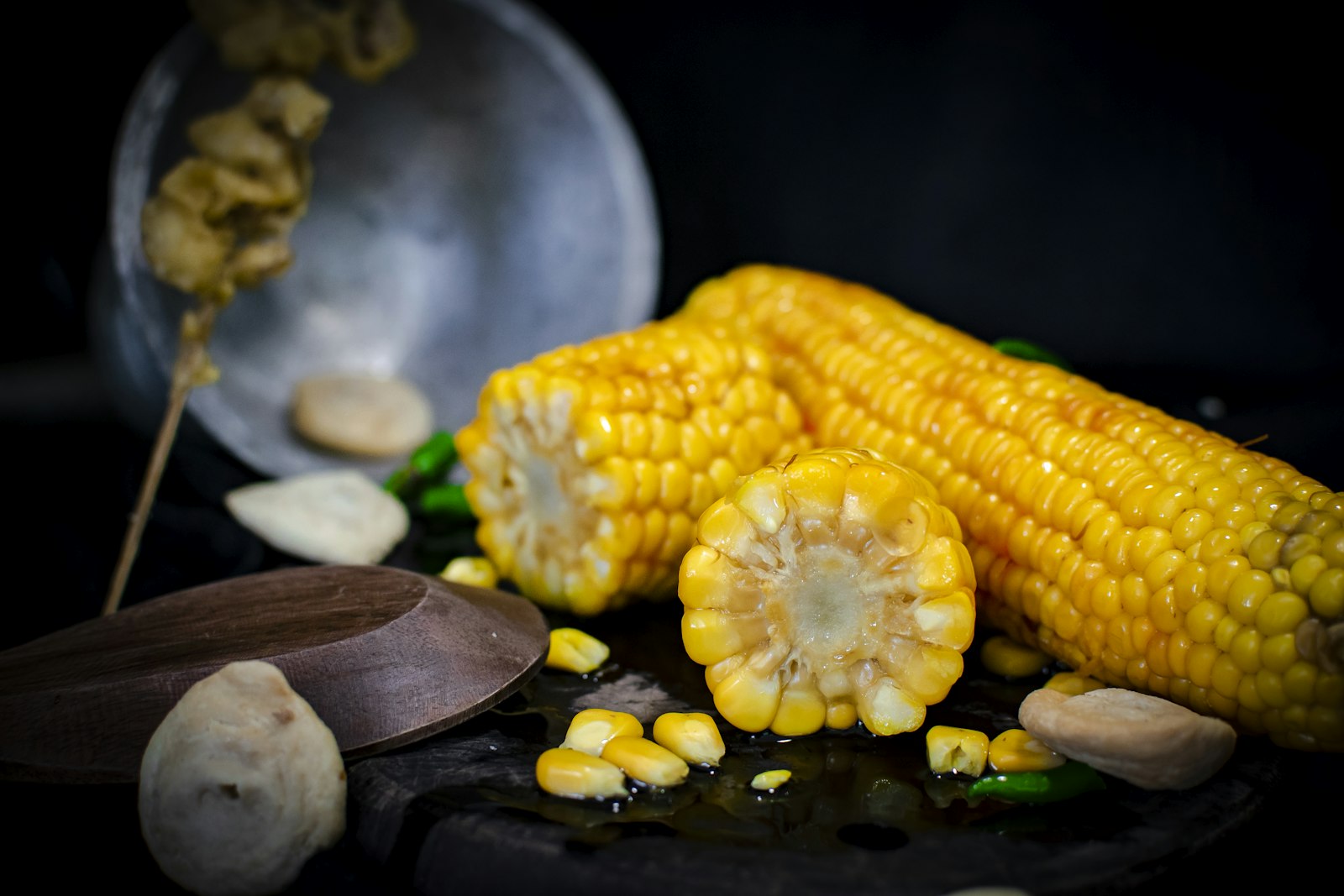
The name comes from a Narragansett word, and the dish itself was a gift from Native American cooks who grew corn and beans side by side. Colonists ate succotash all year, using dried corn and beans in winter and fresh ones in summer. Our version is creamy, buttery and ready in 15 minutes. It is a perfect Thanksgiving side. Did your grandma ever make succotash?
You will need: 2 cups corn kernels (fresh or frozen), 2 cups lima beans (frozen is fine), 3 tablespoons butter, 1 small onion, 1/2 cup cream or milk, 1 teaspoon fresh thyme, salt, pepper.
How to make it: 1. Melt the butter in a large skillet over medium heat. 2. Add the chopped onion and cook 4 minutes until soft. 3. Add the lima beans and cook 5 minutes. 4. Stir in the corn and cook 3 more minutes. 5. Pour in the cream and simmer until slightly thick. 6. Season with thyme, salt and pepper.
Philadelphia Pepper Pot Stew
Philadelphia legend says pepper pot helped warm George Washington’s soldiers during the hard winter at Valley Forge. Whether or not that story is true, this thick, peppery stew became one of the most famous colonial recipes in town, and street sellers once called out to sell it. The old recipe used tripe, but our home version uses tender beef and potatoes, with plenty of black pepper. Would you try the original tripe version?
You will need: 2 pounds beef chuck in cubes, 2 tablespoons oil, 1 onion, 2 celery stalks, 2 carrots, 3 potatoes in cubes, 6 cups beef broth, 1 teaspoon thyme, 1 bay leaf, 1 teaspoon whole allspice or 1/4 teaspoon ground, 1 1/2 teaspoons coarse black pepper, salt, parsley.
How to make it: 1. Brown the beef in oil in batches and set it aside. 2. Cook the onion, celery and carrots 5 minutes. 3. Return the beef and add the broth, thyme, bay leaf and allspice. 4. Cover and simmer 1 1/2 hours. 5. Add the potatoes and pepper and simmer 30 minutes more until tender. 6. Season with salt and finish with parsley.
Colonial Recipes for Dessert: Apple Pandowdy
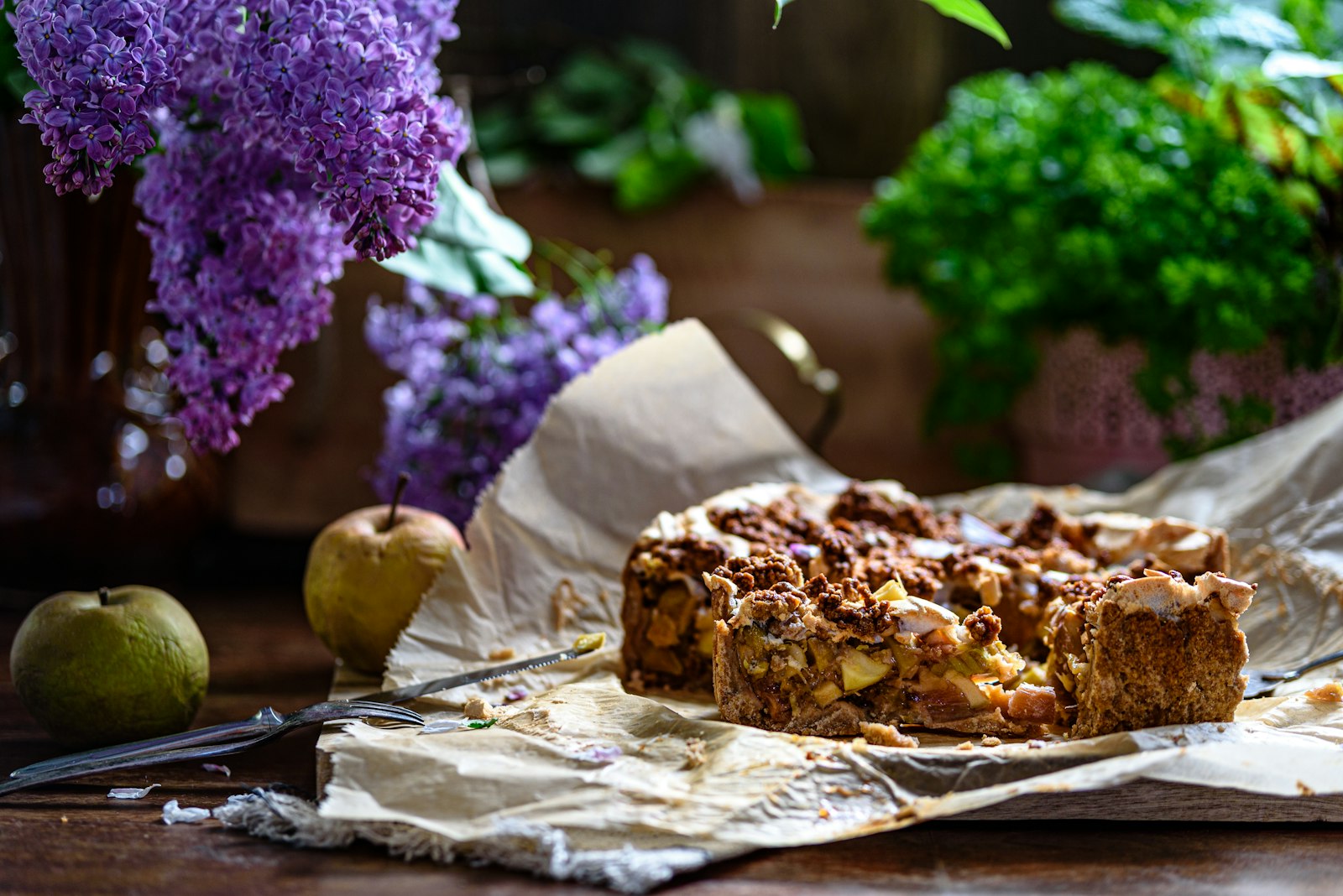
Pandowdy is the rustic, no fuss cousin of apple pie. Sweet spiced apples bake under a sheet of pastry, and halfway through you press the crust down into the bubbling juices. That step is called dowdying, and it gives you crisp edges and soft, syrupy pieces in every spoonful. Colonial cooks loved it because it used plain ingredients and looked homey on purpose. Which would you pick: A) pandowdy, B) apple pie, C) apple crisp, or D) all of them?
You will need: 6 apples, peeled and sliced, 1/2 cup brown sugar, 1/4 cup molasses or maple syrup, 1 teaspoon cinnamon, 1/4 teaspoon nutmeg, 1 tablespoon flour, 2 tablespoons butter, 1 pie crust, 1 tablespoon sugar for the top.
How to make it: 1. Heat the oven to 400°F. 2. Toss the apples with brown sugar, molasses, spices and flour. 3. Spread in a buttered 9 inch skillet or dish and dot with butter. 4. Lay the crust over the top, cut a few slits and sprinkle with sugar. 5. Bake 25 minutes, then press the crust down into the juices with a spoon. 6. Bake 20 minutes more until golden and bubbling.
Mary Ball Washington Style Soft Gingerbread
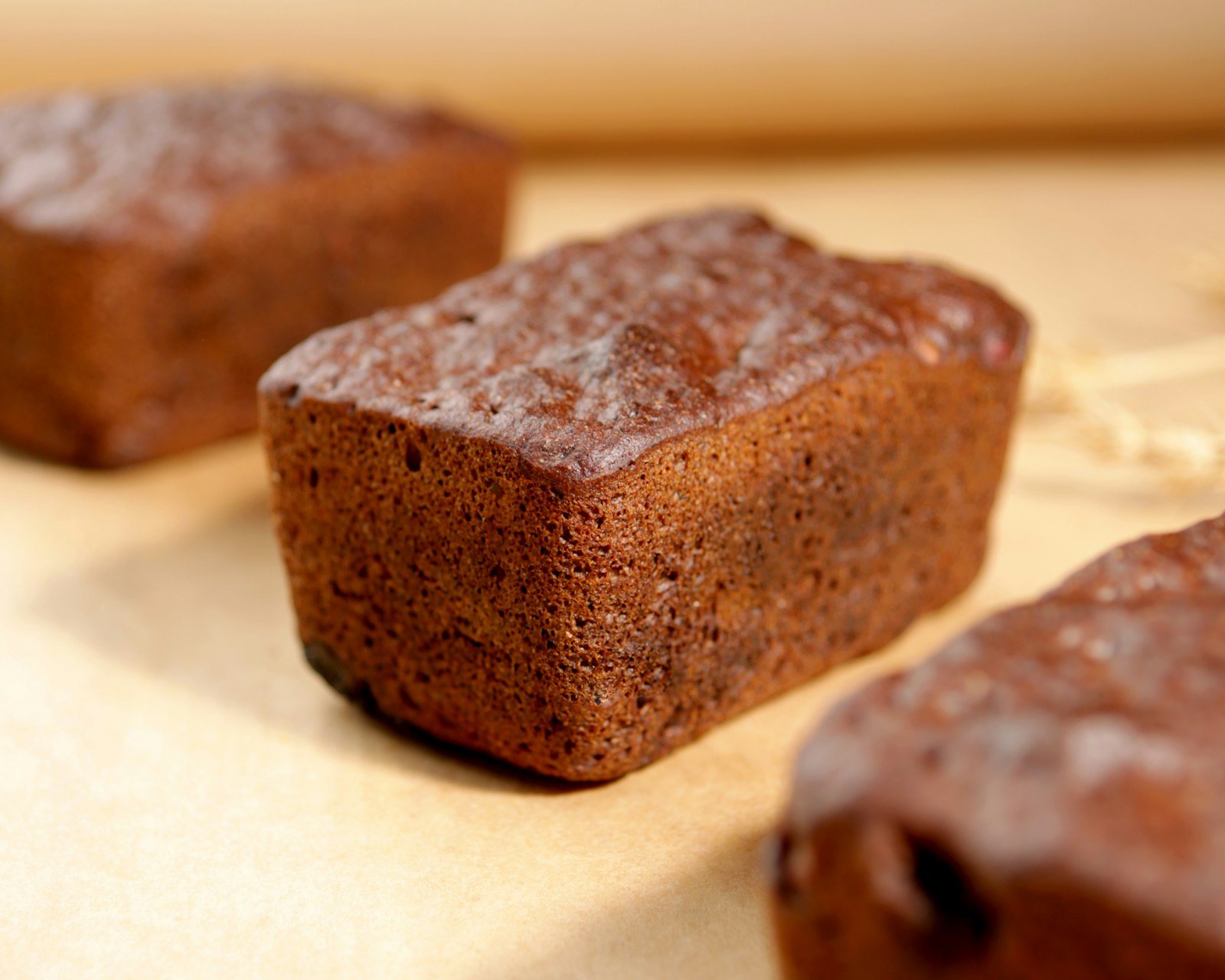
Family lore says George Washington’s mother, Mary Ball Washington, served her soft gingerbread to the Marquis de Lafayette when he came to visit. True or not, this dark, moist cake with molasses, ginger and a hint of orange has been baked in American homes ever since. It is easy, cozy and makes the kitchen smell wonderful. Would you serve it plain or with whipped cream?
You will need: 2 1/2 cups flour, 1 1/2 teaspoons baking soda, 1 tablespoon ground ginger, 1 teaspoon cinnamon, 1/2 teaspoon nutmeg, 1/2 teaspoon salt, 1/2 cup butter, 1/2 cup brown sugar, 1 cup molasses, 2 eggs, 1 cup warm milk, zest and juice of 1 orange.
How to make it: 1. Heat the oven to 350°F and grease a 9 inch square pan. 2. Whisk the flour, soda, spices and salt. 3. Beat the butter and brown sugar, then add the molasses and eggs. 4. Stir in the dry ingredients and the warm milk in turns. 5. Add the orange zest and juice. 6. Bake 35 to 40 minutes until a toothpick comes out clean.
Boston Brown Bread Steamed in a Can
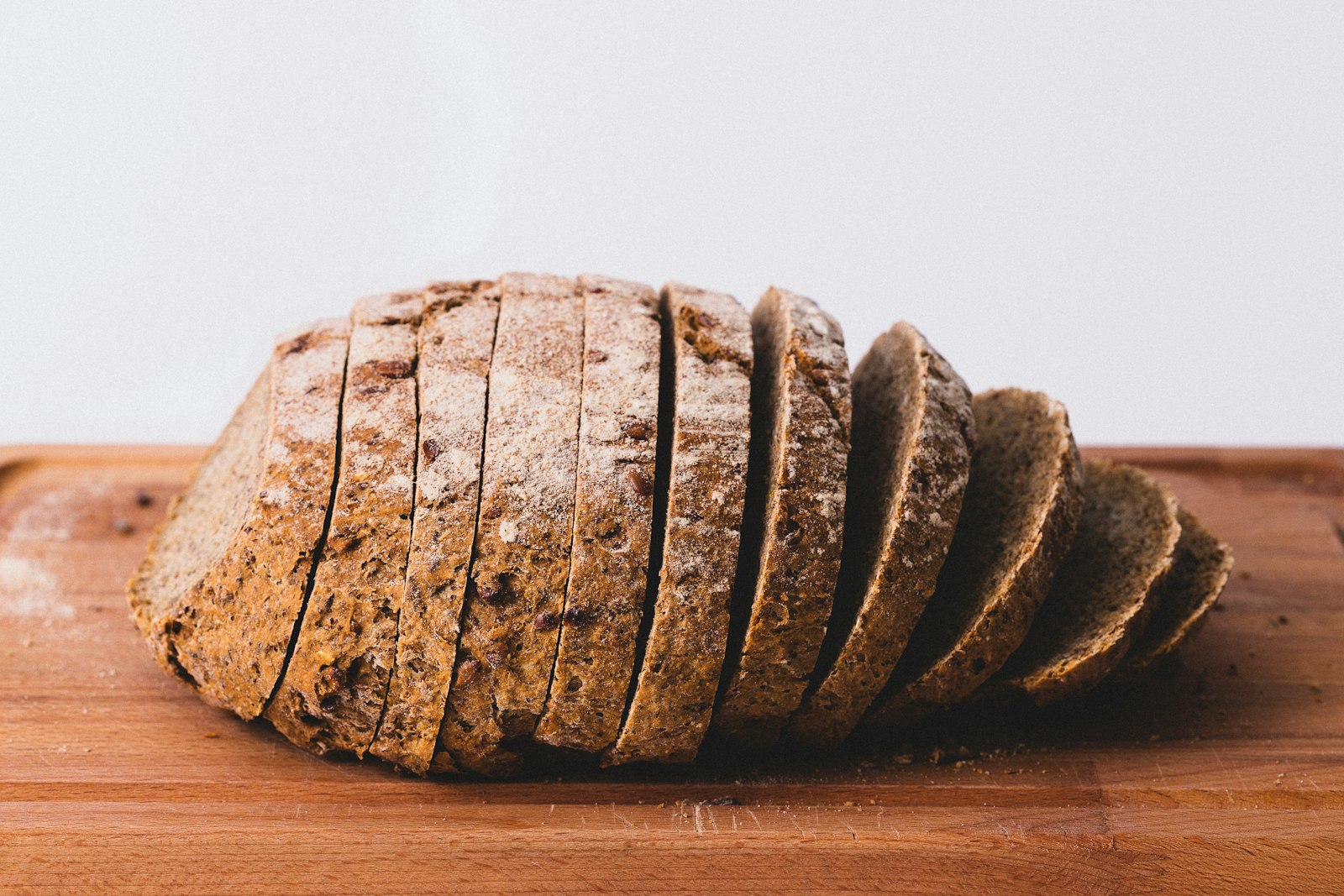
Many colonial recipes were built on whatever was on hand, and this dark, sweet New England bread used rye, cornmeal and molasses. Since many homes had no proper oven, it was steamed in a covered mold over the fire. Today people use a clean metal can, and the round slices come out tender and moist. It is lovely with butter, cream cheese or baked beans. Had you ever heard of bread steamed in a can?
You will need: 1/2 cup rye flour, 1/2 cup whole wheat flour, 1/2 cup cornmeal, 1 teaspoon baking soda, 1/2 teaspoon salt, 1 cup buttermilk, 1/3 cup molasses, 1/2 cup raisins (optional), butter for the cans.
How to make it: 1. Butter two clean 15 ounce cans. 2. Whisk the flours, cornmeal, soda and salt. 3. Stir in the buttermilk, molasses and raisins. 4. Fill the cans two thirds full and cover tightly with buttered foil. 5. Stand them in a pot with hot water halfway up the sides, cover and simmer gently for 2 hours. 6. Cool 10 minutes, slide out and slice into rounds.
Shrewsbury Cakes From Old Colonial Recipes
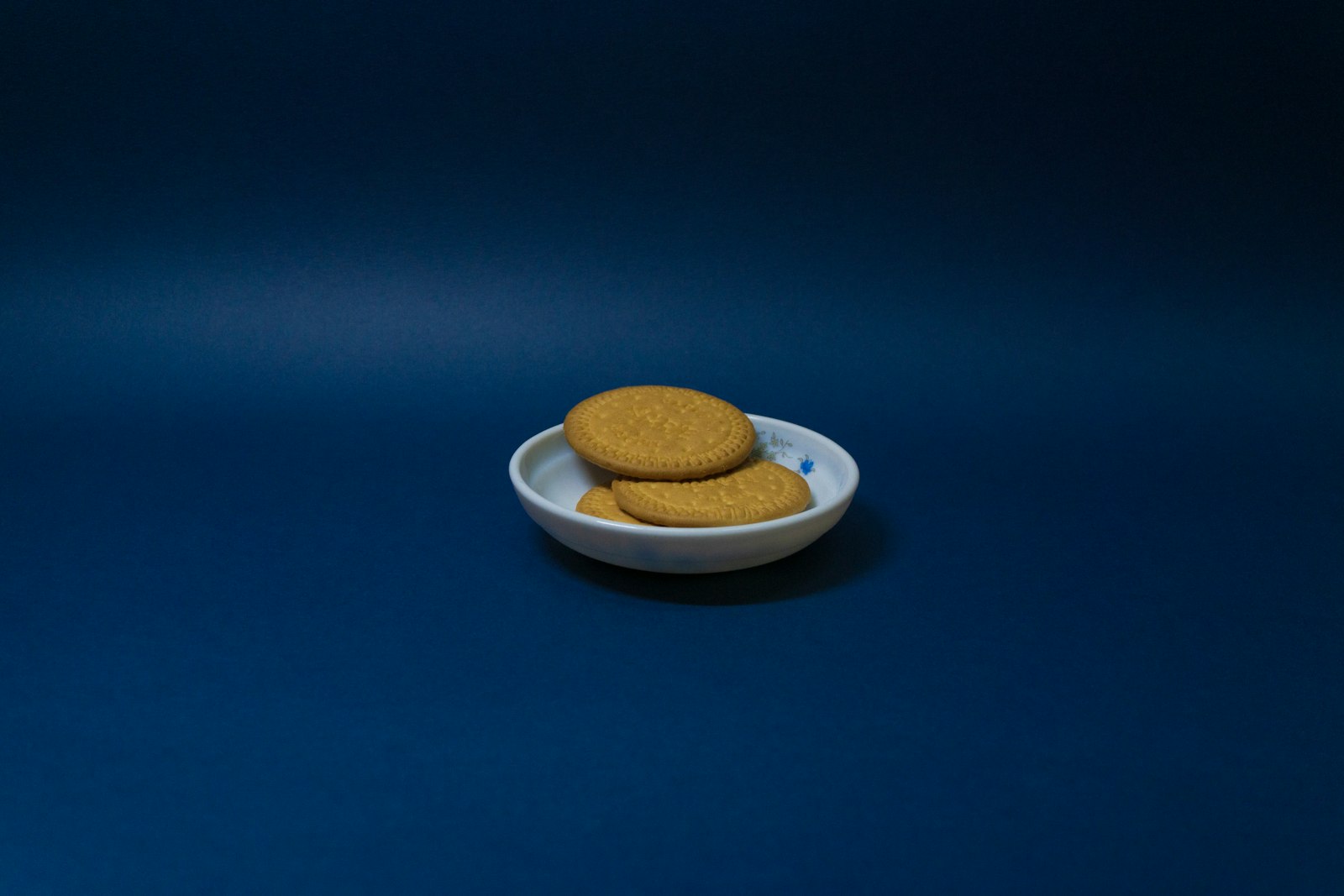
These simple butter cookies crossed the ocean with English settlers and show up again and again in old household cookbooks. They are crisp at the edges, tender in the middle and flavored with a little nutmeg or rosewater. Colonial families served them with tea and saved them for guests. They take just a few minutes to mix. Which do you like better in a cookie, crisp or soft?
You will need: 1 cup butter, softened, 3/4 cup sugar, 1 egg, 2 1/2 cups flour, 1/2 teaspoon nutmeg, 1/4 teaspoon salt, 1 teaspoon rosewater or vanilla, extra sugar for sprinkling.
How to make it: 1. Beat the butter and sugar until fluffy. 2. Beat in the egg and rosewater or vanilla. 3. Mix in the flour, nutmeg and salt to make a soft dough. 4. Chill 30 minutes, then roll out 1/4 inch thick. 5. Cut into rounds, place on lined trays and sprinkle with sugar. 6. Bake at 350°F for 10 to 12 minutes until the edges are just golden.
Colonial Recipes for the Holidays: Roast Turkey With Cornbread Dressing
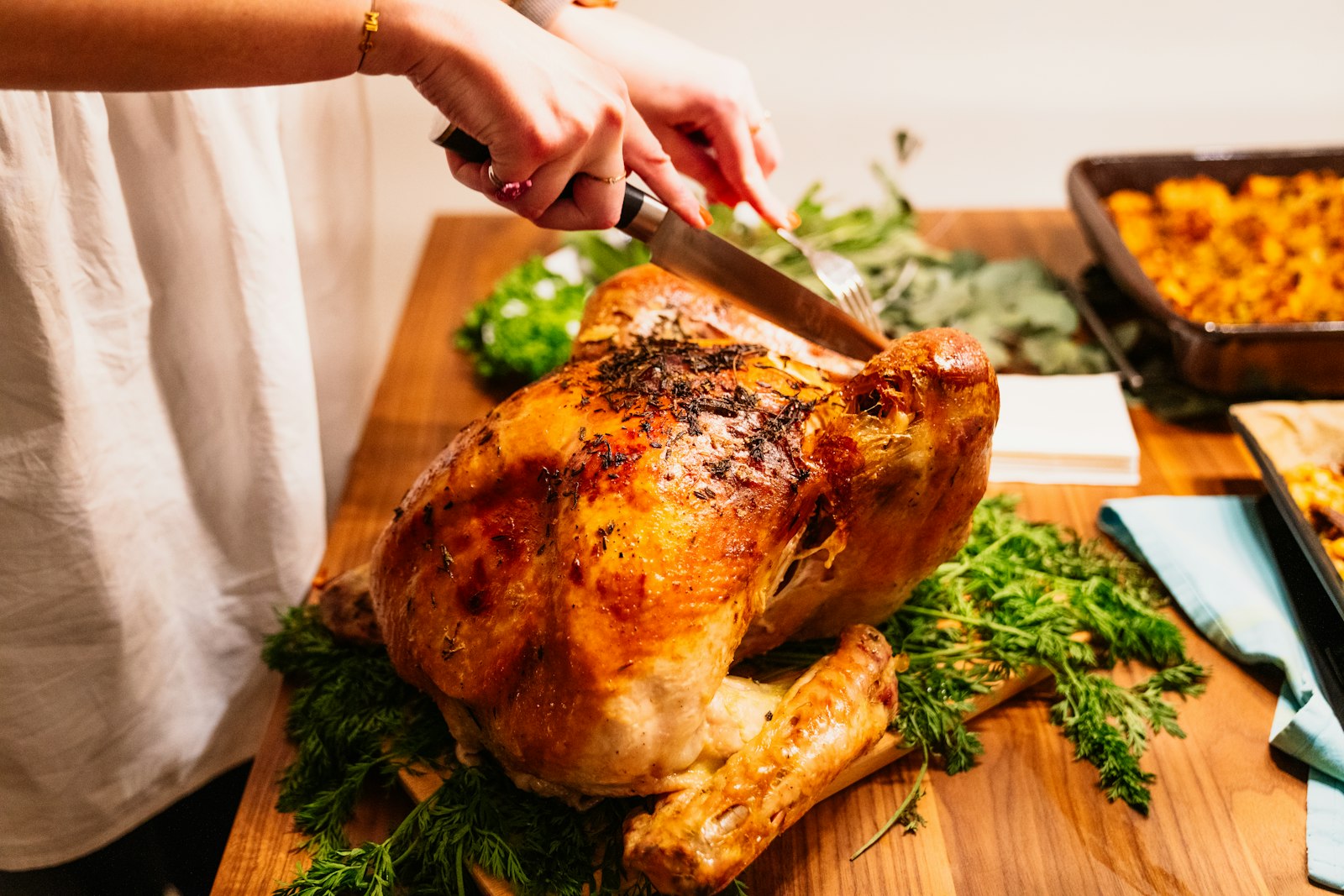
Wild turkeys were all over early America, and Benjamin Franklin once wrote to his daughter that the turkey was a much more respectable bird than the bald eagle. Colonial cooks roasted them by the fire and served them with a hearty dressing made from cornbread, onions and herbs. It is still the center of the Thanksgiving table today. Do you call it stuffing or dressing?
You will need: 1 turkey (12 to 14 pounds), 1/2 cup soft butter, 1 tablespoon each chopped sage and thyme, salt, pepper. Dressing: 8 cups crumbled cornbread, 1 onion, 3 celery stalks, 1/2 cup butter, 2 eggs, 2 to 3 cups chicken broth, 1 tablespoon sage.
How to make it: 1. Rub the turkey with butter, herbs, salt and pepper. 2. Roast at 325°F for about 3 to 3 1/2 hours, until a thermometer in the thigh reads 165°F. 3. For the dressing, cook the onion and celery in butter until soft. 4. Mix with the cornbread, sage, eggs and enough broth to moisten. 5. Bake in a buttered dish at 350°F for 40 minutes. 6. Rest the turkey 30 minutes before carving.
Jefferson Era Vanilla Ice Cream
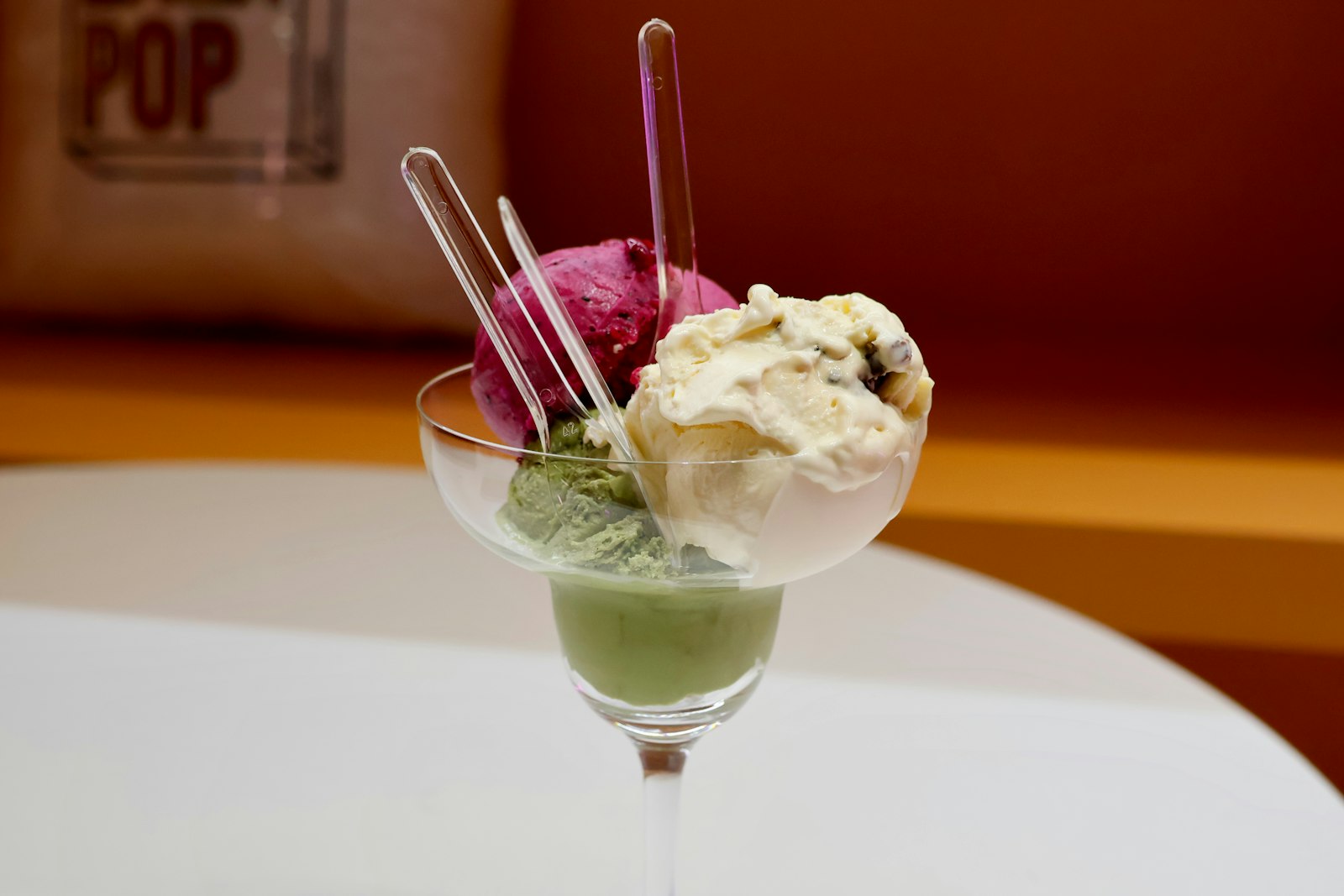
Thomas Jefferson fell in love with ice cream in France, and his handwritten recipe for it is kept today at the Library of Congress. Much of the credit belongs to James Hemings, the enslaved chef who trained in French cooking in Paris and ran Jefferson’s kitchen. Their rich custard ice cream with real vanilla was a rare luxury back then. Now you can make it at home. Vanilla, chocolate or strawberry: which is your forever flavor?
You will need: 2 cups heavy cream, 1 cup whole milk, 6 egg yolks, 3/4 cup sugar, 1 vanilla bean (or 2 teaspoons vanilla extract), pinch of salt.
How to make it: 1. Warm the cream and milk with the split vanilla bean until steaming. 2. Whisk the yolks, sugar and salt in a bowl. 3. Slowly whisk in half the hot cream, then pour it all back into the pot. 4. Stir over low heat until it coats a spoon, about 170°F. 5. Strain, chill overnight and remove the vanilla bean. 6. Churn in an ice cream maker, then freeze until firm.
Baked Macaroni and Cheese, an Early American Favorite
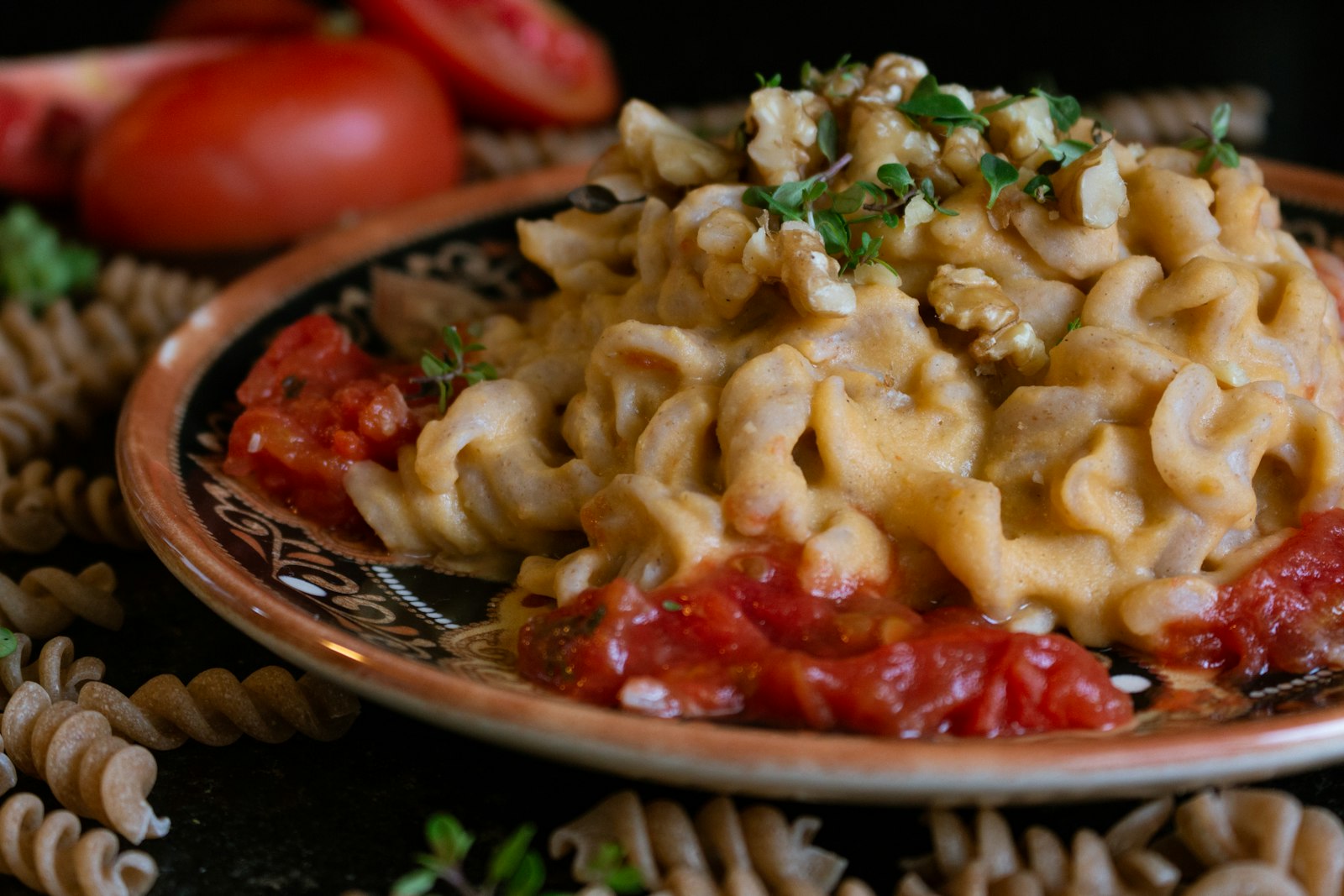
Macaroni and cheese feels modern, but it was already a fancy dish in the founding era. Jefferson served a macaroni pie at a dinner in 1802, and recipes for baked macaroni with cheese appear in early American cookbooks. This baked version with a golden top is cozy and simple. If you love old school comfort food, you will also enjoy our retro dinners that deserve a comeback. Crispy top or extra creamy?
You will need: 1 pound elbow macaroni, 4 tablespoons butter, 1/4 cup flour, 3 cups milk, 3 cups shredded sharp cheddar, 1 teaspoon dry mustard, salt, pepper, 1/2 cup breadcrumbs.
How to make it: 1. Boil the macaroni 2 minutes less than the package says and drain. 2. Melt the butter, whisk in the flour and cook 1 minute. 3. Whisk in the milk and simmer until thick. 4. Stir in the mustard and 2 1/2 cups cheese until melted, then season. 5. Mix with the pasta and pour into a buttered 9×13 inch dish. 6. Top with the rest of the cheese and the breadcrumbs, then bake at 375°F for 25 minutes.
Hasty Pudding With Maple Syrup
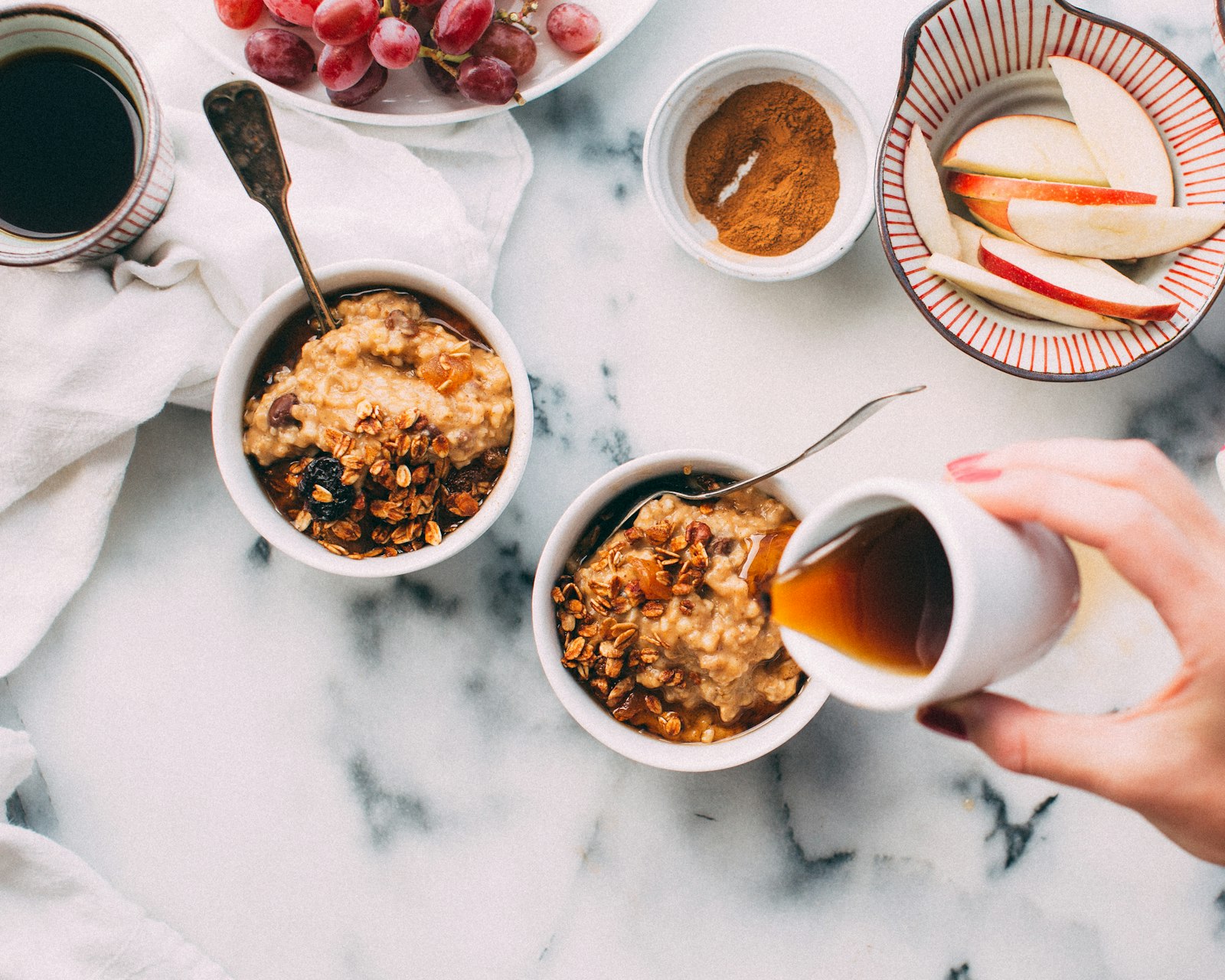
Of all the colonial recipes, hasty pudding was the everyday comfort food of New England, so well known that it even turns up in the song Yankee Doodle. It is simply cornmeal stirred into simmering water or milk until thick and creamy, then topped with butter and maple syrup or molasses. It was quick, cheap and warming on cold mornings and nights. Is it a breakfast or a dessert to you?
You will need: 4 cups water or milk (or half and half), 1 cup yellow cornmeal, 1/2 teaspoon salt, 2 tablespoons butter, maple syrup, a splash of cream.
How to make it: 1. Bring 3 cups of the water or milk and the salt to a simmer. 2. Mix the cornmeal with the last cup of cold liquid so it will not lump. 3. Slowly stir the cornmeal mix into the pot. 4. Cook over low heat, stirring often, for 15 to 20 minutes until thick and creamy. 5. Stir in the butter. 6. Spoon into bowls and top with maple syrup and cream.
Colonial Recipes on the Side: Cranberry Sauce
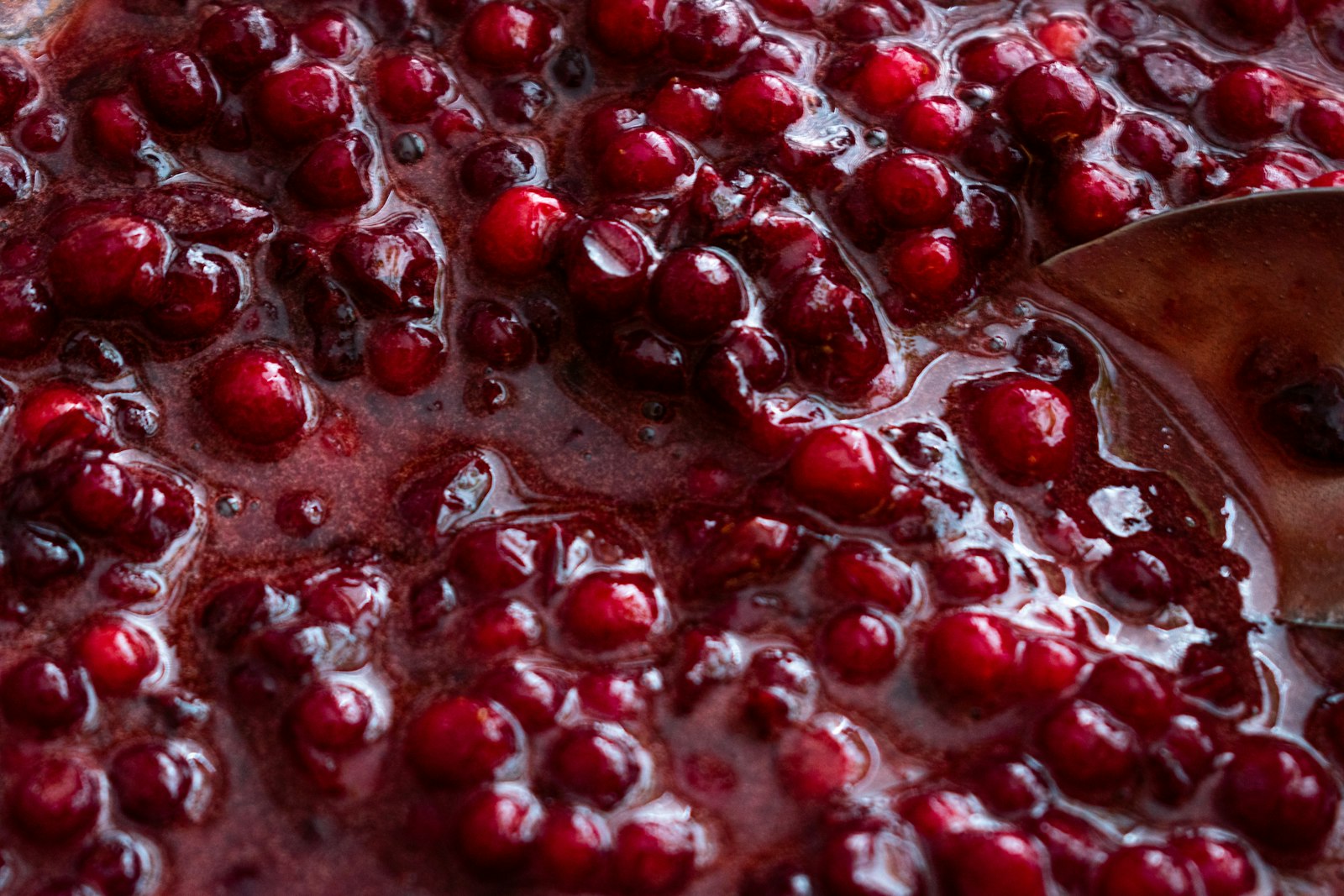
Native peoples of New England were using wild cranberries long before settlers arrived, and America’s first cookbook, published in 1796, already suggested serving cranberry sauce with roast turkey. This simple homemade version takes just 15 minutes and tastes so much brighter than the can. So, which of these colonial recipes will you try first: A) Election cake, B) Indian pudding, C) gingerbread, or D) this cranberry sauce?
You will need: 12 ounces fresh cranberries, 3/4 cup sugar (or maple syrup), 1 cup water or orange juice, zest of 1 orange, pinch of cinnamon.
How to make it: 1. Bring the sugar and water or juice to a boil in a saucepan. 2. Add the cranberries and return to a boil. 3. Lower the heat and simmer 10 minutes, until most berries pop. 4. Stir in the orange zest and cinnamon. 5. Cool to room temperature; it will thicken as it cools. 6. Chill until serving.