Depression Era Breakfasts: 12 Penny-Stretching Morning Meals Grandma Made From Almost Nothing That Still Taste Like Home
Depression era breakfasts were built from whatever was left in the flour bin, the cornmeal sack and the milk pail, and somehow they still taste like home. In the 1930s, families stretched a few pennies across every meal, so mornings leaned on cheap staples: day old bread, a little bacon grease, oats, potatoes and a precious egg or two. Grandma knew how to turn yesterday’s cornmeal into crispy fried slices, how to make pancakes without eggs, and how to feed six kids with one pan of gravy. These are the warm, filling breakfasts that got families through the hardest years, and many of them are still cooked in farmhouse kitchens today. They are cheap, quick and wonderfully cozy on a cold morning, so pull out the cast iron skillet and start with the first one..
Depression Era Breakfasts Start With Fried Cornmeal Mush and Syrup
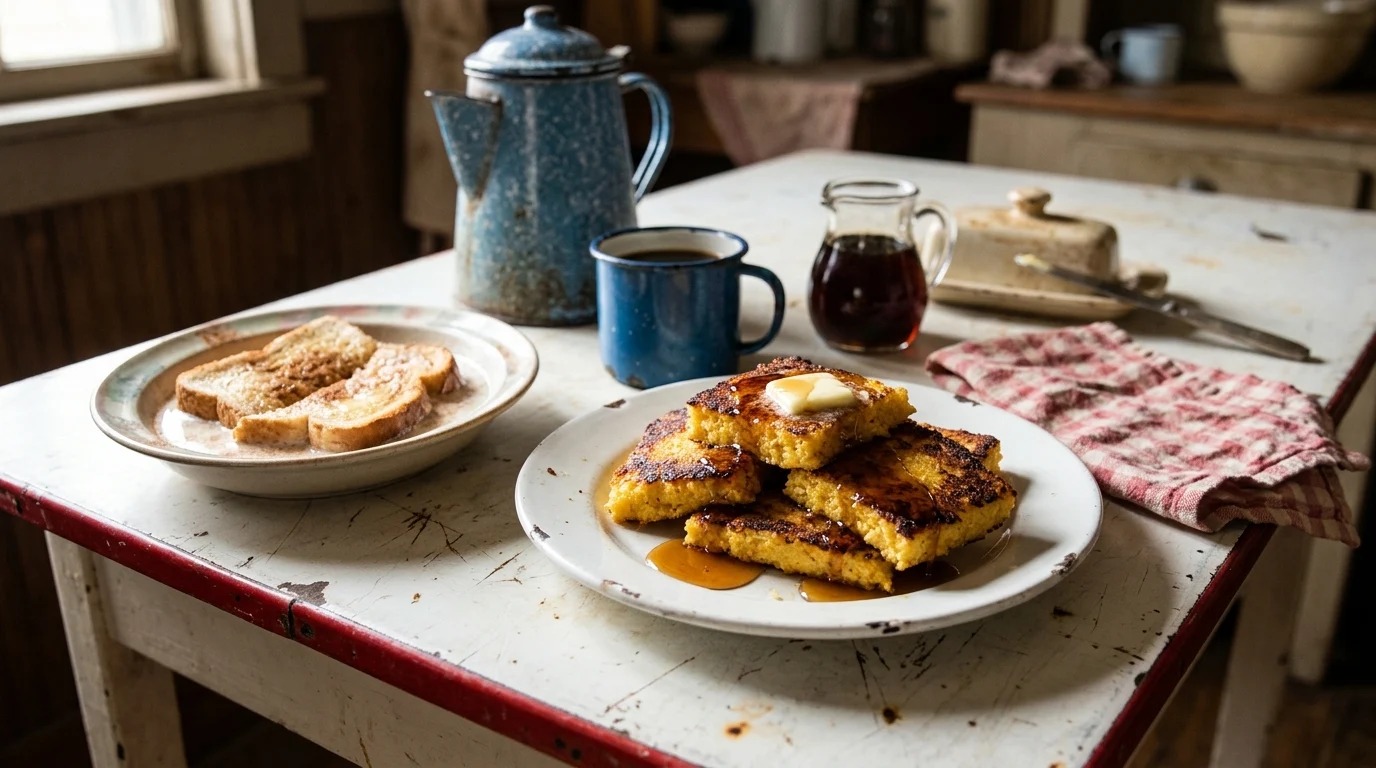
If one dish sums up Depression era breakfasts, it is fried mush. Grandma cooked a pot of cornmeal porridge at supper, poured the leftovers into a loaf pan and let it set overnight. In the morning she sliced it thick and fried it in bacon grease until the edges turned golden and crackly, then drizzled it with syrup or sorghum. One bag of cornmeal could feed a family for weeks, which mattered in years when, as the history of the Great Depression in the United States shows, a quarter of workers had no job. It still tastes like a warm hug..
You will need: 1 cup yellow cornmeal, 1 teaspoon salt, 4 cups water, 2 tablespoons bacon grease or butter, maple syrup or molasses for serving.
How to make it: 1. Bring 3 cups water and the salt to a boil. 2. Whisk the cornmeal into 1 cup cold water, then stir it into the boiling water. 3. Cook on low, stirring often, for 20 minutes until thick. 4. Pour into a greased loaf pan, cover and chill overnight. 5. Slice 1/2 inch thick and fry in hot grease 4 to 5 minutes per side until crisp. 6. Serve hot with syrup.
Milk Toast, the Gentle Breakfast Grandma Served When Money Ran Low
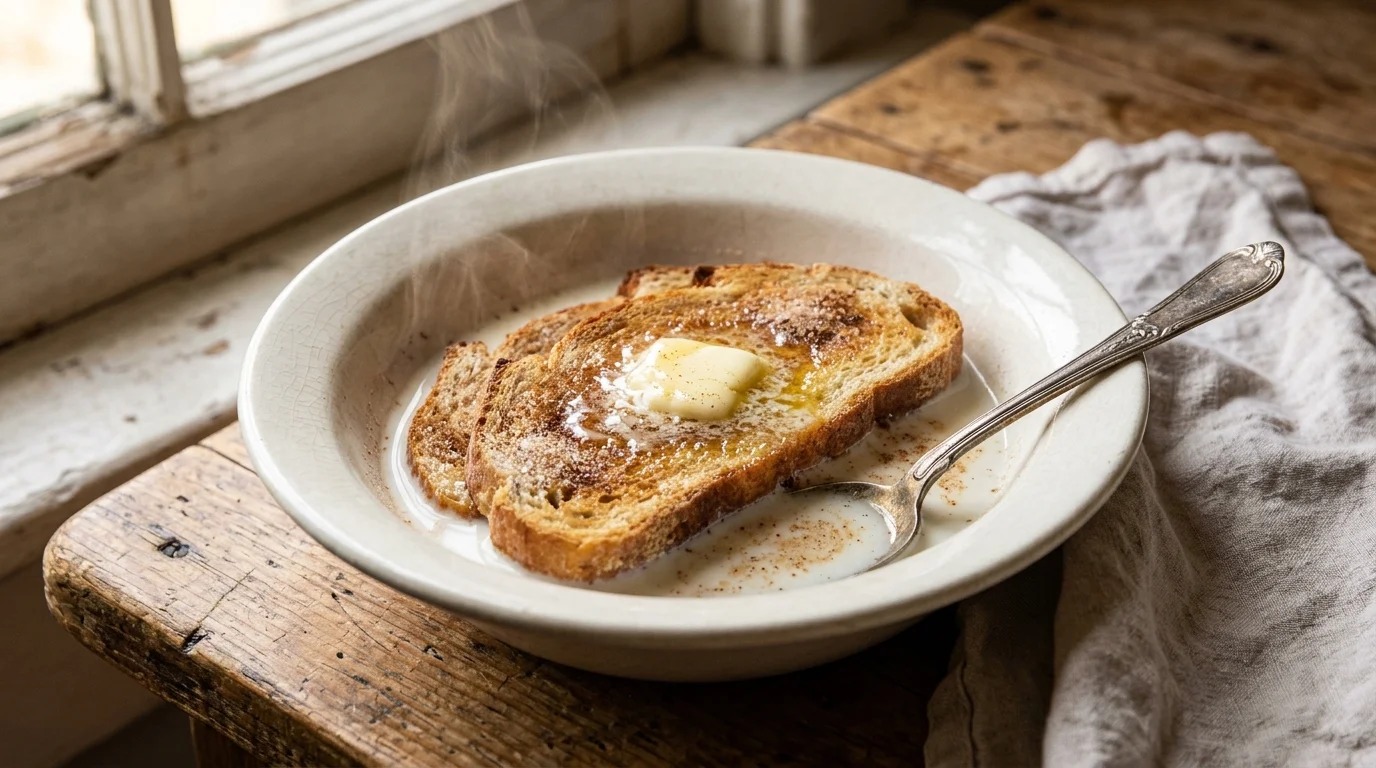
Milk toast sounds almost too plain to be a recipe, but it was a real comfort in hard times. Stale bread was toasted, buttered and set in a bowl, then warm milk was poured over the top with a pinch of sugar, salt or cinnamon. Mothers served it to children on cold mornings and to anyone feeling poorly, because it was soft, warm and easy to eat. Like most Depression era breakfasts, it cost almost nothing, used up bread that would otherwise be thrown away, and the buttery milk at the bottom of the bowl was the best part.
You will need: 2 slices day old bread, 1 tablespoon butter, 1 cup whole milk, 1 teaspoon sugar, a pinch of salt, a pinch of cinnamon or nutmeg.
How to make it: 1. Warm the milk with the sugar and salt until steaming but not boiling. 2. Toast the bread until golden and spread with butter. 3. Tear or cut the toast into a wide bowl. 4. Pour the hot milk over the toast. 5. Dust with cinnamon or nutmeg and eat with a spoon while warm.
Fried Potatoes and One Egg, the Farmhouse Breakfast Plate
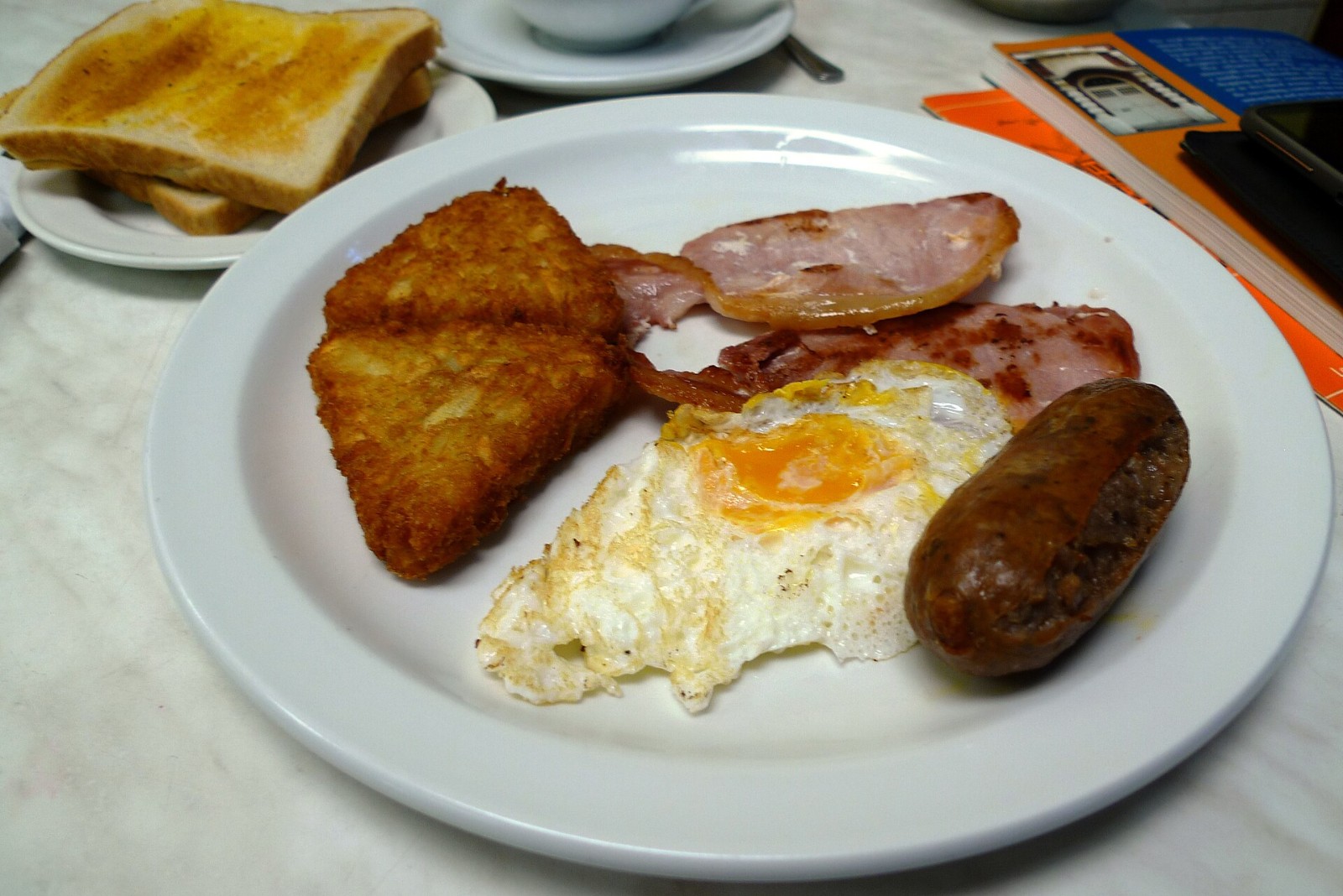
Potatoes were the backbone of many Depression kitchens because a sack lasted for weeks and grew in almost any backyard. Boiled potatoes left from supper were cubed or grated in the morning and fried in a hot skillet with a spoonful of bacon grease and a little onion until crisp and brown. On good days an egg or a strip of bacon went on top; on lean days the potatoes were the whole meal, salted well and eaten with bread. It is still one of the most satisfying, cheapest breakfasts you can cook.
You will need: 4 medium cold boiled potatoes, 1 small onion, 3 tablespoons bacon grease or butter, salt and pepper, 2 to 4 eggs, a few strips of bacon if you have them.
How to make it: 1. Cut the cold potatoes into small cubes or grate them coarsely. 2. Chop the onion. 3. Heat the grease in a cast iron skillet over medium high heat. 4. Add the potatoes and onion, press flat and cook 6 to 8 minutes without stirring until browned. 5. Turn in sections and brown the other side, then season. 6. Fry the eggs and bacon in the same pan and serve on top.
Depression Era Breakfasts Leaned on a Big Pot of Oatmeal
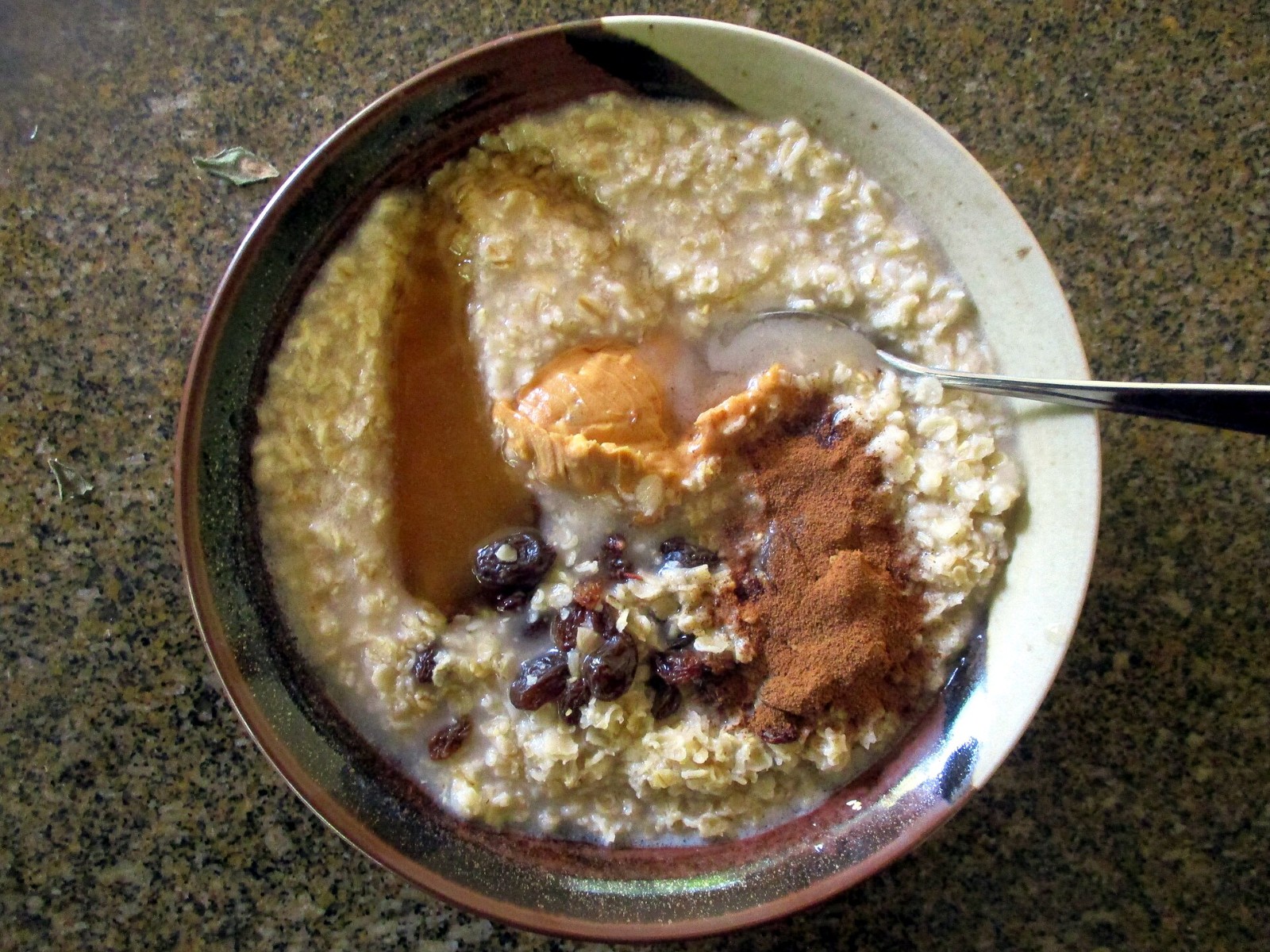
Rolled oats were one of the cheapest ways to fill a family before school and field work. A big pot simmered on the back of the stove while everyone dressed, and a spoonful of brown sugar, a few raisins or a splash of milk turned it into a treat. Oats are linked to longer lasting fullness, which may help explain why grandma swore by them on cold mornings. Leftover oatmeal never went to waste either; it was stirred into bread dough or fried in patties the next day.
You will need: 2 cups old fashioned rolled oats, 4 cups water or half milk, 1/2 teaspoon salt, 1/3 cup raisins, brown sugar, milk and butter for serving.
How to make it: 1. Bring the water and salt to a boil. 2. Stir in the oats and raisins. 3. Lower the heat and simmer 5 to 7 minutes, stirring now and then. 4. Cover and let stand 2 minutes. 5. Spoon into bowls and top with brown sugar, a pat of butter and a splash of milk.
Depression Era Breakfasts Turned One Egg Into Eggs in a Nest
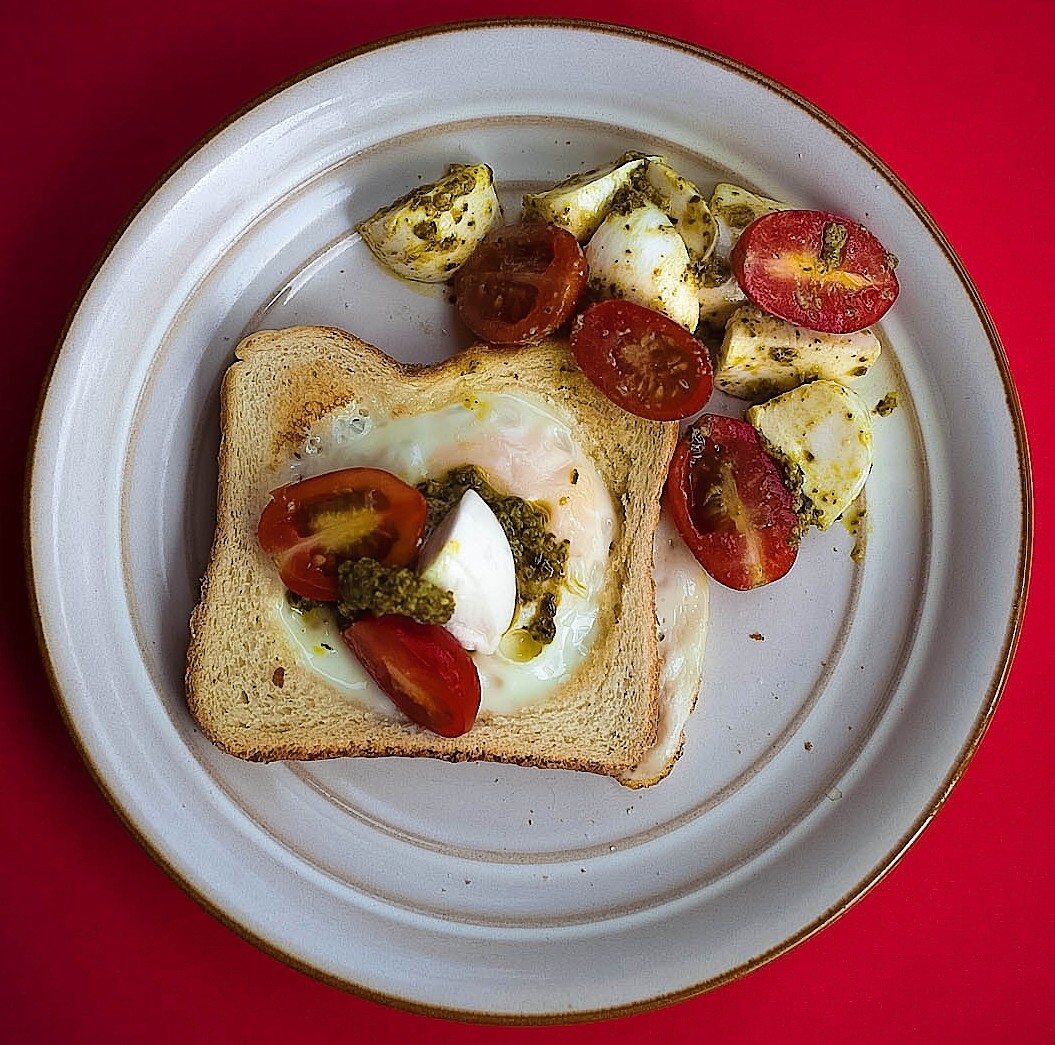
When the hens were laying slowly, one egg had to feel like a full breakfast. Grandma cut a hole in the middle of a slice of bread, set it in a buttered skillet and cracked the egg right into the center. The bread toasted while the egg cooked, and the little cut out circle was fried alongside for dunking in the yolk. Kids loved the name, mothers loved that it made a single egg look generous, and it is still one of the easiest Depression era breakfasts to make.
You will need: 4 slices bread, 4 eggs, 2 tablespoons butter, salt and pepper.
How to make it: 1. Cut a 2 inch hole in the center of each slice of bread with a glass or cutter. 2. Melt butter in a skillet over medium heat. 3. Lay in the bread and the cut out circles. 4. Crack an egg into each hole and season. 5. Cook 2 to 3 minutes, flip carefully and cook 1 minute more for a runny yolk. 6. Serve with the toasted circles.
Water Pancakes Made Without Eggs or Milk
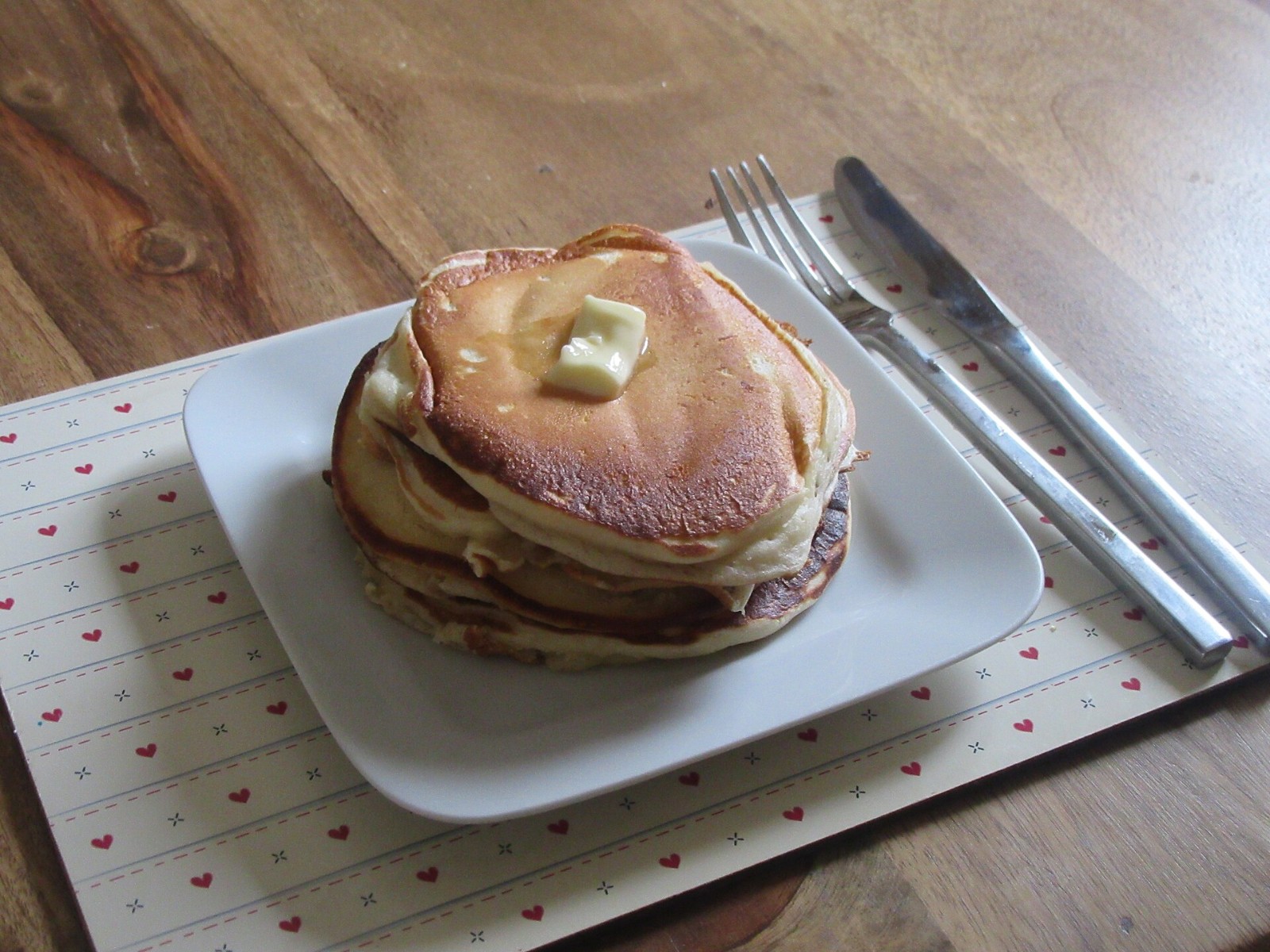
When the milk went to the baby and the eggs went to market, pancakes were still possible. Depression cooks mixed flour, a little sugar, baking powder and plain water into a batter that fried up surprisingly light, especially in a well greased cast iron pan. Some families called them poor man’s flapjacks. A drizzle of homemade syrup, made by boiling sugar with water and a drop of vanilla, finished them off. Of all the Depression era breakfasts here, they are also the handiest today when you run out of eggs on a Saturday morning.
You will need: 1 1/2 cups flour, 2 tablespoons sugar, 1 tablespoon baking powder, 1/2 teaspoon salt, 1 1/4 cups water, 2 tablespoons melted butter or oil, plus oil for the pan.
How to make it: 1. Whisk the flour, sugar, baking powder and salt. 2. Stir in the water and melted butter until just combined; a few lumps are fine. 3. Rest the batter 5 minutes. 4. Heat a greased skillet over medium heat. 5. Pour 1/4 cup batter per pancake and cook until bubbles form, then flip and cook 1 minute more. 6. Serve with syrup.
Biscuits and Sawmill Gravy Fed Logging Camps and Farm Families
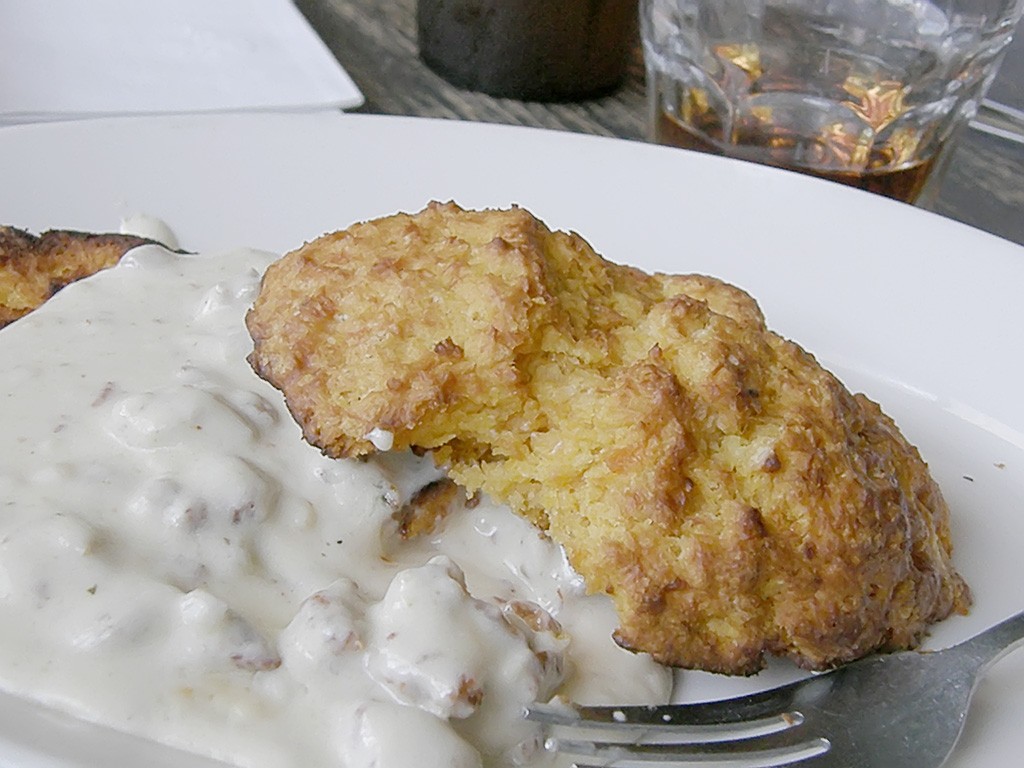
Sawmill gravy got its name from the lumber camps of the South, where cooks fed hungry crews with biscuits and a skillet of peppery milk gravy. At home, grandma made it with a few spoonfuls of sausage or bacon drippings, flour and milk, so even a tiny bit of meat flavored the whole pan. Split a hot biscuit, ladle the gravy over the top and you have one of the most filling Depression era breakfasts ever made for so little money. Some days the gravy had no meat at all and still tasted wonderful.
You will need: 8 hot biscuits, 1/4 lb breakfast sausage or 3 tablespoons bacon drippings, 1/4 cup flour, 2 1/2 cups milk, 1/2 teaspoon salt, 1 teaspoon black pepper.
How to make it: 1. Brown the sausage in a skillet, breaking it up, or heat the drippings. 2. Sprinkle in the flour and cook, stirring, for 2 minutes. 3. Slowly pour in the milk, whisking constantly. 4. Simmer 3 to 5 minutes until thick. 5. Season well with salt and plenty of pepper. 6. Split the biscuits and spoon the gravy over them.
Skillet Fried Bread, Salty or Sweet, Turned Stale Bread Into a Treat
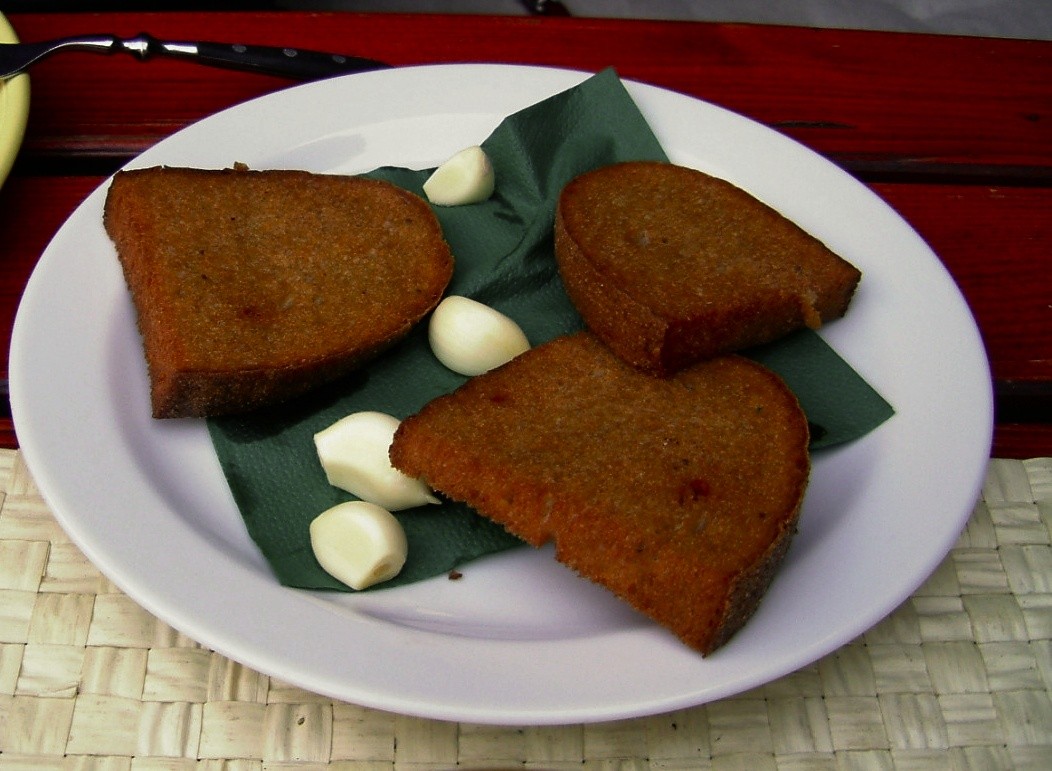
Bread too dry for sandwiches never went to waste in grandma’s kitchen. Thick slices were fried in a little lard or butter until crisp and golden. For the grown ups, the hot bread was rubbed with a cut garlic clove and sprinkled with salt, the way many European immigrant families made it. For the children, it was showered with cinnamon sugar while still hot, so the sugar melted into a crackly coating. With coffee for the adults and warm milk for the kids, it felt special on a budget of almost nothing.
You will need: 6 thick slices day old bread, 3 tablespoons butter or lard, 2 garlic cloves and salt for savory slices, 1/4 cup sugar mixed with 1 1/2 teaspoons cinnamon for sweet slices.
How to make it: 1. Melt the butter in a large skillet over medium heat. 2. Fry the bread slices 2 to 3 minutes per side until golden and crisp. 3. For savory slices, rub the hot bread with a cut garlic clove and sprinkle with salt. 4. For sweet slices, press the hot bread into the cinnamon sugar on both sides. 5. Serve right away.
Depression Era Breakfasts Down South Meant Hot Buttered Grits
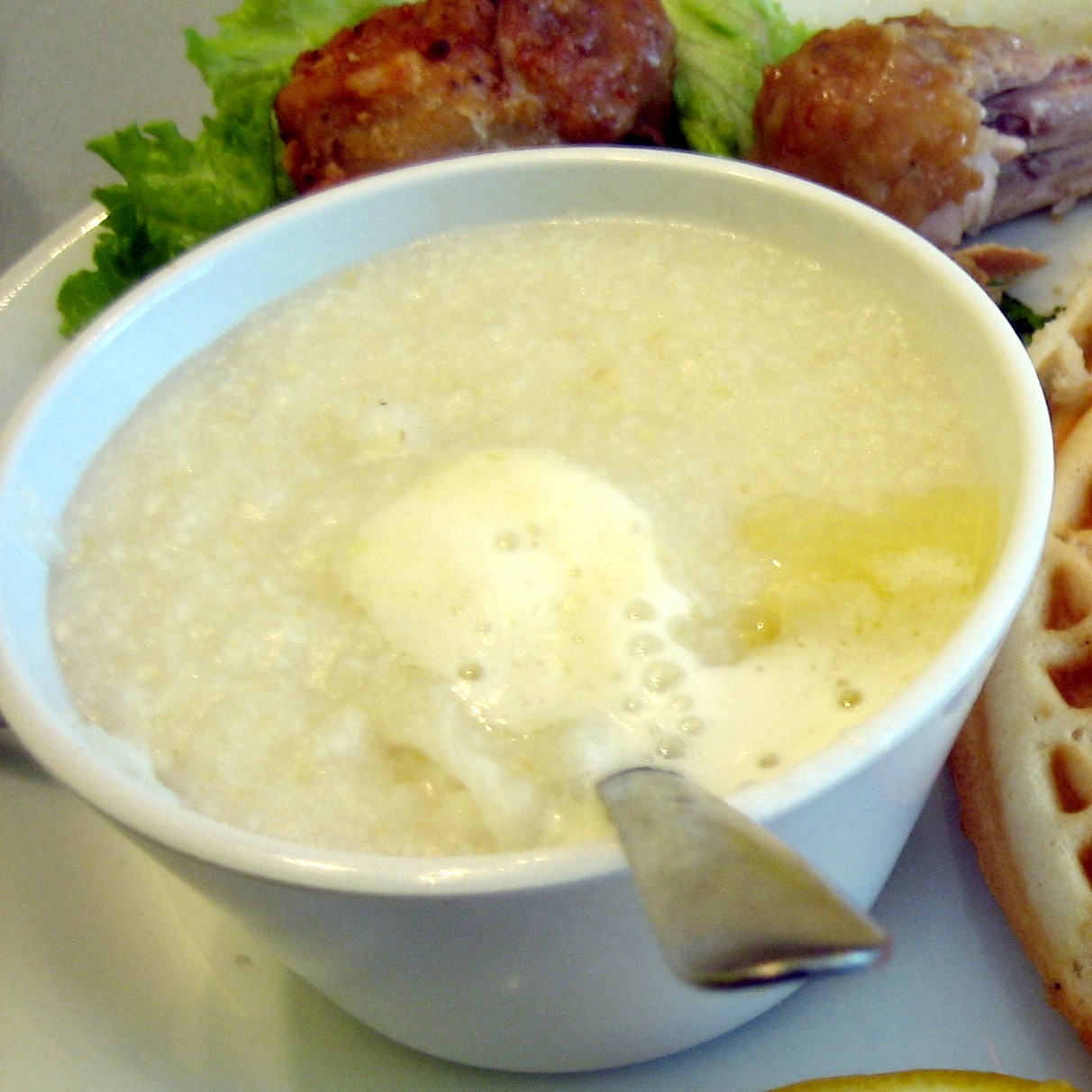
Across the South, a pot of grits was the cheapest way to fill a table before a long day of work. Ground dried corn simmered slowly with water and salt until thick and creamy, then got a pat of butter and a good grind of pepper. Families who had a little more stirred in milk or a spoonful of cheese, and leftover grits were chilled, sliced and fried the next morning just like mush. Simple Depression era breakfasts like this one are still served in diners and farmhouses all over the South today.
You will need: 1 cup stone ground or old fashioned grits, 4 cups water (or half milk), 1 teaspoon salt, 2 tablespoons butter, black pepper.
How to make it: 1. Bring the water and salt to a boil in a heavy saucepan. 2. Slowly whisk in the grits so no lumps form. 3. Lower the heat, cover and simmer 20 to 25 minutes, stirring often and adding a splash of water if too thick. 4. Stir in the butter. 5. Season with pepper and serve hot.
Potato Pancakes From Last Night’s Leftovers
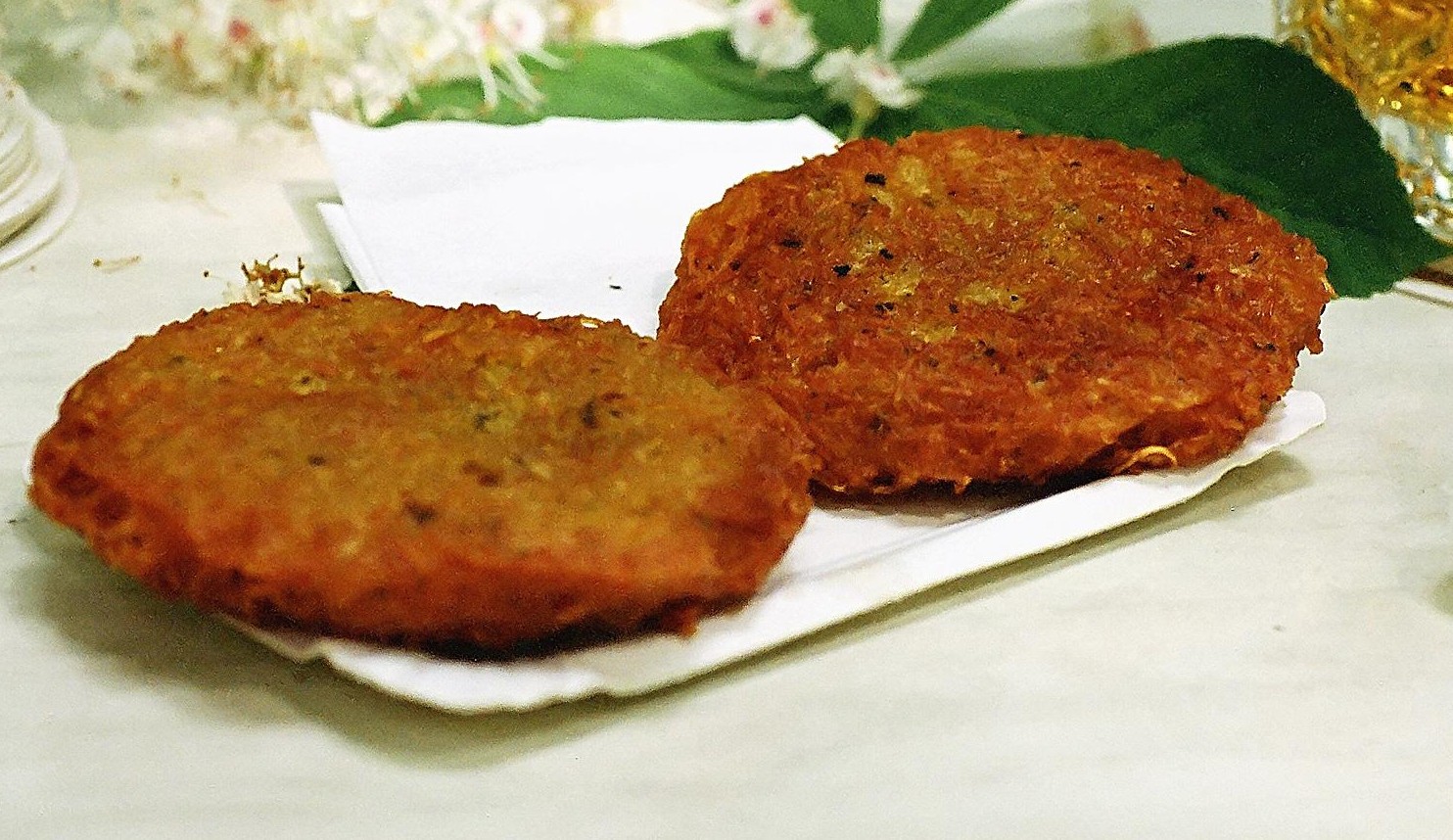
Nothing was ever thrown away in a Depression kitchen, especially not potatoes. Leftover mashed potatoes from supper were mixed with a little flour, onion and an egg if there was one, then fried into golden cakes for breakfast. Families with no leftovers grated raw potatoes instead for lacy, crisp pancakes. Like many Depression era breakfasts, a few potatoes and a hot skillet fed everyone at the table. Serve them with applesauce, a fried egg or a spoonful of sour cream, and you will see why grandma still makes them today.
You will need: 2 cups cold mashed potatoes, 1 egg, 1/3 cup flour, 2 tablespoons grated onion, salt and pepper, oil or bacon grease for frying.
How to make it: 1. Mix the mashed potatoes, egg, flour, onion, salt and pepper. 2. Shape into 8 patties about 1/2 inch thick. 3. Dust lightly with extra flour. 4. Heat a thin layer of oil in a skillet over medium heat. 5. Fry 3 to 4 minutes per side until golden and crisp. 6. Serve hot with applesauce or a fried egg.
Rice Cooked in Milk With Raisins Was a Sweet Start for Pennies
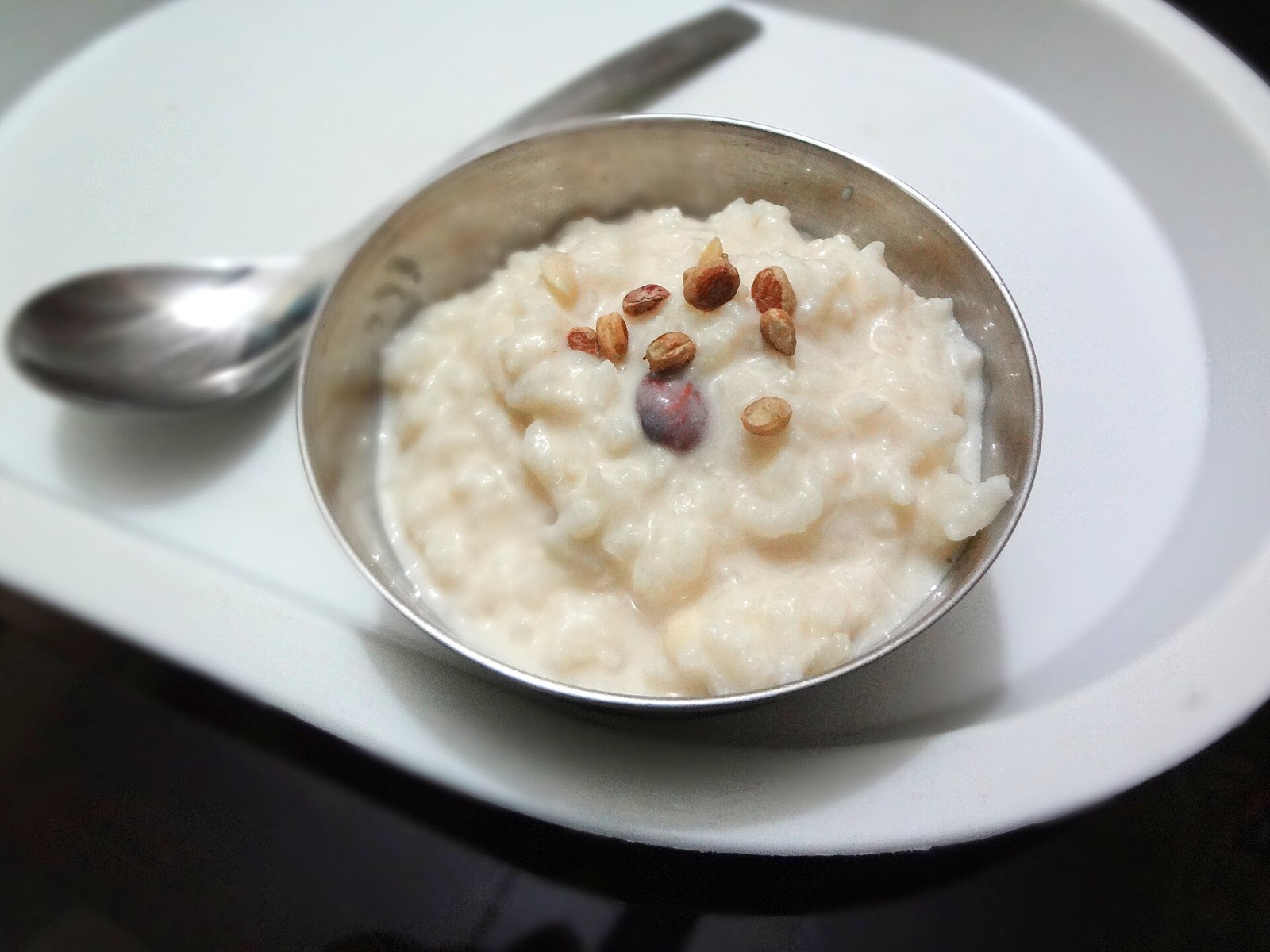
A cup of rice went a remarkably long way in the 1930s, and many grandmothers cooked it slowly in milk on the back of the stove for a sweet, warming breakfast. A handful of raisins, a spoon of sugar and a pinch of cinnamon or nutmeg turned plain rice into something children begged for, and leftover rice from supper could be used the same way. If you love the way grandma stretched every penny, you will also enjoy these Depression era dinners that fed a whole family, built on the same thrifty idea of wasting nothing.
You will need: 1/2 cup long grain rice, 1 cup water, 3 cups milk, 1/3 cup sugar, 1/3 cup raisins, 1/4 teaspoon salt, 1/2 teaspoon cinnamon or nutmeg, 1 teaspoon vanilla.
How to make it: 1. Simmer the rice in the water until absorbed, about 10 minutes. 2. Stir in the milk, sugar, salt and raisins. 3. Cook on low, stirring often, for 25 to 30 minutes until thick and creamy. 4. Stir in the vanilla. 5. Serve warm in bowls, dusted with cinnamon or nutmeg, with a splash of cold milk.
Coffee Soup, the Dunked Bread Breakfast Many Grandparents Still Remember
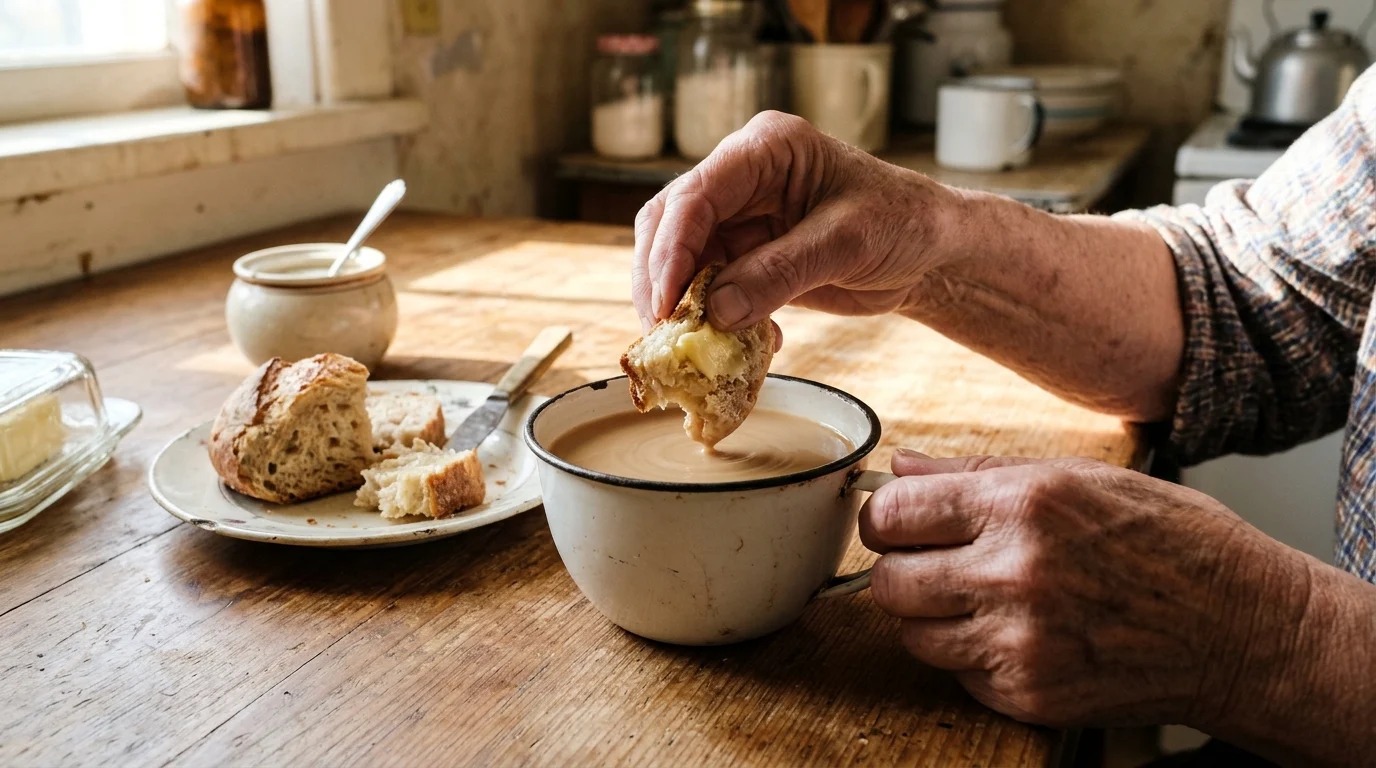
Ask the oldest people in your family about coffee soup and you may get a smile. In many immigrant and farm homes, breakfast was simply yesterday’s bread torn into a big cup of hot, milky, sweetened coffee and eaten with a spoon. Children often got a weak version that was mostly milk. It warmed cold hands before chores and turned dry bread into something soft and comforting. Of all Depression era breakfasts, it is the simplest taste of the past, and many grandparents still make it on cold mornings.
You will need: 2 slices crusty day old bread, 1 cup hot coffee, 1/2 cup warm milk, 1 to 2 teaspoons sugar, a little butter if you like.
How to make it: 1. Brew a cup of coffee and warm the milk. 2. Pour both into a large mug or bowl and stir in the sugar. 3. Butter the bread if using, then tear it into bite size pieces. 4. Drop the bread into the coffee and let it soak 30 seconds. 5. Eat with a spoon while hot.