Hand-Pulled Noodles: 15 Chinese Noodle Dishes Behind the Hypnotic Video With 30 Million Views
Hand-pulled noodles might be the most hypnotic thing you can watch in a kitchen. On YouTube, a popular food channel’s video called The Art Of Making Noodles By Hand has passed 30 million views, and other noodle pulling clips sit at more than 5 million each, from home cooks attempting it on camera to a famous Chinese chef stretching dough with no recipe at all. The trick looks like magic: one lump of dough is swung, slapped and folded until it splits into hundreds of silky strands in under a minute. China has turned that skill, and plenty of easier knife-cut and shortcut methods, into a whole family of comforting bowls. If you already love our buttery garlic dinners, these are the next step. Here are 15 regional Chinese dishes for cozy winter nights and Lunar New Year, each with what you will need and simple steps..
Hand-Pulled Noodles: How One Dough Becomes Hundreds of Strands
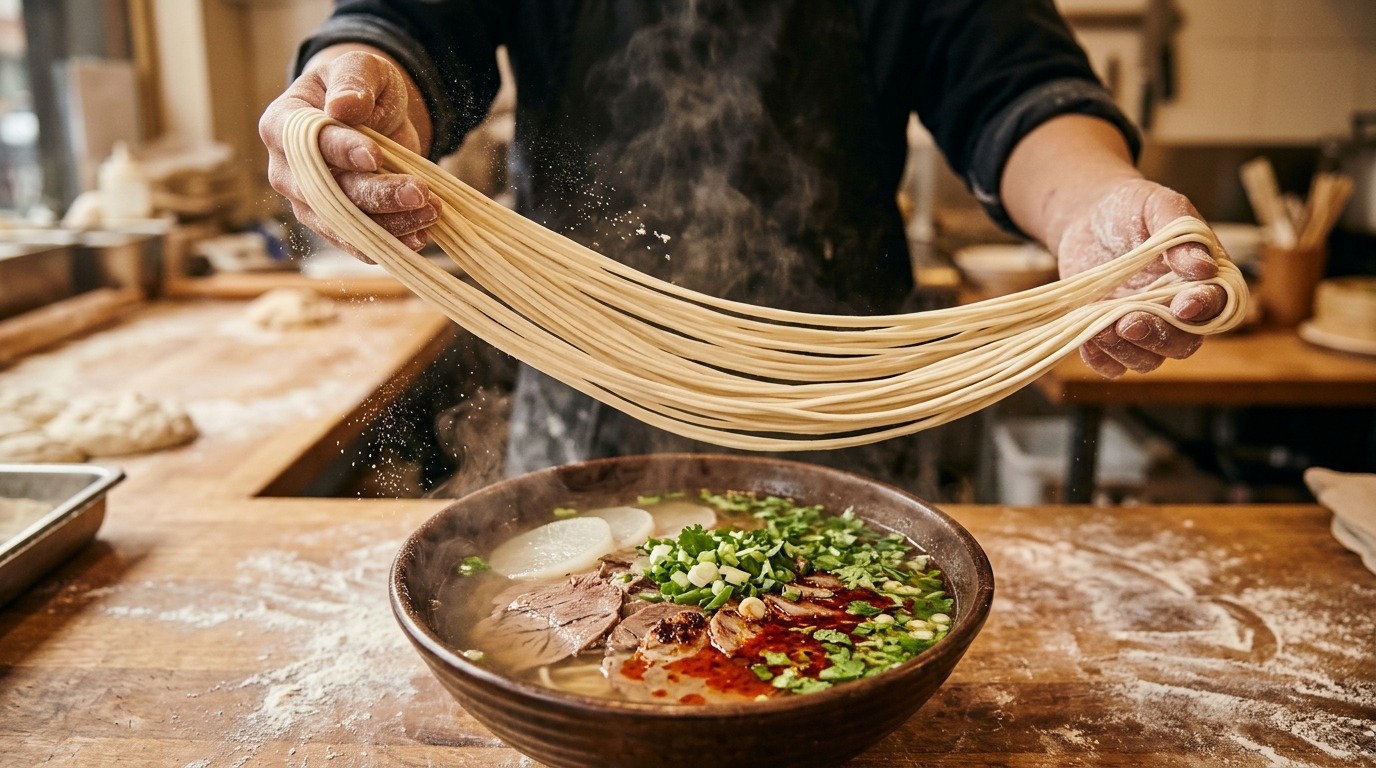
The secret of hand-pulled noodles is simple math and a lot of practice. A noodle master rolls a soft wheat dough into a thick rope, holds both ends, and swings it so it stretches. Then he folds it in half and pulls again. Every fold doubles the strands: 2, 4, 8, 16, and after seven or eight folds there are more than 200 thin noodles hanging from his hands. Many shops add a little alkaline water to make the dough extra stretchy. It is the same pride in dough you see in Italy’s handmade pasta grannies, just with more swinging..
You will need: 3 cups all-purpose or bread flour, 1 cup plus 2 tablespoons warm water, 1 teaspoon salt, 1/4 teaspoon baking soda (optional, for stretch), neutral oil for brushing.
How to make it: 1. Mix the flour, salt and baking soda, then add the water and knead 10 minutes until smooth. 2. Cover and rest 30 minutes, knead 2 minutes more, then rest another 30 minutes. 3. Roll the dough into a rope, brush with oil and pull it gently to arm’s length. 4. Fold it in half, twist the ends and pull again; repeat 4 to 6 times for thinner strands. 5. Drop the strands straight into boiling salted water and cook 1 to 2 minutes.
Inside the Noodle Shop: Pick Your Thickness
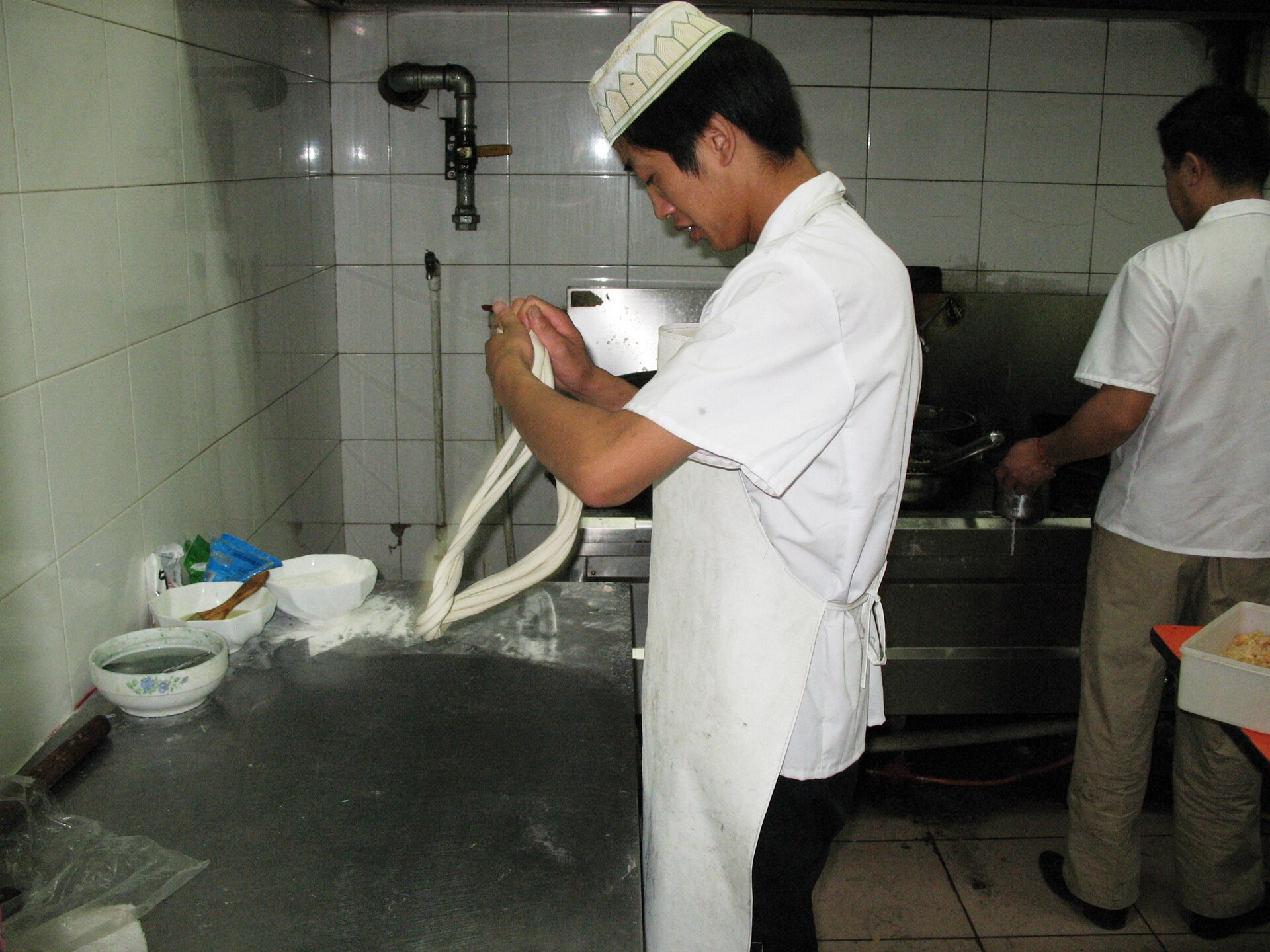
Walk into a traditional lamian shop in China and the noodle maker usually works in plain view, slapping dough on a floured steel counter while customers order. The fun part is that you choose the thickness. Menus often list hair thin, thin, medium, chive-leaf flat, wide and extra wide, and every bowl is pulled to order in seconds. Thin strands suit clear soups, while wide belts grab thick sauces. At home, cook each style right away in one big pot of rapidly boiling water, because fresh dough is ready almost as soon as it floats.
You will need: 1 batch rested noodle dough (see the last slide), a large pot of boiling salted water, flour for the counter, a slotted spoon or spider strainer.
How to make it: 1. Bring a large pot of salted water to a rolling boil before you start pulling. 2. For thin noodles, fold and pull the dough rope 6 times; for wide, flatten oiled strips with your palm and pull once. 3. Shake off excess flour and lower the strands into the water. 4. Boil thin noodles 1 minute and wide noodles 2 to 3 minutes, until they float and turn chewy-tender. 5. Lift out with a spider and add straight to the soup or sauce.
Lanzhou Beef Soup: The Most Famous Bowl of Hand-Pulled Noodles
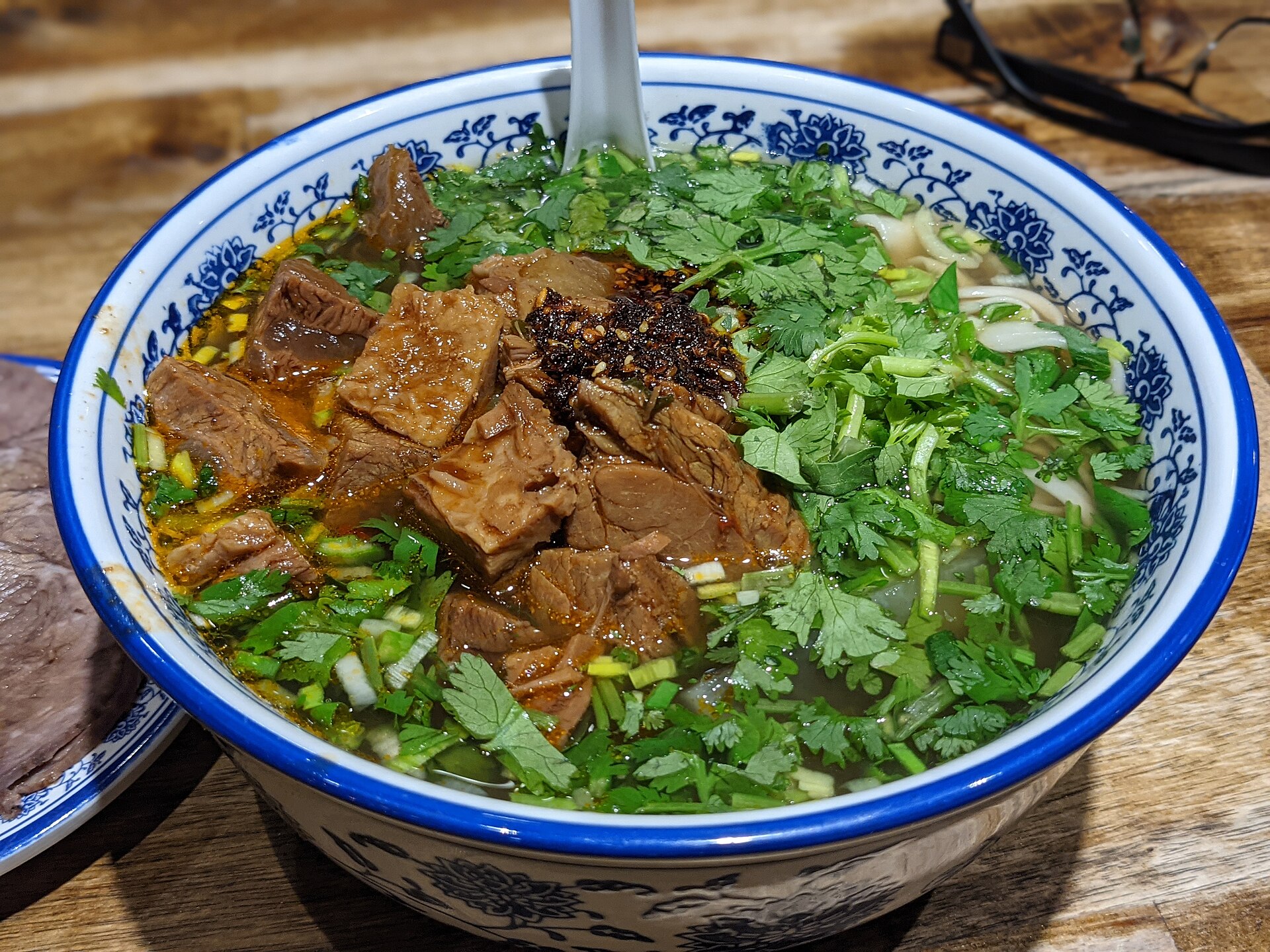
Lanzhou beef noodle soup is the dish that made hand-pulled noodles famous across China. Locals describe the perfect bowl with five colors: a clear broth, white radish slices, red chili oil, green cilantro and garlic shoots, and yellow noodles. The broth simmers for hours with beef bones and warm spices, and it is light rather than heavy, which is why people eat it for breakfast in Lanzhou. If you like a high protein soup on cold mornings, this clear, beefy bowl with tender slices on top is a great one to learn.
You will need: 1 pound beef shank, 1 pound beef bones, 10 cups water, 1 star anise, 1 small cinnamon stick, 4 slices ginger, 1 small white radish (sliced), salt, fresh or store-bought wheat noodles, chili oil, cilantro and green onion.
How to make it: 1. Blanch the bones and shank 5 minutes, drain and rinse. 2. Simmer them in fresh water with the spices and ginger for 2 to 3 hours, skimming often. 3. Remove the shank, slice thinly and strain the broth; season with salt. 4. Cook the radish in the broth 10 minutes, then cook the noodles separately. 5. Add noodles to bowls, ladle over hot broth, top with beef, radish, chili oil and herbs.
Biang Biang Belt Noodles With Sizzling Garlic Oil
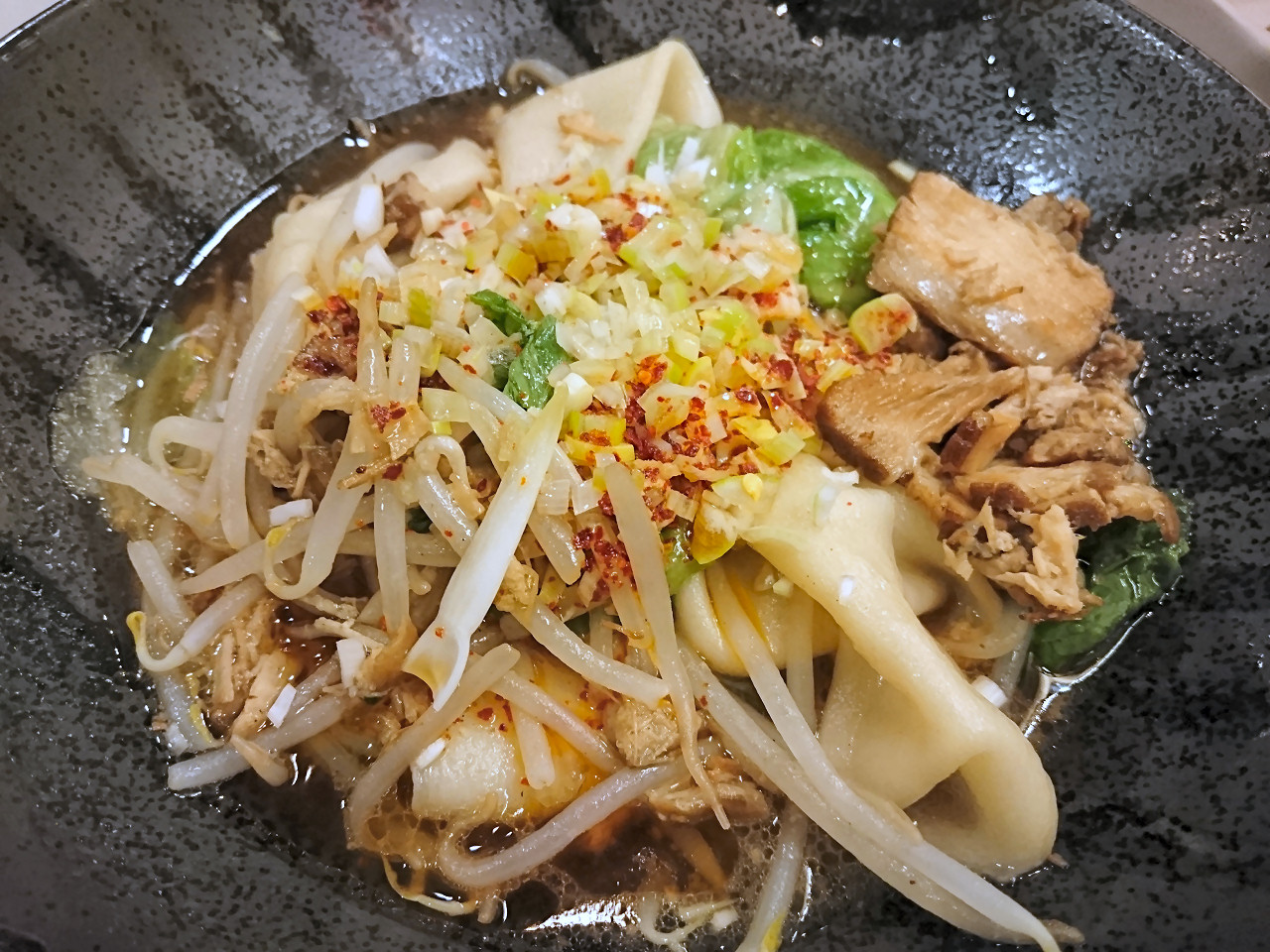
Biang biang noodles from Shaanxi province are as wide as a belt and as fun to make as they are to say. The name is said to copy the slap of the dough hitting the counter, and the written character is so complicated it has around 58 strokes. The thick ribbons are pulled from oiled strips, then topped with chili flakes, garlic and green onion before hot oil is poured on with a loud sizzle. This style is the easiest way to try homemade pasta shapes fans at home, because the strips only need one pull.
You will need: 1 batch noodle dough cut into 8 oiled strips, 2 tablespoons chili flakes, 4 garlic cloves (minced), 2 green onions (chopped), 2 tablespoons soy sauce, 1 tablespoon black vinegar, a handful of bok choy or bean sprouts, 1/3 cup neutral oil.
How to make it: 1. Flatten each oiled strip, hold the ends and pull to about 3 feet, slapping it on the counter as it stretches. 2. Tear down the middle into a loop and boil 2 to 3 minutes with the greens. 3. Drain into a bowl and add soy sauce and vinegar. 4. Pile the chili flakes, garlic and green onion on top. 5. Heat the oil until shimmering, carefully pour over the aromatics and toss.
Dan Dan Noodles: Sichuan’s Spicy Sesame Street Snack
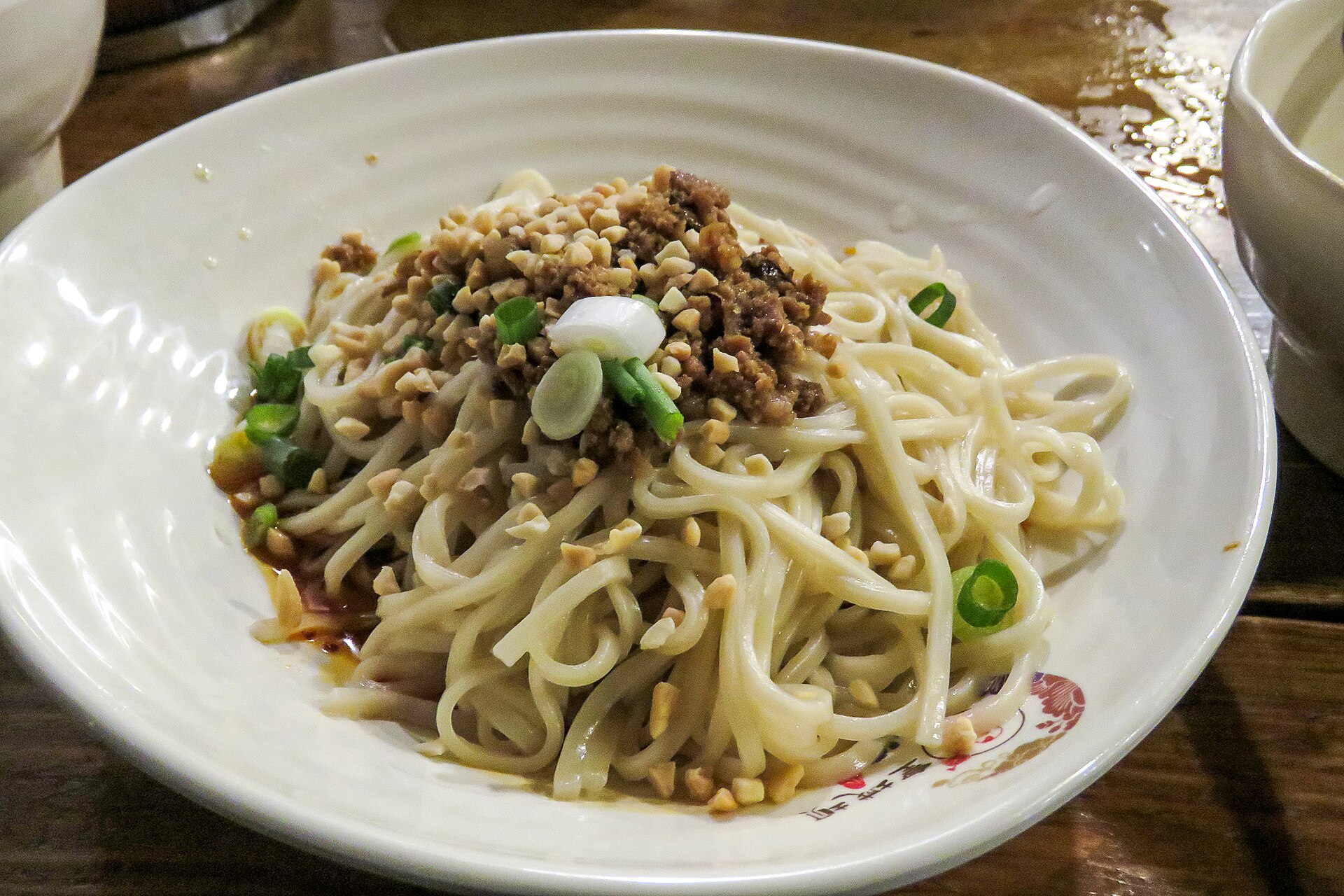
Dan dan noodles take their name from the shoulder pole that Chengdu street sellers once used to carry two baskets, one with noodles and one with sauce. A small bowl comes with a punchy sauce of sesame paste, chili oil, soy sauce and numbing Sichuan peppercorn, topped with crispy minced pork and preserved greens. You stir it all from the bottom so every strand is coated, and it works with thin hand-pulled noodles or dried ones. It is a cousin of many dishes in our Chinese takeout copycats, but the real version is smaller, drier and much more fragrant.
You will need: 8 ounces thin wheat noodles, 6 ounces ground pork, 1 tablespoon soy sauce, 2 tablespoons Chinese sesame paste or tahini, 2 tablespoons chili oil, 1/2 teaspoon ground Sichuan peppercorn, 1 teaspoon sugar, 2 tablespoons chopped preserved vegetables or pickles, green onion, crushed peanuts.
How to make it: 1. Fry the pork in a little oil until crispy and brown, then add soy sauce. 2. Whisk the sesame paste, chili oil, peppercorn, sugar and a splash of noodle water in serving bowls. 3. Boil the noodles and drain well. 4. Add noodles to the sauce and top with pork, pickles, green onion and peanuts. 5. Toss from the bottom before eating.
Zhajiangmian: Beijing’s Savory Bean Sauce Noodles
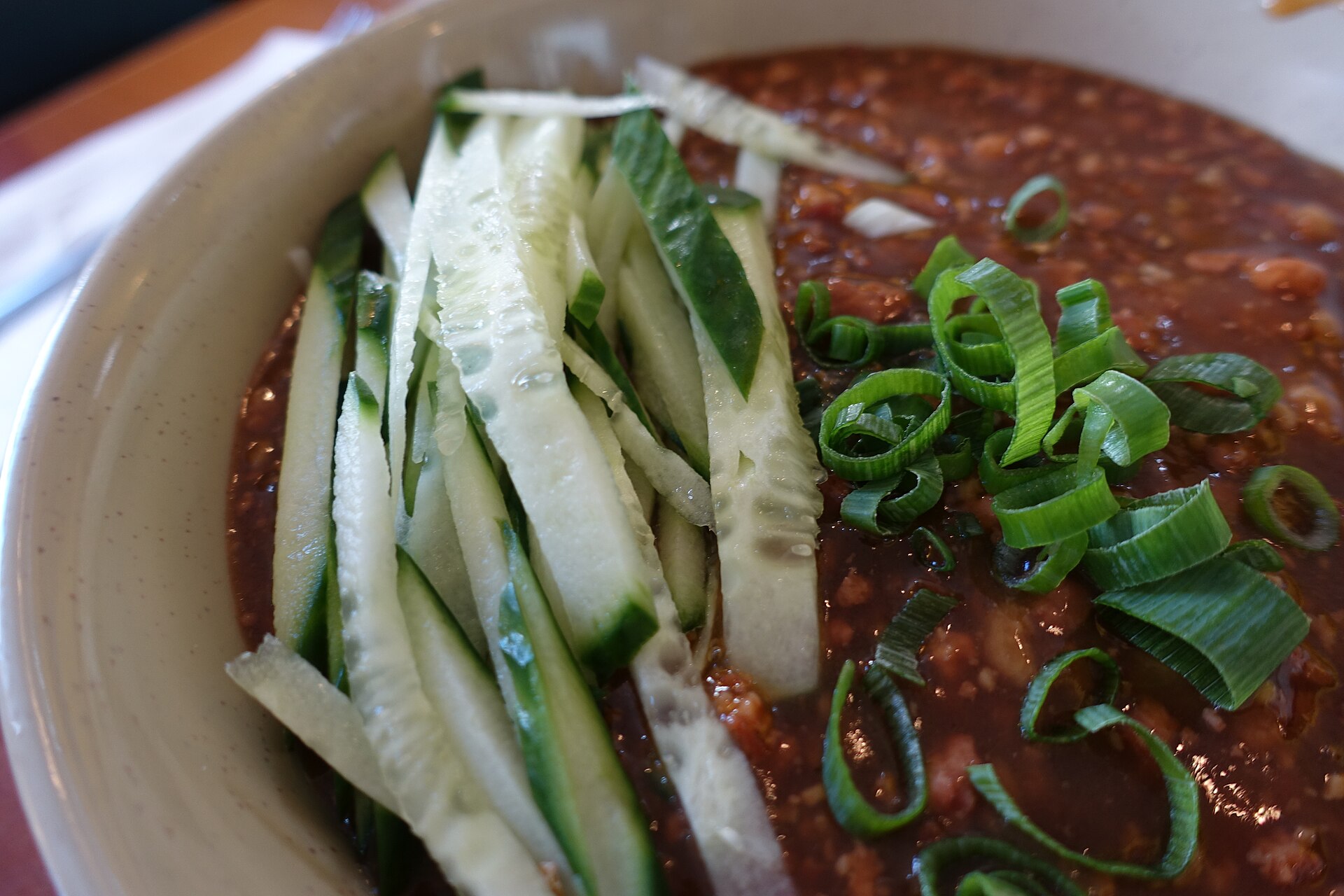
Zhajiangmian means fried sauce noodles, and it is one of Beijing’s best loved everyday meals. Diced pork belly is cooked slowly with a dark fermented soybean paste until the sauce turns rich and glossy, then spooned over chewy hand-pulled noodles with a crunchy pile of raw cucumber, radish and bean sprouts. It travelled with Chinese cooks to Korea, where it became jajangmyeon, now a favorite in many Korean dinners at home. Mix everything together just before eating so the cool vegetables meet the warm salty sauce.
You will need: 8 ounces thick wheat noodles, 8 ounces pork belly or ground pork, 3 tablespoons yellow soybean paste, 2 tablespoons sweet bean sauce, 1 teaspoon sugar, 1/2 cup water, 1 cucumber (cut into matchsticks), bean sprouts, green onion.
How to make it: 1. Cook the pork in a little oil until the fat renders and edges brown. 2. Add both bean pastes and fry 2 minutes, stirring so they do not burn. 3. Stir in the sugar and water and simmer on low 10 minutes until thick. 4. Boil the noodles, rinse briefly and drain. 5. Top with the sauce, cucumber, sprouts and green onion, then mix well.
Shanghai Scallion Oil Noodles With 5 Ingredients
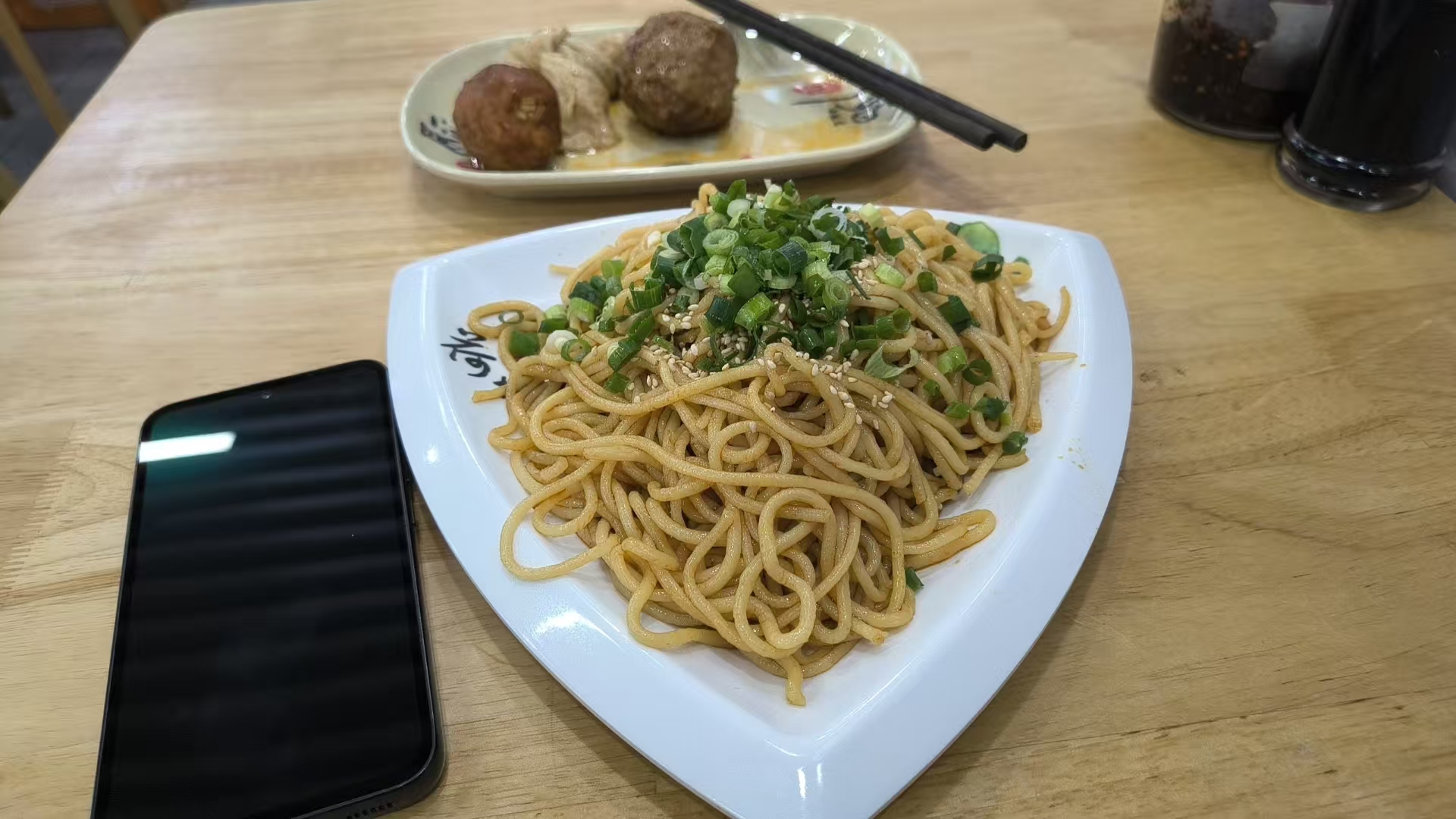
Shanghai scallion oil noodles prove that a great bowl does not need a long list. A big bunch of green onions is fried slowly in oil until the pieces turn dark brown and crisp, which fills the oil with a sweet, toasty flavor. Soy sauce and a little sugar go in at the end to make a salty-sweet glaze, and the hot noodles are tossed in it right away. It is one of the cheapest and fastest dishes here, perfect for a list of 5 ingredient dinners. Keep the extra oil in a jar for fried eggs, or toss it with fresh hand-pulled noodles.
You will need: 8 ounces thin wheat noodles, 1 large bunch green onions (cut into 2 inch pieces), 1/3 cup neutral oil, 3 tablespoons light soy sauce, 1 tablespoon dark soy sauce, 2 teaspoons sugar.
How to make it: 1. Cook the green onions in the oil over medium-low heat 10 to 15 minutes until dark brown but not burnt. 2. Turn off the heat, add both soy sauces and the sugar and stir until it bubbles and dissolves. 3. Boil the noodles until just tender and drain. 4. Toss the hot noodles with 3 to 4 tablespoons of the scallion oil sauce. 5. Top with the crispy onion pieces and serve.
Cold Sesame Noodles for Hot or Cold Days
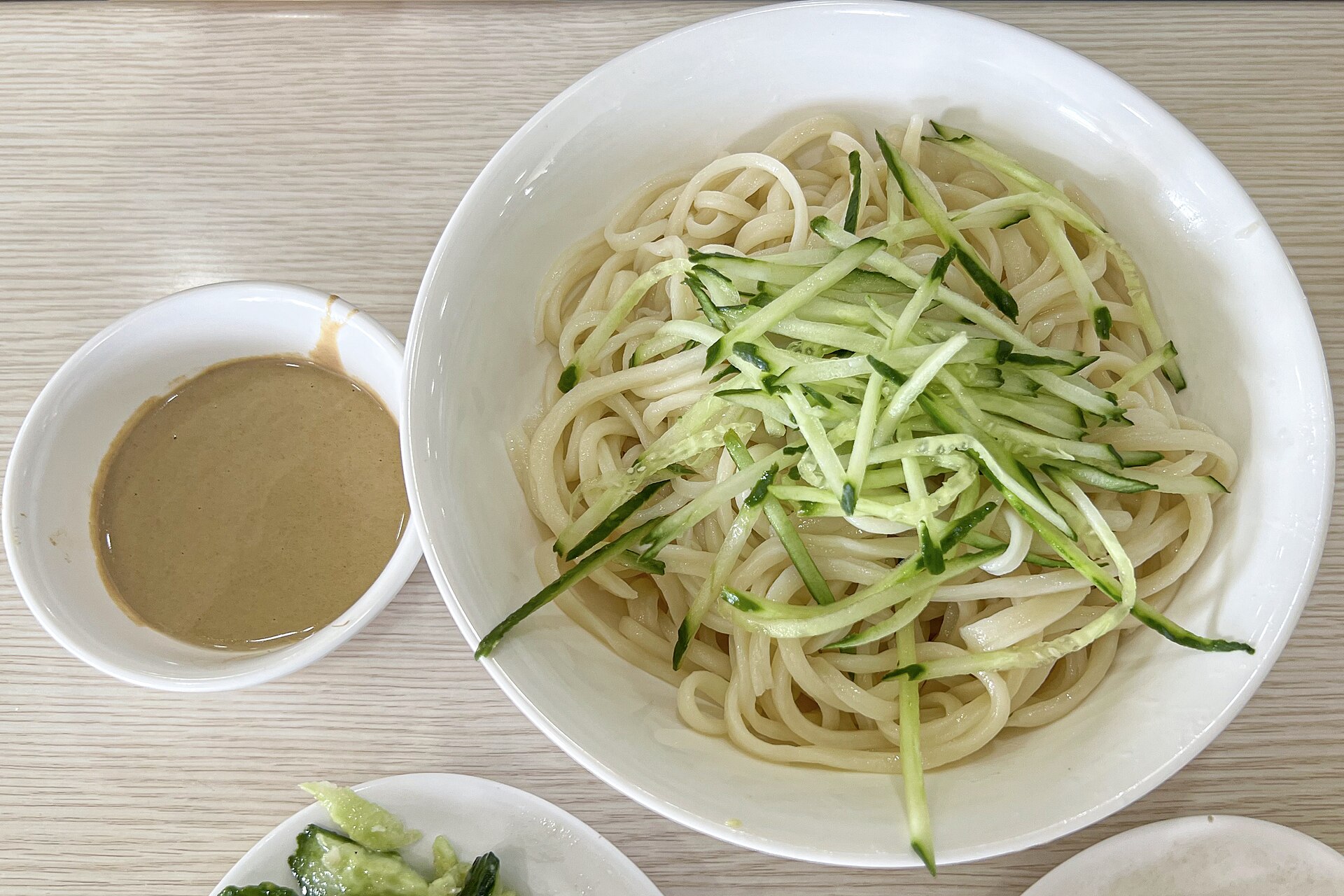
Cold sesame noodles are a classic in Sichuan and northern China, and they became a menu legend in Chinese restaurants abroad too. The noodles are cooked, rinsed until cool and coated in a nutty sauce made from toasted sesame paste, soy sauce, vinegar, garlic and chili oil, with crunchy cucumber on top. Because the dish is served cold, it is great for packed lunches and parties and sits happily next to deli salad recipes on a buffet. Thin the sauce with a little warm water until it pours like heavy cream; leftover hand-pulled noodles work well here too.
You will need: 8 ounces wheat noodles, 3 tablespoons Chinese sesame paste or tahini, 2 tablespoons soy sauce, 1 tablespoon black vinegar, 1 teaspoon sugar, 1 garlic clove (grated), 1 tablespoon chili oil, 2 to 4 tablespoons warm water, 1 cucumber (cut into matchsticks), sesame seeds.
How to make it: 1. Boil the noodles, rinse under cold water and toss with a few drops of sesame oil. 2. Whisk the sesame paste, soy sauce, vinegar, sugar, garlic and chili oil. 3. Add warm water a spoonful at a time until smooth and pourable. 4. Pour the sauce over the cold noodles. 5. Top with cucumber and sesame seeds, then toss at the table.
Knife-Cut Noodles With Tomato and Egg
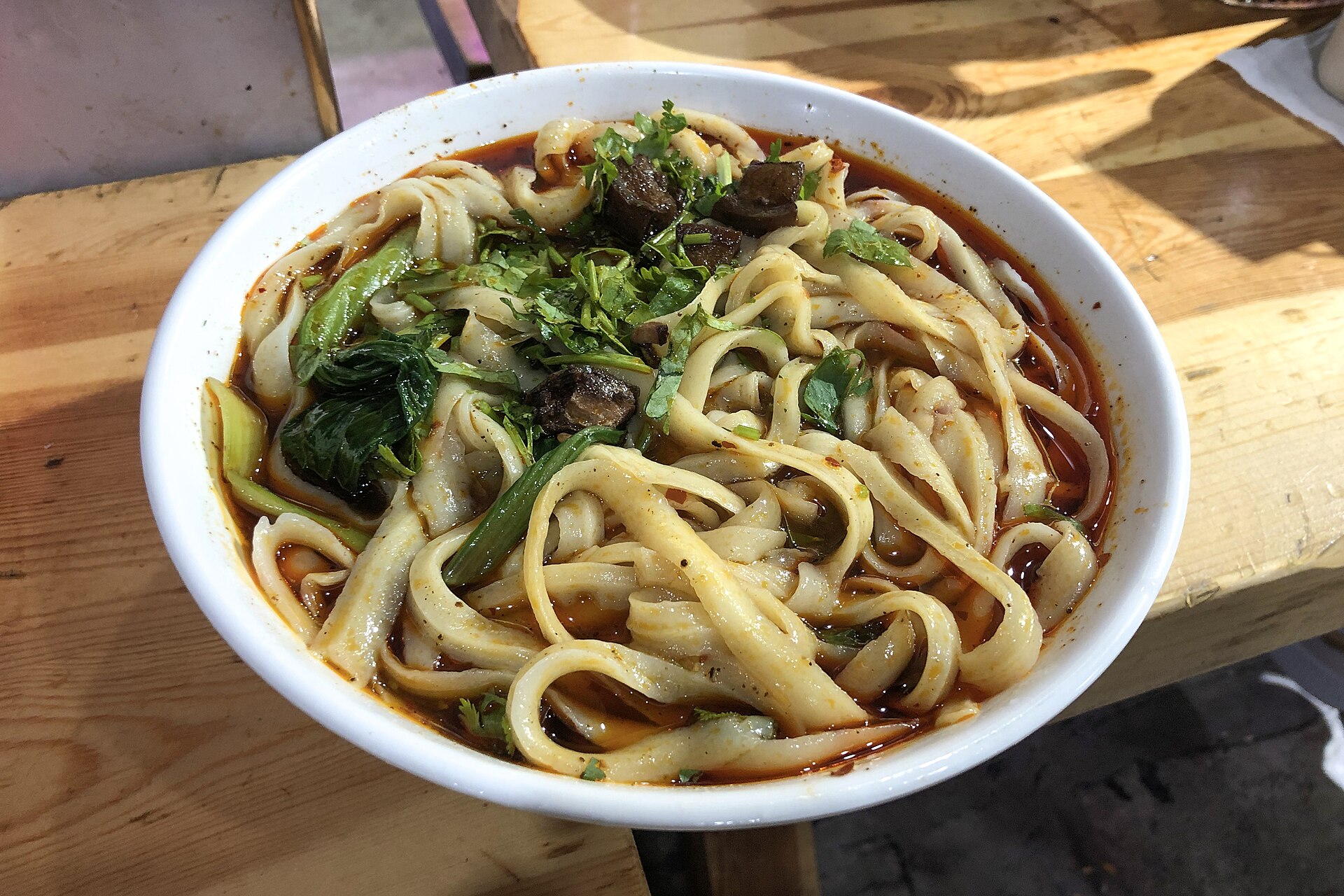
Knife-cut noodles, called daoxiao mian, come from Shanxi province, where cooks hold a firm block of dough on one arm and shave thin ribbons straight into boiling water with a curved blade. Each piece is thick in the middle with thin edges, so it is chewy and soft at the same time, a fun change from hand-pulled noodles. A favorite home topping is tomato and scrambled egg, the sweet and tangy stir-fry many Chinese families make every week. It fits right in with our easy egg breakfasts, but tastes even better at dinner.
You will need: 1 batch stiff noodle dough (use 2 tablespoons less water), 3 ripe tomatoes (cut into wedges), 3 eggs (beaten), 1 green onion, 1 tablespoon ketchup or tomato paste, 1 teaspoon sugar, salt, 2 tablespoons oil.
How to make it: 1. Shape the rested dough into a firm block and shave short ribbons into boiling water with a sharp knife or vegetable peeler. 2. Cook the ribbons 3 to 4 minutes until they float and turn tender. 3. Scramble the eggs softly in oil and set aside. 4. Cook the tomatoes with the ketchup, sugar and a pinch of salt until saucy, then fold the eggs back in. 5. Spoon over the drained noodles and add green onion.
Xi’an Cumin Lamb With Hand-Pulled Noodles
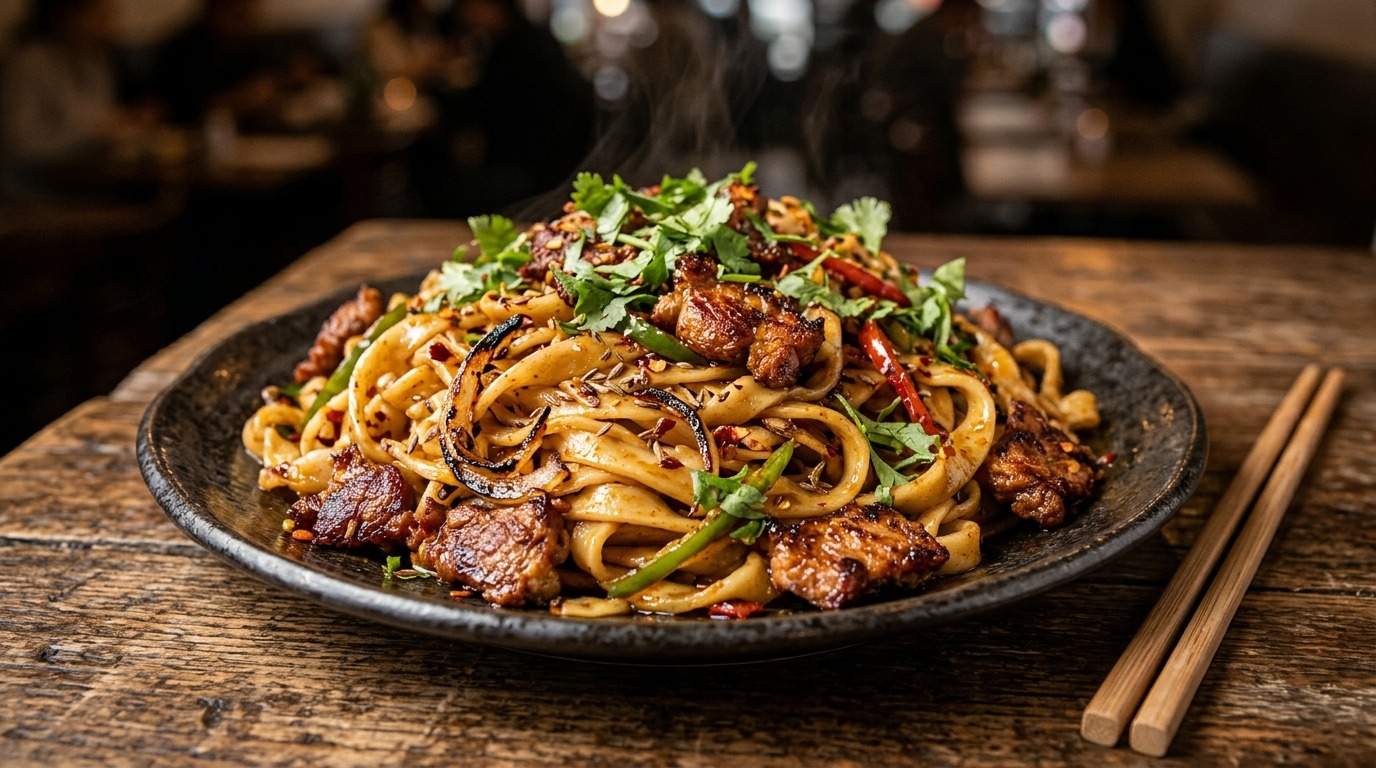
In Xi’an, where Silk Road traders once passed through, cumin lamb is a street food star, and it is wonderful tossed with thick hand-pulled noodles. Thin slices of lamb are seared very hot so the edges crisp, then coated with whole cumin seeds, chili flakes, onions and peppers. The noodles soak up the spiced oil and the result is smoky, savory and a little bit spicy. If you enjoy our tender lamb dinners, this is the one to try when you want something bold. Beef works too if lamb is hard to find.
You will need: 12 ounces lamb leg or shoulder (thinly sliced), 1 tablespoon soy sauce, 1 teaspoon cornstarch, 1 1/2 tablespoons whole cumin seeds, 1 to 2 teaspoons chili flakes, 1 onion (sliced), 1 bell pepper (sliced), 2 garlic cloves, 8 ounces wide noodles, cilantro, oil.
How to make it: 1. Toss the lamb with soy sauce and cornstarch and rest 10 minutes. 2. Sear the lamb in a very hot pan with oil in batches until browned; remove. 3. Toast the cumin and chili flakes in the pan for 20 seconds, then stir-fry the onion, pepper and garlic 2 minutes. 4. Return the lamb, add the cooked noodles and a splash of noodle water and toss well. 5. Finish with cilantro and salt to taste.
Longevity Hand-Pulled Noodles for Lunar New Year
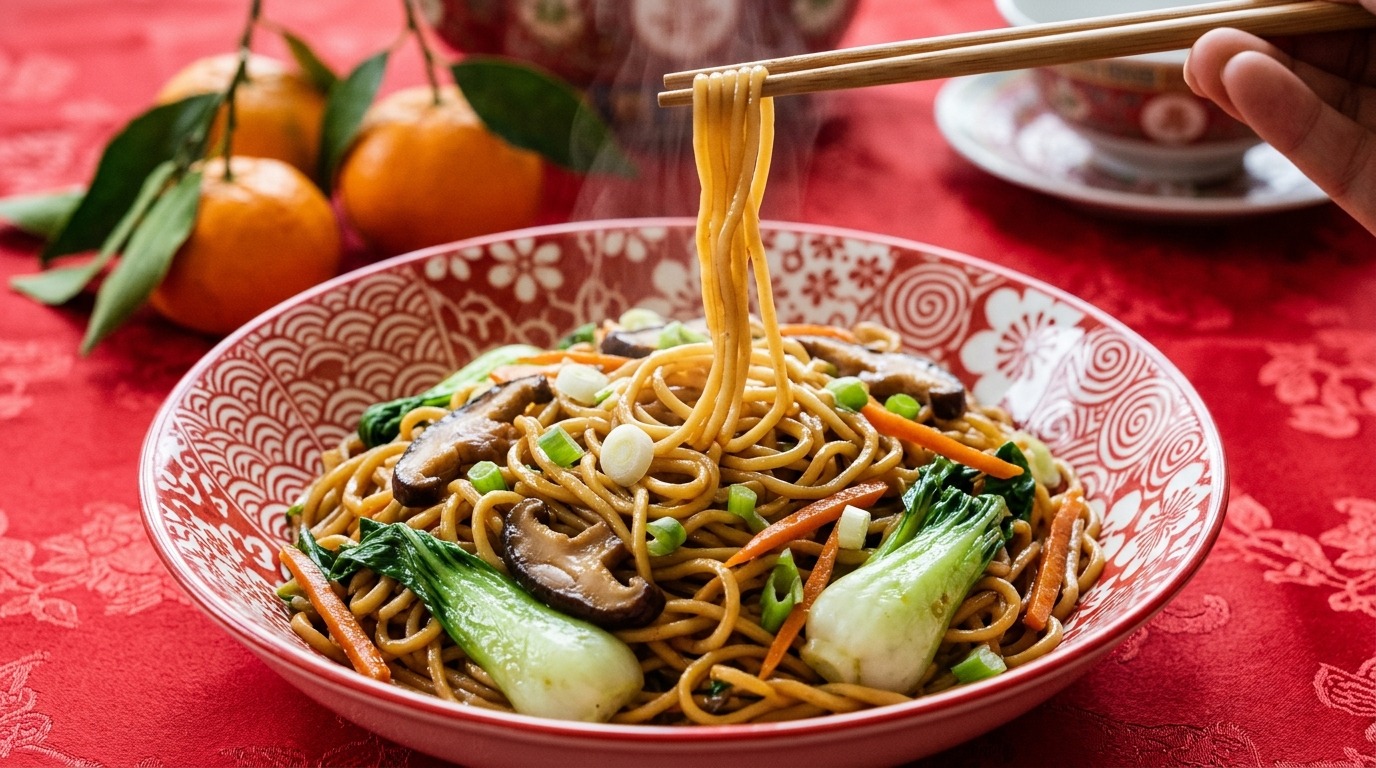
Longevity noodles are eaten on birthdays and during Lunar New Year, and the one big rule is that you never cut them. The long strands stand for a long life, so the longer the noodle, the better the wish. Some cooks pull one single noodle that fills the whole plate. They are usually stir-fried with mushrooms, cabbage or bok choy and a light soy sauce, then lifted high with chopsticks at the table. Serve them with dumplings and fried rice dinners for a festive family spread that brings good luck.
You will need: 8 ounces long fresh noodles (yi mein or homemade), 4 shiitake mushrooms (sliced), 2 baby bok choy, 1 carrot (cut into matchsticks), 2 green onions, 2 tablespoons oyster sauce, 1 tablespoon soy sauce, 1 teaspoon sesame oil, 1 tablespoon oil.
How to make it: 1. Boil the noodles until just tender, rinse and drain, keeping them whole. 2. Stir-fry the mushrooms and carrot in oil 2 minutes, then add the bok choy. 3. Add the noodles with the oyster sauce and soy sauce. 4. Toss gently with tongs so the strands stay long, about 2 minutes. 5. Finish with sesame oil and green onions and serve uncut.
Chongqing Hot and Sour Glass Noodles
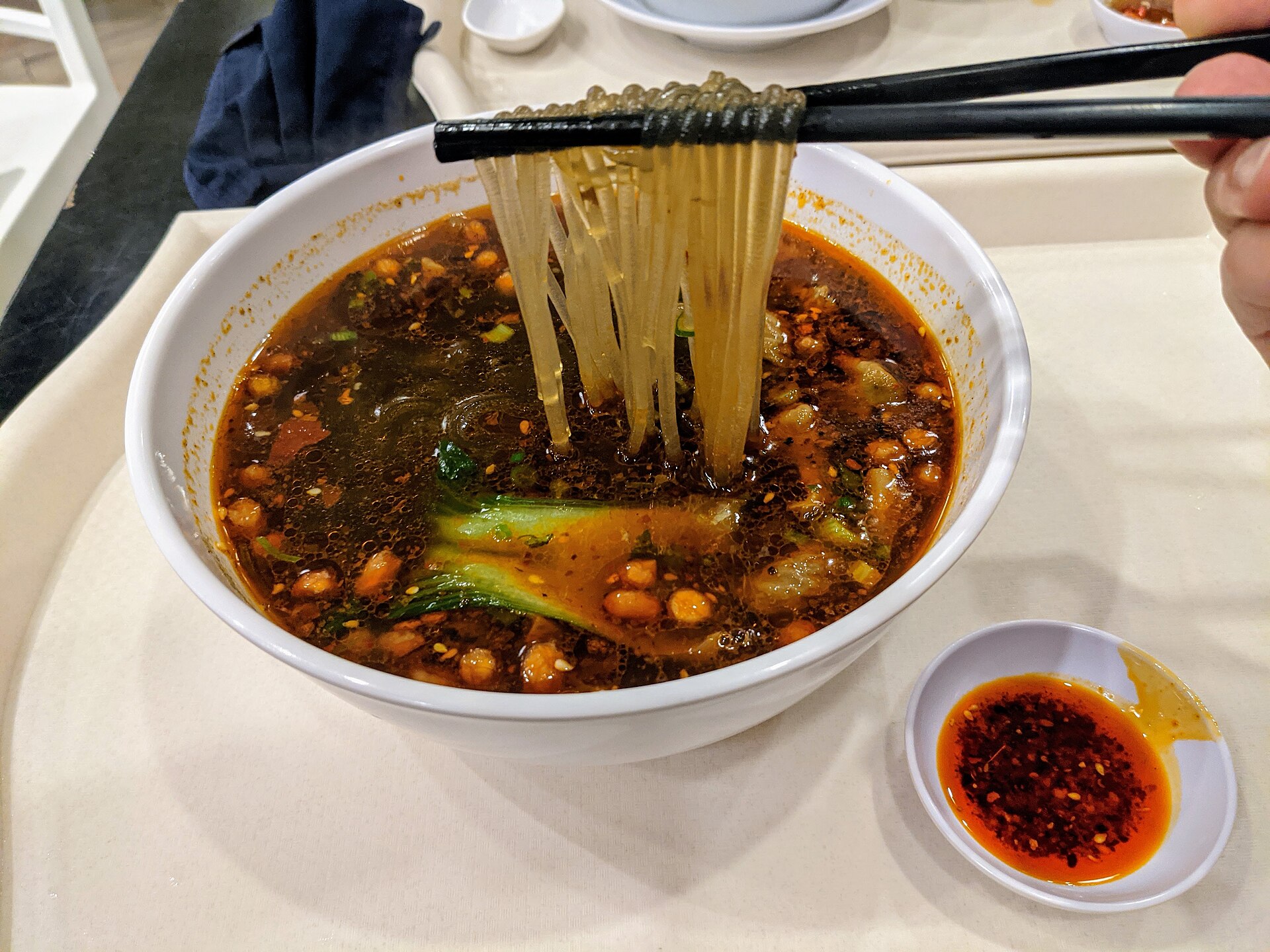
Hot and sour noodles, called suanlafen, are one of Chongqing’s most famous street snacks. They are made with sweet potato starch, so the strands are clear, slippery and wonderfully chewy, and the broth is bright with black vinegar, chili oil and tingly Sichuan peppercorn. Crunchy fried peanuts, soybeans and fresh herbs go on top. Anyone who orders hot and sour soup from our copycat restaurant soups list will feel right at home with this bowl. Adjust the vinegar and chili to suit your family.
You will need: 4 ounces sweet potato glass noodles (soaked 30 minutes), 2 cups hot broth, 2 tablespoons black vinegar, 1 tablespoon soy sauce, 1 to 2 tablespoons chili oil, 1/4 teaspoon ground Sichuan peppercorn, 1 garlic clove (minced), roasted peanuts, cilantro, green onion.
How to make it: 1. Mix the vinegar, soy sauce, chili oil, peppercorn and garlic in a large bowl. 2. Boil the soaked noodles 4 to 5 minutes until clear and chewy. 3. Pour the hot broth over the sauce and stir. 4. Add the drained noodles. 5. Top with peanuts, cilantro and green onion and serve hot.
Wonton Noodle Soup or Dry Tossed Bowl
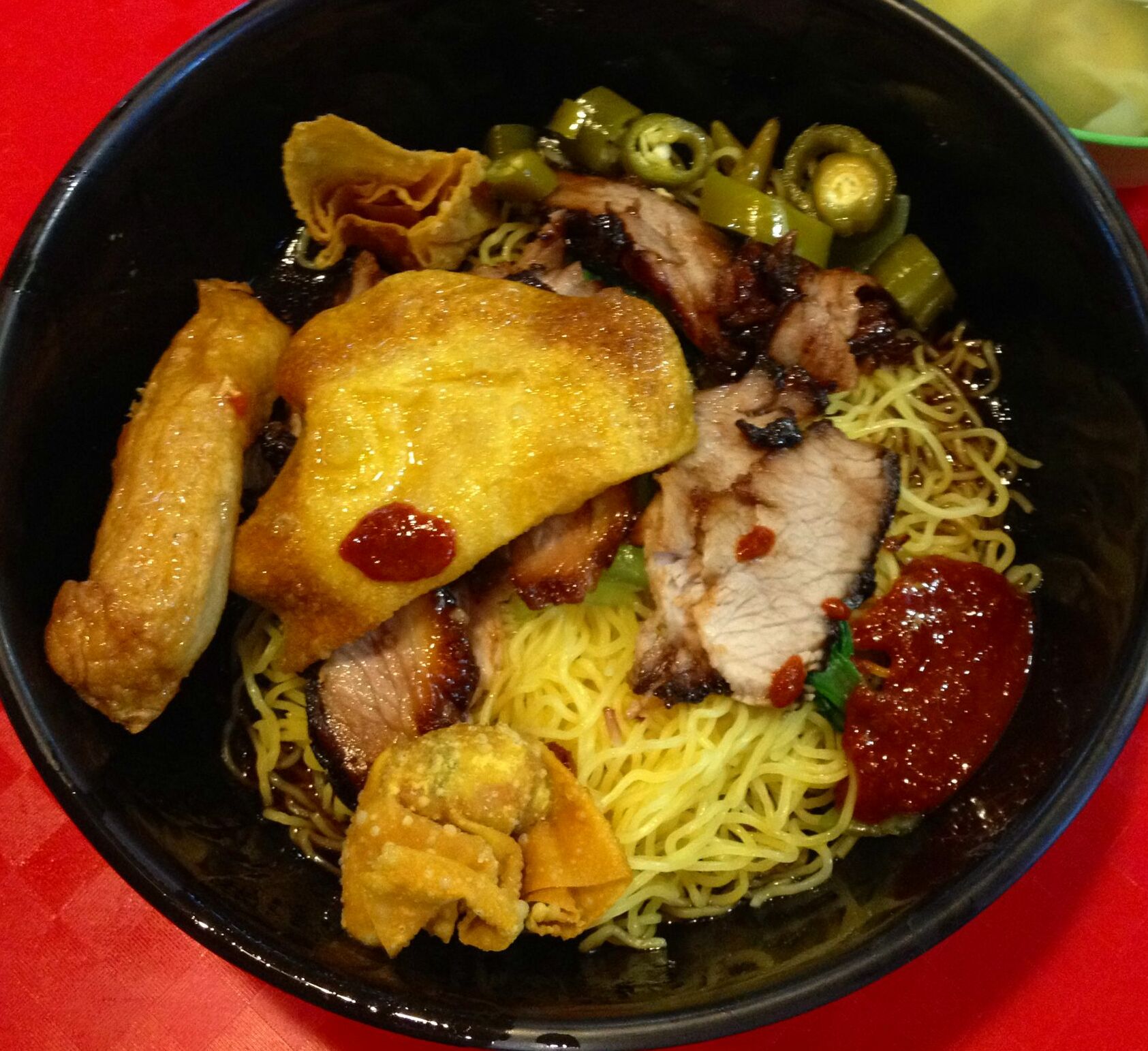
Wonton noodles come from Cantonese cooking and are a must in Hong Kong, Guangzhou and Singapore. Springy thin egg noodles are served with plump shrimp and pork wontons, either in a light clear broth or tossed dry with sauce, roast pork and greens like the Singapore bowl in the photo. The noodles are cooked for only a few seconds so they stay firm, unlike thicker hand-pulled noodles. If you love the bowls in our dumplings and cozy bowls gallery, this is the classic that ties them together. Freeze extra wontons on a tray for quick dinners.
You will need: 24 wonton wrappers, 8 ounces raw shrimp (chopped), 4 ounces ground pork, 1 teaspoon soy sauce, 1/2 teaspoon sesame oil, 4 cups chicken broth, 8 ounces thin egg noodles, choy sum or bok choy, green onion, white pepper.
How to make it: 1. Mix the shrimp, pork, soy sauce and sesame oil. 2. Place a teaspoon of filling on each wrapper, wet the edges and fold into a bundle. 3. Boil the wontons 3 to 4 minutes until they float, then cook the noodles 30 to 60 seconds and the greens 1 minute. 4. Heat the broth with a pinch of white pepper. 5. Add noodles, greens and wontons to bowls and ladle over the broth, or toss the noodles dry with a little soy sauce and oil.
Spicy Peanut Chili Crisp Noodles in 15 Minutes
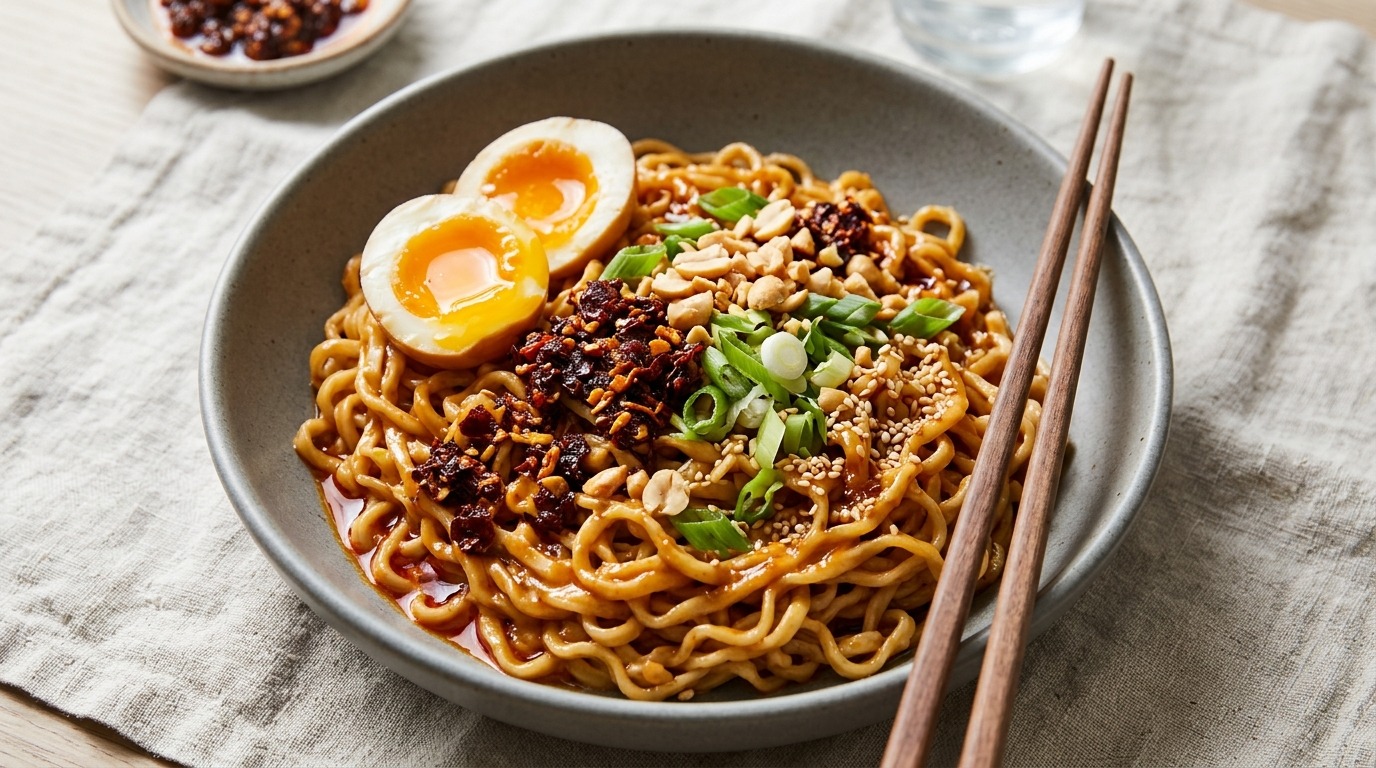
Not every night calls for pulling dough, and this pantry shortcut gives you the cozy feeling of hand-pulled noodles in 15 minutes. Any wavy wheat noodles get tossed with a quick sauce of peanut butter, soy sauce, vinegar and a spoonful of crunchy chili crisp, then topped with crushed peanuts, green onions and a soft jammy egg. It is creamy, spicy and crunchy all at once. For more ideas with that jar in your fridge, see our chili crisp recipes. Kids can have theirs mild with the chili crisp on the side.
You will need: 8 ounces wheat noodles, 3 tablespoons creamy peanut butter, 2 tablespoons soy sauce, 1 tablespoon rice vinegar, 1 teaspoon honey or sugar, 1 to 2 tablespoons chili crisp, 1/4 cup hot noodle water, 2 soft-boiled eggs, crushed peanuts, green onion, sesame seeds.
How to make it: 1. Boil the noodles and save 1/4 cup of the cooking water. 2. Whisk the peanut butter, soy sauce, vinegar, honey and chili crisp with the hot water until smooth. 3. Toss the drained noodles in the sauce. 4. Halve the soft-boiled eggs. 5. Top with eggs, peanuts, green onion and sesame seeds.
Tip: The 3-Ingredient Dough for Hand-Pulled Noodles
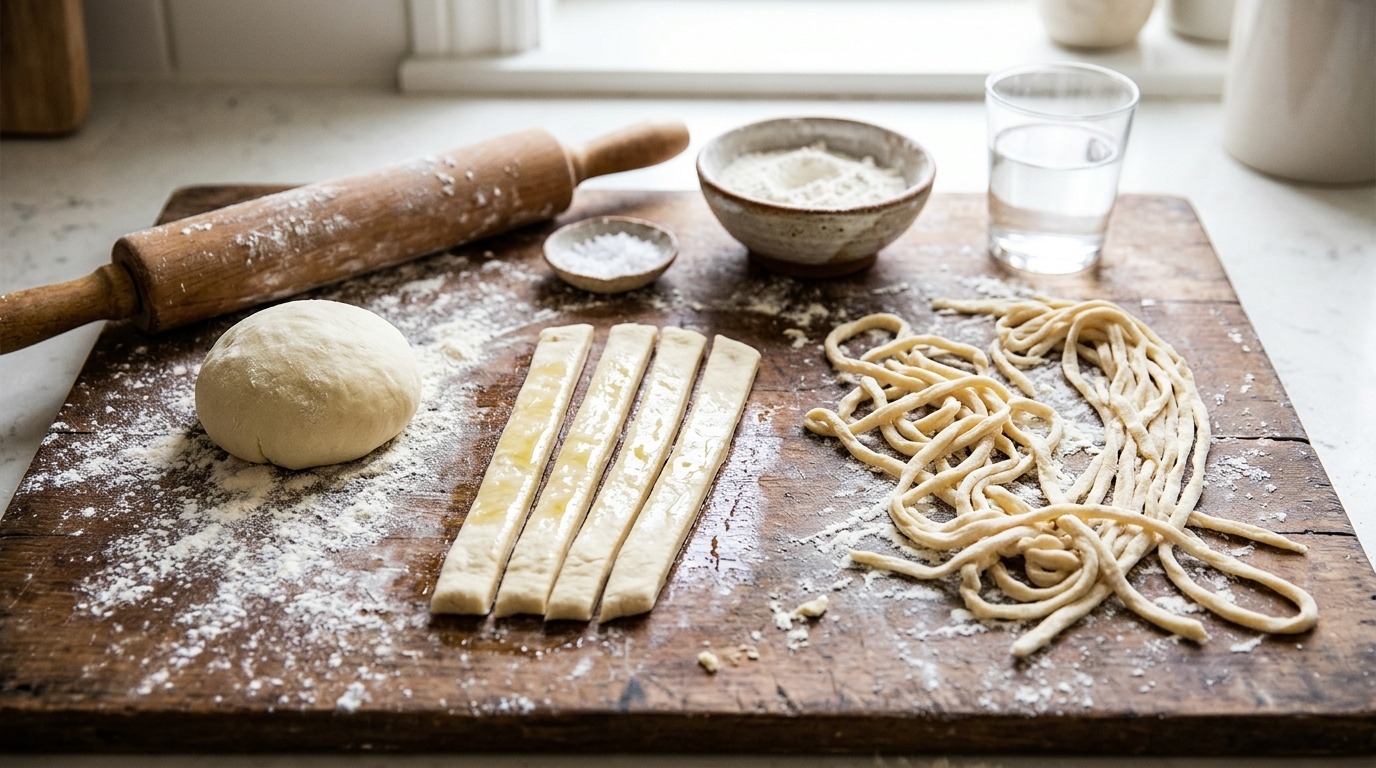
You only need flour, water and salt to start making hand-pulled noodles at home. The two secrets are rest and oil. Resting lets the gluten relax so the dough stretches instead of snapping, and a thin coat of oil on each strip stops it from drying out. Beginners should start with wide biang biang style strips, which only need one gentle pull. You can read about the craft’s long history in this guide to lamian. If you can knead bread machine dough, you can do this.
You will need: 2 cups all-purpose flour (about 250 grams), 3/4 cup water (about 160 ml), 1/2 teaspoon salt, neutral oil, plastic wrap.
How to make it: 1. Mix the flour, salt and water into a shaggy dough and knead 8 to 10 minutes until smooth. 2. Cover and rest 30 minutes. 3. Roll into a rectangle about 1/3 inch thick and cut into 8 strips. 4. Brush every strip with oil, cover and rest 30 to 60 minutes more. 5. Pull each strip gently from the ends, slapping it lightly on the counter, and boil right away.