Native American Foods: 15 Dishes That Fed America Long Before the First Thanksgiving
Native American foods were feeding this land for thousands of years before anyone sat down to the first Thanksgiving, and so many of them are still on our tables every November. Corn, beans, squash, turkey, cranberries, maple syrup, salmon and bison all come from the tribes who first grew, gathered and hunted them. November is Native American Heritage Month, a fitting time to cook these dishes with care and learn where they come from. These Native American foods include stews, corn breads, sweets and sides, each with easy steps. You can read more about the history of Indigenous cooking across North America before you start. Grab a big pot and let’s start with the three sisters..
Three Sisters Stew, the Heart of Native American Foods
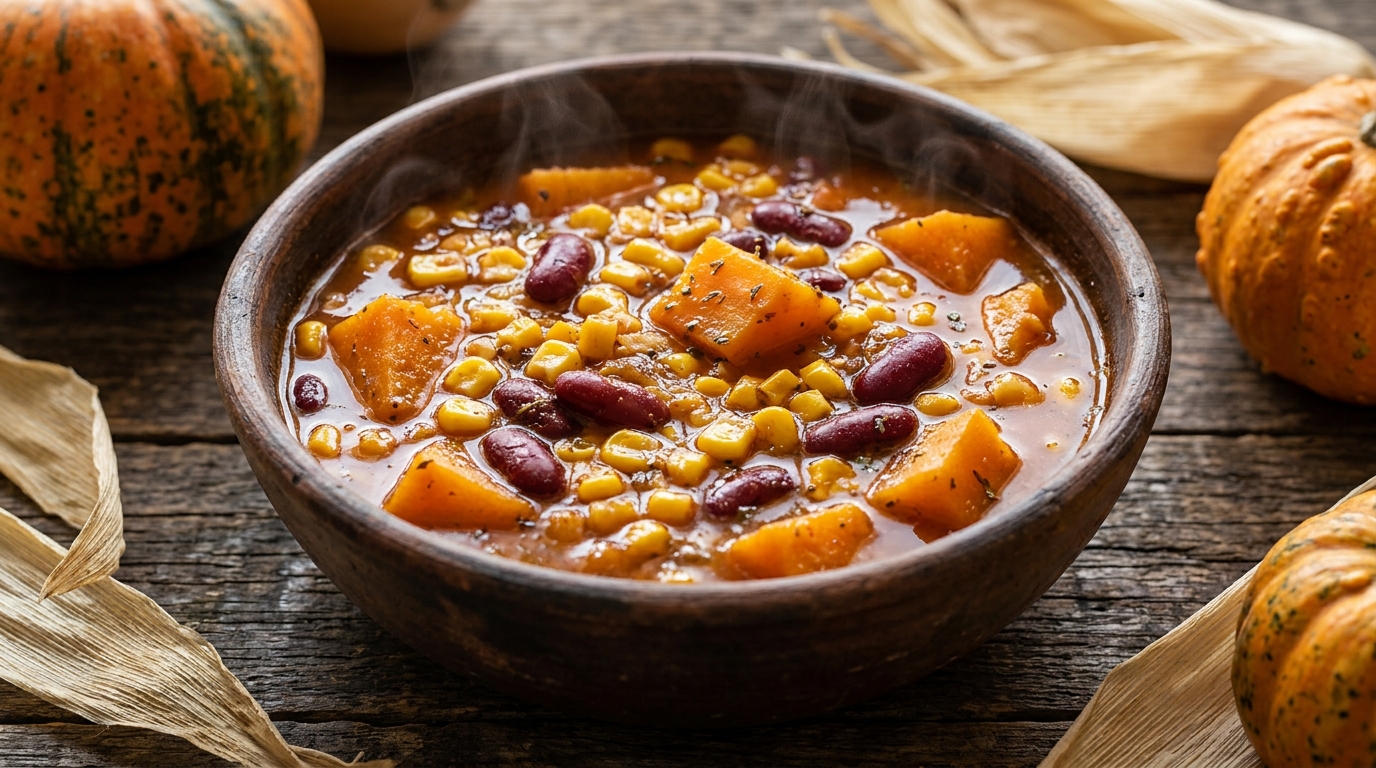
Corn, beans and squash were planted together in one mound by many Eastern tribes, including the Haudenosaunee, who call them the Three Sisters. Each sister helps the others grow. Of all the Native American foods here, this stew tells the story best. Simmer it slowly so the squash melts a little into the broth, like a pot of silky butternut squash soup. Ready to fill your bowls..
You will need: 2 tbsp sunflower oil, 1 onion (diced), 2 cloves garlic, 4 cups peeled butternut squash cubes, 6 cups vegetable or turkey broth, 2 cups cooked red kidney beans, 2 cups corn kernels, 1 tsp dried sage, 1 tsp salt, 1/2 tsp black pepper
How to make it: 1. Warm the oil in a large pot and soften the onion and garlic for 5 minutes. 2. Add the squash, broth and sage and simmer 15 minutes. 3. Stir in the beans and corn and simmer 10 minutes more until the squash is tender. 4. Season with salt and pepper and serve hot.
Hominy and Pork Posole-Style Stew
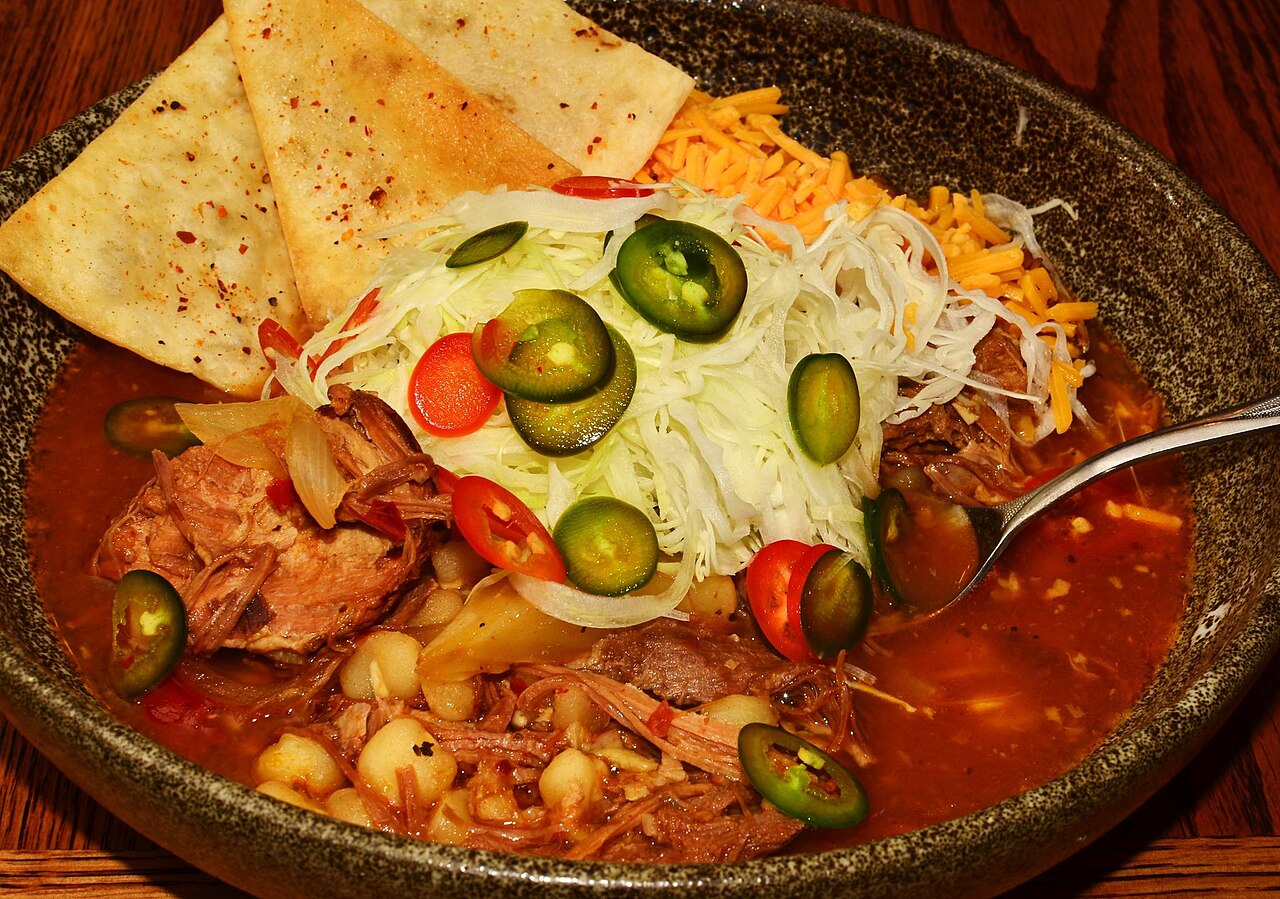
Hominy is dried corn soaked in a mineral solution until the hulls slip off and each kernel puffs up soft and chewy. Cooks in the Southwest, including many Pueblo families, have long made corn this way,. A bowl of hominy stewed with pork and red chile is pure comfort on a cold night. Love a slow pot? Try these cozy beef stew recipes next. Who is ready for seconds?
You will need: 2 lbs pork shoulder (cubed), 1 onion, 4 cloves garlic, 8 cups water or broth, 3 tbsp ground red chile, 1 tsp dried oregano, 2 cans (25 oz each) hominy (drained), salt, shredded cabbage, sliced jalapeno, lime wedges
How to make it: 1. Simmer the pork, onion and garlic in the water for 1 1/2 hours. 2. Stir in the red chile and oregano. 3. Add the hominy and simmer 30 minutes more. 4. Season with salt. 5. Serve with cabbage, jalapeno and lime.
Corn and Lima Bean Succotash
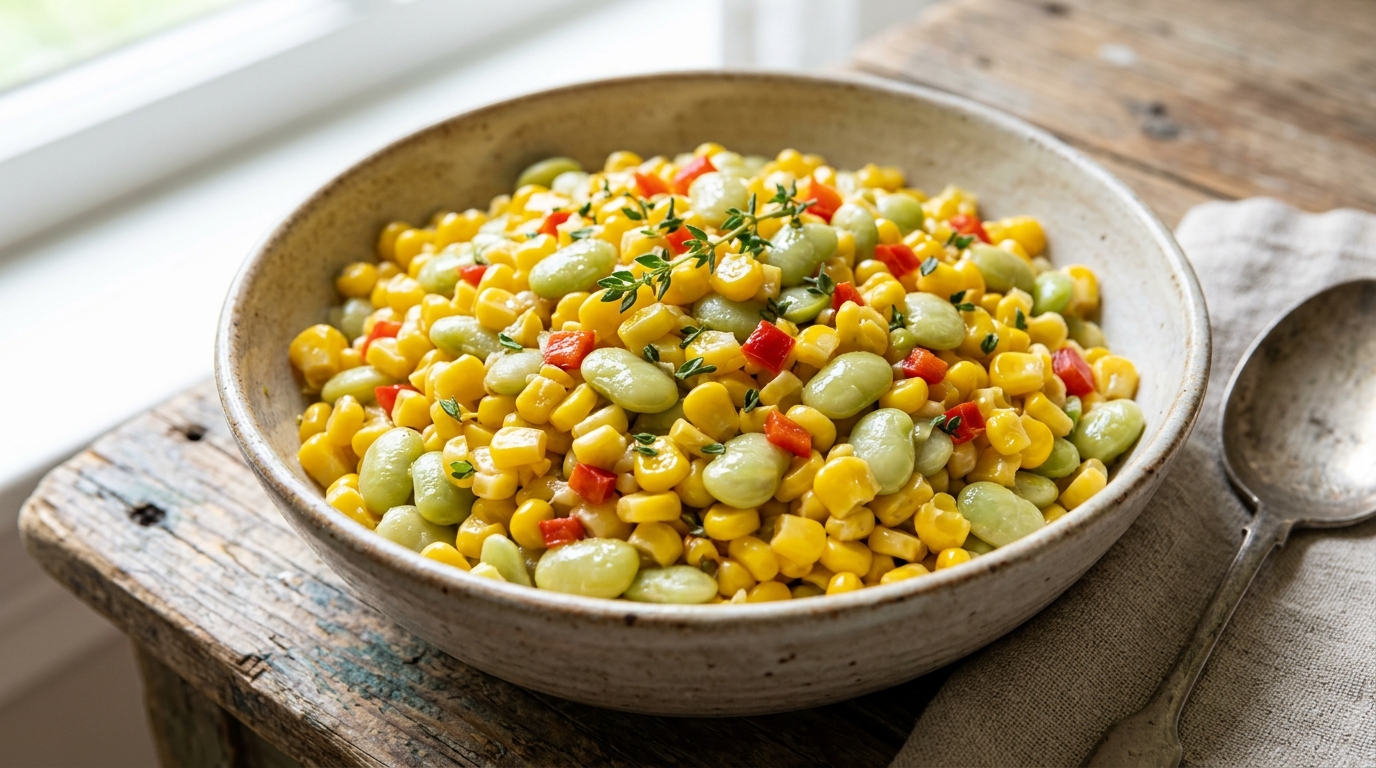
Succotash comes from a Narragansett word for boiled corn kernels, and the dish of corn and beans cooked together was shared with early colonists in New England. The secret is fresh or frozen baby lima beans and sweet corn cooked just until tender, then finished with a little butter so every kernel shines. It sits happily beside the dishes on a Southern Thanksgiving table. Will you add a little red pepper for color?
You will need: 2 tbsp butter, 1 small onion (diced), 1/2 red bell pepper (diced), 2 cups baby lima beans, 3 cups corn kernels, 1/2 cup broth, 1 tsp fresh thyme, salt and pepper
How to make it: 1. Melt the butter and soften the onion and pepper for 4 minutes. 2. Add the lima beans and broth and simmer 8 minutes. 3. Stir in the corn and thyme and cook 4 minutes more. 4. Season and serve warm.
Cedar Plank Salmon, Native American Foods of the Northwest
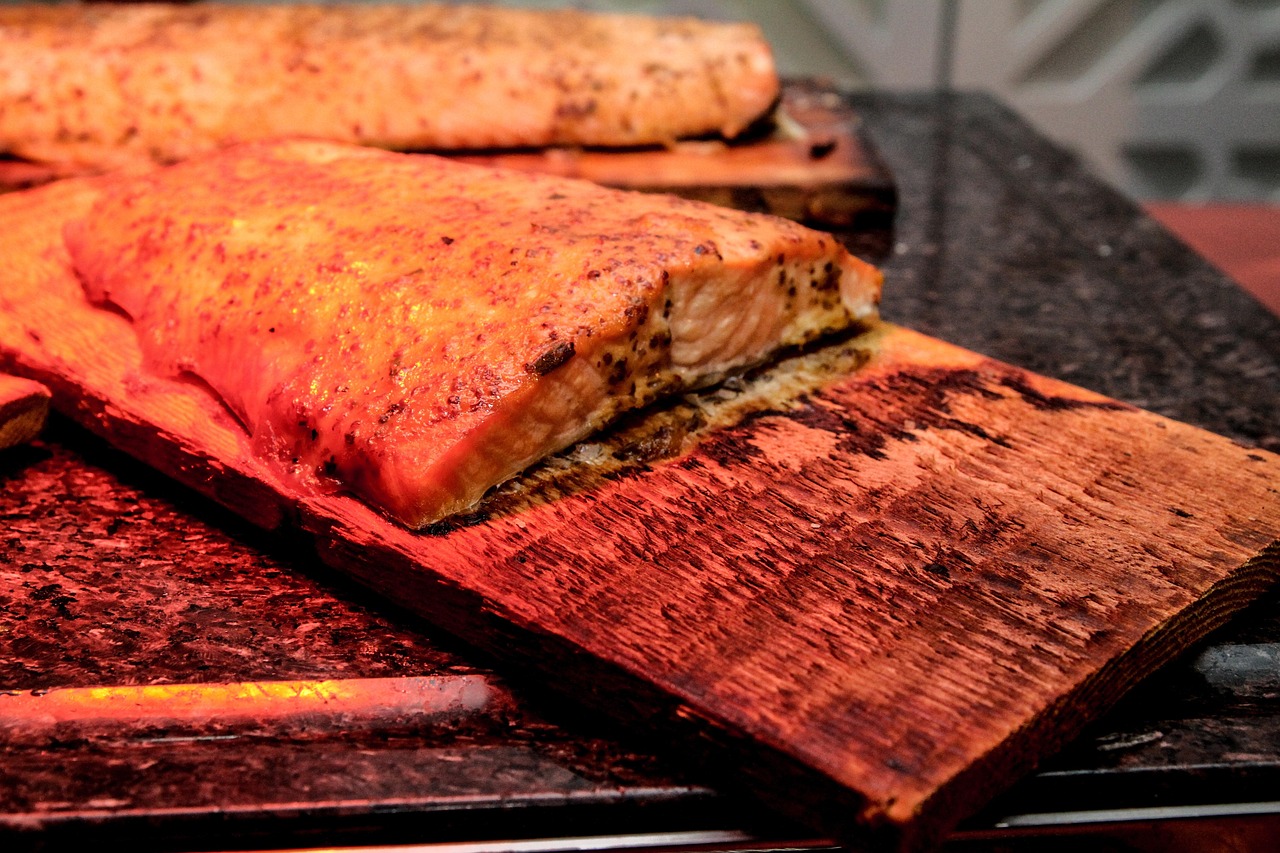
Tribes of the Pacific Northwest, from the Salish Sea to the Columbia River, have cooked salmon on cedar for generations,. Cooking on a soaked cedar plank gives the salmon a gentle, woodsy smoke and keeps it moist. This is one of the easiest Native American foods to bring to a holiday dinner,. Soak the plank for at least one hour so it smolders instead of scorching. Fans of creamy salmon dinners will love this lighter style. Ready to fire up the grill?
You will need: 1 untreated cedar plank, 1 large salmon fillet (about 2 lbs), 2 tbsp maple syrup, 1 tbsp sunflower oil, 1 tsp salt, 1/2 tsp black pepper, 1 tsp chopped fresh dill
How to make it: 1. Soak the cedar plank in water for at least 1 hour. 2. Heat the grill to medium, about 375 degrees F. 3. Brush the salmon with oil and maple syrup and season it. 4. Set it on the plank and grill with the lid closed for 15 to 20 minutes, until it reaches 145 degrees F. 5. Sprinkle with dill and serve from the plank.
Hopi Blue Corn Mush
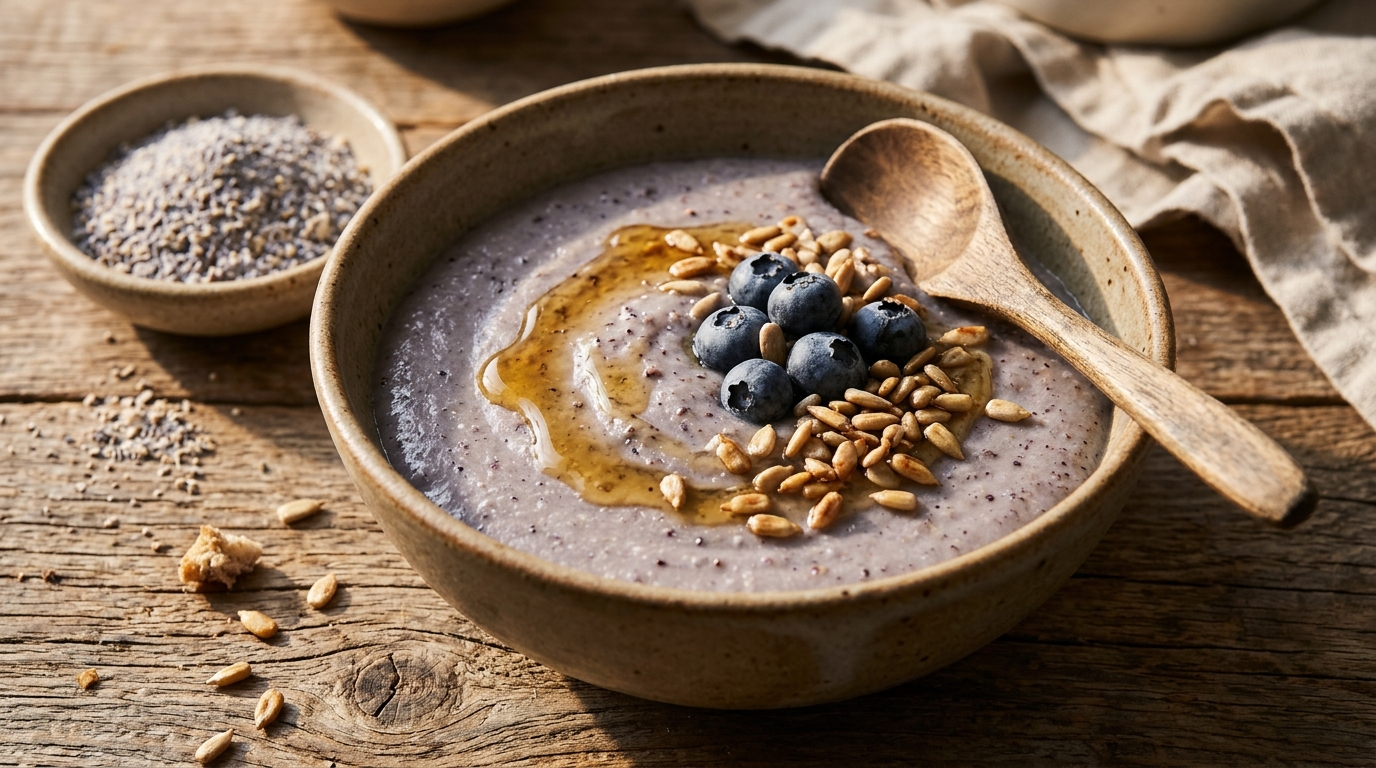
Blue corn is a treasured crop of the Hopi people in northern Arizona, and its roasted meal turns into a soft, nutty porridge with a gentle lavender color. If you loved our golden fry bread recipes, this gentle corn dish is a lovely companion. Will you try it sweet or savory?
You will need: 1 cup blue cornmeal, 4 cups water or milk, 1/2 tsp salt, 2 tbsp honey or maple syrup, 1/2 cup fresh blueberries, 2 tbsp toasted sunflower seeds
How to make it: 1. Whisk the blue cornmeal into 1 cup of cold water. 2. Bring the remaining 3 cups of water and the salt to a boil. 3. Whisk in the cornmeal mixture and cook on low, stirring often, for 10 to 12 minutes until thick. 4. Spoon into bowls and top with honey, berries and sunflower seeds.
Bison Chili With Beans and Corn
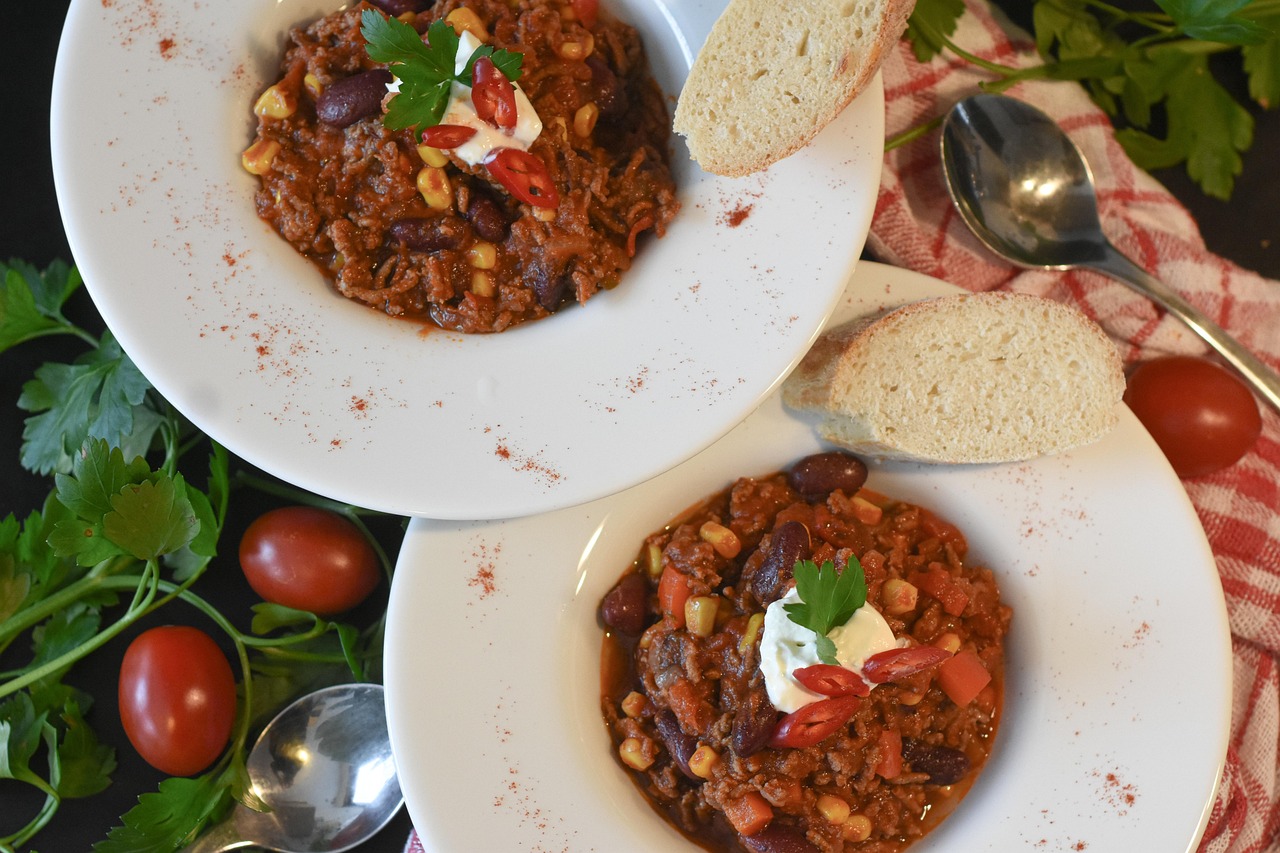
Bison sustained the Plains nations for centuries,. The meat is lean, rich and slightly sweet, and it makes a deep, hearty chili. Among modern Native American foods, a pot of bison chili with beans and corn is a favorite for gatherings and game days. Compare it with this simple Walt Disney chili and pick your favorite. Who gets the first bowl?
You will need: 2 lbs ground bison, 1 tbsp oil, 1 onion, 3 cloves garlic, 2 tbsp chili powder, 1 tsp ground cumin, 1 can (28 oz) crushed tomatoes, 2 cans (15 oz each) kidney beans (drained), 1 1/2 cups corn kernels, 1 cup broth, salt
How to make it: 1. Brown the bison in the oil over medium heat and set aside. 2. Soften the onion and garlic, then stir in the spices. 3. Add the tomatoes, beans, corn, broth and bison. 4. Simmer 30 minutes, season with salt and serve with sour cream.
Navajo Kneel Down Bread, Sweet Native American Foods
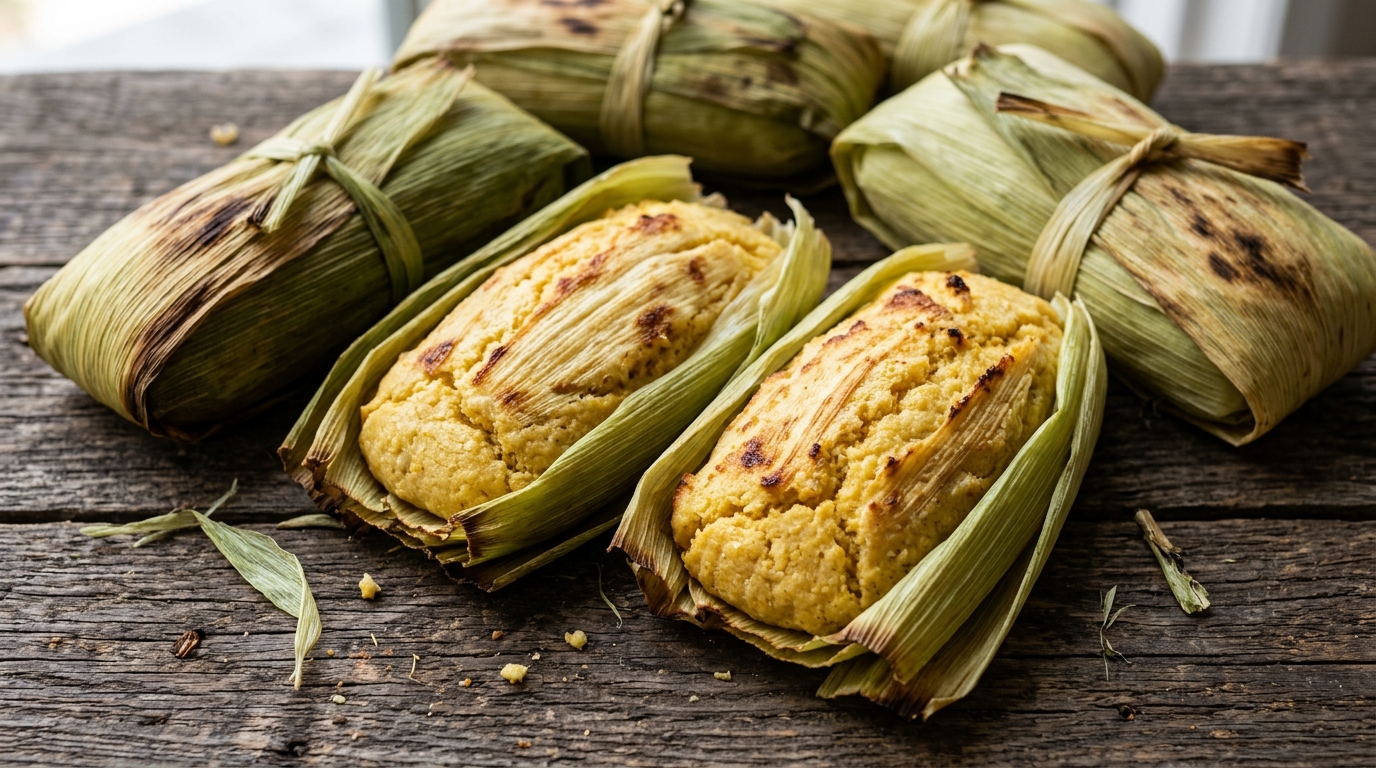
Kneel down bread is a late summer tradition of the Navajo (Dine) people, named for the way cooks kneel to grind fresh green corn on a grinding stone. The sweet corn paste is wrapped in its own husks and baked, traditionally in an earth pit, until firm and lightly caramelized. Serve it beside warm soft Thanksgiving dinner rolls for a bread basket with a story. Have you ever baked bread inside a husk?
You will need: 8 ears fresh sweet corn with husks, 1/2 tsp salt, 1 tbsp melted butter (optional), kitchen twine or strips of husk
How to make it: 1. Carefully peel the husks and save the large inner ones. 2. Cut the kernels off the cobs and grind them in a food processor into a thick paste; add the salt and butter. 3. Spoon 1/3 cup of paste onto two overlapping husks, fold into a packet and tie. 4. Bake on a sheet at 350 degrees F for 1 1/2 hours until firm. 5. Cool slightly and unwrap.
Maple Roasted Acorn Squash
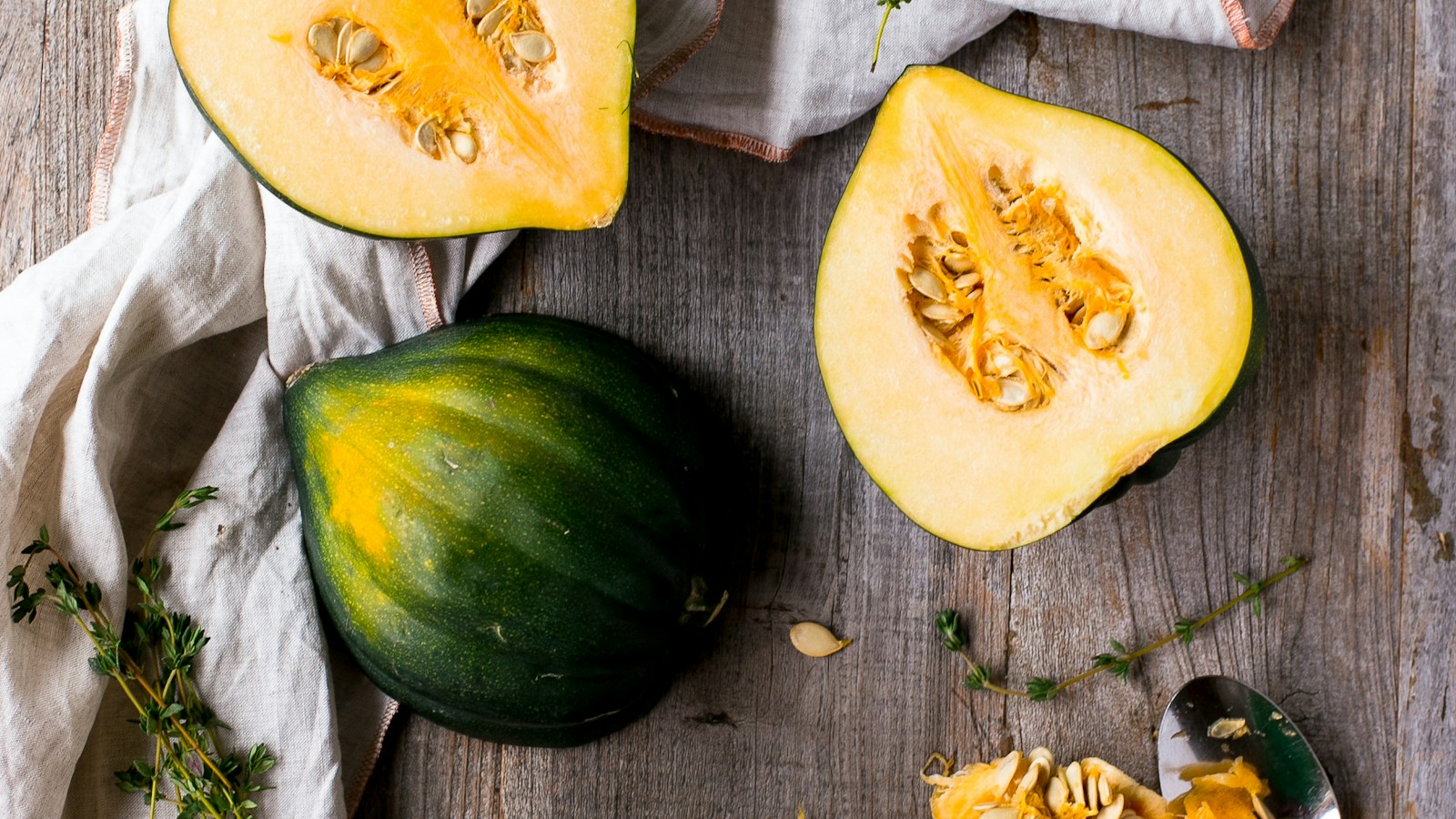
Squash was grown across much of North America long before European contact, and Eastern Woodlands tribes tapped maple trees and boiled the sap down into syrup and sugar. Put the two together for a simple holiday side. Halved acorn squash roasts into tender, sweet cups that hold a pool of maple butter. Score the flesh in a crosshatch before roasting so the syrup sinks in. Serve it with vegetarian Thanksgiving mains. Will you sprinkle on toasted pumpkin seeds?
You will need: 2 acorn squash, 2 tbsp butter or sunflower oil, 4 tbsp maple syrup, 1/2 tsp salt, 1/4 tsp cinnamon, 2 tbsp toasted pumpkin seeds
How to make it: 1. Heat the oven to 400 degrees F. 2. Halve the squash and scoop out the seeds. 3. Score the flesh and set the halves cut side up in a baking dish. 4. Add butter, maple syrup, salt and cinnamon to each half. 5. Roast 45 to 55 minutes until tender, then top with pumpkin seeds.
Cherokee Bean Bread
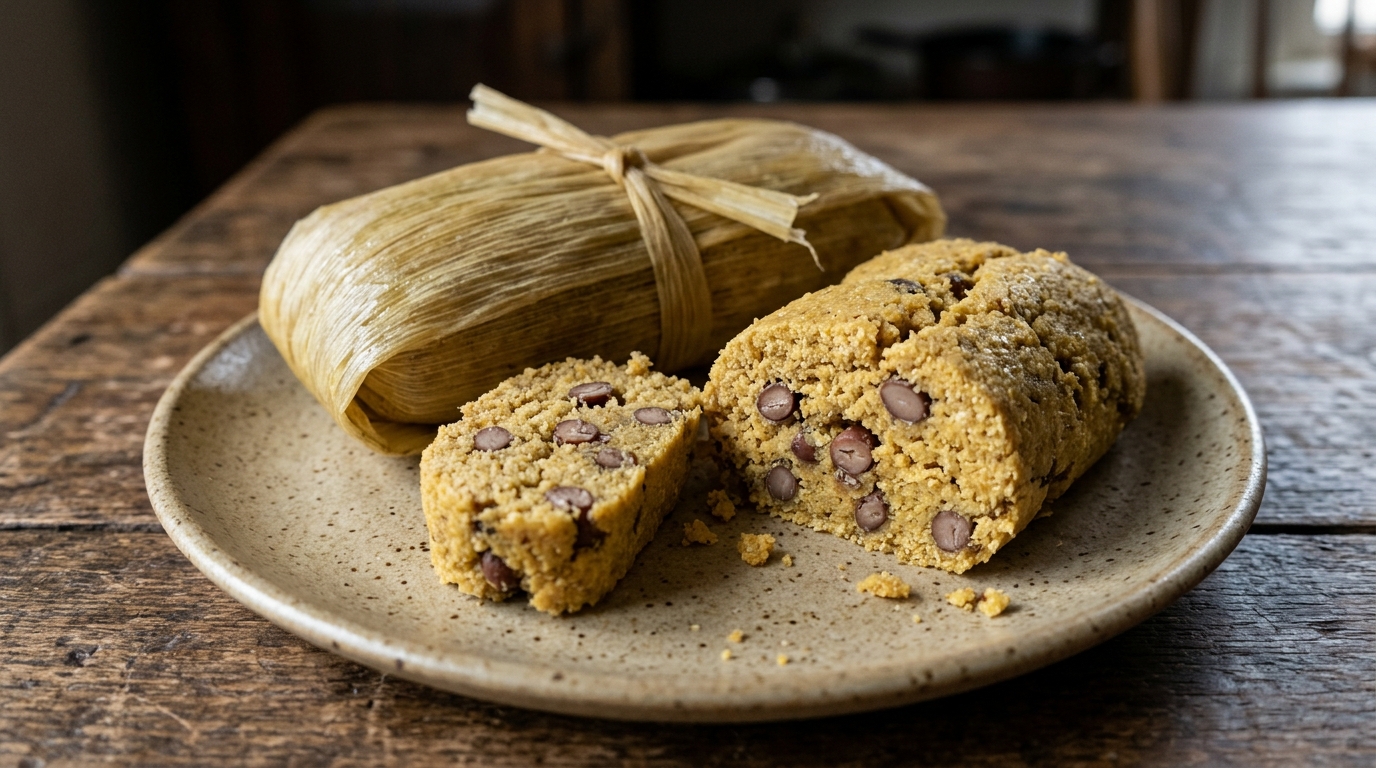
Bean bread is a much-loved Cherokee dish of cornmeal mixed with cooked beans, shaped into loaves and boiled in corn husks or leaves until firm. It is one of the most filling Native American foods, still made for family gatherings. Wrap the loaves snugly so they hold their shape in the water. If you grew up on a pot of navy beans and ham, this bread will feel familiar. Will you serve it warm with butter?
You will need: 3 cups fine cornmeal, 1 tsp baking soda, 1 tsp salt, 2 cups cooked pinto or brown beans with 1 cup of their hot cooking liquid, dried corn husks (soaked) or foil
How to make it: 1. Mix the cornmeal, baking soda and salt. 2. Stir in the hot beans and liquid to make a stiff dough. 3. Shape into 6 small loaves and wrap each in soaked husks, tying the ends. 4. Lower into a pot of boiling water and simmer 1 hour. 5. Unwrap, slice and serve warm.
Roast Turkey, the Best Known of All Native American Foods
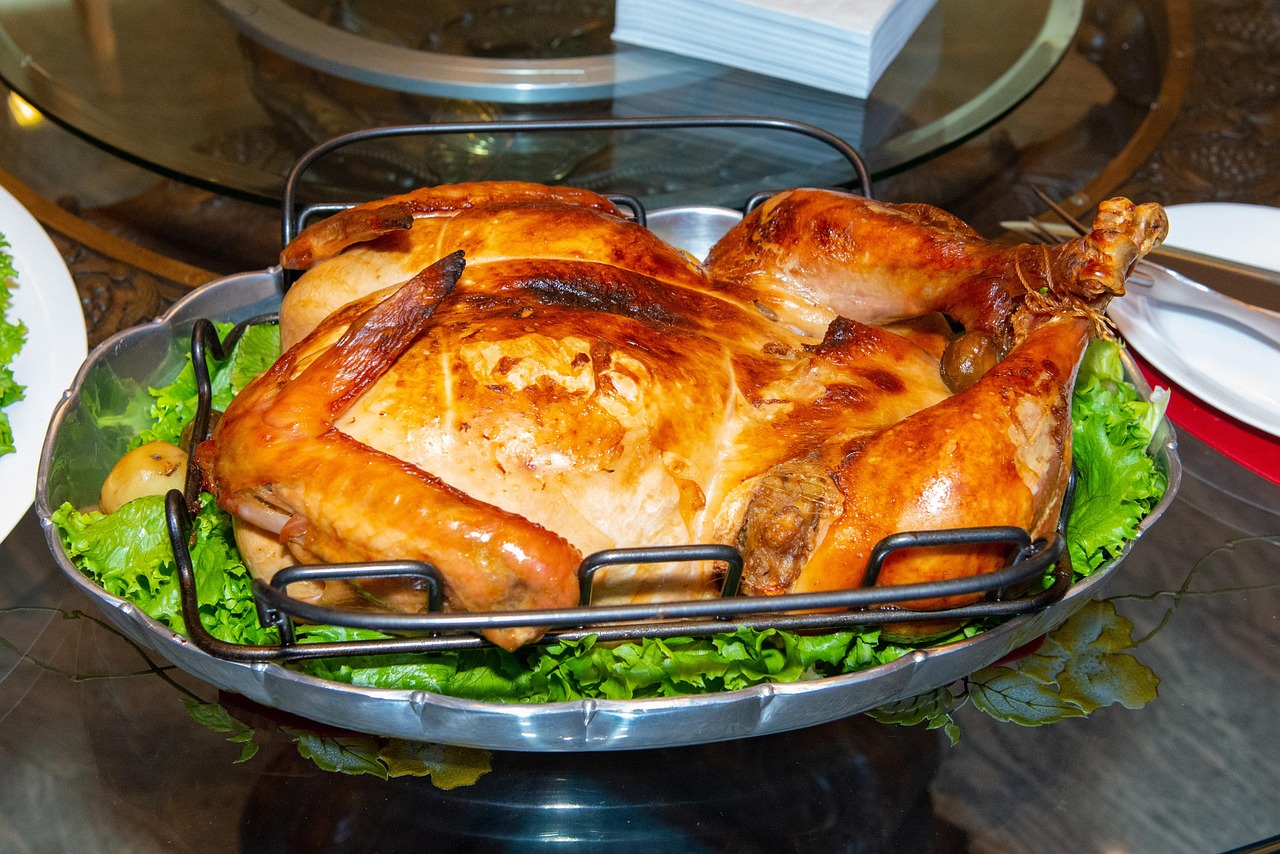
Long before it became the star of Thanksgiving, the turkey was raised by Indigenous peoples in Mexico and the American Southwest, and wild turkeys were hunted by tribes across the East. A sage butter rub gives golden skin. Let the bird rest for 30 minutes before carving so the juices settle. Want a step-by-step brine? Read this Alton Brown turkey guide. Ready to carve?
You will need: 1 turkey (12 to 14 lbs, thawed), 1/2 cup softened butter, 2 tbsp chopped fresh sage, 1 tbsp fresh thyme, 1 tbsp salt, 1 tsp black pepper, 1 onion and 1 apple (quartered), 2 cups broth
How to make it: 1. Heat the oven to 325 degrees F and pat the turkey dry. 2. Mix the butter, herbs, salt and pepper and rub it under and over the skin. 3. Fill the cavity with onion and apple and set it on a rack with the broth below. 4. Roast about 3 to 3 1/2 hours, until the thigh reads 165 degrees F. 5. Rest 30 minutes before carving.
Cherokee Grape Dumplings
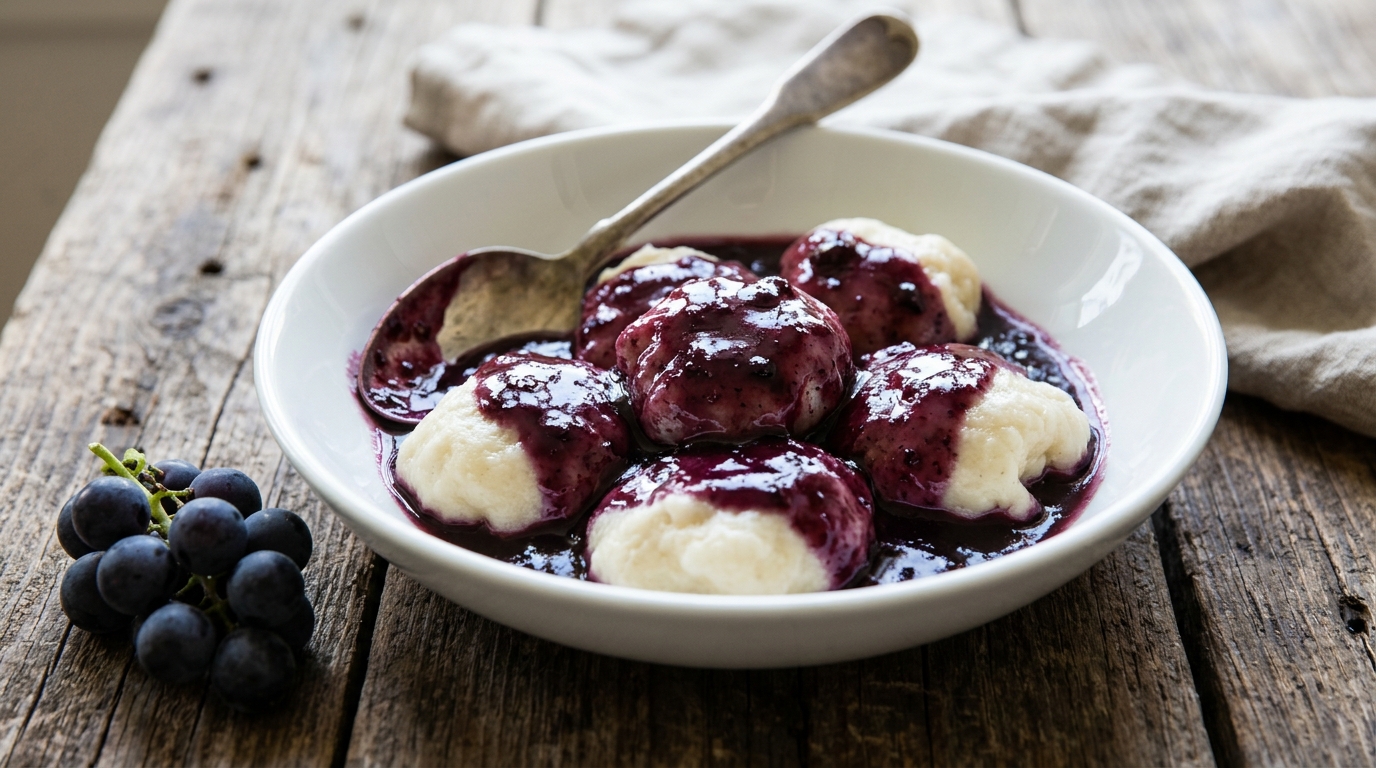
Grape dumplings are a sweet Cherokee favorite made by simmering soft dough strips or balls in a thick, tangy grape sauce. Wild grapes were traditional; grape juice works well today. Keep the lid on while they cook so they stay light and tender. They sit right alongside these buttery country dumplings from grandma-style kitchens. Will you serve them warm with a splash of cream?
You will need: 2 cups flour, 1 tbsp baking powder, 1/2 tsp salt, 2 tbsp sugar, 2 tbsp shortening, 3/4 cup grape juice for the dough, plus 4 cups grape juice and 1/2 cup sugar for the sauce
How to make it: 1. Mix the flour, baking powder, salt and sugar, then cut in the shortening. 2. Stir in 3/4 cup grape juice to form a soft dough. 3. Roll 1/4 inch thick and cut into strips, or pinch into small balls. 4. Bring the 4 cups of juice and sugar to a boil, drop in the dumplings, cover and simmer 15 minutes.
Pumpkin Corn Bread
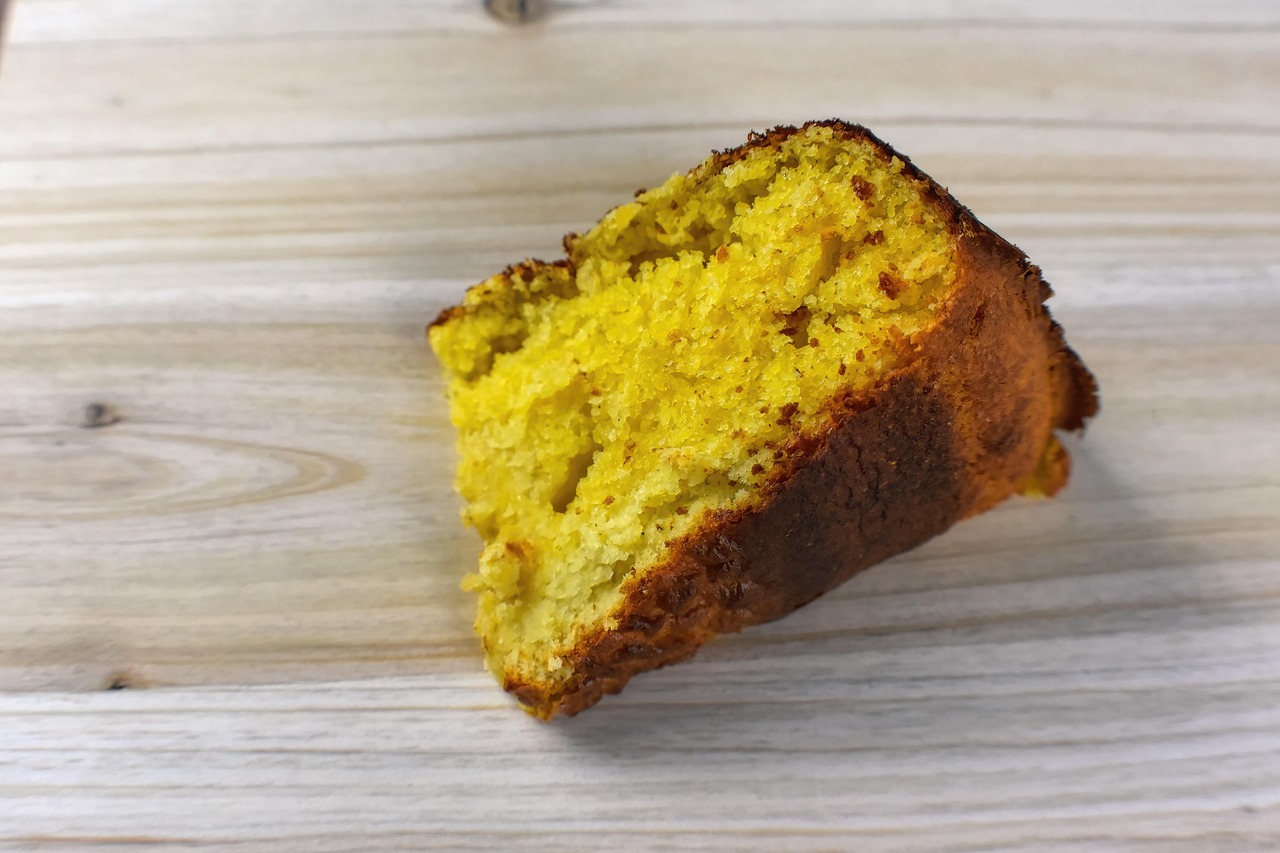
Pumpkins and corn were key crops for many tribes. Bring them together and you get a moist, golden corn bread with a soft orange tint and a hint of spice. It is perfect with stew or chili. Bake it in a hot cast iron skillet for crisp edges. History lovers can compare it with the skillet corn bread in these Civil War recipes. Will you add a drizzle of honey?
You will need: 1 cup yellow cornmeal, 1 cup flour, 1/2 cup brown sugar, 1 tbsp baking powder, 1/2 tsp salt, 1 tsp pumpkin pie spice, 1 cup pumpkin puree, 2 eggs, 1/2 cup milk, 1/3 cup melted butter
How to make it: 1. Heat the oven to 400 degrees F with a greased 10-inch skillet inside. 2. Whisk the dry ingredients together. 3. Whisk the pumpkin, eggs, milk and butter, then fold into the dry mix. 4. Pour into the hot skillet and bake 22 to 25 minutes until a toothpick comes out clean.
Indian Pudding, Where Native American Foods Met New England
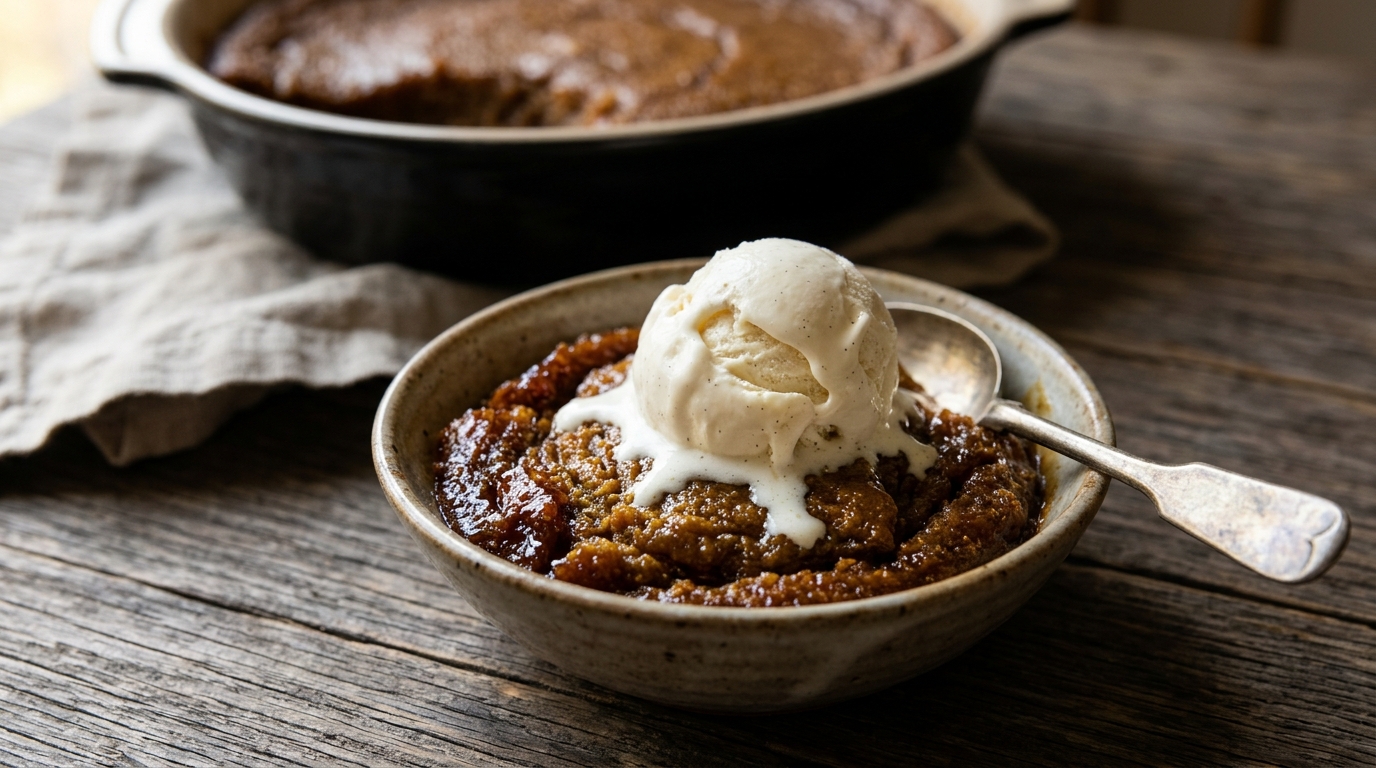
Indian pudding is an old New England dessert. Colonists learned to cook with cornmeal from their Native neighbors and called it Indian meal, then baked it slowly with milk and molasses. It tastes like gingerbread. It shows how Native American foods shaped American cooking from the very start. Bake it low and slow so it turns silky, and serve it warm with ice cream. If you love old-fashioned sweets, try these old-fashioned persimmon recipes next. Ready for a spoonful?
You will need: 4 cups milk, 1/2 cup yellow cornmeal, 1/2 cup molasses, 1/4 cup brown sugar, 2 tbsp butter, 2 eggs, 1 tsp ground ginger, 1 tsp cinnamon, 1/2 tsp salt, vanilla ice cream to serve
How to make it: 1. Heat the oven to 300 degrees F and butter a 2-quart baking dish. 2. Heat 3 cups of milk, whisk in the cornmeal and cook on low 10 minutes until thick. 3. Stir in molasses, sugar, butter and spices, then the beaten eggs. 4. Pour into the dish, top with the last cup of cold milk and bake about 2 hours. 5. Serve warm with ice cream.
Pemmican-Style Berry Energy Bites
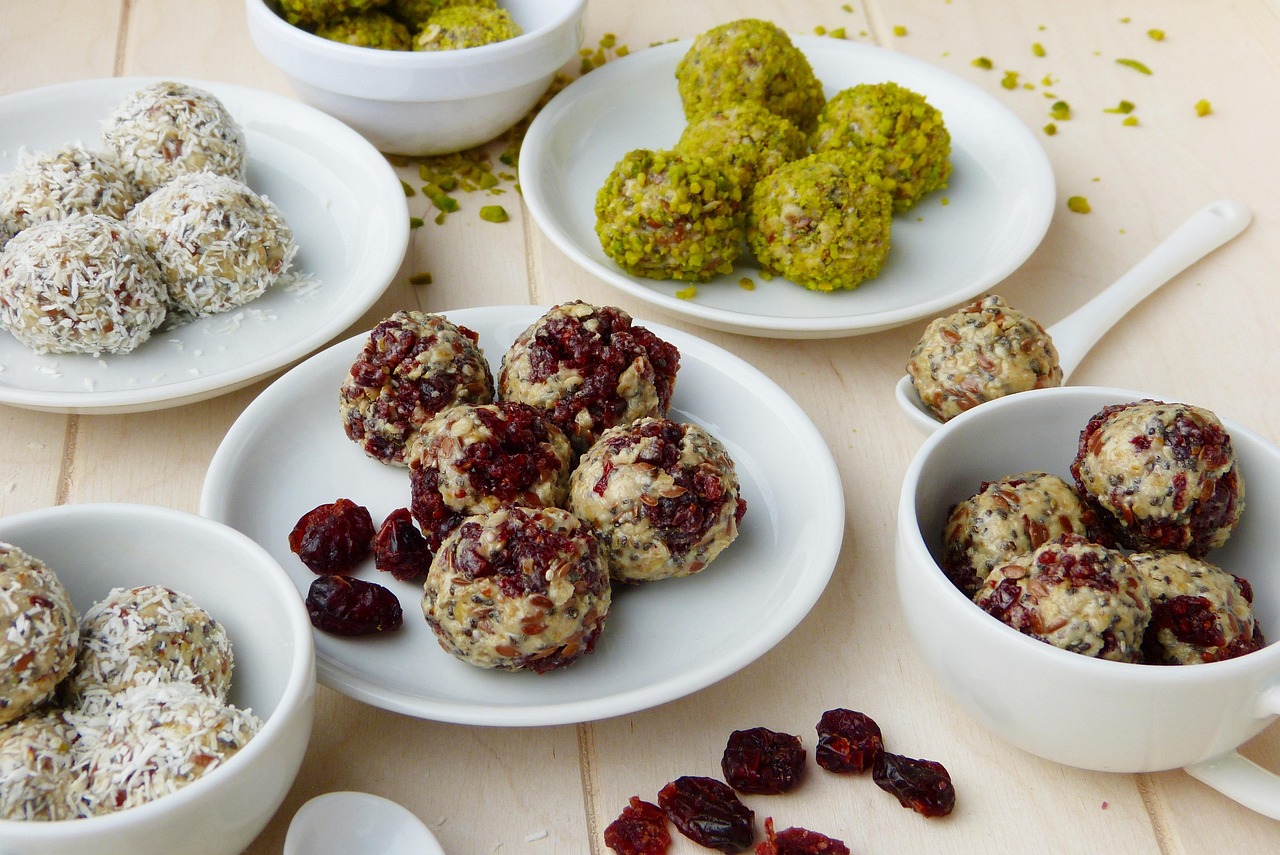
Pemmican was a high-energy travel food made by Plains and northern tribes from dried meat, rendered fat and dried berries such as chokecherries or saskatoons. These no-bake bites borrow that idea for Native American foods you can pack today, with nuts, seeds and dried cranberries. Chill them so they hold their shape. Pack a few with these easy Thanksgiving breakfast bites. Which berries will you use?
You will need: 1 cup walnuts or pecans, 1/2 cup sunflower seeds, 1 cup dried cranberries, 1/2 cup dried blueberries, 1/2 cup rolled oats, 3 tbsp maple syrup, 2 tbsp sunflower seed butter, pinch of salt, shredded coconut for rolling
How to make it: 1. Pulse the nuts and seeds in a food processor until coarse. 2. Add the berries, oats, maple syrup, seed butter and salt and pulse until it sticks together. 3. Roll into 1-inch balls and coat some in coconut. 4. Chill 30 minutes and store in the fridge up to 1 week.
Maple Cranberry Sauce for Native American Foods at Thanksgiving
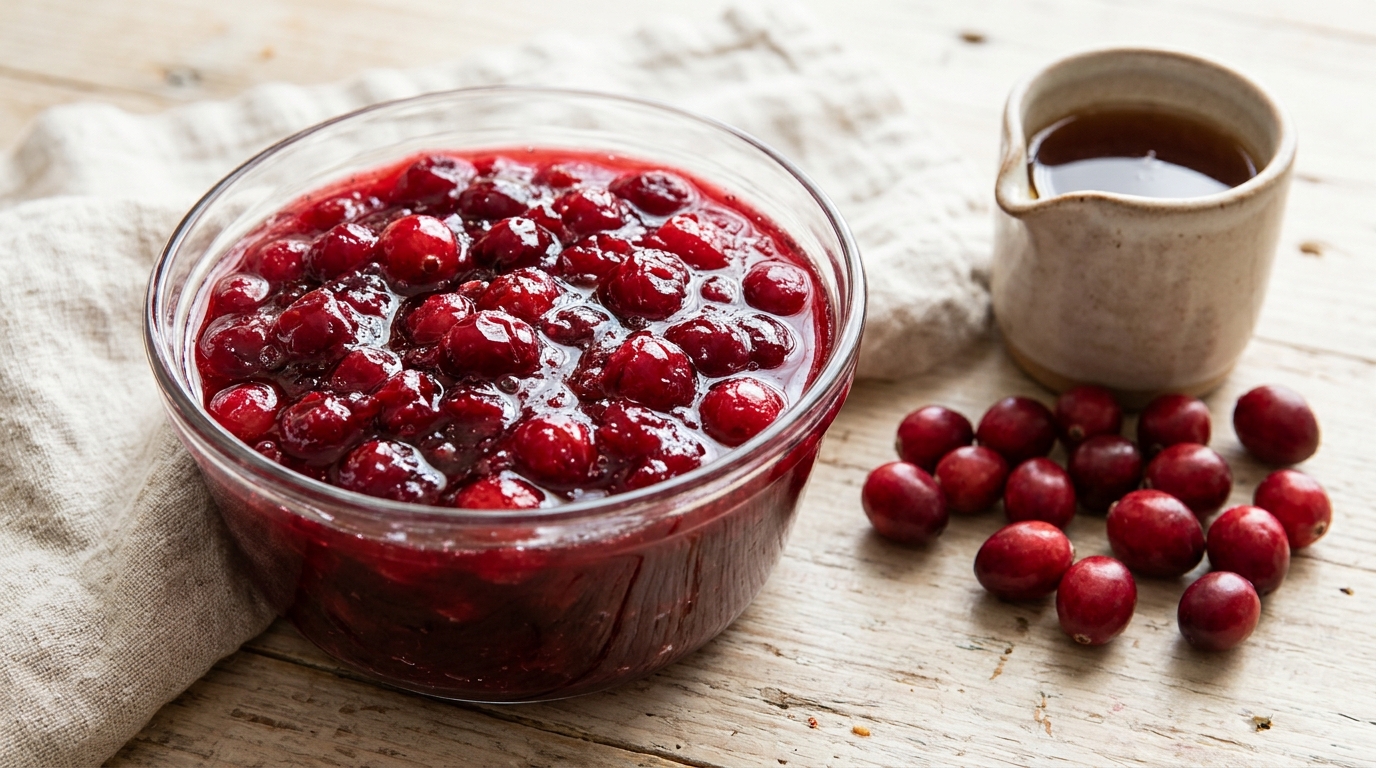
Cranberries grow wild in the bogs of the Northeast, and the Wampanoag and other coastal tribes used them for food, dye and medicine. Maple syrup gives the tart berries a warmer flavor. It keeps for a week in the fridge. Cook it just until most of the berries burst so a few stay plump. Leftovers are lovely on this gooey baked brie. Will this be on your table this year?
You will need: 12 oz fresh cranberries, 3/4 cup maple syrup, 1/2 cup water or orange juice, pinch of salt, 1 tsp orange zest
How to make it: 1. Combine all the ingredients in a saucepan. 2. Bring to a boil, then simmer 10 minutes, stirring, until most of the berries burst. 3. Cool; the sauce thickens as it sets. 4. Chill until serving.