A Week of Baby Food for the Price of Two Jars: 14 Homemade Baby Food and First Bite Ideas
One sweet potato, a fork and an ice cube tray: that is a week of baby food for about the price of two jars. Moms and grandmas have mashed first foods by hand for generations, and homemade baby food is still one of the easiest ways to save money while feeding a little one well. Most babies start solids around 6 months, when your pediatrician says they are ready. Here are simple purees and soft first bites you can make in about 10 minutes..
Sweet Potato Puree, Frozen in an Ice Cube Tray
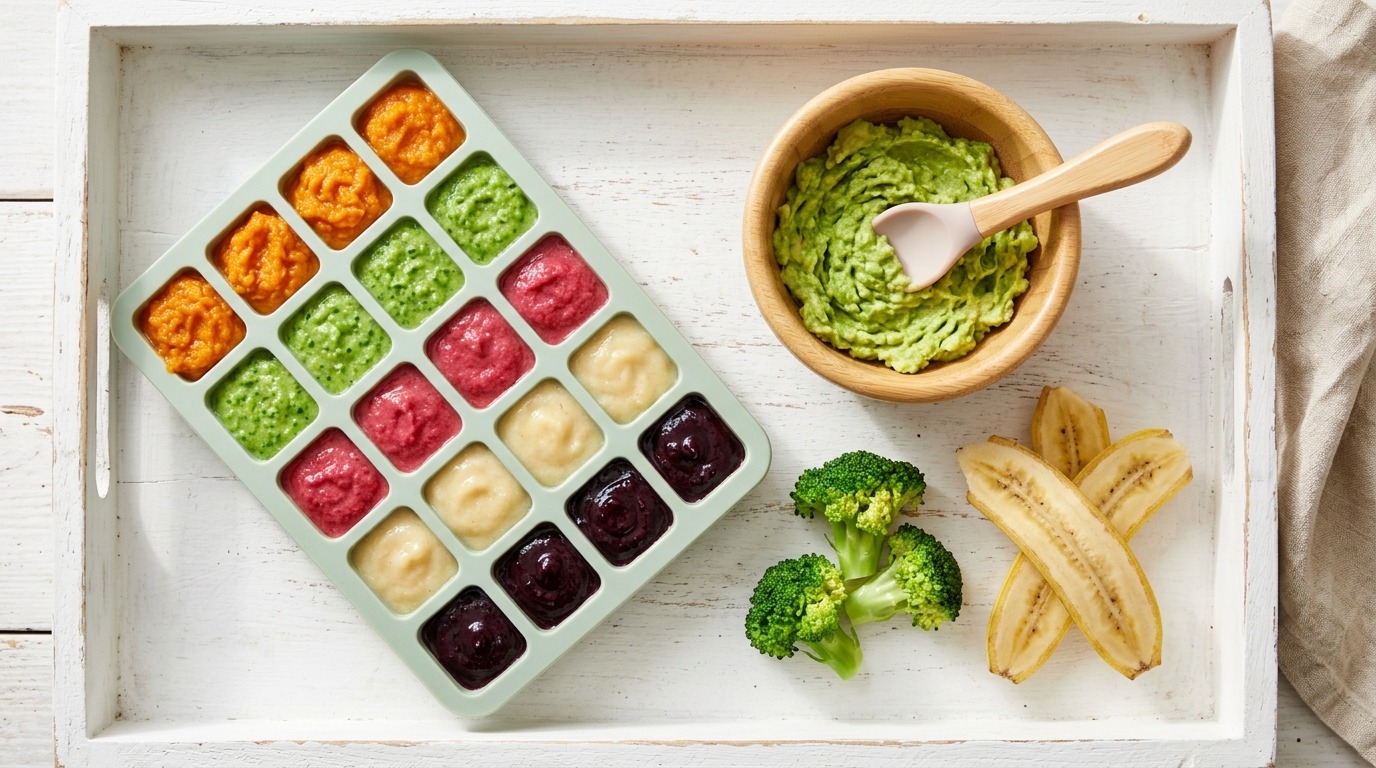
Sweet potato is a favorite first food because it is naturally sweet, smooth and bright orange. Bake or steam one, mash it, and freeze the extra in an ice cube tray. Each cube is about one ounce, the perfect small serving. Pop out a cube, warm it and stir well. A new study also finds that a baby’s gut bacteria start to change as solid foods arrive, so those first spoonfuls really are a big step.
You will need: 1 medium sweet potato, water, breast milk or formula to thin, a clean ice cube tray with a lid or plastic wrap, a freezer bag and a marker.
How to make it: Peel and cube the sweet potato. Steam it 12 to 15 minutes until very soft. Mash with a fork or blend, adding a little water, breast milk or formula until smooth. Cool, then spoon into the ice cube tray, cover and freeze. Move the frozen cubes into a labeled bag and use within 2 to 3 months. Warm a cube and test the temperature before serving.
Avocado Mash: The No Cook Homemade Baby Food
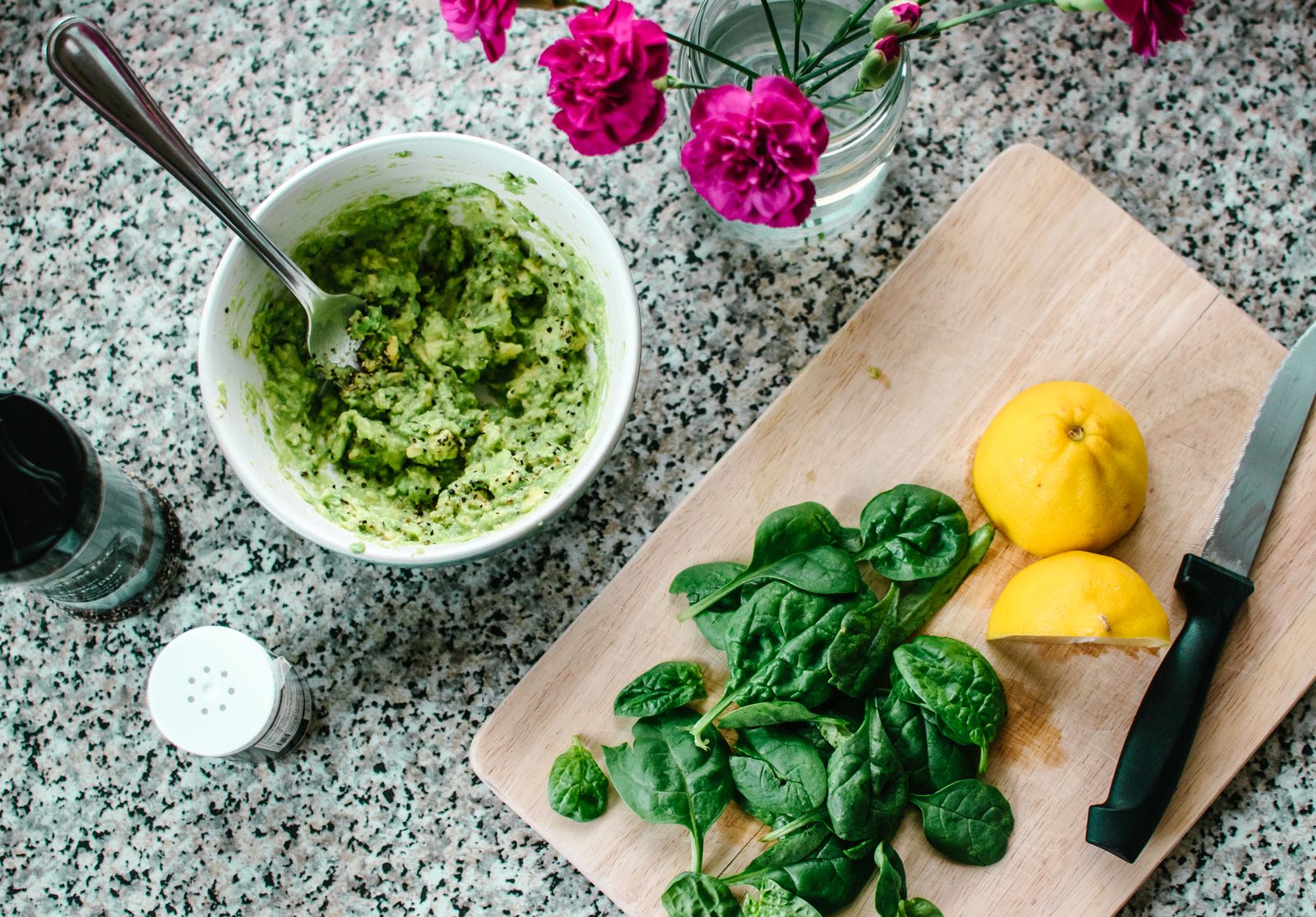
Avocado might be the easiest homemade baby food of all. A ripe avocado mashes smooth with just a fork, and it has creamy healthy fats that babies love. There is nothing to cook, so it is perfect for busy days. Make it fresh, because it turns brown fast. Older babies can have soft avocado spears to hold instead.
You will need: Half a ripe avocado, 1 to 2 teaspoons breast milk, formula or water (optional), a squeeze of mild orange juice for color (optional).
How to make it: Scoop the avocado flesh into a small bowl. Mash with a fork until smooth for younger babies, or leave a few soft lumps for older ones. Add a little liquid if it is too thick. Serve right away. Cover leftovers tightly and use within a day.
Banana and Oat Mash
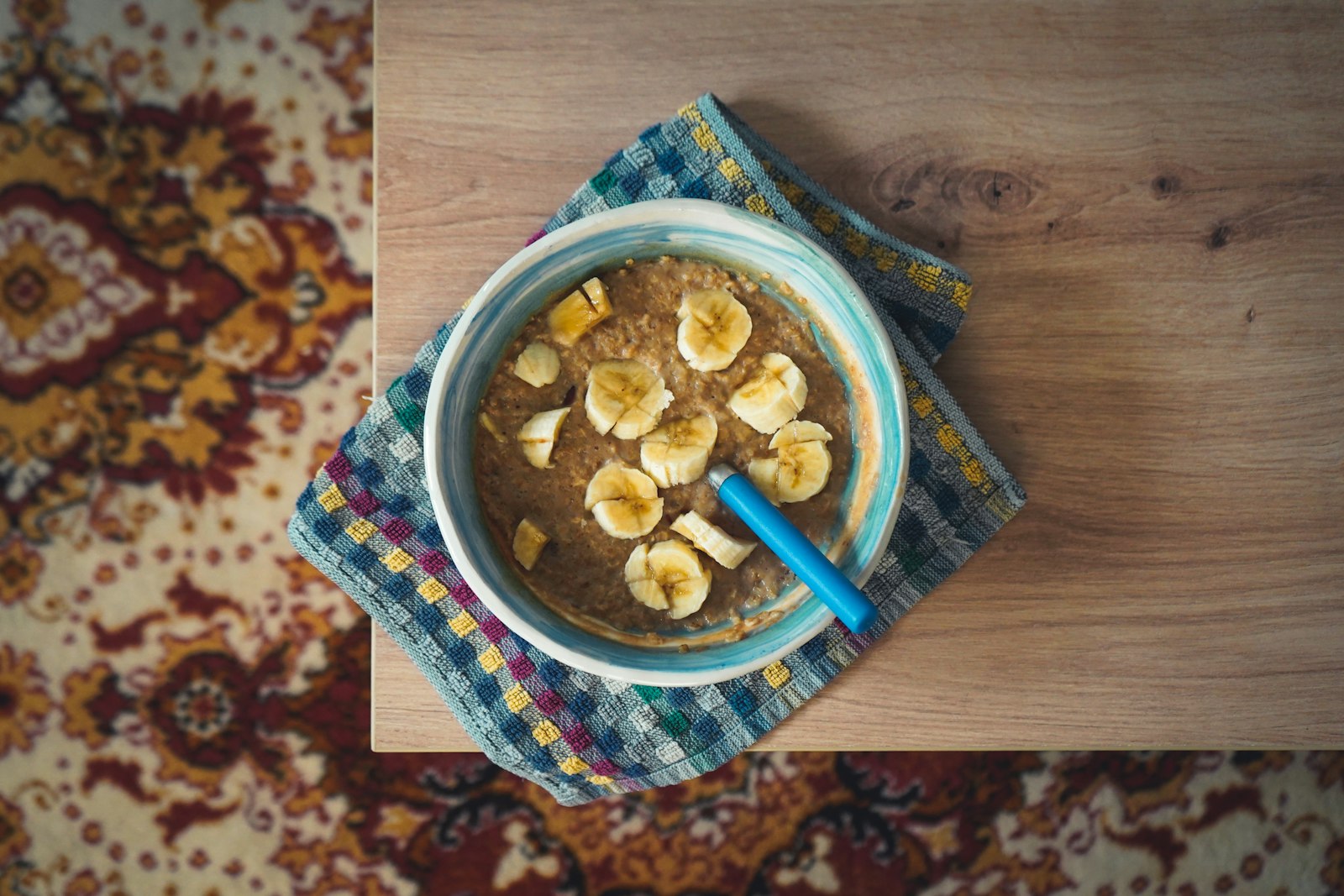
Banana and oats make a warm, filling breakfast that tastes like a treat. The banana adds all the sweetness, so there is no need for sugar. Cook the oats until very soft and blend or mash them smooth for new eaters. As your baby gets older, leave it a little thicker. It is cozy food for chilly fall mornings, and a homemade baby food that grown ups secretly enjoy too.
You will need: 2 tablespoons quick oats or baby oatmeal, quarter cup water or milk your baby already drinks, half a ripe banana, a tiny pinch of cinnamon (optional).
How to make it: Cook the oats in the water over low heat 3 to 4 minutes, stirring, until very soft. Mash the banana in a bowl. Stir in the oats and blend if you need it smoother. Let it cool to warm and test the temperature before serving.
Sweet Pea and Mint Homemade Baby Food
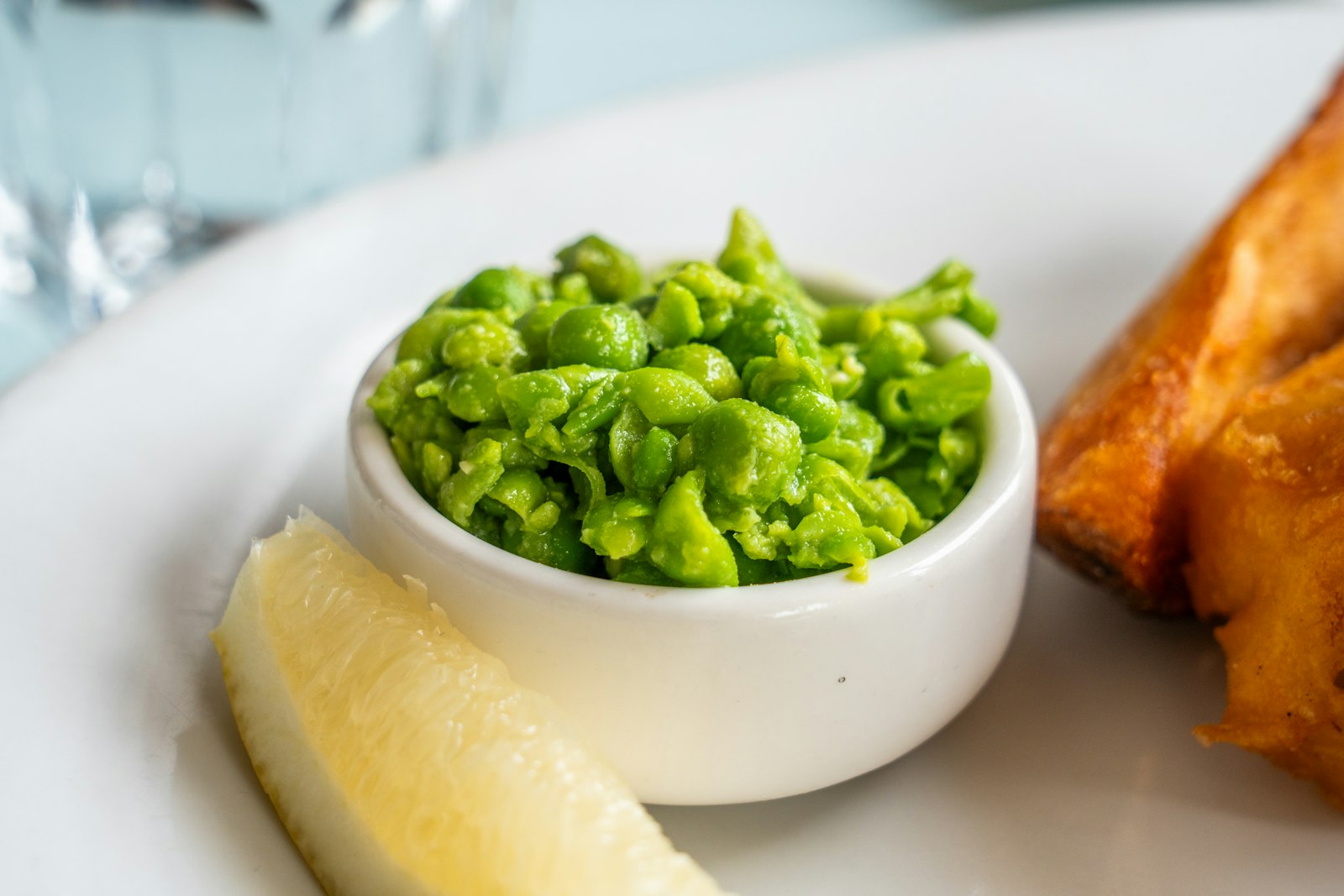
Frozen peas are one of the cheapest ways to make a big batch of bright green purees. They blend smooth in minutes, and a single mint leaf makes them taste fresh. Push the puree through a strainer for brand new eaters to remove the skins. Do you think your baby will make a funny face at green food?
You will need: 1 cup frozen peas, 2 to 3 tablespoons water, 1 small fresh mint leaf (optional).
How to make it: Steam or simmer the peas 4 to 5 minutes until soft. Blend with the mint and enough water to make a smooth puree. For a very smooth texture, press it through a fine strainer. Cool and serve, or freeze in an ice cube tray.
Butternut Squash Puree, a Fall Homemade Baby Food Favorite
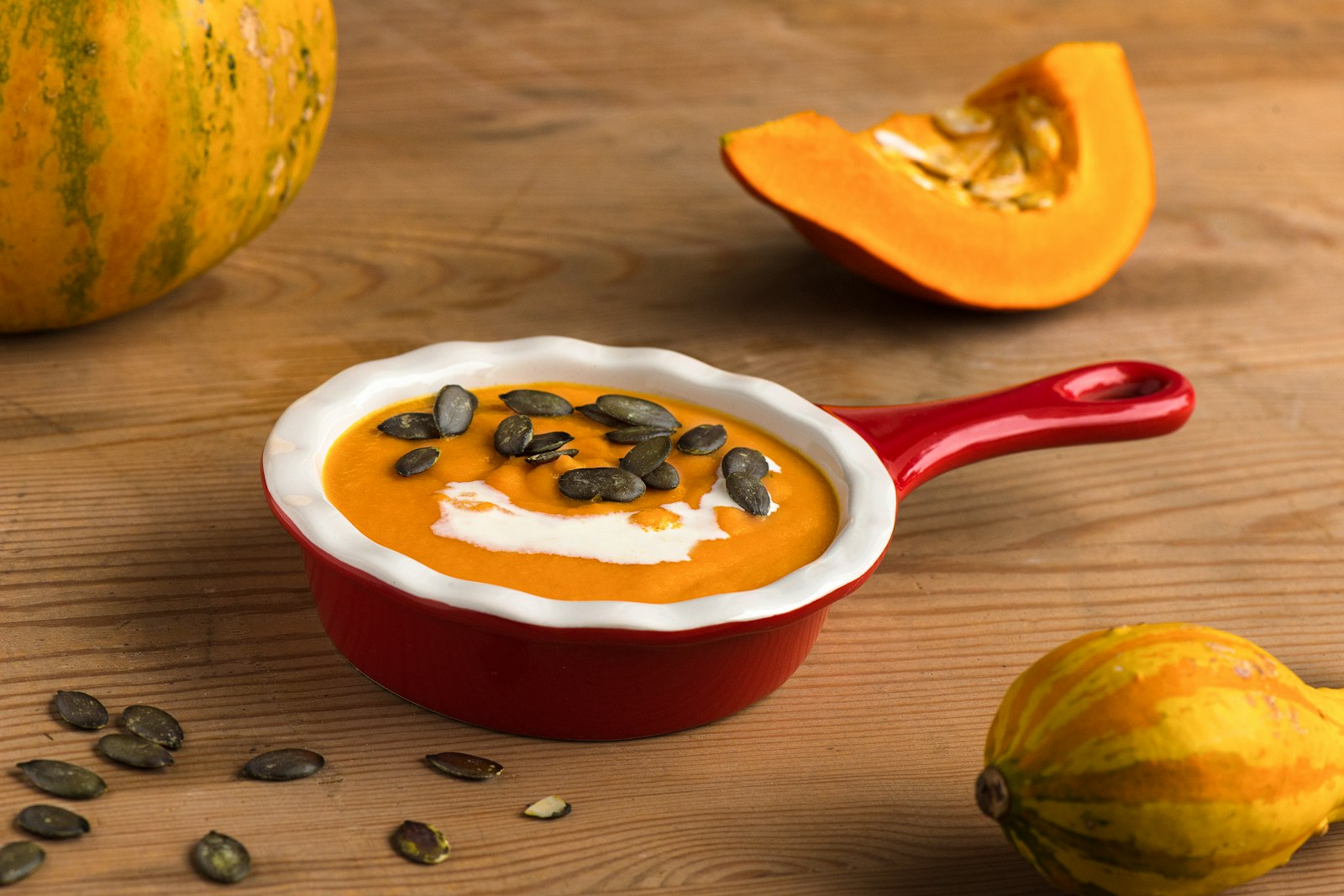
Butternut squash is in season right now, and it turns into a silky, sweet puree that babies love. Roasting brings out even more sweetness. One squash makes a big batch, so freeze most of it for later. Later on, you can mix it with chicken or pasta as your baby starts eating more family foods. What is your favorite fall vegetable?
You will need: 1 small butternut squash, water, breast milk or formula to thin.
How to make it: Heat the oven to 400F. Cut the squash in half and scoop out the seeds. Roast cut side down on a lined pan 40 to 45 minutes until very soft. Scoop out the flesh and blend until smooth, adding liquid as needed. Cool and freeze in portions.
Apple and Pear Sauce With No Added Sugar
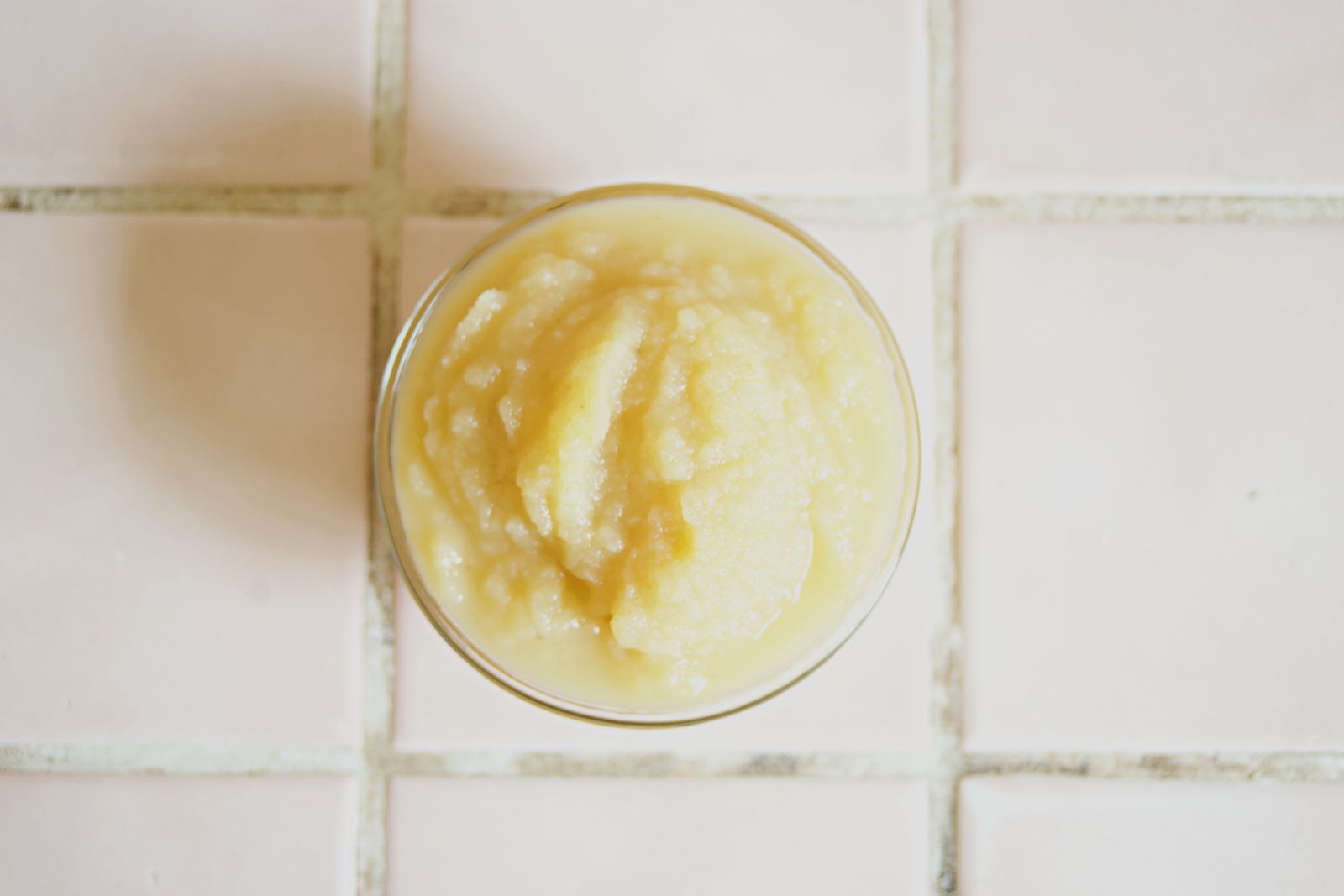
Homemade apple and pear sauce tastes so much better than store bought, and it needs no added sugar at all. Sweet apples like Gala or Fuji and a ripe pear cook down into a soft, naturally sweet sauce in about 15 minutes. It is great on its own or swirled into oatmeal or yogurt. This homemade baby food keeps in the fridge for 3 days. Which do you think babies like more: apples or pears?
You will need: 2 sweet apples, 1 ripe pear, quarter cup water, a pinch of cinnamon (optional).
How to make it: Peel, core and chop the apples and pear. Simmer them with the water in a covered pot 12 to 15 minutes until very soft. Mash or blend until smooth. Cool and serve, or freeze in an ice cube tray for later.
Carrot and Lentil Homemade Baby Food
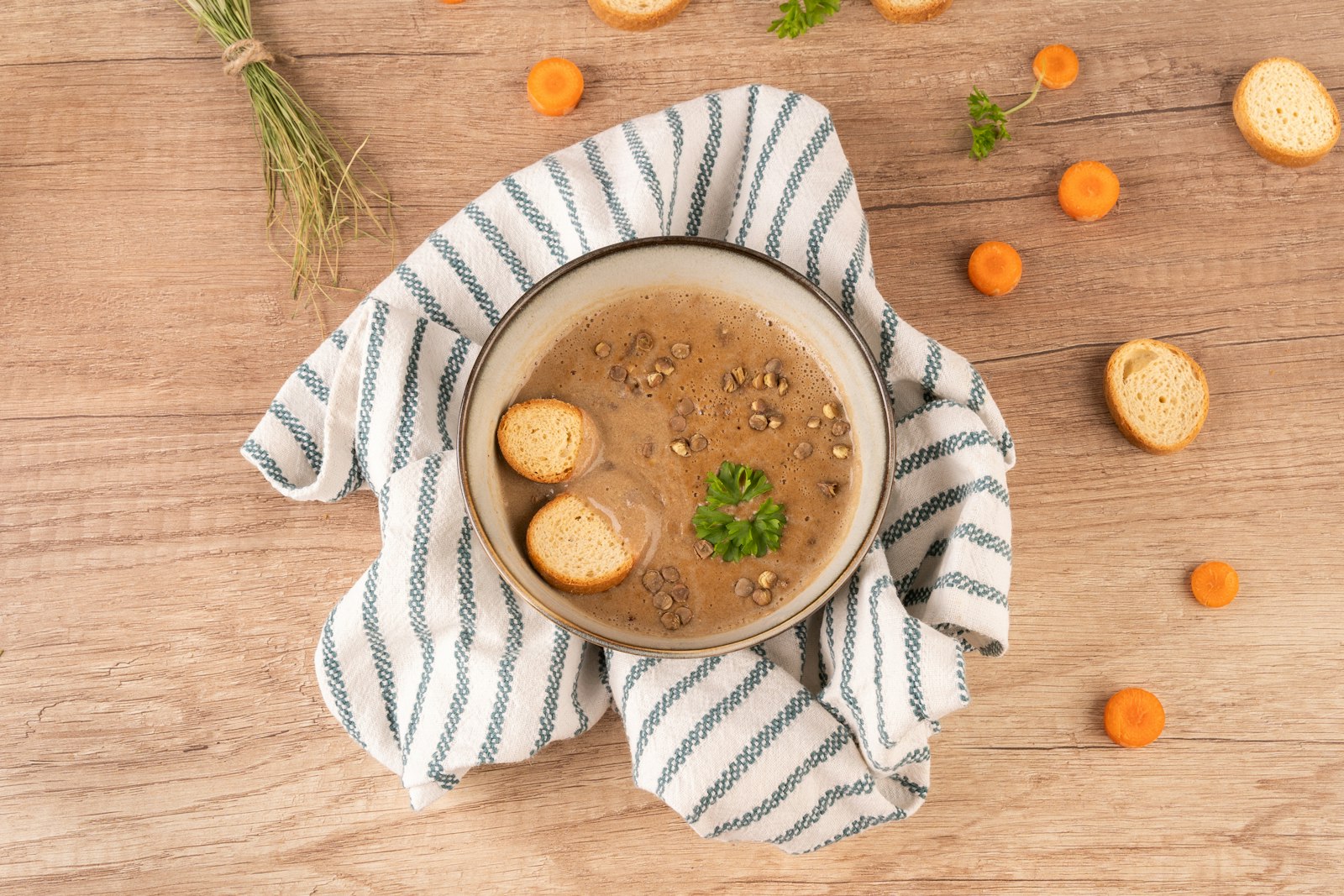
This is a hearty puree that is more filling than plain vegetables. Red lentils cook fast and turn soft and creamy, and carrots add sweetness and a sunny orange color. It is a good way to introduce a gentle mix of flavors. A tiny pinch of cumin is fine for older babies, but skip the salt. Like most homemade baby food, it freezes well for busy weeks.
You will need: 2 tablespoons red lentils rinsed, 1 carrot peeled and chopped, three quarters cup water, a tiny pinch of cumin (optional, for older babies).
How to make it: Put the lentils, carrot and water in a small pot. Simmer 15 to 20 minutes until both are very soft, adding a little more water if it gets dry. Blend until smooth. Cool and serve, or freeze in portions.
Blueberry and Yogurt Swirl
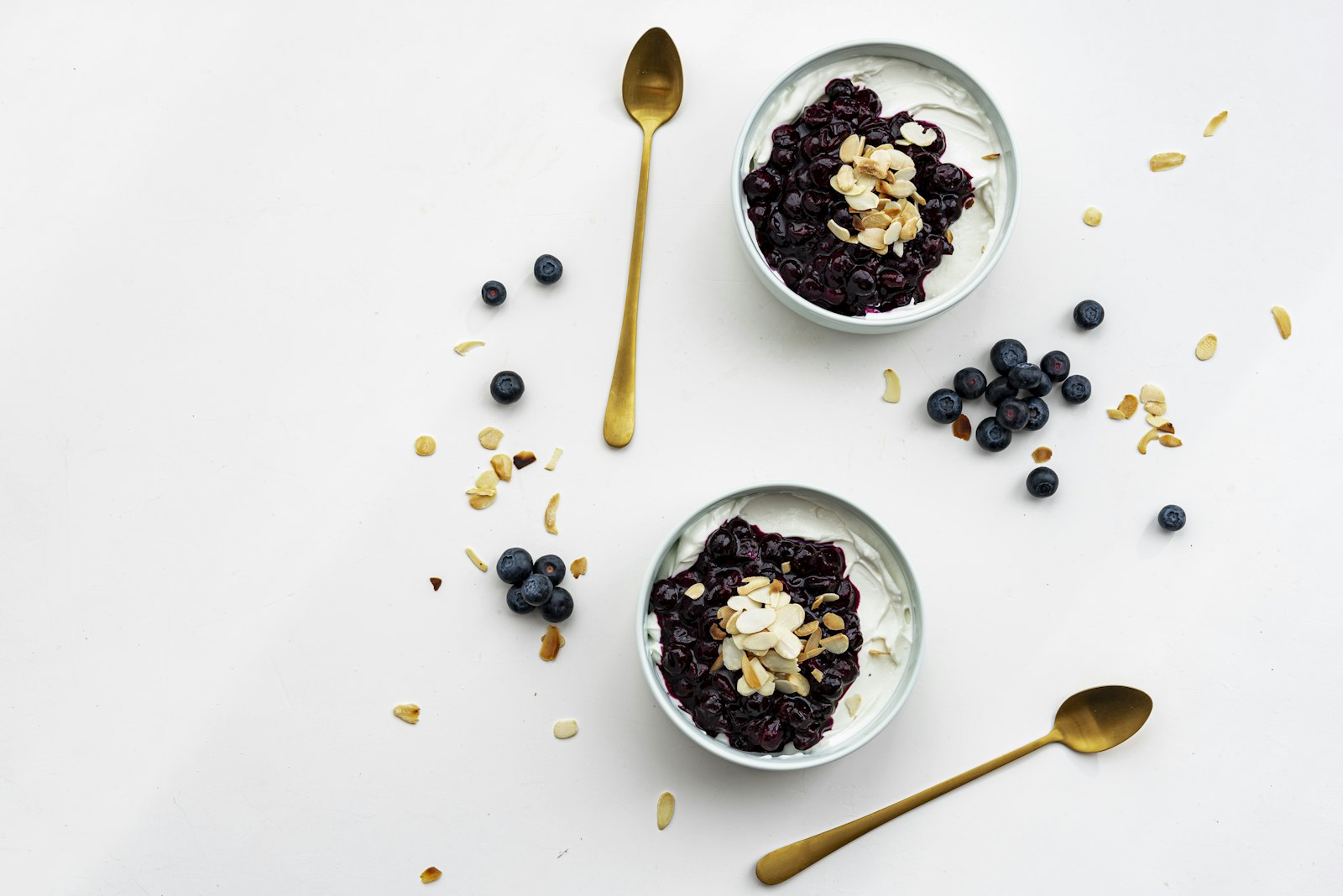
Plain whole milk yogurt is a common early food once your baby is eating solids, and a swirl of mashed blueberries turns it purple and fun. Choose yogurt with no added sugar, and only offer it once your pediatrician says dairy is fine for your baby. Cook the blueberries briefly so they soften and pop, then mash them well, since whole blueberries can be a choking risk for little ones.
You will need: Quarter cup plain whole milk yogurt with no added sugar, 2 tablespoons fresh or frozen blueberries.
How to make it: Simmer the blueberries with a splash of water 3 to 4 minutes until they burst. Mash well with a fork or blend smooth, then cool. Spoon the yogurt into a bowl and swirl the blueberry mash through it.
Soft Steamed Broccoli Trees
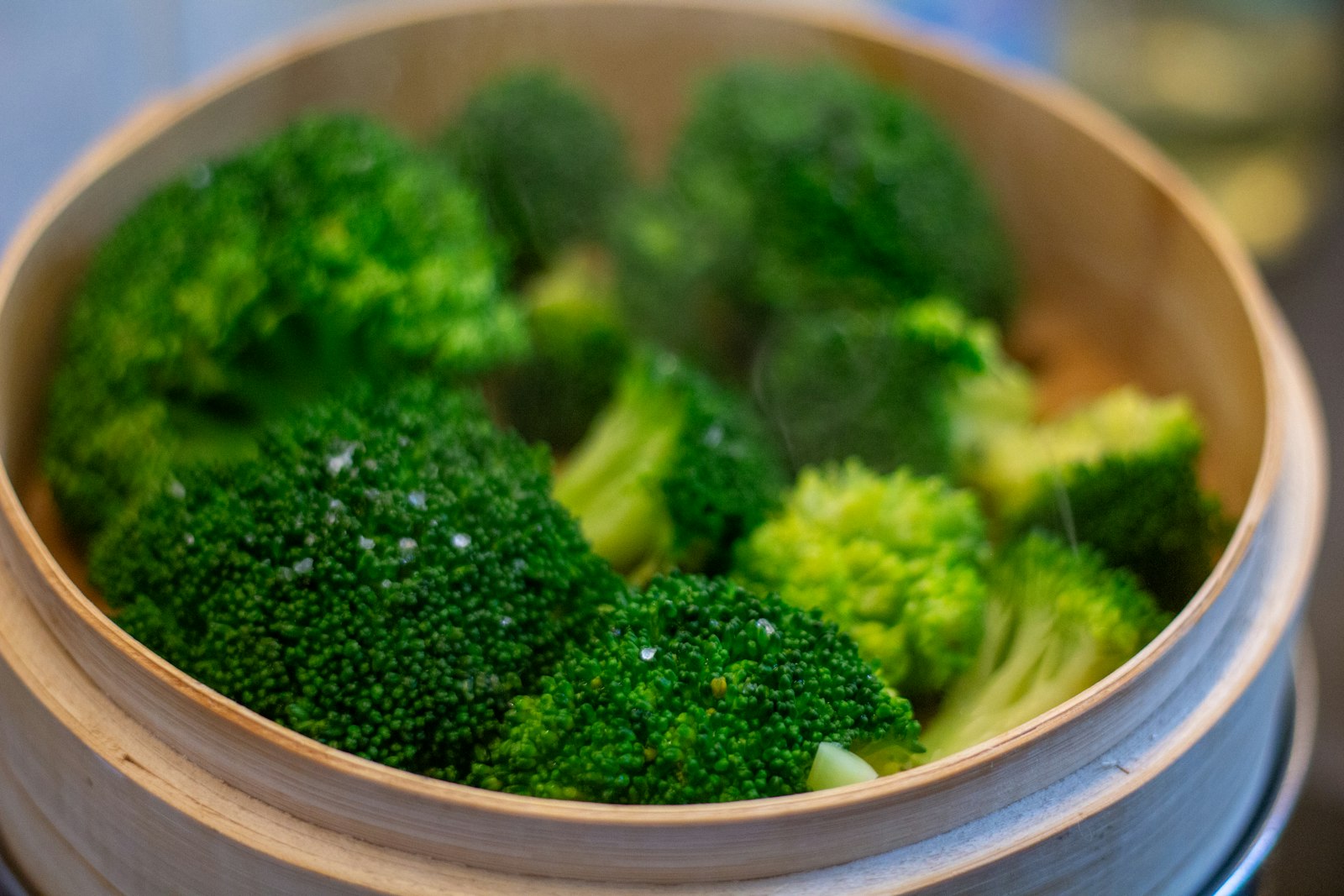
Broccoli florets look like little trees, and they are perfect for babies learning to feed themselves. Steam them until very soft, so they squish easily between your fingers. The stalk makes a natural handle. Many families find that green veggies offered early become everyday favorites. For more ways to sneak in vegetables later, see our hidden veggie recipes for kids.
You will need: 1 small head of broccoli cut into large florets with a bit of stem left on for a handle.
How to make it: Steam the florets 8 to 10 minutes until very soft. Test one: you should be able to mash it easily between your thumb and finger. Cool completely. Offer one or two large florets at a time and always stay with your baby while they eat.
Banana Spears Rolled in Ground Oats
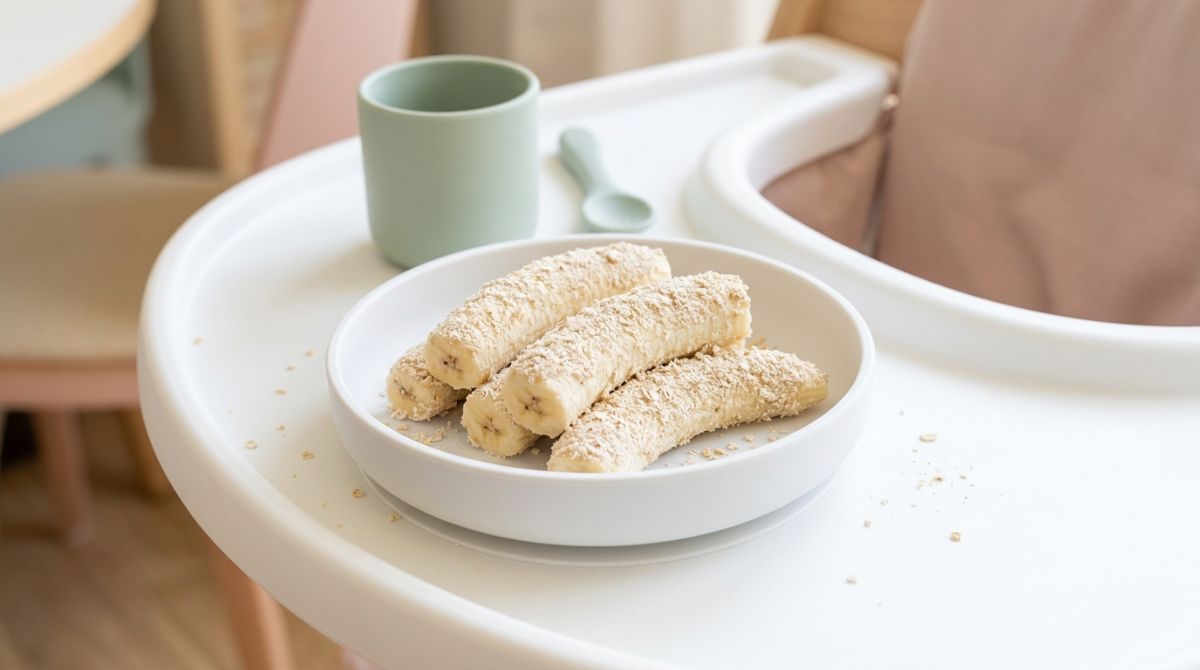
A ripe banana is slippery, which makes it hard for little hands to hold. Rolling banana spears in finely ground oats gives them grip, so babies can feed themselves. Cut the banana into long spears about the length of an adult finger. It is one of the simplest homemade baby food finger foods you can make. Always watch your baby while they eat finger foods.
You will need: 1 ripe banana, 2 tablespoons quick oats.
How to make it: Grind the oats into a fine powder in a blender. Peel the banana and cut it in half crosswise, then split each half into 3 long spears. Roll the spears in the ground oats to coat. Serve right away on a clean tray.
Soft Scrambled Egg Strips
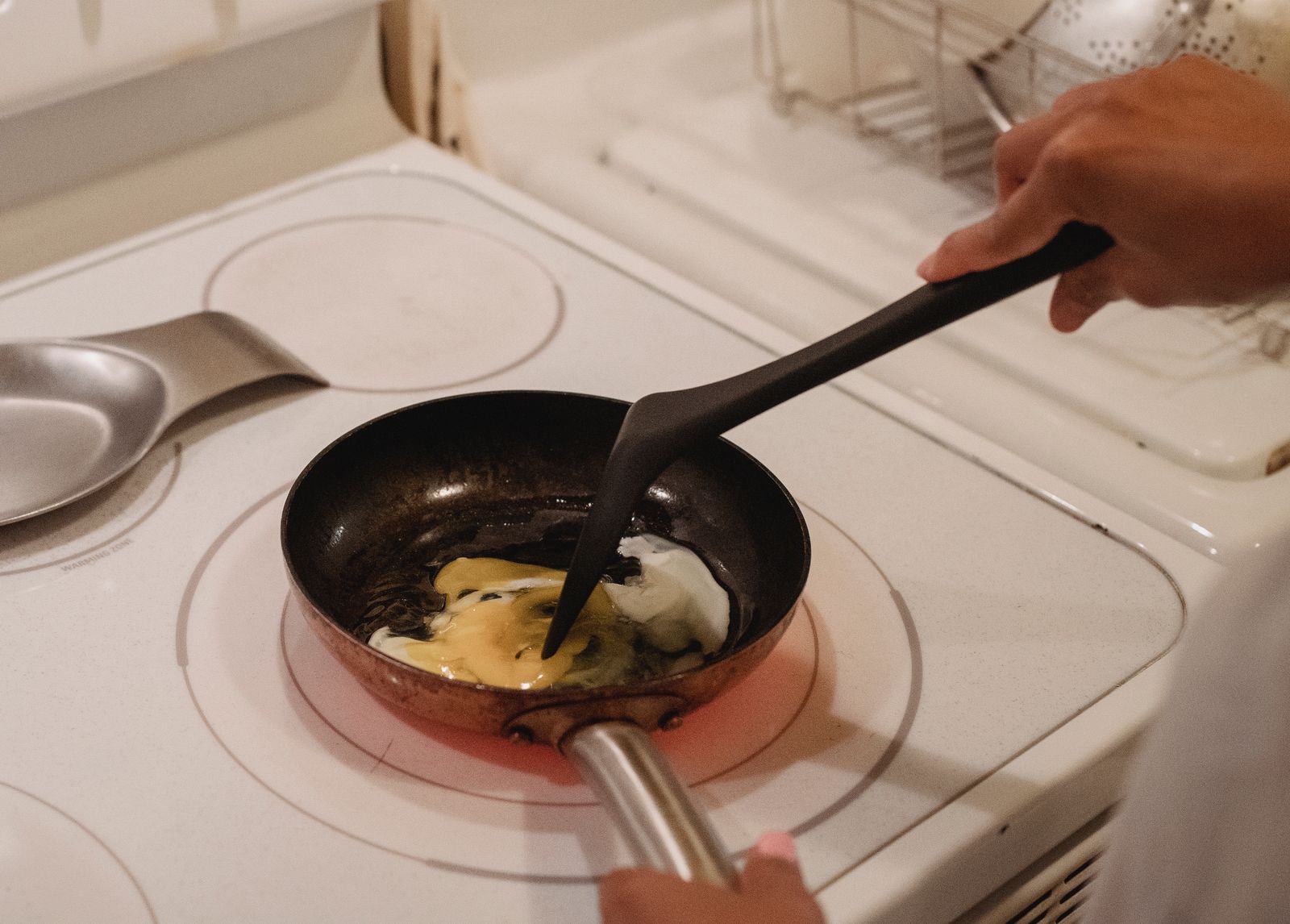
Eggs are a protein packed first food, and you can make them two ways for babies. Scramble them soft, or cook a thin omelet and cut it into strips that are easy to hold. Strips like these are a great next step after smooth homemade baby food. Make sure the eggs are fully cooked with no runny parts. Ask your pediatrician about when and how to introduce eggs to your baby.
You will need: 1 egg, 1 tablespoon milk your baby already drinks, half teaspoon butter or oil.
How to make it: Whisk the egg and milk. Heat the butter in a small nonstick pan over medium low heat. Pour in the egg, swirl into a thin layer and cook until fully set, about 2 minutes, then flip for 30 seconds. Cool and cut into finger length strips. Or stir gently into soft, fully cooked scrambled eggs.
Mini Salmon Cakes for Little Hands
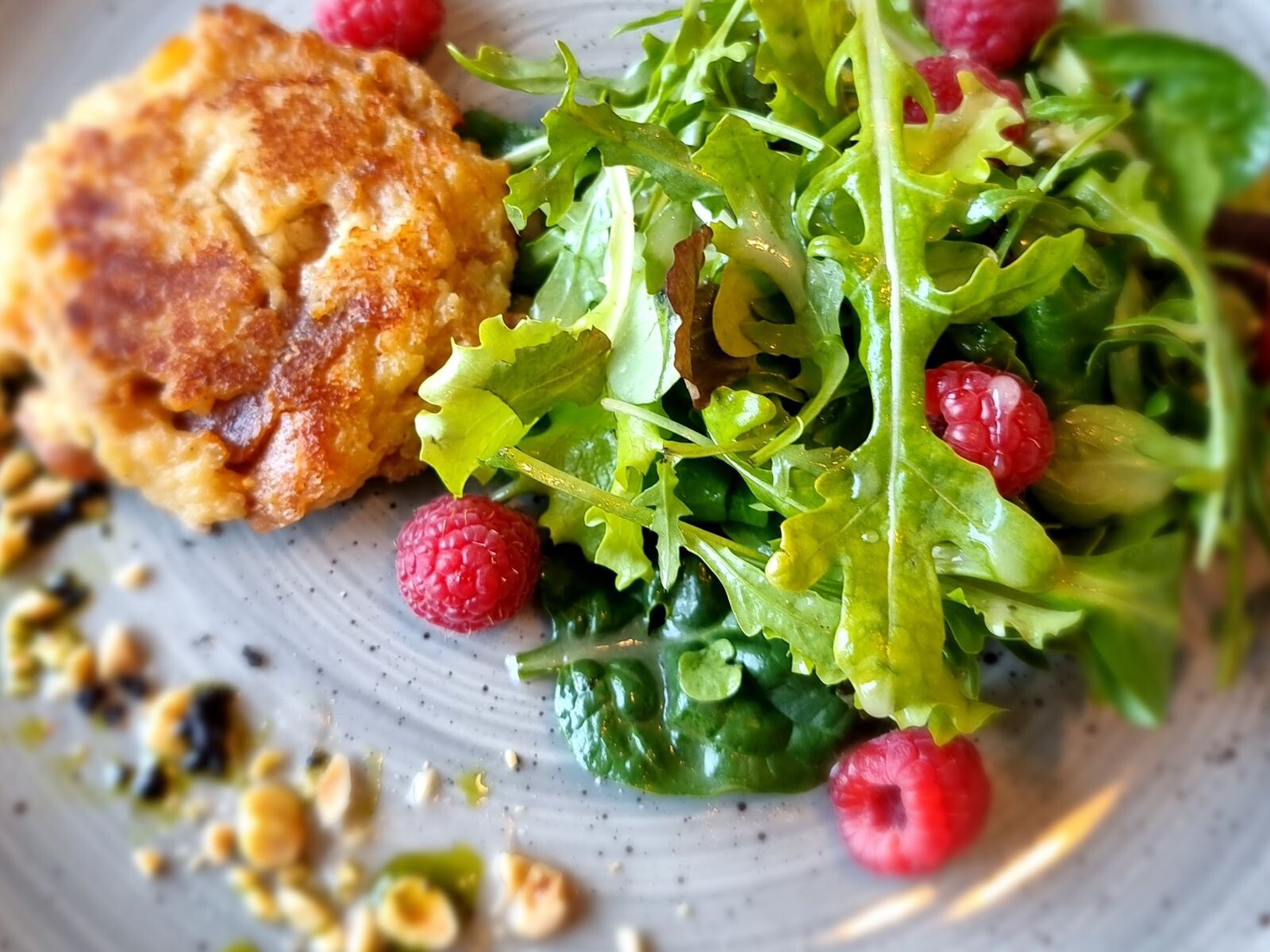
Salmon is soft, mild and full of omega 3 fats. These mini cakes use cooked salmon, mashed potato and egg, and they hold together well for little hands. Check carefully for bones, and cook the cakes all the way through. Bake them instead of frying to keep them soft. It is homemade baby food the whole family can share, and the grown ups at the table will want some too.
You will need: 1 cup cooked boneless salmon flaked, half cup mashed potato or sweet potato, 1 egg, 2 tablespoons breadcrumbs, 1 teaspoon chopped dill, 1 teaspoon oil.
How to make it: Heat the oven to 400F. Check the salmon well for bones. Mix the salmon, potato, egg, breadcrumbs and dill. Shape into small flat cakes about 2 inches wide. Place on an oiled lined pan and bake 15 to 18 minutes, flipping once, until golden and cooked through. Cool and cut into strips.
Baby Oatmeal Fingers
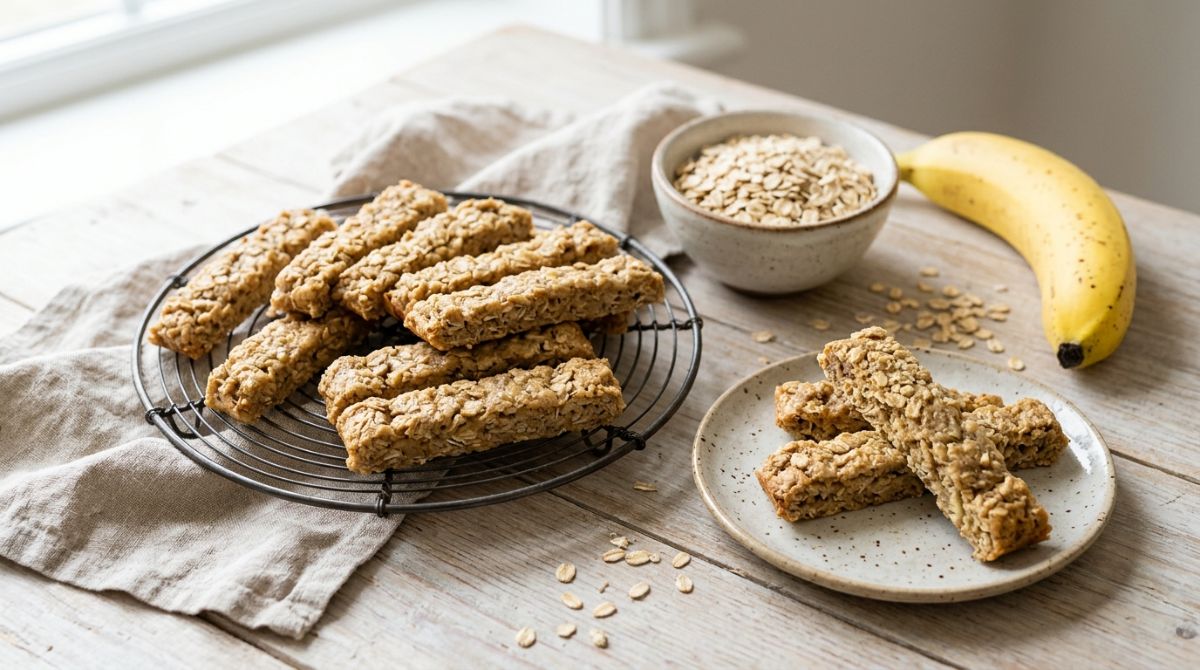
These soft baked oatmeal fingers are like a mini breakfast bar with no added sugar. Mashed banana and egg hold the oats together, and they bake soft enough for gums. Cut them into thin strips that babies can hold. Make a batch on Sunday and freeze them for easy breakfasts all week. Would you sneak one for yourself?
You will need: 1 cup quick oats, 1 ripe banana mashed, 1 egg, quarter cup milk your baby already drinks, a pinch of cinnamon.
How to make it: Heat the oven to 350F and line a small baking dish. Mix all the ingredients and press the mixture about half an inch thick in the dish. Bake 15 to 18 minutes until set but still soft. Cool, then cut into thin finger length strips. Freeze extras between layers of parchment.
Homemade Baby Food Safety Basics Every Parent Should Know
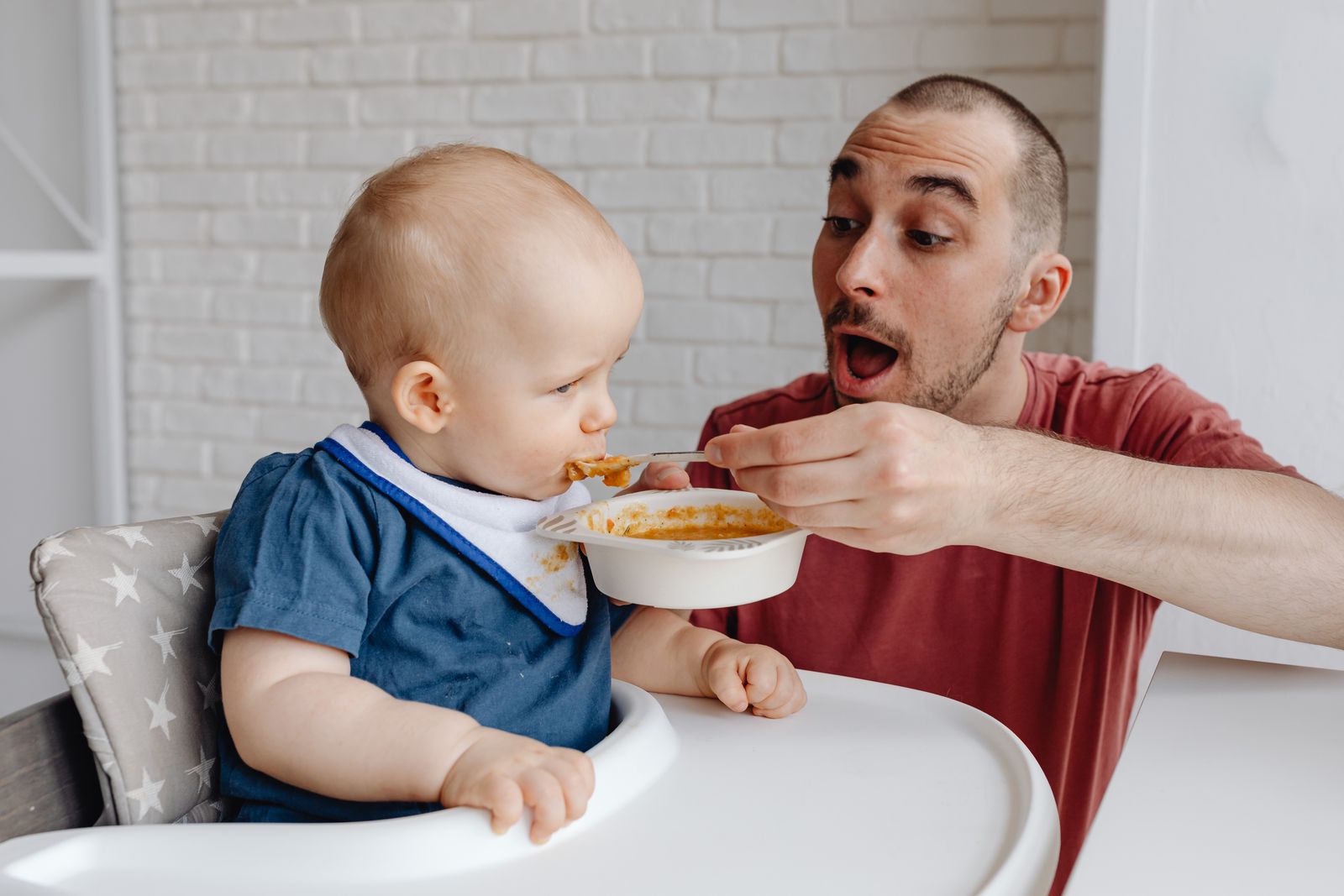
Never give honey before age 1. Cut round foods like grapes into quarters, and skip whole nuts, popcorn and hard raw vegetables. Do not add salt or sugar to baby food. Always sit with your baby while they eat. A new study in Scientific Reports, which looked at 125 babies in Ireland, found that the work gut microbes do starts to shift as solid foods arrive. Your pediatrician is your best guide for when and how to start.
You will need: A high chair, soft spoons, a bib, an ice cube tray for freezing, and a plan to offer one new food at a time.
How to make it: Start with smooth purees and slowly move to thicker, lumpier textures and soft finger foods. Offer one new food every few days so you can spot any reaction. Test food temperature before serving. Freeze homemade baby food in portions and use within 2 to 3 months. Throw away any food left in the bowl after a meal.