Cold House Fixes: 15 Cheap DIY Tricks That Make Every Chilly Room Feel Cozy This Winter
These cold house fixes are for anyone who has pulled on a second sweater indoors and still felt a chill on their ankles. Older homes, rentals and even newer houses all have the same sneaky problems: drafts under doors, bare floors that soak up the cold, thin curtains and rooms that never seem to warm up. The good news is that most of the cures are simple, handmade and cheap. A rug, an old sweater, a roll of bubble wrap or a heavy blanket can make a real difference to how warm a room feels. Below are 15 easy projects you can do this weekend, room by room, with things you may already have at home. Grab a cup of tea and let us find your coldest corner..
Cold House Fixes for a Cozy Bedroom
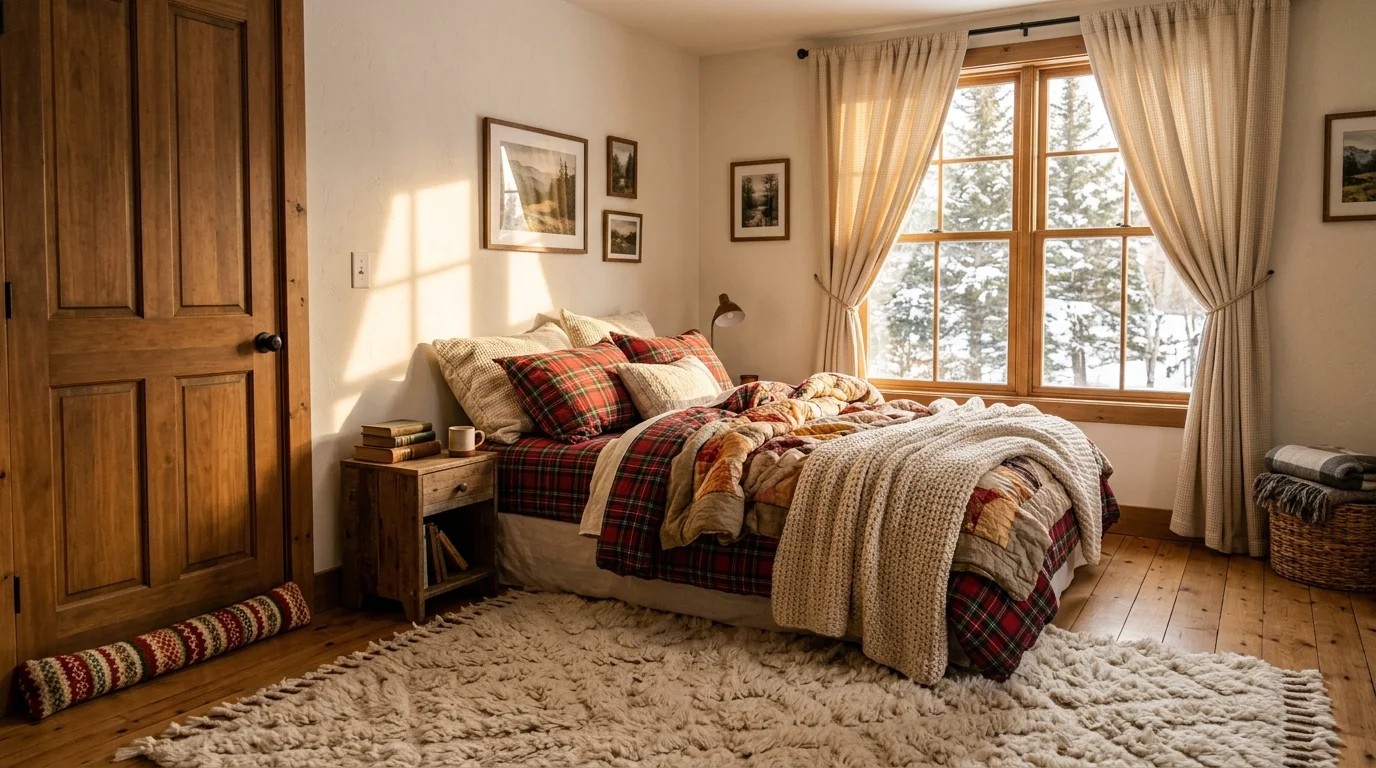
If you only have time for one room, start with the bedroom, because a warm night of sleep changes everything. The best cold house fixes work together: a thick rug on the floor, heavy curtains on the window, layers on the bed and something soft blocking the gap under the door. None of these cost much, and together they can make the room feel several degrees cozier. Look at your bedroom tonight and notice where the cold creeps in, then pick the cheapest fix first. Which spot in your bedroom feels the chilliest at night..
You will need: A large rug, lined or thermal curtains, flannel sheets, an extra blanket or quilt and a door draft stopper.
How to make it: 1. Feel around the window and under the door for moving air. 2. Close the gaps first with the curtains and the draft stopper. 3. Add the rug and layer the bed so warmth stays where you sleep.
Thick Rug Over Cold Floors
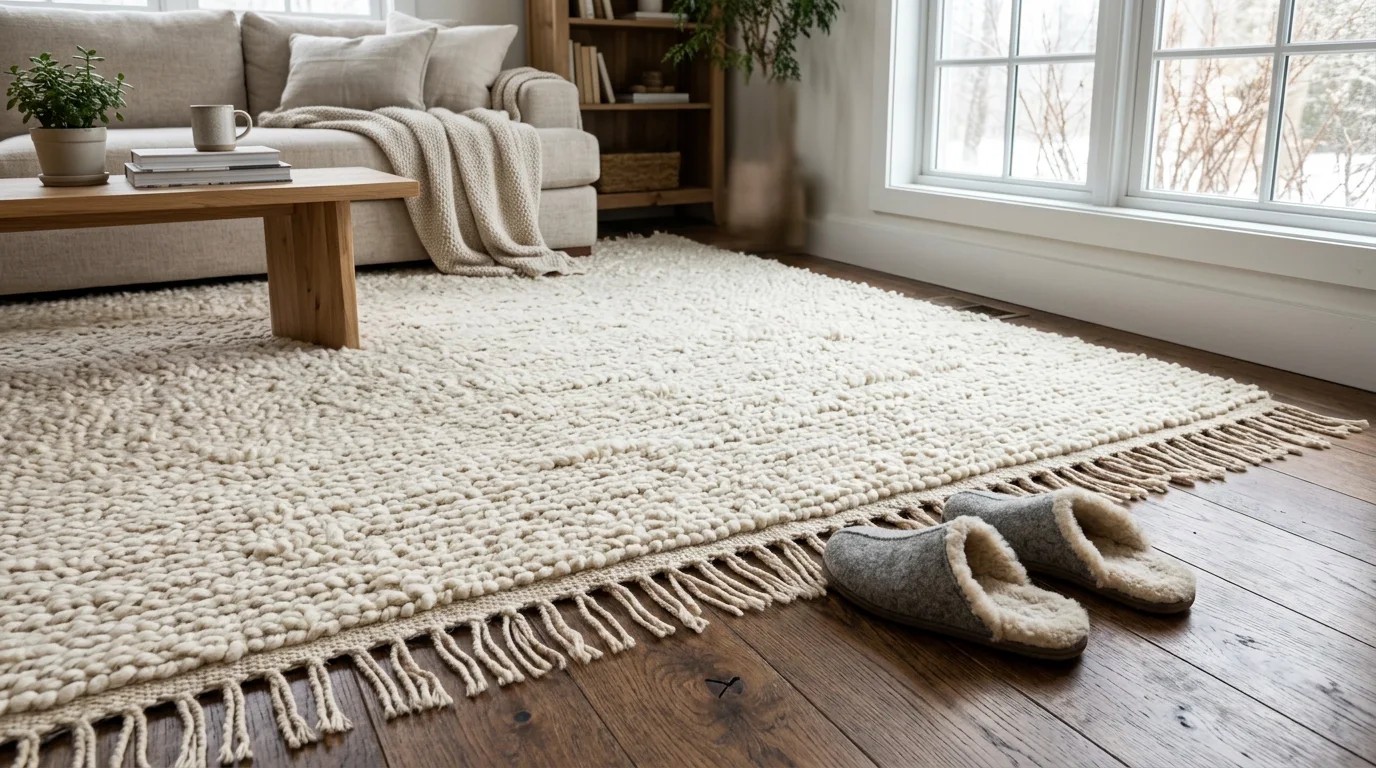
Bare wood and tile floors feel icy in winter because they pull heat away from your feet. A big, thick rug is one of the fastest and cheapest ways to change that. Look for a wool or high pile rug at a thrift store, a yard sale or an online marketplace, where people sell good rugs for very little. Put a rug pad underneath for extra warmth and to stop slipping. Cover the spots where you stand or sit the most, like beside the bed, in front of the sofa and at the kitchen sink. Where do your feet feel the coldest at home?
You will need: A thick wool or high pile rug, a felt or rubber rug pad and a vacuum or carpet cleaner for secondhand finds.
How to make it: 1. Measure the area where you sit or stand most. 2. Clean a secondhand rug well and let it dry fully. 3. Lay the pad first, then the rug, so it covers as much bare floor as possible.
Sweater Sleeve Draft Snake
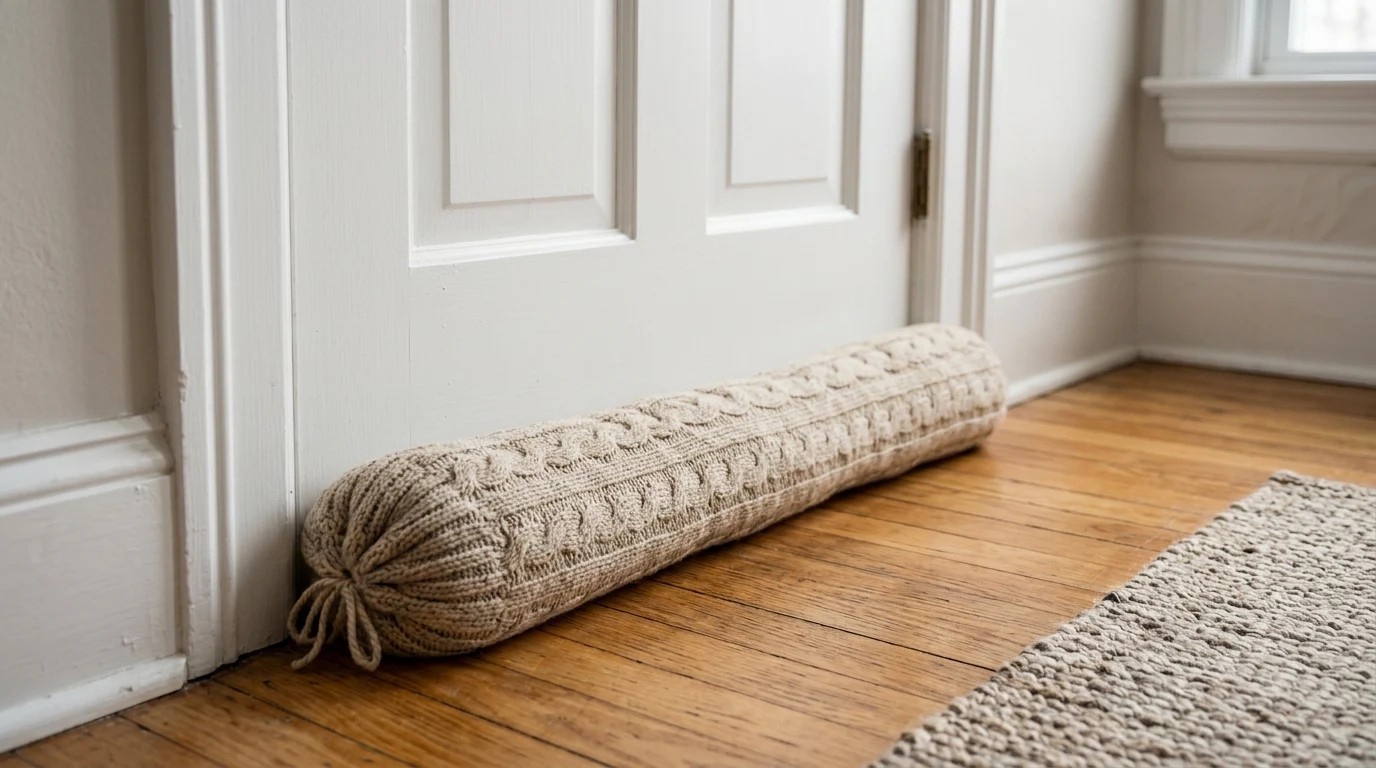
That stretched out sweater in the back of the closet can block one of the worst drafts in the house. The gap under a door lets cold air pour in, and a soft, heavy tube along the bottom stops it. A sweater sleeve is already the perfect shape. Cut it off, sew or tie one end, fill it with rice, dried beans or old socks, then close the other end. It takes about fifteen minutes and costs nothing. For more styles, our DIY draft stoppers gallery has plenty of ideas. Which door in your house lets in the most cold air?
You will need: An old sweater, scissors, a needle and thread or twine, and rice, dried beans or old socks for filling.
How to make it: 1. Cut a sleeve from the sweater, a little longer than your door is wide if possible. 2. Tie or sew one end closed and fill the sleeve until firm. 3. Close the other end and lay it snug against the door gap.
Cold House Fixes With Thermal Curtains
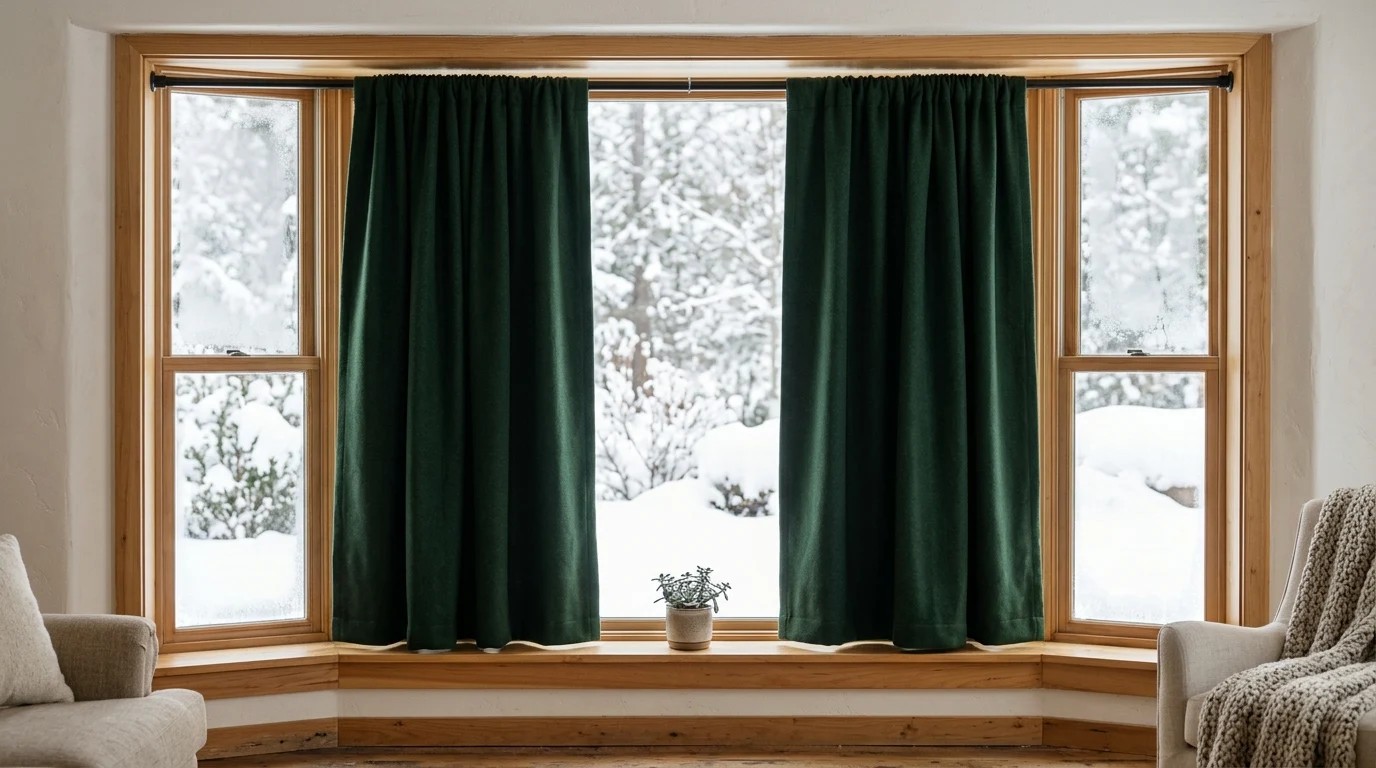
Windows lose a lot of heat, and thin curtains do little to stop it. Among cheap cold house fixes, heavy lined curtains are one of the best because they trap a layer of air against the glass. You do not need to drill or hang new hardware. A tension rod fits right inside the window frame, and you can find lined or thermal curtains at discount stores, or sew a fleece lining to curtains you already own. Close them as soon as the sun goes down and open them in the morning to let the sun in. Are your curtains thick enough to keep the cold out?
You will need: Thermal or lined curtains, or fleece fabric to line your own, a tension rod that fits inside your window frame and safety pins or a sewing machine.
How to make it: 1. Measure the inside of the window frame and buy a matching tension rod. 2. Line your curtains with fleece if they are thin. 3. Hang the rod snug in the frame so the curtains touch the sill.
Bubble Wrap on Basement Windows
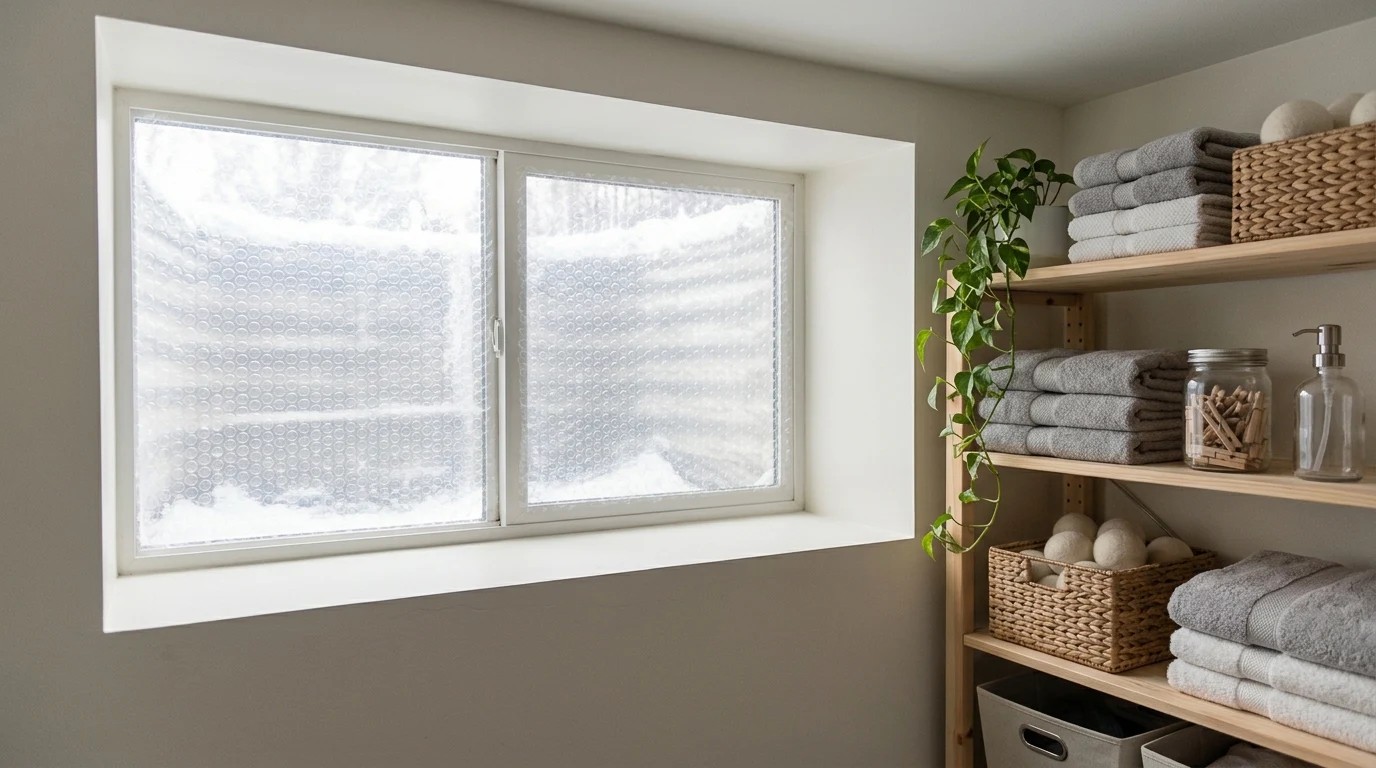
It sounds strange, but bubble wrap is a clever window insulator for spaces where the view does not matter, like a basement, garage, laundry room or storage room. All those little air pockets slow down the cold coming through the glass, and light still gets in. The trick is a light spray of water on the glass, then press the bubble side flat against it and it sticks on its own. When spring comes, just peel it off. Save this one for the rooms you are not decorating, and leave your main windows clear. Do you have a chilly basement window that could use this?
You will need: Large bubble wrap with big bubbles, a spray bottle of water, scissors and a ruler.
How to make it: 1. Cut the bubble wrap to the size of each glass pane. 2. Mist the glass with water. 3. Press the bubble side onto the glass and smooth it out from the center to the edges.
Foil Panel Behind the Radiator
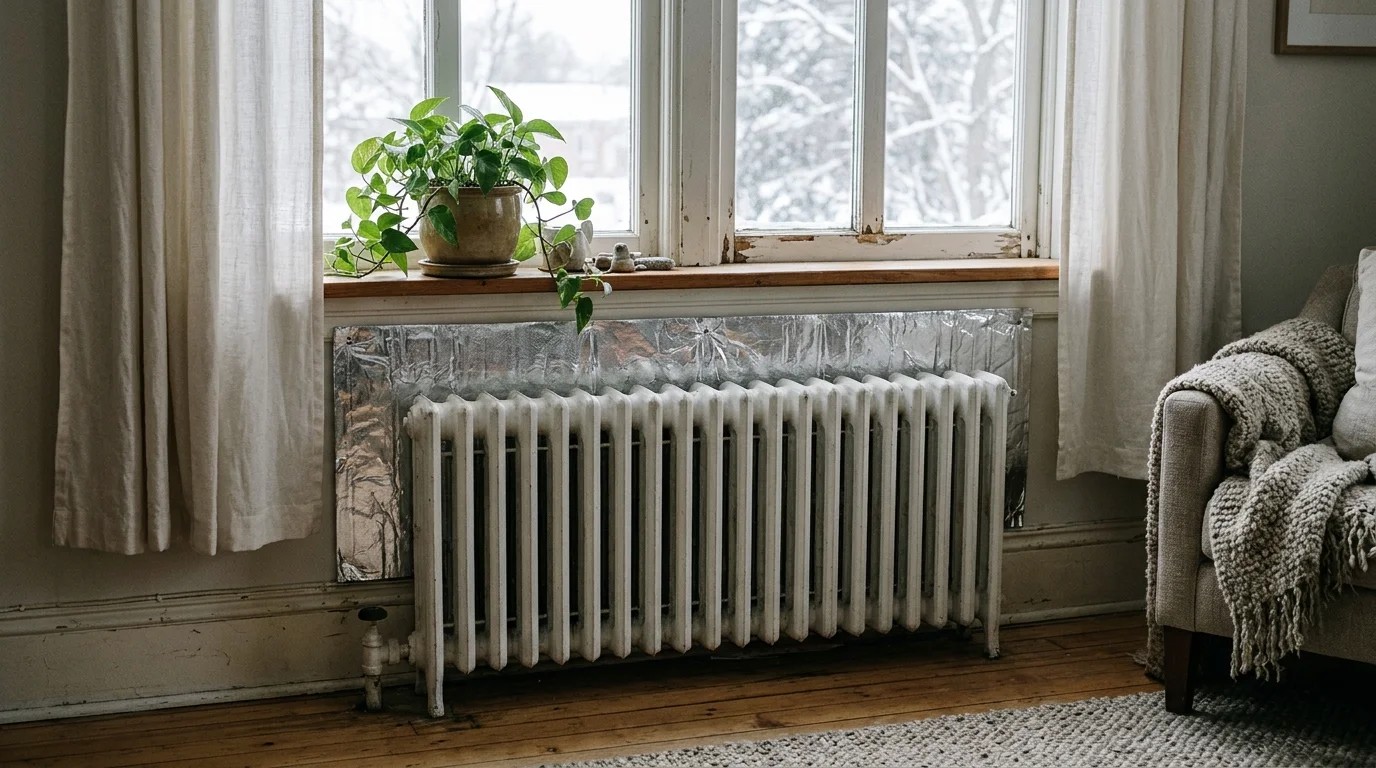
If your home has radiators on outside walls, some of their heat goes straight into the wall instead of the room. A reflective panel behind the radiator bounces more of that warmth back toward you. Hardware stores sell radiator foil, or you can wrap a thin piece of cardboard in heavy kitchen foil, shiny side out. Slide it behind the radiator without touching the hot surface, and fix it to the wall with removable tape. Ask an adult to help, and only do this when the radiator is completely cool. Is there a radiator on an outside wall in your house?
You will need: Radiator reflector foil or thin cardboard and heavy duty foil, scissors, and removable double sided tape (adult help).
How to make it: 1. Turn the radiator off and let it cool fully. 2. Cut the panel slightly smaller than the radiator. 3. Slide it behind, shiny side facing the room, and stick it to the wall with tape.
Cold House Fixes for Open Doorways
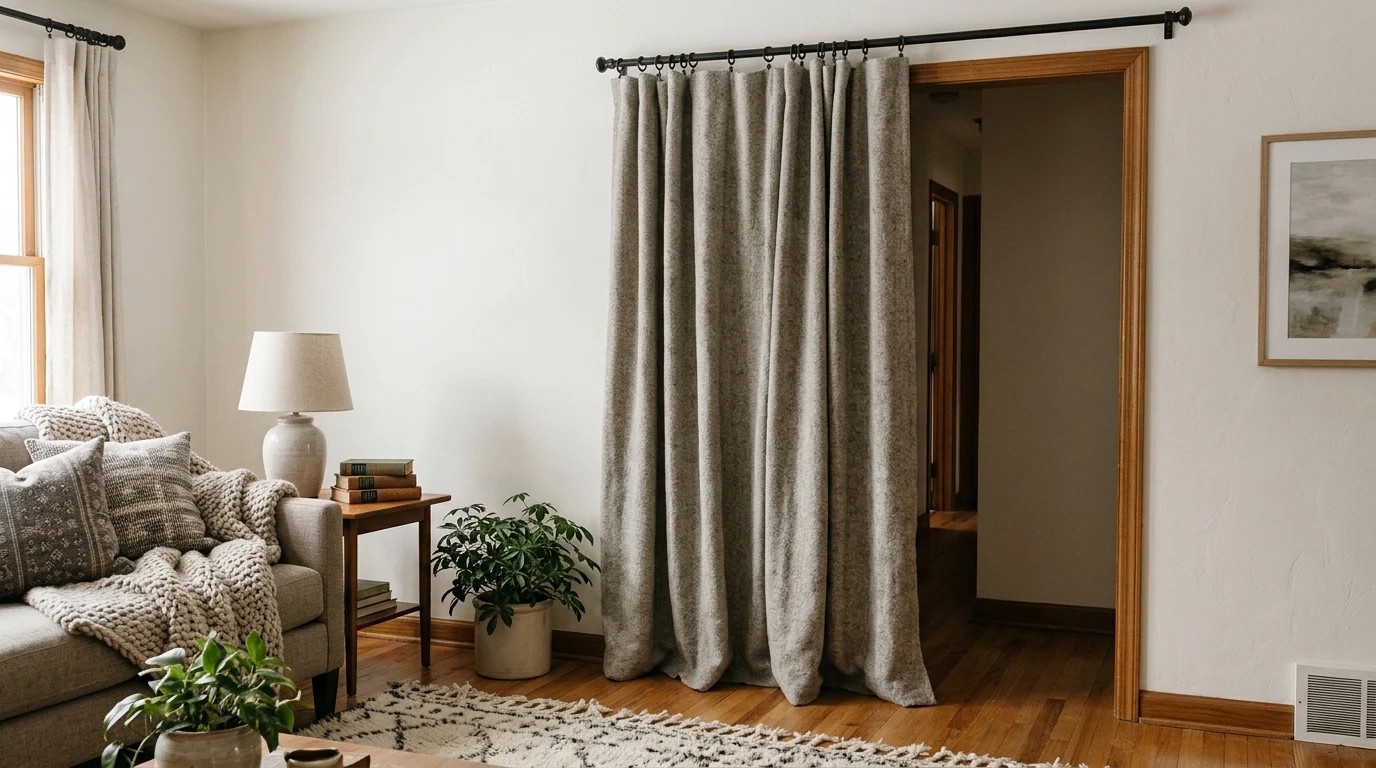
Open doorways and hallways let warm air drift away into rooms you are not using. One of the smartest cold house fixes is a simple curtain across the opening, so you heat only the room you are sitting in. A heavy blanket, a quilt or a pair of thick curtains on a rod or tension pole does the job. It also helps in homes with an open staircase, where heat rises and disappears upstairs. Pull it closed in the evening and open it again in the morning. Which room in your home do you want to keep the warmest?
You will need: A curtain rod with brackets or a tension rod, a heavy curtain or blanket, curtain clips and a drill (adult help) for brackets.
How to make it: 1. Measure the doorway width and height. 2. Fit the rod above the opening, extending a little past each side. 3. Clip on the curtain so it reaches the floor and closes fully.
Flannel Sheets and Layered Bedding
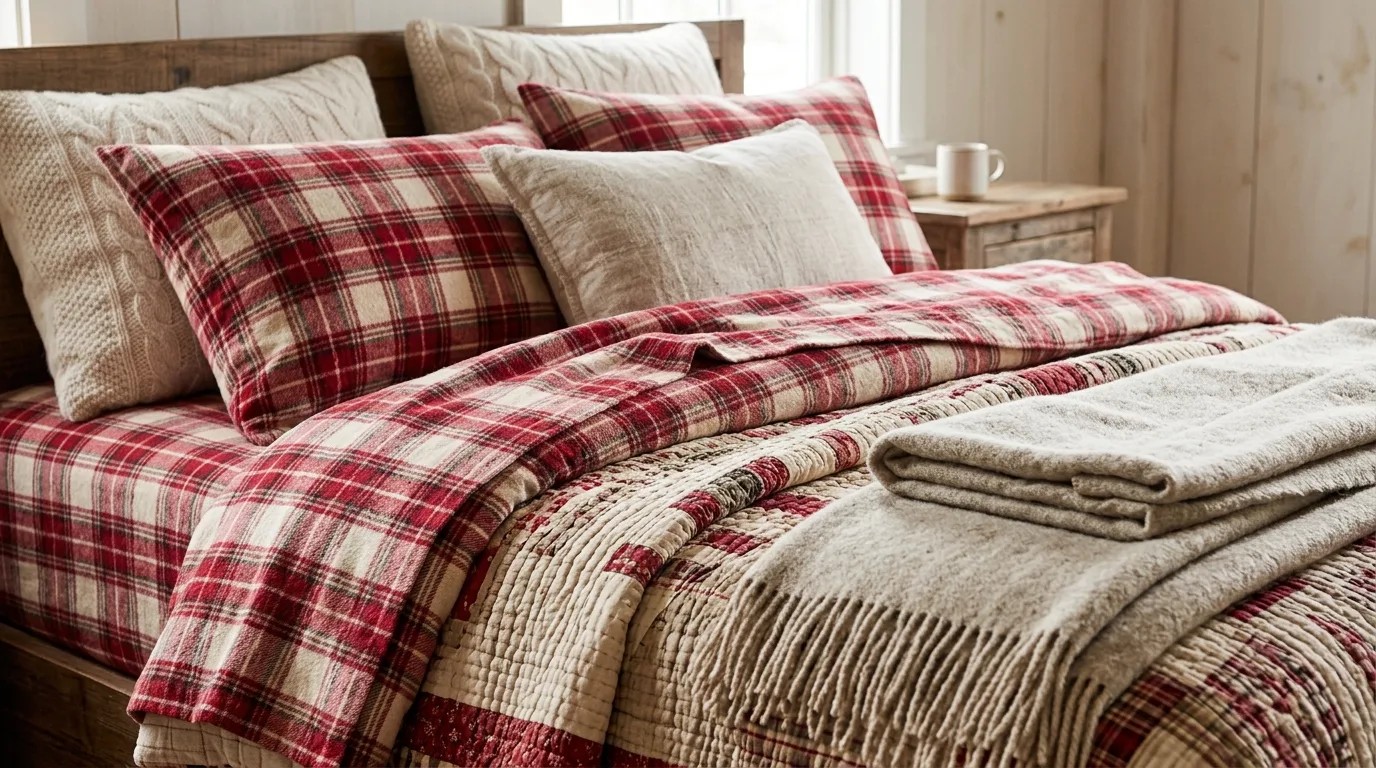
Crisp cotton sheets feel lovely in summer, but in a cold house they feel like sliding into a fridge. Flannel sheets feel warm the moment you climb in. Thrift stores and end of season sales are full of flannel sets for very little. Then layer the bed: flannel sheet, a light blanket, a quilt and a chunky throw on top. Several thin layers keep you warmer than one thick one, and you can kick one off if you get too warm. Ask yourself if your bed is dressed for winter yet. Is it time to swap the summer sheets?
You will need: A flannel sheet set, a wool or fleece blanket, a quilt and a chunky knit throw.
How to make it: 1. Make the bed with flannel sheets and pillowcases. 2. Add a blanket and then a quilt on top. 3. Fold a throw across the foot of the bed for extra warmth on the coldest nights.
Sweater Hot Water Bottle Cover
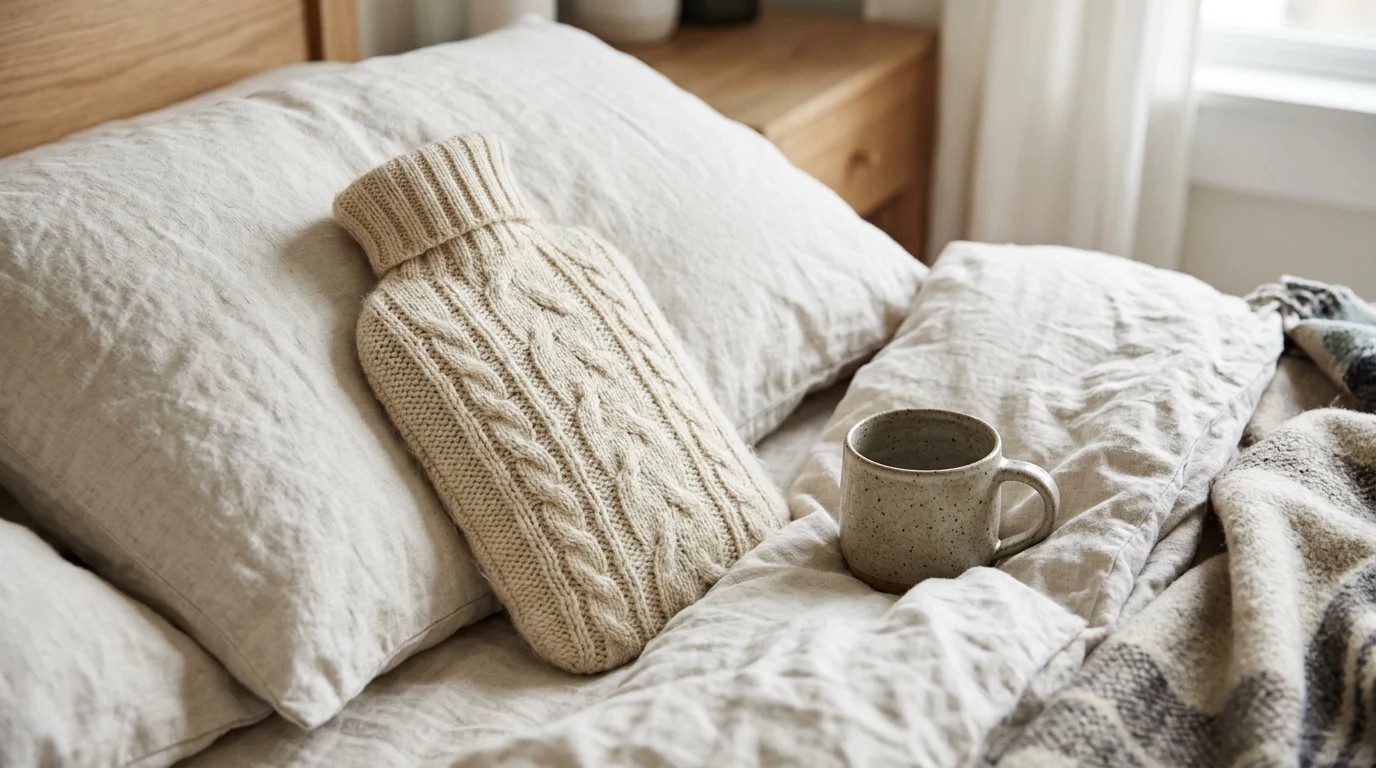
A hot water bottle is old fashioned comfort that still works, and a cover made from a sweater makes it look sweet and keeps the heat gentle. Lay the bottle on a sweater body, trace around it with extra room, and cut two pieces. Sew them together inside out, leaving the top open, then turn them right side out. Use a cuff or a ribbed hem as the collar. Fill the bottle with hot tap water, never boiling water, and tuck it in at your feet before bed. Who in your family would love one of these as a gift?
You will need: A rubber hot water bottle, an old sweater, chalk or a marker, scissors and a needle and thread or a sewing machine.
How to make it: 1. Trace the bottle onto the sweater, adding about an inch all around. 2. Cut two pieces and sew the sides and bottom inside out. 3. Turn it right side out, slip the bottle in and fold the ribbed edge over the neck.
Bathroom Door Draft Blocker
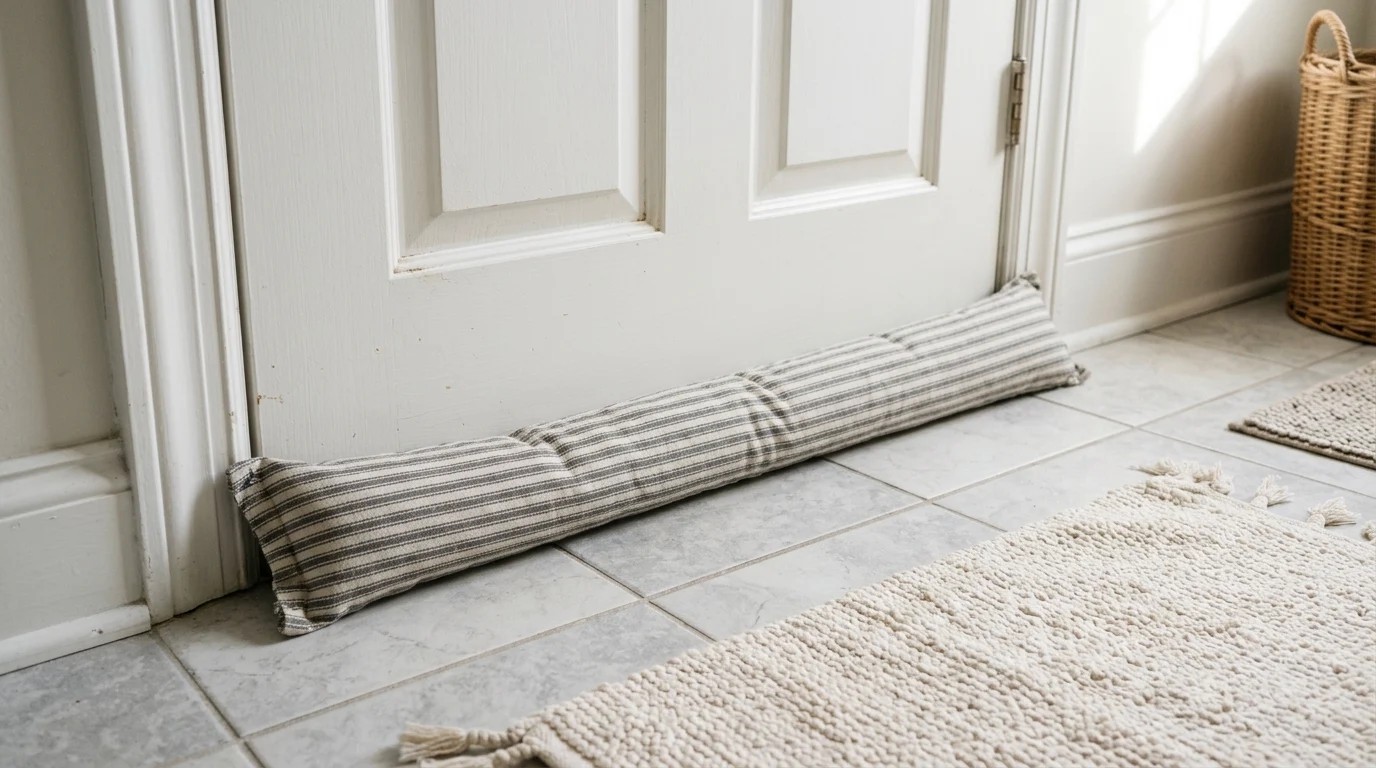
Bathrooms are often the coldest rooms in the house, with tile floors and an outside wall. A draft blocker under the door helps hold in the warmth from your shower, and this one is easy to sew from any striped fabric. Cut a long rectangle, sew it into a tube and fill it with rice or sand inside a plastic bag so it can handle a little moisture. A row of stitches every few inches stops the filling from sliding. It wipes clean and looks tidy. Pair it with a thick bath mat and the floor feels much warmer too. Is your bathroom the chilliest room?
You will need: A strip of sturdy striped fabric, rice or play sand in a zip bag, a sewing machine or needle and thread, and a bath mat.
How to make it: 1. Cut fabric twice as wide as the tube you want and as long as the door. 2. Sew it into a tube and close one end. 3. Fill with the bagged rice, sew across every few inches and close the end.
Cold House Fixes for Leaky Door Frames
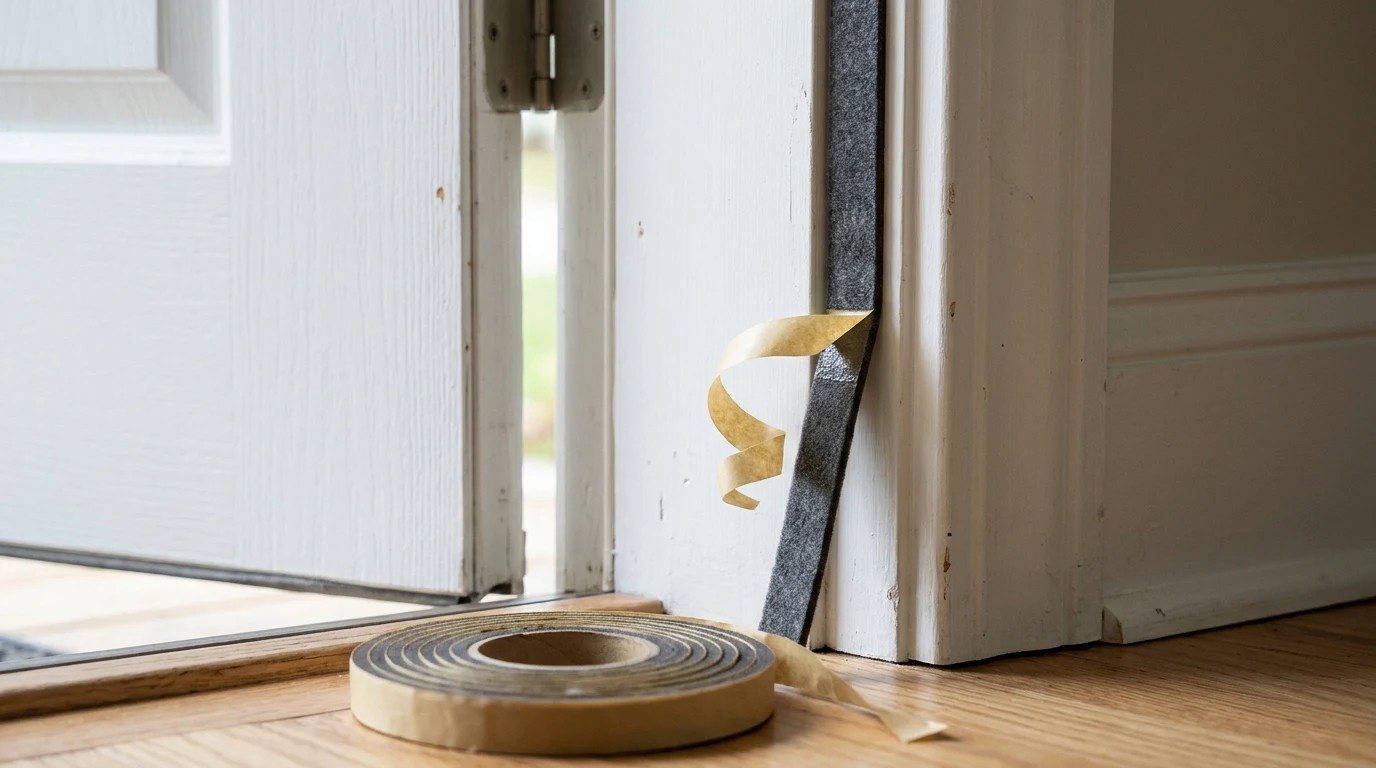
Stand next to your front door on a windy day and you may feel cold air leaking around the edges, not only at the bottom. Self adhesive weatherstrip is one of the cheapest cold house fixes you can buy, and it takes minutes to apply. Clean the door frame where the door closes, peel the backing and press the foam or felt strip along the stop. When the door shuts, it squeezes the foam and seals the gap. Check that the door still closes easily. If it is too tight, use a thinner strip. When did you last check your door frames?
You will need: Self adhesive foam or felt weatherstrip, rubbing alcohol, a cloth, scissors and a tape measure.
How to make it: 1. Wipe the door frame with alcohol and let it dry. 2. Measure and cut the strip for the top and both sides. 3. Peel and press it onto the frame stop, then close the door to test the seal.
Reverse the Ceiling Fan

Warm air rises and collects near the ceiling, especially in rooms with high ceilings. Most ceiling fans have a small switch on the motor that changes the direction of the blades. In winter, set the fan to spin clockwise on its lowest speed, and it gently pushes that warm air back down without making a breeze. Always turn the fan off and wait for the blades to stop before you flip the switch, and use a steady step stool. DaveHax shows more simple tricks in his popular keep warm this winter video. Have you ever looked for that little switch?
You will need: A ceiling fan with a direction switch, a sturdy step stool and a second person to hold it steady.
How to make it: 1. Turn the fan off and wait for it to stop completely. 2. Find the direction switch on the motor housing and flip it. 3. Turn the fan on at its lowest speed and check the blades turn clockwise.
Quilt Wall Hanging on a Cold Wall
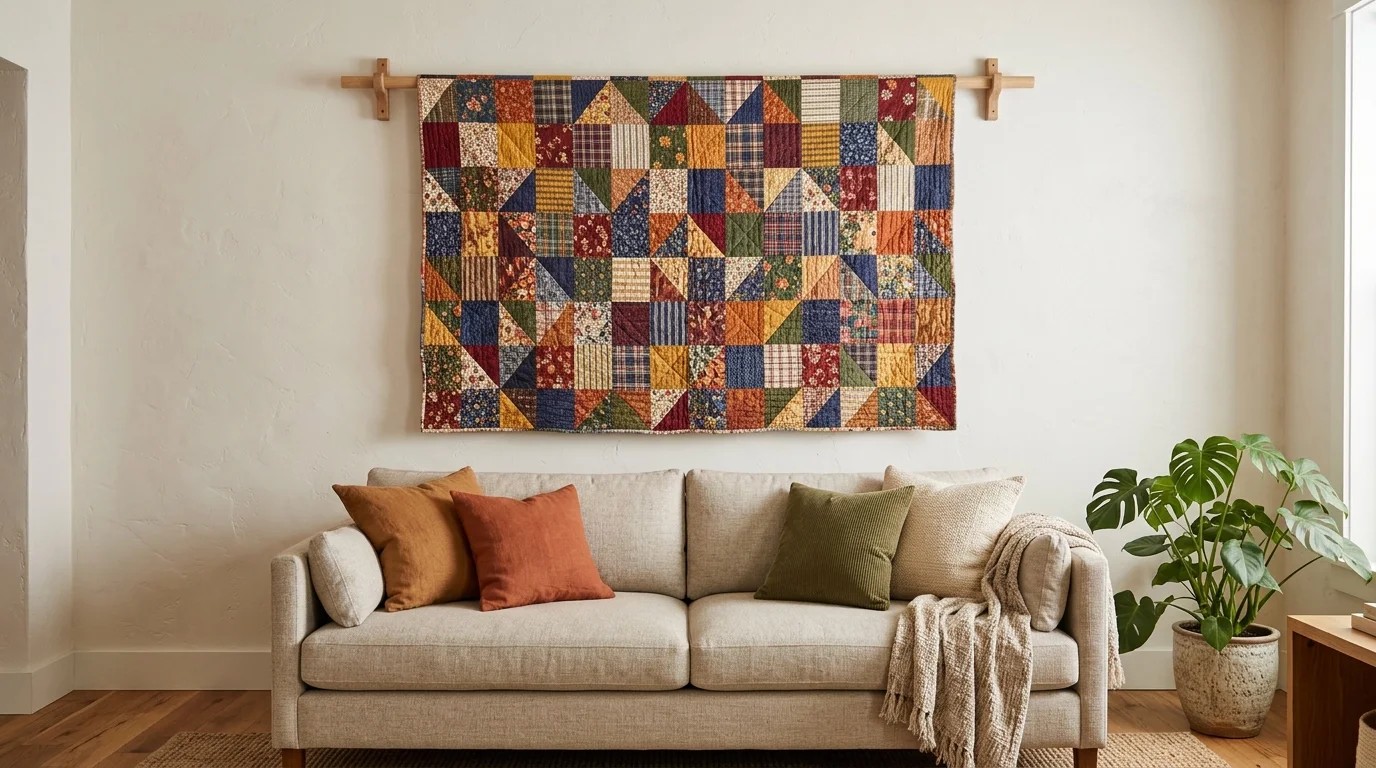
Long ago, people hung tapestries and quilts on stone walls to keep rooms warmer, and the idea still works. A quilt on an outside wall adds a soft layer that makes the wall feel less chilly, and it looks beautiful too. Thrift store quilts and old family quilts are perfect. Sew a simple sleeve of fabric along the top back edge, slide in a wooden dowel and hang it on two hooks. Hang it behind a sofa or bed where you feel the cold wall the most. Do you have a family quilt that deserves to be seen?
You will need: A quilt, a strip of cotton fabric for a hanging sleeve, a wooden dowel, two wall hooks and a needle and thread.
How to make it: 1. Hand stitch a fabric sleeve across the top back of the quilt. 2. Slide the dowel through the sleeve. 3. Fix two hooks to the wall and rest the dowel ends on them.
Bookcase on an Outside Wall
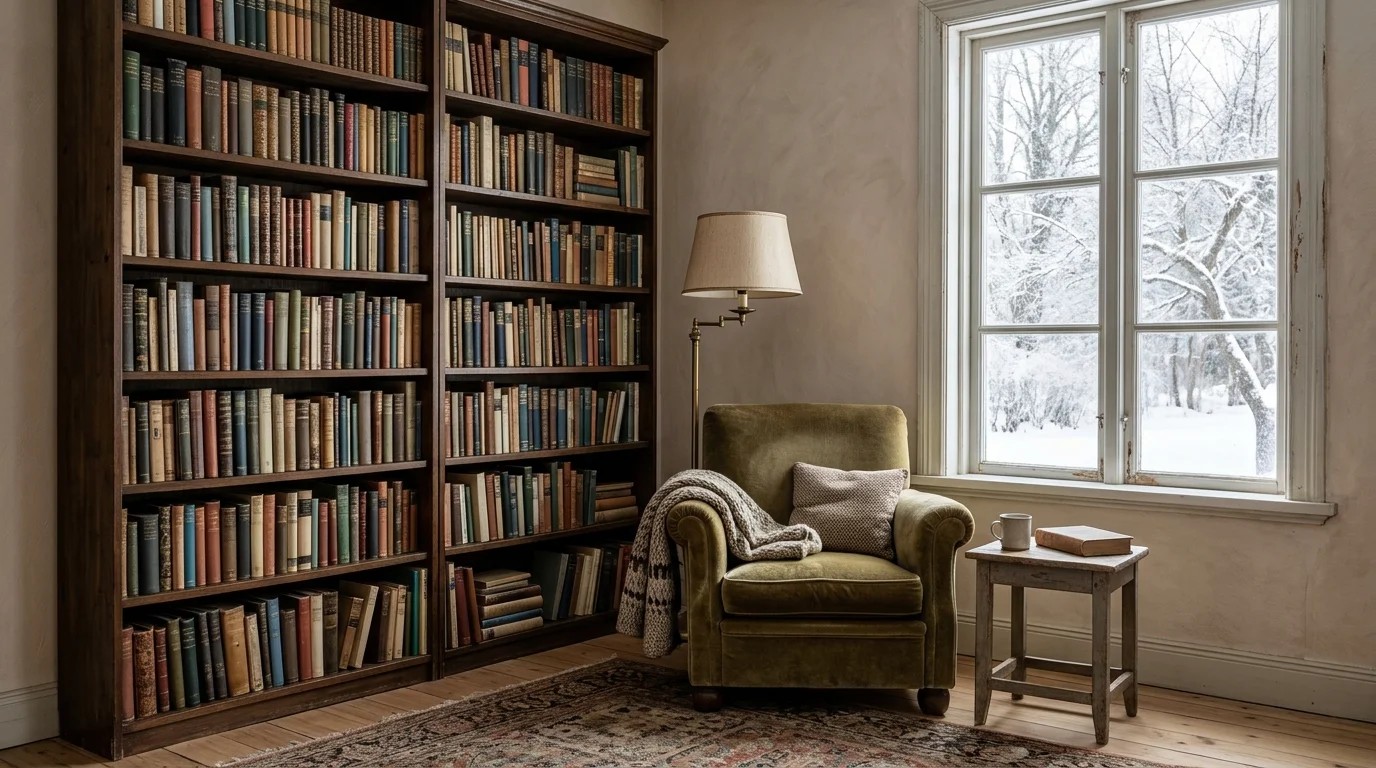
A full bookcase is more than storage. Rows of books along an outside wall act like an extra layer of insulation and help that side of the room feel warmer. If your sofa or bed sits against a cold outside wall, try swapping them around, so you sit against an inside wall and the bookcase takes the outside one. Leave a small gap behind it for air, and fix tall bookcases to the wall with a safety strap. It is a free fix that only takes some moving around. Which wall in your living room feels the coldest?
You will need: A bookcase, your books, a furniture anti tip strap, a drill (adult help) and a friend to help move furniture.
How to make it: 1. Find the outside wall that feels coldest. 2. Move the bookcase there, leaving a small gap for air. 3. Fit the anti tip strap and fill the shelves from the bottom up.
Cold House Fixes Reading Nook
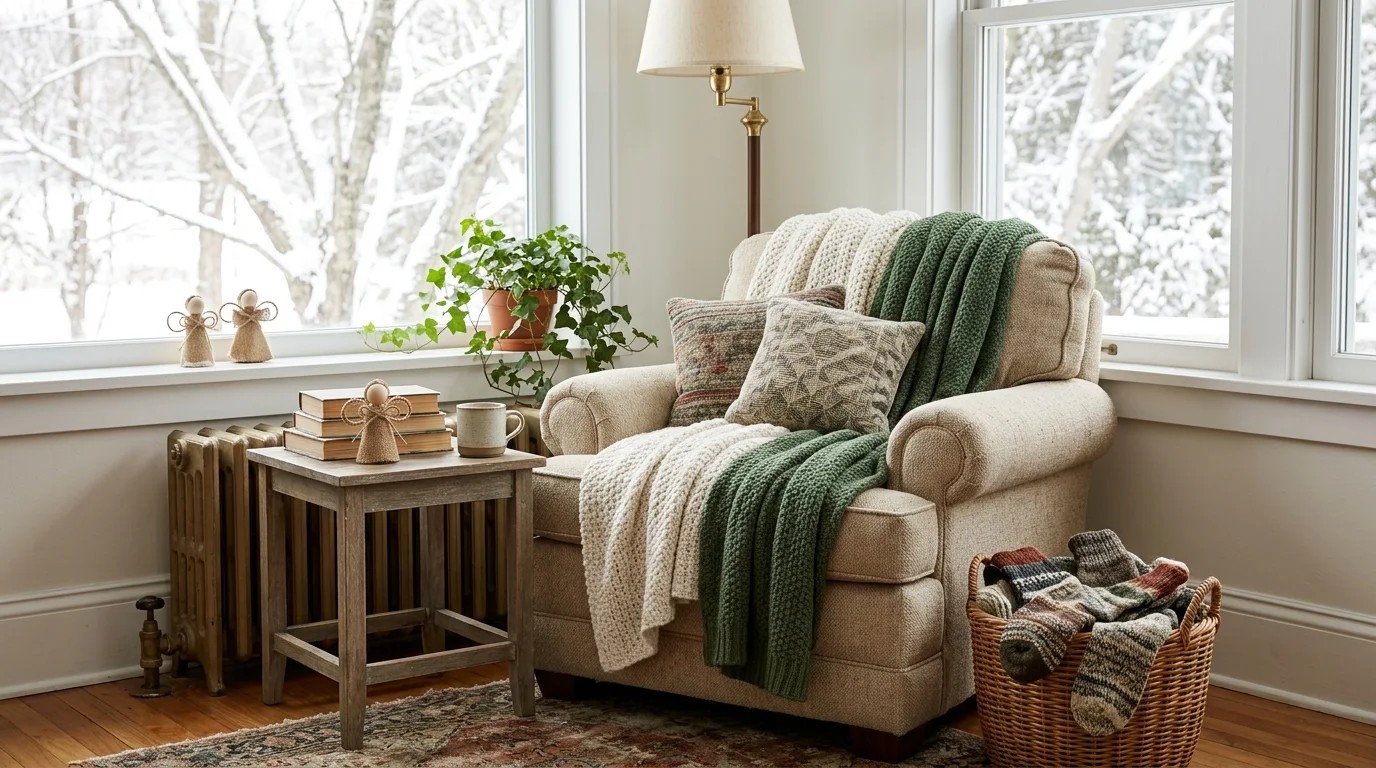
Sometimes the best of all cold house fixes is creating one small spot that is truly warm, then spending your evenings there. Choose a comfortable chair away from drafts, pile on cushions and two or three soft throws, and add a lamp, a side table and a basket for books. Keep a pair of thick socks and a hot water bottle in the basket. It becomes the place everyone wants to curl up, and you can keep the rest of the house a little cooler. For window fixes, see our drafty windows ideas. Where would your cozy nook go?
You will need: A comfortable chair or chaise, two or three throws, cushions, a small lamp, a side table and a basket.
How to make it: 1. Pick a chair in the warmest, least drafty corner. 2. Layer cushions and throws on it. 3. Add a lamp, a table for your drink and a basket of socks and books.