Craft Supplies Invented by Accident: 12 Everyday Favorites With Surprising Origin Stories
Craft supplies invented by accident are probably sitting in your junk drawer right now. That little tube of super glue, the yellow sticky notes on the fridge, the bubble wrap you love to pop and the soft dough the kids squish at the kitchen table all began as mistakes, spills or failed experiments. Somebody was trying to make one thing and ended up with something completely different, and luckily they were curious enough to notice. These stories are fun to share with kids and a great reminder that mistakes can turn into something wonderful. For each one, we added an easy craft so you can put that happy accident to work today..
Super Glue, the First of Our Craft Supplies Invented by Accident
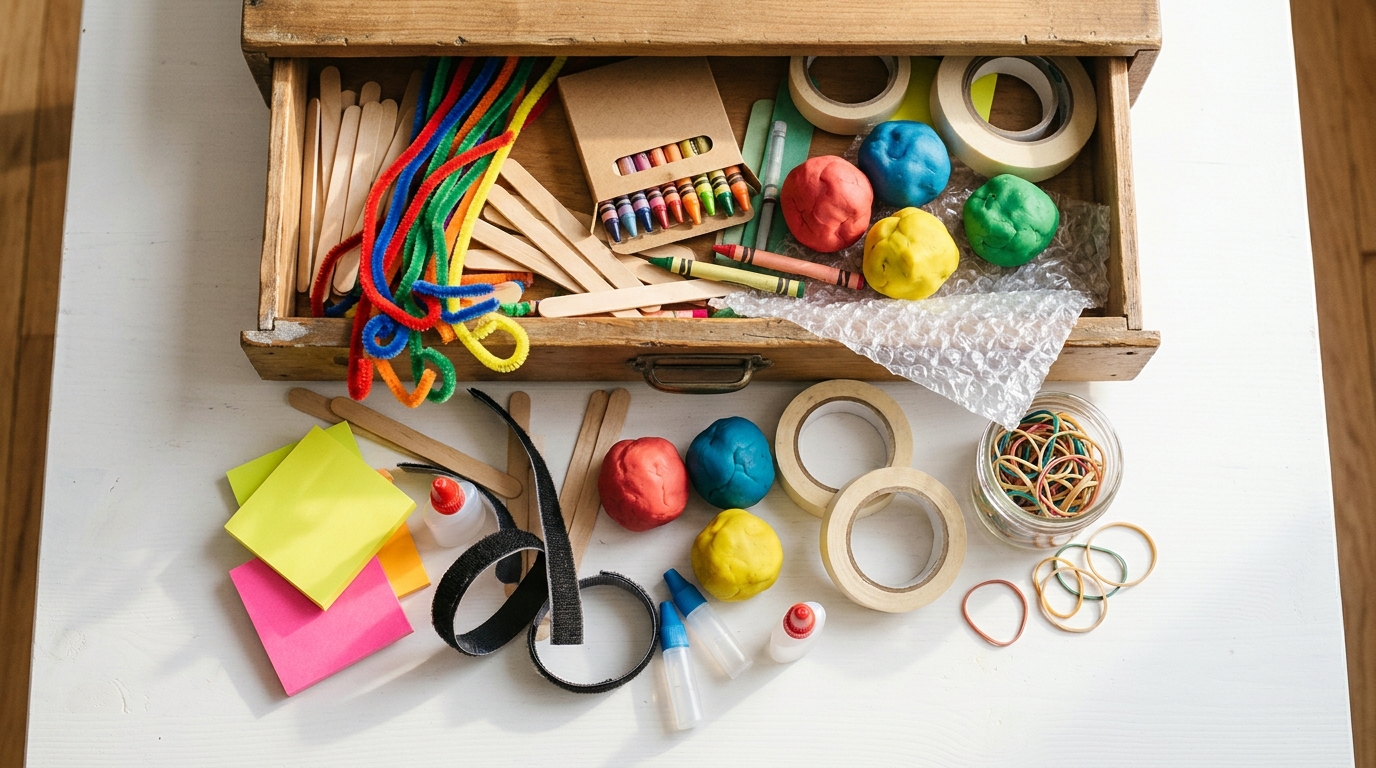
In 1942, a team led by Harry Coover was working on wartime materials when they stumbled on a formula that stuck to everything it touched. They set it aside as a nuisance. In 1951, while working at Eastman Kodak, Coover and a colleague rediscovered it and finally saw its potential, and it went on sale in 1958. Today it fixes broken mugs and builds tiny crafts in seconds. Try these quick pebble magnets with an adult nearby..
You will need: Smooth flat pebbles, acrylic paint, small round magnets, super glue (adult only), a brush
How to make it: 1. Wash and dry the pebbles. 2. Paint simple designs like hearts, ladybugs or stripes and let them dry. 3. An adult adds a small drop of super glue to the back of each pebble. 4. Press a magnet on and let it set for an hour.
Sticky Notes Top the List of Craft Supplies Invented by Accident
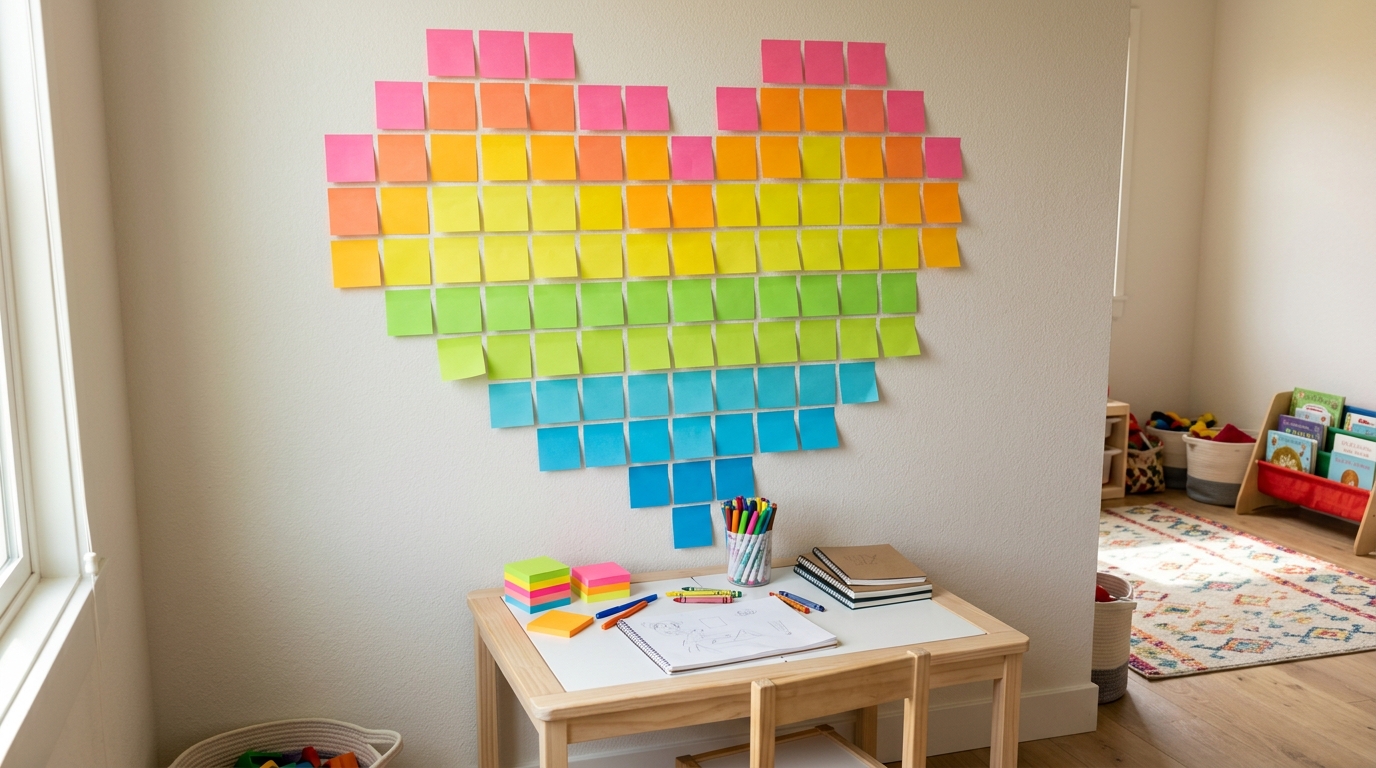
In 1968, a 3M scientist named Spencer Silver was trying to make a super strong adhesive. Instead, he made a weak, reusable one that nobody needed. Years later, in 1974, his colleague Art Fry used it to keep his bookmark from falling out of his hymn book, and the sticky note was born. Even the famous yellow color was chosen by chance from scrap paper in a nearby lab, as the history of the sticky note explains. Ready to turn a pad of notes into wall art?
You will need: Square sticky notes in 5 or 6 colors, a pencil, painter’s tape (optional), a level
How to make it: 1. Sketch a simple shape like a heart on graph paper, one square per note. 2. Start at the top row and stick notes in place. 3. Follow your sketch row by row, changing colors as you go. 4. Press each note firmly and step back to admire it.
Play Dough Began as Wallpaper Cleaner
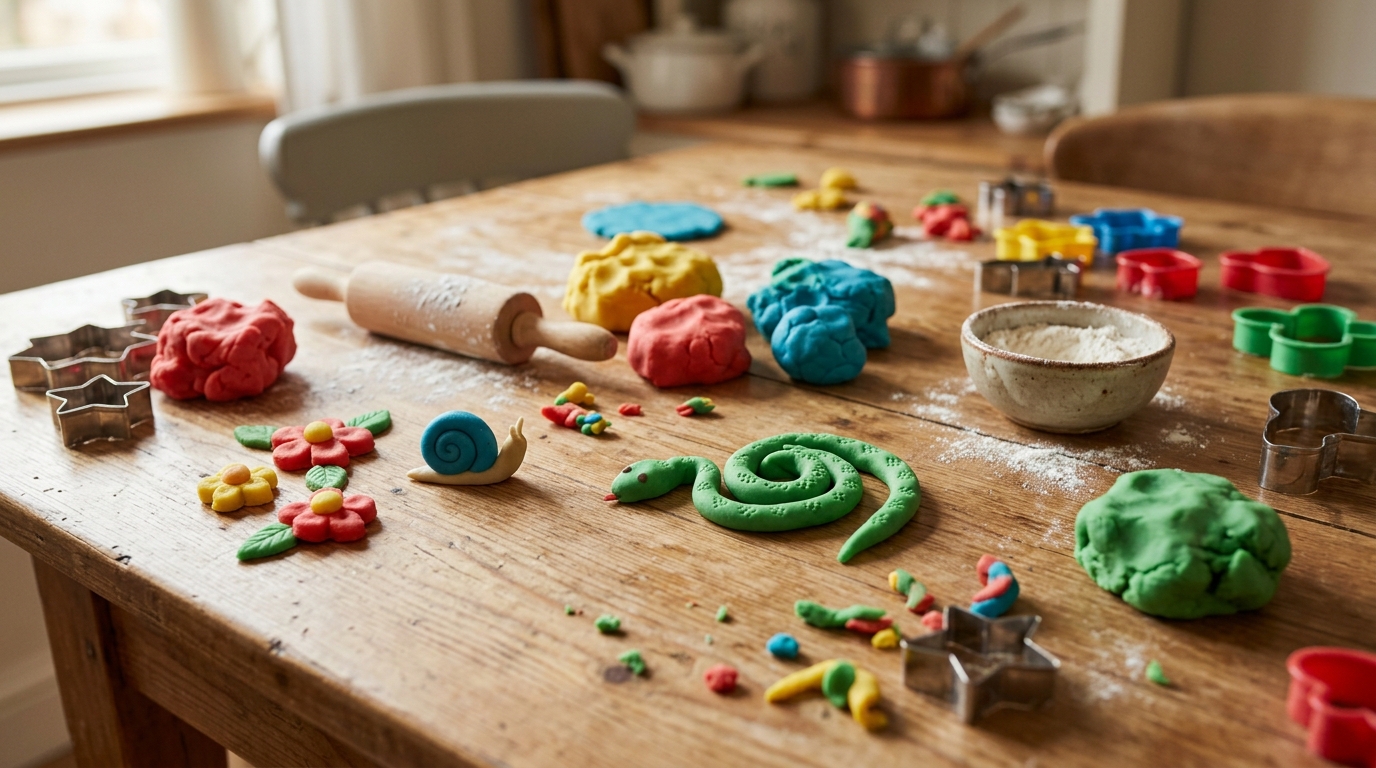
The soft dough kids love was first made in Cincinnati in the 1930s as a putty to clean coal soot off wallpaper. When homes switched to cleaner heating and washable wallpaper, sales dropped. Then a nursery school teacher named Kay Zufall read about using the cleaning putty for art projects, and in 1956 it was sold as a children’s toy. Here is an easy homemade version with an adult at the stove. What will your kids shape first?
You will need: 1 cup flour, 1/2 cup salt, 2 teaspoons cream of tartar, 1 tablespoon oil, 1 cup water, food coloring, a pot (adult only)
How to make it: 1. Mix the flour, salt and cream of tartar in a pot. 2. Add the water, oil and a few drops of color. 3. An adult stirs it over low heat until it forms a ball. 4. Let it cool, then knead until smooth and store it in a sealed bag.
Bubble Wrap Was Meant to Be Wallpaper
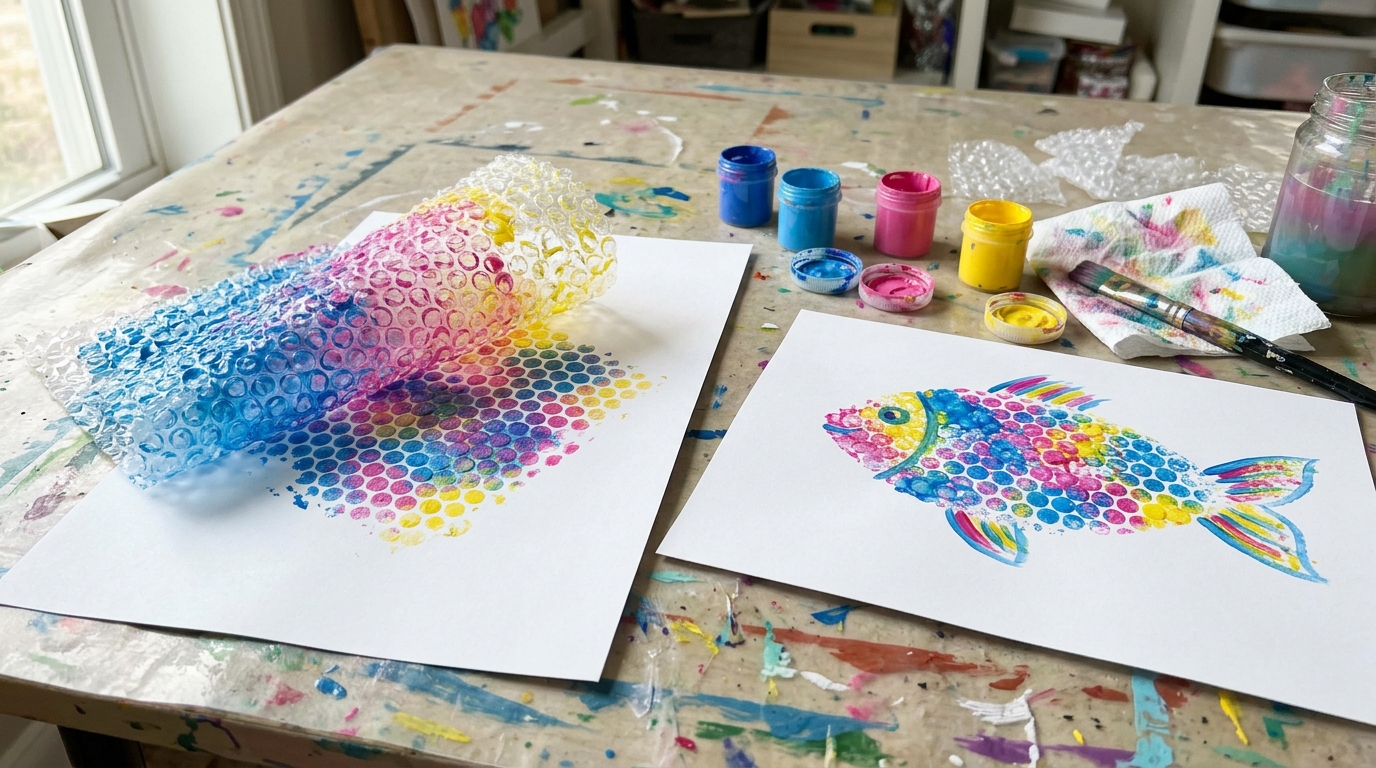
In 1957, two engineers named Alfred Fielding and Marc Chavannes sealed two shower curtains together and trapped little bubbles of air. They hoped to sell it as a textured wallpaper, but it did not catch on. They tried selling it as greenhouse insulation next, and only later did it find its true job protecting packages. It also makes a fantastic stamp for art. Want to try bubble wrap printing with the kids?
You will need: A piece of bubble wrap, washable paint, a brush or roller, white paper, a paper plate
How to make it: 1. Pour a little paint on a paper plate. 2. Brush or roll paint over the bubble side of the wrap. 3. Press paper on top and rub gently. 4. Peel it off to reveal a honeycomb pattern, then cut it into fish, flowers or cards.
Hook-and-Loop Tape Came From a Walk With a Dog
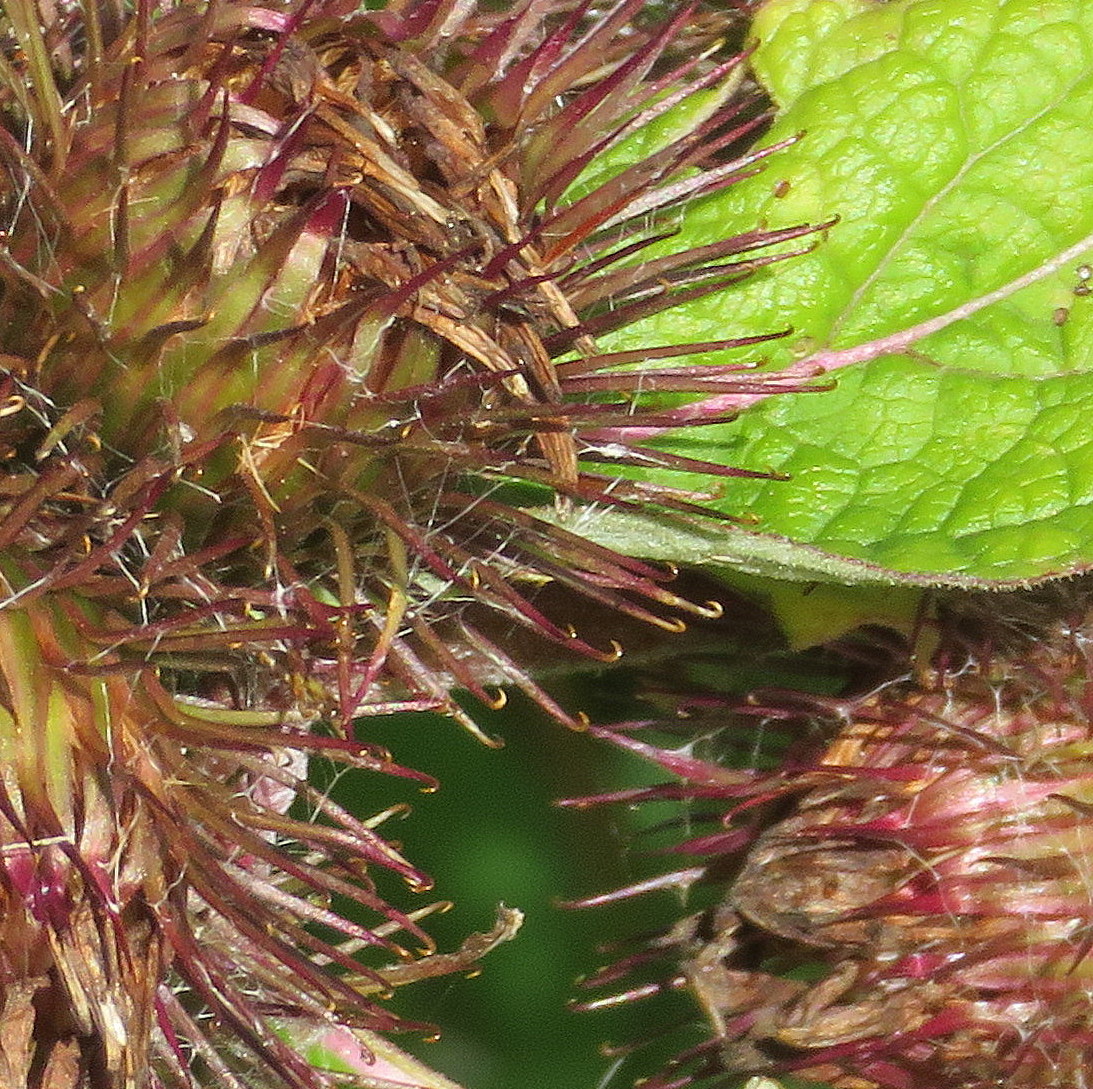
In 1941, Swiss engineer George de Mestral came home from a hunting trip in the Alps with burdock burrs stuck all over his clothes and his dog’s fur. He looked closely at the burrs and saw tiny hooks catching on loops. That idea became hook-and-loop tape, which he patented in the 1950s. Today it closes shoes, bags and kids’ crafts. Why not make a felt story board with it?
You will need: A piece of felt or a shoebox lid, felt sheets in several colors, scissors, adhesive hook-and-loop dots
How to make it: 1. Cover a shoebox lid with a plain felt sheet. 2. Cut simple shapes like trees, houses, animals and clouds from felt. 3. Stick a hook dot to the back of each shape. 4. Let kids build scenes and tell stories on the board.
Bouncing Putty and Craft Supplies Invented by Accident in Wartime
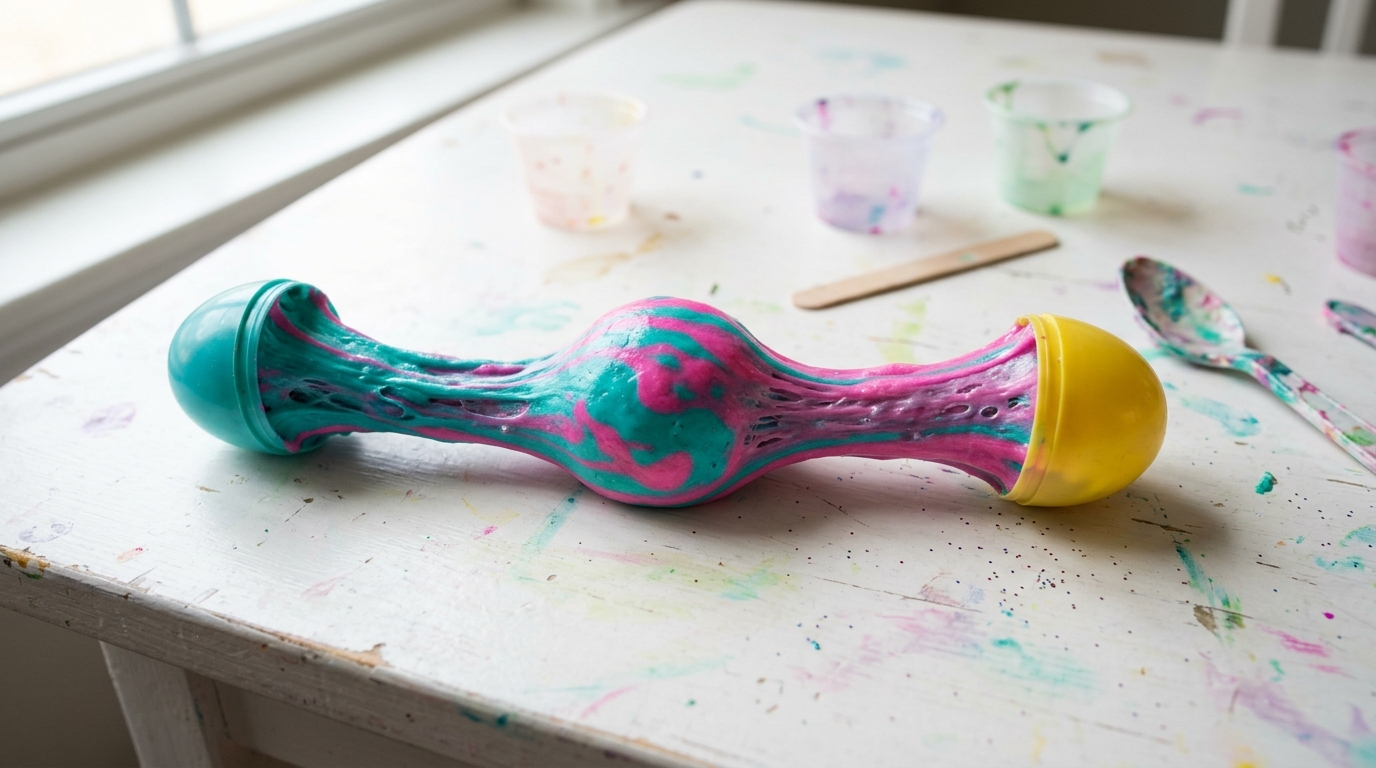
During World War II, rubber was hard to get, and scientists searched for a substitute. While experimenting, researchers mixed boric acid with silicone oil and got a strange, gooey putty that bounced, stretched and snapped. It was useless as rubber, but people loved playing with it, and it became a famous toy. Here is a fun party favor idea using store-bought putty. Who in your family would love one?
You will need: Plastic eggs, store-bought bouncing putty in several colors, stickers, a small basket
How to make it: 1. Split the putty into small balls. 2. Twist two colors together for a marbled look. 3. Tuck each ball inside a plastic egg. 4. Decorate the eggs with stickers and hand them out as party favors.
Purple Dye From a Failed Experiment
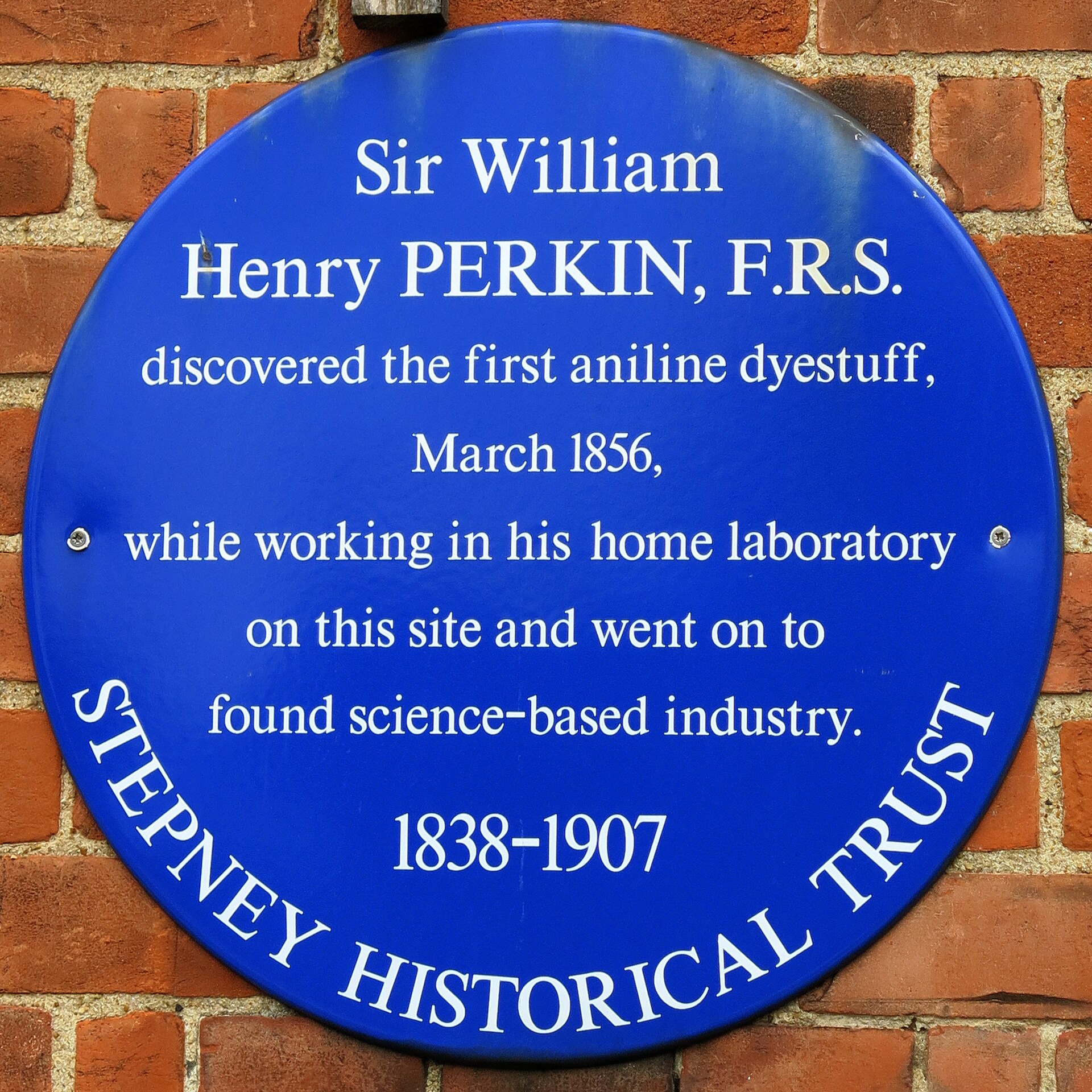
In 1856, an 18-year-old student named William Henry Perkin was trying to make quinine, a medicine for malaria. His experiment failed, but it left behind a rich purple substance. He named it mauveine, and it became one of the first synthetic dyes in the world. Purple fabric suddenly became affordable, and he was later knighted. Celebrate his happy mistake with a purple tie-dye project. What would you dye first?
You will need: A white cotton T-shirt or bandana, purple fabric dye, rubber bands, gloves, a squeeze bottle, a plastic tub (adult help)
How to make it: 1. Twist the damp shirt into a spiral and wrap it with rubber bands. 2. Wearing gloves, an adult mixes the dye in a squeeze bottle. 3. Squirt dye over the shirt in sections. 4. Wrap it in plastic for a day, then rinse and wash it alone.
Rubber Bands Owe a Lot to a Hot Frying Pan
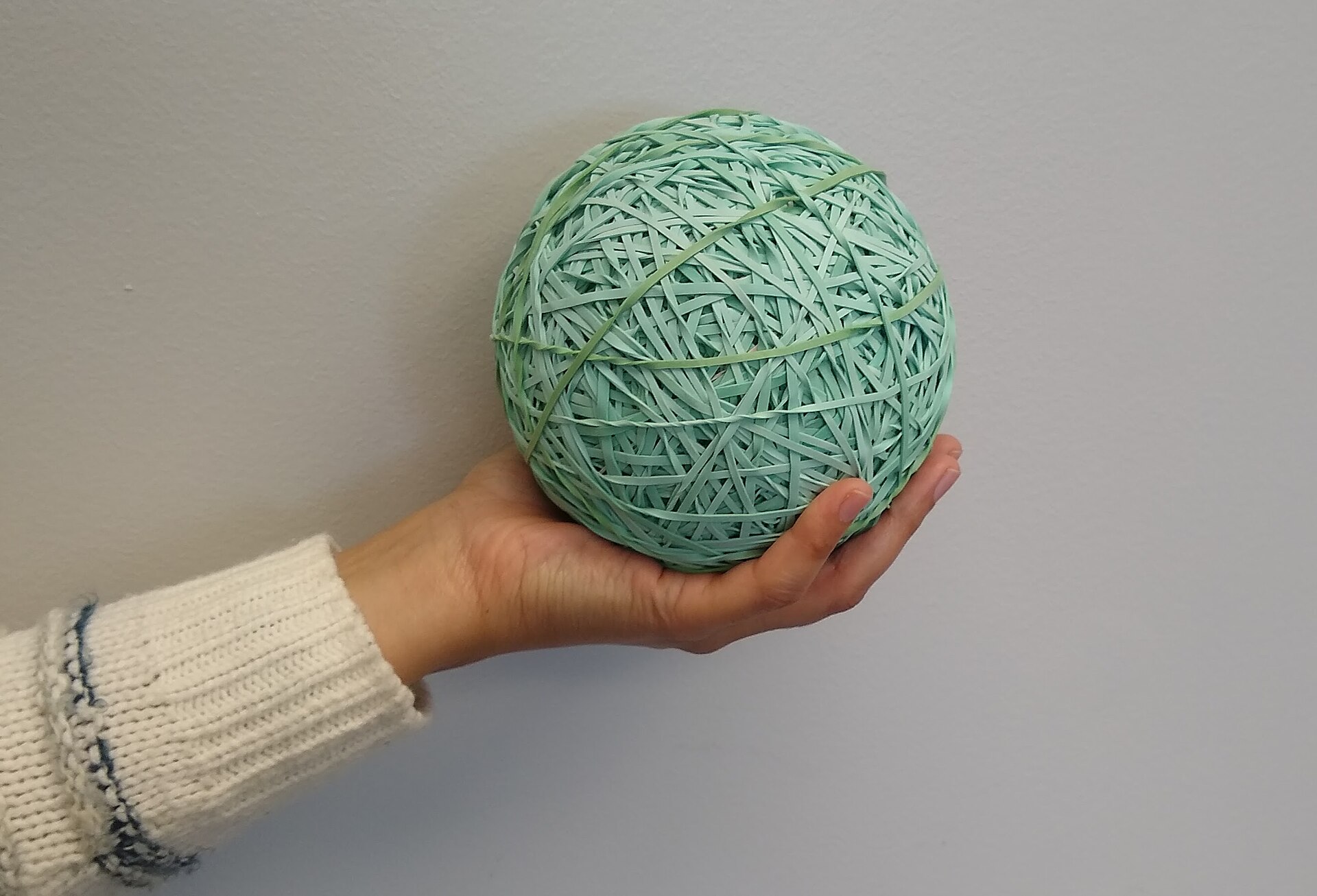
Natural rubber used to turn sticky in summer and brittle in winter. In 1839, Charles Goodyear was trying to mix rubber with sulfur when he accidentally dropped the mixture into a hot frying pan. The heat changed it into a strong, stretchy material, a process called vulcanization. That discovery is why rubber bands snap back into shape today. Ready to build a giant rubber band ball?
You will need: A big bag of rubber bands in mixed colors, a small paper ball or crumpled foil for the core
How to make it: 1. Crumple foil or paper into a small tight ball. 2. Wrap rubber bands around it in different directions. 3. Keep switching colors for a fun pattern. 4. Add a few bands every day and watch it grow.
Craft Sticks and the 11-Year-Old Inventor
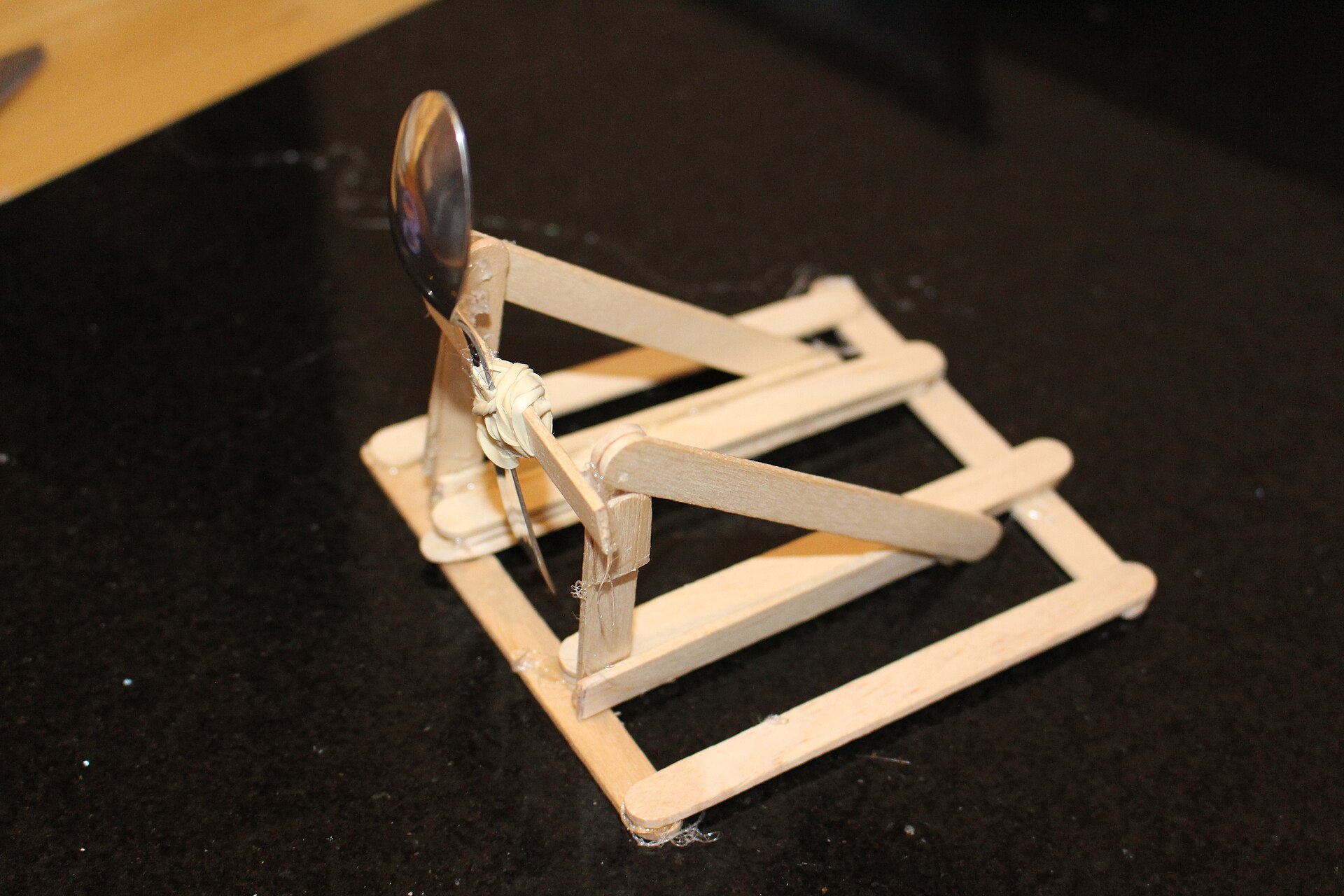
In 1905, an 11-year-old boy named Frank Epperson mixed a fruity drink and left it on his porch overnight with a stirring stick inside. The night was freezing, and in the morning his drink had frozen onto the stick. That happy accident became the frozen treat on a stick, and the flat wooden sticks became a craft room favorite. Kids have great ideas, just like these things invented by kids. Want to build a mini catapult?
You will need: 9 wooden craft sticks, 6 rubber bands, a plastic bottle cap, glue, small pom-poms
How to make it: 1. Stack 7 sticks and band both ends together. 2. Band 2 sticks together at one end only. 3. Slide the stack between the 2 sticks and band them in a cross. 4. Glue a bottle cap to the top stick and launch pom-poms.
Cellophane Came From a Spilled Glass of Wine
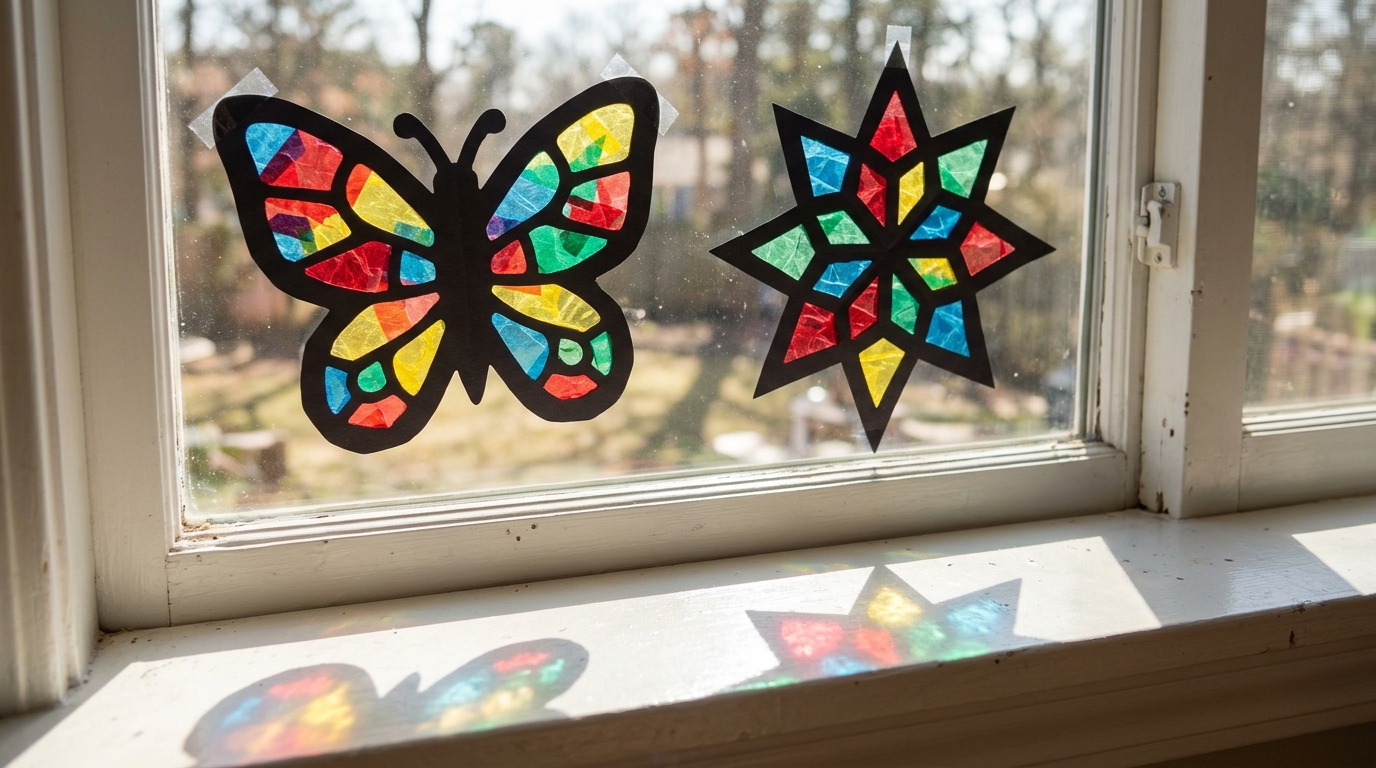
In 1908, chemist Jacques Brandenberger watched wine spill on a restaurant tablecloth and wondered if he could make cloth that repelled liquids. He coated fabric with a cellulose film, but it came out far too stiff. Then he noticed the clear coating peeled off in one flexible sheet, and cellophane was born. Today it makes the prettiest suncatchers. Which window will you brighten first?
You will need: Colored cellophane, black card stock, scissors, a glue stick, clear tape
How to make it: 1. Draw a butterfly or star outline on black card stock and cut out the inside shapes. 2. Cut cellophane pieces a little bigger than each hole. 3. Glue them on the back of the frame. 4. Tape it to a sunny window.
Inkjet Printers and a Hot Soldering Iron
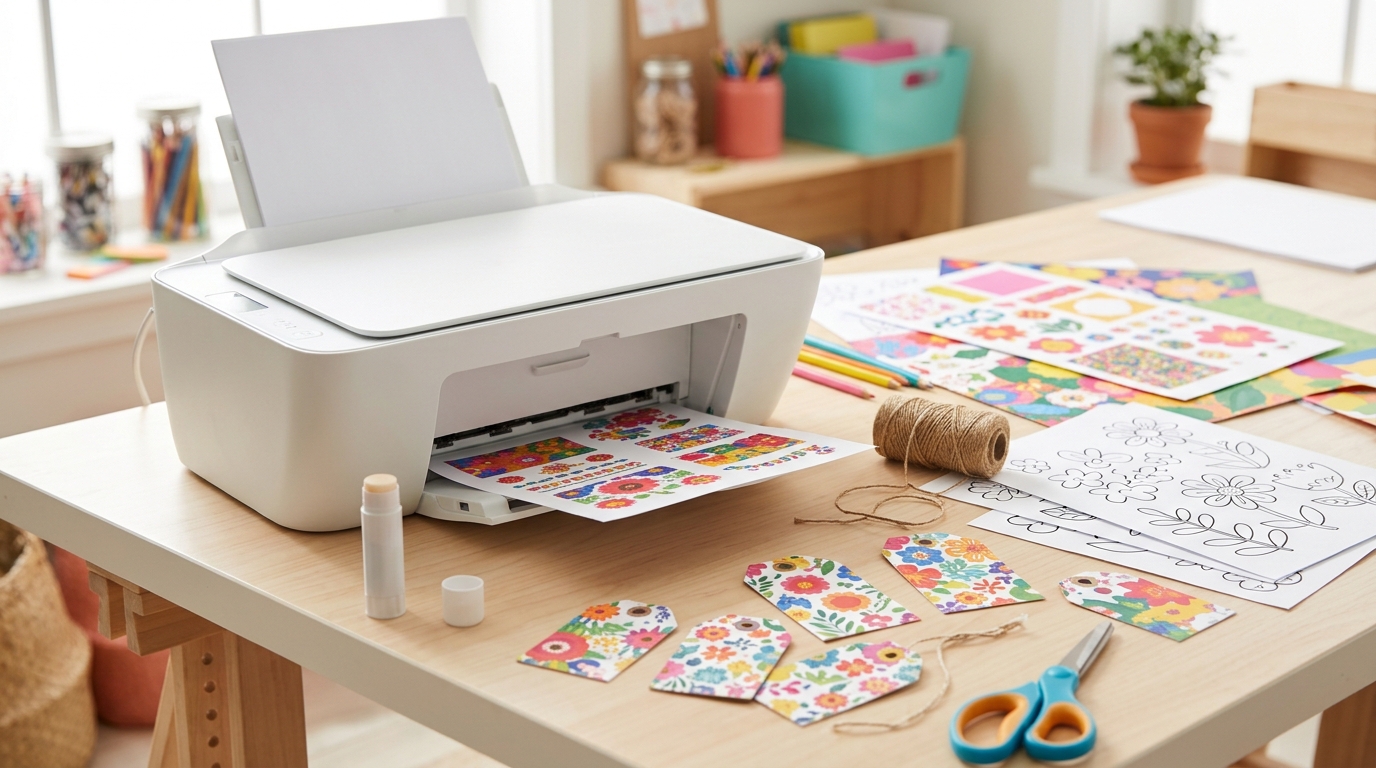
In 1977, a team of engineers in Japan led by Ichiro Endo was trying to push ink out of a nozzle using vibration. Then a soldering iron accidentally heated an ink-filled syringe, and the ink shot right out. That surprise led to the bubble jet idea behind many home inkjet printers. Now crafters print gift tags, coloring pages and stickers at home. What would you print today?
You will need: A home printer, card stock, free printable gift tags or coloring pages, scissors, a hole punch, twine
How to make it: 1. Choose a printable design you love. 2. Print it on card stock. 3. Cut out the tags or pages. 4. Punch holes, add twine and attach them to gifts.
Nonstick Craft Sheets and the Last of Our Craft Supplies Invented by Accident
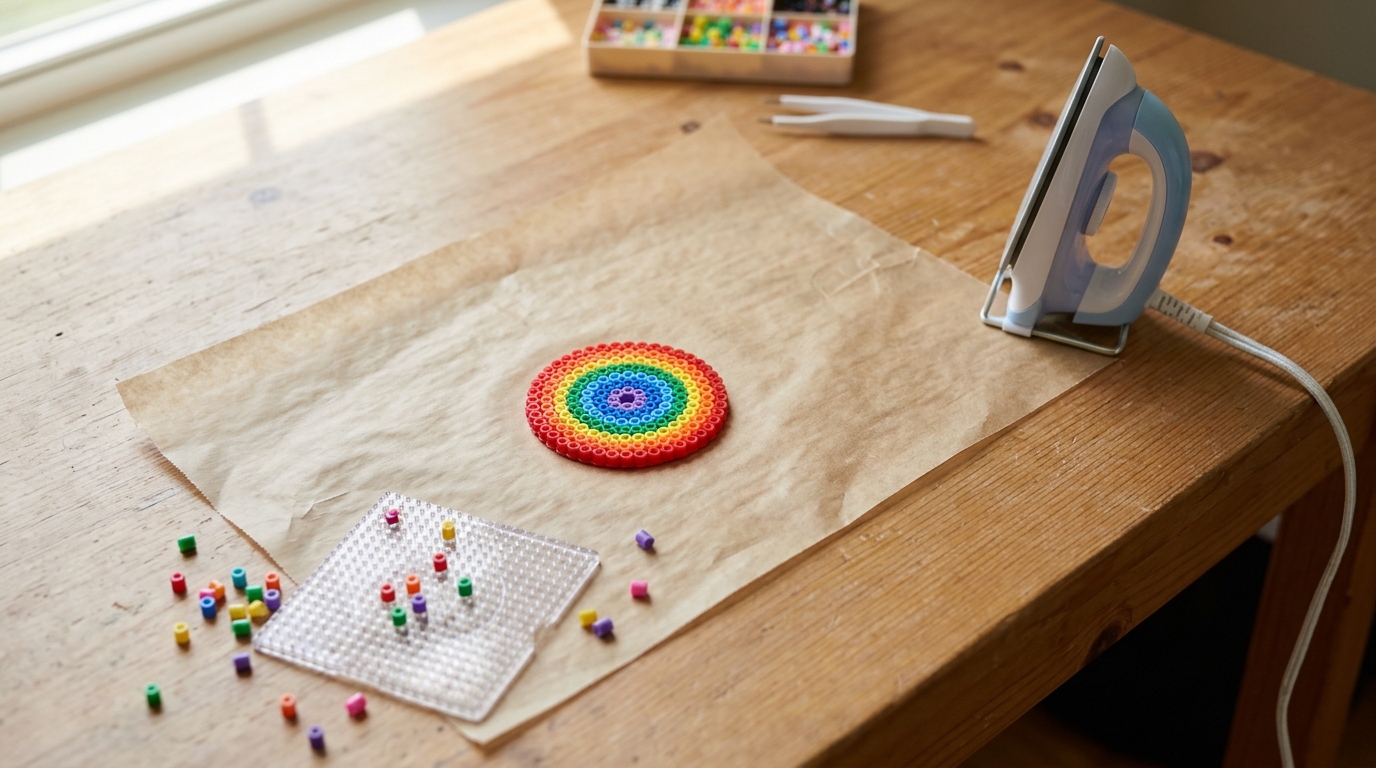
In 1938, chemist Roy Plunkett was trying to make a new refrigerant gas. When he opened one of the gas cylinders, he found it had turned into a slippery white powder. That material became the nonstick coating used on pans and the thin craft sheets that keep melted beads and glue from sticking. It is the perfect ending to our list of craft supplies invented by accident. Ready to make a fused bead coaster?
You will need: Fuse beads, a pegboard, a nonstick craft sheet or ironing paper, a household iron (adult only)
How to make it: 1. Place beads on the pegboard in a fun pattern. 2. Cover with the nonstick sheet. 3. An adult irons gently in circles for 10 to 20 seconds. 4. Let it cool, flip it and iron the other side.