
12 Easy Fermented Foods to Make at Home, the Kind a Stanford Study Linked to a More Diverse Gut
Salt, a jar and a little patience. That is really all it takes to make the tangy, crunchy fermented foods your grandparents kept in the cellar. And there is a fresh reason to try. In a 2021 study published in the journal Cell (DOI 10.1016/j.cell.2021.06.019), Stanford researchers had 36 healthy adults eat more fermented foods for 10 weeks. The study finds their gut microbiome became more diverse, and 19 inflammatory proteins in their blood went down, including one called interleukin 6. It was a small study in healthy adults, not a treatment, but it is a tasty nudge. Here are beginner friendly ferments and dishes to start with..
Classic Sauerkraut With Caraway, the Easiest Fermented Food
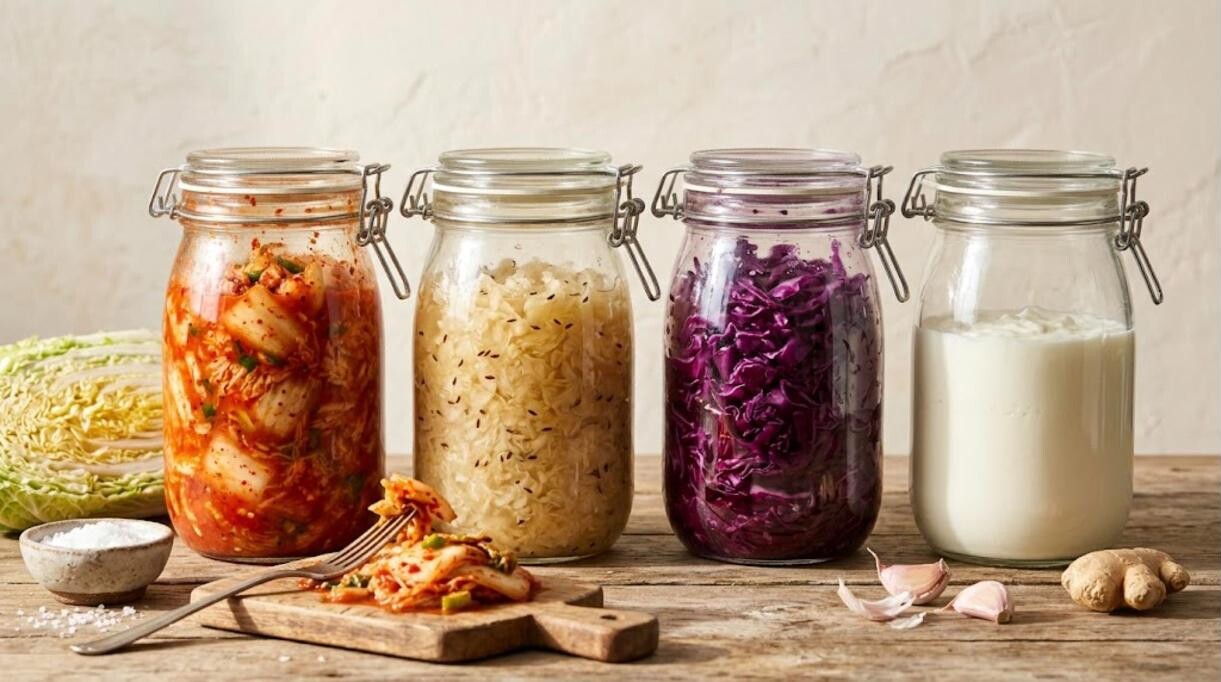
If you only make one of these fermented foods, start here. Real sauerkraut is just cabbage and salt. Squeezing the salted cabbage pulls out its own juice, which becomes the brine that protects it while good bacteria do the work. In about one to three weeks it turns tangy and crunchy, nothing like the canned kind. Food safety first: use a very clean jar, keep the cabbage under the brine, and toss anything fuzzy, moldy or slimy. Have you ever made it from scratch?
You will need: 1 medium green cabbage (about 2 1/2 pounds), 1 tablespoon plus 1 teaspoon fine sea salt or kosher salt (no iodine), 1 teaspoon caraway seeds, a clean 1 quart jar, a small weight (a clean small jar or zip bag of brine).
How to make it: Remove the outer leaves and save one. Core and slice the cabbage thin. Toss with salt in a big bowl and squeeze and massage for 5 to 10 minutes until it is limp and wet. Mix in caraway. Pack tightly into the jar, pressing until the brine rises over the cabbage. Tuck the saved leaf on top and add the weight. Cover loosely and keep at room temperature, out of sun, for 1 to 3 weeks, pressing down daily. Taste after a week; when you like it, refrigerate. It keeps for months in the fridge.
Fermented Foods 101: Easy Napa Cabbage Kimchi
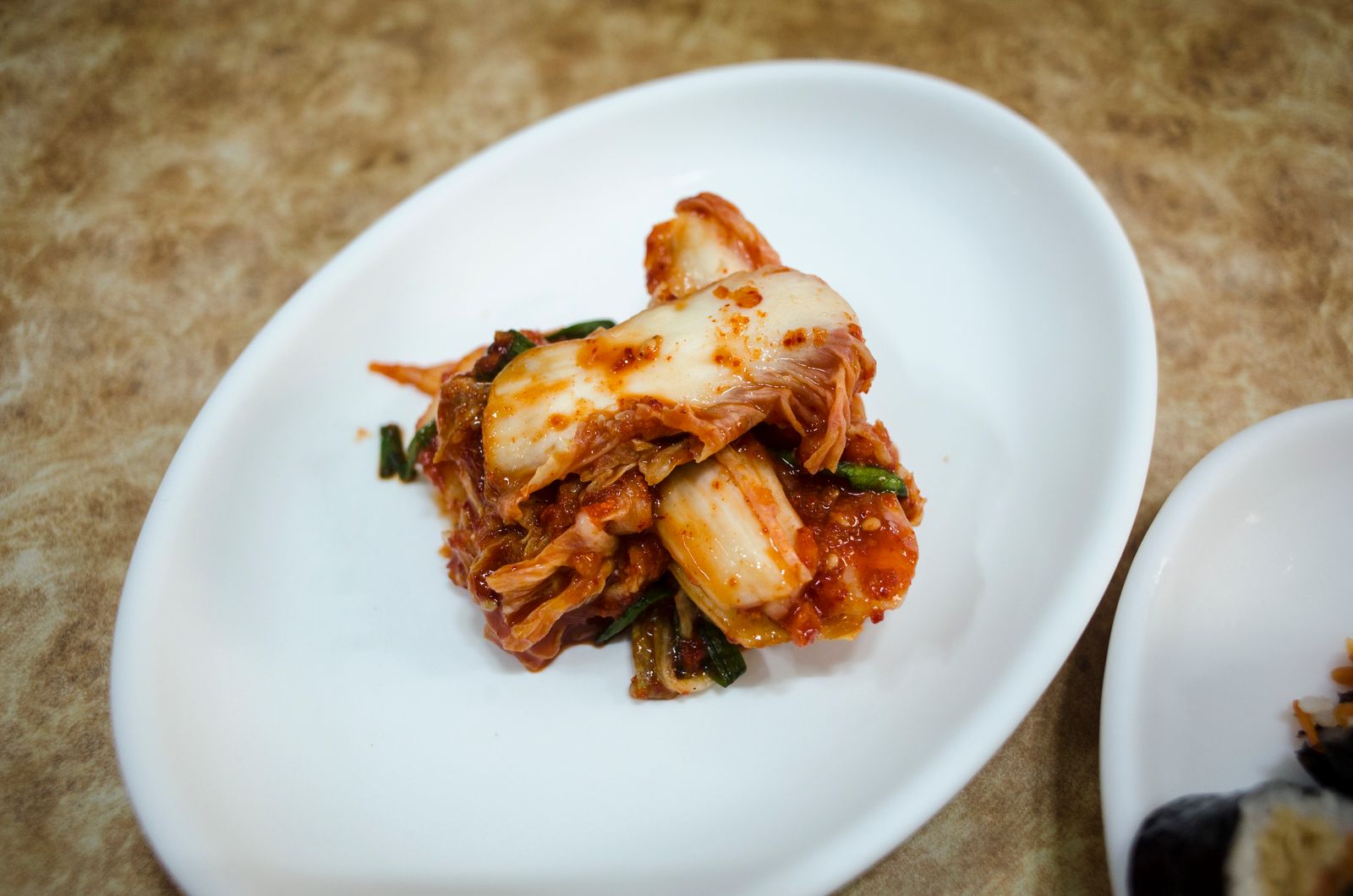
Kimchi is Korea’s famous spicy fermented cabbage, and the homemade kind is fresher and crunchier than most store jars. Salting the cabbage first draws out water, then a paste of garlic, ginger and Korean chili flakes coats every leaf. Searches for how to make kimchi have been climbing, and once you try it you will see why. Mild, medium or extra spicy?
You will need: 1 large napa cabbage (about 2 pounds), 1/4 cup kosher salt, 6 garlic cloves, 1 tablespoon grated ginger, 1 teaspoon sugar, 2 tablespoons fish sauce (or soy sauce), 2 to 4 tablespoons gochugaru (Korean chili flakes), 4 green onions, 1 small carrot (matchsticks), a clean 2 quart jar.
How to make it: Cut the cabbage into bite size pieces, toss with salt and let sit 2 hours, turning every 30 minutes. Rinse 3 times and drain well. Blend garlic, ginger, sugar and fish sauce, then stir in the chili flakes. Wearing gloves, mix the paste with cabbage, green onions and carrot. Pack into the jar, pressing down so liquid rises, leaving 1 inch of space. Ferment at room temperature 1 to 3 days, pressing daily, then refrigerate.
Fermented Red Cabbage and Apple Kraut
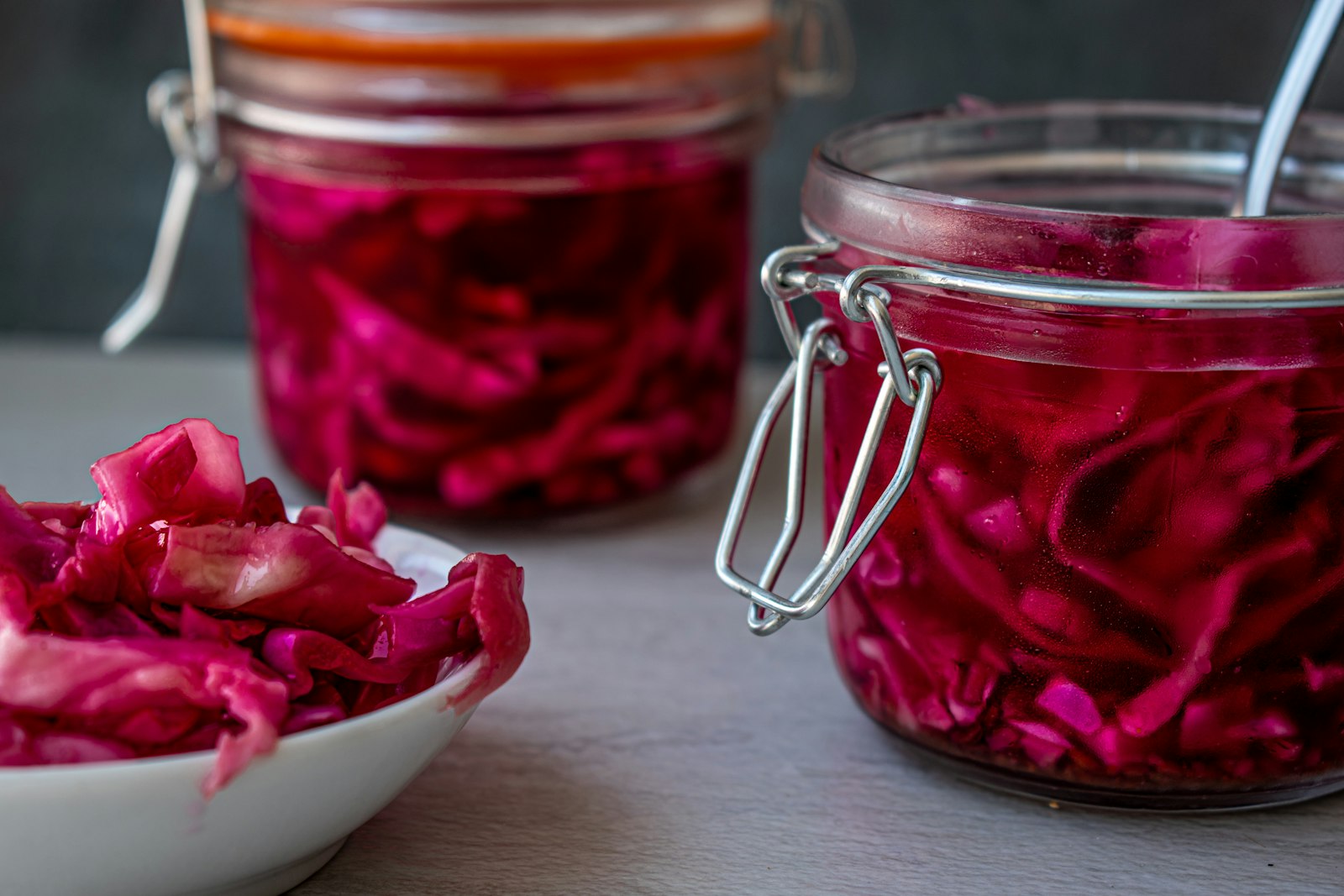
Of all the fermented foods here, this is the prettiest. This jewel toned kraut is a little sweet from apple and so pretty on a plate. It works exactly like classic sauerkraut, just with red cabbage, which turns the brine a deep violet. Spoon it on sandwiches, grain bowls or next to pork chops. Would you try it on a burger?
You will need: 1 small red cabbage (about 2 pounds), 1 tart apple (grated), 1 tablespoon fine sea salt, 1/2 teaspoon caraway or fennel seeds (optional), a clean 1 quart jar and a weight.
How to make it: Slice the cabbage thin and toss with salt. Massage for 5 to 10 minutes until juicy. Mix in the grated apple and seeds. Pack tightly into the jar until the brine covers the vegetables, then weight it down. Cover loosely and ferment at room temperature for 1 to 2 weeks, pressing daily and skimming off any surface film. Refrigerate when it tastes tangy enough.
Homemade Yogurt on the Stovetop
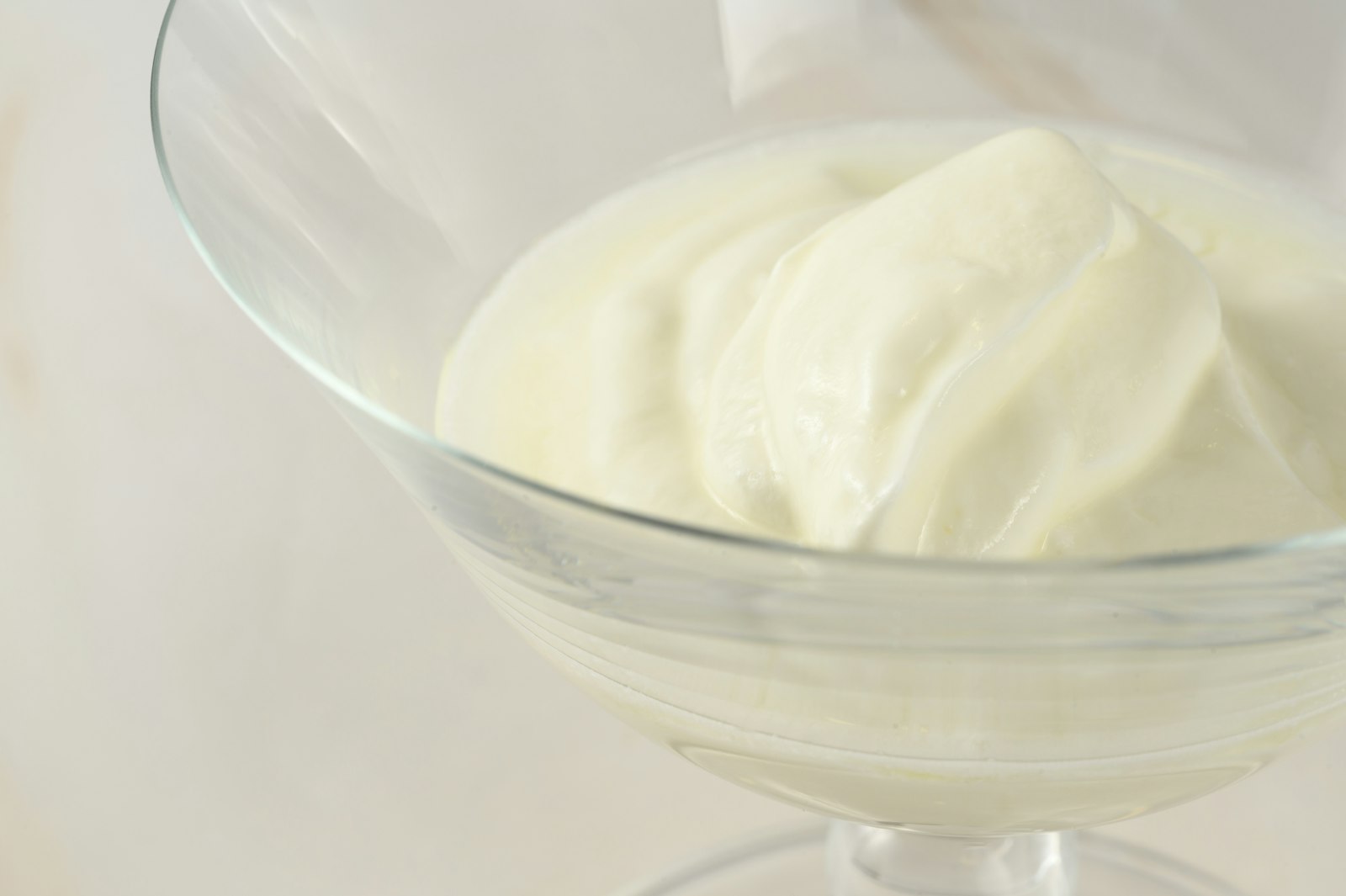
Yogurt was one of the fermented foods eaten in the Stanford study, and it might be the easiest one to make. Warm milk, a spoon of plain yogurt with live cultures as a starter, and a warm spot overnight. That is it. Homemade yogurt costs far less than the store kind. Do you like it plain or with honey and fruit?
You will need: 1/2 gallon whole milk, 2 tablespoons plain yogurt with live and active cultures, a kitchen thermometer, a clean jar or bowl, an oven with the light on or a cooler with warm water.
How to make it: Heat the milk slowly to 180 F, stirring so it does not scorch. Let it cool to 110 F. Whisk the starter yogurt with a cup of the warm milk, then stir it back into the pot. Pour into a clean jar, cover and keep warm (about 100 to 110 F) for 6 to 10 hours, until set. Refrigerate at least 4 hours. Keeps about 2 weeks; save 2 tablespoons to start your next batch.
Thick Greek Style Strained Yogurt and Tzatziki
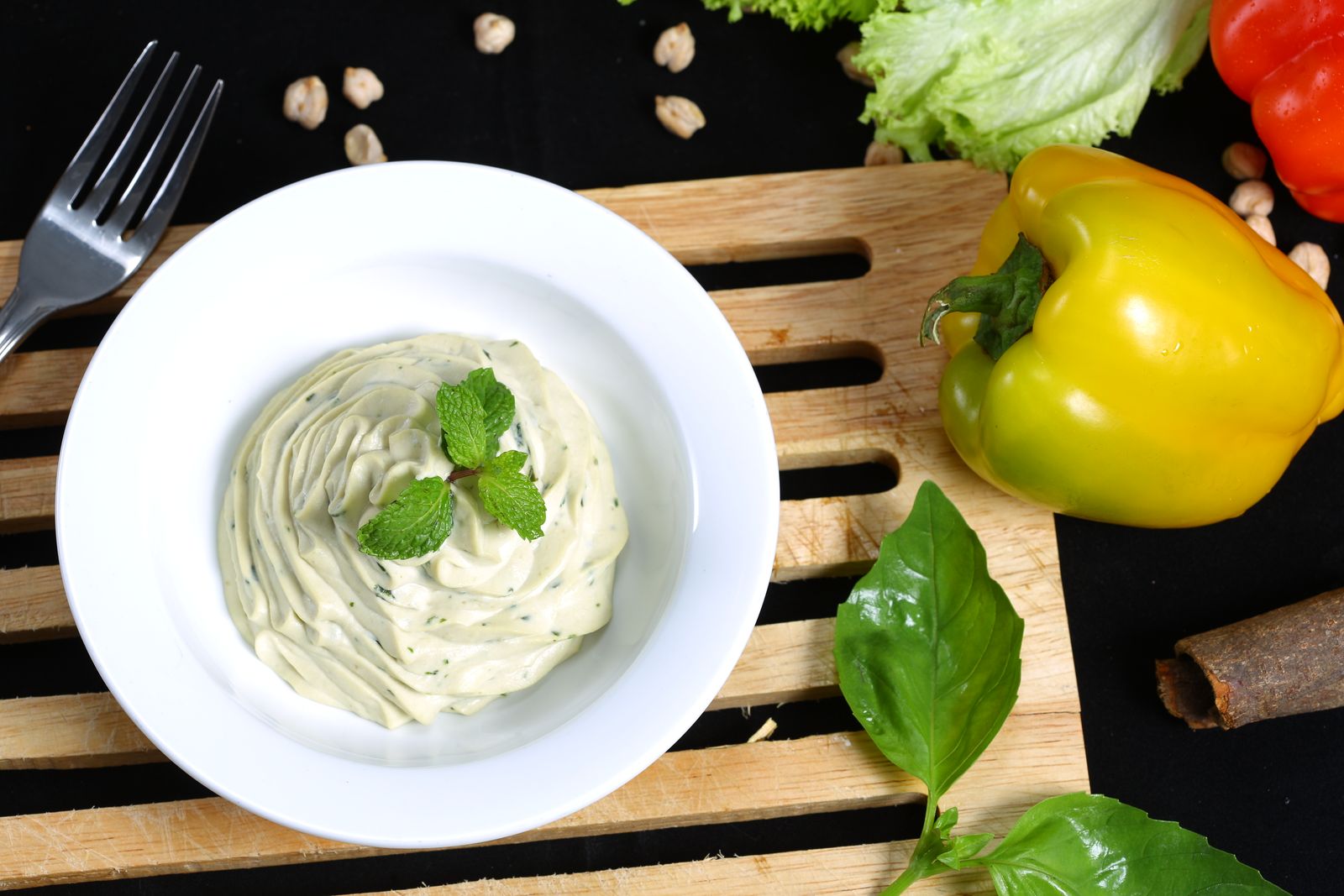
Dairy fermented foods are easy to love. Strain your homemade yogurt and it turns thick, creamy and rich, just like Greek yogurt. The leftover liquid is whey, which you can add to smoothies. Mix the thick yogurt with cucumber, garlic and dill and you have a cool tzatziki for gyros, grilled chicken or a veggie platter. Dip or spread?
You will need: 2 cups plain homemade yogurt, cheesecloth or a coffee filter, a strainer. Tzatziki: 1 cup strained yogurt, 1/2 cucumber (grated and squeezed dry), 1 small garlic clove (grated), 1 tablespoon olive oil, 1 tablespoon lemon juice, 1 tablespoon dill or mint, salt.
How to make it: Line a strainer with cheesecloth, set it over a bowl and spoon in the yogurt. Cover and refrigerate 2 to 4 hours, or overnight for very thick yogurt. For tzatziki, stir the strained yogurt with cucumber, garlic, oil, lemon, herbs and a pinch of salt. Chill 30 minutes and drizzle with olive oil to serve.
Old Fashioned Fermented Dill Pickles
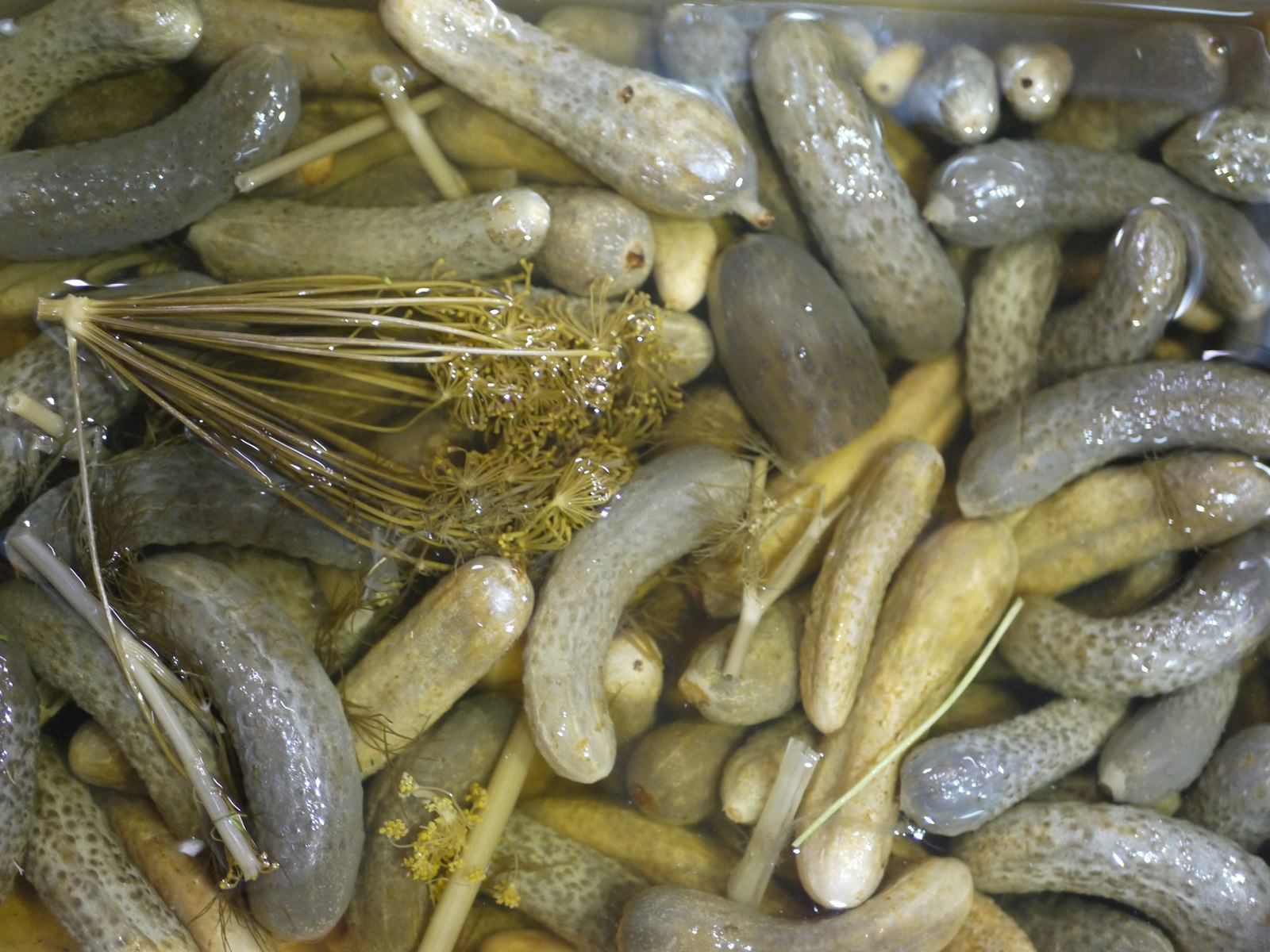
Pickles were some of the first fermented foods in many American kitchens. Before vinegar pickles took over, cucumbers were pickled in salty water and left to ferment, like the classic deli half sours. They get tangy, garlicky and still snappy. Small, firm pickling cucumbers work best, and a grape or oak leaf helps keep them crisp. Half sour or full sour, which camp are you in?
You will need: 1 1/2 pounds small pickling cucumbers, 4 cups water, 2 tablespoons sea salt (no iodine), 5 garlic cloves, 2 large dill sprigs or 1 dill head, 1 teaspoon peppercorns, 1 grape, oak or bay leaf, a clean 2 quart jar.
How to make it: Dissolve the salt in the water. Wash the cucumbers and trim the blossom ends. Put garlic, dill, peppercorns and the leaf in the jar and pack the cucumbers in tightly. Pour over the brine to cover, leaving 1 inch of space, and weigh them down. Cover loosely and ferment at room temperature 3 to 7 days until cloudy and sour to your taste, then refrigerate.
Fermented Foods for Kids: Carrot Sticks With Ginger
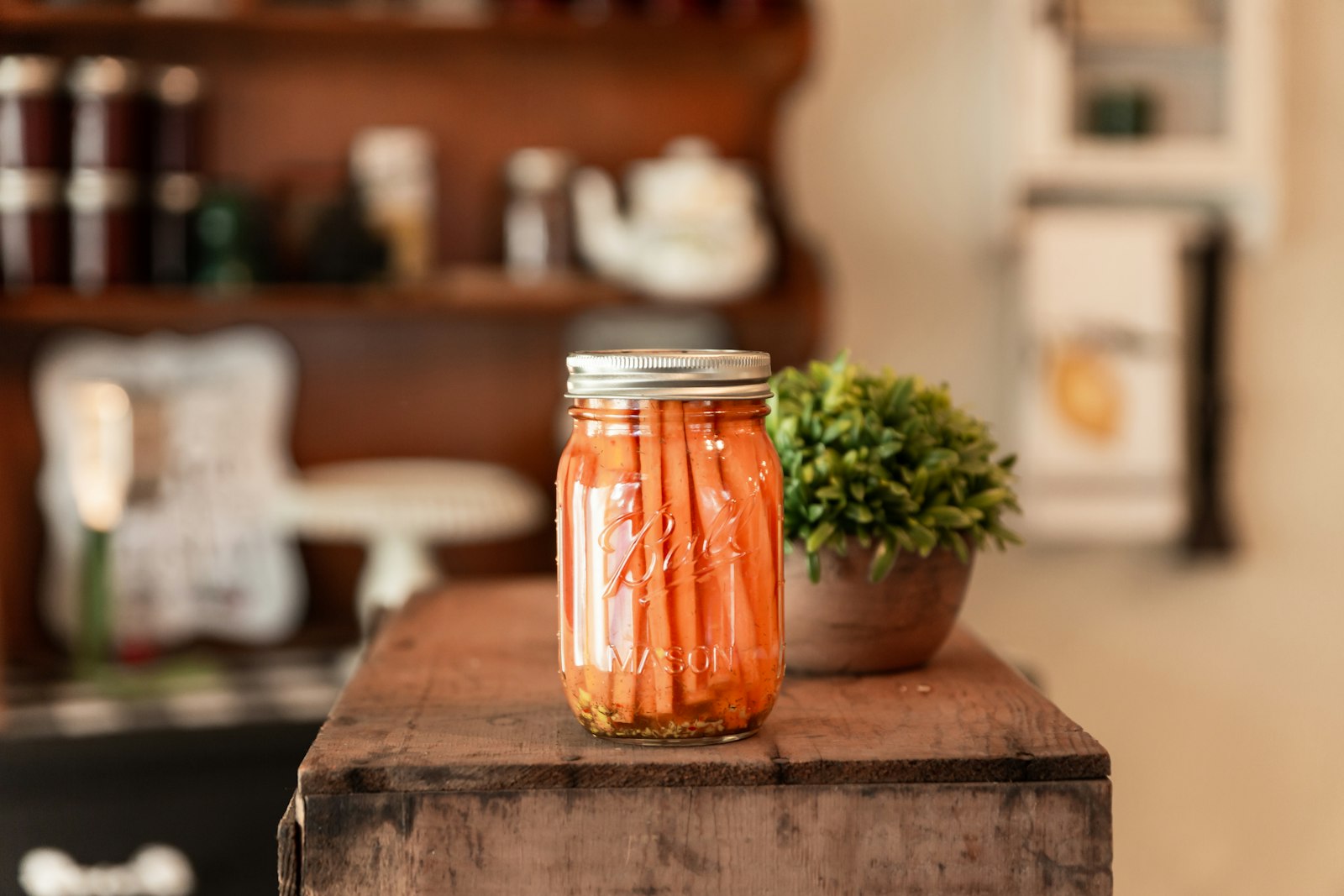
These crunchy, tangy carrot sticks are the perfect gateway ferment for kids. A little ginger and garlic give them a gentle zing. Pack them in lunchboxes, add them to snack plates or chop them into salads. They stay crisp in the fridge for weeks. Would your kids snack on these?
You will need: 1 pound carrots (cut into sticks), 2 cups water, 1 tablespoon sea salt, 1 inch piece of ginger (sliced), 2 garlic cloves, a clean 1 quart jar.
How to make it: Stir the salt into the water until dissolved. Pack the carrot sticks upright in the jar with the ginger and garlic tucked in. Pour the brine over to cover completely and add a small weight. Cover loosely and ferment at room temperature for 5 to 10 days, checking daily that the carrots stay under the brine. When tangy, refrigerate.
Lacto Fermented Salsa
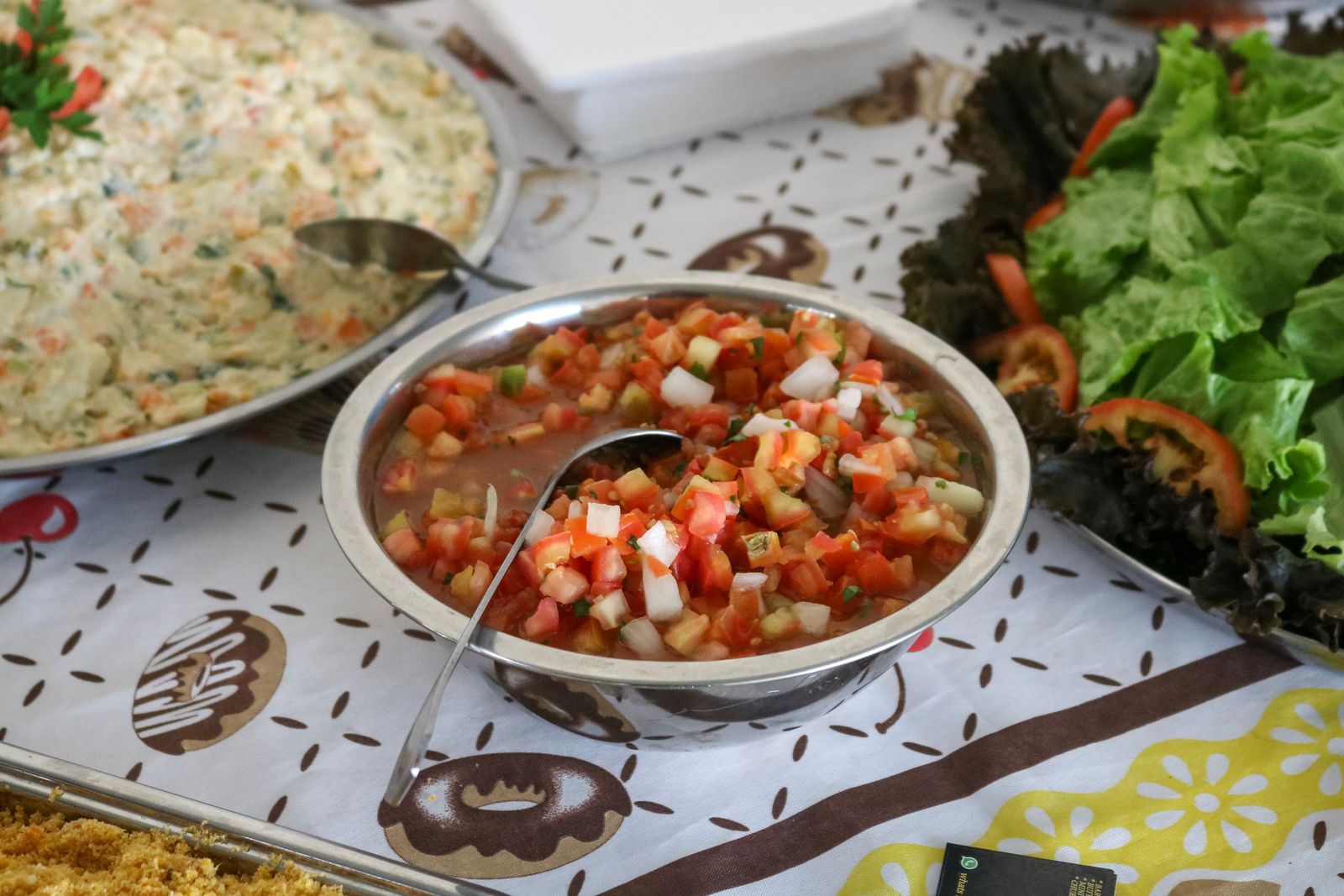
Fermented foods are not only cabbage. Fresh salsa can ferment too. After a day or two on the counter it turns a little fizzy and tangy, with a bright flavor you cannot get from a jar. Keep it simple and ferment it for a short time, then keep it in the fridge. Chips, tacos or eggs, where would you use it first?
You will need: 4 ripe tomatoes (diced), 1 small onion (diced), 1 jalapeno (minced), 2 garlic cloves, 1/2 cup cilantro, juice of 1 lime, 1 1/2 teaspoons sea salt, a clean 1 quart jar.
How to make it: Mix everything in a bowl and let it sit 10 minutes so the tomatoes release juice. Pack into the jar and press down so the liquid covers the vegetables, leaving 1 inch of space. Cover loosely and leave at room temperature for 1 to 2 days, tasting each day. Refrigerate once it is pleasantly tangy and eat within 2 weeks.
Fermented Foods in a Bottle: Homemade Hot Sauce
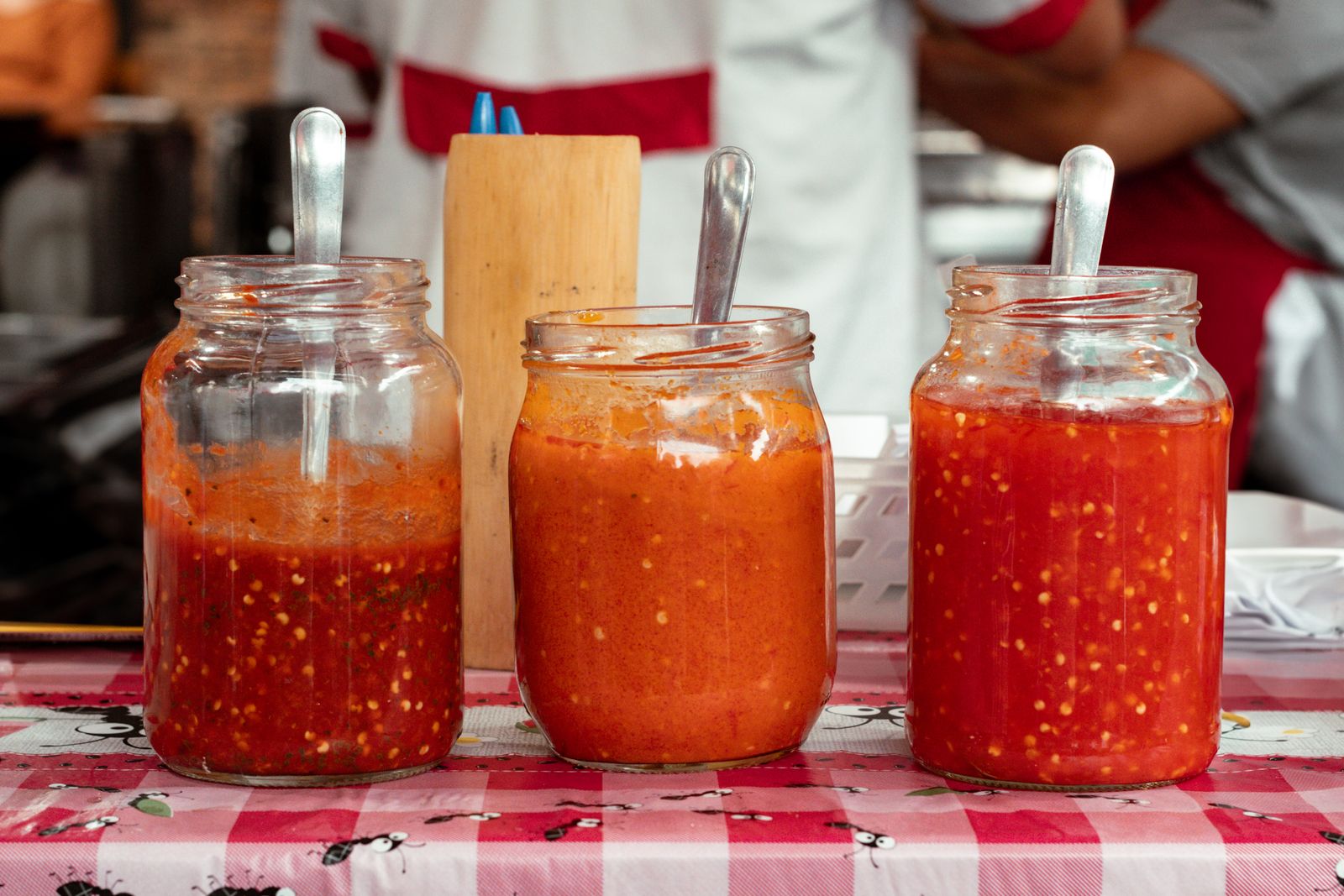
Many famous hot sauces start as fermented peppers. Fermenting mellows the raw heat and adds deep, tangy flavor. You simply soak peppers and garlic in salty brine for a week or two, then blend. Wear gloves when handling hot peppers. How hot can you handle?
You will need: 1 pound fresh red chili peppers (such as Fresno or red jalapeno), 4 garlic cloves, 2 cups water, 1 tablespoon sea salt, 1/4 cup vinegar (for blending), a clean 1 quart jar.
How to make it: Remove stems and halve the peppers. Dissolve salt in the water. Pack peppers and garlic into the jar, pour over the brine to cover and weigh them down. Cover loosely and ferment at room temperature 7 to 14 days. Strain, saving the brine. Blend the peppers with vinegar and some brine until smooth. Bottle and refrigerate.
Cooking With Fermented Foods: Kimchi Fried Rice
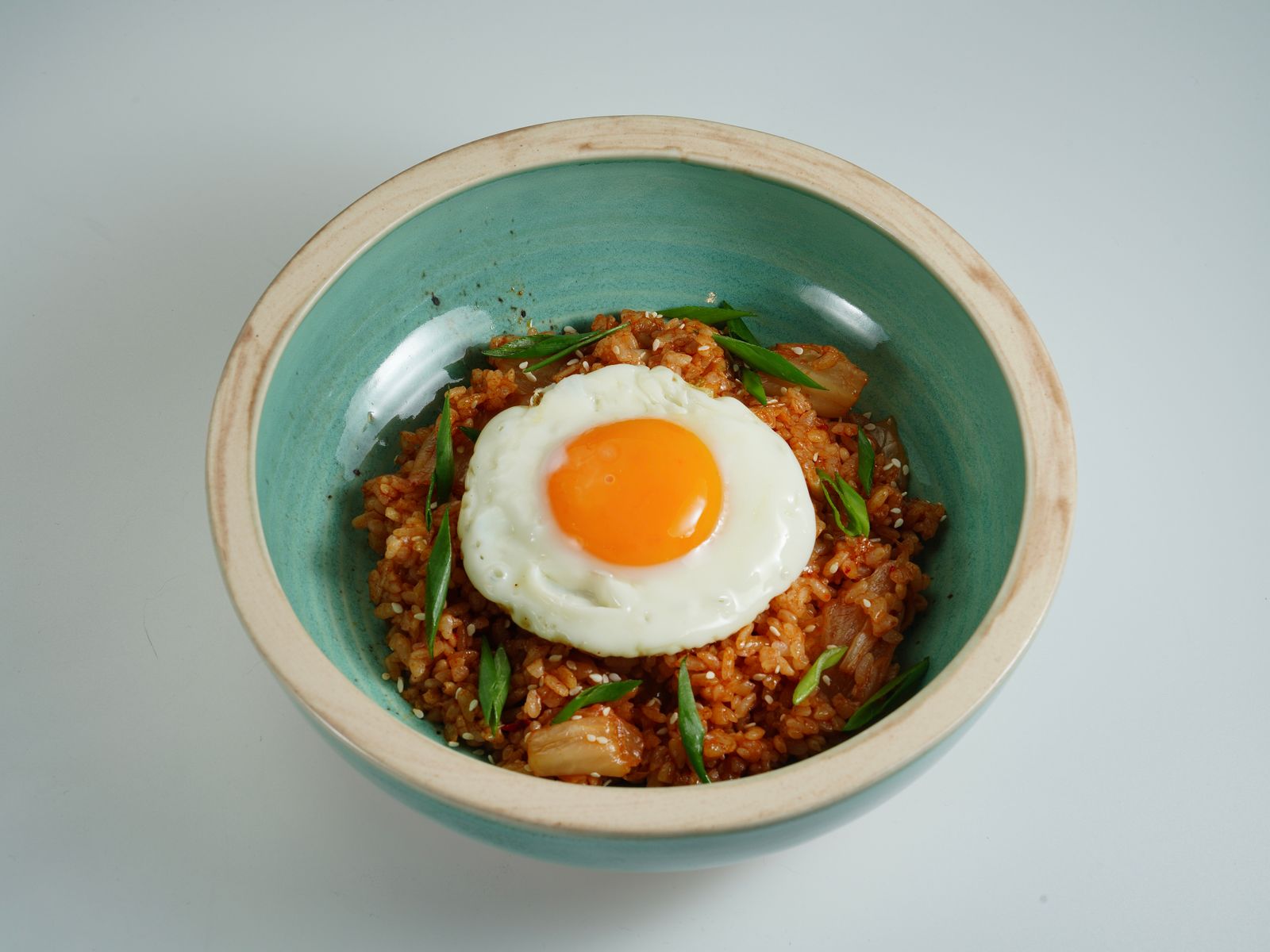
Once you have a jar of kimchi, this is the dinner you will make again and again. Day old rice fries up best, and a splash of kimchi juice gives it a tangy, spicy kick. A runny fried egg on top makes it feel complete. Is this your new favorite way to use leftovers?
You will need: 3 cups cold cooked rice, 1 cup chopped kimchi plus 2 tablespoons juice, 1 tablespoon butter or oil, 1/2 onion, 1 tablespoon gochujang (optional), 1 teaspoon soy sauce, 1 teaspoon sesame oil, 2 eggs, green onions, sesame seeds.
How to make it: Cook the onion in butter for 3 minutes. Add the kimchi and cook 3 minutes until it starts to caramelize. Add rice, kimchi juice, gochujang and soy sauce and stir fry 5 minutes until hot and a little crisp. Stir in sesame oil. Fry the eggs sunny side up. Serve the rice topped with eggs, green onions and sesame seeds.
Sauerkraut, Apple and Sausage Skillet
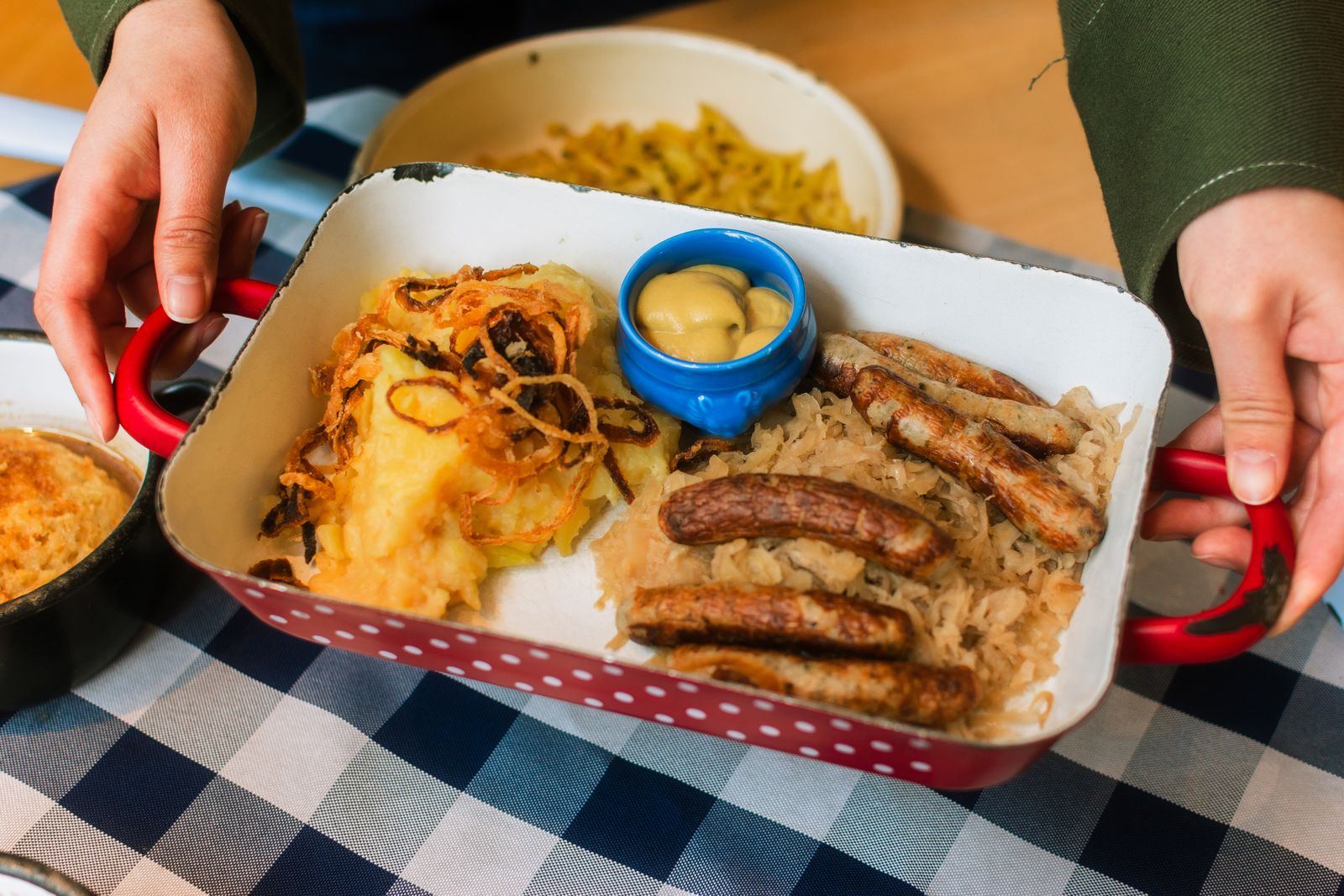
Fermented foods are great in cooking, too. Homemade sauerkraut shines in this cozy one pan dinner with browned sausages, sweet apple and onion. Add the kraut near the end so it stays tangy. It tastes like a weekend in a German beer hall. For more cozy ideas, see our German dinners that feel like a night at Oma’s table. Mustard on the side?
You will need: 1 pound smoked sausage or bratwurst, 1 tablespoon oil, 1 onion (sliced), 1 apple (sliced), 1 tablespoon brown sugar, 1/2 teaspoon caraway, 2 cups sauerkraut (drained), 1/2 cup broth, potatoes or rye bread to serve, mustard.
How to make it: Brown the sausages in oil and remove. Cook onion and apple in the same pan 6 minutes until soft and golden. Stir in brown sugar and caraway. Add broth and return the sausages. Cover and simmer 10 minutes. Stir in the sauerkraut and warm 3 minutes. Serve with potatoes or rye bread and mustard.
Miso Glazed Salmon
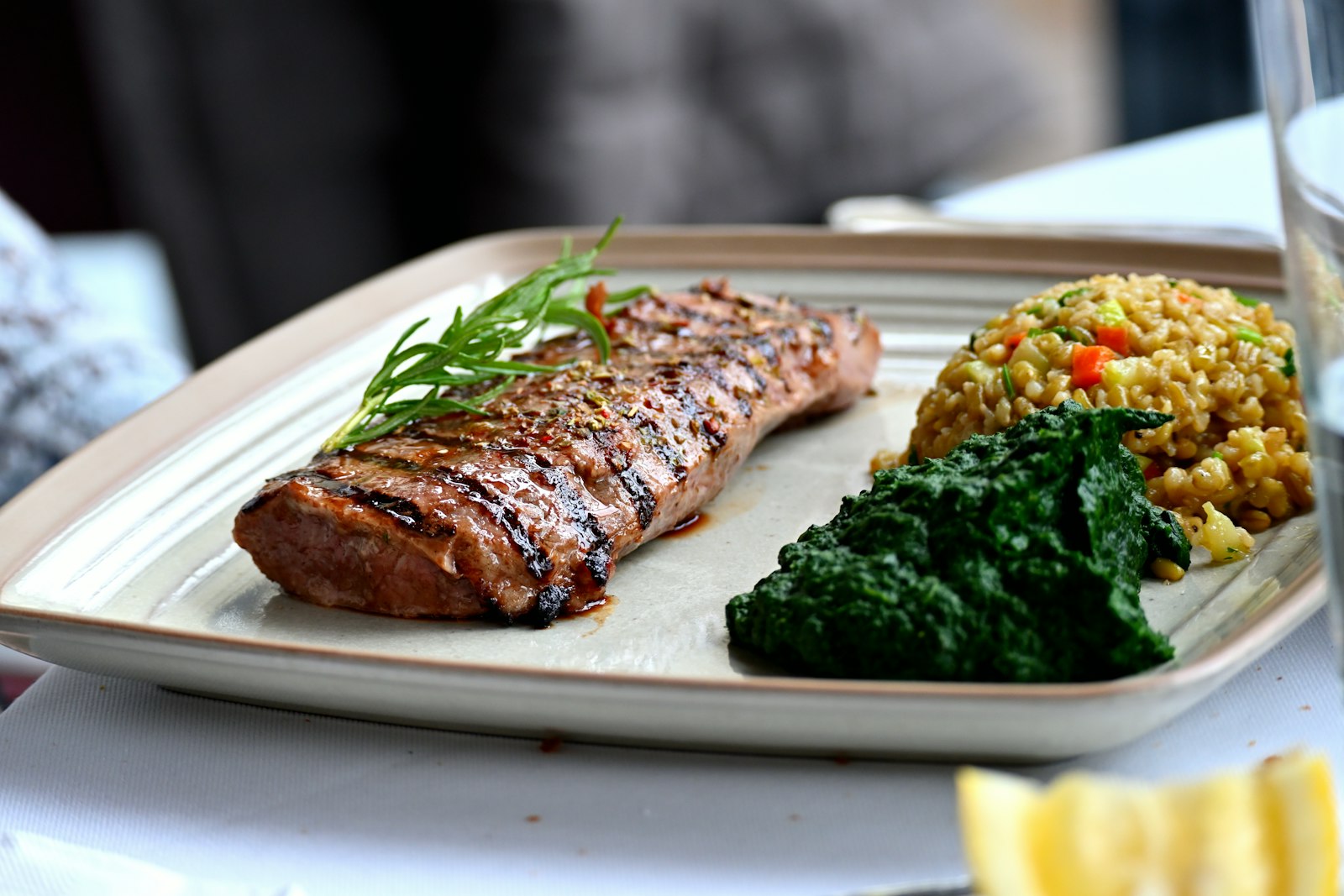
Miso is a fermented soybean paste from Japan, and it makes an amazing sweet and savory glaze. Brush it on salmon and broil for a few minutes until caramelized. It looks like restaurant food but takes about 15 minutes. A great way to add one more of the fermented foods to your week. Rice or greens on the side?
You will need: 4 salmon fillets, 3 tablespoons white miso, 1 tablespoon honey or maple syrup, 1 tablespoon soy sauce, 1 tablespoon rice vinegar, 1 teaspoon grated ginger, 1 teaspoon sesame oil, green onions, sesame seeds, rice and greens to serve.
How to make it: Heat the broiler with a rack 6 inches below. Whisk miso, honey, soy sauce, vinegar, ginger and sesame oil. Set the salmon on a lined sheet pan and brush thickly with the glaze. Broil 7 to 10 minutes until the top is caramelized and the fish flakes. Top with green onions and sesame seeds and serve with rice and greens.