Japanese Breakfast: 18 Easy Dishes to Build the Famous Morning Tray at Home
Japanese breakfast is nothing like a bowl of cereal. It is a small tray of warm rice, a soup, a piece of fish and a few little sides, and a new review of 37 research reports links this way of eating to a lower risk of death from heart disease. Videos showing a real Japanese breakfast have been watched more than 21 million times on YouTube. The good news: you can build the tray at home with ingredients from an American grocery store. Below are the savory classics and the sweet Japanese breakfasts Americans love, each with an easy recipe. Put the rice on..
Japanese Breakfast Explained: One Soup and Three Sides
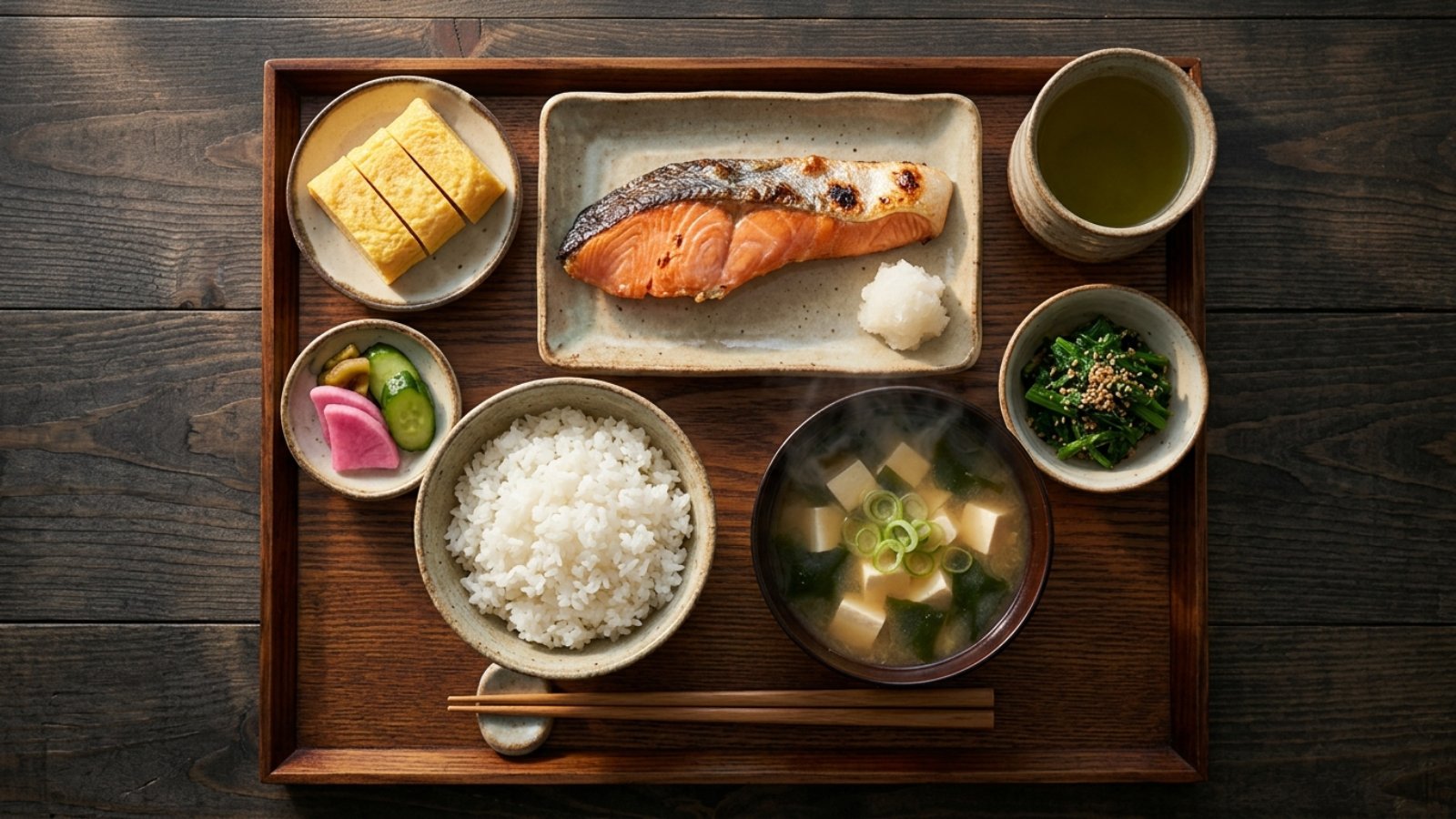
In Japan, breakfast is a small tray of warm rice, soup, fish and vegetables. The classic pattern is called ichiju sansai, which means one soup and three sides. A new review in the journal Advances in Nutrition, reported by News-Medical, found that eating closer to the traditional Japanese diet was linked to lower all-cause and heart disease death. Some parts, like miso and pickles, are salty, so talk to your doctor if you watch your salt. Here is a 15-minute shortcut tray to start..
You will need: 1 bowl cooked rice, 1 packet instant miso soup or homemade, 1 egg, 1 small piece of salmon or leftover fish, a few cucumber slices, 1 tsp rice vinegar, sesame seeds, green tea.
How to make it: 1. Warm the rice. 2. Make the miso soup with hot water. 3. Cook the egg sunny side up or rolled. 4. Warm the fish in a skillet or air fryer 5 minutes. 5. Toss cucumber with vinegar and sesame, arrange everything on a tray and pour the tea.
Steamed Rice With Furikake, the Heart of a Japanese Breakfast
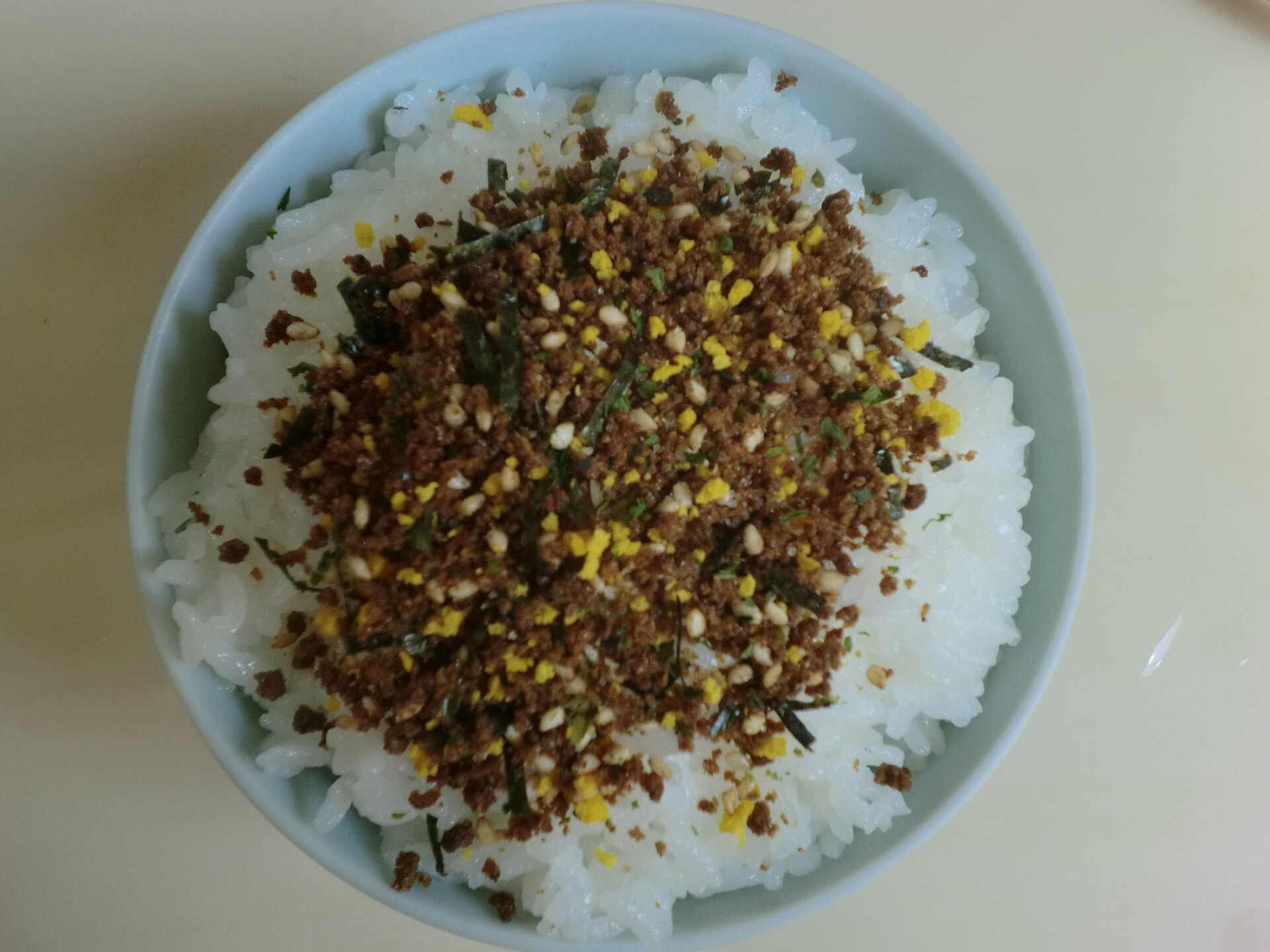
Every Japanese breakfast starts with a bowl of warm, sticky short-grain rice. It is the base that everything else sits next to. Sprinkle it with furikake, a crunchy seasoning of sesame seeds, seaweed and a little salt, and plain rice suddenly tastes exciting. Cook a pot the night before and just warm it in the morning. Have you ever tried furikake?
You will need: 2 cups short-grain (sushi) rice, 2 1/4 cups water, furikake seasoning (or toasted sesame seeds, crumbled nori and a pinch of salt).
How to make it: 1. Rinse the rice in cold water 3 or 4 times until the water is almost clear. 2. Soak 30 minutes in the measured water. 3. Bring to a boil, cover and simmer on low 15 minutes. 4. Rest covered 10 minutes off the heat. 5. Fluff and sprinkle with furikake.
Easy Miso Soup With Tofu and Scallions
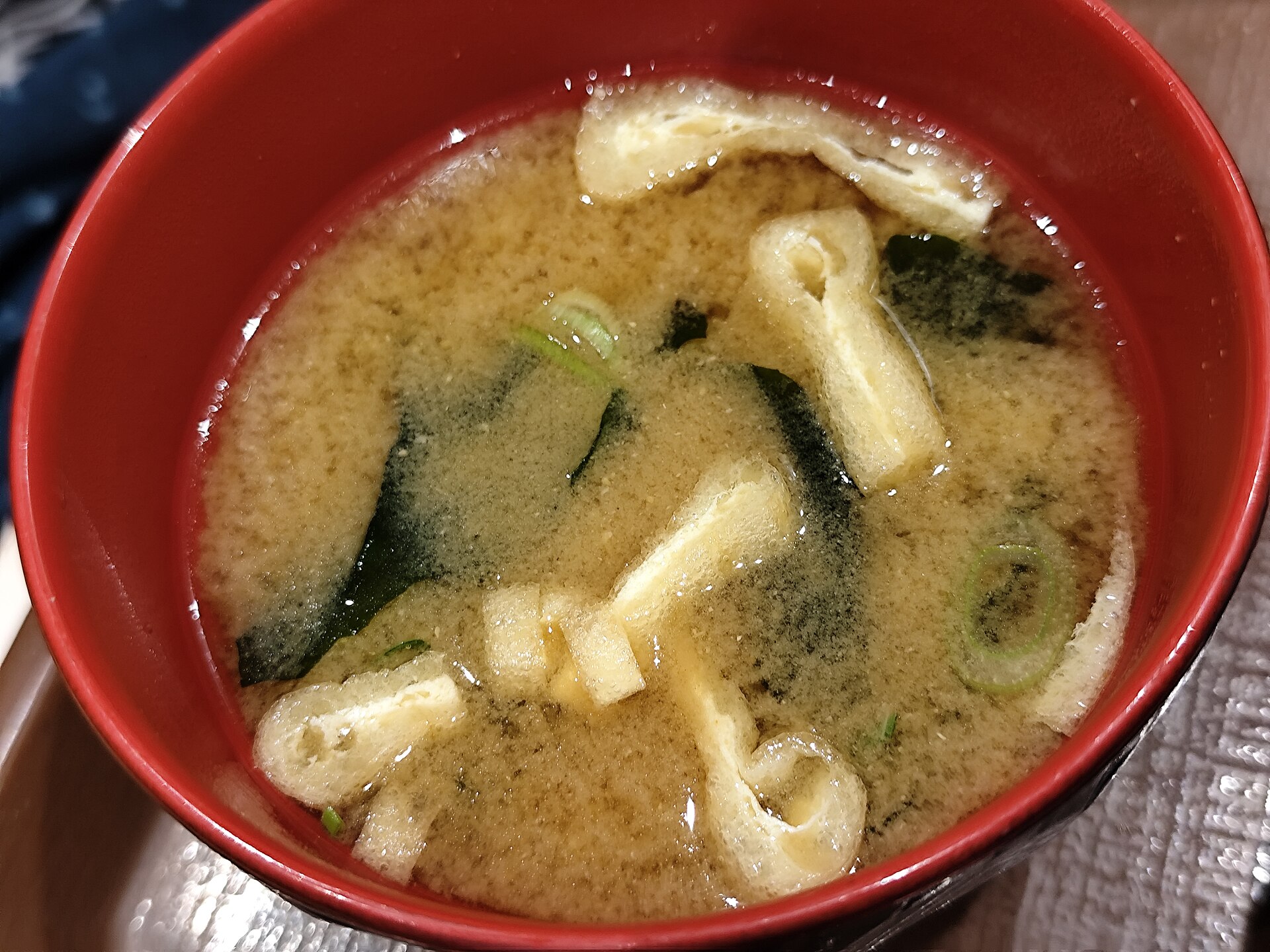
The “one soup” on the tray is almost always miso soup. It takes 10 minutes: warm a simple dashi broth, add soft tofu and seaweed, then stir in miso paste off the heat so it stays mellow and good for you. Miso is salty, so one small bowl is plenty. Instant dashi granules from the Asian aisle make it a weekday habit.
You will need: 4 cups water, 1 tsp instant dashi granules (or 4 cups homemade dashi), 3 tbsp white or yellow miso paste, 7 oz soft tofu in cubes, 1 tbsp dried wakame seaweed, 2 scallions sliced.
How to make it: 1. Bring water and dashi to a simmer. 2. Add tofu and wakame and warm 2 minutes. 3. Turn off the heat. 4. Mix the miso with a ladle of broth until smooth and stir it back in. 5. Top with scallions and serve right away.
Tamagoyaki, the Sweet Rolled Omelet
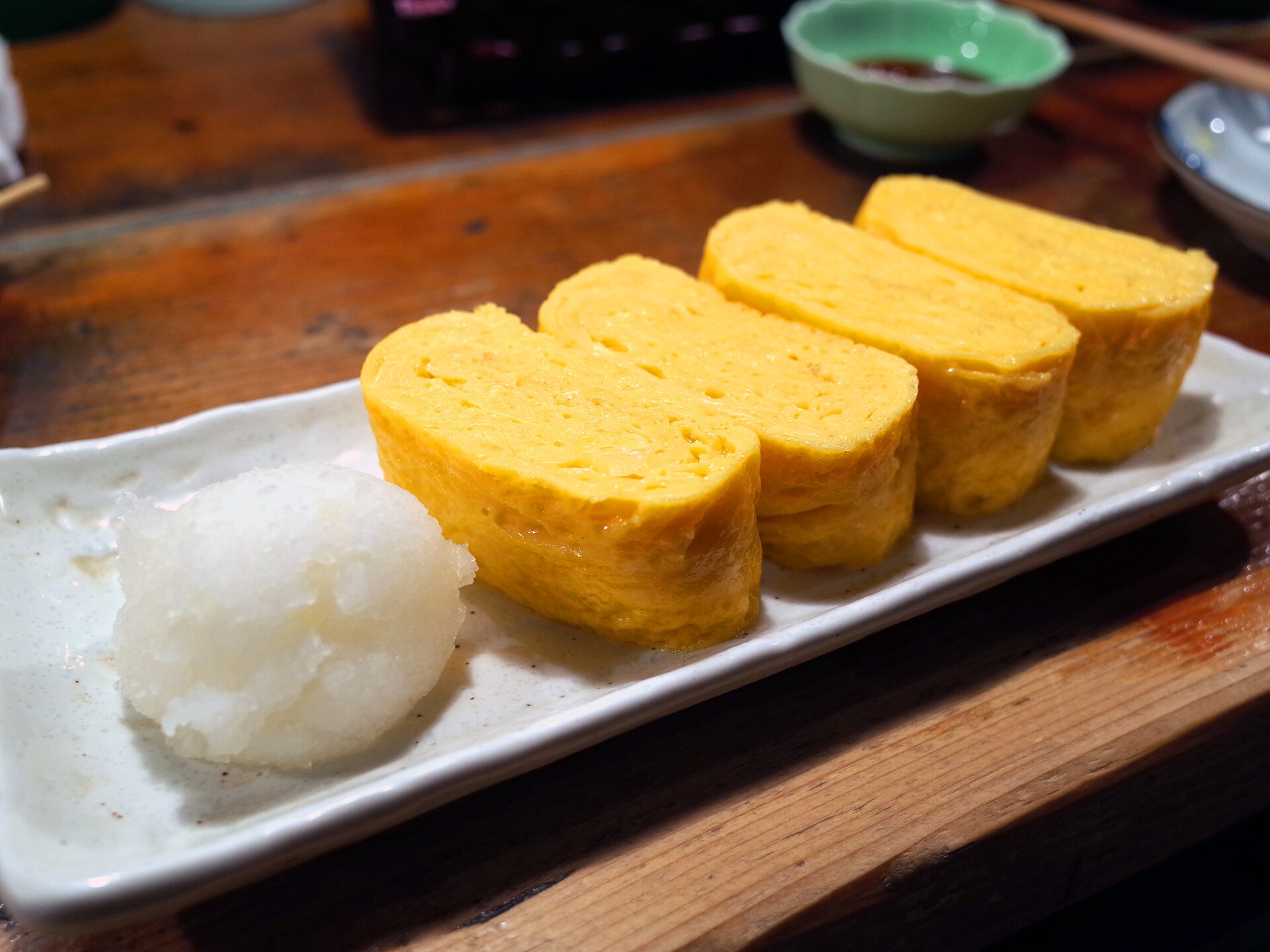
Tamagoyaki is a fluffy, slightly sweet omelet rolled up in thin layers and sliced like a little loaf. A square pan helps, but a small round skillet works too. Kids love it warm, and it is just as good cold in a lunch box. It takes a few tries to roll neatly, so do not worry if your first one looks rustic. Sweet or savory eggs: which do you prefer?
You will need: 4 eggs, 1 tbsp sugar, 1 tsp soy sauce, 1 tbsp water or dashi, a pinch of salt, neutral oil.
How to make it: 1. Whisk eggs, sugar, soy sauce, water and salt. 2. Oil a pan over medium-low heat and pour in a thin layer. 3. When almost set, roll it to one side. 4. Oil the pan, pour another thin layer, lift the roll so egg flows under, and roll again. 5. Repeat, then rest 2 minutes and slice.
Grilled Salted Salmon for a Japanese Breakfast Tray
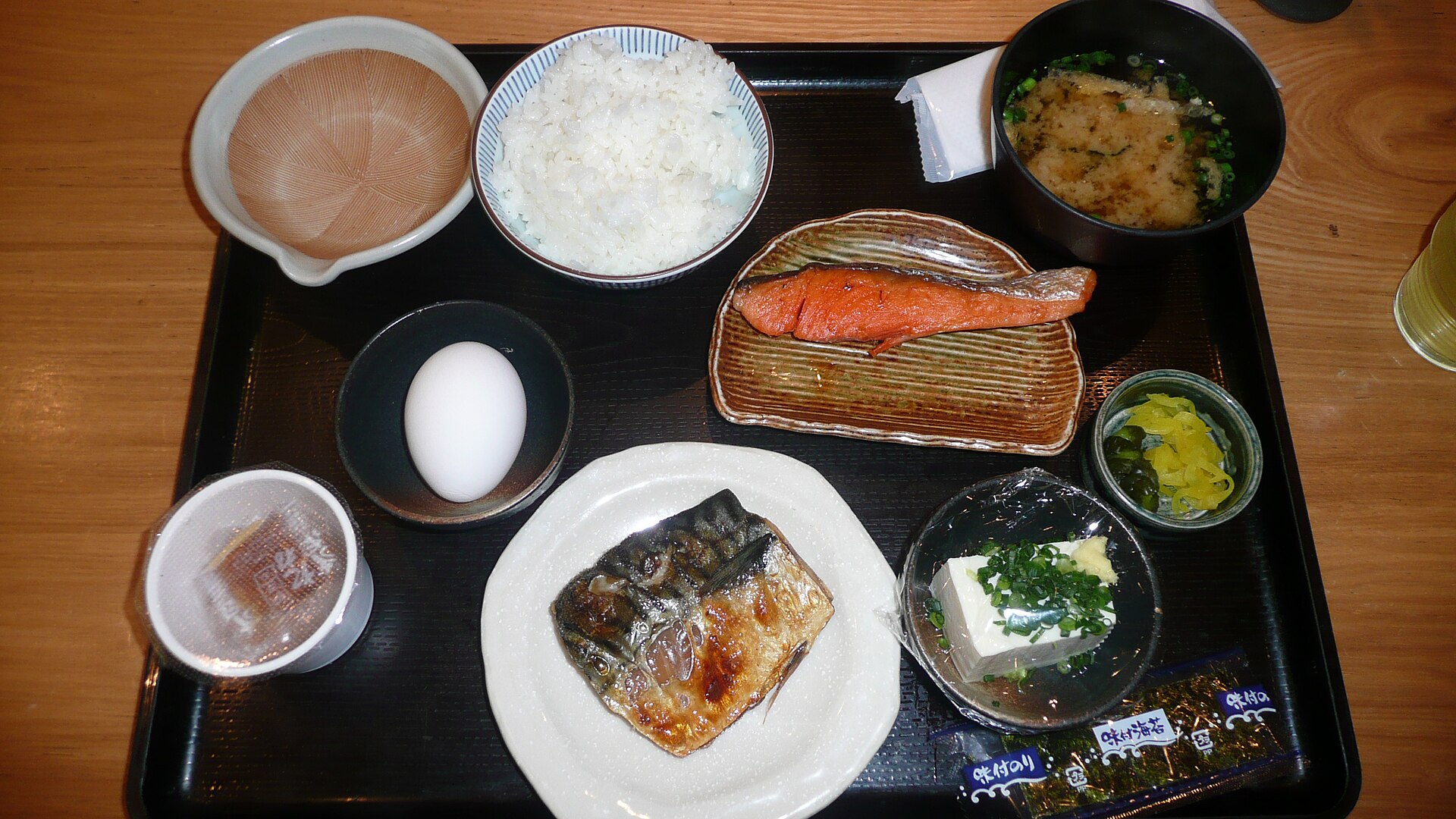
Shiozake, lightly salted grilled salmon, is the classic fish on a Japanese breakfast tray. You do not need a fish grill: a hot oven or air fryer gives you crispy skin and juicy flakes in about 12 minutes. Salt the fillets the night before and they are ready to cook first thing. Pair with rice, soup and pickles and you have the full tray shown here.
You will need: 2 salmon fillets with skin (about 5 oz each), 1 tsp salt, 1 tsp neutral oil, lemon wedges, grated daikon radish (optional).
How to make it: 1. Sprinkle the salmon with salt and refrigerate 1 hour or overnight. 2. Pat dry. 3. Heat oven to 425 F or air fryer to 400 F. 4. Brush skin with oil and cook skin-side up 10 to 12 minutes until the skin is crisp. 5. Serve with lemon and grated daikon.
Onigiri Rice Balls, the Grab-and-Go Japanese Breakfast
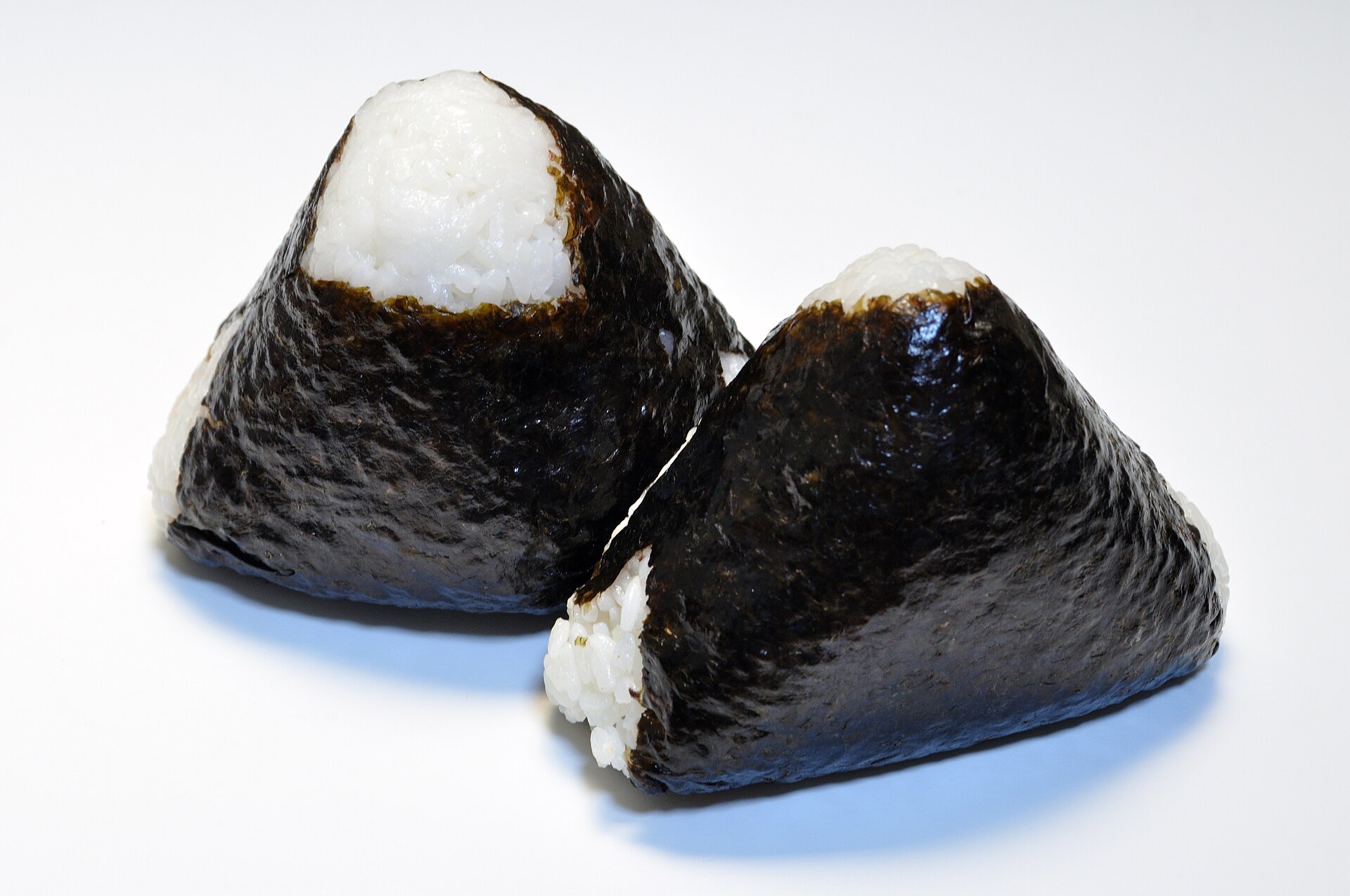
Onigiri are the grab-and-go Japanese breakfast: a triangle of rice with a tasty filling, wrapped in crisp seaweed. Tuna mayo is the favorite filling at Japanese convenience stores, and it is easy to make at home. They are perfect for busy school mornings. Wet and salt your hands so the rice does not stick. Which filling would your kids pick?
You will need: 3 cups cooked warm short-grain rice, 1 can (5 oz) tuna drained, 2 tbsp mayonnaise, 1 tsp soy sauce, salt, 4 sheets nori cut in strips.
How to make it: 1. Mix tuna, mayo and soy sauce. 2. Wet your hands and rub with a pinch of salt. 3. Flatten a handful of rice, add a spoon of tuna in the middle and close the rice around it. 4. Press into a triangle. 5. Wrap with a nori strip just before eating.
Quick Cucumber Pickles, Lighter on Salt
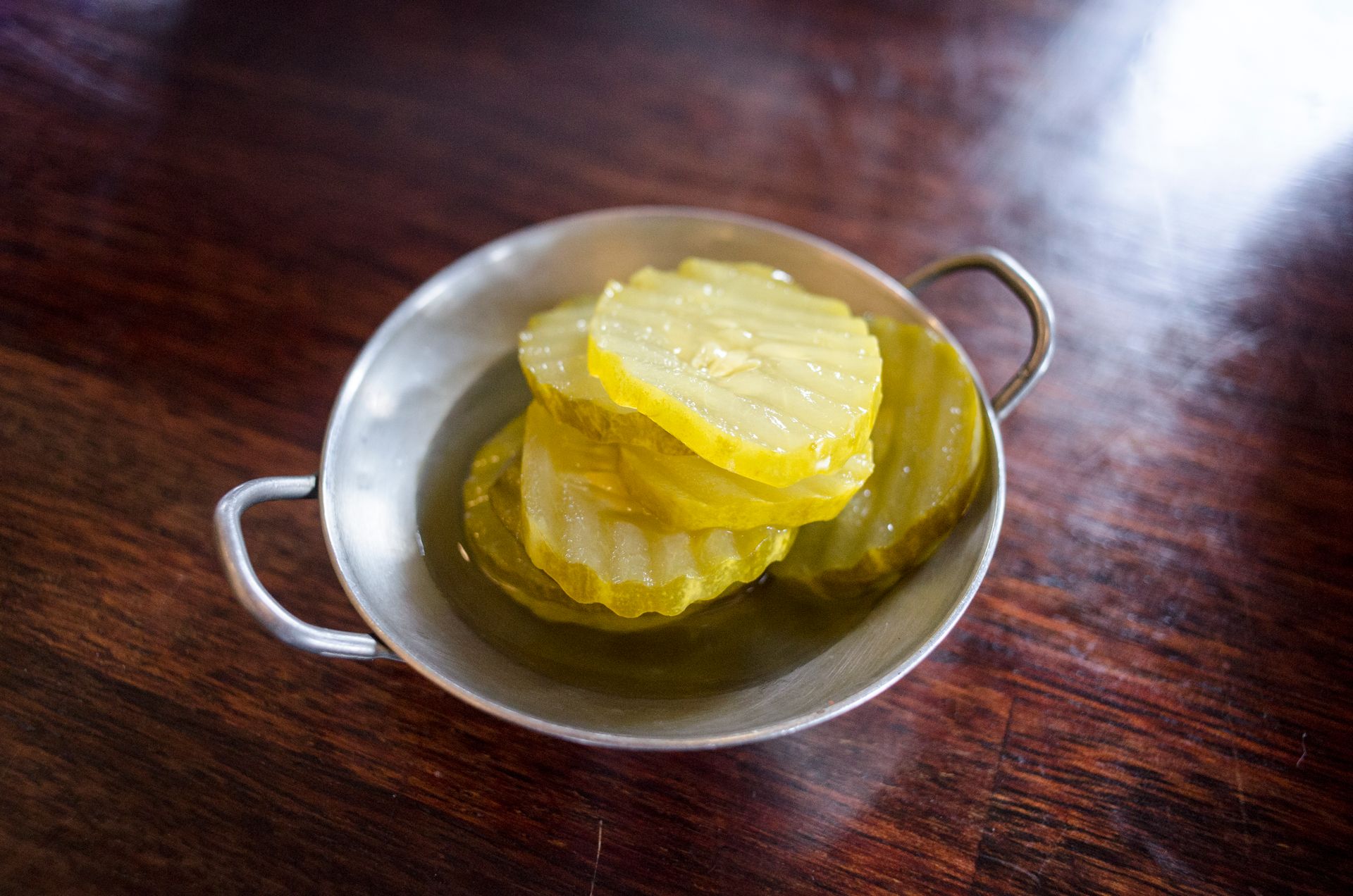
Every Japanese breakfast tray has a little dish of pickles, called tsukemono, to wake up the taste buds. Store-bought ones can be very salty, so make a quick, lighter batch at home in 20 minutes. Thin cucumber slices with rice vinegar, a little sugar and sesame are crunchy, tangy and refreshing. The bright yellow ones shown here are takuan, pickled daikon radish. Keep a jar of either in the fridge for the whole week.
You will need: 2 Persian or 1 English cucumber thinly sliced, 1/2 tsp salt, 3 tbsp rice vinegar, 1 tsp sugar, 1 tsp toasted sesame seeds, a small piece of ginger in thin strips (optional).
How to make it: 1. Toss cucumber with salt and let sit 10 minutes. 2. Squeeze out the water. 3. Mix vinegar and sugar until dissolved. 4. Toss with the cucumbers, ginger and sesame. 5. Chill 10 minutes or up to 4 days.
Spinach With Sesame Dressing (Gomaae)
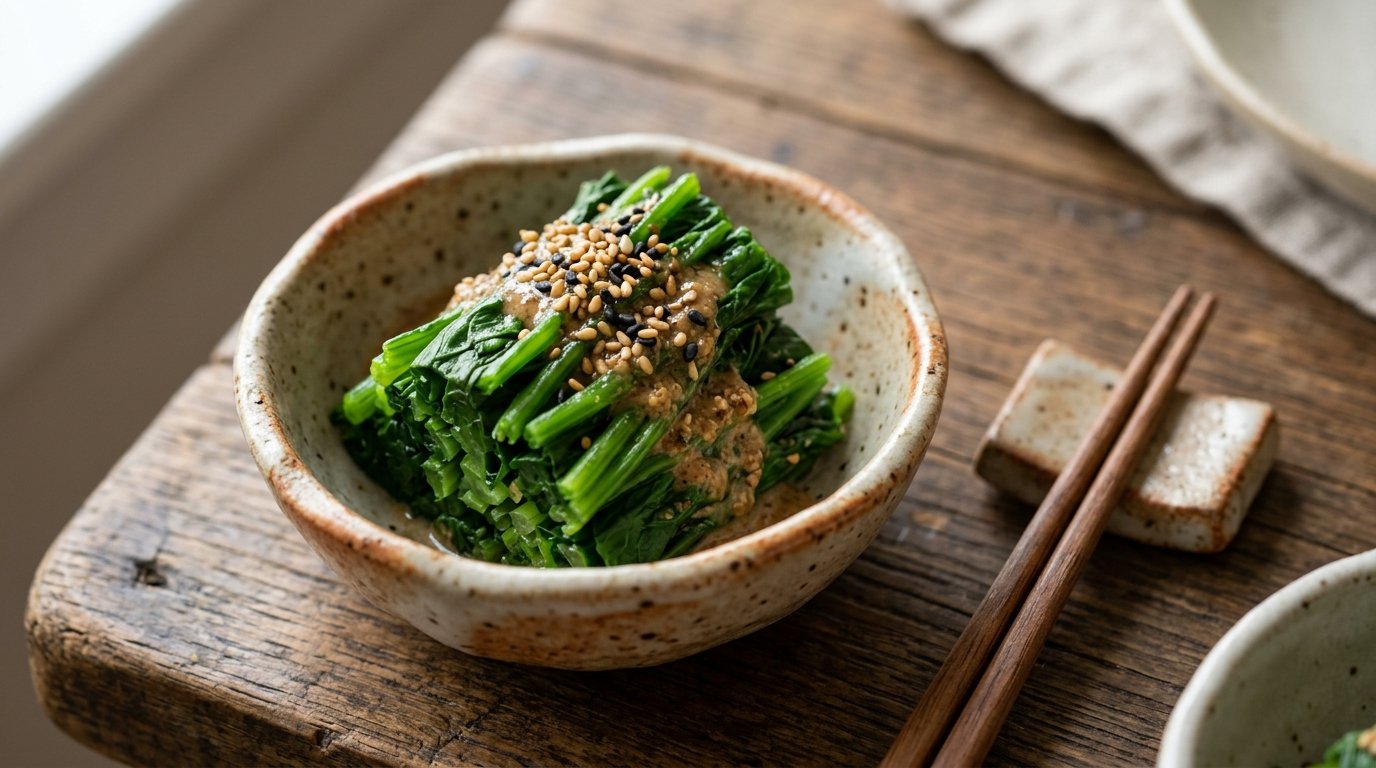
Gomaae is a small, nutty side of blanched spinach tossed with a sweet sesame dressing. It is one of the “three sides” on a classic tray, and a sneaky way to get greens in before 9 a.m. The dressing takes 2 minutes in a mortar or a mug. Even kids who say they hate spinach often go back for more. Would yours?
You will need: 1 bunch (10 oz) fresh spinach, 2 tbsp toasted sesame seeds, 1 tbsp soy sauce, 2 tsp sugar, 1 tsp water.
How to make it: 1. Blanch the spinach in boiling water 30 seconds. 2. Rinse in cold water and squeeze dry. 3. Cut into 2-inch pieces. 4. Grind the sesame seeds and mix with soy sauce, sugar and water. 5. Toss with the spinach and serve.
Natto Over Rice, for the Brave
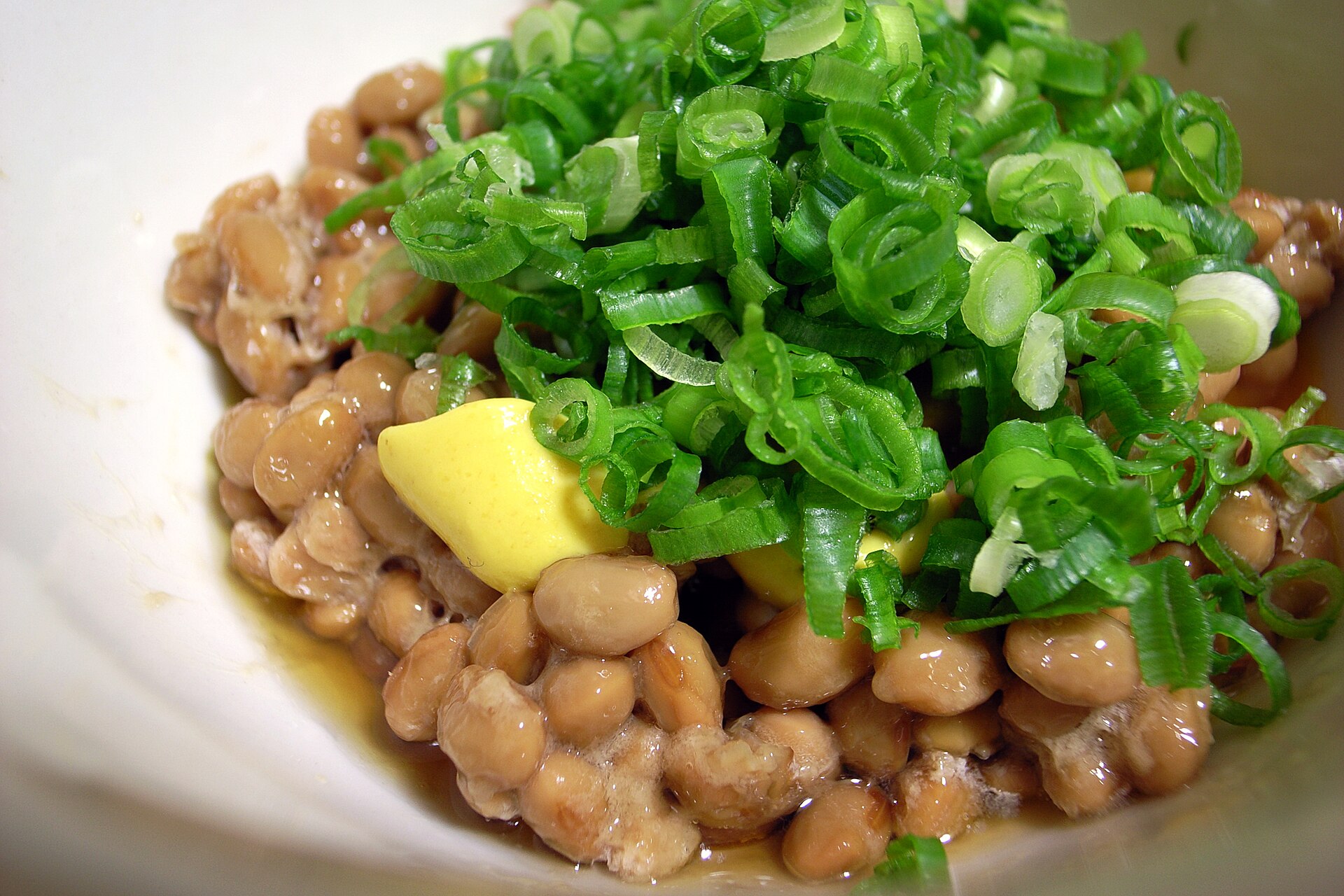
Natto is fermented soybeans with a strong smell and a famous stringy texture. Many people in Japan eat it with rice for breakfast every day, and it is packed with protein. First-timers either love it or run away. Stir it hard with its little sauce packet, mustard and scallions, then pile it on hot rice. Would you try it? A) Yes, B) Maybe, C) Not a chance.
You will need: 1 pack natto (about 1.5 oz) with its sauce and mustard, 1 scallion sliced, 1 bowl hot cooked rice, a drizzle of soy sauce (optional).
How to make it: 1. Open the natto and add the sauce and mustard. 2. Stir hard with chopsticks 30 to 50 times until foamy. 3. Add scallions. 4. Spoon over hot rice. 5. Drizzle with a little soy sauce if you like.
Tamago Kake Gohan, the Simplest Japanese Breakfast
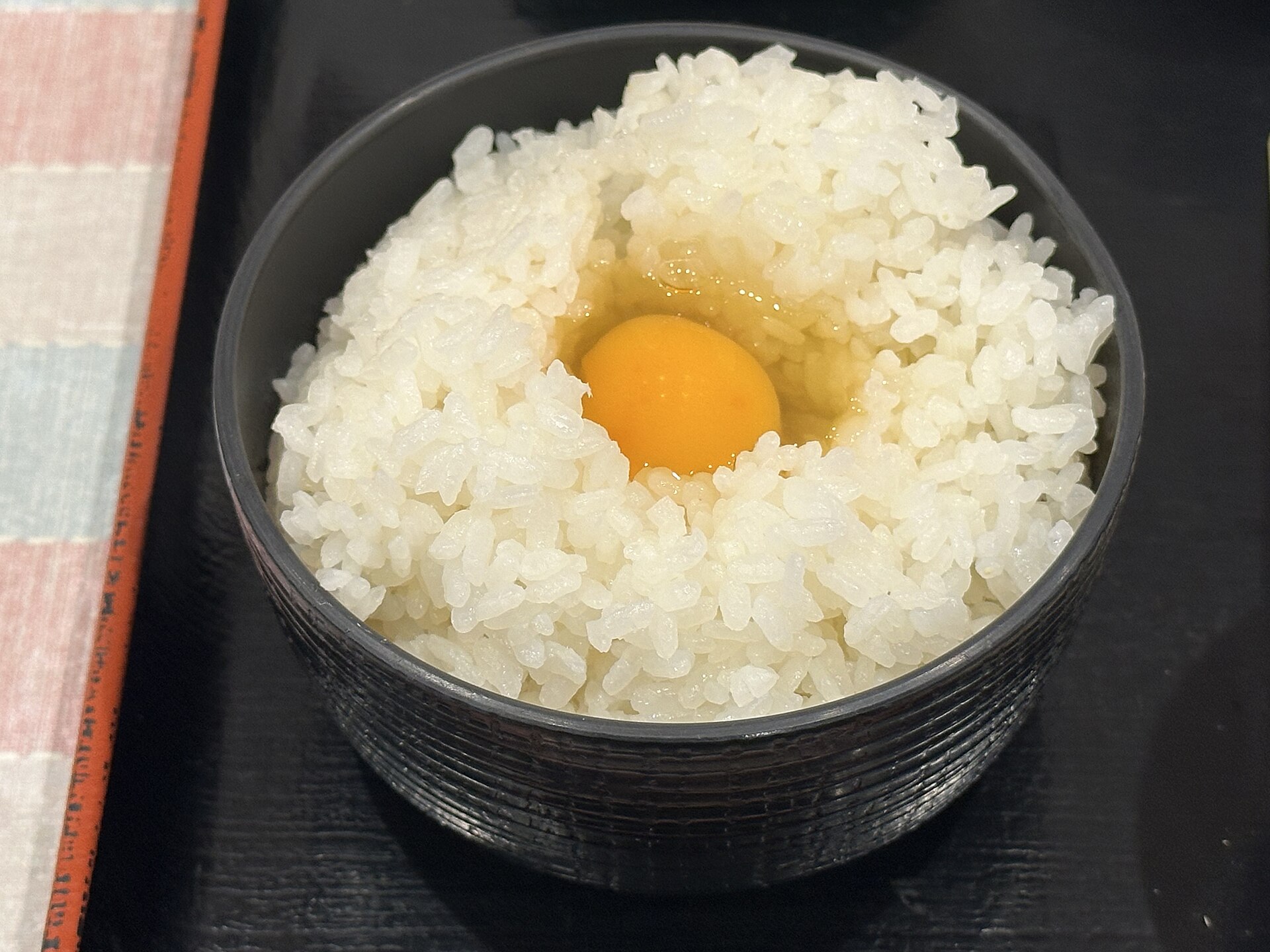
Tamago kake gohan, or TKG, is the simplest Japanese breakfast of all: hot rice, a raw egg and a splash of soy sauce, stirred until silky. In Japan eggs are made to be eaten raw. In the US, use pasteurized eggs to be safe, or swap in a soft-boiled egg. It is ready in one minute and tastes like the creamiest risotto.
You will need: 1 bowl very hot cooked rice, 1 pasteurized egg, 1 tsp soy sauce, a pinch of dashi granules (optional), furikake or scallions.
How to make it: 1. Make a small well in the hot rice. 2. Crack in the pasteurized egg. 3. Add soy sauce and dashi. 4. Stir quickly until the rice is creamy and pale gold. 5. Top with furikake or scallions and eat right away.
Leftover Breakfast Fried Rice
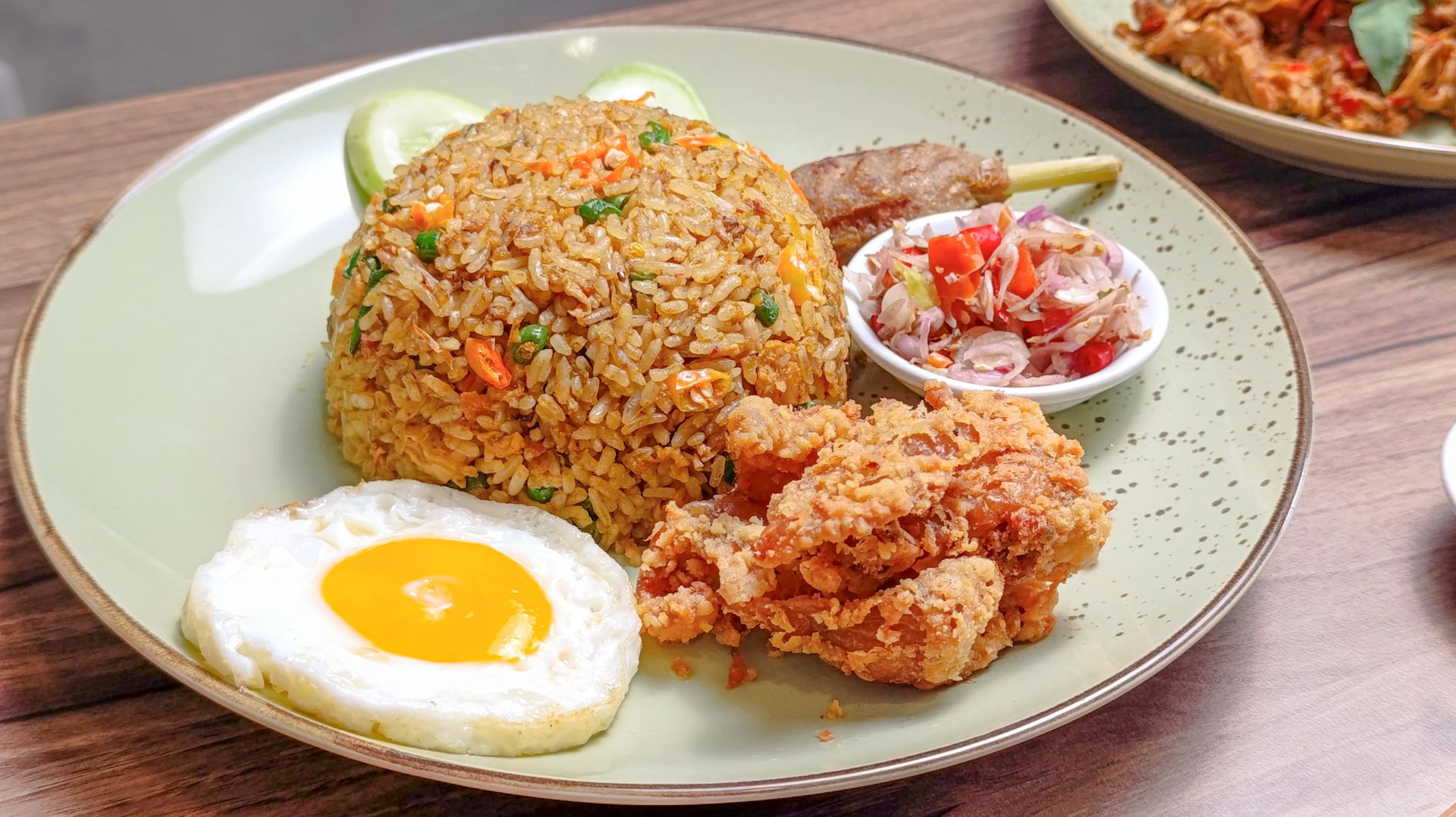
Japanese home cooks hate waste, and yesterday’s rice makes the best breakfast fried rice. Day-old rice is drier, so it fries up loose and crispy instead of mushy. Toss it with egg, scallions, a little ham or leftover salmon and soy sauce. Top it with a fried egg and breakfast is done in 10 minutes. What leftovers would you add? Love Japanese flavors at night too? Try our easy Japanese dinners.
You will need: 3 cups day-old cooked rice, 2 eggs, 1/2 cup diced ham or flaked salmon, 2 scallions, 1/2 cup frozen peas, 1 tbsp soy sauce, 1 tsp sesame oil, 1 tbsp oil.
How to make it: 1. Heat oil in a large skillet over high heat. 2. Scramble the eggs and push to the side. 3. Add ham and peas for 1 minute. 4. Add rice and press it into the pan to crisp, stirring every minute. 5. Add soy sauce, sesame oil and scallions and toss.
Okayu, Soft Rice Porridge
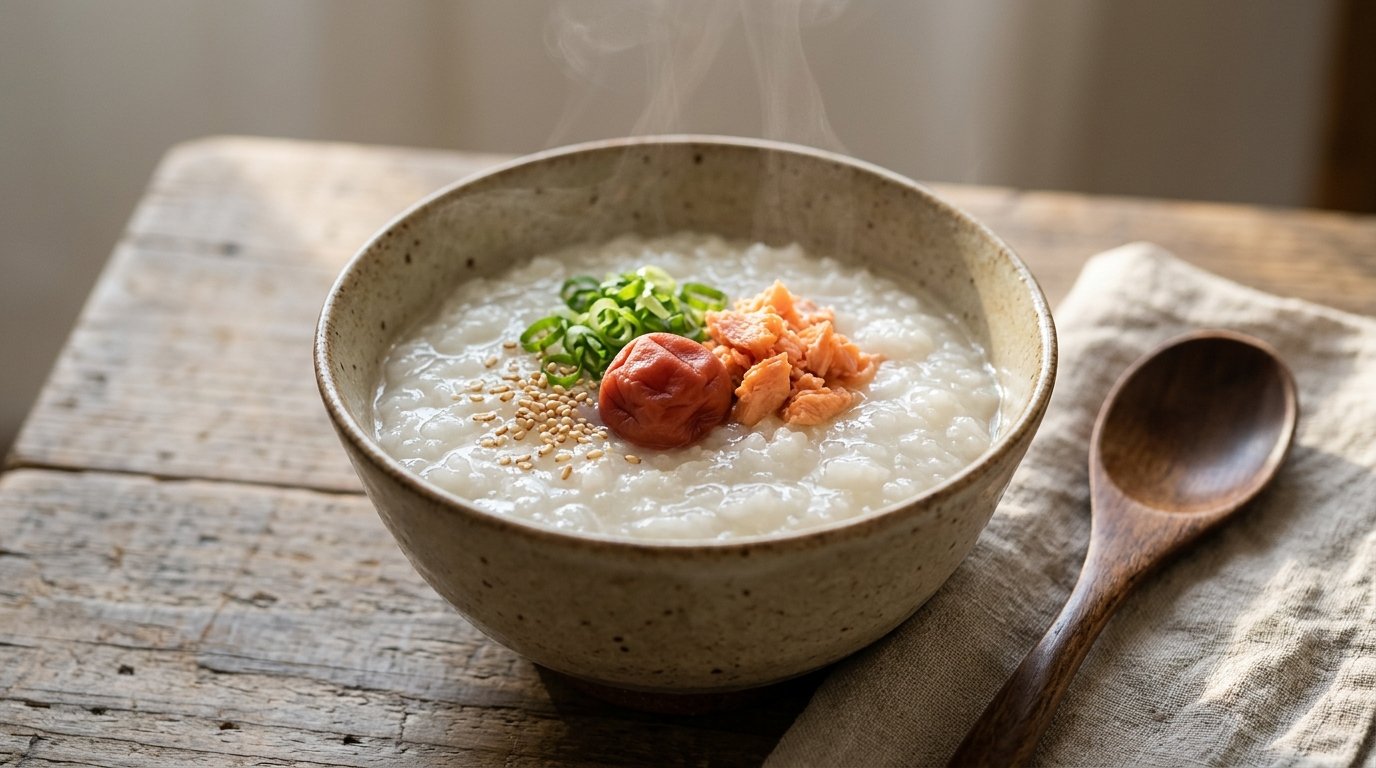
Okayu is a soft, soothing rice porridge that Japanese families make on cold mornings or when someone is feeling under the weather. It is like a hug in a bowl. Simmer rice with lots of water until creamy, then top with a pickled plum, scallions, an egg or salmon flakes. It is gentle, cheap and easy to make in a rice cooker or pot.
You will need: 1/2 cup short-grain rice, 5 cups water, 1/2 tsp salt, toppings: scallions, a soft egg, salmon flakes, sesame seeds or a pickled plum.
How to make it: 1. Rinse the rice. 2. Bring rice and water to a boil in a heavy pot. 3. Lower the heat, partly cover and simmer 40 to 45 minutes, stirring now and then. 4. Season with salt. 5. Serve hot with toppings.
Ochazuke, Tea Poured Over Rice and Salmon
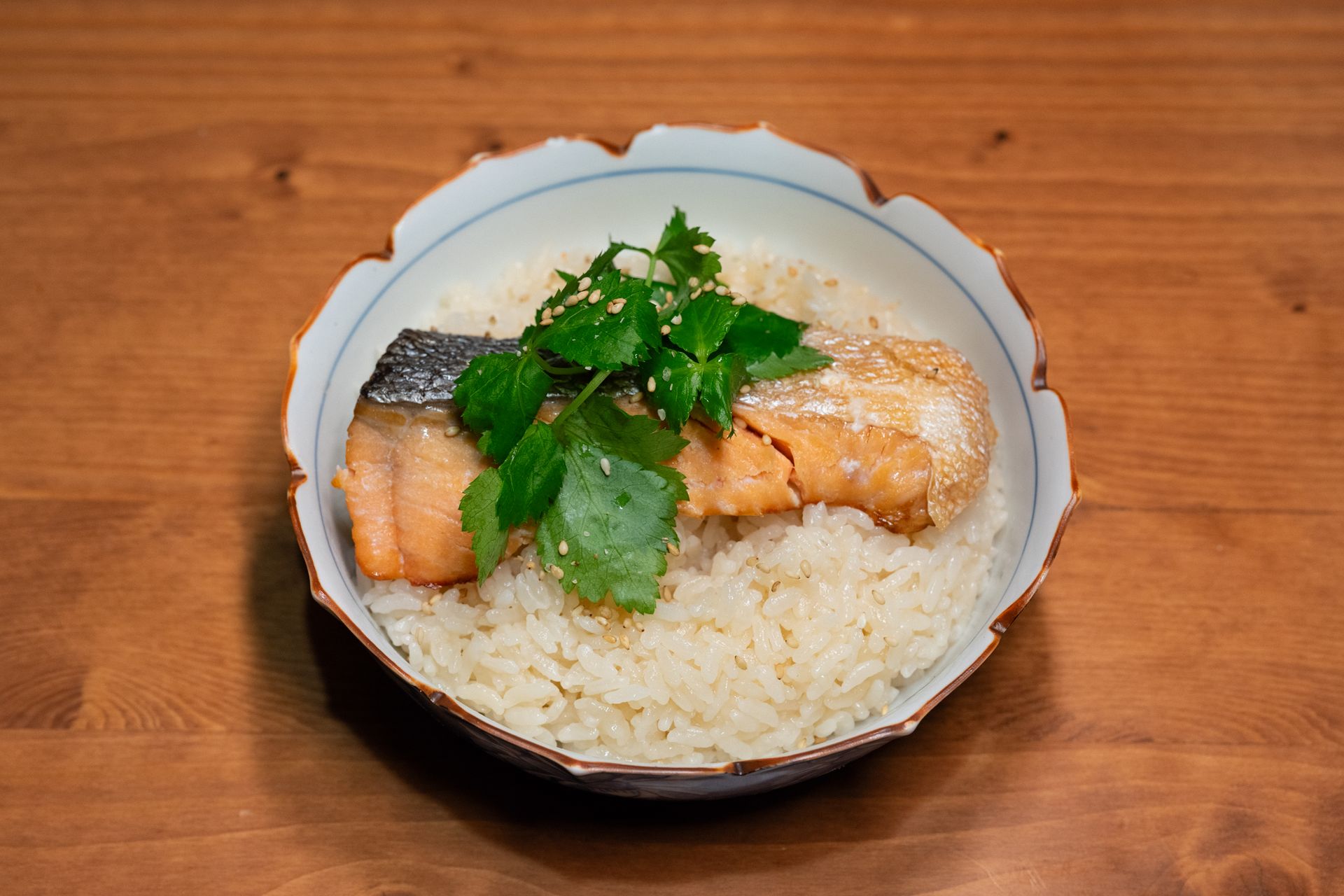
Ochazuke is the 5-minute comfort food of Japan: leftover rice topped with salmon flakes, seaweed and sesame, with hot green tea or dashi poured over it. It is light, warming and a smart way to use the last bits from yesterday. Grandparents in Japan have made it for generations. Try it on a busy morning when you want something warm.
You will need: 1 bowl cooked rice, 2 oz cooked salmon flaked, 1 tsp sesame seeds, a few strips of nori, 1 cup hot green tea or dashi, scallions, a pinch of salt.
How to make it: 1. Warm the rice and put it in a bowl. 2. Top with salmon, sesame and nori. 3. Brew hot green tea or warm dashi. 4. Pour it over the rice until almost covered. 5. Add scallions and a pinch of salt and eat with a spoon.
Tamago Sando, the Viral Egg Sandwich
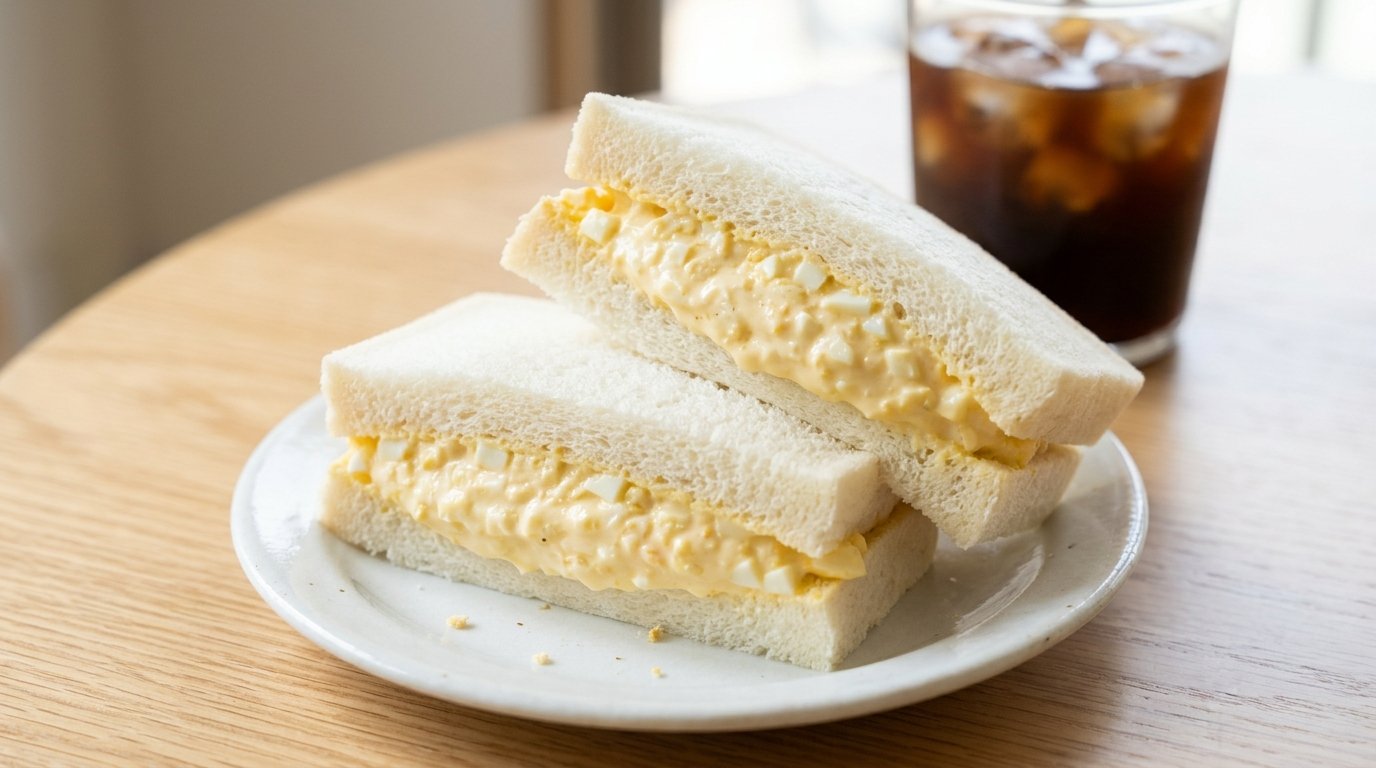
The Japanese egg salad sandwich, tamago sando, went viral because of its soft, creamy filling and fluffy white bread with the crusts cut off. The secret is Japanese-style mayo and a little sugar and milk. It is a favorite convenience store breakfast in Japan, and it is easy to make at home. Kids think it is the best egg salad ever.
You will need: 6 eggs, 1/4 cup Japanese-style mayonnaise, 1 tsp sugar, 1 tbsp milk, salt and white pepper, 8 slices soft white milk bread, soft butter.
How to make it: 1. Hard-boil the eggs 10 minutes and cool in ice water. 2. Peel and mash finely with a fork. 3. Mix in mayo, sugar, milk, salt and pepper. 4. Butter the bread and spread a thick layer of filling. 5. Cut off the crusts and slice in half.
Fluffy Souffle Pancakes, the Sweet Japanese Breakfast Star
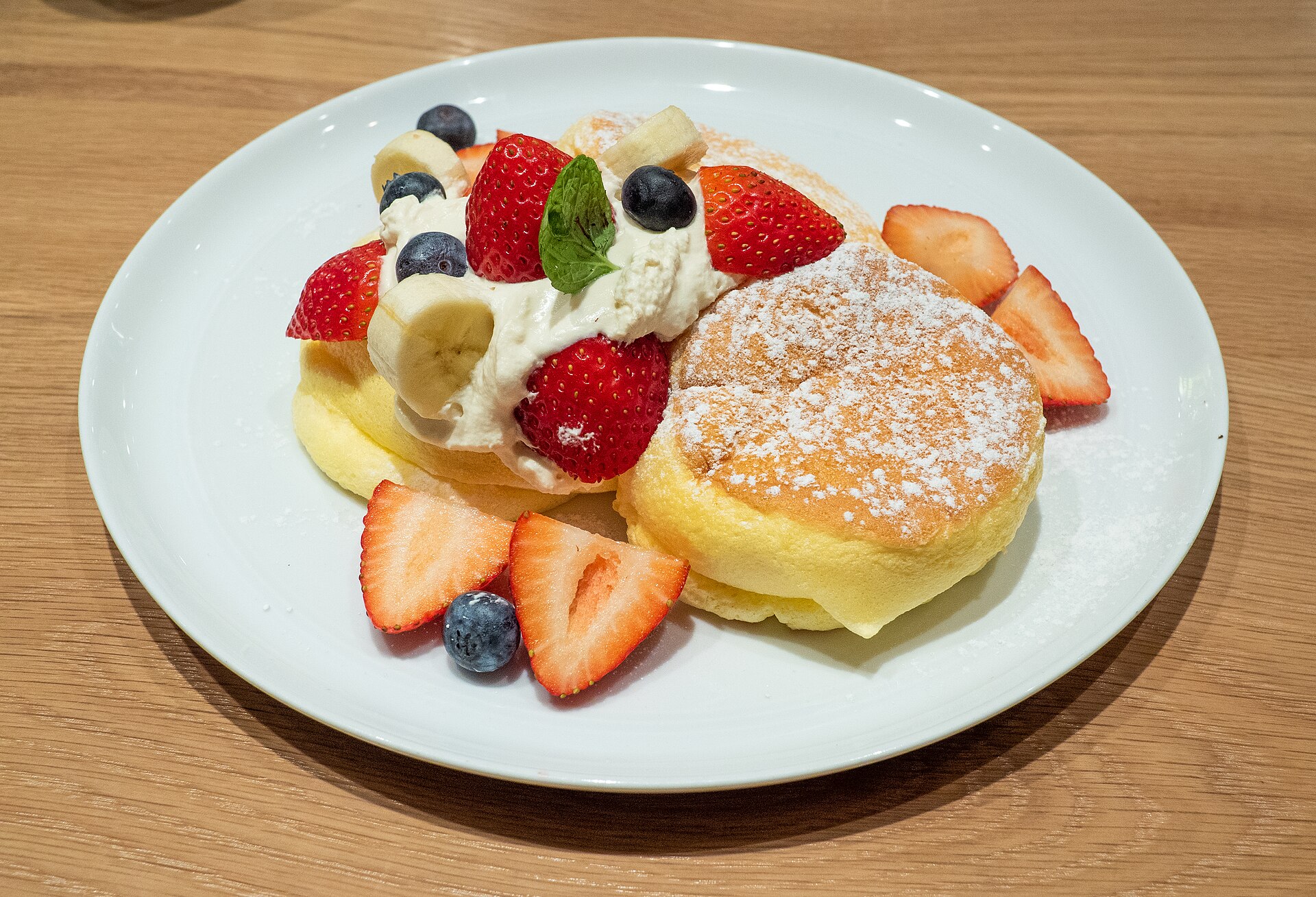
These tall, jiggly pancakes are a sweet Japanese breakfast star, and a video showing how to make them from just 2 eggs has over 23 million views on YouTube. The magic is whipped egg whites folded into the batter and cooking them low and slow with a lid. They wobble on the plate! Top with whipped cream, berries and syrup for a special weekend.
You will need: 2 egg yolks, 2 tbsp milk, 1/2 tsp vanilla, 1/4 cup flour, 1/2 tsp baking powder, 3 egg whites, 2 tbsp sugar, oil, whipped cream, berries and maple syrup.
How to make it: 1. Whisk yolks, milk, vanilla, flour and baking powder. 2. Beat whites, adding sugar, to stiff peaks. 3. Fold the whites into the yolk mix in 3 parts. 4. Scoop tall mounds into an oiled pan on low heat, add 1 tbsp water and cover 6 minutes. 5. Flip gently, cover and cook 5 minutes more.
Thick Milk Bread Toast With Butter and Honey
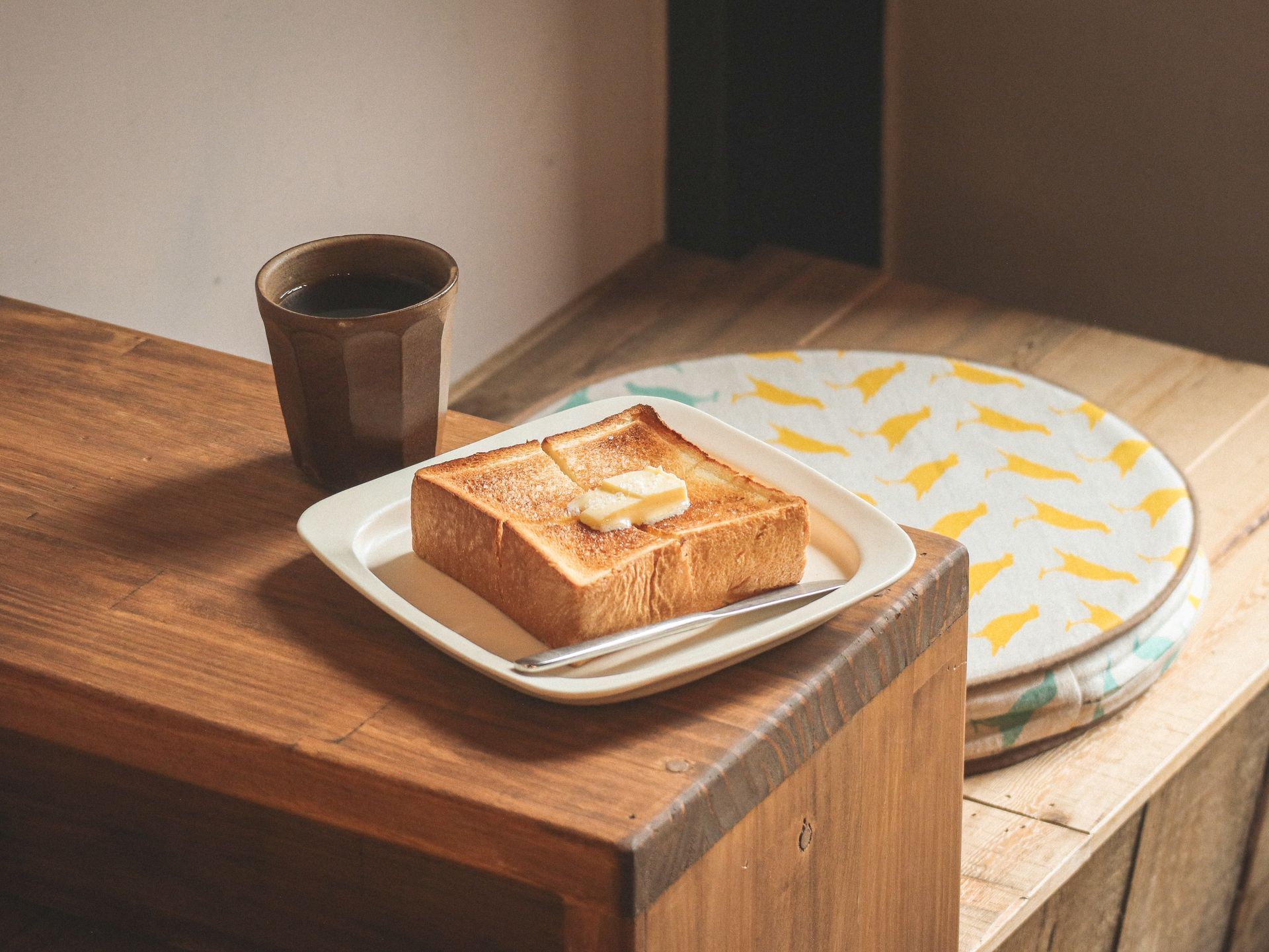
In Japanese coffee shops, the breakfast set often comes with a giant slice of fluffy milk bread toast, sometimes 2 inches thick. The outside gets golden and crunchy while the inside stays soft like a cloud. Score it so the butter and honey soak in. Cannot find milk bread? Thick-cut brioche or Texas toast works great.
You will need: 1 loaf Japanese milk bread or brioche, cut into 1 1/2 to 2-inch slices, 2 tbsp soft butter, honey, a pinch of cinnamon (optional).
How to make it: 1. Score each slice in a crosshatch, not cutting through. 2. Spread with butter into the cuts. 3. Toast in a 400 F oven or toaster oven 6 to 8 minutes until golden. 4. Drizzle with honey. 5. Dust with cinnamon and serve warm.
Fruit Sando, the Pretty Strawberry Sandwich
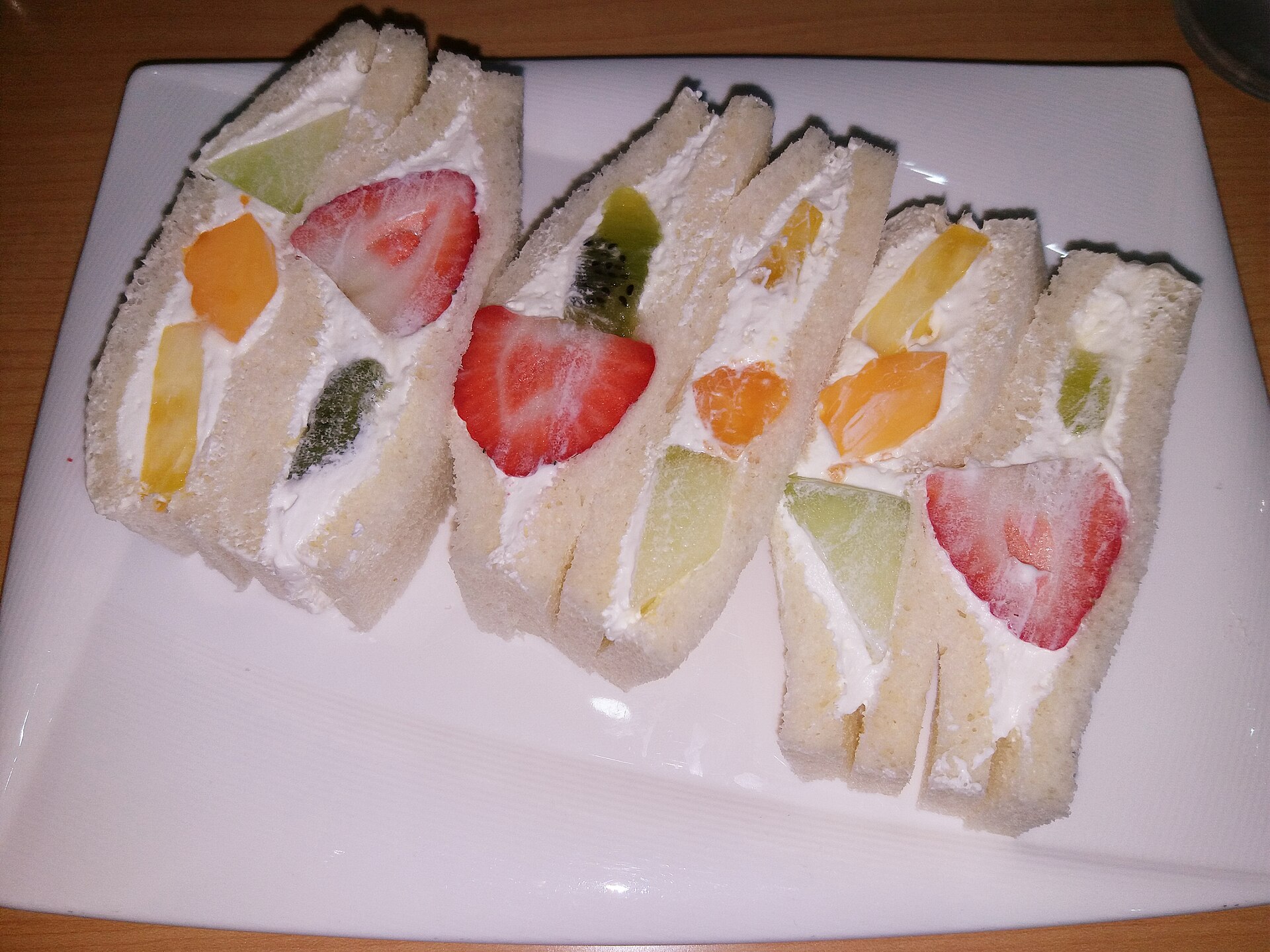
The fruit sando is soft white bread filled with lightly sweet whipped cream and whole strawberries, kiwi or mandarin, cut to show off a beautiful pattern. It is a sweet Japanese breakfast or snack treat and one of the most photographed foods online. Chill it before slicing for neat lines. Which fruit would you put in yours?
You will need: 4 slices soft white milk bread, 1 cup heavy cream, 2 tbsp sugar, 1/2 tsp vanilla, 6 strawberries, 1 kiwi peeled, 1 mandarin orange peeled.
How to make it: 1. Whip cream with sugar and vanilla to stiff peaks. 2. Spread a thick layer on 2 slices of bread. 3. Press fruit into the cream in a line where you will cut. 4. Cover with more cream and the top slices. 5. Wrap tightly, chill 1 hour, then cut through the fruit.
Green Tea to Finish the Tray
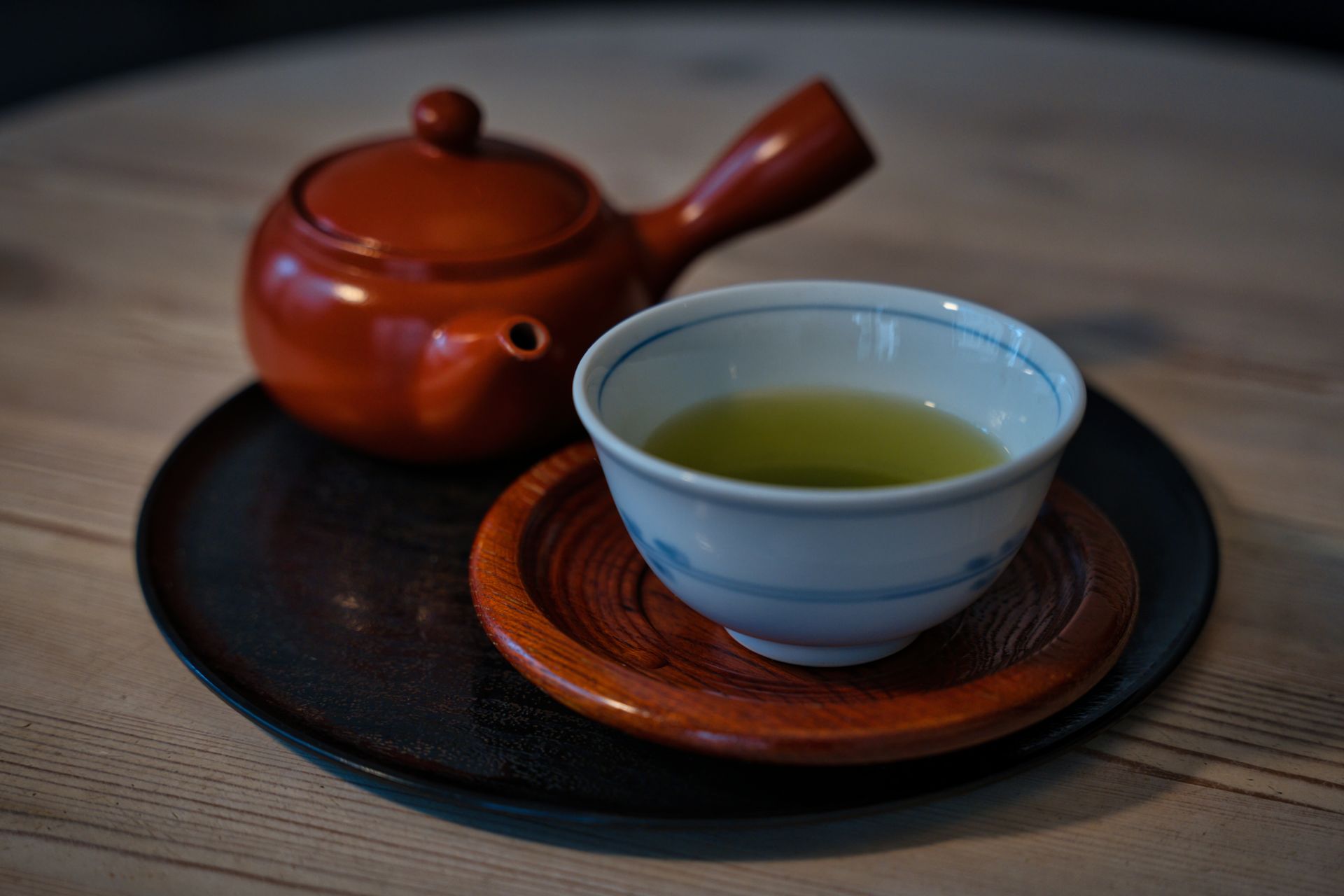
A small cup of hot green tea, or toasty hojicha, finishes a Japanese breakfast. Green tea is linked in studies to heart health, and it has less caffeine than coffee. The trick is water that is hot but not boiling, so the tea tastes sweet, not bitter. For a full weekday tray in 15 minutes: leftover rice, instant miso soup, a quick egg, pickles and tea.
You will need: 2 tsp loose sencha green tea or roasted hojicha (or 1 tea bag), 1 cup water.
How to make it: 1. Boil the water and let it cool about 2 minutes (to about 175 F for green tea; hojicha can use boiling water). 2. Warm the teapot and cup with hot water. 3. Add the tea leaves and pour in the water. 4. Steep 1 minute for green tea or 30 seconds for hojicha. 5. Pour every last drop into the cup.