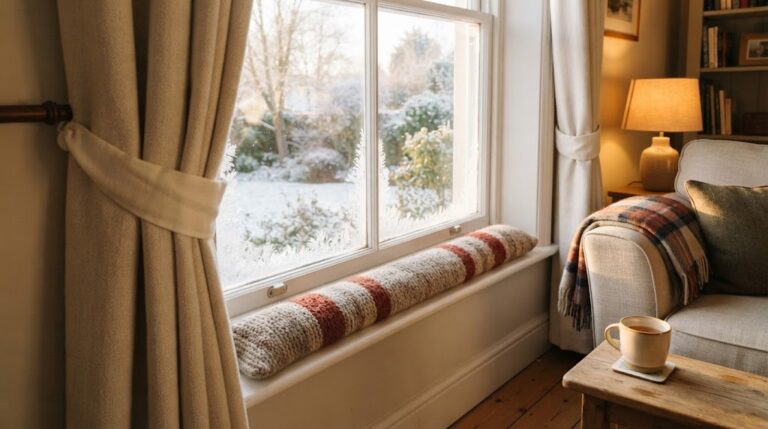
Mike Holmes Home Fixes: 13 Smart DIY Upgrades Worth Doing Before Winter Hits
Mike Holmes home fixes are all about one simple idea: do the job right the first time, and spend your money where it really counts. The Canadian contractor became famous on TV for rescuing homeowners from bad repairs, and a recent story about his advice on which upgrades are not worth the money drew nearly a thousand reactions on MSN. Readers clearly want honest, practical help. With winter on the way, the smartest projects are not the flashy ones. They are the small, cheap fixes that stop drafts, protect pipes, save energy and prevent costly damage later. This list is inspired by that make it right spirit, not endorsed by him, and every project here is a beginner friendly job you can finish in an afternoon. Grab a toolbox and start with the one that bugs you most..
Mike Holmes Home Fixes Start With Drafty Windows
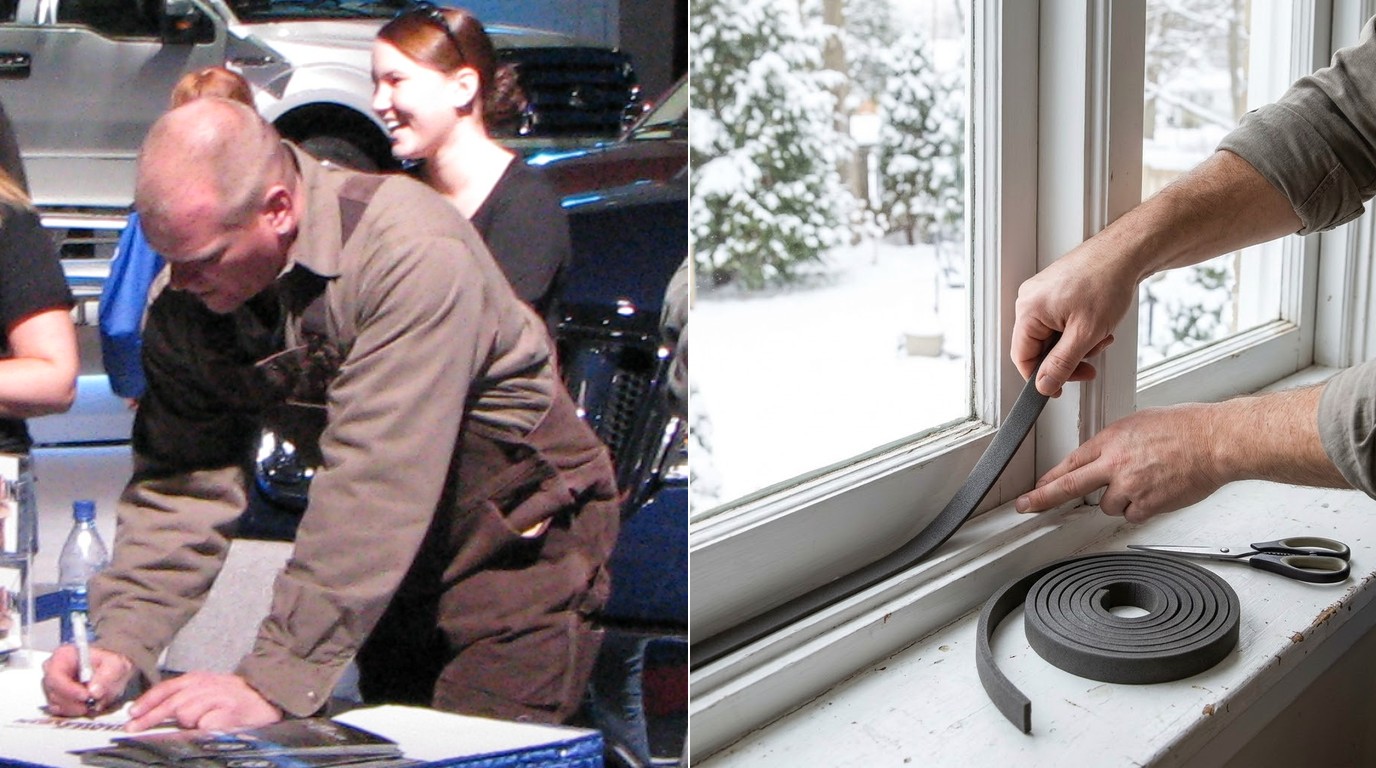
The first of these Mike Holmes home fixes is the one you can feel right away: sealing drafty windows. Cold air sneaks in around old sashes and frames, and your heater works overtime to keep up. Self adhesive foam weatherstripping pressed into the gaps can make a room feel warmer the same day. Clean the frame first so the strip sticks, and use removable rope caulk on windows you never open. Hunker shared his view on which upgrades are not worth the money, and simple sealing is the kind of fix that pays for itself. Which window in your home feels coldest..
You will need: self adhesive foam weatherstripping, removable rope caulk, scissors, rubbing alcohol and a cloth.
How to make it: 1. Wipe the window frame and sash with rubbing alcohol and let it dry. 2. Measure, cut and press the foam strip into the gaps. 3. Close the window and check for light or drafts around the edges.
Add a Sweep to the Bottom of Exterior Doors
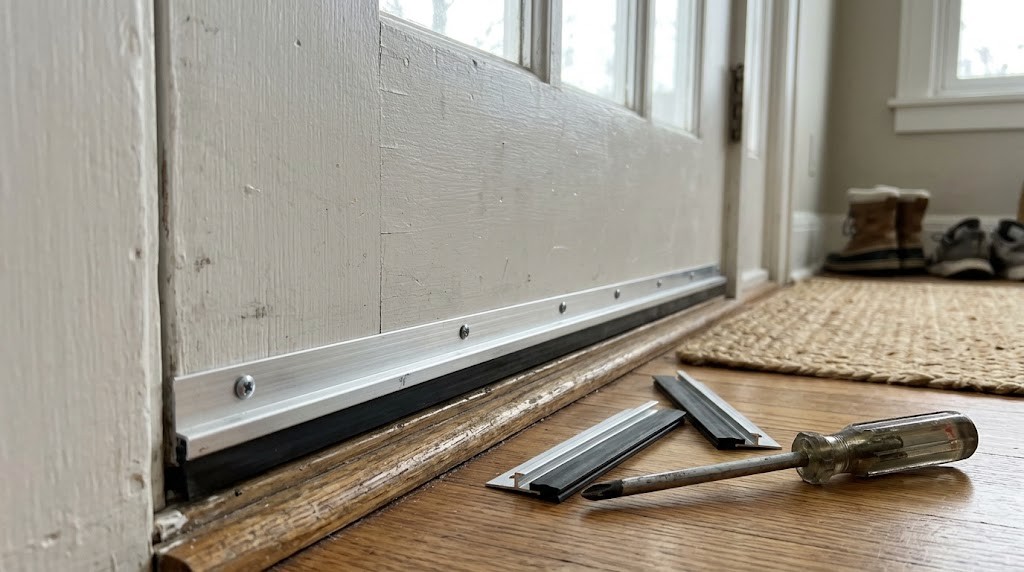
If you can see daylight under your front door, you are heating the porch. A door sweep is a strip of aluminum and rubber that screws onto the bottom of the door and brushes the threshold to block cold air, bugs and dust. It costs a few dollars and takes about fifteen minutes with a screwdriver. Close the door, mark where the sweep just touches the threshold, and screw it on. Check that the door still opens smoothly over rugs. Your entry will feel warmer tonight, and our drafty window fixes finish the job. How many outside doors does your home have?
You will need: a door sweep cut to your door width, a screwdriver or drill, a pencil, a hacksaw if it needs trimming.
How to make it: 1. Close the door and hold the sweep so the rubber just touches the threshold. 2. Mark the screw holes. 3. Screw it in place and test that the door opens and closes easily.
Mike Holmes Home Fixes: Swap the Furnace Filter
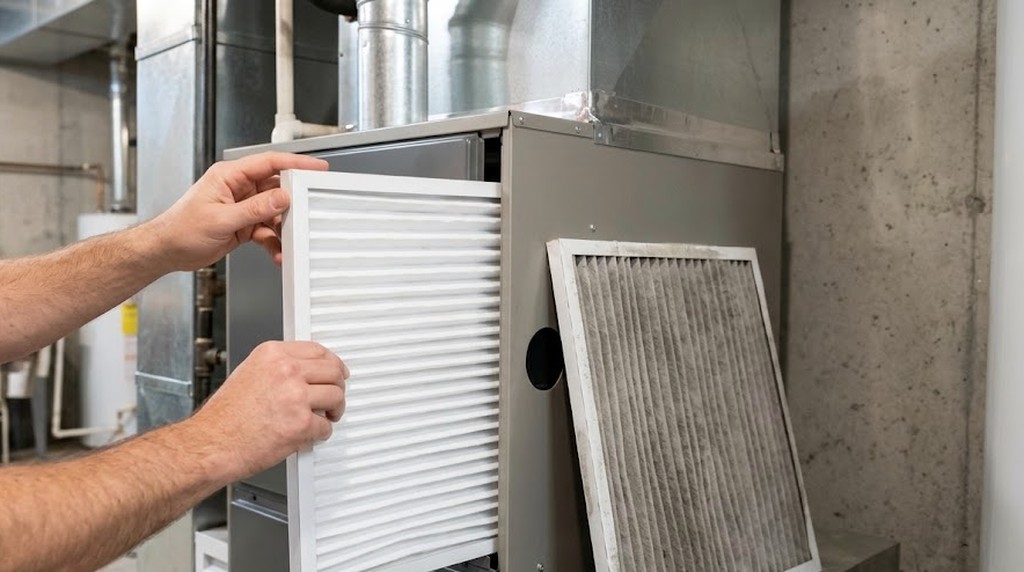
One of the easiest Mike Holmes home fixes takes two minutes: changing the furnace filter. A clogged filter makes the system work harder, costs more to run and spreads dust around the house. Turn the thermostat off, slide out the old filter, and note the size and the arrow that shows the air direction. Slide the new one in with the arrow pointing toward the furnace. Most homes need a new one every one to three months in winter. Write the date on the edge so you remember. When did you last check yours?
You will need: a new furnace filter in the right size, a marker.
How to make it: 1. Turn the thermostat off. 2. Slide out the old filter and check its size and arrow. 3. Insert the new filter with the arrow toward the furnace and write the date on it.
Wrap Exposed Pipes With Foam Sleeves
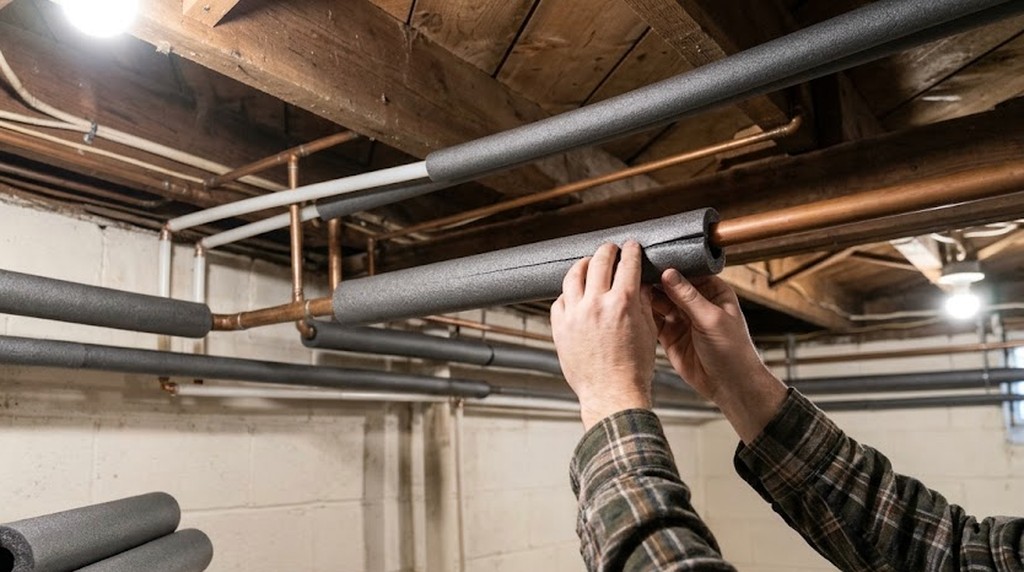
Frozen pipes can burst and flood a basement in a single cold night, and the repair bill is painful. Foam pipe sleeves are cheap and slip right over exposed water pipes in basements, crawl spaces and garages. Measure the pipe width, cut the sleeves to length with a utility knife, open the slit and press them on. Tape the seams and the joints so cold air cannot get in. Have an adult handle the knife. Focus on pipes along outside walls first. Do you know where your coldest pipes are?
You will need: foam pipe insulation sleeves in the right size, a utility knife, duct tape, a measuring tape.
How to make it: 1. Measure the pipe width and length. 2. Cut sleeves to fit and press them over the pipes, slit side down. 3. Tape the seams and corners closed.
Reverse Your Ceiling Fans for Winter
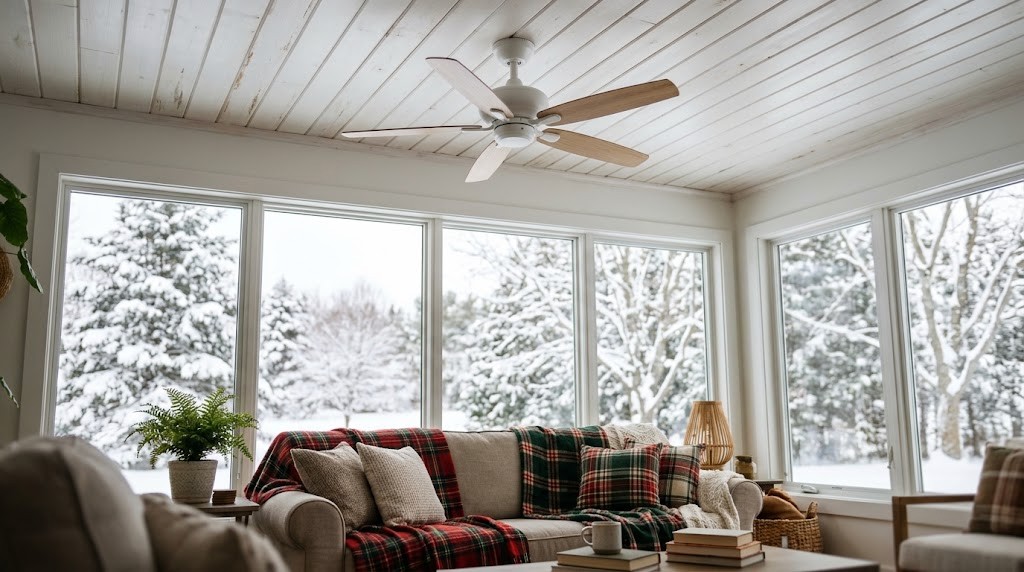
This fix costs nothing at all. Warm air rises and gets trapped near the ceiling, especially in rooms with high or vaulted ceilings. Most ceiling fans have a small switch on the motor housing that changes the blade direction. In winter, set the fan to spin clockwise on a low speed, and it gently pushes that warm air back down without a chilly breeze. Turn the fan off and let it stop completely before you flip the switch. Use a sturdy step stool, never a chair. Could your living room use a little extra warmth?
You will need: a sturdy step stool, a soft cloth to dust the blades while you are up there.
How to make it: 1. Turn the fan off and wait until the blades stop. 2. Flip the direction switch on the motor housing. 3. Turn it on low and check that the blades spin clockwise from below.
Mike Holmes Home Fixes Outside: Gutters and Downspout Extensions
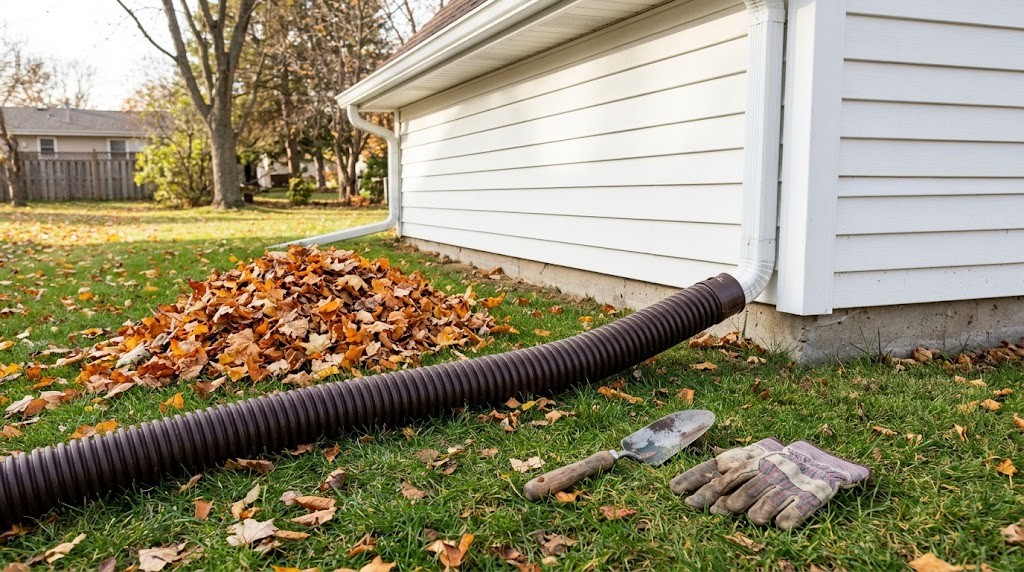
Water is a house’s worst enemy, and many Mike Holmes home fixes come back to keeping it away from the foundation. Clear fallen leaves from your gutters before the first freeze so melting snow can drain instead of backing up into ice dams. Then add a downspout extension so water lands several feet from the house, not right next to the basement wall. Flexible extensions cost a few dollars and snap right on. For gutters, always have a second person hold the ladder, or hire help for a second story. Where does the water go at your house when it rains?
You will need: work gloves, a garden trowel or gutter scoop, a bucket, a flexible downspout extension, a helper for the ladder.
How to make it: 1. With a helper steadying the ladder, scoop leaves out of the gutters. 2. Flush with a hose to check the flow. 3. Attach a downspout extension that points water away from the house.
Re-Caulk the Tub and Shower
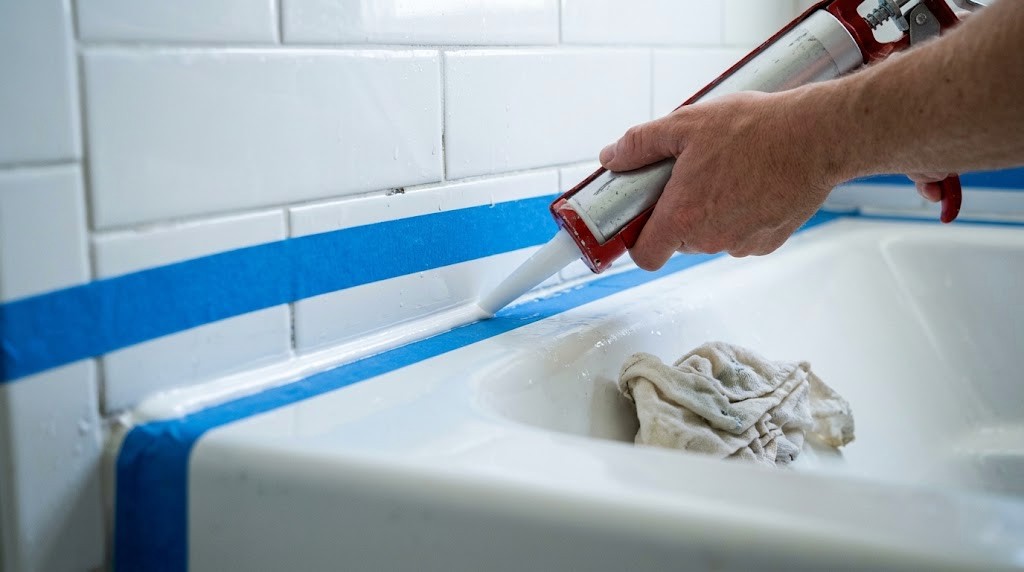
Cracked, moldy caulk around a tub is not just ugly, it lets water seep behind the tiles and rot the wall. Scrape out the old caulk, clean the joint well and let it dry completely. Then run strips of painter’s tape on both sides of the joint for a crisp line, apply a thin bead of fresh silicone caulk and smooth it with a wet fingertip. Pull the tape while the caulk is still wet and let it cure for a day. Your bathroom will look new. Is your tub joint looking tired?
You will need: a caulk remover tool or plastic scraper, rubbing alcohol, painter’s tape, tub and tile silicone caulk, a caulk gun, a damp cloth.
How to make it: 1. Remove the old caulk and clean the joint, then let it dry. 2. Tape both sides of the joint and run a thin bead of caulk. 3. Smooth it, pull the tape and wait 24 hours before showering.
Mike Holmes Home Fixes in the Bathroom: Stop a Running Toilet
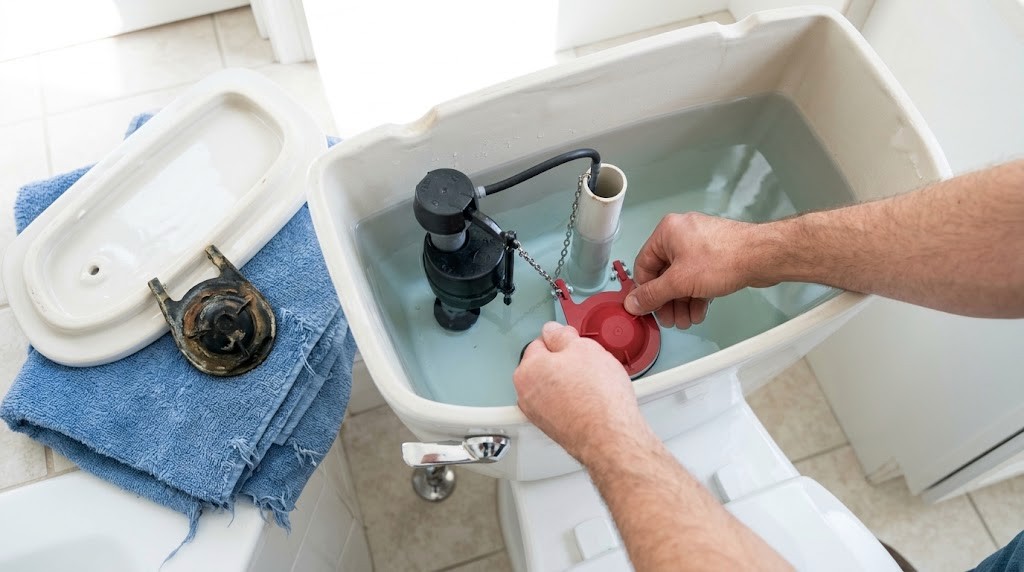
A toilet that keeps running can waste a shocking amount of water, and the fix is usually a worn rubber flapper. This is one of those Mike Holmes home fixes that feels like a pro job but takes ten minutes. Turn off the water valve behind the toilet, flush to empty the tank, unhook the old flapper and take it to the store so you buy a match. Snap the new one on, clip the chain with a little slack, and turn the water back on. Silence at last. Is a toilet in your house whispering all night?
You will need: a replacement toilet flapper, rubber gloves, a towel.
How to make it: 1. Turn off the water and flush to empty the tank. 2. Remove the old flapper from its two side pegs and unclip the chain. 3. Fit the new flapper, clip the chain with a little slack and turn the water back on.
Weatherstrip and Insulate the Attic Hatch
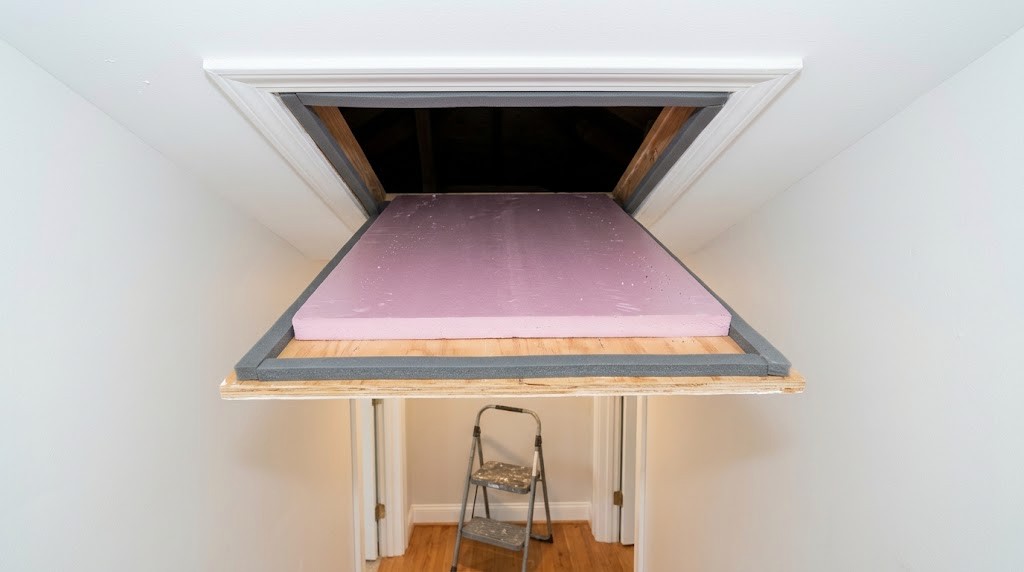
An attic hatch is often just a thin piece of plywood sitting in a hole in your ceiling, and warm air pours right through it. Line the edge of the hatch frame with foam weatherstripping so it seals when it closes, then glue a piece of rigid foam board to the top of the hatch panel. It is a quick weekend job with a big payoff in comfort. Wear a mask and gloves if you reach into the attic, and use a sturdy step ladder with a helper. Do you know where your attic hatch is?
You will need: foam weatherstripping, a rigid foam insulation board, construction adhesive safe for foam, a utility knife, a step ladder, gloves and a mask.
How to make it: 1. Clean the frame and stick weatherstripping all the way around it. 2. Cut foam board to fit the top of the hatch panel and glue it on. 3. Close the hatch and check that it sits snugly.
Heavy Curtains on a Tension Rod for Cold Rooms
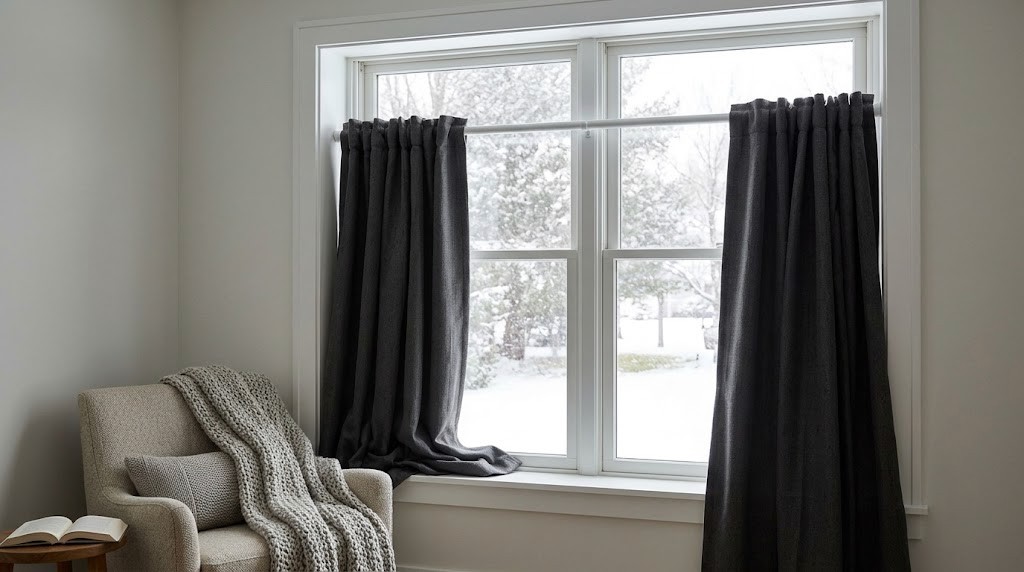
A thick pair of thermal curtains can make a cold bedroom noticeably cozier, especially at night. If you rent or do not want to drill holes, hang them on a tension rod fitted inside the window frame. Open them on sunny days to let the warmth in, then close them at dusk to hold the heat. Dark, heavy fabric also blocks light for better sleep. It is one of the cheapest ways to fix a chilly room without any tools. Which room in your home is always the coldest?
You will need: thermal or blackout curtains, a tension rod sized to your window frame.
How to make it: 1. Measure the inside width of the window frame. 2. Slide the curtains onto the tension rod. 3. Twist the rod until it fits snugly inside the frame.
Mike Holmes Home Fixes for Tired Tile: A Grout Pen
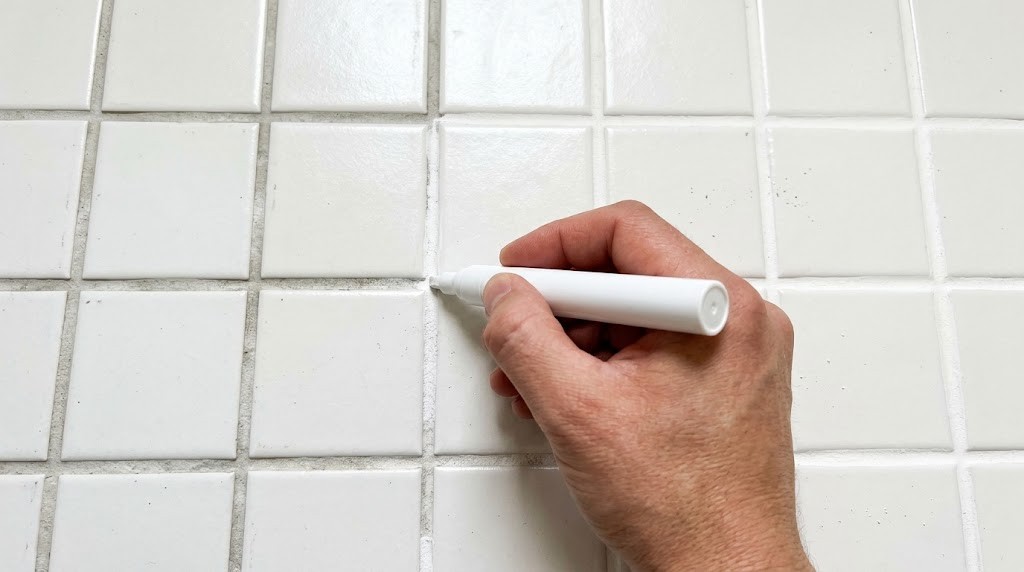
Dingy gray grout can make a clean bathroom look dirty, but you do not need to regrout the whole floor. Among the easiest Mike Holmes home fixes is a grout pen, which paints a fresh white or colored coat right onto the old grout lines. Scrub the grout with a stiff brush and a mild cleaner first, let it dry, then run the pen along each line. Wipe any extra off the tiles with a damp cloth right away. A whole floor takes an evening, and the change is dramatic. Ready to give your tiles a facelift?
You will need: a grout pen in white or your color, a stiff brush, mild cleaner, a damp cloth.
How to make it: 1. Scrub and rinse the grout and let it dry overnight. 2. Run the grout pen along each line. 3. Wipe extra off the tile edges right away and let it dry.
The Foil Square Basement Moisture Test
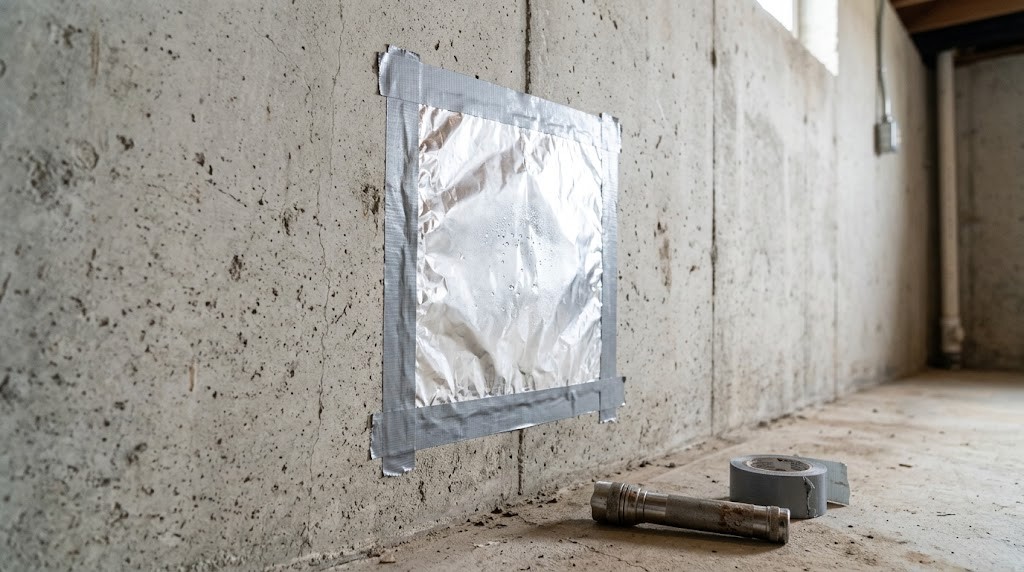
Is that damp basement smell coming through the walls or from the air? A simple test tells you. Tape a square of aluminum foil tightly to the bare concrete wall, sealing all four edges, and leave it for two or three days. If moisture forms on the outside of the foil, the air in the room is too humid and a dehumidifier will help. If moisture forms on the side touching the wall, water is coming through the concrete, and it is time to check gutters, grading and drainage. Why not test your basement this week?
You will need: aluminum foil, duct tape, a flashlight.
How to make it: 1. Tape a 12 inch square of foil tightly to the bare wall on all four sides. 2. Wait two or three days. 3. Peel it back and check which side is damp.
Mike Holmes Home Fixes for the Entry: A Pebble Boot Tray
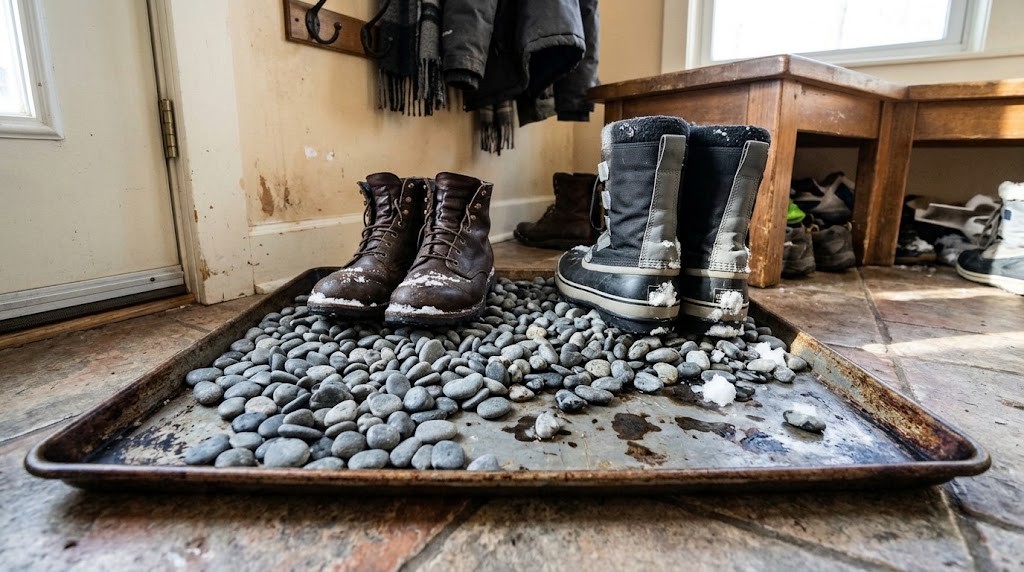
Our last pick is a cheap, clever way to protect your floors all winter. It follows the golden rule behind so many Mike Holmes home fixes: stop the damage before it starts. Fill a large rimmed baking sheet with smooth river pebbles and set it by the door. Wet, snowy boots sit on the stones so the melt drains underneath instead of soaking into the floor or rug. Rinse the stones every few weeks and dry the tray. It looks rustic and tidy, and it saves hardwood floors from water stains. Where do the boots pile up in your house?
You will need: a large rimmed baking sheet or tray, washed river pebbles, a towel for drying.
How to make it: 1. Place the tray on a mat near the door. 2. Pour in a single layer of pebbles. 3. Rinse the stones and dry the tray every few weeks.