14 Annoying Home Problems You Can Fix Yourself in Minutes
Annoying home problems have a sneaky way of wearing you down. The door that squeaks every time the baby finally falls asleep. The drawer that sticks when you are already late. The tiny hole in the wall that stares at you from across the room. You walk past them every day and tell yourself you will call someone soon, but most of these little headaches take only a screwdriver, a bar of soap or a bit of patience to fix. Home repair videos showing these quick wins have pulled in millions of views this year, and it is easy to see why. Each fix for these annoying home problems takes about the time of a coffee break. Grab a small toolbox, pick the problem that bugs you most and get ready to feel like a hero in your own home..
Annoying Home Problems Start With a Loose, Squeaky Hinge
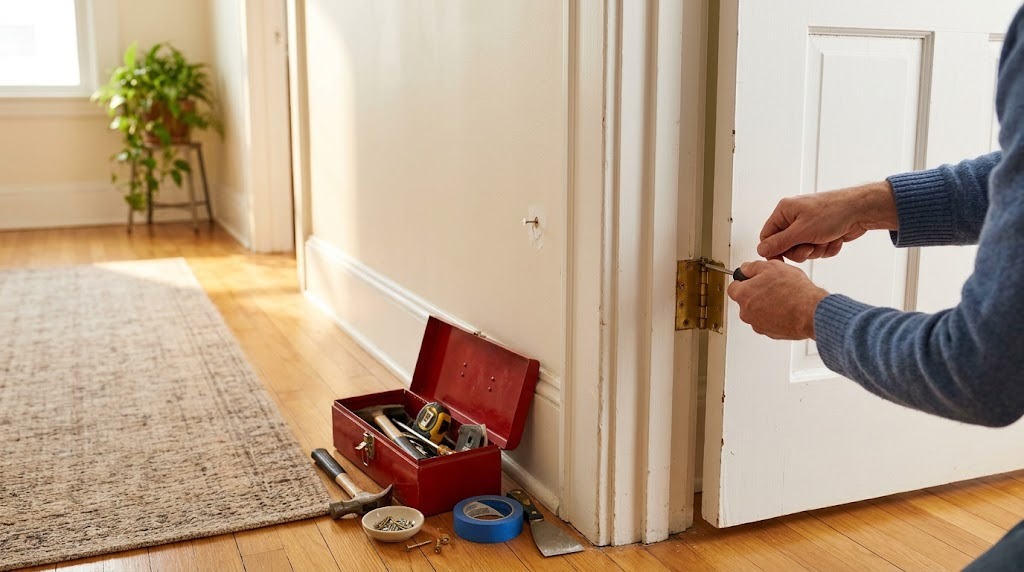
That loud creak when you open the bedroom door at night is one of the most common annoying home problems, and it is usually the easiest to fix. Most squeaks come from a dry hinge pin or loose screws. Tightening the screws often quiets the door right away. If it still squeaks, the pin needs a little lubricant. A plain bar of soap or a dab of petroleum jelly works well and will not drip on your floor. The whole job takes less than ten minutes and needs no special skills. Ready to finally sneak past a sleeping house..
You will need: A screwdriver that fits your hinge screws, a hammer, a large nail, a bar of soap or petroleum jelly, a soft rag.
How to make it: 1. Tighten every hinge screw on the door and the frame. 2. If it still squeaks, close the door and tap the hinge pin up and out with a nail and hammer. 3. Rub soap or a thin layer of petroleum jelly along the pin. 4. Tap the pin back in, swing the door a few times and wipe off any extra.
Fix a Door That Sticks to the Frame
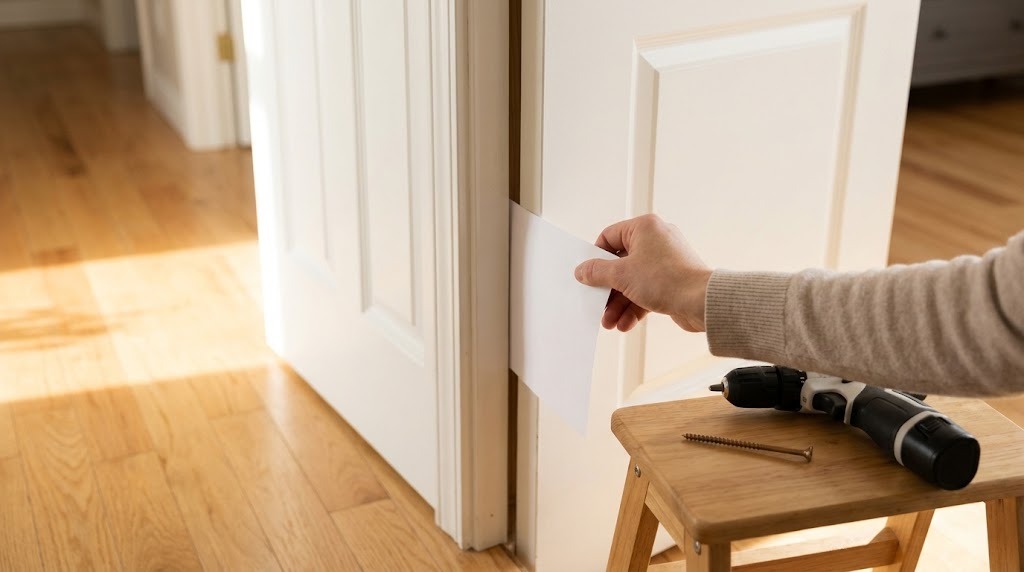
A door that rubs and sticks makes you shove it with your shoulder every morning. Before you think about sanding or planing, check the top hinge. When its screws work loose, the door sags and drags on the frame. Swapping one short screw for a long one that bites into the wall stud pulls the door back into line. A sheet of paper slid along the gap shows you exactly where it rubs. This little trick shows up in one of the most watched door fix videos on YouTube for a reason. Will your door swing free tonight?
You will need: A drill or screwdriver, one 3 inch wood screw, a sheet of printer paper, a pencil.
How to make it: 1. Close the door and slide paper around the edges to find where it rubs. 2. Remove one screw from the top hinge, on the frame side. 3. Drive the long screw into that hole so it grabs the stud behind. 4. Test the door and repeat on a second screw if needed.
Annoying Home Problems Like a Door That Won’t Latch
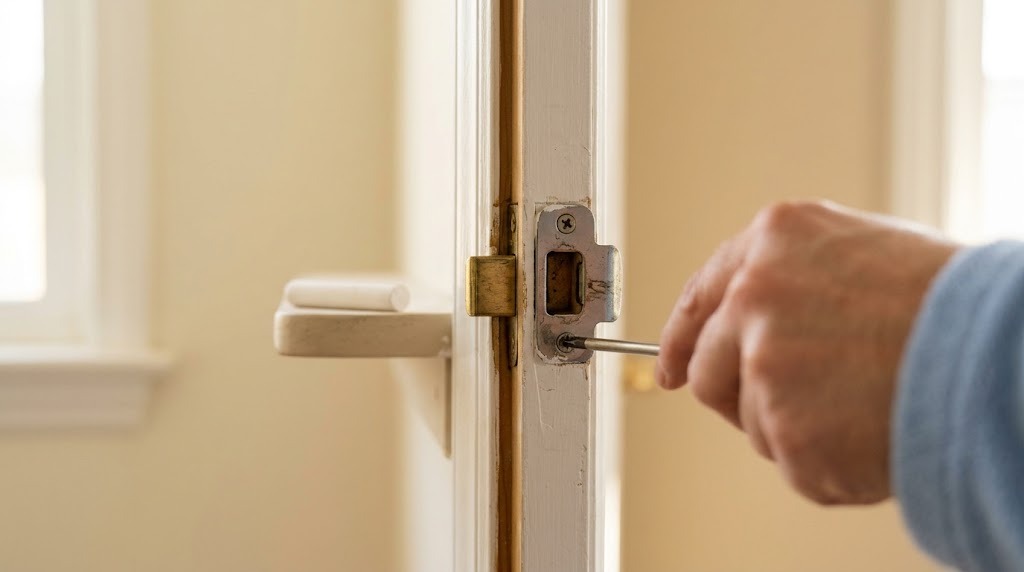
You close the door, it bounces back open and the cat walks right in. When a door will not latch, the latch bolt is usually missing the strike plate by just a hair. Houses settle, doors shift, and suddenly that little metal plate is in the wrong spot. You can see the problem by rubbing a bit of lipstick or chalk on the latch, closing the door and looking for the mark. Then you either nudge the plate or file the opening a little wider. It is a fix that feels oddly satisfying. Which door in your house refuses to stay shut?
You will need: Chalk or an old lipstick, a screwdriver, a small metal file, a pencil.
How to make it: 1. Rub chalk on the end of the latch bolt. 2. Close the door gently, then open it and look at the mark on the strike plate. 3. If the mark is just off the hole, file the inside edge of the opening wider. 4. If it is far off, unscrew the plate, move it and screw it back.
Patch Small Nail Holes in Five Minutes
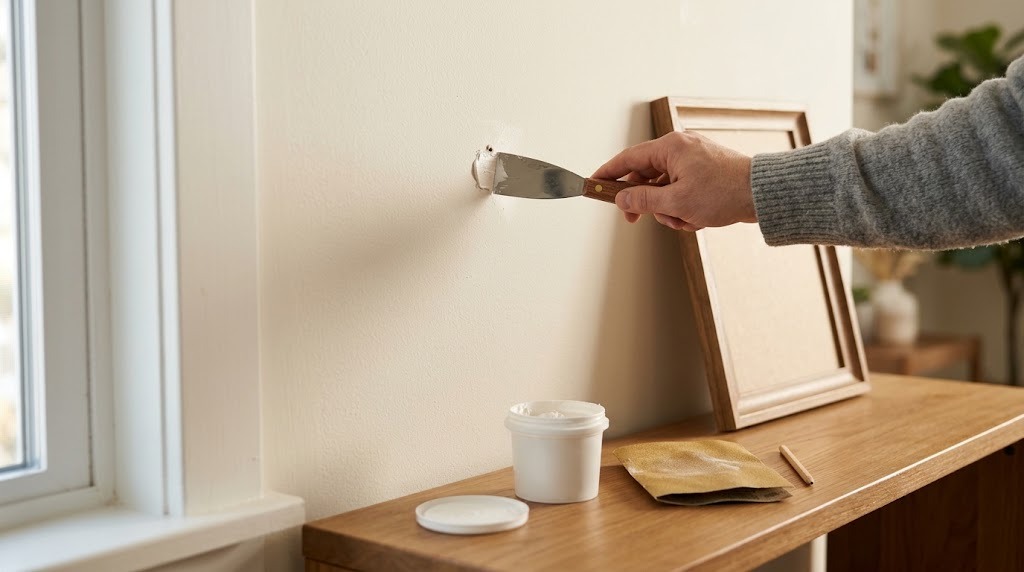
Every time you move a picture, you leave a little hole behind. Nail holes are tiny, but they jump out at you on a freshly painted wall. The good news is these annoying home problems are the fastest fix on this list. A fingertip of lightweight spackle, a quick swipe with a putty knife and a light sanding are all it takes. If you saved leftover paint, a small brush makes the spot disappear. Renters love this one before move out day. How many holes are hiding behind your frames right now?
You will need: Lightweight spackle, a small putty knife, fine sandpaper, a damp cloth, leftover wall paint and a small brush.
How to make it: 1. Press a little spackle into the hole with the putty knife. 2. Scrape the knife flat across the wall to remove extra. 3. Let it dry, then sand lightly until smooth. 4. Wipe the dust and dab on a little matching paint.
Cover a Bigger Drywall Hole With a Patch
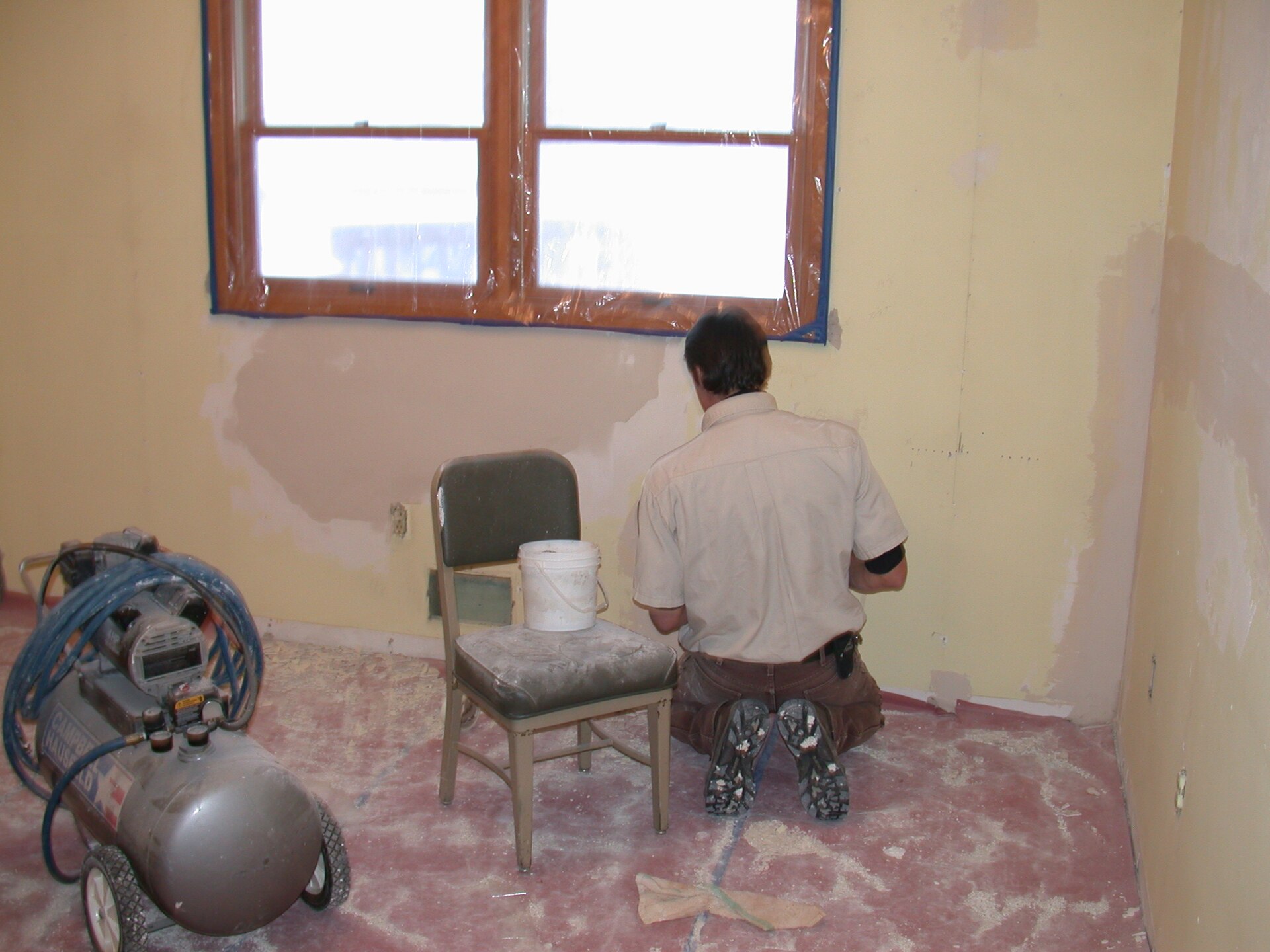
A doorknob slammed into the wall, and now there is a hole the size of a fist. Of all the annoying home problems, this one looks the scariest, but a self-adhesive mesh patch makes this job friendly for beginners. The patch sticks right over the hole and gives the joint compound something to hold on to. Thin layers are the secret. Spread a little, let it dry, then add a wider layer and feather the edges. A doorstop afterward keeps it from happening again. Patching videos like this have millions of views, so you are in good company. Ready to make that wall look brand new?
You will need: A self-adhesive mesh wall patch, joint compound, a 6 inch putty knife, fine sandpaper, primer and paint.
How to make it: 1. Trim loose paper around the hole. 2. Press the mesh patch over the hole. 3. Spread a thin coat of compound and let it dry. 4. Add a second wider coat, feather the edges, sand, prime and paint.
Lift a Sagging Cabinet Door
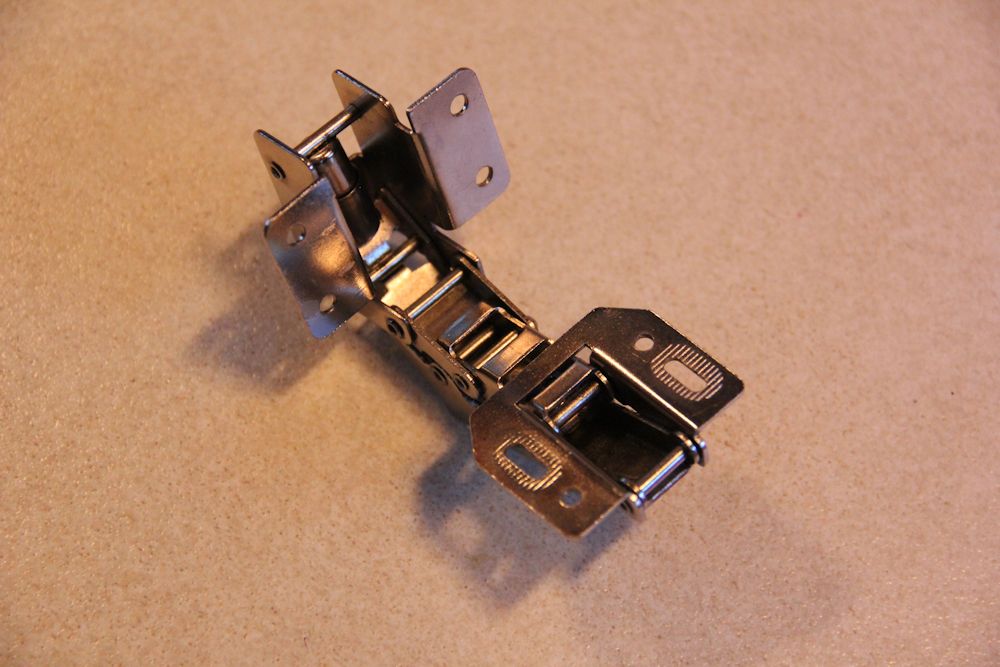
Kitchen cabinets hide their own annoying home problems. One door sits lower than the rest and bumps its neighbor every time you close it. Most modern cabinets use hidden hinges with small adjustment screws built right in. A quarter turn here and there can lift the door, slide it sideways or pull it closer to the frame. It feels a bit like solving a puzzle, and the result looks so neat. If a hinge screw spins without biting, a wooden toothpick and a drop of wood glue fill the hole. Which crooked door will you line up first?
You will need: A screwdriver, wooden toothpicks, wood glue, a level or a ruler.
How to make it: 1. Open the door and find the adjustment screws on the hinge. 2. Turn the side screw to move the door left or right. 3. Turn the front screw to raise or lower it. 4. Close the door, check the gaps and adjust until all doors line up.
Annoying Home Problems at Dinner: A Wobbly Table Leg

Among small annoying home problems, nothing ruins a family dinner like a table that rocks every time someone leans on it. Wobbly tables usually have loose bolts or corner brackets under the top. Flip the table over on a soft blanket and you will often find a screw that has backed out over the years. Tighten everything you can find. If one leg is simply shorter, a felt pad or a cork slice makes up the difference. It is a five minute job that makes meals calmer. When did your table last get a checkup?
You will need: A screwdriver or wrench, an old blanket, felt furniture pads, a cork if needed.
How to make it: 1. Lay a blanket on the floor and set the table upside down. 2. Tighten every bolt and bracket screw. 3. Turn it upright and test it on a flat spot. 4. Stick a felt pad under any short leg until it sits still.
Unstick a Drawer That Drags
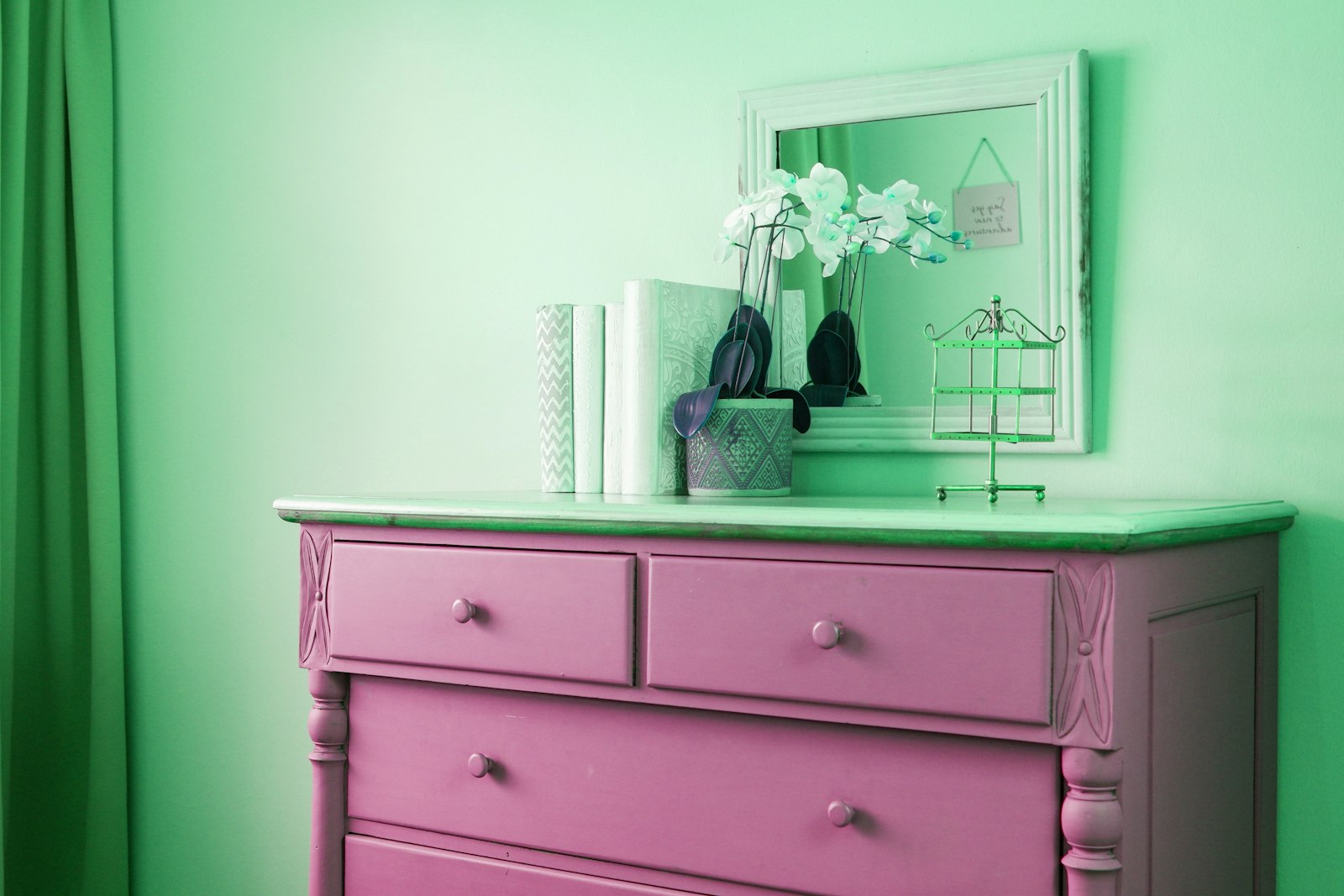
Sticky drawers are classic annoying home problems, and some fight you every single time. On older wooden furniture, the runners simply get dry and grabby. Rubbing them with a white candle stub or a bar of soap makes them glide again, and you never need to light the candle. For drawers with metal slides, a quick clean of dust and crumbs often does the trick. Take the drawer out, wipe the tracks and slide it back. The difference is instant. Which drawer in your home needs a little love?
You will need: An unlit white candle stub or a dry bar of soap, a soft cloth, a small brush.
How to make it: 1. Pull the drawer all the way out. 2. Brush dust and crumbs out of the opening and off the runners. 3. Rub the candle or soap along the wood runners and the bottom edges. 4. Slide the drawer back in and open it a few times to spread the wax.
Tighten a Loose Towel Bar
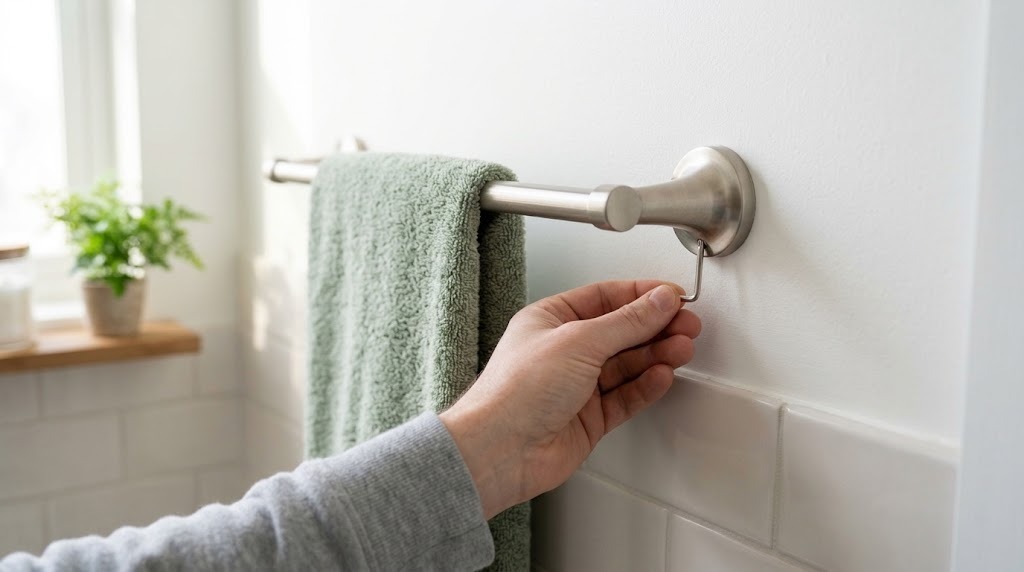
A towel bar that wiggles every time you grab a towel is one of those annoying home problems that slowly gets worse. Most bars hold on with a tiny set screw under each end. Give it a turn with a small hex key and the bar often snaps tight again. If the wall anchors have pulled loose, swap them for stronger ones made for drywall. Ask an adult helper to hold the bar steady while you work. It takes just a few minutes and saves your wall. Is your towel bar hanging on by a thread?
You will need: A small hex key set, a screwdriver, two drywall anchors, a pencil.
How to make it: 1. Look under each end of the bar for a tiny set screw. 2. Tighten it with the hex key. 3. If the bracket itself moves, remove it and replace the old anchors. 4. Screw the bracket back on and slide the bar into place.
Hide Annoying Home Problems Like Scratches on Wood Floors
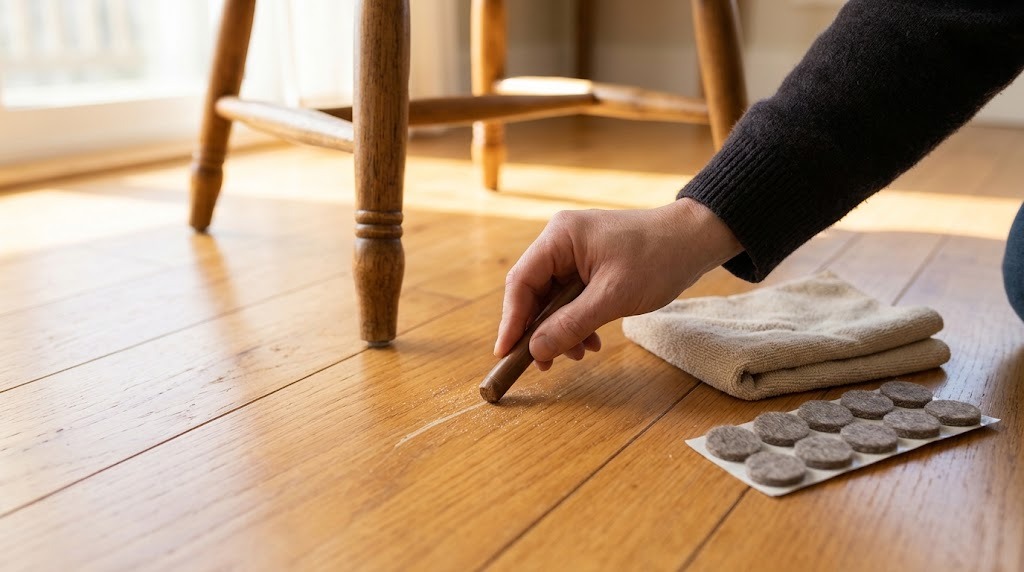
Floor scuffs are everyday annoying home problems. Pets, chairs and moving day all leave their marks on wood floors. Light scratches only scuff the finish, and a wood repair marker in a matching color hides them in seconds. Deeper scratches need a wax filler stick, which you rub in and buff flat with a soft cloth. Test the color in a closet corner first so you get a close match. After that, felt pads under chair legs keep new scratches away. Your floors will look loved, not worn. Which room shows the most scuffs at your place?
You will need: A wood repair marker, a wax filler stick in a matching shade, a soft cloth, felt chair pads.
How to make it: 1. Clean the scratch with a dry cloth. 2. Color light scratches with the marker and wipe off extra. 3. Rub the wax stick into deeper scratches, then buff flat. 4. Add felt pads to all chair legs.
Remove a White Water Ring From Wood
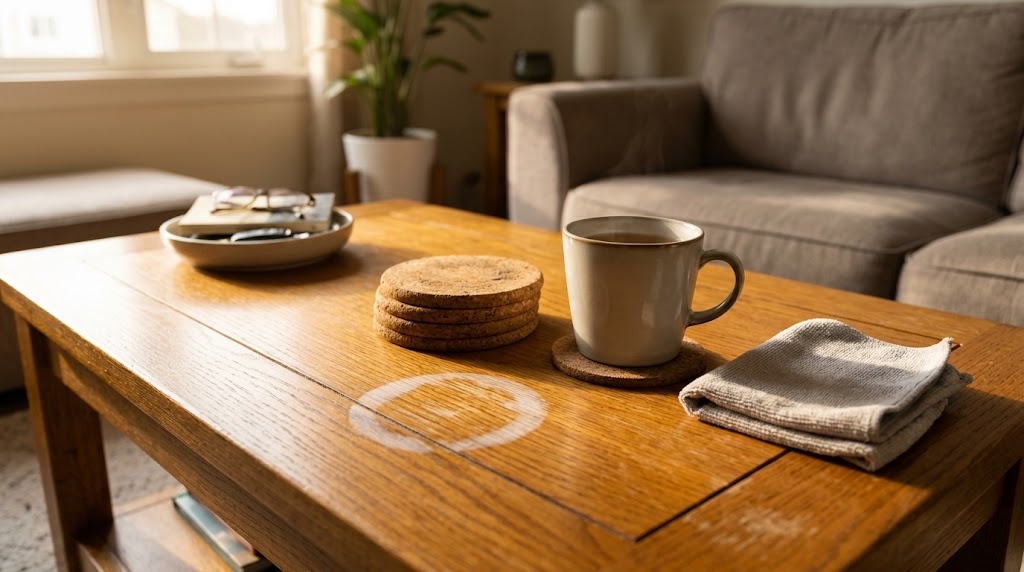
Someone forgot a coaster, and now a cloudy white ring sits right in the middle of your coffee table. That white mark is moisture trapped in the finish, not a true stain. Gentle warmth helps the moisture escape. A hair dryer on low, held a few inches away and kept moving, often makes the ring fade before your eyes. Have an adult handle the dryer and check the wood often so it never gets hot. Then rub in a little furniture polish. Coasters forever after, right?
You will need: A hair dryer, a soft cloth, furniture polish, a set of coasters.
How to make it: 1. Set the dryer to low heat. 2. Hold it a few inches from the ring and keep it moving. 3. Stop every minute to check the wood. 4. Once the ring fades, let the table cool and buff in polish.
Stop Annoying Home Problems Like Drafts Under Doors
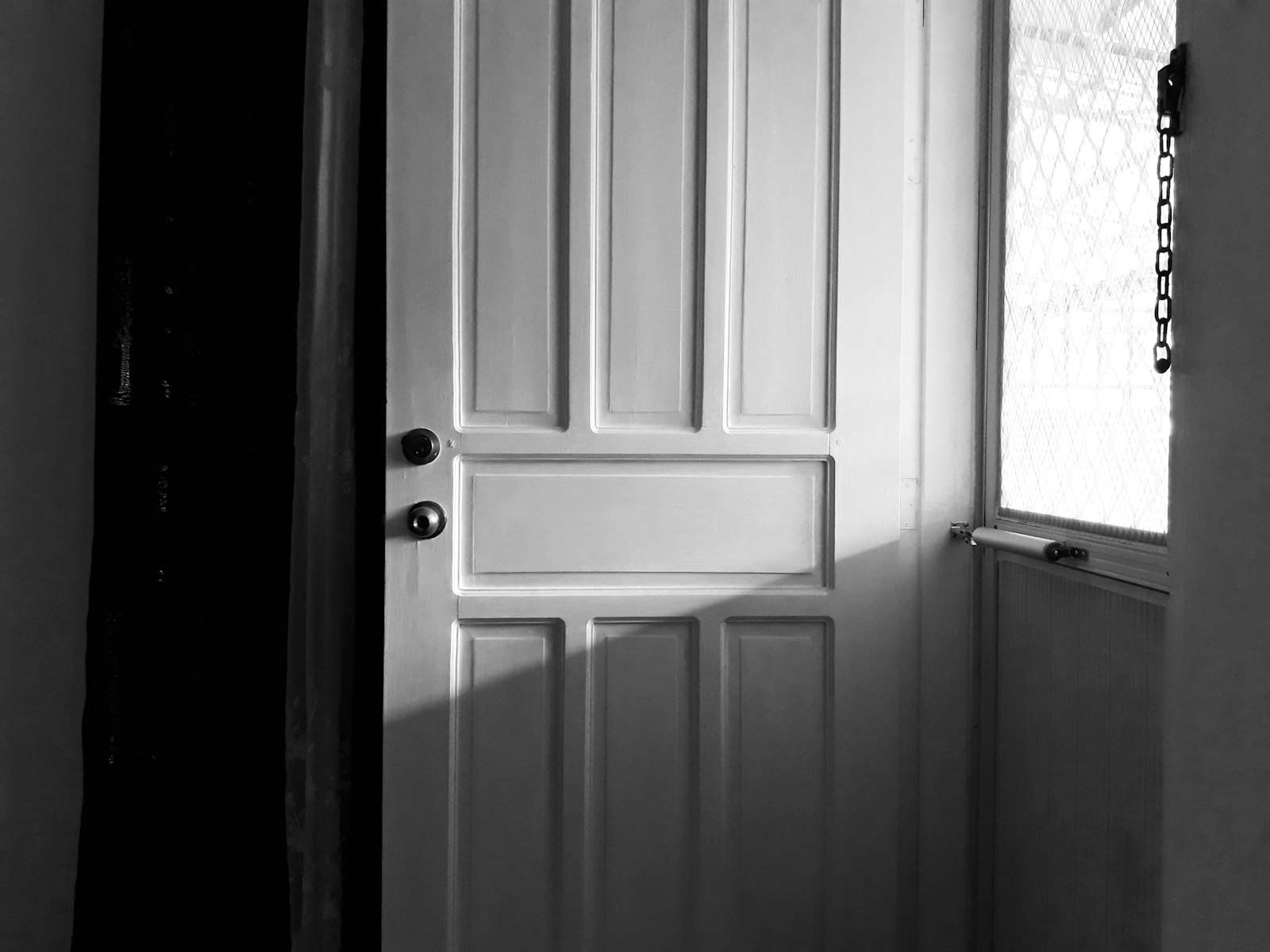
Drafts are sneaky annoying home problems. Cold air sneaking under the front door can make a whole room feel chilly and push up your heating bill. A slide-on or screw-on door sweep seals that gap in minutes. For inside doors, a fabric draft stopper filled with rice is cozy and cute. Hold your hand near the bottom of the door on a windy day to find the leaks. Fixing just one door makes a big difference when winter hits. For more cozy upgrades that do not cost much, see these dollar store decor ideas. Which door lets in the most cold air?
You will need: A door sweep cut to your door width, a screwdriver, a pencil, a hacksaw if trimming is needed.
How to make it: 1. Measure the door width and trim the sweep to fit. 2. Close the door and hold the sweep so it lightly touches the floor. 3. Mark the screw holes with a pencil. 4. Screw the sweep in place and test that the door still swings freely.
Refresh Tired Old Caulk in the Tub
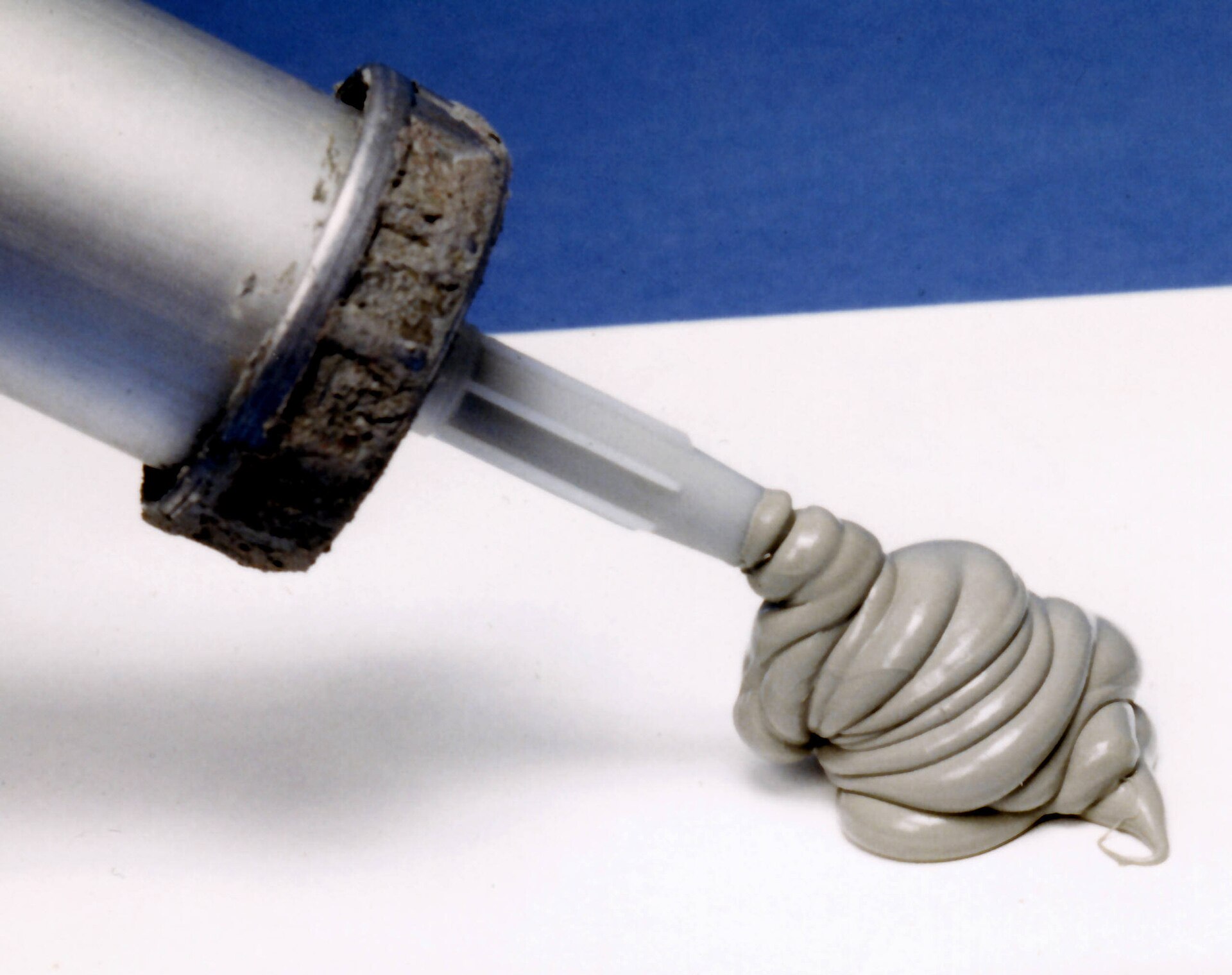
Old caulk around the tub turns yellow, cracks and starts to peel, making a clean bathroom look tired. Of all the annoying home problems in a bathroom, this one is the most fun to fix, and it takes just one afternoon. Pull out the old caulk with a plastic scraper, clean and dry the joint well, then lay painter’s tape on both sides. Run a thin new bead, smooth it with a damp finger and peel the tape right away. You get crisp, clean lines like a pro. Let it cure a full day before showers. Ready for a bathroom that looks fresh again?
You will need: A plastic caulk scraper, a tube of bathroom caulk and a caulk gun, painter’s tape, a damp cloth, rubber gloves.
How to make it: 1. Scrape out all old caulk and wipe the joint clean. 2. Let it dry completely. 3. Tape both sides of the joint. 4. Run a thin bead, smooth it, peel off the tape and let it cure for 24 hours.
Quiet a Squeaky Floorboard
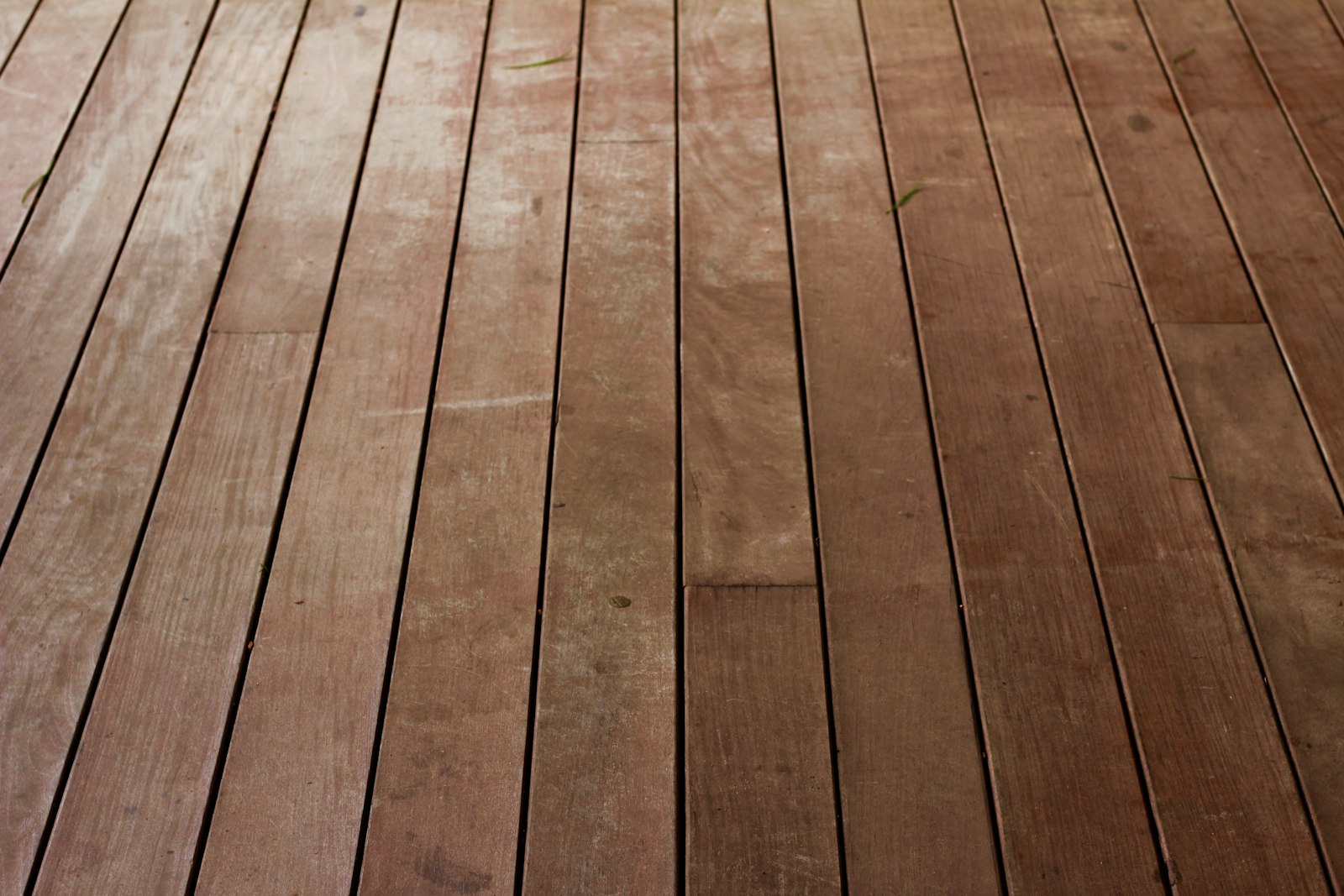
Of all the annoying home problems at night, few are as loud as a creaky floor. Some homes have that one board that squeaks no matter how softly you step. The noise comes from boards rubbing against each other or the nails. For a quick fix, sprinkle baby powder or powdered graphite into the seams and work it in with a soft brush. Walk across the spot a few times to spread it. Many squeaks go silent right away. If the squeak comes back, a hardware store floor screw kit can pull the board down tight. Will you finally sneak a midnight snack in peace?
You will need: Baby powder or powdered graphite, a soft brush, a cloth, a floor screw kit if needed.
How to make it: 1. Walk the floor to find the exact squeaky spot. 2. Sprinkle powder over the seams. 3. Brush it into the gaps and wipe off the extra. 4. Step on it a few times and repeat if needed.