Cardiologist Food Rule: 1 Simple ‘No White’ Habit a Texas Heart Doctor Lives By, Plus Easy Swaps to Try
This cardiologist food rule is so simple it fits on a sticky note: no white. Dr. James Stone, a heart doctor at the South Heart Clinic in Harlingen, Texas, does not count calories or fear fat. Instead, he steers clear of one group of foods and fills his plate with everything else. Here is what his rule really means, the easy swaps that make it work in a busy American kitchen, and one colorful skillet dinner to try this week..
What the cardiologist food rule really means
Dr. Stone told TODAY.com that he calls dieting a kind of mental warfare, because so many of his patients think healthy eating has to mean small, low fat meals that leave them hungry. His own approach is different. “I have one rule: I don’t touch white,” he said.
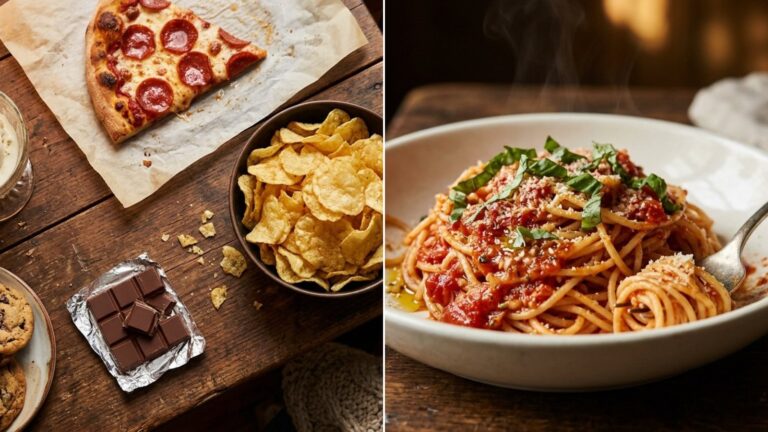
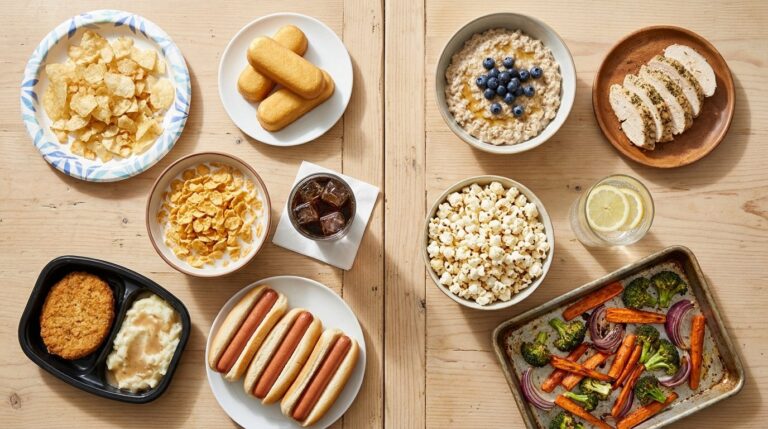
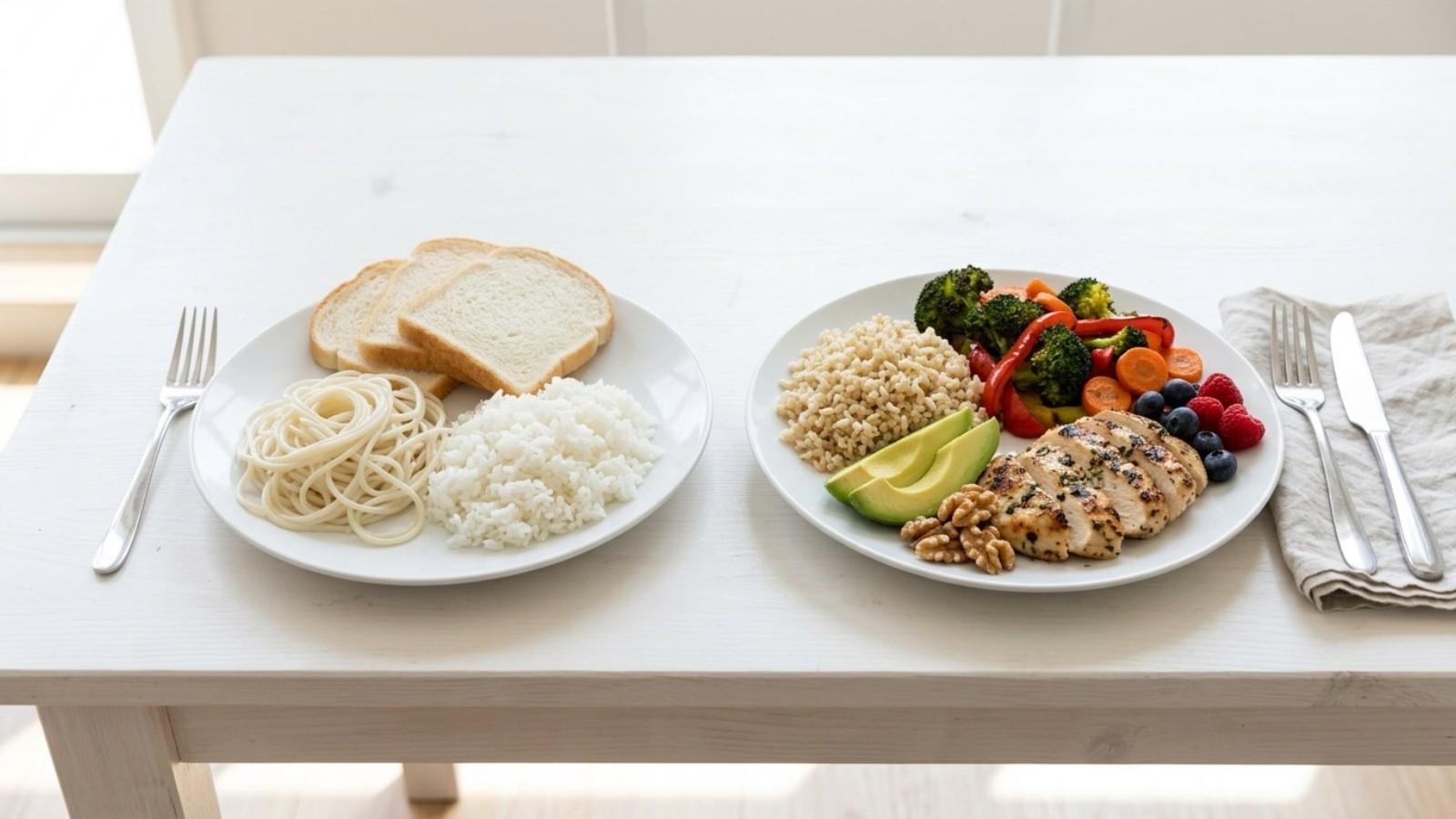
By white, he means a specific list: added sugar, excess salt, white bread, white rice, white flour and white pasta. What he eats instead is fruits, nuts, proteins and vegetables, and he drinks only water, black coffee and unsweetened tea.
He is quick to add that the rule is not about color alone. Eggs and cauliflower are fine. He is talking about high starch, highly refined foods. Plenty of white whole foods, like onions, garlic and cauliflower, are packed with nutrients.
Why refined grains are on the no list
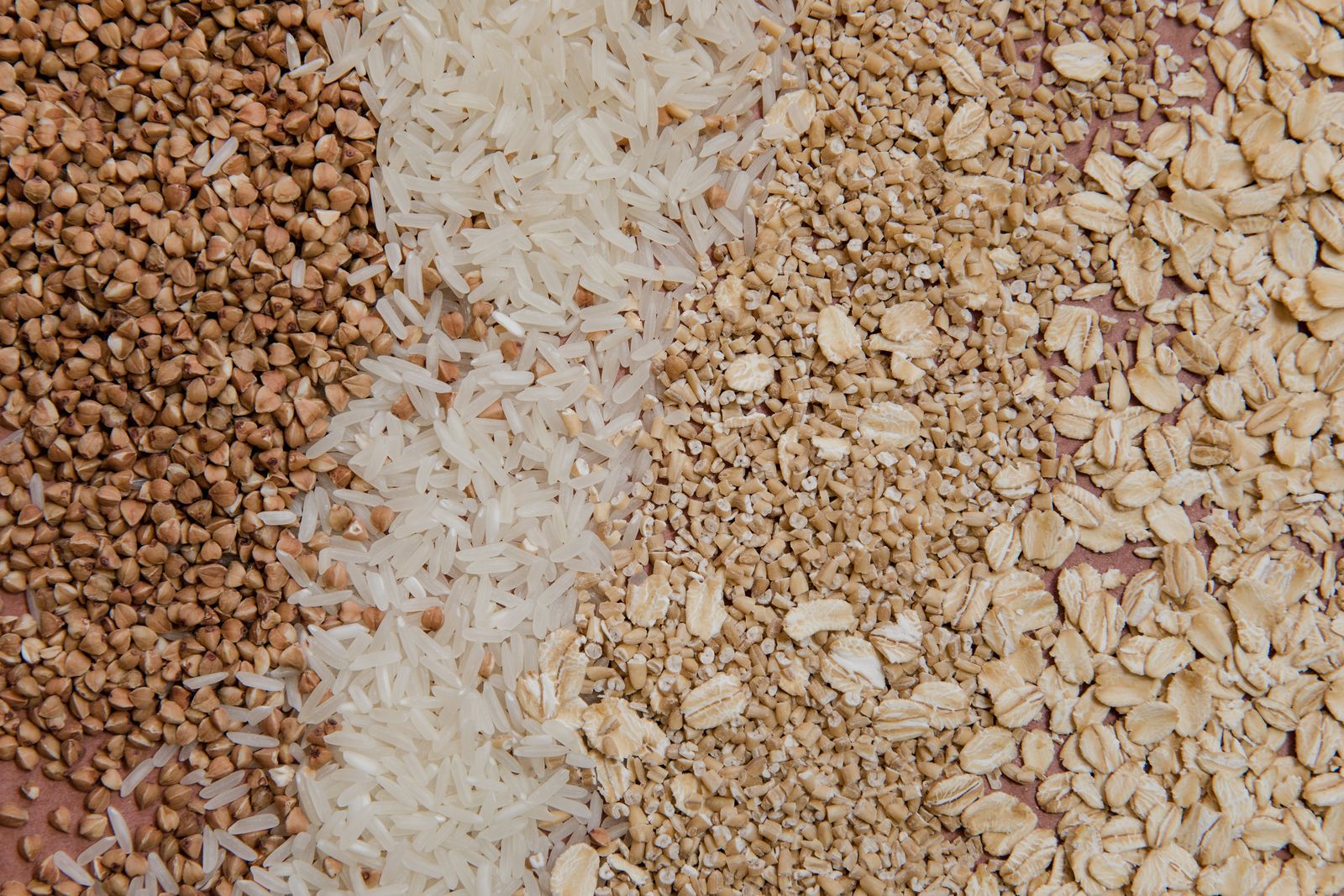
Refined grains are milled in a way that removes the bran and germ. According to the American Heart Association, that process strips out B vitamins, iron and dietary fiber, and most refined grains end up with little or no fiber. Whole grains keep those parts.
That fiber matters. The American Heart Association says dietary fiber can help improve blood cholesterol levels and is linked to a lower risk of heart disease, stroke and type 2 diabetes. Fiber also helps you feel full, which is one reason a whole grain bowl tends to keep you going longer than a plate of white pasta.
Easy swaps to follow the cardiologist food rule
You do not have to throw out your pantry. Start with one swap a week and let your family get used to the new taste. Here are simple trades that keep meals familiar:
- White rice: brown rice, wild rice, farro or quinoa. Mix half and half at first if your family is picky.
- White bread: 100% whole wheat or whole grain bread. Look for a whole grain as the first ingredient.
- White pasta: whole wheat pasta or pasta made from chickpeas or lentils.
- White flour in baking: swap up to half for whole wheat pastry flour or oat flour.
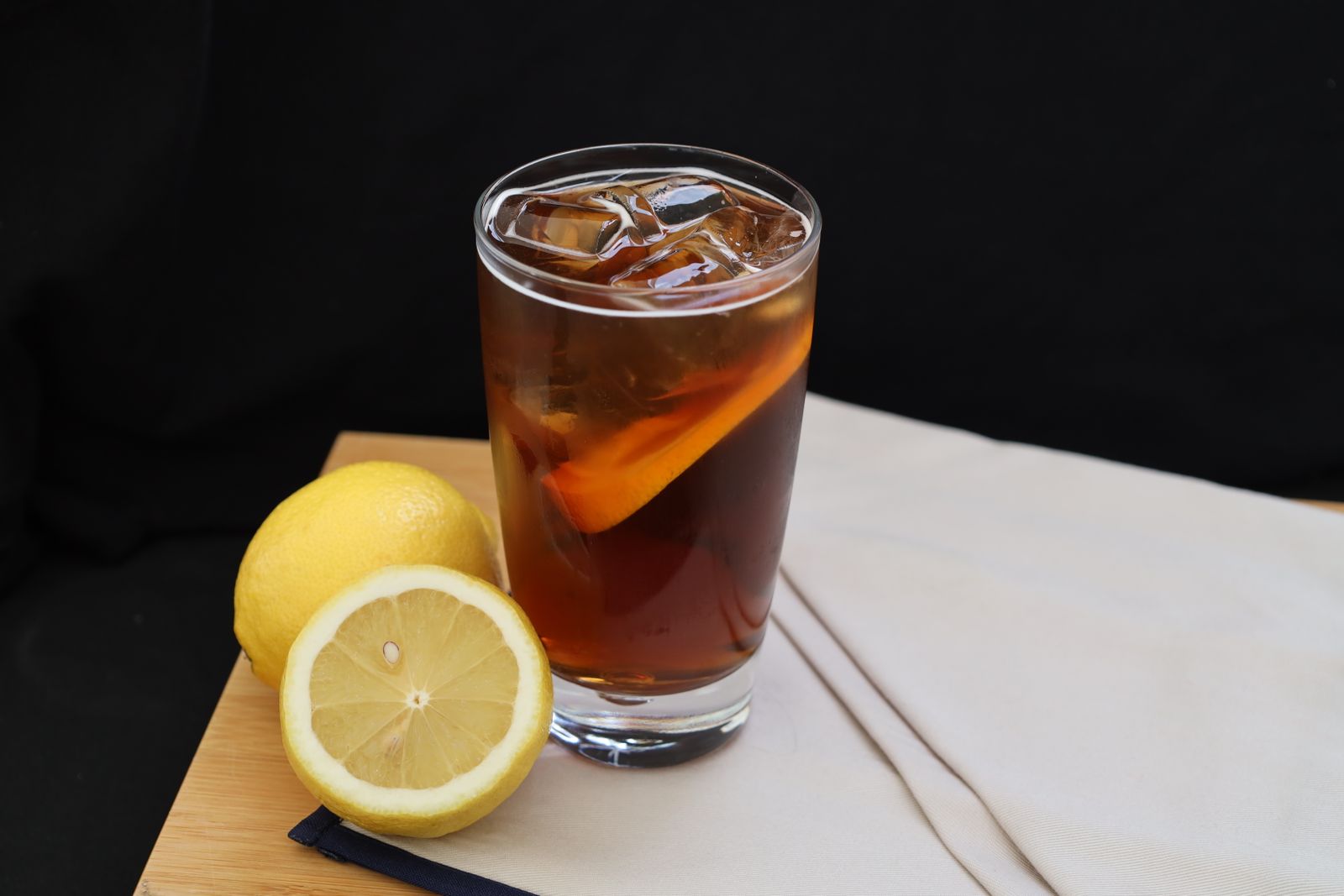
- Sugary drinks: water, black coffee or unsweetened iced tea with lemon.
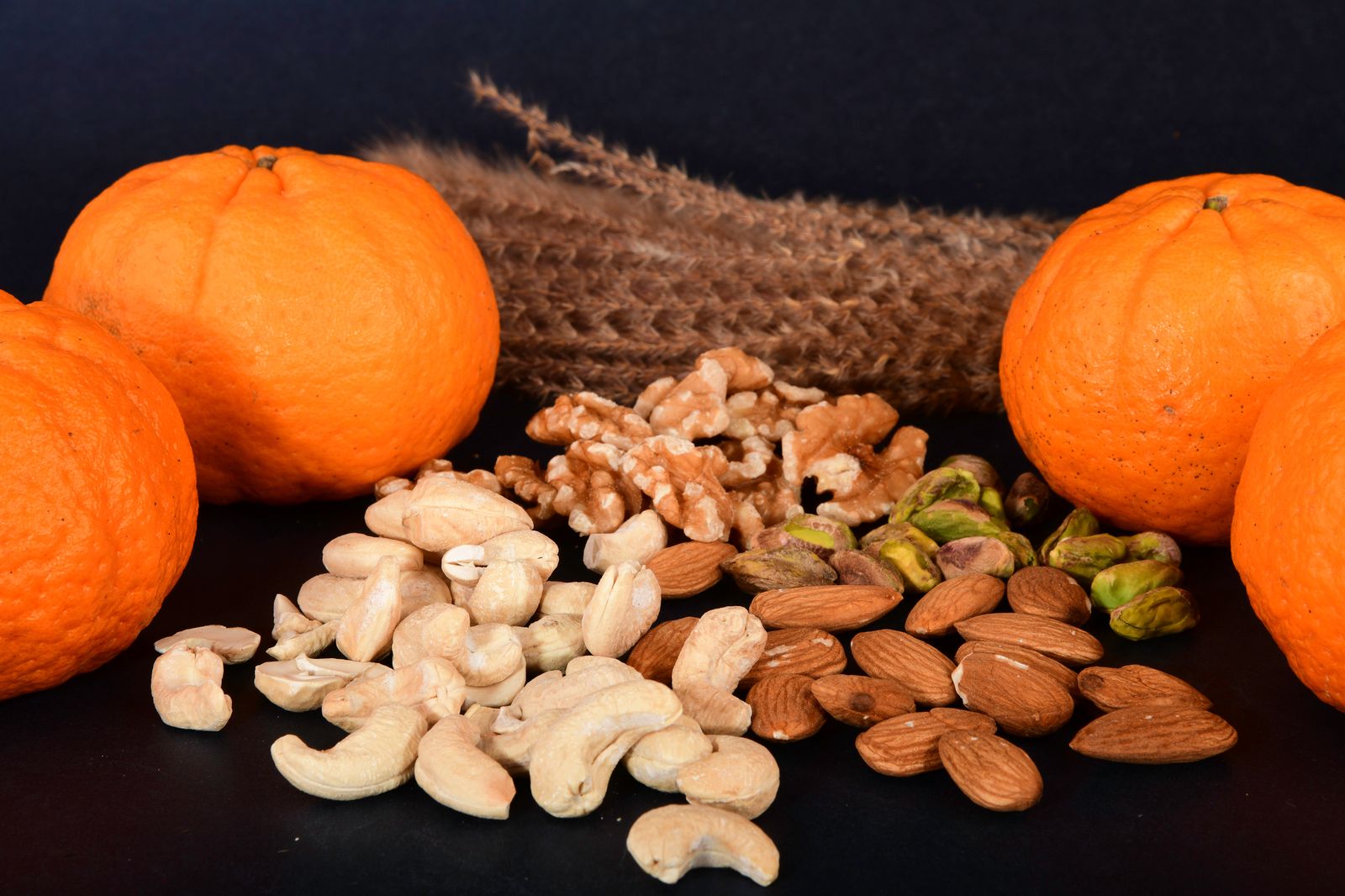
- Salty snacks: a handful of unsalted nuts with a piece of fruit.
- White potatoes: try sweet potatoes some nights. Dr. Stone suggests looking for color on your plate.
Looking for more ideas for the week? Our heart healthy dinners that taste like comfort food are a good next step after this one.
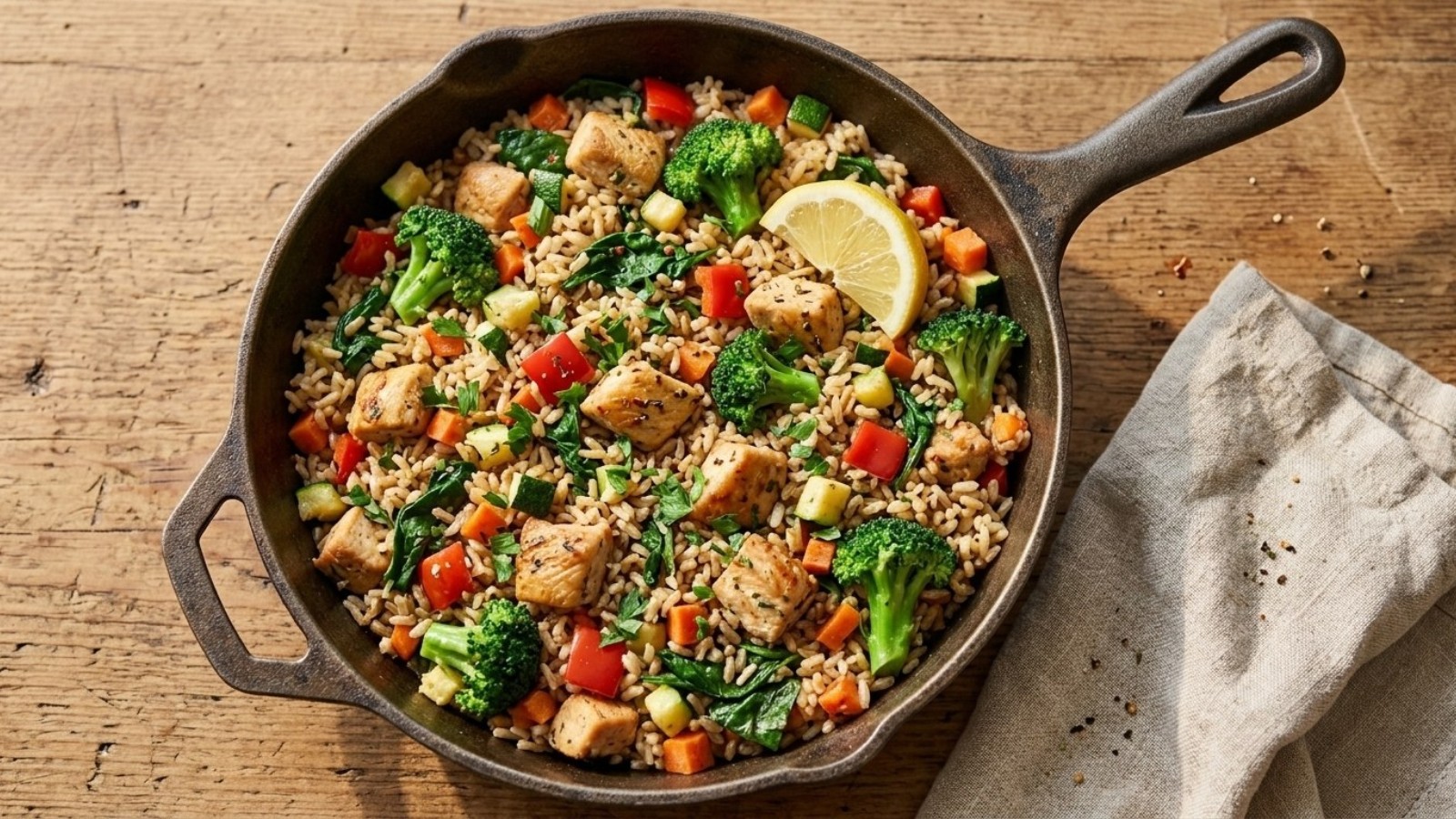
Recipe: brown rice, chicken and vegetable skillet
This one-pan dinner follows the cardiologist food rule without feeling like diet food. It is colorful, filling and ready in about 45 minutes, most of it hands off while the rice cooks. It serves 4.
You will need
- 1 cup uncooked brown rice and 2 1/4 cups low sodium chicken broth
- 1 lb boneless, skinless chicken breast or thighs, cut into bite size pieces
- 2 tbsp olive oil
- 1 small onion, diced, and 3 garlic cloves, minced
- 1 red bell pepper, diced, and 1 medium zucchini, diced
- 2 carrots, diced, and 2 cups small broccoli florets
- 2 handfuls fresh spinach
- 1 tsp smoked paprika, 1 tsp dried oregano, 1/2 tsp black pepper and a small pinch of salt
- 1 lemon and a handful of chopped parsley
How to make it
- Heat 1 tbsp oil in a large deep skillet over medium high heat. Season the chicken with the paprika, oregano and pepper and brown it for 5 to 6 minutes. Move it to a plate.
- Add the remaining oil, the onion, carrots and garlic. Cook 3 minutes until the onion softens.
- Stir in the brown rice and toast it for 1 minute. Pour in the broth and bring to a boil.
- Cover, turn the heat to low and simmer 30 minutes.
- Scatter the chicken, bell pepper, zucchini and broccoli over the rice. Cover and cook 10 to 12 minutes more, until the rice is tender and the chicken reaches 165 F.
- Stir in the spinach until it wilts. Finish with lemon juice, parsley and salt to taste.
Keeping the rule at Thanksgiving
Holidays are where the cardiologist food rule gets tested, and most good habits slip. That is okay. Instead of building a whole new menu, make one or two swaps: a wild rice stuffing instead of white bread stuffing, roasted sweet potatoes without the marshmallow layer, or whole grain dinner rolls next to the regular ones. Put a pitcher of unsweetened iced tea with lemon on the table. Small changes add up, and nobody feels like the holiday was taken away.
A note before you change your diet
This cardiologist food rule is one doctor’s personal approach, not a medical plan. If you have heart disease, diabetes, kidney problems or take medication, talk to your own doctor or a registered dietitian before making big changes. For most of us, though, eating more vegetables, fruit, nuts and whole grains and less added sugar and refined flour is a simple place to start.
Could you give up white bread and white rice for a week? Which swap would be hardest at your house?