Meat and Frailty Study: Adults Over 60 Who Ate Meat Daily Had 30% Lower Odds of Frailty
A new meat and frailty study is getting a lot of attention, and the main number is easy to remember. Among 5,484 adults aged 60 and older, those who ate meat about once a day had roughly 30 percent lower odds of being frail. The research was published on October 6, 2026, in the journal Frontiers in Nutrition. It does not prove that meat keeps anyone strong, and the researchers say so clearly. But it adds to a growing pile of evidence that eating enough protein matters more as we get older, and it gives families a good reason to look at what is on the plate for Mom, Dad or Grandma..
Frailty is not just feeling a little tired. Doctors use the word for a state where the body has less reserve. Muscles get weaker, walking slows down, energy drops and weight can slip away without trying. A frail person is more likely to fall, to get sick and to lose independence. That is why researchers around the world keep looking for simple, everyday habits that are linked to lower risk.
Below you will find what this study actually did, what it found, the surprising result for people over 80, the honest limits, and five easy, protein-rich dinners that are soft, comforting and simple to cook for an older parent.
How the Meat and Frailty Study Worked
The team, led by researchers in Nanjing, China, surveyed 5,484 people aged 60 and over who live at home in their communities. The average age was about 70. Everyone filled out a detailed food questionnaire about how often they ate red and white meat each week. Frailty was measured with a standard checklist called the Groningen Frailty Indicator, which asks about things like walking, energy, vision, memory and mood. A score of 4 or higher counted as frail.
Overall, about 17 percent of the group was frail. The rate climbed with age: about 13 percent in people in their 60s, about 18 percent in their 70s and almost 33 percent at 80 and older. If you are cooking for older parents, our cozy protein meals for adults over 60 are full of easy ideas that go with this study.
What the Meat and Frailty Study Found
The researchers compared people who met China’s guideline for older adults, which suggests eating meat at least 7 times a week, with people who ate it less often. About 63 percent of the group met that target.
After adjusting for a long list of other factors, meeting the target was linked to about 30 percent lower odds of frailty. Those factors included age, gender, education, body weight, physical activity, time spent sitting, smoking, drinking, sleep, mood, vegetable intake and chronic illnesses like diabetes, heart disease and kidney disease. The link held for men and women, and for people in the city and in the suburbs.
The link was clearest for people in their 60s and 70s. For adults in their 70s, the odds of frailty were roughly 44 percent lower among regular meat eaters.
The Surprise at 80 and Older
Here is the twist. For people aged 80 and older, the meat and frailty study found no clear link at all. The researchers suggest this may be because appetite, chewing and digestion change a lot in the very old, and many people that age already have health problems that shape what they eat. In plain words, a single habit may matter less once many other things are going on in the body.
For families, that is a useful reminder. With the oldest parents, soft textures, smaller portions and foods they actually enjoy may matter as much as any one food group.
The Honest Limits
This meat and frailty study was a snapshot. It looked at one moment in time, so it can show a link but not cause and effect. It is possible that people who were already healthier and more active simply ate more meat, and not the other way around. Meals were self-reported, so memory can blur the numbers. Red and white meat were counted together, and portion sizes were not measured. The study was also done in one city in China, so results may differ elsewhere.
You can read the full paper for free in Frontiers in Nutrition. The authors themselves write that low meat intake may be a risk factor for frailty and that more research is needed.
Why Protein Matters More After 60
Muscle naturally shrinks with age, and older bodies are less efficient at using protein to rebuild it. The meat and frailty study fits what many dietitians already say. They suggest spreading protein across the day, with a good portion at each meal instead of saving it all for dinner. Meat is one easy source, but it is not the only one. Poultry, fish, eggs, dairy, beans and lentils all count. Lean cuts are a smart everyday choice, and processed meats like bacon and deli meat are best kept for once in a while.
Protein also works best with movement. Gentle walking, chair exercises and light strength work are the other half of staying strong, and a doctor or physical therapist can suggest what is safe.
5 Easy Protein Dinners for Older Parents
These meals fit the main message of the meat and frailty study. They are simple, soft enough for most people to chew and easy to make in small batches. Each one puts a good portion of protein on the plate next to vegetables.
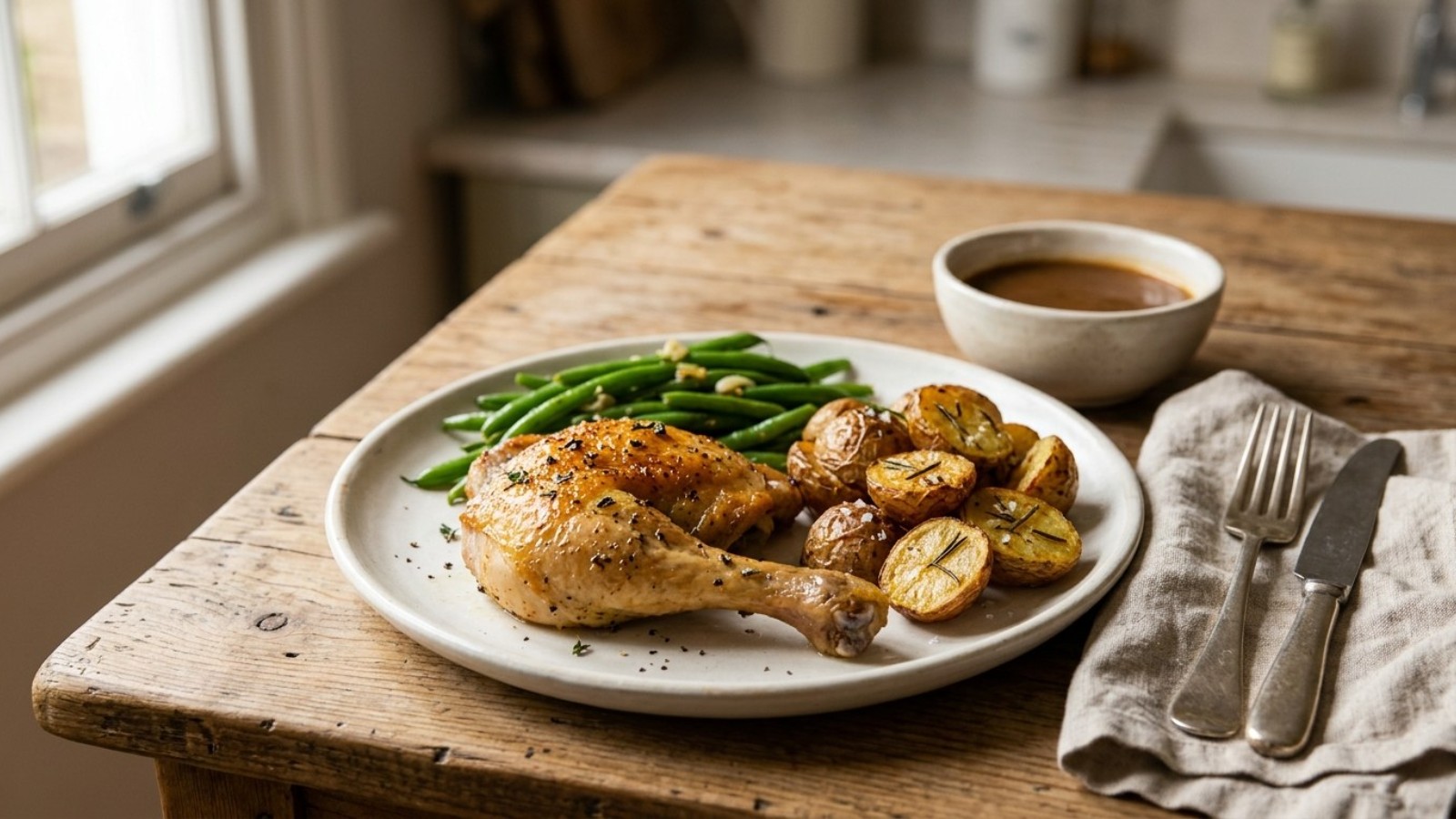
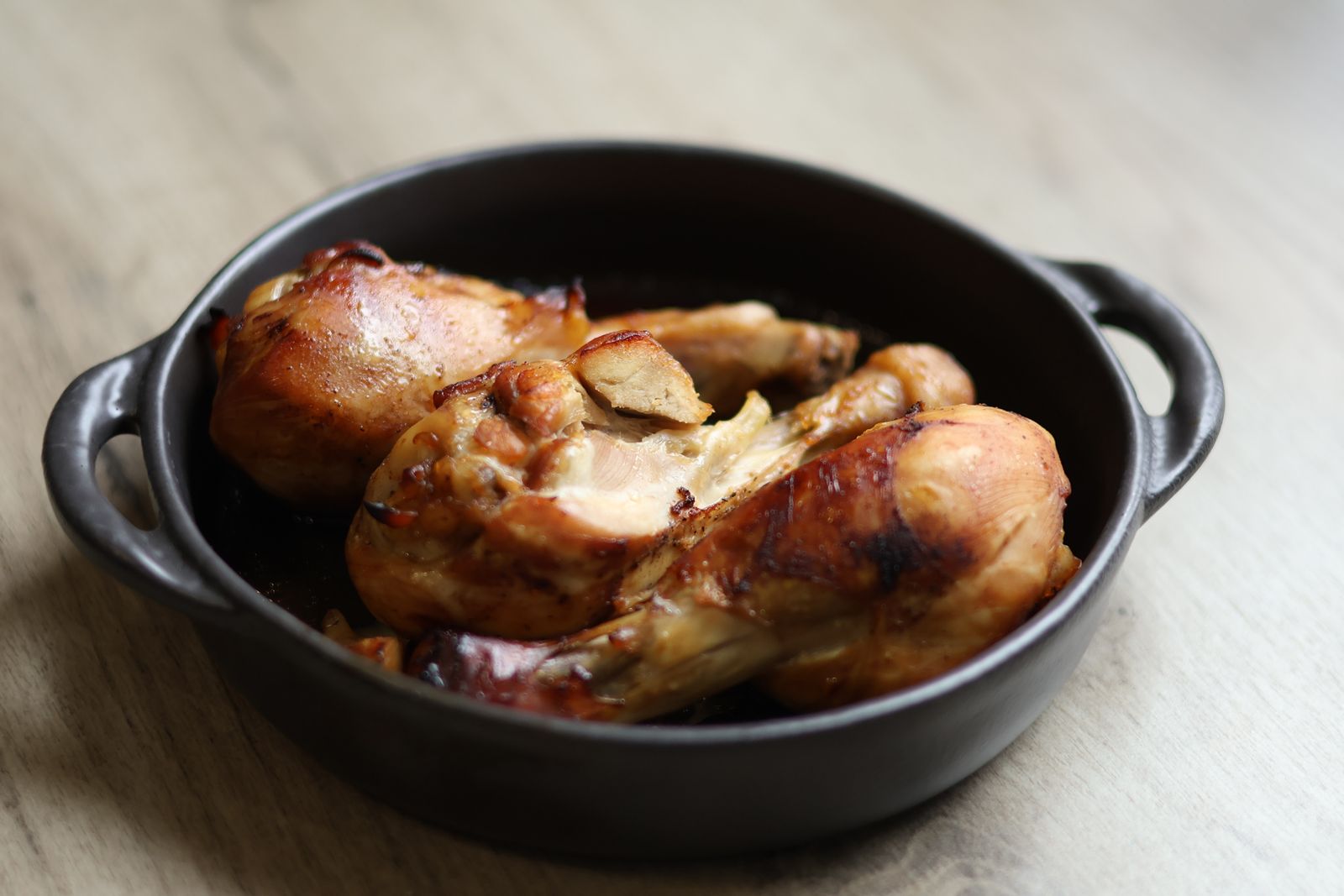
1. Sheet pan chicken drumsticks and vegetables. Toss 6 drumsticks or thighs with olive oil, garlic powder, paprika and salt. Spread on a sheet pan with chunks of potato, carrot and onion. Roast at 425F for 40 to 45 minutes until the chicken reaches 165F. The meat falls off the bone and the vegetables soak up the juices.
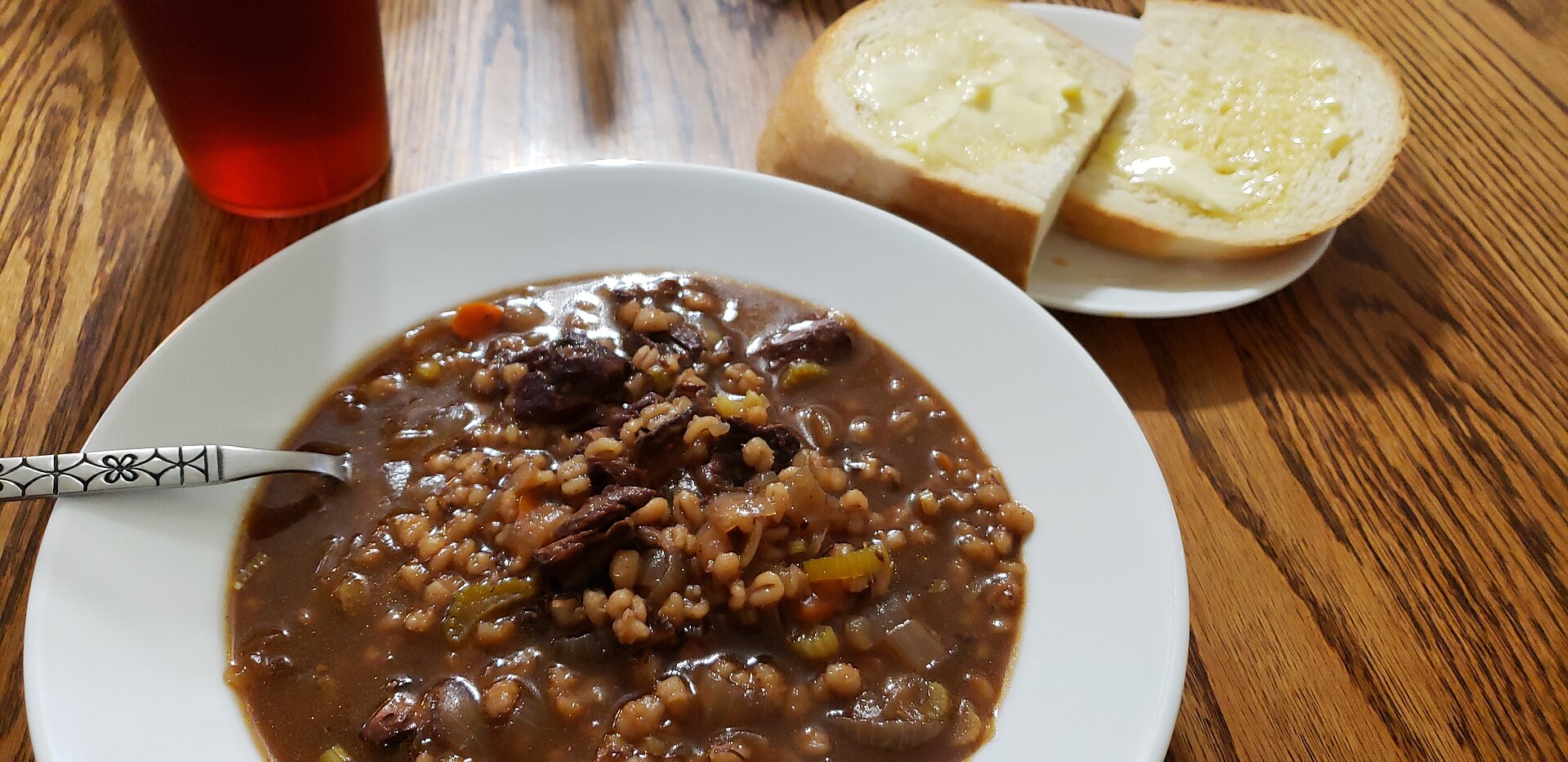
2. Slow cooker beef and barley stew. Add 1 1/2 pounds of cubed lean beef chuck, 1/2 cup pearl barley, 3 sliced carrots, 2 celery ribs, 1 diced onion and 6 cups of low-sodium beef broth to a slow cooker. Cook on low for 8 hours. The beef turns spoon-tender, which makes it ideal for anyone who has trouble chewing. For more bowls like this, see our high protein soups that eat like a full dinner.
3. Salmon patties. Mix a 14-ounce can of drained salmon with 1 egg, 1/2 cup crushed crackers, 2 sliced green onions and a squeeze of lemon. Shape into 6 patties and pan-fry in a little oil for 3 to 4 minutes per side. Fish counts as protein too, and canned salmon is cheap, soft and keeps for months.
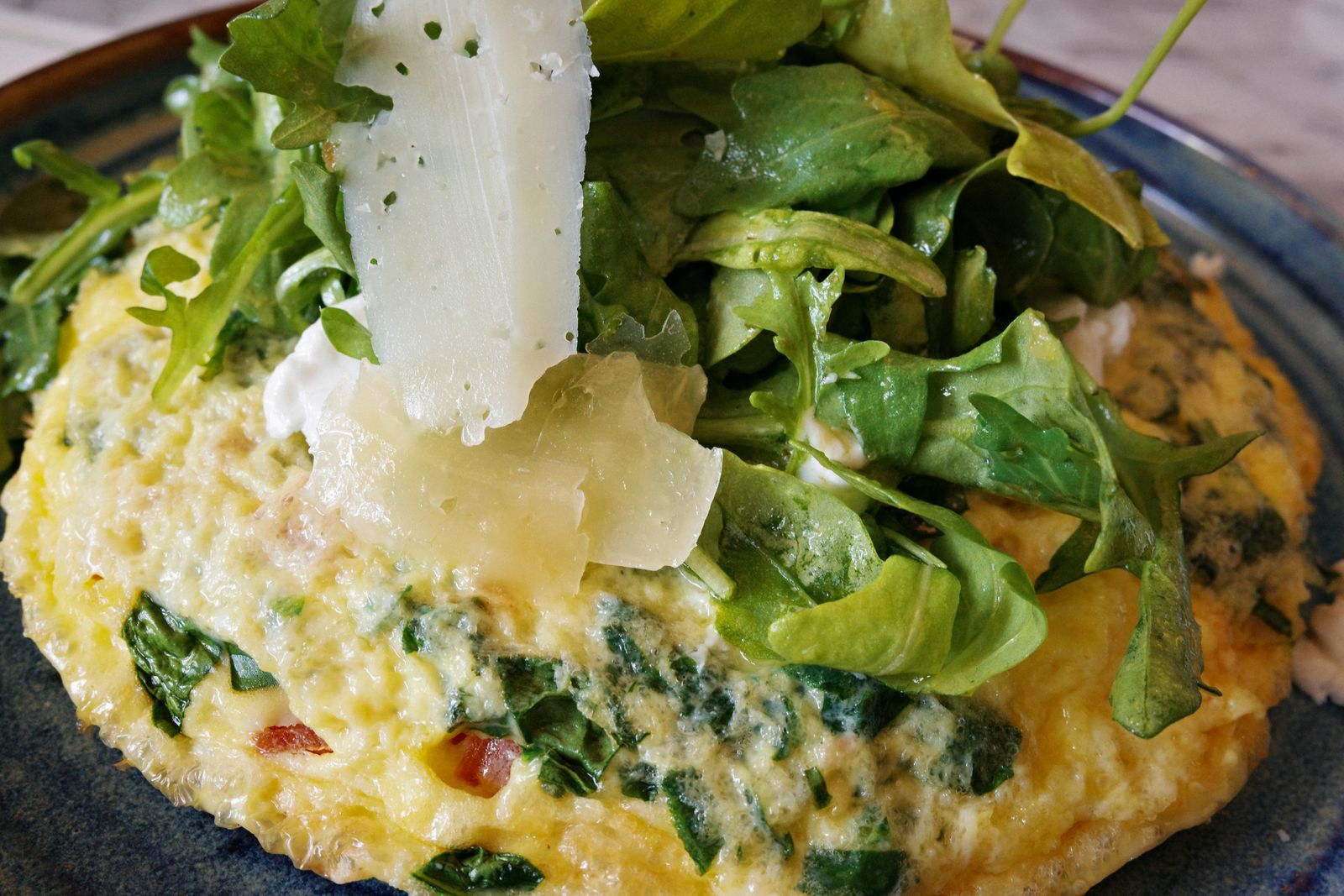
4. Egg and vegetable frittata. Whisk 8 eggs with 1/2 cup milk, salt and pepper. Pour into an oven-safe skillet over sauteed spinach, peppers and onion, top with 1/2 cup shredded cheese and bake at 375F for 18 to 20 minutes. It slices into easy wedges and reheats well for lunch the next day.
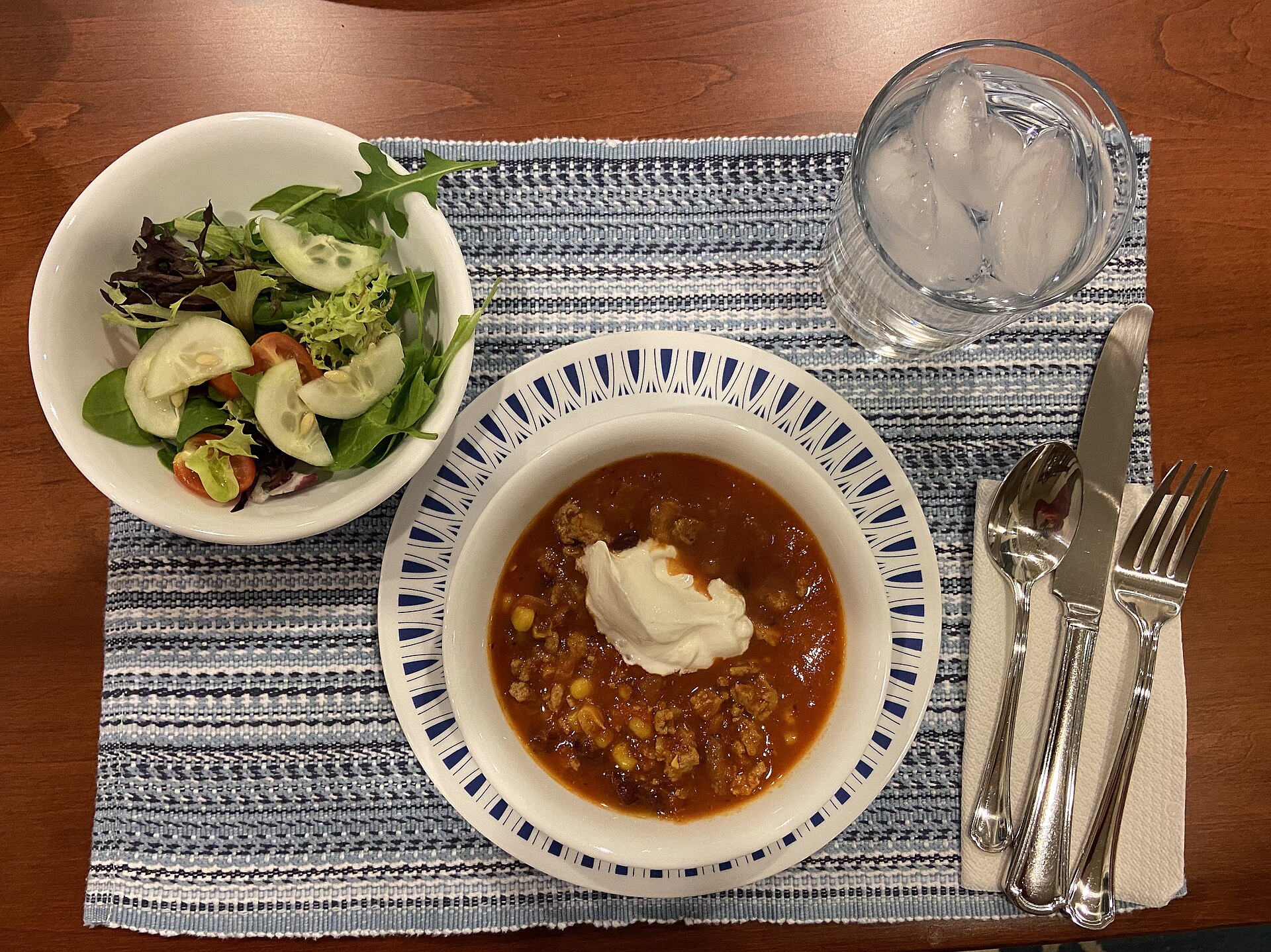
5. Turkey and bean chili. Brown 1 pound of lean ground turkey with an onion, then add a can of kidney beans, a can of black beans, a can of diced tomatoes, 1 cup of broth and 2 teaspoons of chili powder. Simmer 30 minutes. Beans add extra protein and fiber, and it is a good choice for anyone eating less red meat.
A Simple Takeaway From the Meat and Frailty Study
The big lesson is not that everyone over 60 should eat more steak. It is that getting enough protein, from a mix of lean meat, poultry, fish, eggs and beans, is linked to staying stronger with age. Balance still matters, so keep vegetables, whole grains and fruit on the plate too.
Before making big changes, especially for anyone with kidney disease or other health conditions, talk to a doctor or a registered dietitian. They can suggest how much protein is right for each person.
Do you cook for an older parent or grandparent? Which of these five dinners would they love most?