
Japan Tracked 90,944 Adults for 20 Years, and the Type of Fish on Their Plates Told a Surprising Story
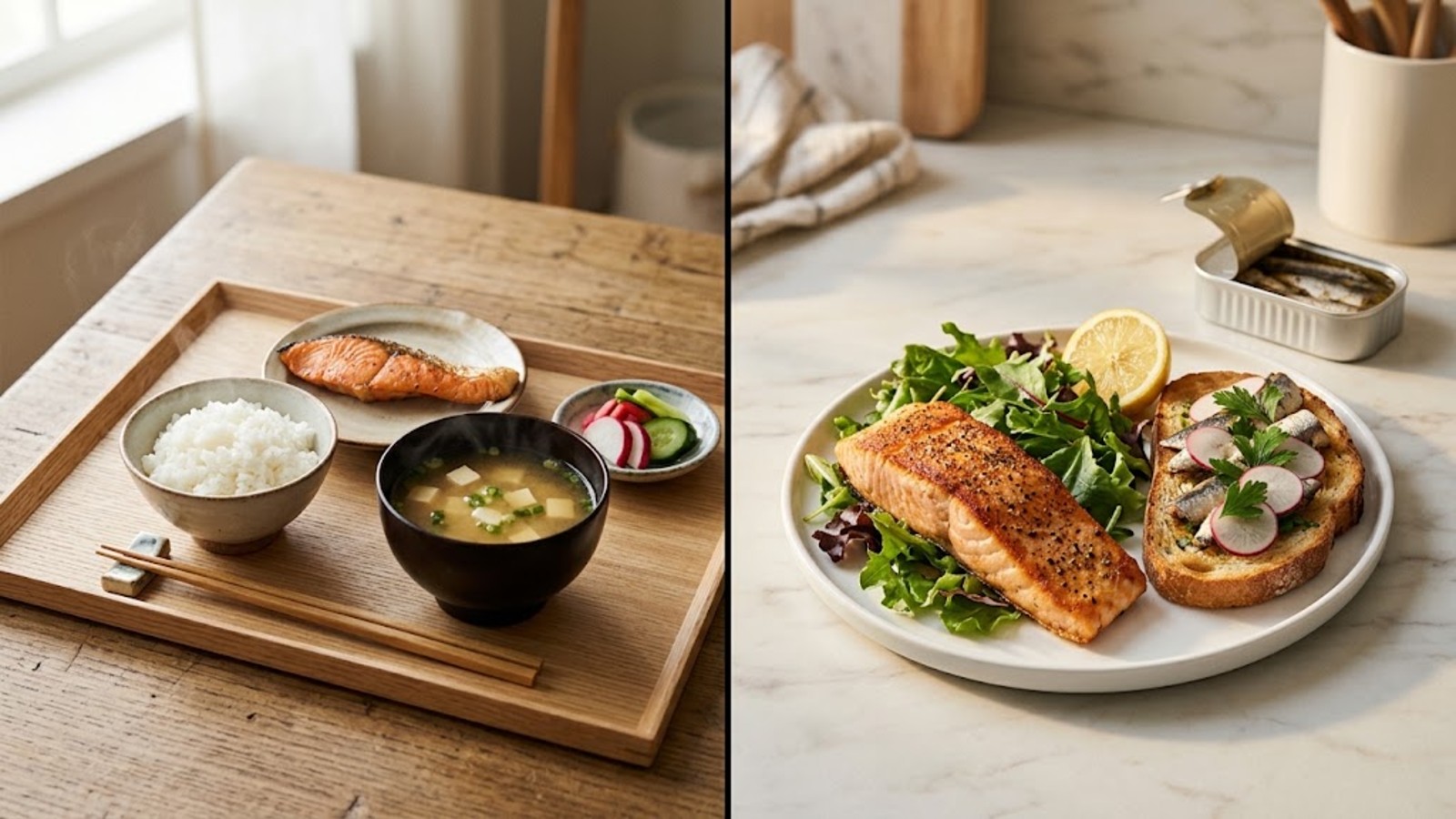
For more than 20 years, researchers in Japan tracked what 90,944 adults ate. When they split the fish on those plates into types, the results were not the same for every fish. A new study in The Journal of Nutrition finds that the type of fish you eat may matter, with omega-3-rich fish like salmon, sardines and mackerel linked to fewer deaths from stroke in women..
Japan is famous for long lives and a diet full of seafood, so this is a big deal for anyone wondering what to put on the dinner table tonight. Here is what the study did, what it found, what it cannot tell us, and a few easy ways to cook fish at home without a lot of salt.
The Study in Plain Words: 90,944 People, 20.8 Years
The research comes from the Japan Public Health Center-based Prospective Study, a long running project that follows adults from 11 public health center areas across Japan. This analysis included 90,944 people, 42,150 men and 48,794 women, who were 40 to 69 years old when it started and had no history of cancer, stroke or heart disease at that point.
Everyone filled out a detailed food questionnaire with 138 items, including 19 kinds of seafood, from salmon and mackerel to eel, octopus, prawns, canned tuna and Japanese fish cakes. The researchers then followed the group for an average of 20.8 years. During that time, 26,976 people died, and the team looked at whether the kind and amount of seafood people ate was linked to the cause of death.
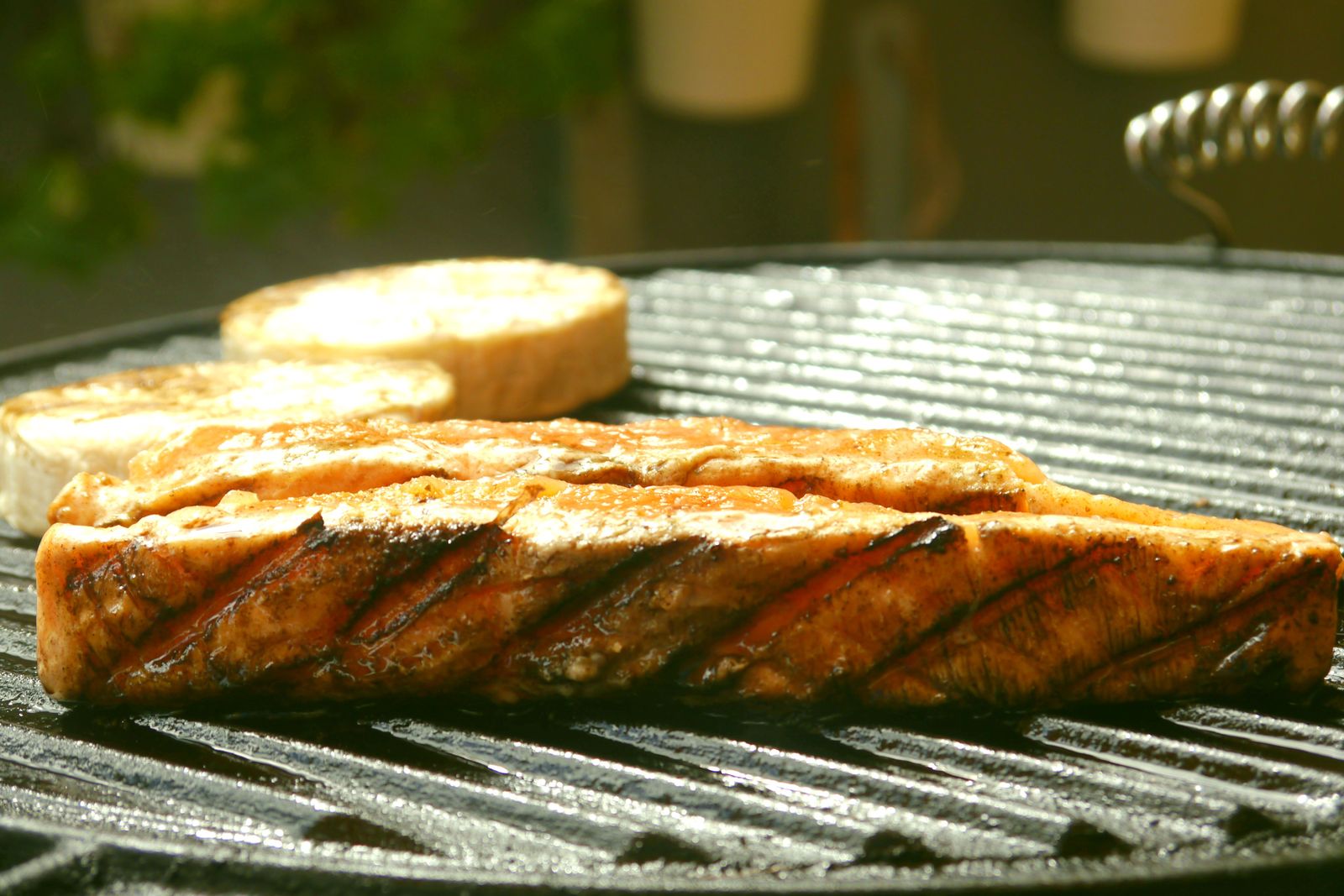
Not All Fish Looked the Same: The Type of Fish Mattered
Instead of treating all seafood as one thing, the team sorted it into groups. Omega-3-rich fish included salmon, sardines, mackerel, sea bream, horse mackerel and eel, and made up 39.2 percent of the seafood people ate. Unsalted seafood, which also included canned tuna, made up 77.3 percent. Salted products like salted fish, dried fish, dried baby sardines and salted fish roe were looked at separately.
That split is the interesting part. The type of fish, and whether it was salted or dried, seemed to change the picture. If you have been looking for an easy way to eat more of the fish that stood out in this study, our easy salmon dinners for busy nights are a good place to start.
What the Type of Fish Meant for Women and for Men
For women, the results were the clearest. The women who ate the most omega-3-rich fish had about a 19 percent lower risk of dying from cerebrovascular disease, which includes stroke, compared with the women who ate the least. Higher intake of these fish was also linked to lower death from all causes. Moderate amounts of unsalted seafood were linked to lower death from heart and blood vessel disease. Total seafood showed its lowest risk in women at around 100 grams a day, but the authors say that should not be treated as a proven ideal amount.
For men, the story was weaker. Total seafood was not linked to death from all causes. Several groups who ate more unsalted fish and shellfish had lower stroke deaths than the group that ate the least, and the link looked clearer when salted products were left out. The study could not say whether salt was the reason.
The Fine Print: What This Study Cannot Tell Us
This was an observational study, which means it can show that two things are linked, not that one causes the other. People only filled out the food questionnaire once, so changes in their eating over 20 years were missed. Mercury and other contaminants were not measured, and the people studied live in Japan, where fish is a much bigger part of daily meals than in most American homes. The authors themselves say the findings do not prove that changing how much fish you eat prevents stroke or heart disease deaths, and more research is needed before it changes any diet advice.
So the honest takeaway is gentle: the type of fish may matter, and fresh or canned unsalted fish looked better than salty, dried kinds in this group of people.
How to Borrow the Habit at Home: 2 Fish Meals a Week
US dietary guidelines have long suggested at least 8 ounces of seafood a week for most adults, which is about two servings, and many Americans fall short. The FDA and EPA list salmon, sardines and canned light tuna among the best choices for lower mercury. If you are pregnant or breastfeeding, or cooking for young children, follow the FDA fish advice for your situation. Here are five easy, low-salt ideas from our kitchen:
- Sheet pan salmon: salmon fillets with lemon, garlic and olive oil, roasted at 400 F for 12 to 15 minutes next to green beans.
- Sardines on toast: canned sardines in water or olive oil, mashed onto whole grain toast with lemon, tomato and parsley.
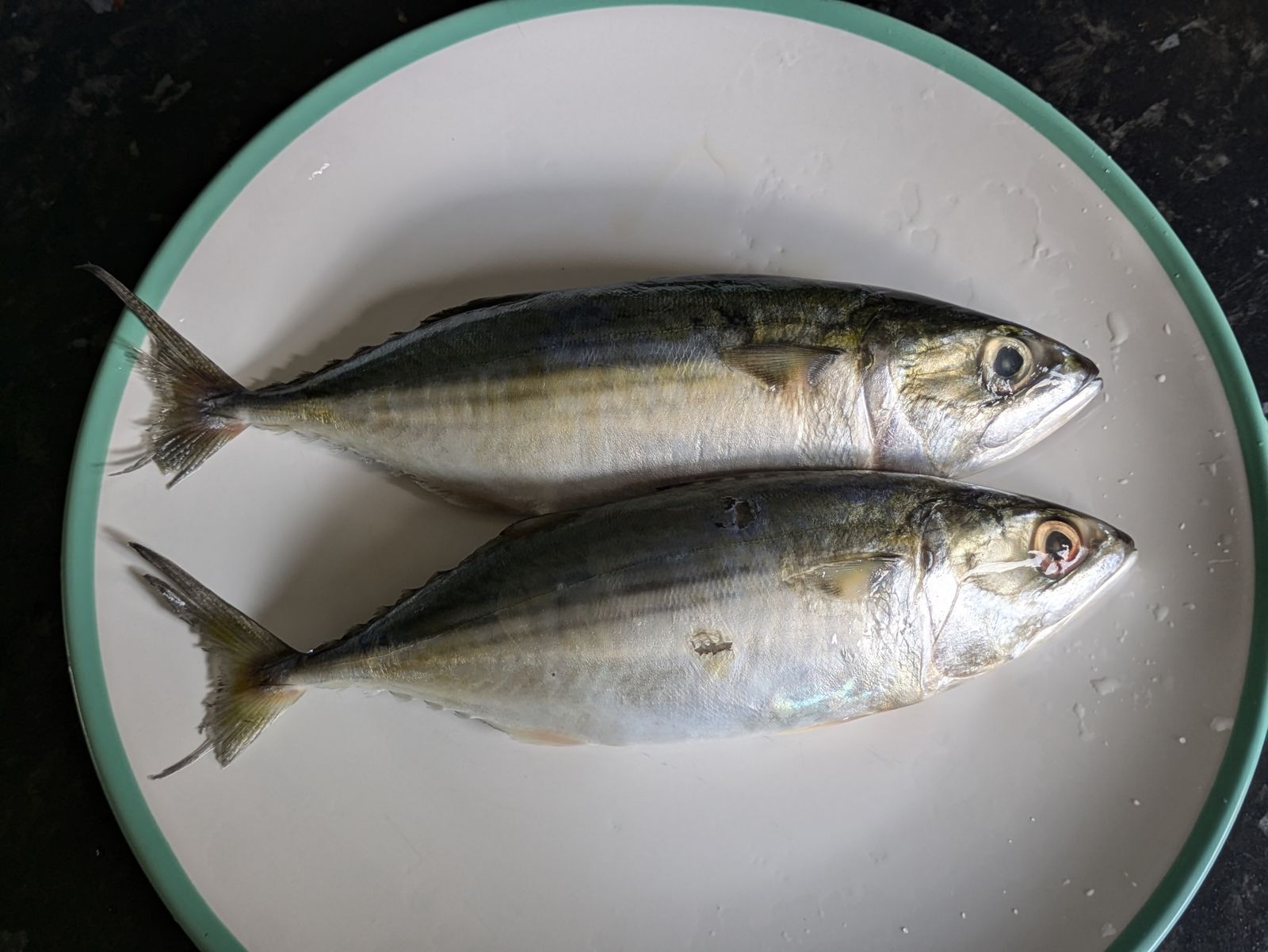
- Mackerel rice bowl: broiled mackerel over rice with cucumber, scallions and a splash of rice vinegar instead of extra soy sauce.
- Canned salmon cakes: canned salmon, an egg, bread crumbs and herbs, pan-fried until golden and served with a yogurt dill sauce.
- Tuna and white bean salad: canned light tuna, white beans, red onion, parsley, olive oil and lemon, with no extra salt needed.
A simple tip: rinse canned fish packed in salty brine, choose low-sodium versions when you can, and season with lemon, herbs, garlic and pepper instead of extra salt. Dried and heavily salted fish can still be a treat, just not the everyday choice.
The Bottom Line: Talk to Your Doctor
A huge, 20-year study from Japan finds that the type of fish on your plate may make a difference, with omega-3-rich fish linked to fewer stroke deaths in women and unsalted seafood linked to lower stroke deaths in some groups of men. It is a good reason to enjoy salmon, sardines or mackerel a couple of times a week. This article is for general information and is not medical advice. If you have heart disease, high blood pressure, a history of stroke, or questions about mercury, salt or fish oil, please ask your doctor or a registered dietitian what is right for you.
Source: Fujimaki M, et al. Different Fish Types Are Differentially Associated with All-Cause and Cause-Specific Mortality in the Japan Public Health Center-Based Prospective Study. The Journal of Nutrition, vol. 156, article 101772, October 2026. doi:10.1016/j.tjnut.2026.101772. Also reported by News-Medical on October 20, 2026.