
Japanese Diet: A New Review of 37 Reports Linked It to Lower Death Risk, With 1 Salty Catch
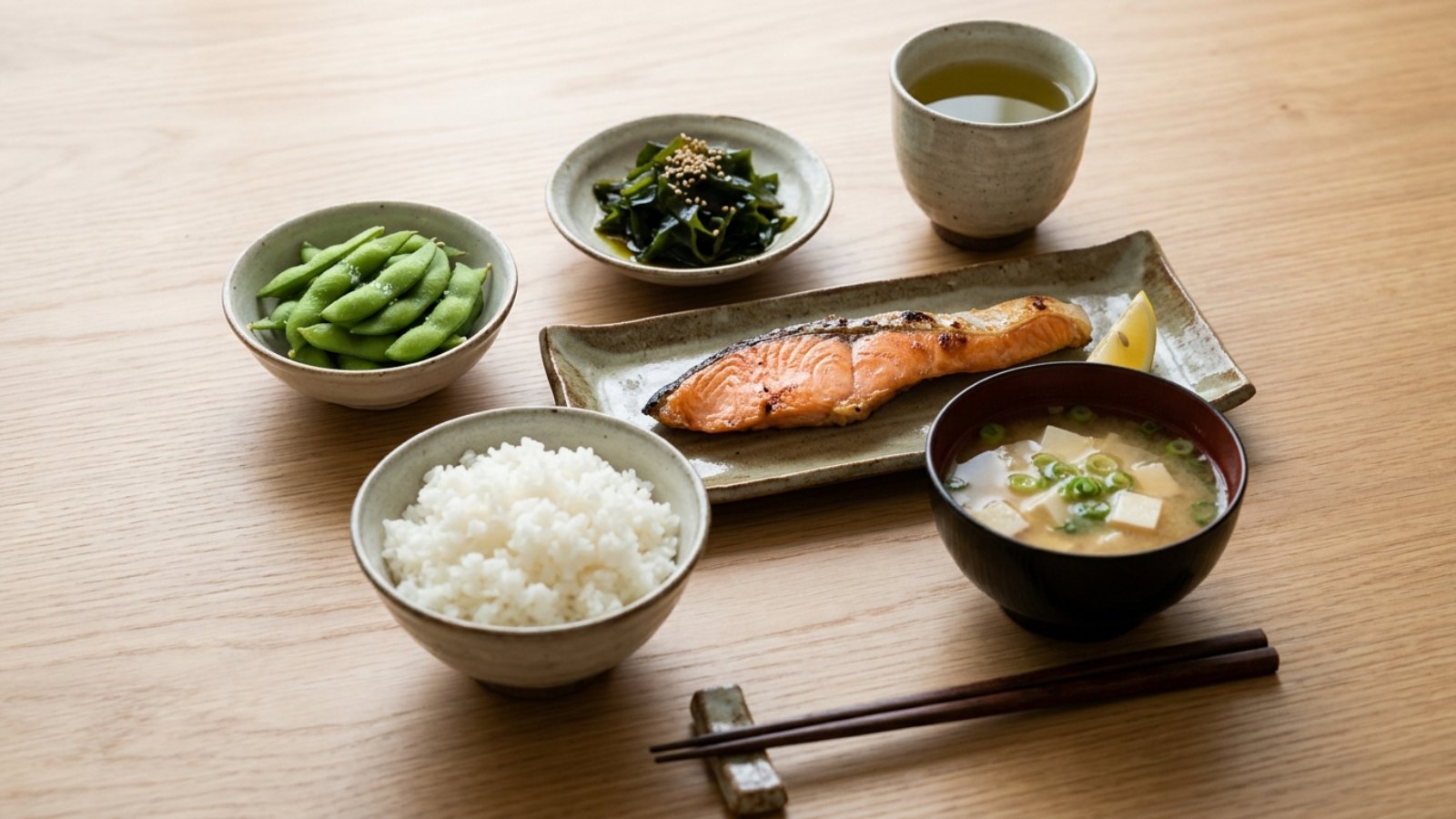
The Japanese diet has a big reputation. Rice, fish, miso soup and a little dish of pickles have been called one of the healthiest ways to eat on Earth for decades, and Japan has some of the longest life expectancies in the world. Videos asking why the Japanese live so long have pulled in millions of views. But is the food really the reason?
A new review of 37 research reports, published online in October 2026 in the journal Advances in Nutrition, set out to check. The short answer: mostly yes, with one salty catch. Here is what the scientists found, what they did not find, and the easy parts any American home cook can borrow this week.
What Counts as a Japanese Diet?
There is no single official menu, but most researchers describe a traditional Japanese diet as plenty of rice, soy foods like tofu, miso and natto, fish and seafood, vegetables, mushrooms and seaweed, green tea, and small amounts of pickled vegetables. Meals are often built as one soup and three sides, served in small bowls instead of one big plate. Red meat, butter and sweets play a much smaller role than in a typical American meal.
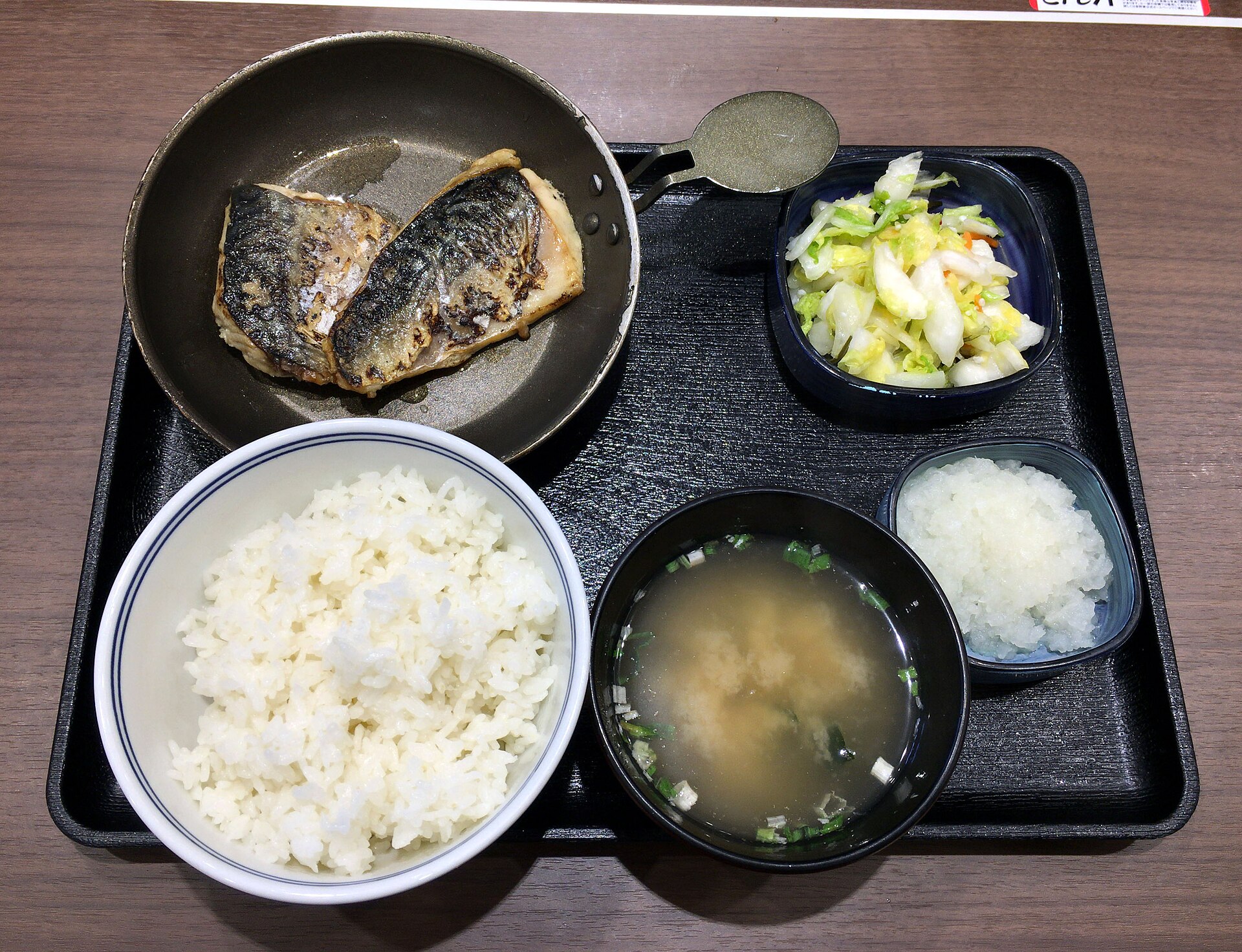
A classic Japanese breakfast or lunch set, like the grilled mackerel tray above, shows the pattern well: a bowl of rice, a piece of salty grilled fish, a cup of miso soup and a small dish of pickles. It is simple, filling and full of variety, but notice how many of those little dishes are salty.
What the New Japanese Diet Review Found
The research team searched the science and found 1,362 records, then kept 37 reports that fit their rules, according to a summary by News-Medical. Twelve reports went into the number-crunching part of the review, and 25 more were looked at in a written summary. All of the studies were done in Japanese populations.
- Death from any cause: In the studies that scored how closely people followed a Japanese diet, the people with higher scores were linked to a lower risk of dying from any cause during the study years.
- Heart disease: Higher scores were also linked to a lower risk of dying from cardiovascular disease, which includes heart attacks and strokes.
- Brain and body: Several long-term studies linked these eating patterns to a lower risk of dementia or losing the ability to live independently, though results for frailty, muscle loss and fractures were mixed.
That fits with earlier research, too. A separate Japanese study of 90,944 adults that we covered found that the type of fish people ate was linked to their stroke risk over 20 years, which is a good reminder that fish is one of the stars of this way of eating.
What It Did Not Find, and the Salty Catch
Here is where the review gets honest. It found no clear link between the Japanese diet and total cancer deaths. Some results may differ by cancer type, but overall, the cancer picture was not as rosy as the heart picture.
Then there is the salt. Miso, soy sauce, salted fish and pickles are tasty, but they bring a lot of sodium. The authors said salty traditional foods may matter for stomach cancer risk, and they suggested future diet scores should separate those salty foods from the rest of the pattern. In other words, the rice, fish, soy and vegetables look great, while the pickle dish may be the part to keep small.
A few more things to keep in mind. These were observational studies, which can show a link but cannot prove that the food caused the results. Only three studies could be combined in the main analysis, and their results varied a lot. Two of the authors worked for Japanese food companies that funded the review, though the authors say the funders had no role in the research.
7 Ways to Borrow the Best of the Japanese Diet
You do not need to move to Tokyo or give up your favorite foods. These small swaps bring the good parts of a Japanese diet into an American kitchen:
- Eat fish twice a week. Salmon, mackerel and sardines are easy picks. Bake, broil or air fry them with a little lemon.
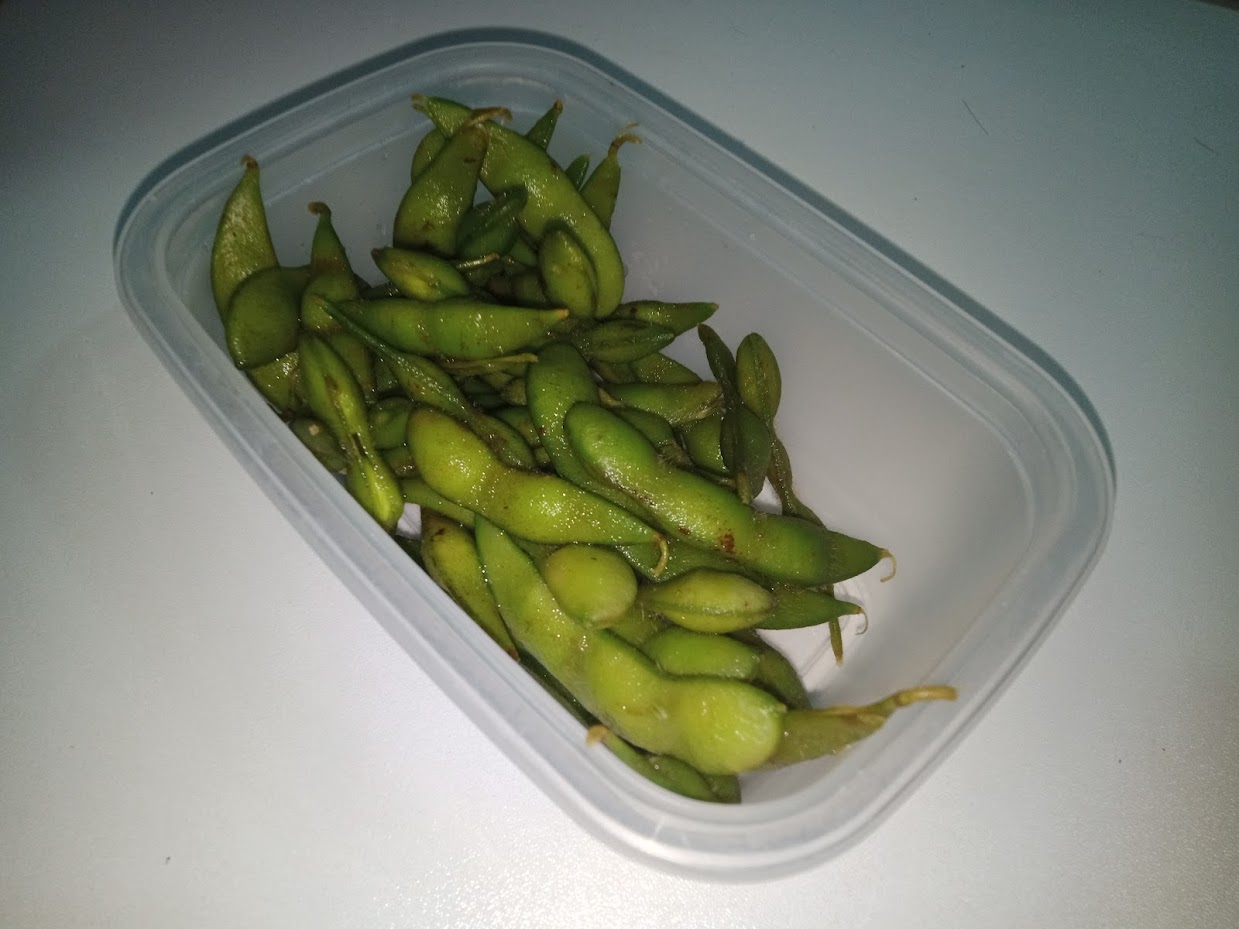
- Add soy foods. Toss edamame into salads, try tofu in a stir-fry, or keep a bag of frozen edamame for snacks.
- Make miso soup lighter. Use a little less miso paste or a low-sodium broth, and load it with tofu, greens and mushrooms.
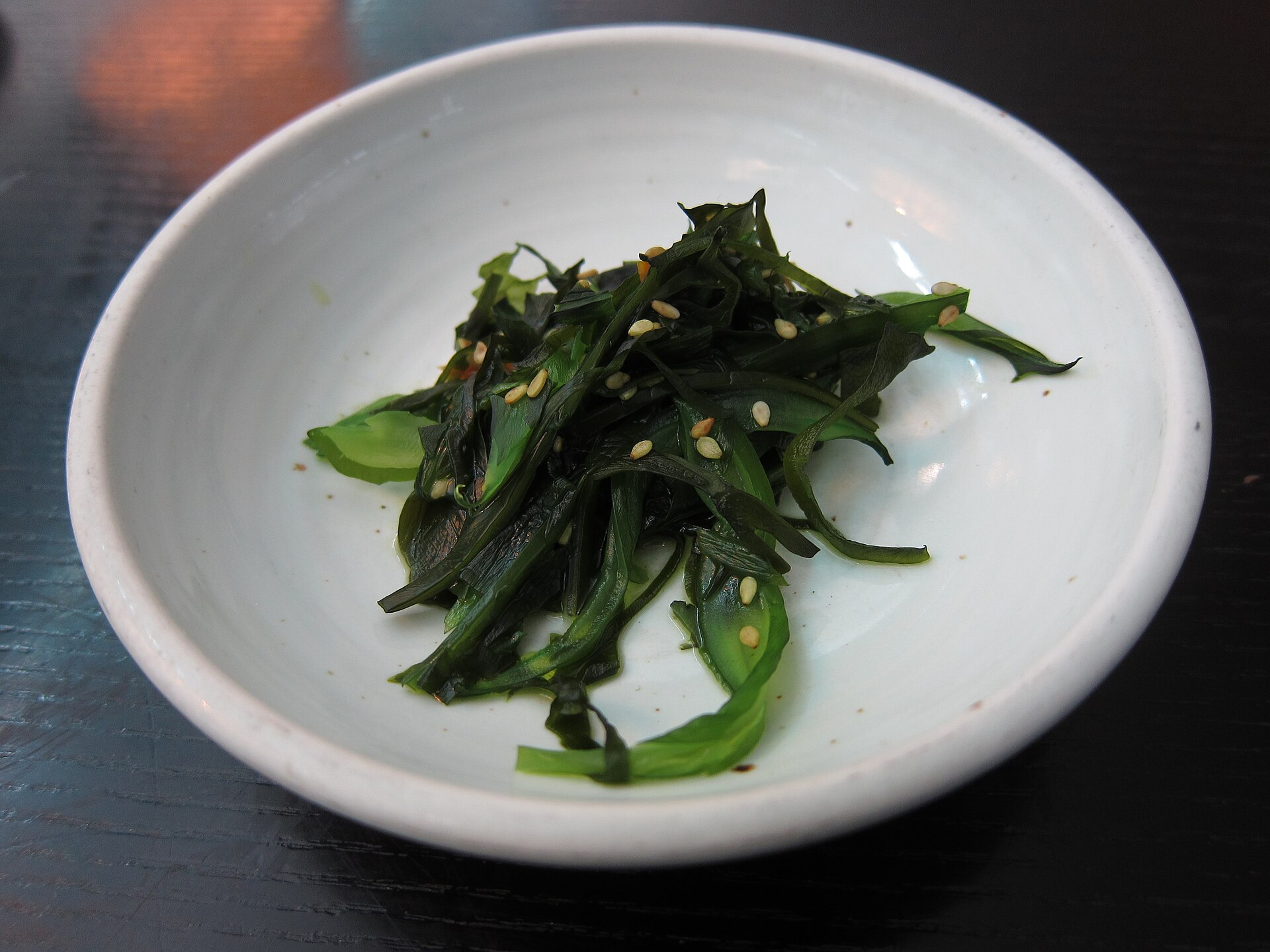
- Fill half the table with vegetables. Spinach with sesame, cucumber salad, roasted mushrooms and seaweed salad count.
- Drink green tea in place of soda or sweet tea with some meals.
- Use smaller rice bowls and more side dishes. Think one soup and three small sides instead of one giant plate.
- Keep pickles and soy sauce small. Enjoy them as a garnish, not a main event.
An Easy Japanese Diet Supper for 4
Want to try it tonight? This simple supper takes about 30 minutes and uses grocery store ingredients. For more ideas, browse our easy Japanese dinners at home.
- Cook 2 cups short-grain rice in 2 1/4 cups water: bring to a boil, cover and simmer 15 minutes, then rest 10 minutes.
- Season 4 salmon fillets (5 oz each) lightly with salt and bake at 425 F for 12 to 14 minutes.
- Warm 4 cups water with 1 tsp instant dashi, add cubed soft tofu and a little dried seaweed, then turn off the heat and stir in 2 tbsp miso.
- Steam 2 cups frozen edamame for 5 minutes and sprinkle with a pinch of salt.
- Toss sliced cucumber with rice vinegar and sesame seeds for a quick side.
- Serve everything in small bowls with a pot of green tea.
The Bottom Line
A big new review links a traditional Japanese diet to a lower risk of death from any cause and from heart disease, at least in Japanese adults. It did not find a clear link with total cancer deaths, and the salty parts of the menu may be the weak spot. The smart move is to borrow the fish, soy, vegetables, seaweed and green tea, and go easy on the pickles and soy sauce.
If you have high blood pressure, or a heart or kidney condition, talk to your doctor before changing your diet, especially the amount of salt you eat. Now tell us: which part of the Japanese diet would you try first, the fish, the miso soup or the green tea?