Ultra-Processed Food Study: 461,682 Americans, Nearly 19 Years and a Surprising Colon Cancer Answer
A new ultra-processed food study just gave a lot of worried home cooks a surprising answer. For years we have heard that anything “ultra-processed” belongs in the trash. Then researchers at the National Cancer Institute looked at 461,682 American adults, followed most of them for nearly 19 years, and checked who got colorectal cancer. The total amount of ultra-processed food people ate was not linked to colorectal cancer at all. What mattered was the kind of food. Processed meat was linked to higher risk, while whole-grain and dairy foods, even the packaged kind, were linked to lower risk. Here is what the study found, what it cannot tell us, and the simple swaps you can make in your own kitchen this week..
The study was published on October 15, 2026, in the journal PLOS Medicine. It was led by Leila Abar, with Erikka Loftfield as senior author, and it was paid for by the National Cancer Institute’s own research program, not by any food company.
That matters, because ultra-processed food is one of the most talked-about food topics in America right now. It shows up in school lunch rules, on new food labels and in almost every health headline. So a big, careful study that says “it depends on the food” is worth a closer look.
What the Ultra-Processed Food Study Looked At
The researchers used the NIH-AARP Diet and Health Study, one of the largest diet studies ever run in the United States. Adults aged 50 to 71 from six states and two big cities joined in 1995 and 1996 and filled out a detailed questionnaire about 124 foods and drinks they usually had.
The team sorted every food into groups by how processed it was. Ultra-processed foods are factory-made foods with ingredients you would not keep at home, like many breads, breakfast cereals, sodas, snack cakes, hot dogs and deli meats. The middle person in the study got about 43% of their daily calories from these foods.
Everyone in the analysis was cancer-free at the start. The researchers then followed them through cancer registries until the end of 2018, a median of 18.8 years. In that time, 10,075 people were diagnosed with colorectal cancer, which is cancer of the colon or rectum.
The Main Finding: No Overall Link
In the ultra-processed food study, the people who ate the most ultra-processed food had almost the same colorectal cancer rate as the people who ate the least. The numbers did not show a meaningful difference, even after the researchers accounted for age, smoking, alcohol, exercise, education, family history and other factors.
Why would that be? The authors think the answer is simple: “ultra-processed” is a huge group of very different foods. Some of them have long been linked to lower colorectal cancer risk, and some have long been linked to higher risk. Put them all in one bucket and they cancel each other out. Did this surprise you, or did you always suspect a slice of bread and a hot dog were not the same thing?
If you want to read more about why the processing label alone does not tell the whole story, see our earlier piece on 2 meals with the same nutrition label that did very different things in the body.
Foods Linked to Lower Risk, Even the Packaged Kind
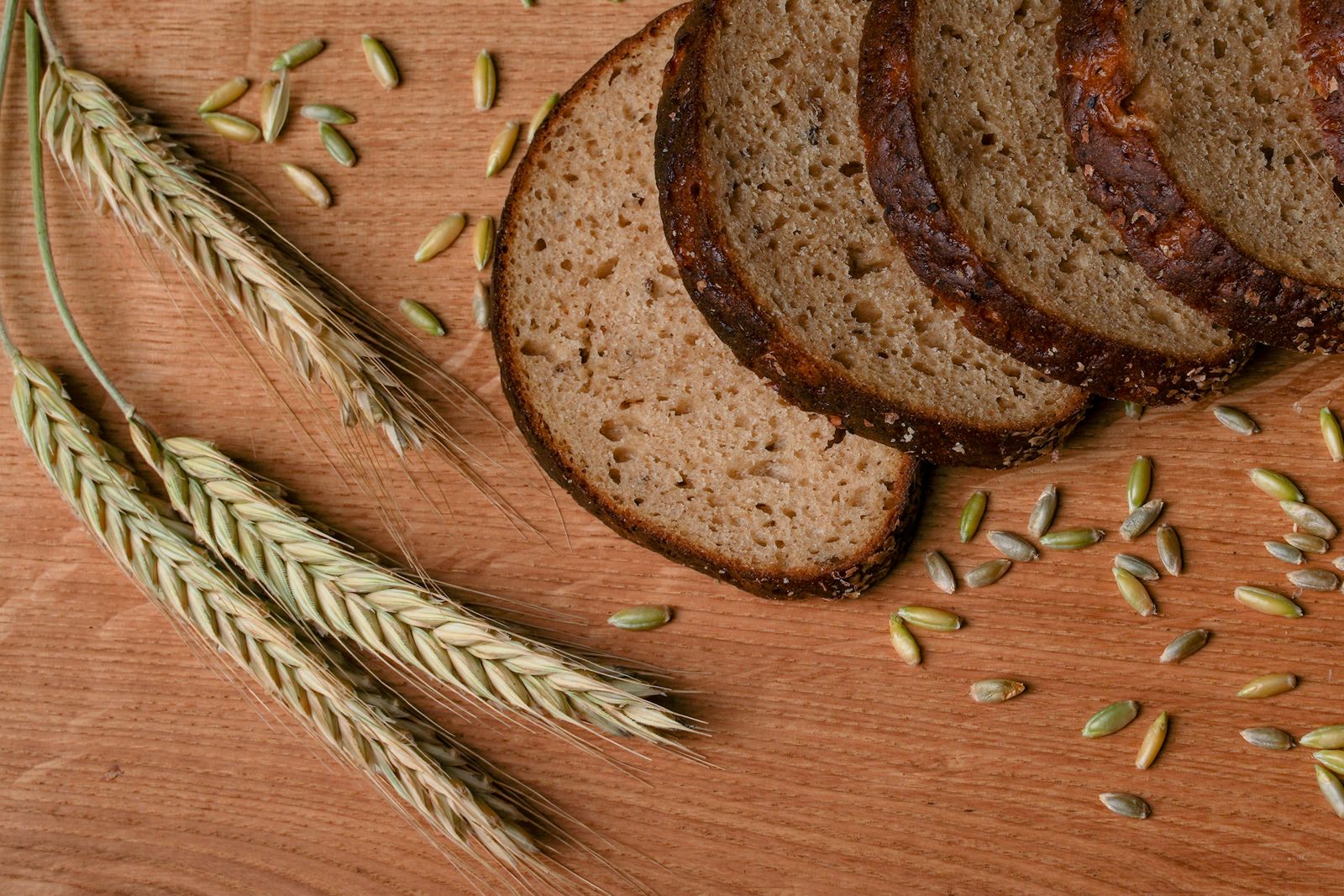
Here is the part of the ultra-processed food study most people do not expect. Some ultra-processed foods were linked to lower colorectal cancer risk. People who ate the most store-bought bread had about 9% lower risk than those who ate the least. For breakfast cereals it was about 16% lower. For frozen desserts and milk drinks, a big source of dairy and calcium, it was about 18% lower.
The reason seems to be what is inside them. In this group, almost 83% of all the whole grains people ate came from ultra-processed foods like sliced whole-wheat bread and cereal. Whole grains, fiber, dairy and calcium from these packaged foods were all linked to lower risk. Dairy and calcium from less processed foods, like plain milk and cheese, were linked to lower risk too.
This does not make ice cream a health food. It means the old advice still holds: whole grains, fiber, milk, yogurt and cheese fit well in a healthy diet, and a packaged version can still count.
The Food Linked to Higher Risk: Processed Meat
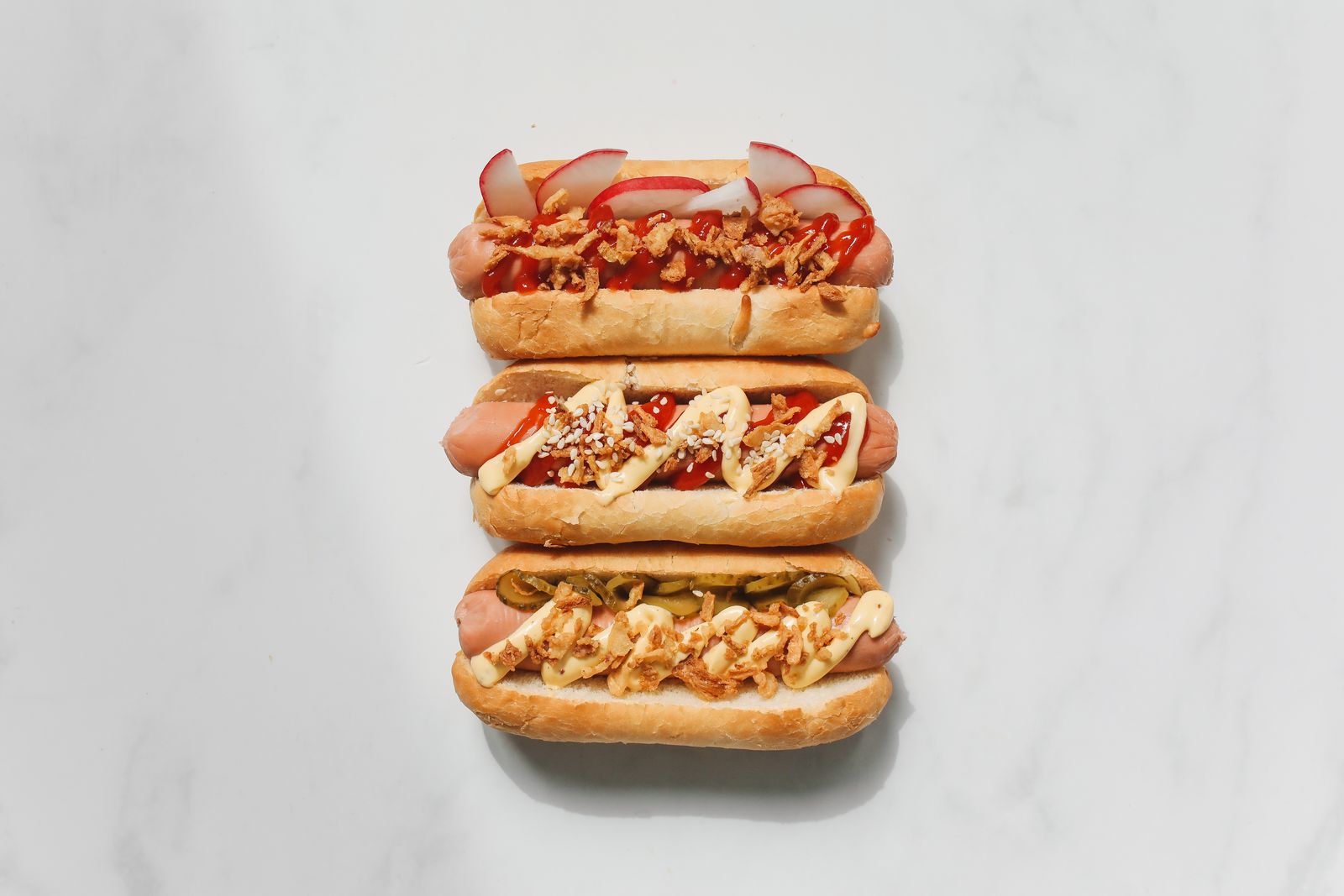
On the other side were processed meats. The ultra-processed food study found that people who ate the most “reconstituted” meat and fish products, think hot dogs, deli meats, sausages and similar foods, had about 10% higher colorectal cancer risk than those who ate the least. About three quarters of all the processed meat people ate came from ultra-processed sources.
Each extra daily serving of meat from ultra-processed foods was linked to about 8% higher risk. Meat from less processed sources was linked to a smaller rise, about 4% per daily serving. That matches what major cancer research groups have said for years about processed meat.
The researchers also ran a “swap” test. Replacing 10% of the weight of ultra-processed food in the diet with minimally processed food, like fresh fruit, vegetables, eggs, plain milk and plain meat, was linked to a 2% lower colorectal cancer rate. Small, but it adds up across a whole country.
What This Ultra-Processed Food Study Cannot Tell Us
This was an observational study. It shows links, not cause and effect. People who eat a lot of hot dogs may differ in other ways the researchers could not fully measure.
- Diet was asked about only once, in the mid-1990s, and food in American stores has changed a lot since then.
- Most people in the study were older and white, so the results may not fit younger or more diverse groups.
- The food questionnaire was built to measure nutrients, not processing, so some foods may have been sorted into the wrong group.
- The team could not look at food additives like emulsifiers, which other research has questioned.
The authors also found that a poor overall diet was still linked to higher colorectal cancer risk. In other words, this is not a free pass for a diet built on chips and soda.
Easy Kitchen Swaps to Try This Week
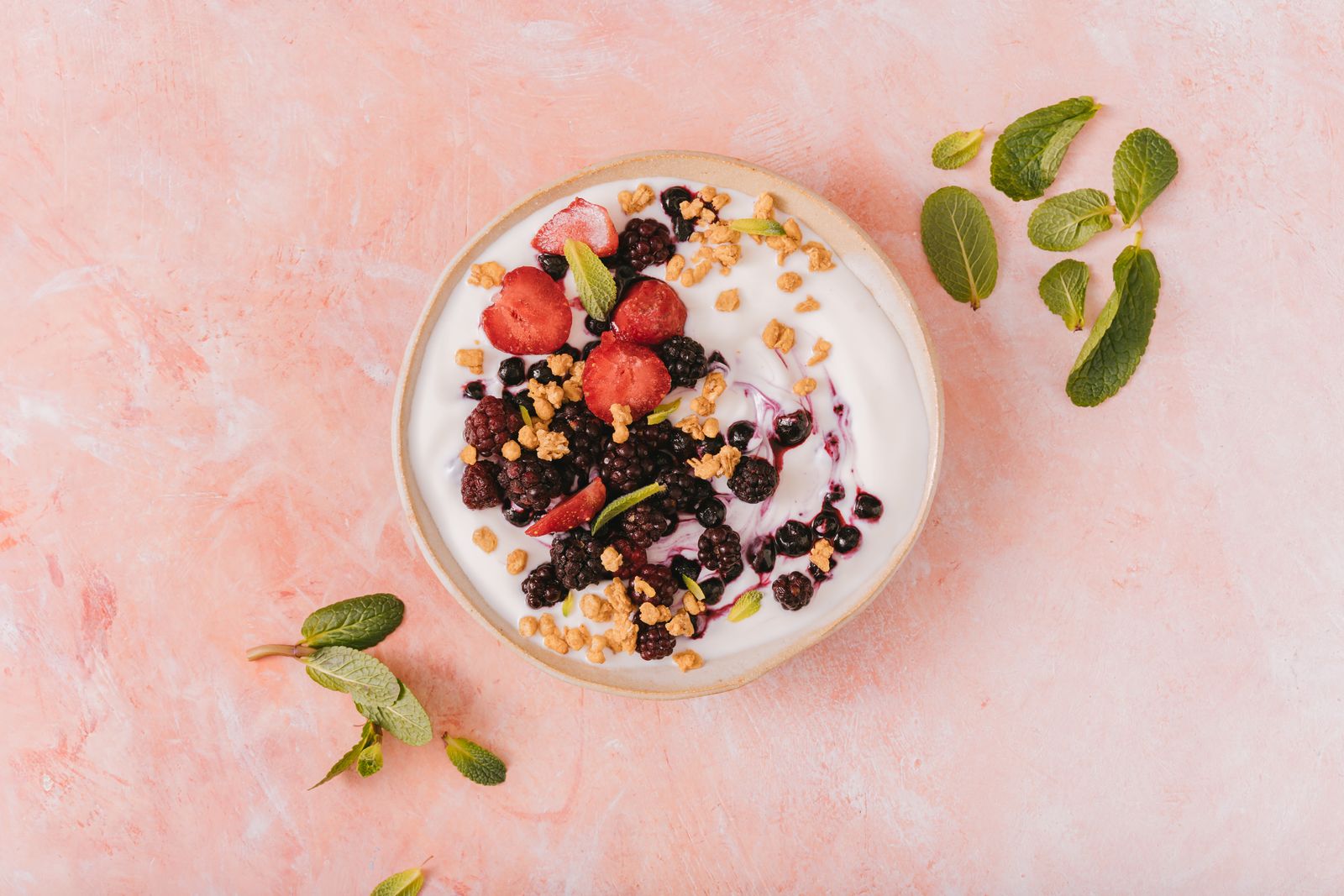
You do not need to throw out your pantry. The ultra-processed food study points to a calm, practical plan: keep the whole grains and dairy, and cut back on processed meat. Here are simple swaps that fit a busy week.
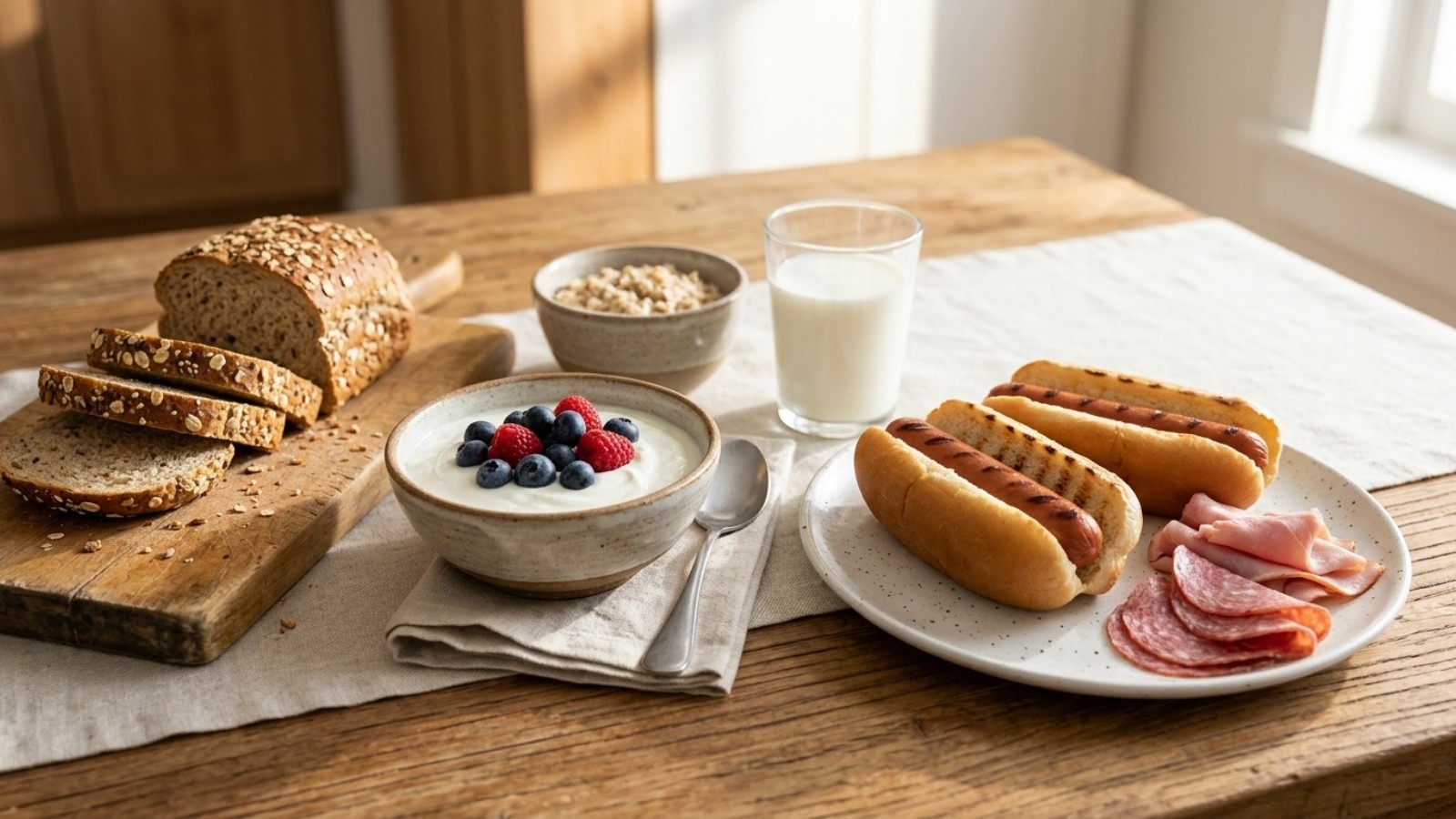
- Breakfast: instead of bacon or sausage, have oatmeal or a whole-grain cereal with milk, or a bowl of plain yogurt with berries and a handful of granola.
- Lunch: roast a turkey breast or a few chicken breasts on Sunday, slice them thin and use them in place of deli meat on whole-grain bread all week.
- No-cook lunches: egg salad, tuna salad or hummus with cheese and vegetables on whole-wheat bread are quick and easy.
- Dinner: trade hot dogs or sausage for a pot of beef and bean chili, a sheet pan of chicken thighs and vegetables, or baked salmon with brown rice.
- Snacks and dessert: cheese with whole-grain crackers, a glass of milk, or a small bowl of yogurt with fruit and a drizzle of honey.
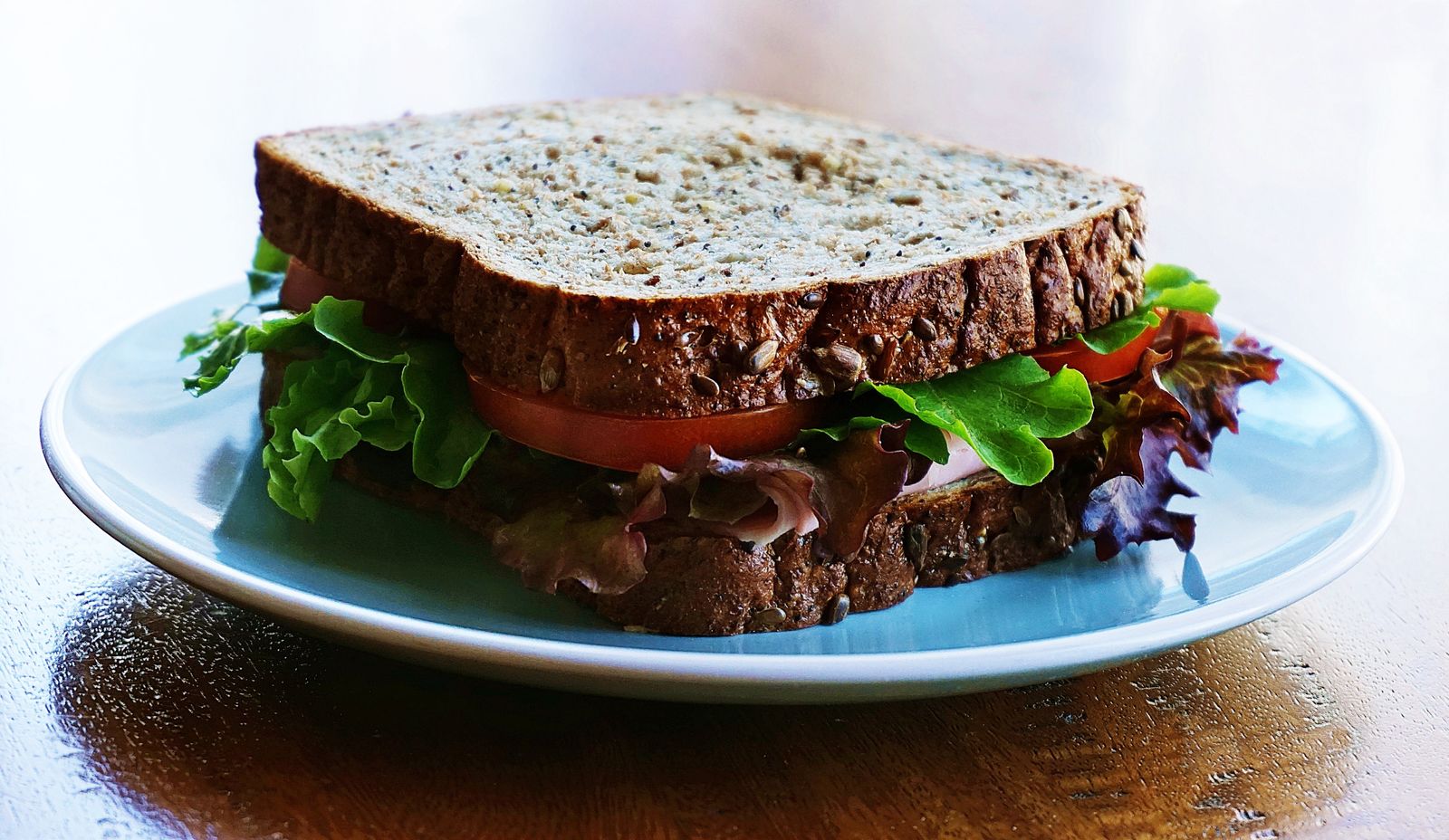
A quick homemade sliced turkey: rub a 2 to 3 lb boneless turkey breast with olive oil, salt, pepper, garlic powder and a little paprika. Roast at 375 F for about 1 hour, until it reaches 165 F inside. Rest it 15 minutes, chill it, then slice it thin. It keeps about 4 days in the fridge and makes great sandwiches. Which swap will your family try first: A) yogurt bowls, B) homemade turkey, or C) chili night?
For more on how processed foods may affect health, read our story on what a study of 8,783 adults found on brain MRI scans.
Last, keep the bigger picture in mind. Food is only one part of colorectal cancer risk. Age, family history, smoking, alcohol, weight and activity all play a role. In the United States, most adults at average risk are advised to start colorectal cancer screening at age 45. If you have questions about your diet or when to get screened, your doctor is the best person to ask.
The big takeaway from this ultra-processed food study is not “processed is fine” or “processed is poison.” It is that the kind of food matters. More whole grains, fiber and dairy, and fewer hot dogs and deli meats, is advice that still holds up after nearly two decades of data.