Real or Imitation? 14 Fake Foods You Might Be Paying Extra For, and the Easy Clues to Spot the Real Thing
That little bottle of truffle oil may never have been near a truffle. And the green paste next to your sushi is probably not what the menu calls it. Some of the most loved ingredients in America are also the ones most often copied, swapped or dressed up. This is not about scaring anyone or naming names. It is about knowing what you are paying for. Here are the fake foods worth knowing about, the simple clues on the label and in the kitchen, and an easy recipe that shows off the real thing..
Fake foods start at breakfast: real maple syrup vs pancake syrup
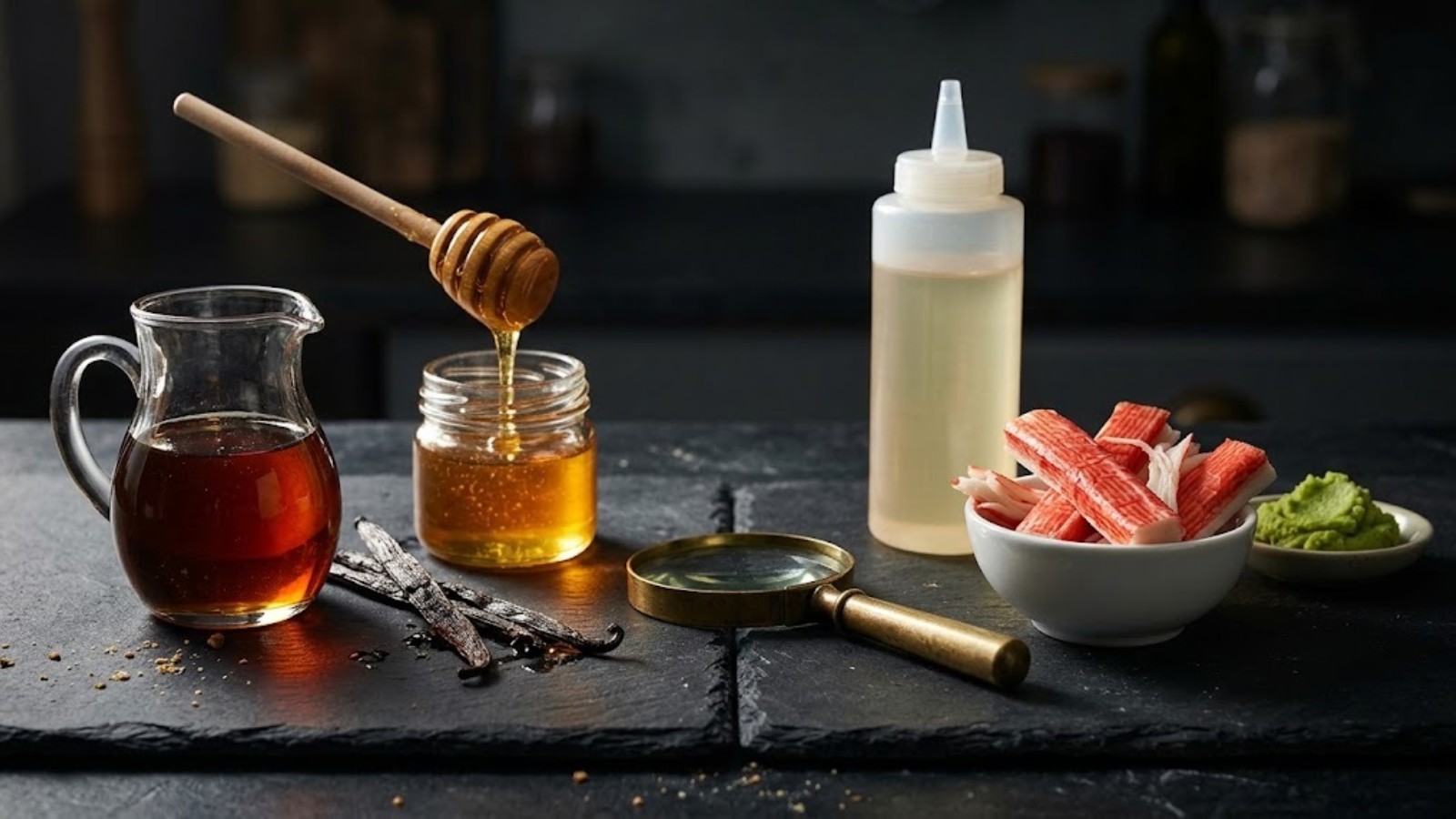
Real maple syrup is just sap from maple trees, boiled down for hours. It takes roughly 20 to 50 gallons of sap to make one gallon of syrup, which is why it costs more. Most pancake syrup is mostly corn syrup with flavoring. US rules say a syrup cannot use the word maple in its name unless it contains at least 10 percent real maple syrup. The clue: flip the bottle and read the ingredients. Real maple has only one. Which one is in your fridge right now?
You will need: Real maple glaze for salmon or carrots: 1/3 cup pure maple syrup, 2 tablespoons Dijon mustard, 1 tablespoon soy sauce, 1 clove garlic grated, pinch of black pepper.
How to make it: Whisk everything in a small bowl. Brush half over salmon fillets or roasted carrots. Bake at 400 degrees F, about 12 minutes for salmon or 25 minutes for carrots, brushing on the rest halfway through. The real maple turns glossy and caramelized in a way pancake syrup never does.
Fake foods at the grocery store: what the honey label should say
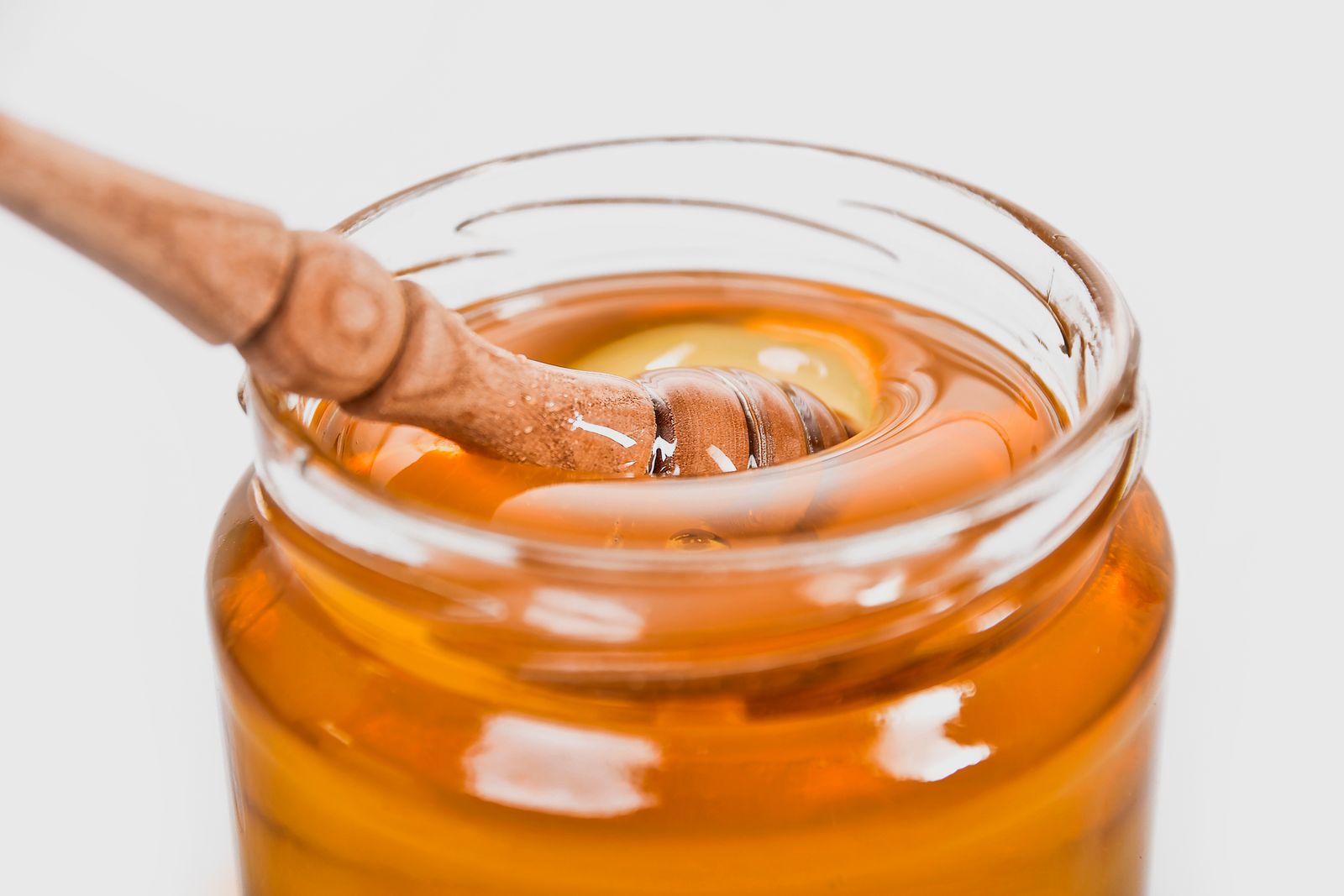
Honey shows up on almost every list of fake foods, because it is often mixed with cheaper sweeteners around the world. In the United States, FDA guidance from 2018 says a product sold as honey should be just honey. If sugar or syrup is added, the label must say so, for example a blend of corn syrup and honey. So read the front and the ingredient list. Pure honey has one ingredient: honey. Do you buy local honey at the farmers market?
You will need: Whipped honey butter: 1/2 cup softened salted butter, 3 tablespoons pure honey, 1/4 teaspoon cinnamon, pinch of flaky salt.
How to make it: Beat the butter on medium speed until pale and fluffy, about 2 minutes. Drizzle in the honey and cinnamon and beat 1 more minute. Spoon into a small jar and top with flaky salt. Serve on warm biscuits, cornbread or toast. Keeps 1 week in the fridge.
Vanilla extract vs imitation vanilla
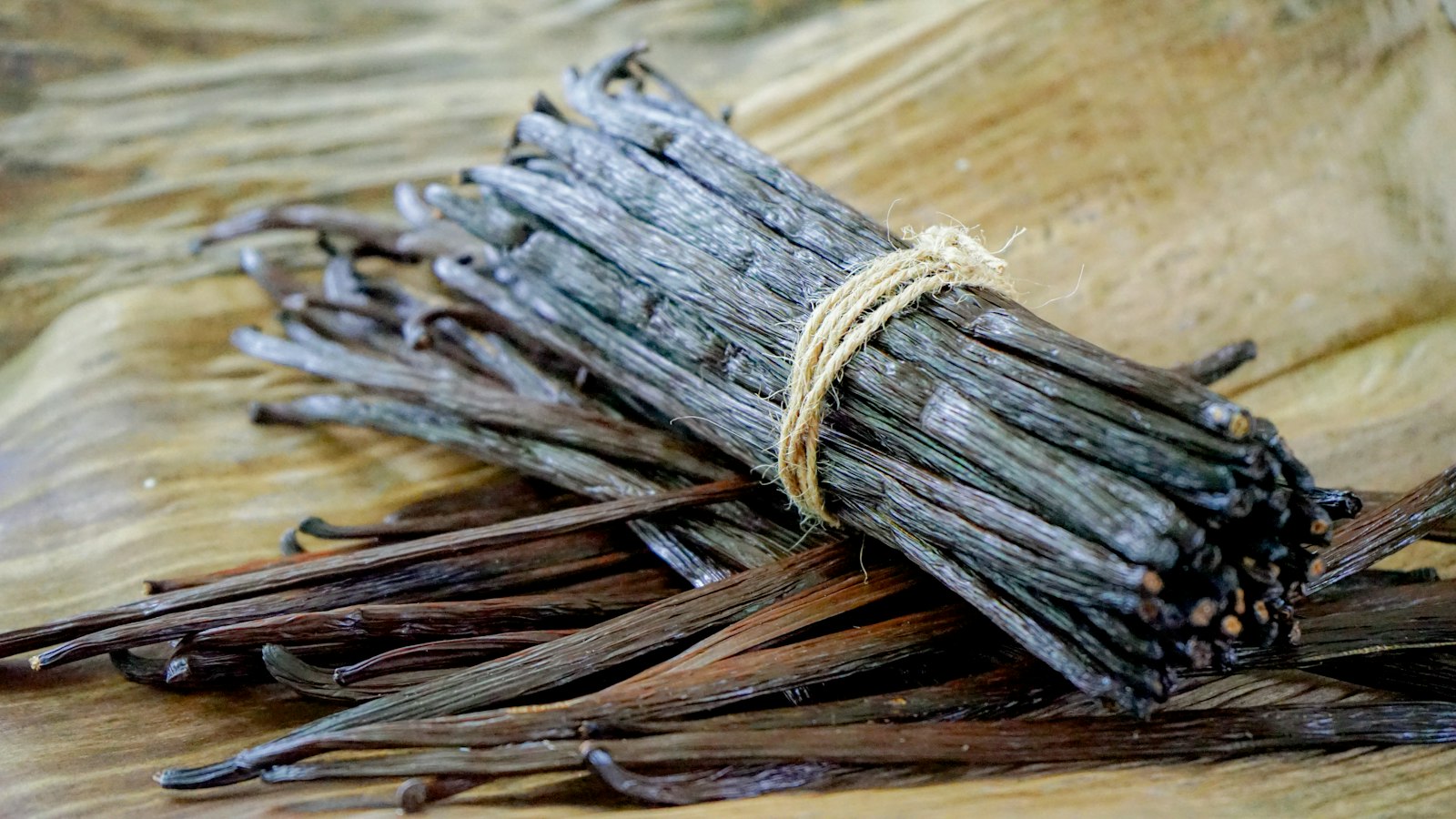
Under US rules, pure vanilla extract must be made with at least 13.35 ounces of vanilla beans per gallon and at least 35 percent alcohol. Imitation vanilla gets its flavor from vanillin made in a lab, often from a by-product of the wood pulp industry. Not all fake foods are bad, and here is the honest truth: in a chocolate cake you may not taste much difference. In a custard or ice cream, where vanilla is the star, the real thing shines. Real or imitation in your pantry?
You will need: Pure vanilla custard: 2 cups whole milk, 4 egg yolks, 1/2 cup sugar, 2 tablespoons cornstarch, pinch of salt, 2 teaspoons pure vanilla extract, 1 tablespoon butter.
How to make it: Heat the milk until steaming. Whisk the yolks, sugar, cornstarch and salt in a bowl. Slowly whisk in the hot milk, then pour it all back into the pan. Cook over medium heat, whisking, until thick and bubbling for 1 minute. Off the heat, stir in the vanilla and butter. Chill covered.
Fake foods in fancy bottles: truffle oil is often a flavor, not a truffle
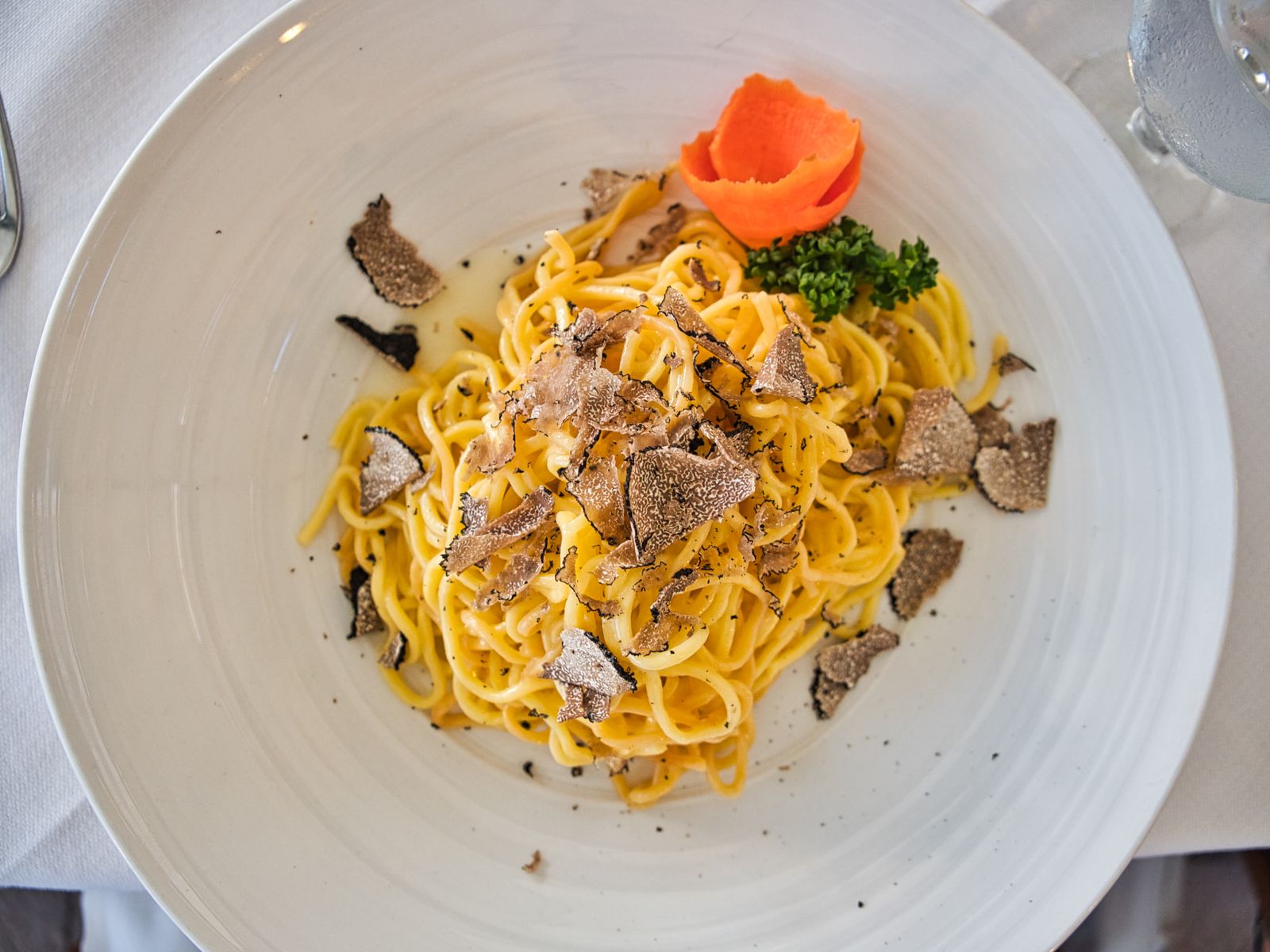
This one surprises a lot of people. Nearly all truffle oil gets its smell from a single flavor compound made in a lab, mixed into olive or another oil. Real truffles are rare and expensive, and their aroma fades fast. If you love that earthy flavor on fries or pasta, mushrooms and a little butter get you closer to the real thing for less money. Have you ever tasted a real truffle?
You will need: Earthy mushroom butter pasta: 8 ounces fettuccine, 3 tablespoons butter, 8 ounces mixed mushrooms sliced, 2 cloves garlic, 1/2 cup grated Parmesan, salt, pepper, parsley.
How to make it: Cook the pasta and save 1/2 cup water. Melt the butter in a skillet and cook the mushrooms over high heat without stirring for 3 minutes, then stir until browned. Add garlic for 30 seconds. Toss in the pasta, cheese and splashes of pasta water until glossy. Season and top with parsley.
Wasabi: the green paste is usually horseradish
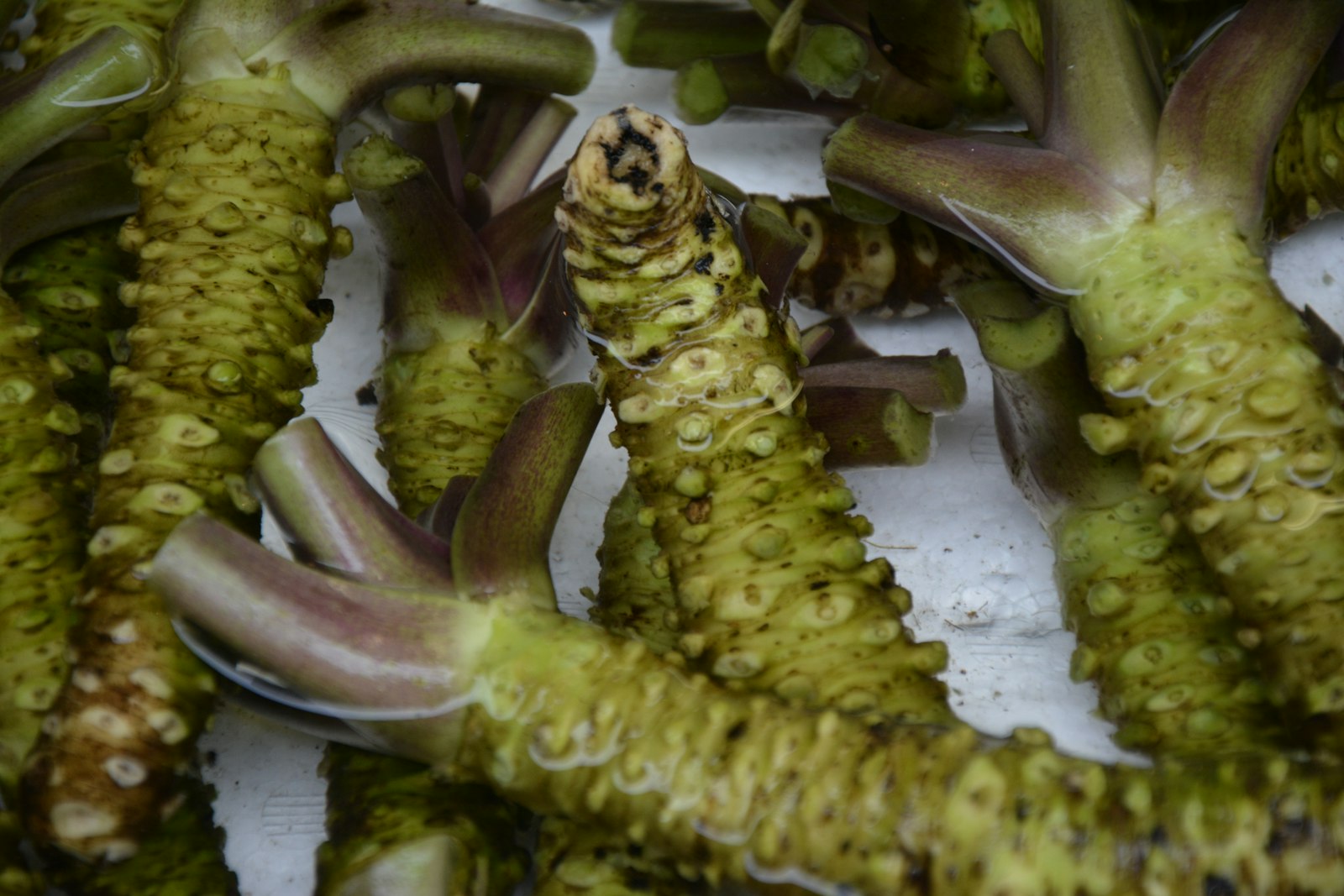
Real wasabi comes from the root-like stem of a plant that is hard to grow, so it is pricey. Outside Japan, the green paste served at most sushi spots is usually a mix of horseradish, mustard and green coloring. Fresh wasabi is grated just before eating and tastes cleaner and a little sweet, with heat that fades fast. Next time, ask if it is real wasabi. Would you pay extra to try it?
You will need: Wasabi-style mayo for crab cakes or sandwiches: 1/2 cup mayonnaise, 2 to 3 teaspoons prepared horseradish or wasabi paste, 1 teaspoon lime juice, 1 teaspoon soy sauce, 1/2 teaspoon honey.
How to make it: Stir everything together until smooth. Taste and add more horseradish for more heat. Chill 15 minutes so the flavors blend. Spread on burgers, crab cakes, salmon or turkey sandwiches, or use it as a dip for crispy shrimp and fries.
Fake foods in the spice aisle: real saffron vs dyed threads
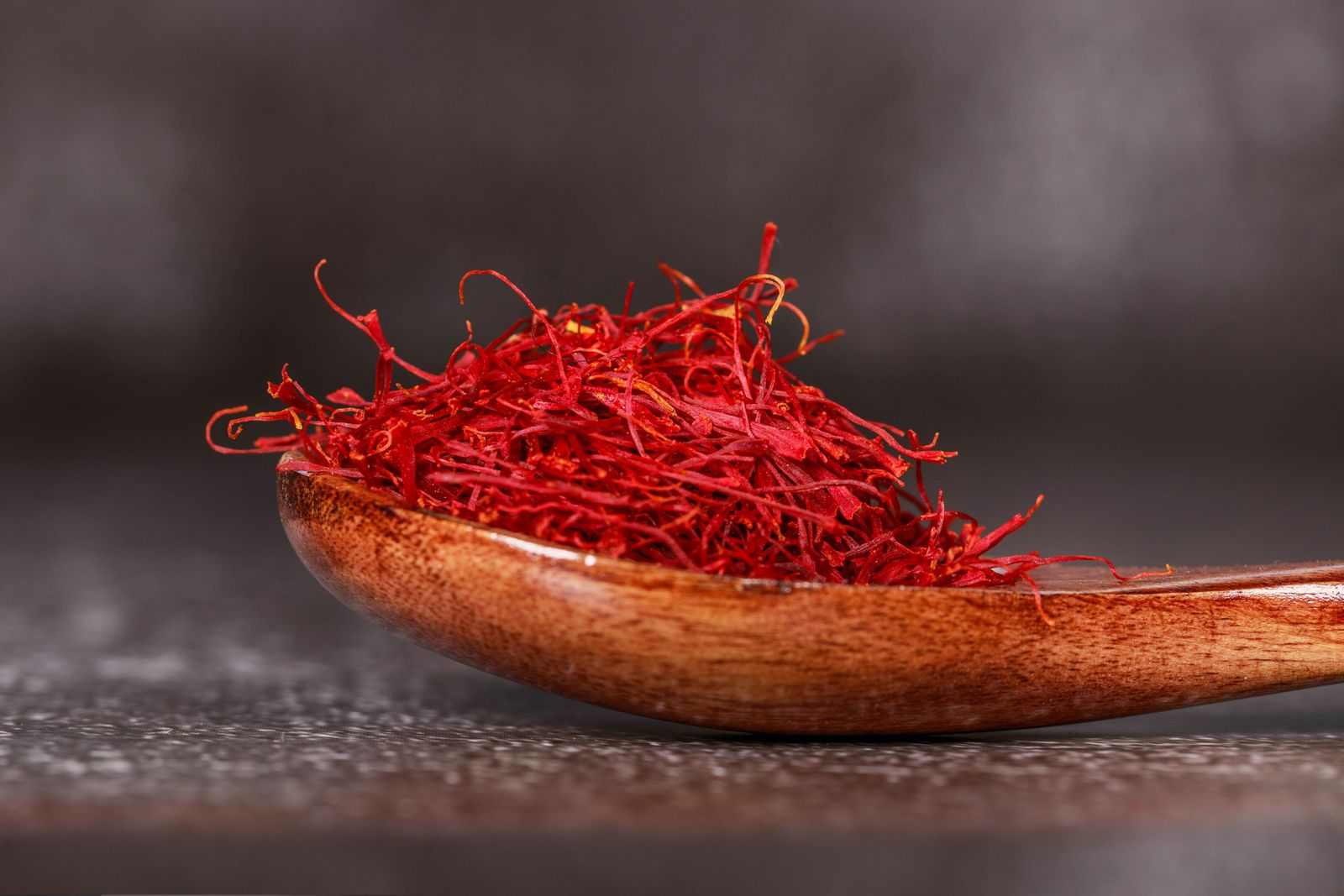
Saffron is the dried red threads from a crocus flower, picked by hand. It takes around 150 flowers to make a single gram, so cheap saffron should raise an eyebrow. Fakes can include safflower, corn silk or dyed fibers. A simple kitchen test: drop a few threads in warm water. Real saffron slowly turns the water golden yellow while the threads stay red. Ever tried the water test?
You will need: Simple saffron rice: 1 pinch saffron threads, 2 tablespoons warm water, 1 tablespoon butter, 1 small onion diced, 1 cup long grain rice rinsed, 2 cups chicken or vegetable broth, salt.
How to make it: Soak the saffron in the warm water for 10 minutes. Melt the butter and soften the onion for 4 minutes. Add the rice and stir 1 minute. Pour in the broth, saffron and its water, and a pinch of salt. Bring to a boil, cover and simmer on low 18 minutes. Rest 5 minutes and fluff.
Cinnamon: cassia vs Ceylon (both real, very different)
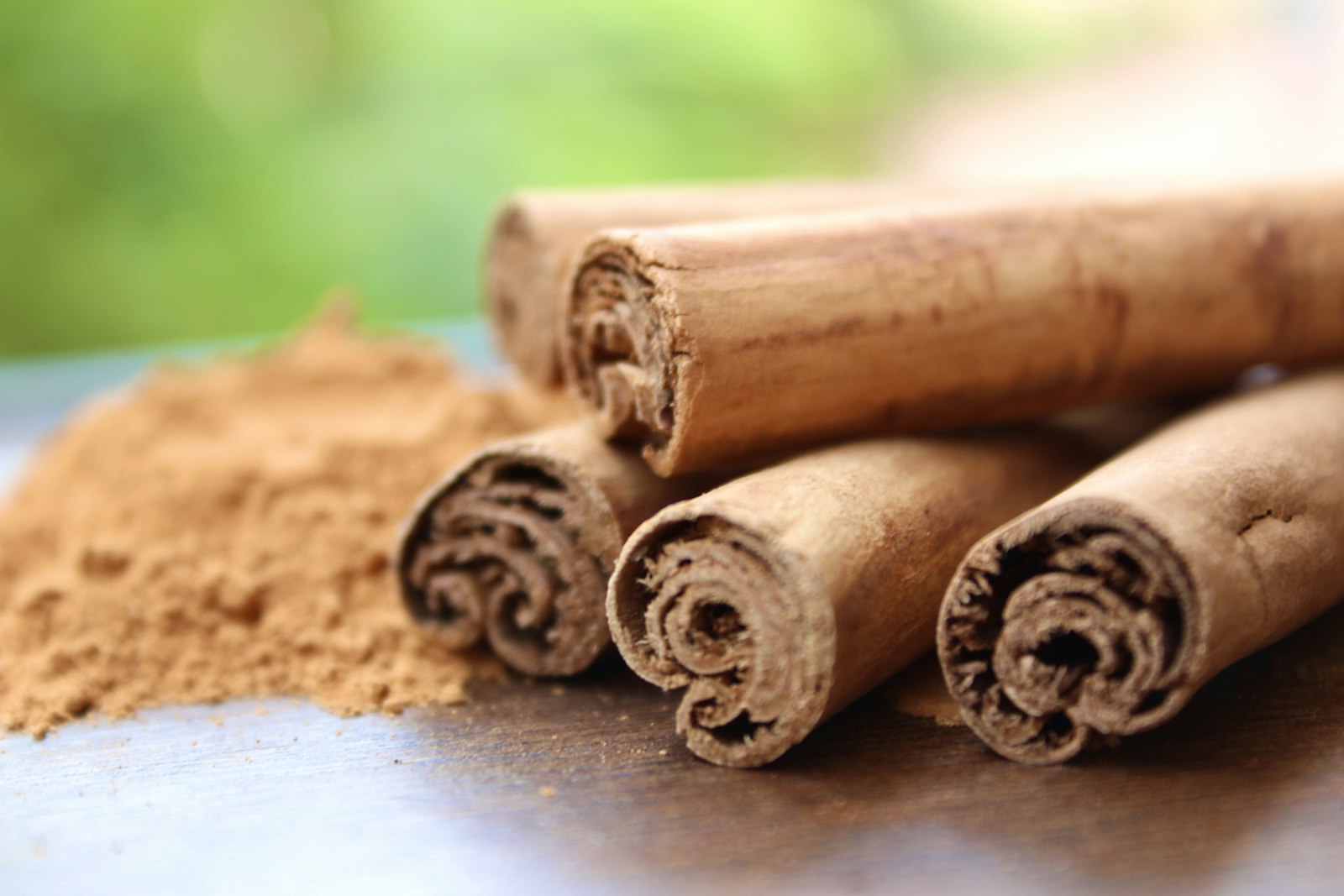
Here is a twist: most cinnamon sold in America is cassia, and it is real cinnamon. Ceylon cinnamon, sometimes called true cinnamon, comes mostly from Sri Lanka. Cassia is bold and spicy with thick, hard bark. Ceylon is softer and sweeter, with thin layers rolled like a cigar. Neither is fake, but they are not the same, so check the label if a recipe asks for one. Team bold or team mild?
You will need: Cinnamon sugar toast: 4 slices thick bread, 4 tablespoons softened butter, 3 tablespoons sugar, 2 teaspoons cinnamon (cassia for bold, Ceylon for mild), pinch of salt.
How to make it: Heat the oven to 375 degrees F. Mix the sugar, cinnamon and salt. Spread butter to the edges of each slice, then sprinkle the cinnamon sugar thickly. Bake on a sheet pan for 8 to 10 minutes until bubbling, then broil 1 minute for a crunchy top. Cool 2 minutes before eating.
Imitation crab: what it really is
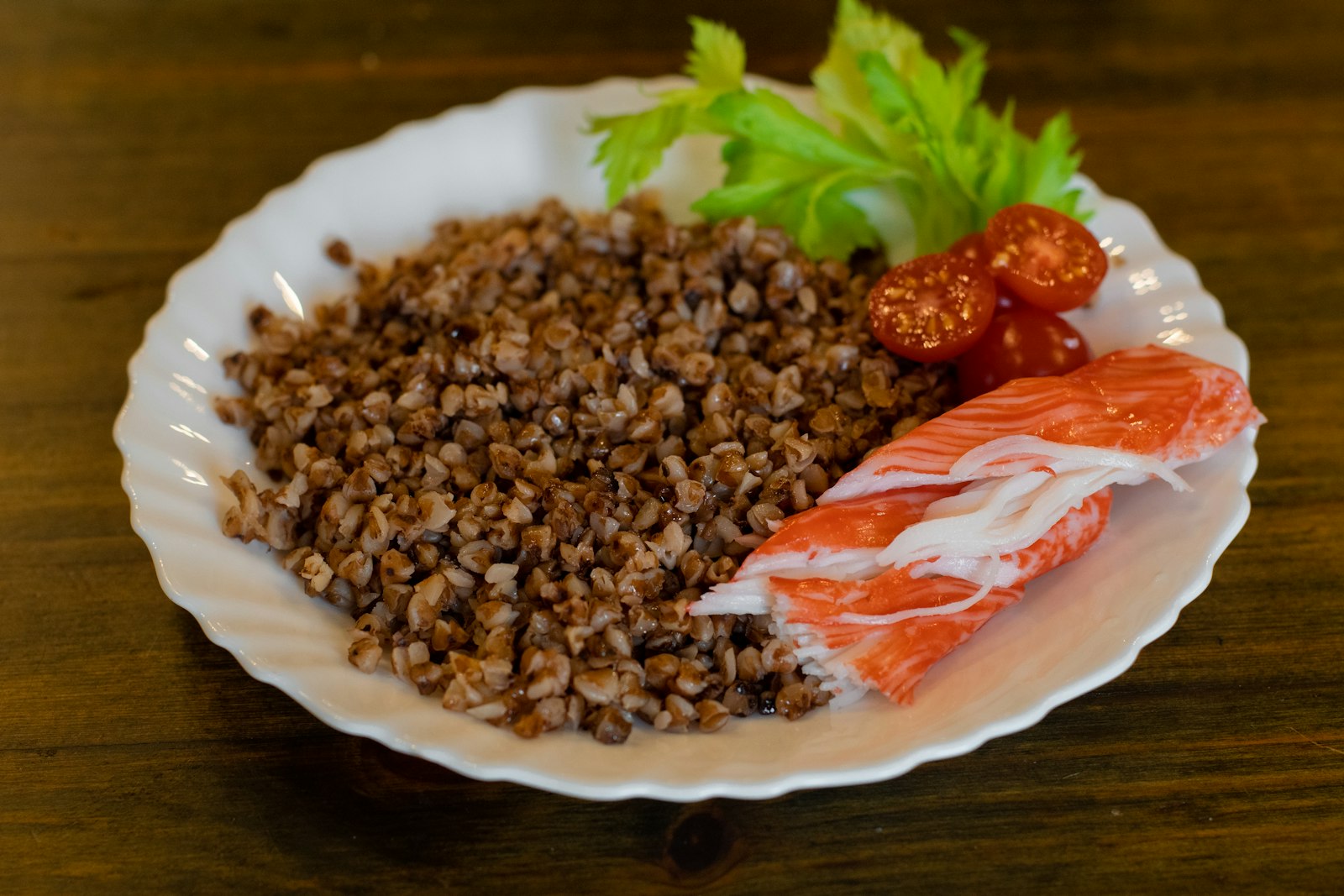
Imitation crab often lands on fake foods lists, but it is not a scam, it is just a different food. It is made from surimi, a paste of white fish (often pollock) mixed with starch and flavor, then shaped and colored to look like crab legs. In US stores it is labeled imitation crab, so the clue is right there. It is cheap and handy for salads. For crab cakes, though, real lump crab is worth the splurge. Do you use it in sushi rolls at home?
You will need: Real lump crab cakes: 1 pound lump crab meat, 1/3 cup mayonnaise, 1 egg, 1 teaspoon Dijon mustard, 1 teaspoon seafood seasoning, 1/2 cup crushed saltine crackers, 1 tablespoon parsley, 2 tablespoons butter, lemon wedges.
How to make it: Gently mix everything except the crab and butter. Fold in the crab without breaking the lumps. Shape 6 cakes and chill 30 minutes. Melt the butter in a skillet over medium heat and cook the cakes 4 minutes per side until golden. Serve with lemon or the wasabi-style mayo above.
Fake foods on sushi menus: what white tuna can really be
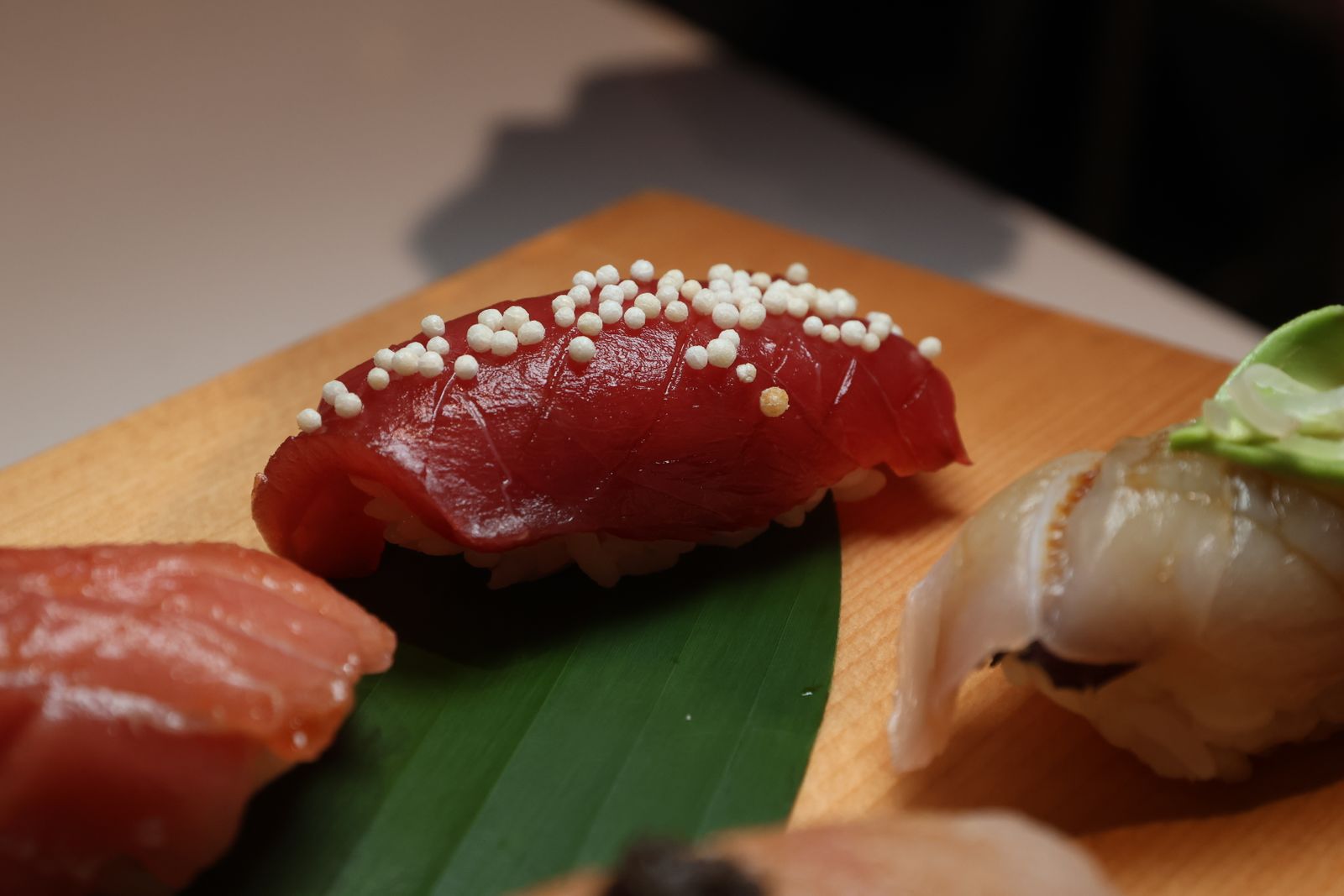
If a sushi menu lists white tuna, it is worth a polite question. In a 2013 nationwide seafood study, the ocean group Oceana found that 84 percent of the fish samples sold as white tuna were actually a different fish called escolar. Real albacore is the fish most people mean by white tuna. The easy fix is to ask your server what species it is. Have you ever asked where your fish comes from?
You will need: Albacore tuna salad (with real canned albacore): two 5-ounce cans albacore in water drained, 1/3 cup mayonnaise, 1 celery stalk diced, 2 tablespoons red onion minced, 1 teaspoon lemon juice, salt, pepper.
How to make it: Flake the tuna into a bowl with a fork. Add the mayonnaise, celery, onion and lemon juice and mix gently. Season with salt and pepper. Serve on toasted bread, in lettuce cups or with crackers. Keeps 2 days covered in the fridge.
Extra virgin olive oil: freshness clues
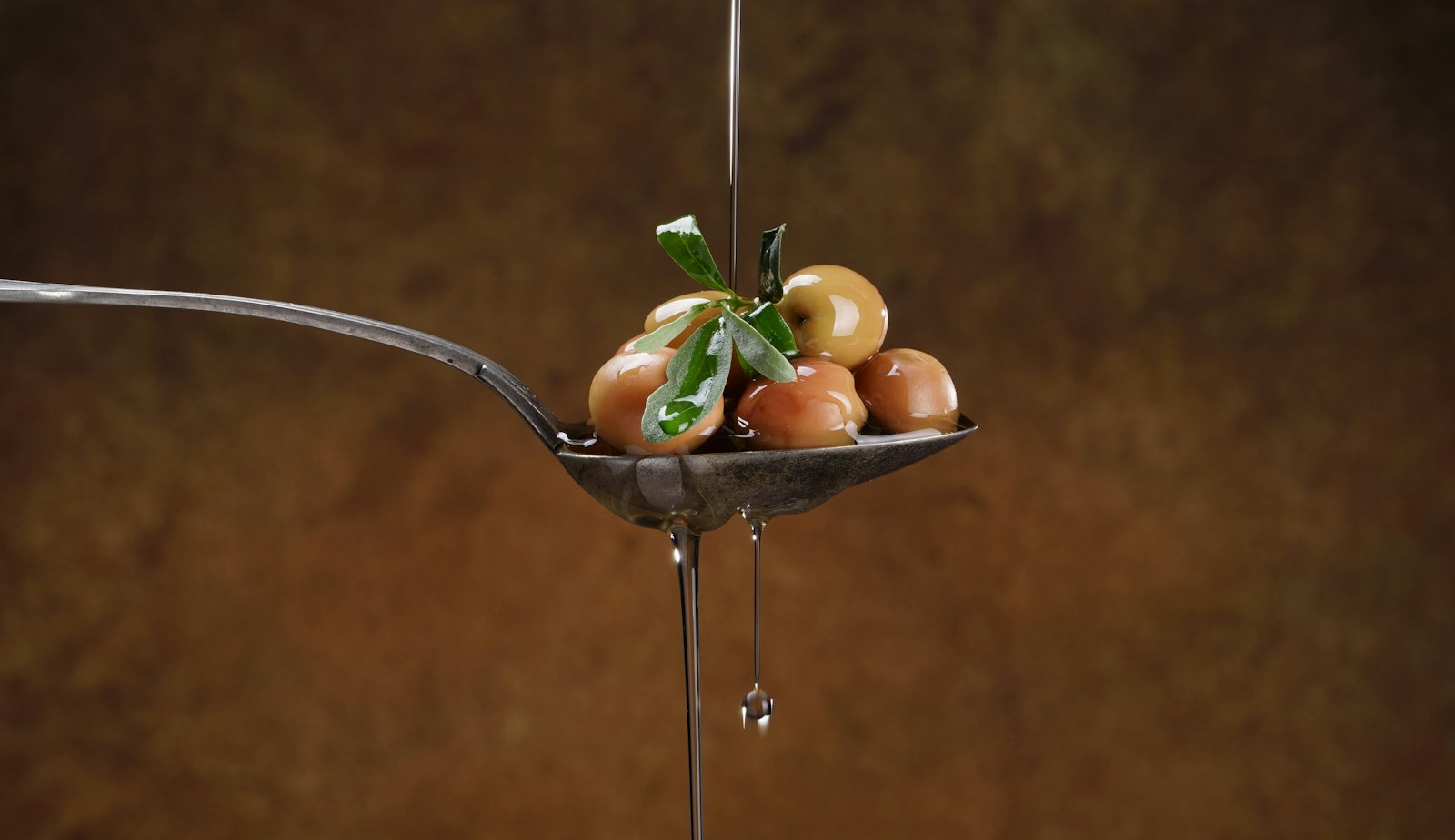
Extra virgin is the top grade of olive oil, and it is also an easy label to stretch. You do not need a lab to avoid fake foods and shop smarter. Look for a harvest date, not just a best-by date, and pick a dark glass bottle or tin that keeps out light. Fresh oil smells green and fruity and may tickle your throat a little. If it smells flat or like crayons, it is past its best. When did you last check yours?
You will need: Simple bread dipping oil: 1/2 cup good extra virgin olive oil, 1 clove garlic minced, 1/2 teaspoon dried oregano, 1/4 teaspoon red pepper flakes, flaky salt, black pepper, 1 tablespoon grated Parmesan, warm crusty bread.
How to make it: Pour the oil into a shallow dish. Stir in the garlic, oregano and pepper flakes. Let it sit 10 minutes so the garlic flavors the oil. Sprinkle with flaky salt, pepper and Parmesan just before serving. Tear the warm bread and dip.
Wagyu and Kobe on restaurant menus
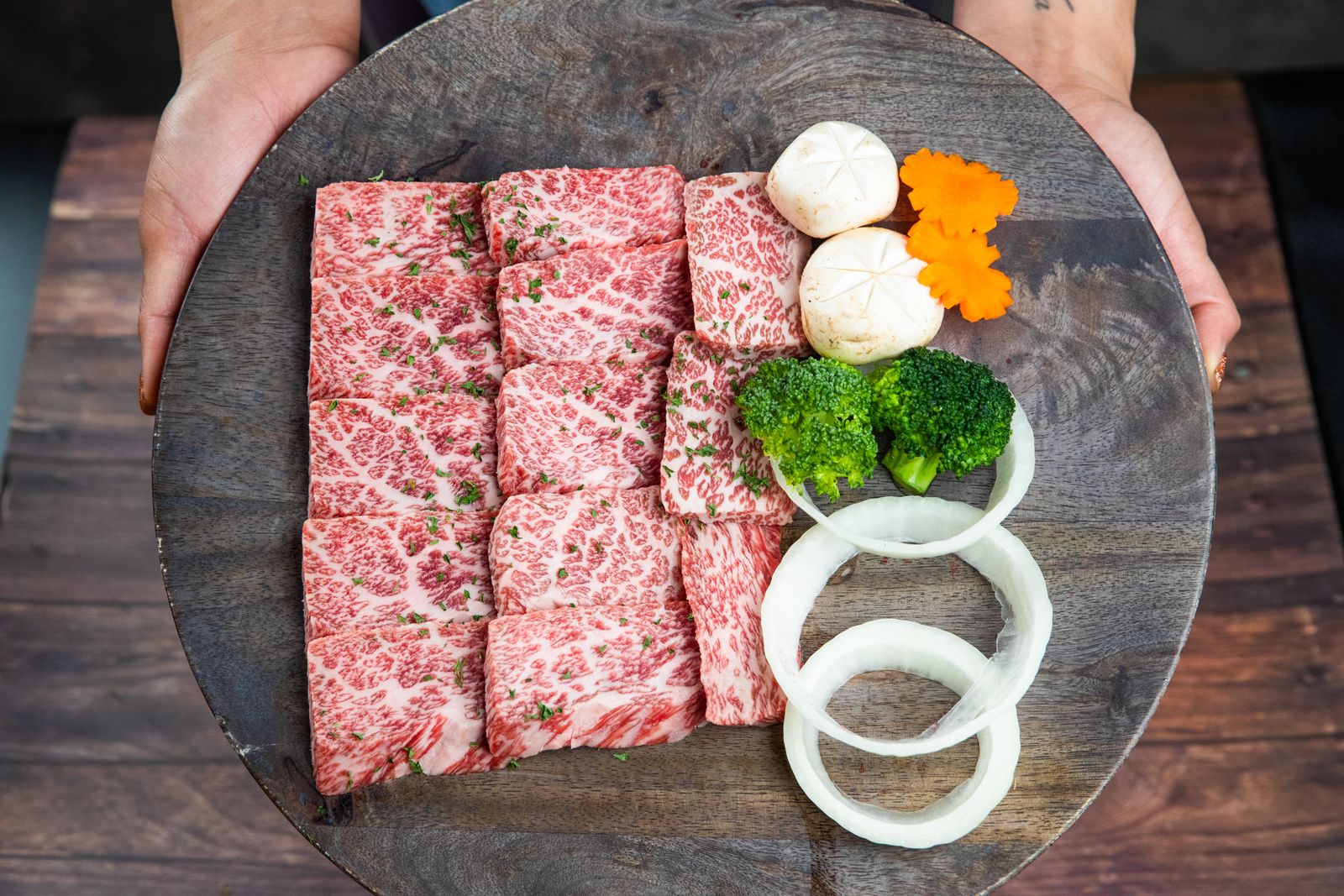
Real Kobe beef has strict rules. It must come from Tajima-strain Japanese Black cattle born and raised in Hyogo Prefecture, Japan, and meet tough grading standards. The US does not legally protect the Kobe name, so you may see Kobe-style or American Wagyu, which is often a cross with other breeds. Those are not fake foods, and both can be delicious. Just know a Kobe slider at a sports bar is likely not the real thing. Want more ideas? Try our steak dinners at home that beat a steakhouse night. Would you ever splurge on a real Kobe steak?
You will need: Butter-basted steak for two: 2 rib-eye or strip steaks about 1 inch thick, salt, pepper, 1 tablespoon oil, 3 tablespoons butter, 3 cloves garlic smashed, 2 sprigs thyme.
How to make it: Pat the steaks dry and season well. Heat oil in a cast iron skillet until shimmering. Sear 3 minutes. Flip, add butter, garlic and thyme, and spoon the foaming butter over the steaks for 2 to 3 minutes until 130 degrees F for medium rare. Rest 5 minutes and slice.
Caviar vs roe: fake foods or just different fish?
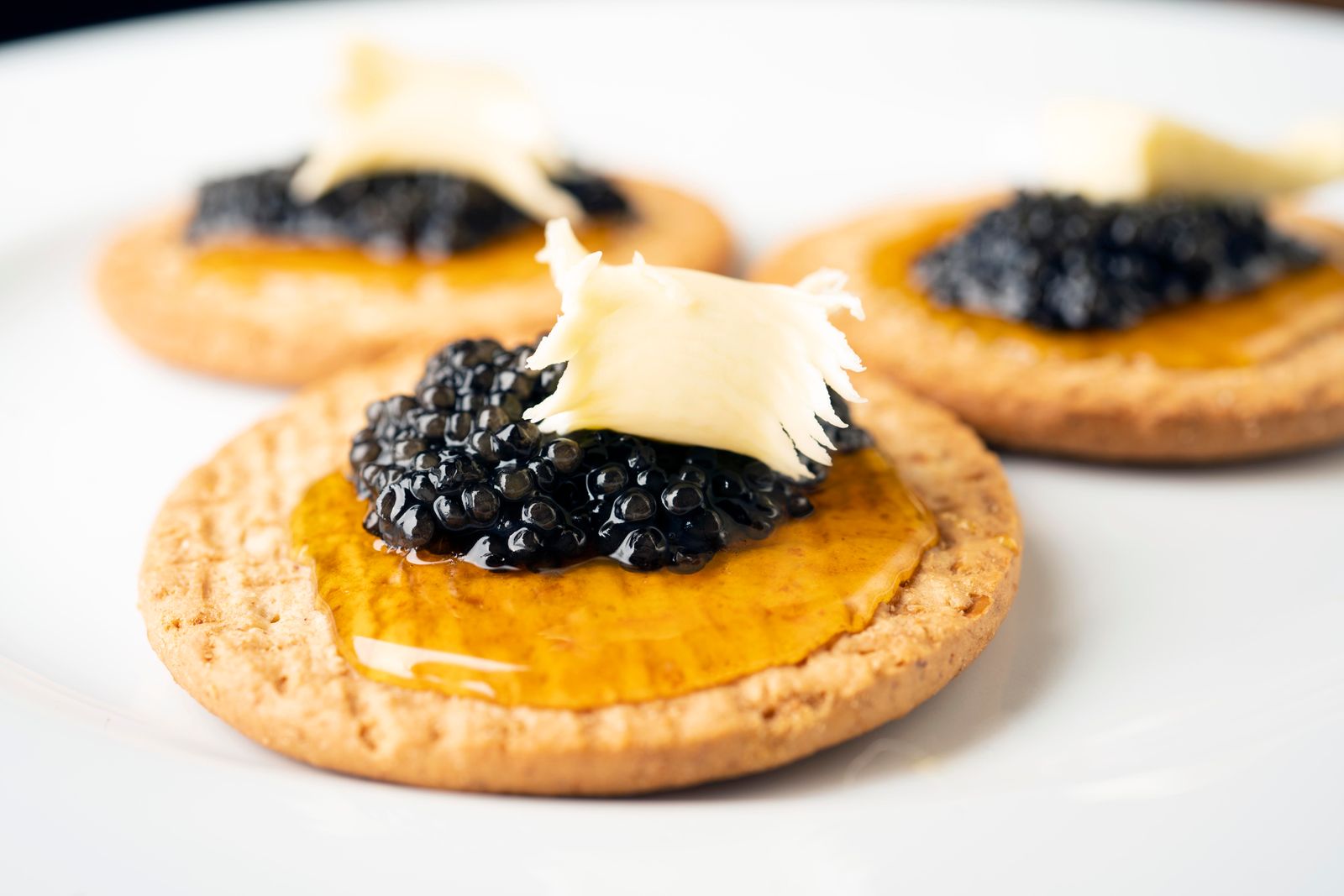
Under FDA policy, the word caviar used alone means salted sturgeon roe. Roe from other fish can still be called caviar, but the label has to name the fish, like salmon caviar or whitefish caviar. That is good news for your wallet. Salmon and trout roe are beautiful, budget friendly and perfect for a holiday party. The clue is the fish name on the tin. Fancy appetizer or no thank you?
You will need: Holiday deviled eggs with roe: 6 hard-boiled eggs, 1/4 cup mayonnaise, 1 teaspoon Dijon mustard, 1 teaspoon lemon juice, salt, pepper, 2 ounces salmon or trout roe, chives.
How to make it: Halve the eggs and pop the yolks into a bowl. Mash with the mayonnaise, mustard and lemon juice until smooth, then season. Pipe or spoon back into the whites. Chill until serving. Top each egg with a small spoon of roe and a few snips of chives right before guests arrive.
Balsamic vinegar: aged vs everyday
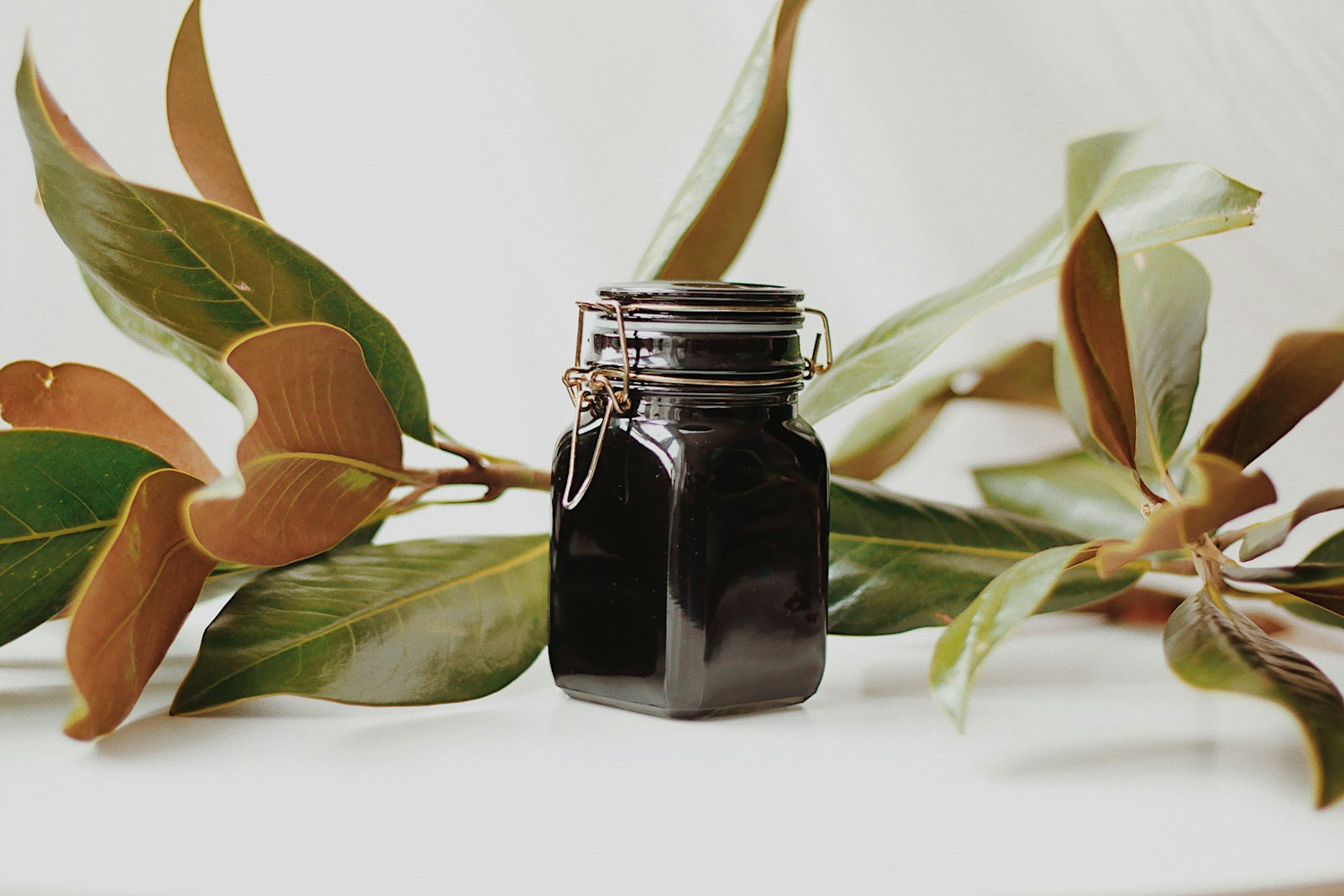
Traditional balsamic vinegar from Modena or Reggio Emilia is made from cooked grape must and aged for at least 12 years in wooden barrels. It is thick, sweet and sold in tiny bottles at a high price. Everyday balsamic vinegar of Modena is a different product, usually wine vinegar blended with grape must. Both have a place in the kitchen. The clue is the word traditional and the price. Which do you keep for salads?
You will need: Easy balsamic glaze: 1 cup everyday balsamic vinegar, 1 tablespoon brown sugar or honey (optional).
How to make it: Pour the vinegar into a small saucepan and stir in the sugar or honey if using. Bring to a gentle boil, then simmer on low for 10 to 15 minutes until reduced by about half and it coats a spoon. It thickens more as it cools. Drizzle over caprese salad, roasted vegetables, strawberries or grilled chicken.
Parmesan: look for the dotted rind
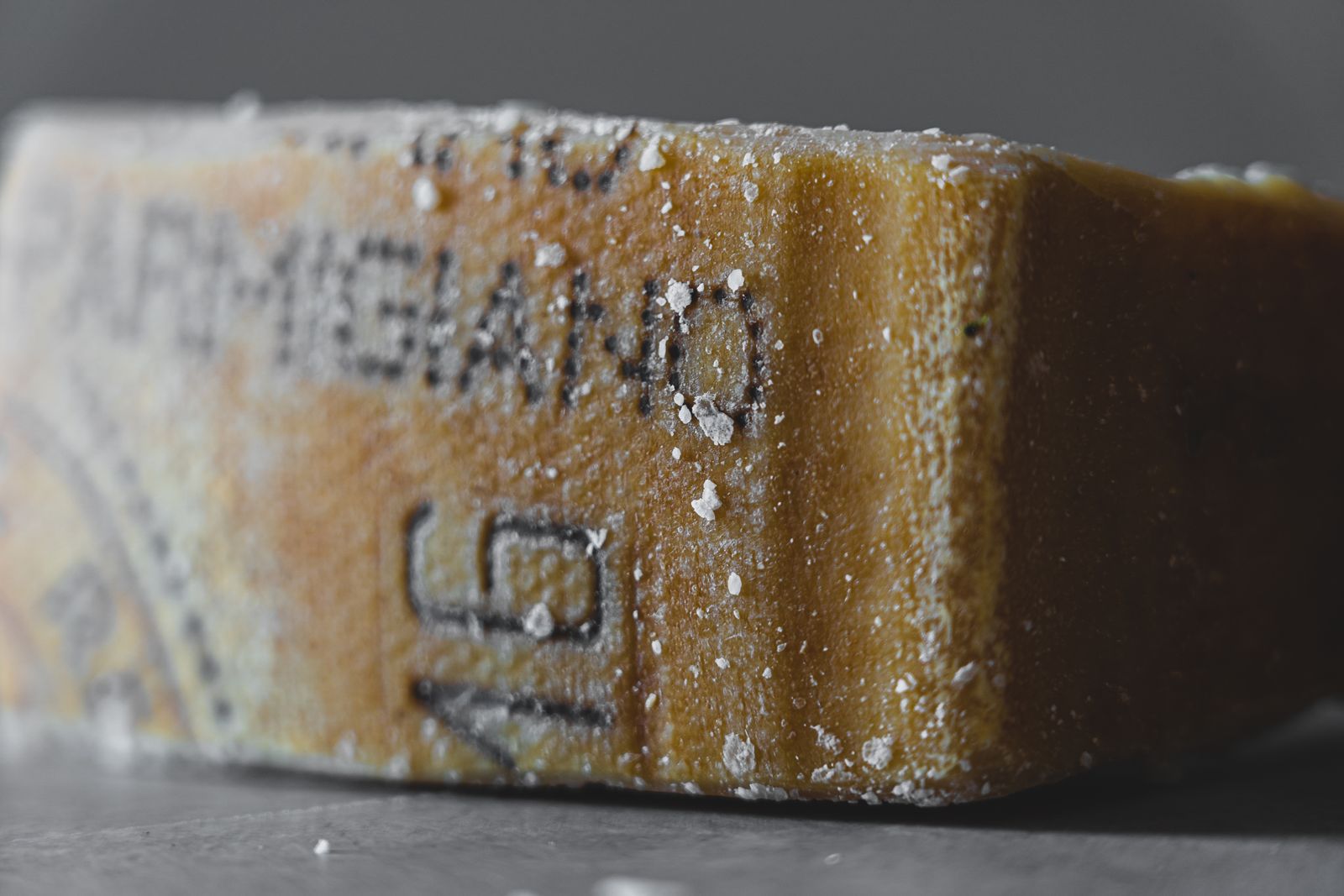
Parmigiano Reggiano is protected in Europe and must come from a small area of northern Italy. In the US, parmesan is a general name, so the cheese can be made anywhere. The clue on the real thing is the rind, stamped all over with the name in little dots. A wedge you grate yourself also melts better than most pre-grated tubs. Which of these fake foods surprised you most?
You will need: Classic Parmesan crisps: 1 cup freshly grated Parmigiano Reggiano, 1/4 teaspoon black pepper, pinch of dried thyme (optional).
How to make it: Heat the oven to 400 degrees F and line a baking sheet with parchment. Mix the cheese with pepper and thyme. Drop tablespoon mounds 2 inches apart and flatten slightly. Bake 5 to 7 minutes until golden and lacy. Cool on the pan 5 minutes so they crisp up. Serve with soup or salad.