Fix Holes in Clothes: 15 Clever Mending Tricks That Make Old Favorites Look New
Learning to fix holes in clothes is one of those small skills that feels like magic once you know it. We all have that favorite sweater with a tiny moth hole, the jeans that ripped at the knee or the shirt with a seam that popped at the worst moment. It is so tempting to toss them, but most of these problems take ten minutes and a needle to solve. Some fixes are invisible, so nobody will ever know. Others turn the damage into something even prettier than before, like an embroidered flower or a bright patch. These 15 clever tricks are perfect for beginners, and you probably already have most of the supplies in a drawer. Grab your favorite worn piece and give it a second life..
Embroider a Flower to Fix Holes in Clothes
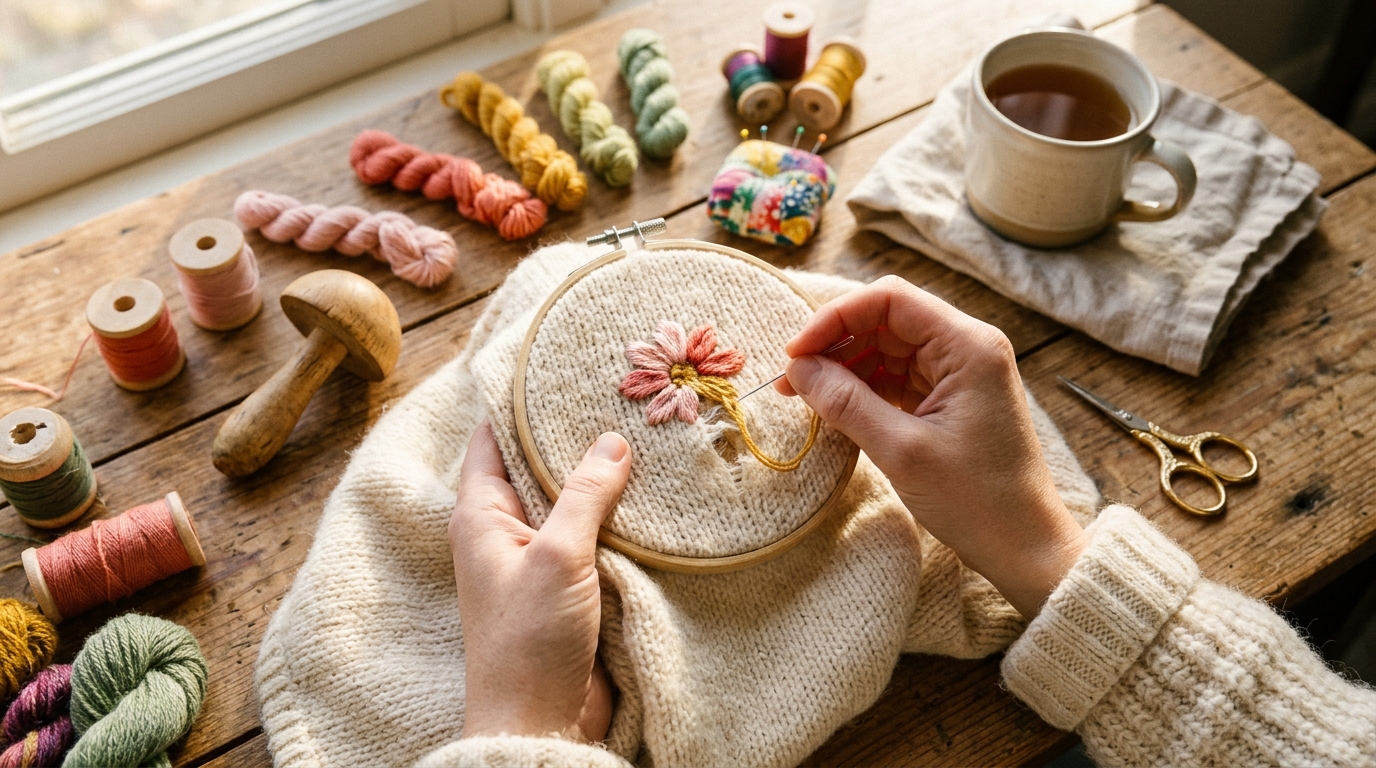
This is the prettiest way to fix holes in clothes, and it is the trick people keep sharing online. Instead of hiding a small hole in a knit sweater, you stitch a little flower right over it. A few loops of colorful wool make petals, and a knot in the middle covers the hole completely. It looks like a designer detail, not a repair. Pick a color that pops against the sweater and let your favorite piece bloom again..
You will need: Wool or embroidery thread in 2 or 3 colors, a blunt tapestry needle, an embroidery hoop (optional), small scissors
How to make it: 1. Place the hole in an embroidery hoop or lay it flat. 2. Make a few small stitches around the hole to stop it from growing. 3. Sew 5 loop petals around the hole using lazy daisy stitches. 4. Fill the center with French knots in a contrast color.
The Invisible Ladder Stitch
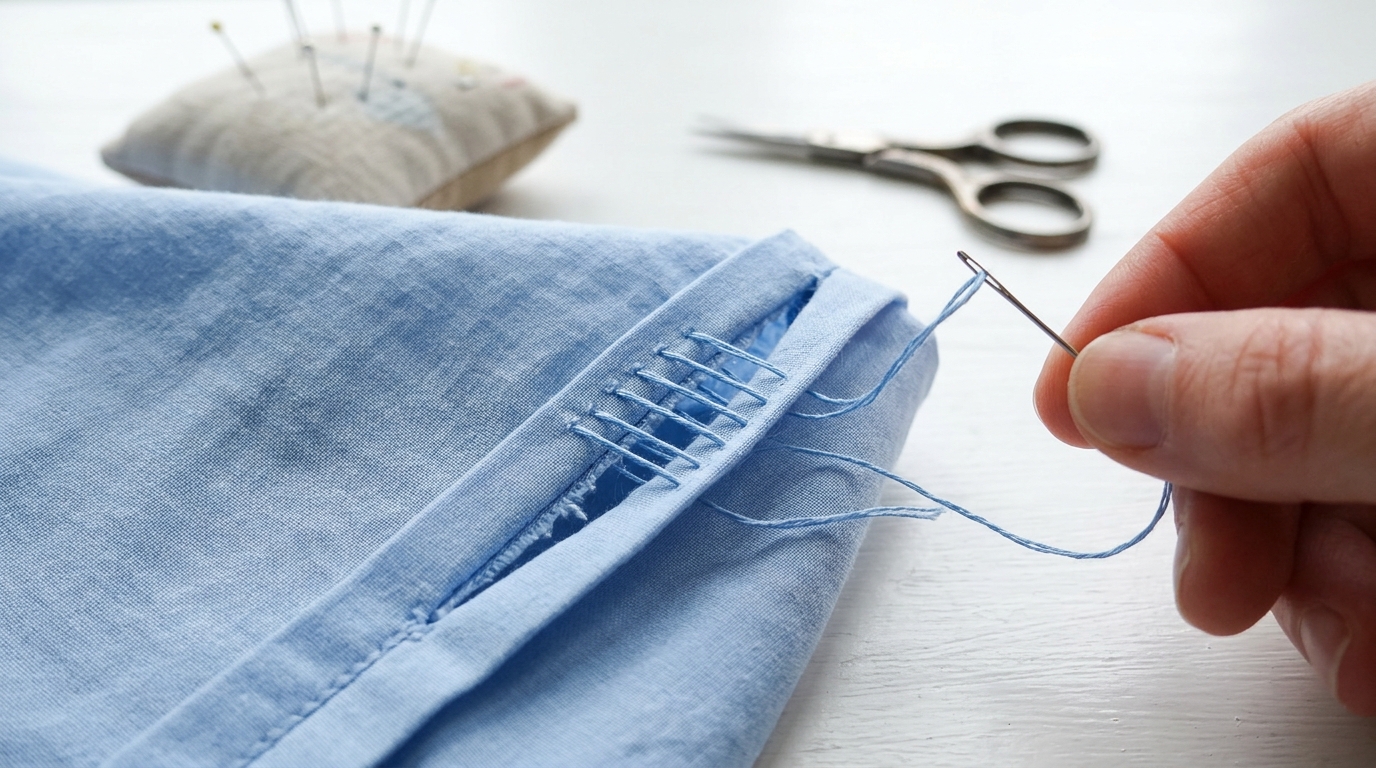
When a seam splits on a shirt, pillow or stuffed toy, the ladder stitch closes it so neatly that it disappears. You take tiny stitches inside the fold on each side, back and forth like the rungs of a ladder, then pull the thread tight. The seam closes and the thread hides inside. One popular mending video with millions of views shows how easy it is. Will you try it on that pillow with the open seam?
You will need: A needle, thread that matches the fabric, pins, small scissors
How to make it: 1. Fold the raw edges inside and pin the opening closed. 2. Knot the thread and come up inside one fold. 3. Take a small stitch straight across in the other fold, then back again. 4. After every few stitches, pull gently so the seam closes, then knot inside.
Darn Socks to Fix Holes in Clothes
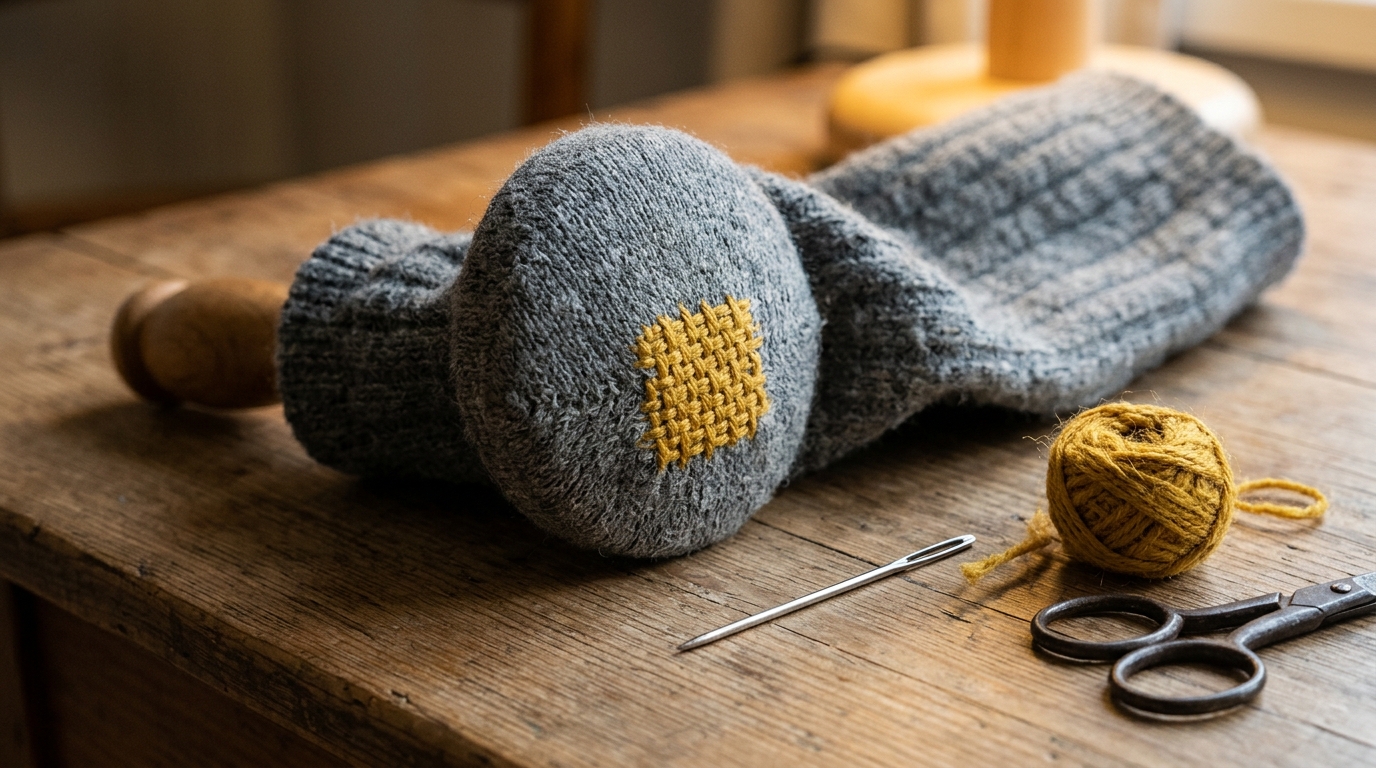
Darning sounds old fashioned, but it is coming back in a big way. Slip the sock over a darning mushroom, a light bulb shaped tool, or even a round orange, then weave yarn over and under across the hole like a tiny basket. It adds years to cozy wool socks. Using a contrasting yarn makes it look fun and intentional. Which pair in your drawer deserves a rescue?
You will need: A darning mushroom or round object, wool yarn, a blunt darning needle, small scissors
How to make it: 1. Stretch the sock gently over the darning mushroom. 2. Stitch rows of yarn across the hole, going a little past the edges. 3. Weave yarn the other way, over and under each row. 4. Tuck the ends inside and trim.
Sashiko Visible Mending Patch
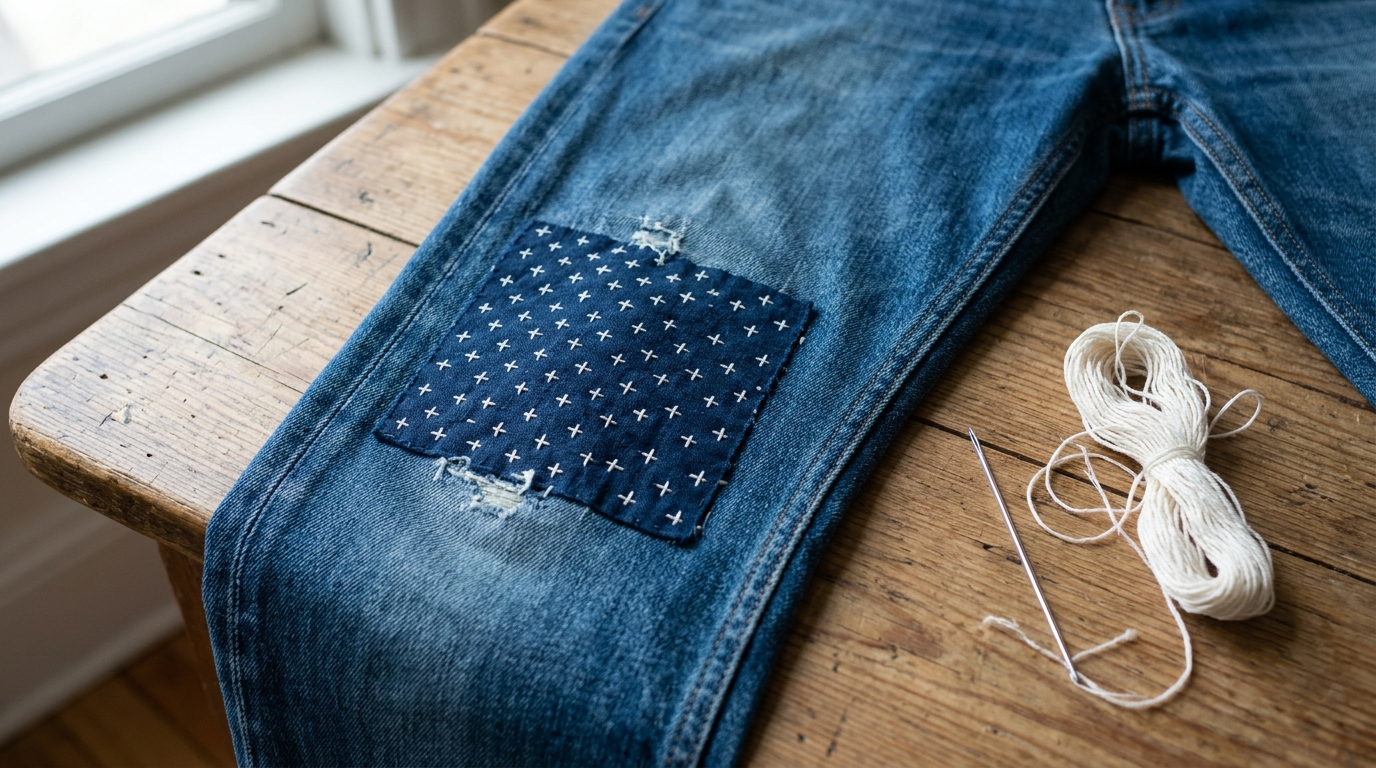
Sashiko is a Japanese style of stitching with simple running stitches, and it turns a worn jean knee into a work of art. Pin a patch behind or on top of the hole, then stitch neat rows of white thread across it. The pattern can be straight lines, crosses or little waves. People love the handmade look so much that some add patches to jeans with no holes at all. Would you try a simple cross pattern first?
You will need: A cotton or denim patch, sashiko or thick cotton thread, a long needle, chalk, pins
How to make it: 1. Cut a patch about an inch bigger than the hole all around. 2. Pin it behind the hole and mark lines with chalk. 3. Sew rows of even running stitches along the lines. 4. Add crossing rows if you like and knot inside.
Iron-On Patch Inside Jeans
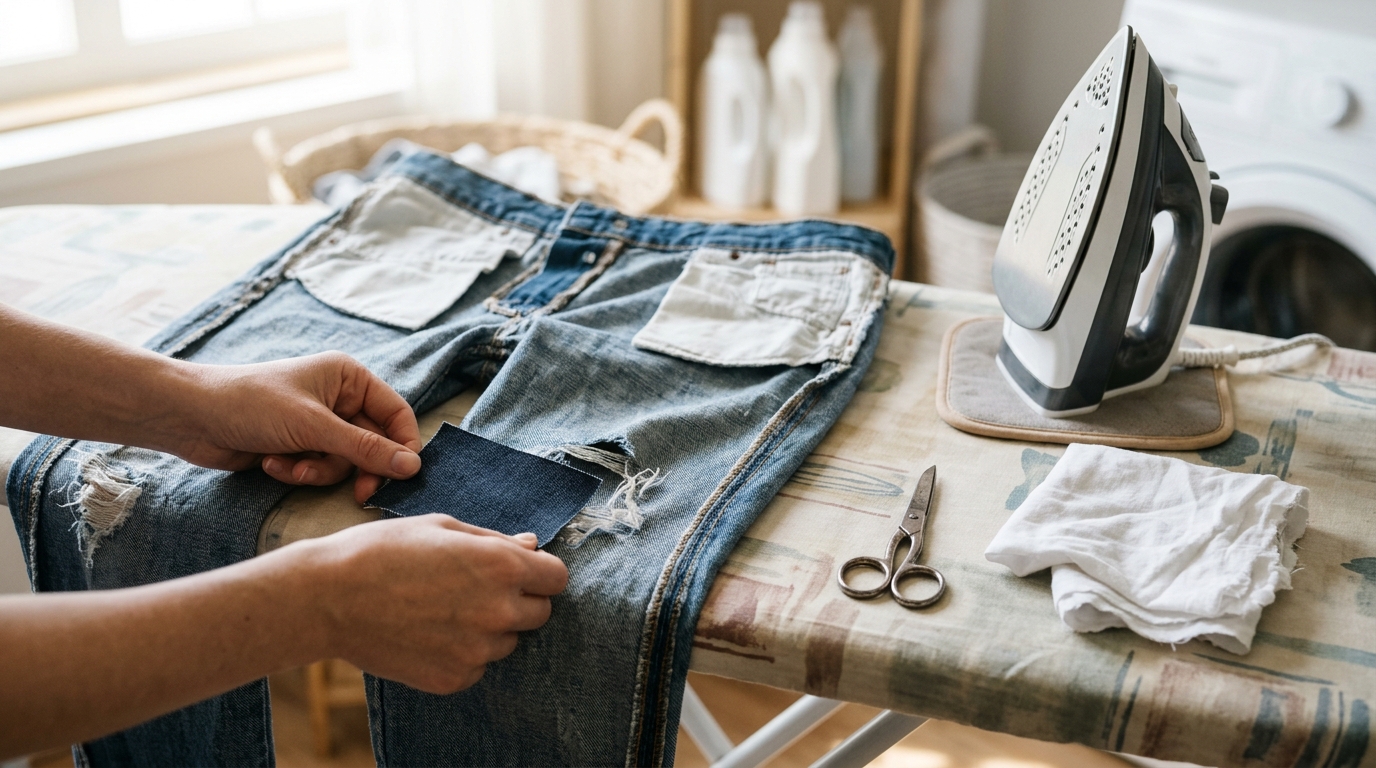
For a quick fix with no sewing, an iron-on patch inside the jeans holds a ripped knee together. Turn the jeans inside out, place the patch glue side down over the hole and press with a hot iron. From the front, the rip looks softer and stays put through the wash. A few stitches around the edges make it even stronger. Have an adult handle the hot iron with younger kids around. How many pairs could you save this weekend?
You will need: An iron-on denim patch, an iron (adult only), a press cloth, scissors
How to make it: 1. Turn the jeans inside out and lay them flat on an ironing board. 2. Trim the patch an inch bigger than the hole and round the corners. 3. Place it glue side down and cover with a press cloth. 4. Press firmly for the time on the package and let it cool.
Fix a Ripped Seam by Hand
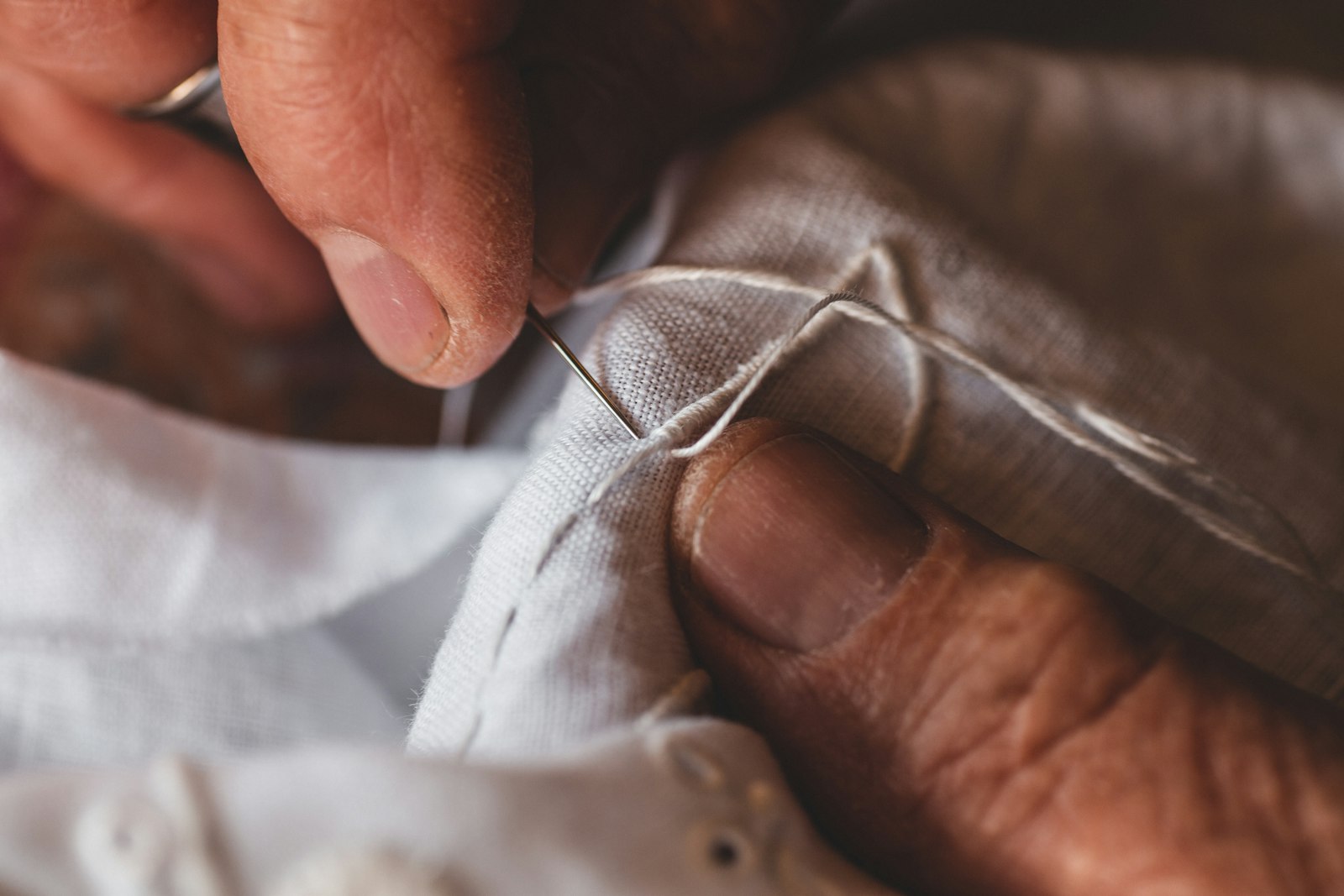
A ripped seam is the easiest fix of all, because the fabric is not damaged, only the thread. Turn the piece inside out, line up the old stitch line and sew along it with a small backstitch. Start a little before the rip and end a little after it so the new stitches lock in. It takes about five minutes with a needle and thread. Do you have a shirt waiting for this right now?
You will need: A needle, matching thread, pins, small scissors
How to make it: 1. Turn the garment inside out and pin the seam together. 2. Knot the thread and start half an inch before the rip. 3. Backstitch along the old seam line in small even stitches. 4. Go half an inch past the rip, knot and trim.
Fix Holes in Clothes Like Knit Sweaters
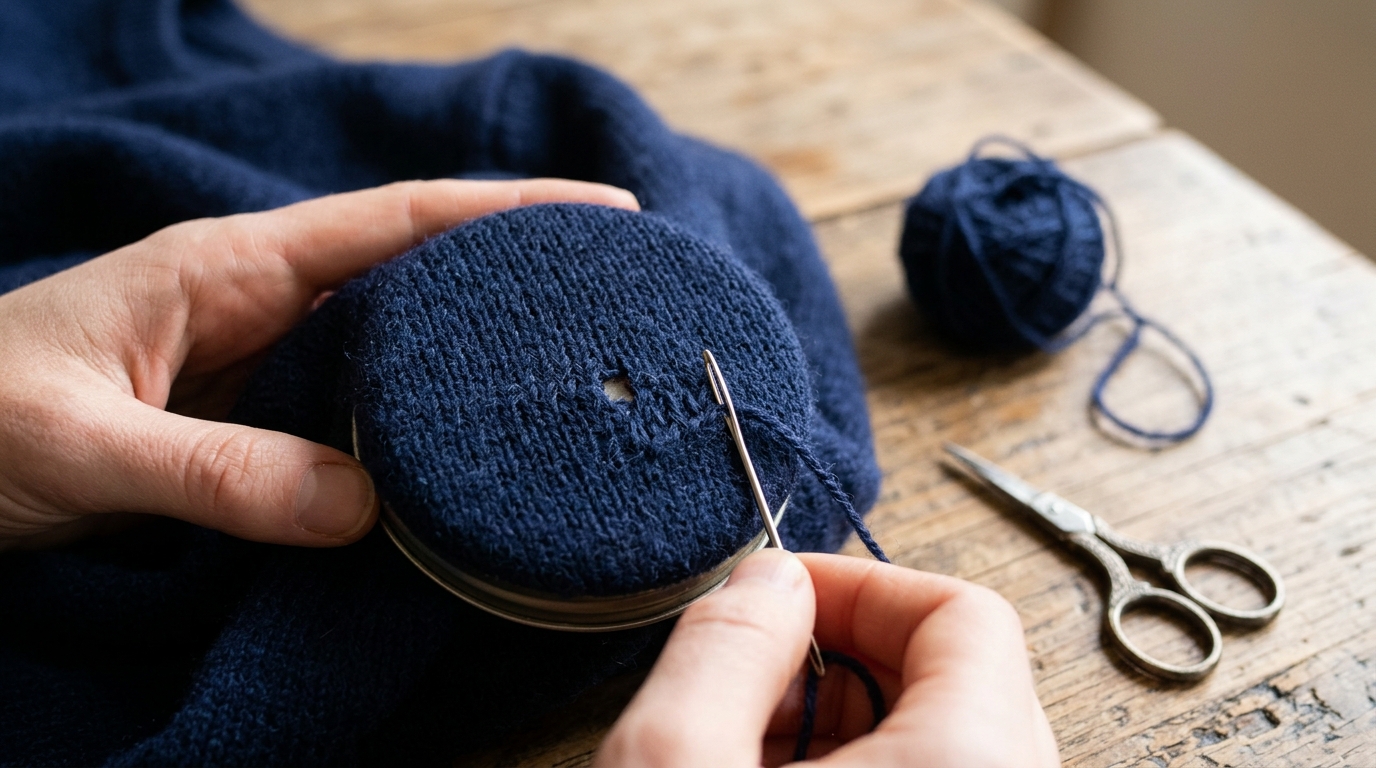
Tiny holes in knit sweaters can grow quickly, so it is worth closing them right away. With matching yarn and a blunt needle, you can rebuild the knit stitches or simply gather the edges with a neat circle of stitches. Stretch the area over a round lid so you can see clearly. When it is done, a gentle steam helps it blend in. It is a calm, satisfying little project for a quiet evening. Which sweater will you rescue first?
You will need: Yarn that matches the sweater, a blunt tapestry needle, a round lid or darning egg, small scissors
How to make it: 1. Stretch the hole over a round lid. 2. Catch the loose loops around the hole with the needle. 3. Weave around the hole and pull gently to close it. 4. Weave the yarn ends into the back and steam lightly.
Hem Jeans and Keep the Original Hem
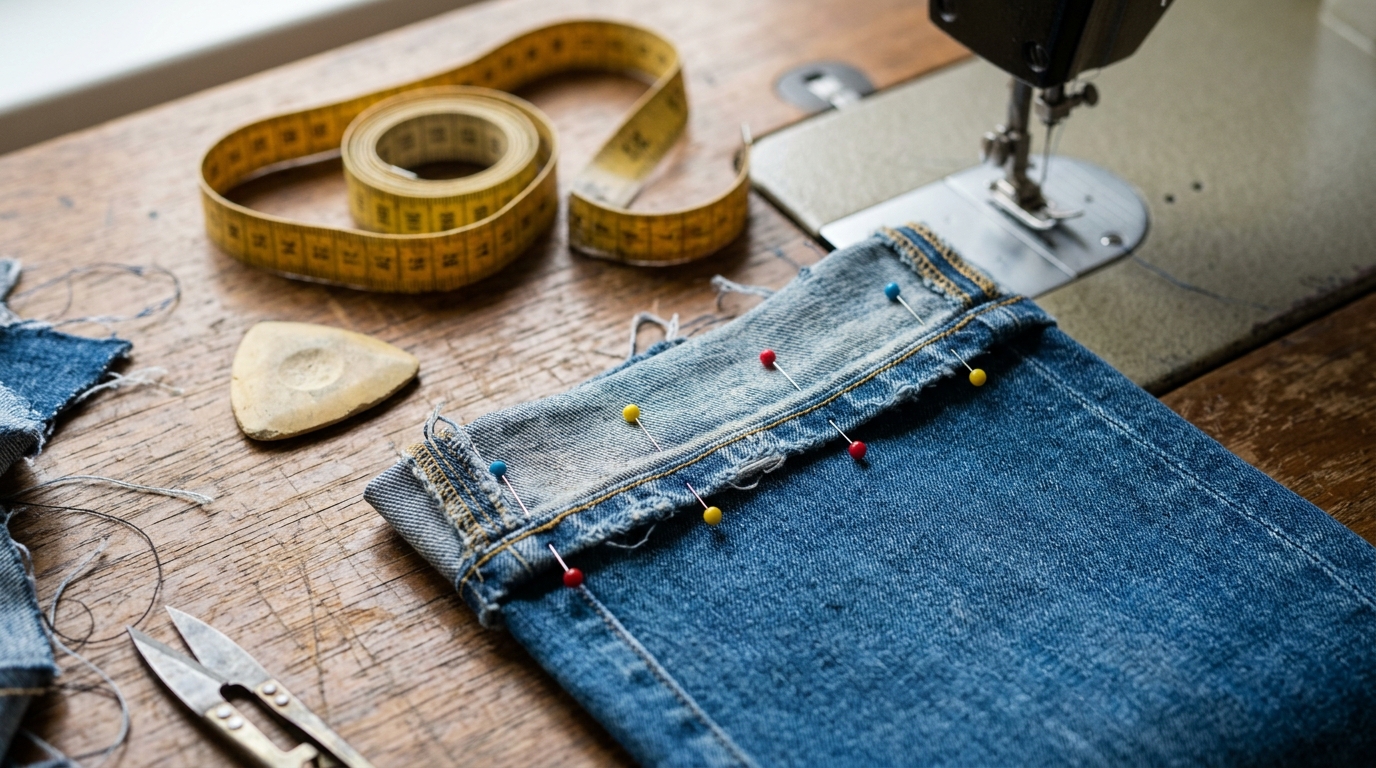
Store hemming can make jeans look plain, but this trick keeps the faded original hem. You cut off the extra length above the hem, then sew the hem band back on so the jeans are shorter but look untouched. It is one of the most satisfying clothing hacks once you see the result. A sewing machine makes it faster, but small hand stitches work too. Would this save your too-long jeans?
You will need: Scissors, a tape measure, chalk, pins, a sewing machine or needle and strong thread
How to make it: 1. Mark the new length and fold the extra up inside the leg. 2. Sew close to the edge of the original hem through all layers. 3. Trim the extra fabric inside, leaving half an inch. 4. Fold down and press so the original hem shows.
Fix Holes in Clothes Pockets
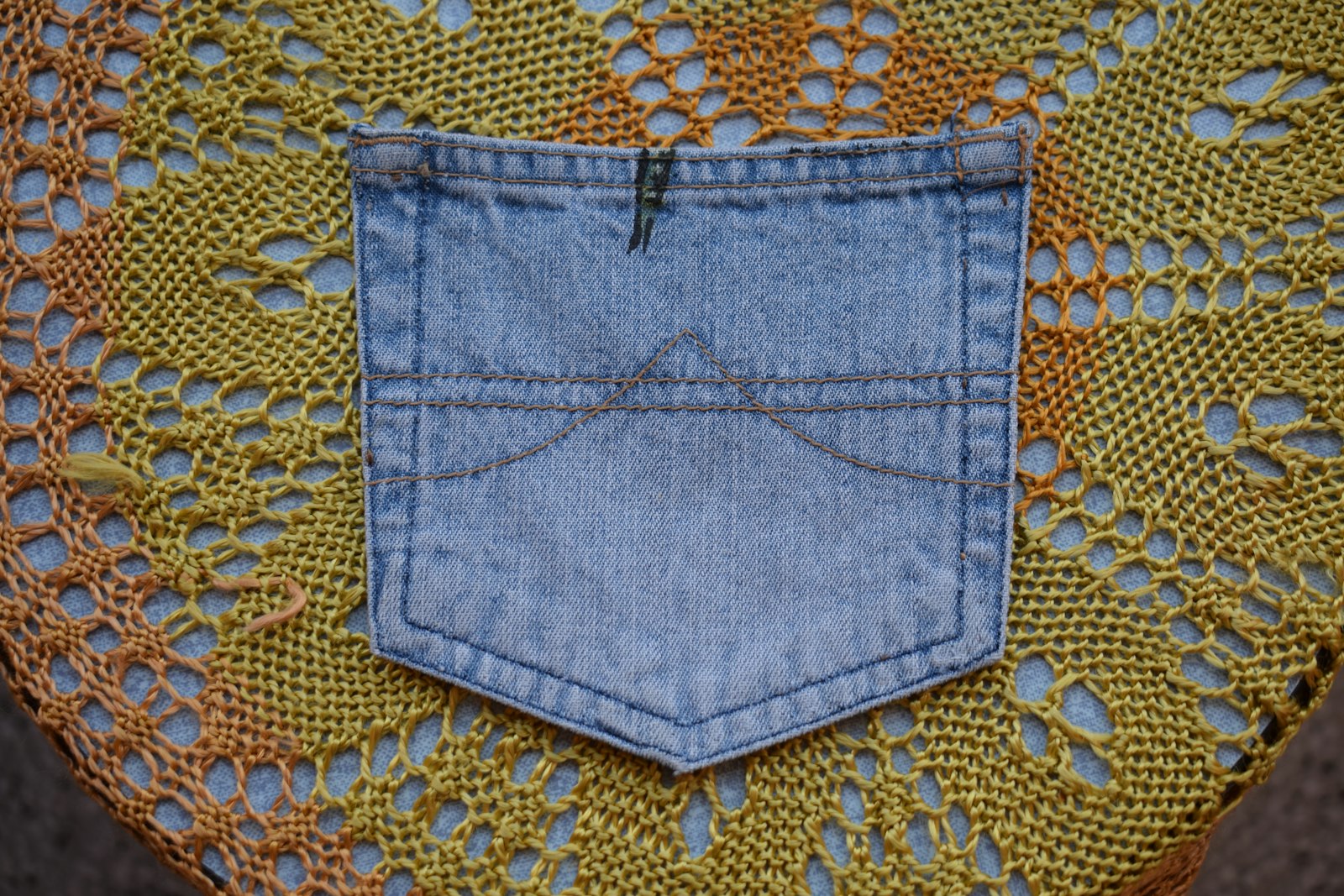
A hole in a pocket lining means lost keys, coins and earbuds. Since nobody sees the inside, this is a great beginner repair. Turn the pocket inside out, trim any frayed edges and sew straight across above the hole. For bigger holes, sew a scrap of cotton over it. It takes ten minutes to fix holes in clothes pockets, and you will never fish for coins inside the lining again. How many pockets in your house need this?
You will need: Needle and thread or a sewing machine, a cotton scrap, scissors, pins
How to make it: 1. Pull the pocket lining inside out. 2. Trim the frayed edges around the hole. 3. Sew a straight seam above the hole, or stitch a patch over it. 4. Knot, trim and turn the pocket back.
Sew a Sturdy Button
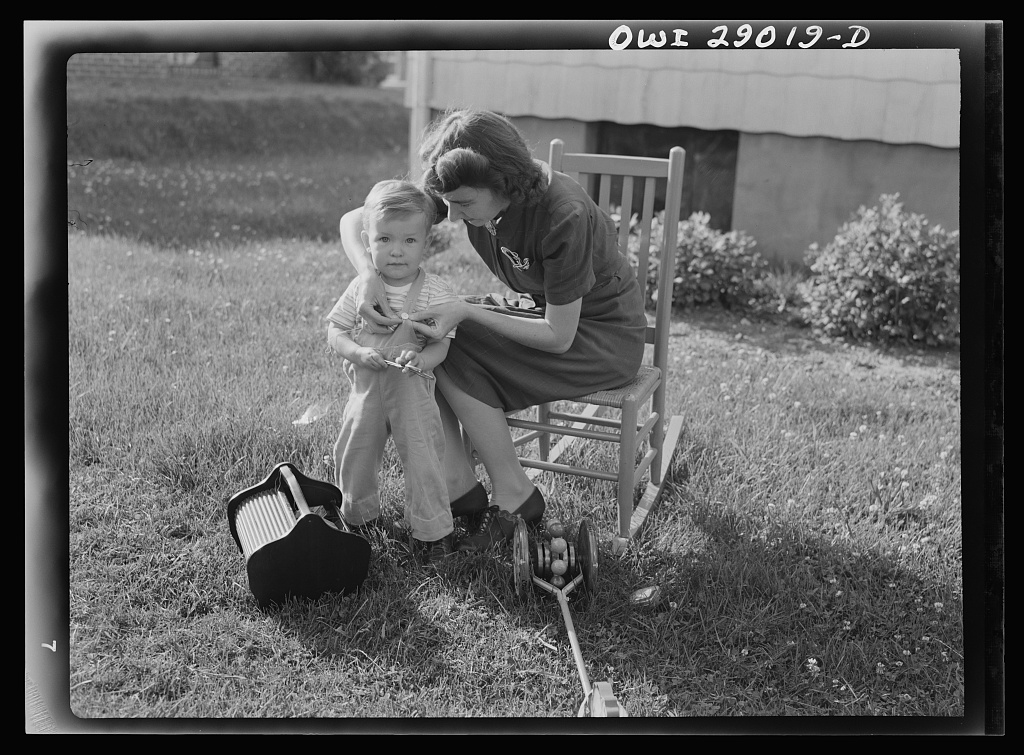
Loose buttons are the most common clothing problem, and the fix has not changed for generations. The secret to a button that never falls off again is a little thread shank. Place a pin across the top of the button while you sew, then wrap the thread around the stitches underneath before you knot. Keep spare buttons in a pretty jar, like one of our mason jar crafts, so you always have a match. Who taught you to sew your first button?
You will need: A needle, strong thread, a straight pin or toothpick, the button, scissors
How to make it: 1. Knot doubled thread and come up where the button goes. 2. Lay a pin on top of the button and sew through the holes over it. 3. Remove the pin, wrap the thread around the stitches under the button 5 times. 4. Push the needle to the back and knot.
Fix a Knit Snag
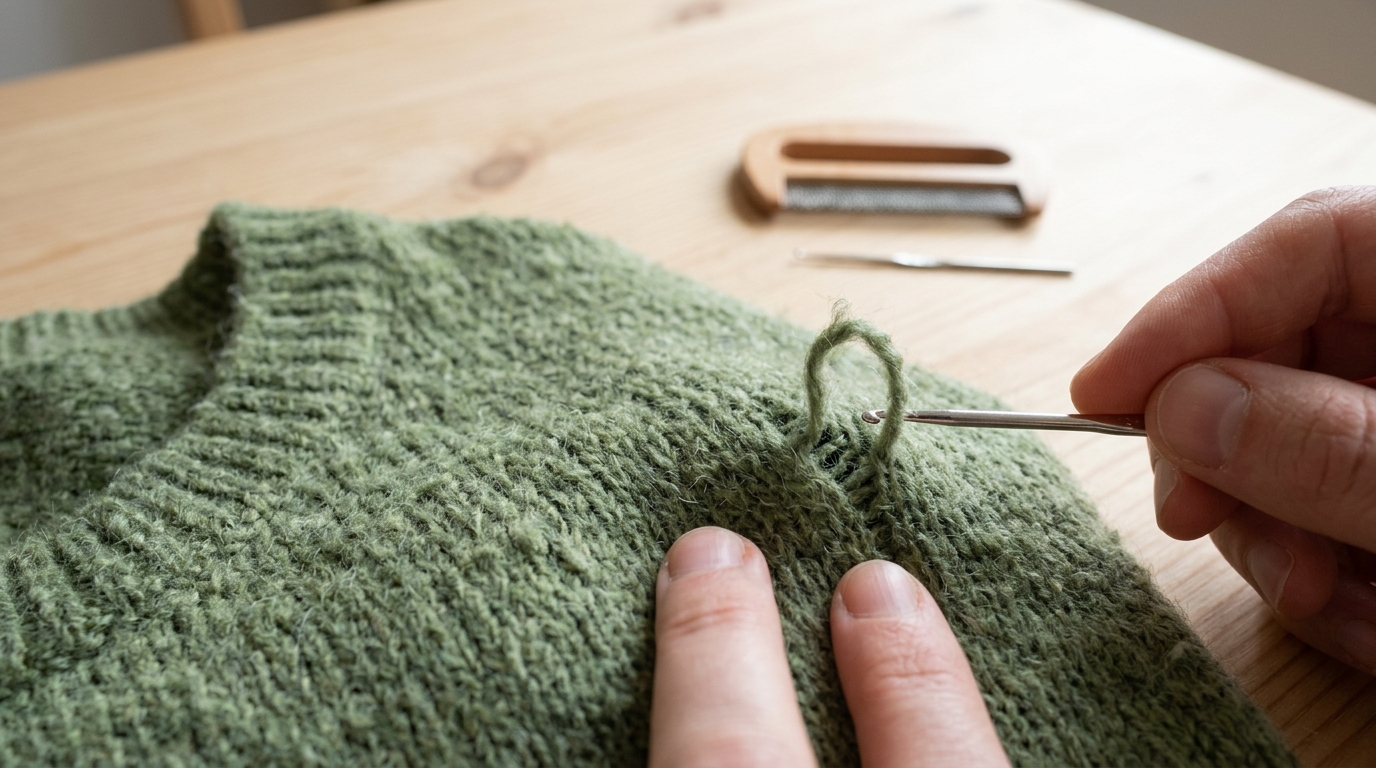
A snag is a loop of yarn pulled out of a knit, and the worst thing you can do is cut it. Instead, push it to the inside with a tiny crochet hook or a needle threader. Then gently stretch the fabric in both directions to even out the stitches. The snag disappears in seconds. This works on sweaters, knit dresses and even tights. Isn’t it nice when the fix is this fast?
You will need: A small crochet hook or needle threader, a soft brush
How to make it: 1. Push the hook through the fabric from the inside right next to the snag. 2. Catch the loop and pull it gently to the inside. 3. Stretch the fabric lightly to even out the stitches. 4. Smooth with a soft brush.
Elbow Patches to Fix Holes in Clothes
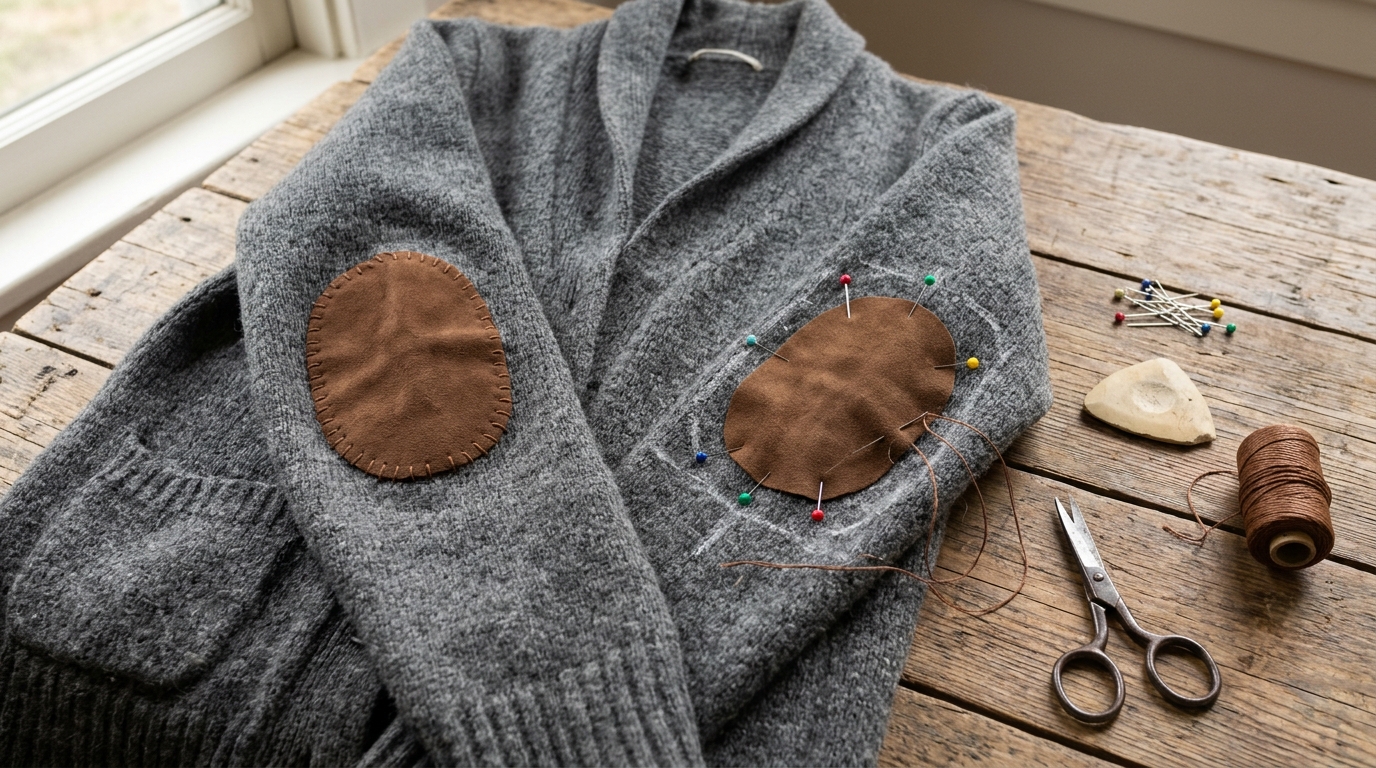
Elbows are the first place a sweater or jacket wears through. Oval elbow patches cover thin spots and add a classic, cozy look. Suede, corduroy or felt all work well. Place them by trying the sweater on and marking the elbow point with chalk. It is a stylish way to fix holes in clothes before they get bigger. Would you go classic brown or a bright color?
You will need: 2 oval patches in suede, felt or corduroy, chalk, pins, a needle and strong thread
How to make it: 1. Try the sweater on and mark each elbow with chalk. 2. Pin the patches centered over the marks. 3. Sew around the edges with small blanket or whip stitches. 4. Repeat on the other arm and knot inside.
Heart Knee Patches for Kids
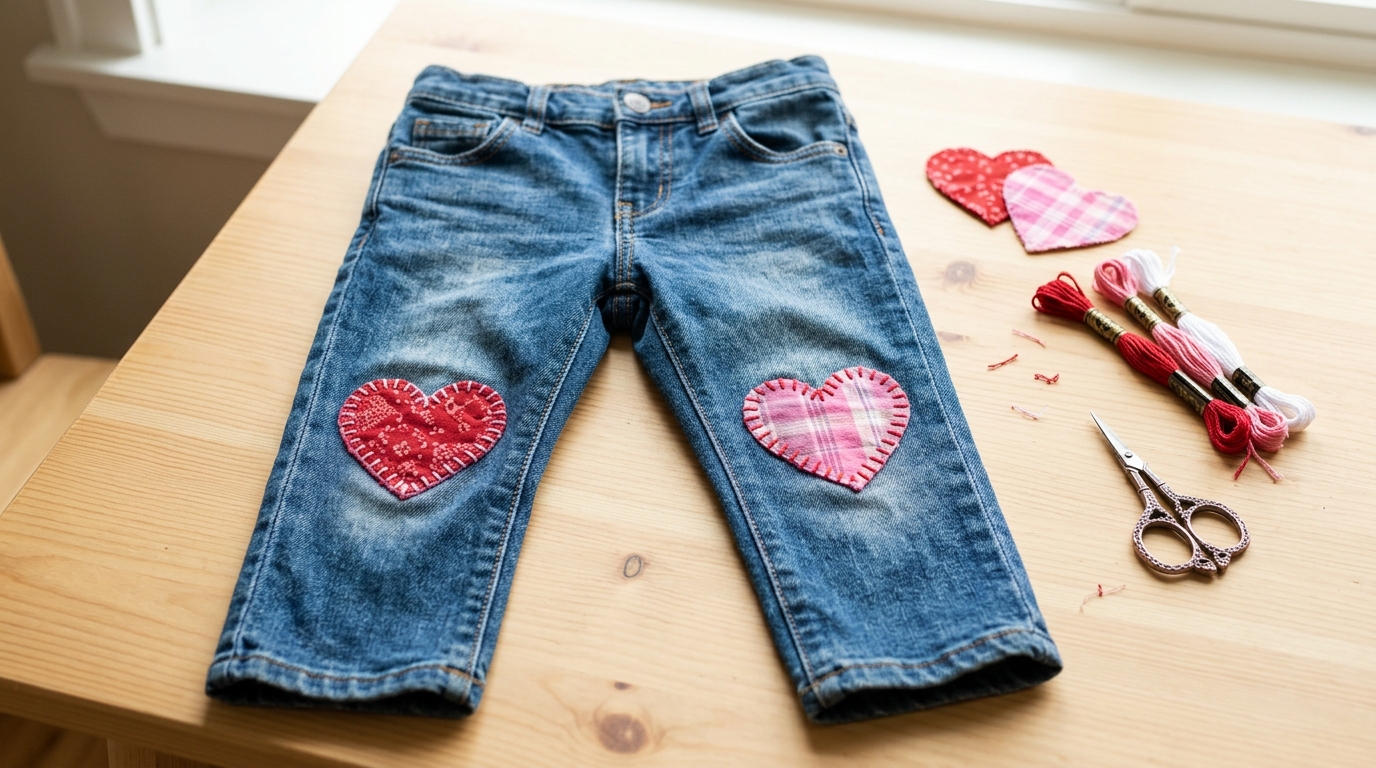
Kids wear out jean knees faster than anything else. Cute heart patches turn a hole into something they will be proud to wear. Cut hearts from scrap fabric or felt, then sew them on with a bright blanket stitch. Let your child pick the colors, and they will love their jeans even more. Stars, clouds or rainbows work too. What shape would your little one choose?
You will need: Fabric or felt scraps, embroidery thread, a needle, pins, scissors, fusible web (optional)
How to make it: 1. Cut two hearts a little bigger than the holes. 2. Pin or iron them over the knees. 3. Sew around the edges with a blanket stitch. 4. Knot inside the leg and trim the threads.
Fix a Zipper Pull
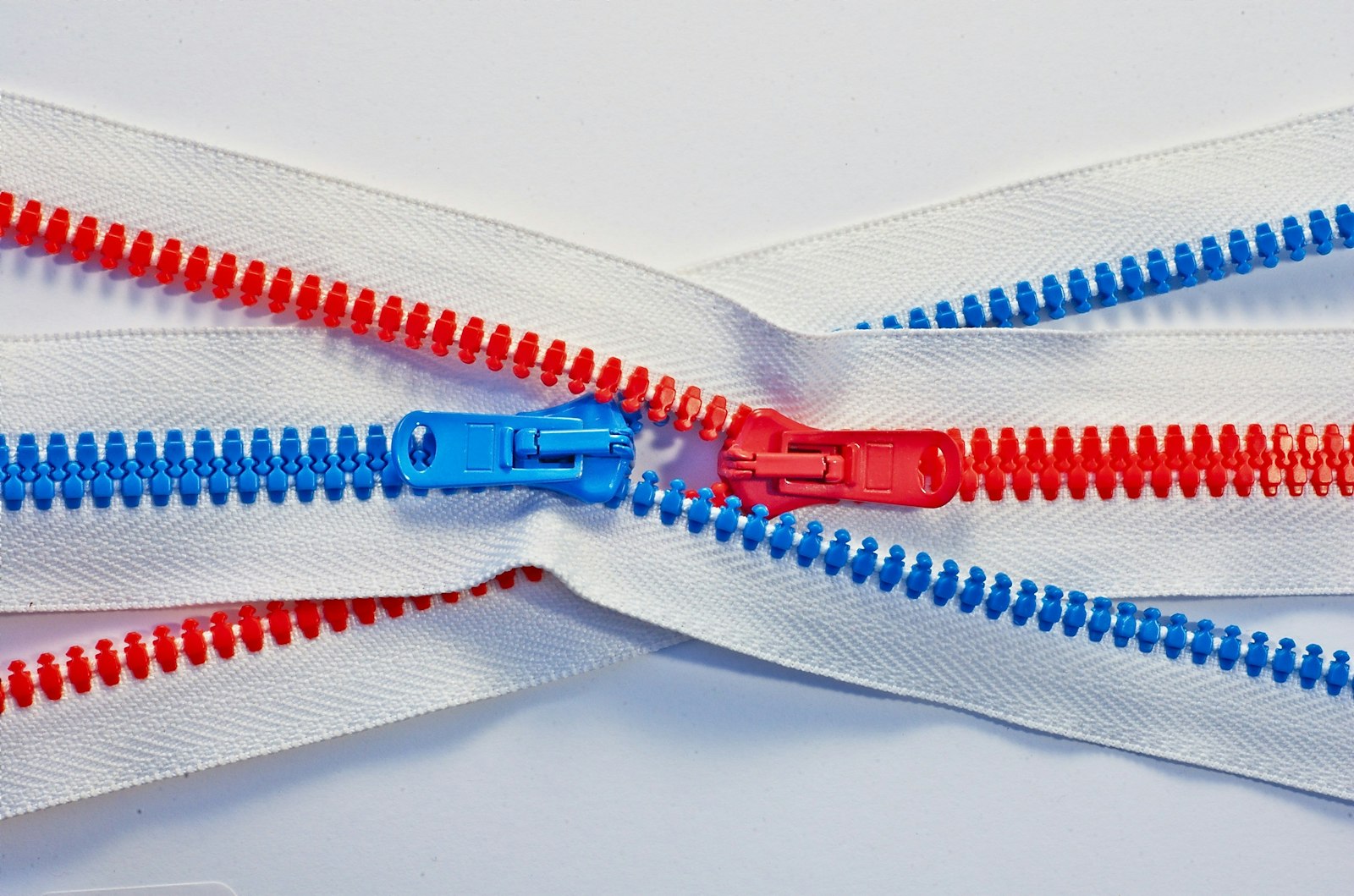
When a zipper pull breaks off, the zipper is usually still fine. A key ring, a paper clip or a replacement pull can slide right into the slider. If the teeth split behind the slider, gently squeeze the slider sides with pliers so it grips again. It saves jackets, bags and pencil cases from the trash. Do you have a jacket with a missing pull in the closet?
You will need: A small split key ring or replacement zipper pull, pliers, a small ribbon or charm (optional)
How to make it: 1. Open the split ring with your thumbnail or pliers. 2. Thread it through the hole in the zipper slider. 3. Turn it until it closes fully. 4. Add a ribbon or charm for an easy grip.
No-Sew Fusible Tape Repair
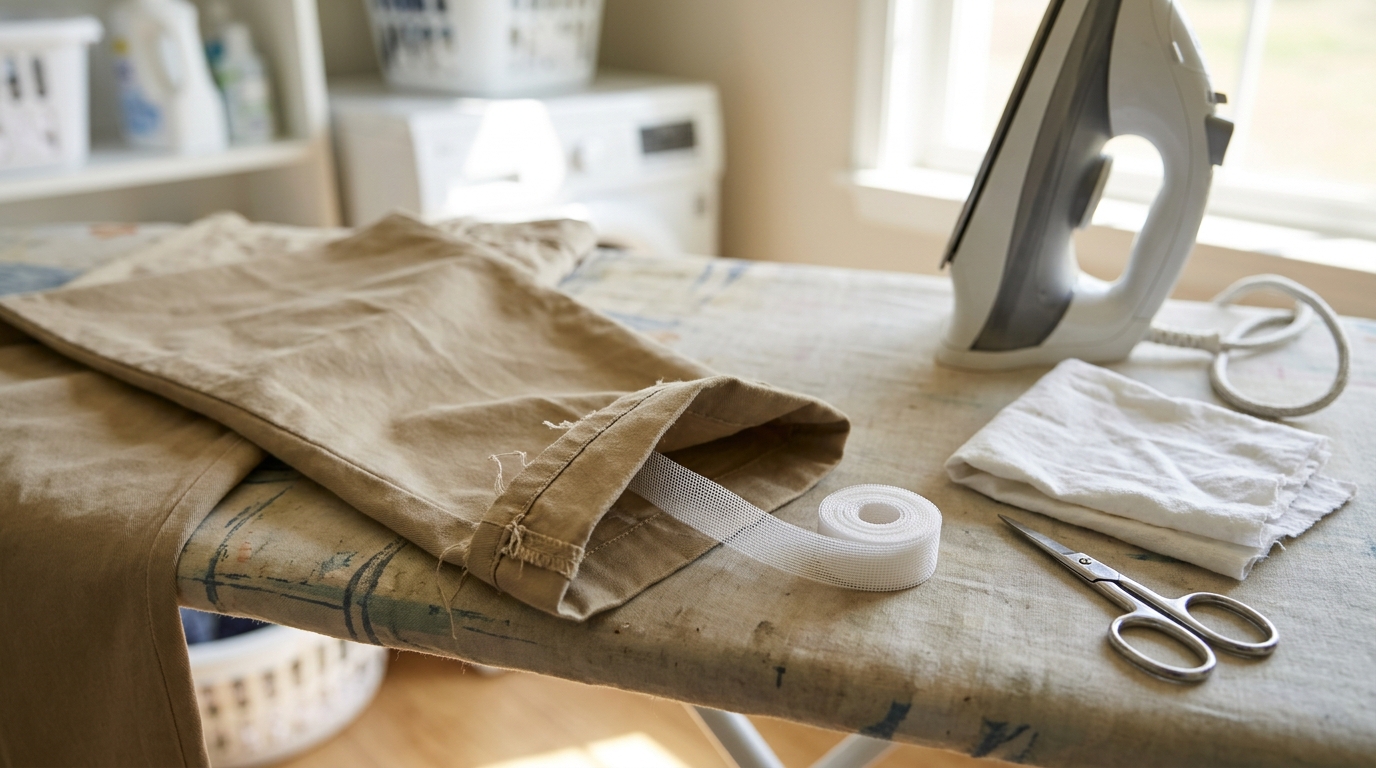
Not a sewer? Fusible hem tape is your best friend. This thin web of heat-activated glue melts between two layers of fabric and holds them together, so a fallen hem or a small split can be fixed with an iron. It is perfect for pants, skirts and curtains. Always use a press cloth and let an adult handle the iron. Could this be the fix that finally gets you mending?
You will need: Fusible hem tape, an iron (adult only), a press cloth, scissors
How to make it: 1. Fold the hem into place and press it flat. 2. Slip a strip of fusible tape inside the fold. 3. Cover with a damp press cloth and press for 10 seconds at a time. 4. Let it cool fully before wearing.