Leftover Food Safety: 19 Holiday Leftovers Most of Us Store or Reheat the Wrong Way
Leftover food safety is not the most exciting part of the holidays, but it is the part that keeps everyone feeling good after the feast. Thanksgiving is on November 26 this year, and it kicks off the biggest leftover season of the year. Most of us learned our leftover habits from our parents, and a few of them do not match what food safety experts recommend today. Below are the habits that come up most, what USDA and CDC guidance actually says, and the easy fix for each one. No scary stories, just simple steps that can lower the risk of foodborne illness and keep your leftovers tasting great..
Leftover food safety starts with a smart fridge
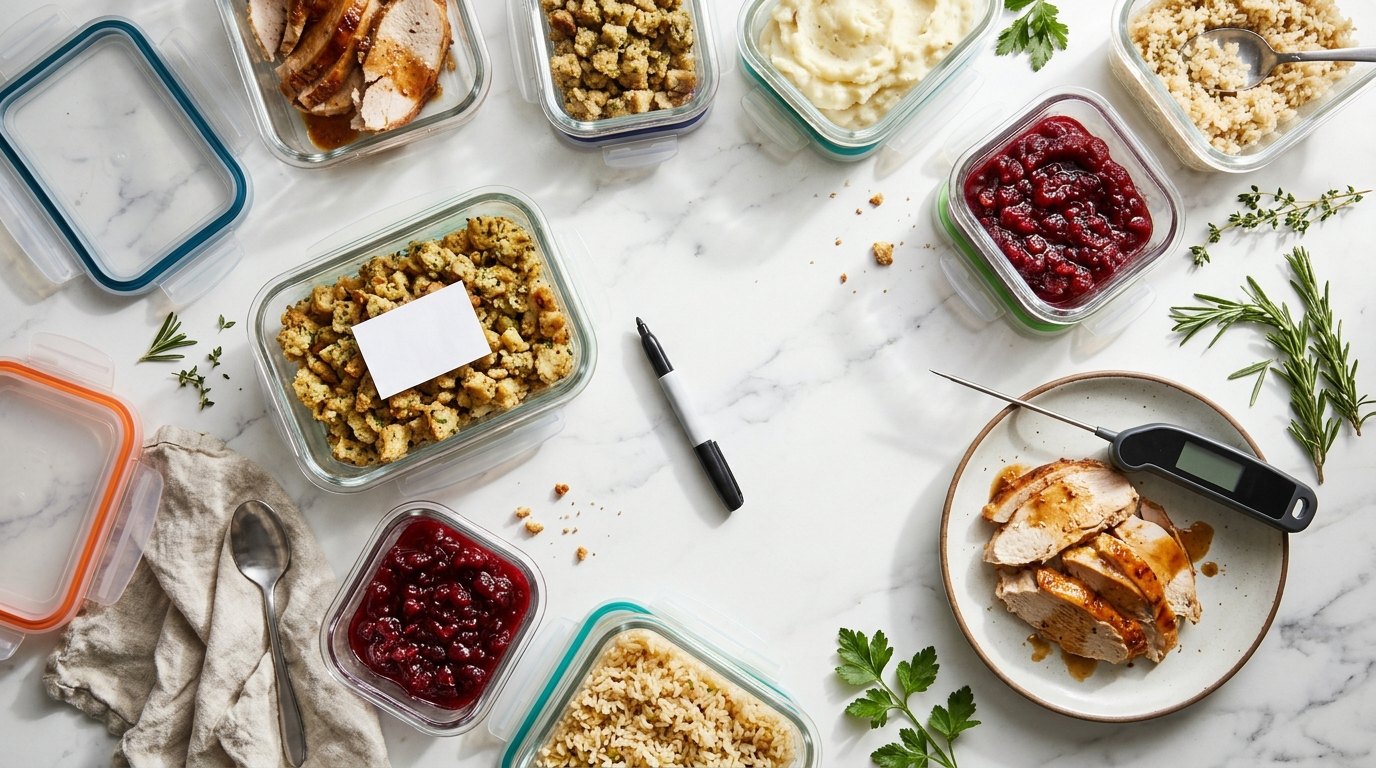
The fridge after a holiday dinner is packed, and almost every family has one leftover habit that food safety experts would not recommend. Stories about these habits often pull more than 100 comments on MSN, because everyone has an opinion. The good news is that the fixes are simple and cheap. Start with this small leftover kit and the rest is easy. Which habit do you think is the most common..
You will need: Shallow glass or plastic containers with lids, labels or masking tape, a marker, a digital food thermometer, a refrigerator thermometer
How to make it: 1. Set the fridge to 40 F or below and check it with a fridge thermometer. 2. Keep a stack of shallow containers ready before the meal. 3. Pack leftovers within 2 hours of cooking. 4. Write the date on every container. 5. Reheat leftovers to 165 F, checked with a food thermometer.
Cooked rice left on the stove for hours
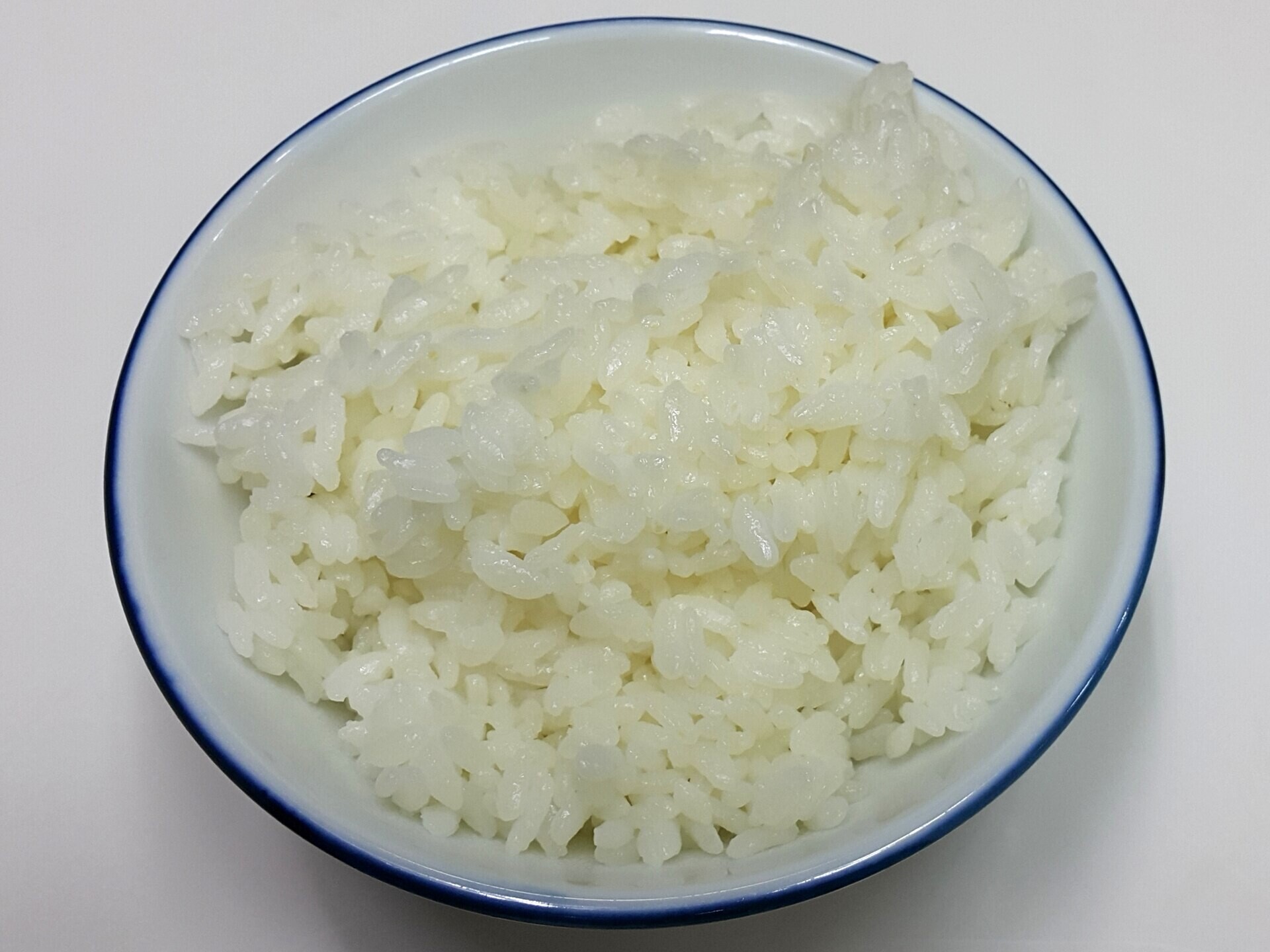
Many of us leave the rice pot on the stove after dinner and deal with it later. USDA guidance says any perishable cooked food, rice included, should go into the fridge within 2 hours, or 1 hour if the room is above 90 F. Rice packed in a deep pot cools slowly, so spread it out. Does your rice pot sit out after dinner?
You will need: Shallow containers with lids, a spoon, a label and marker
How to make it: 1. Fluff the rice and spoon it into shallow containers. 2. Leave the lids loose for a few minutes if you like, then cover. 3. Refrigerate within 2 hours of cooking. 4. Label with the date. 5. Eat within 3 to 4 days and reheat until steaming hot, 165 F.
Turkey left on the table all afternoon, the biggest leftover food safety slip
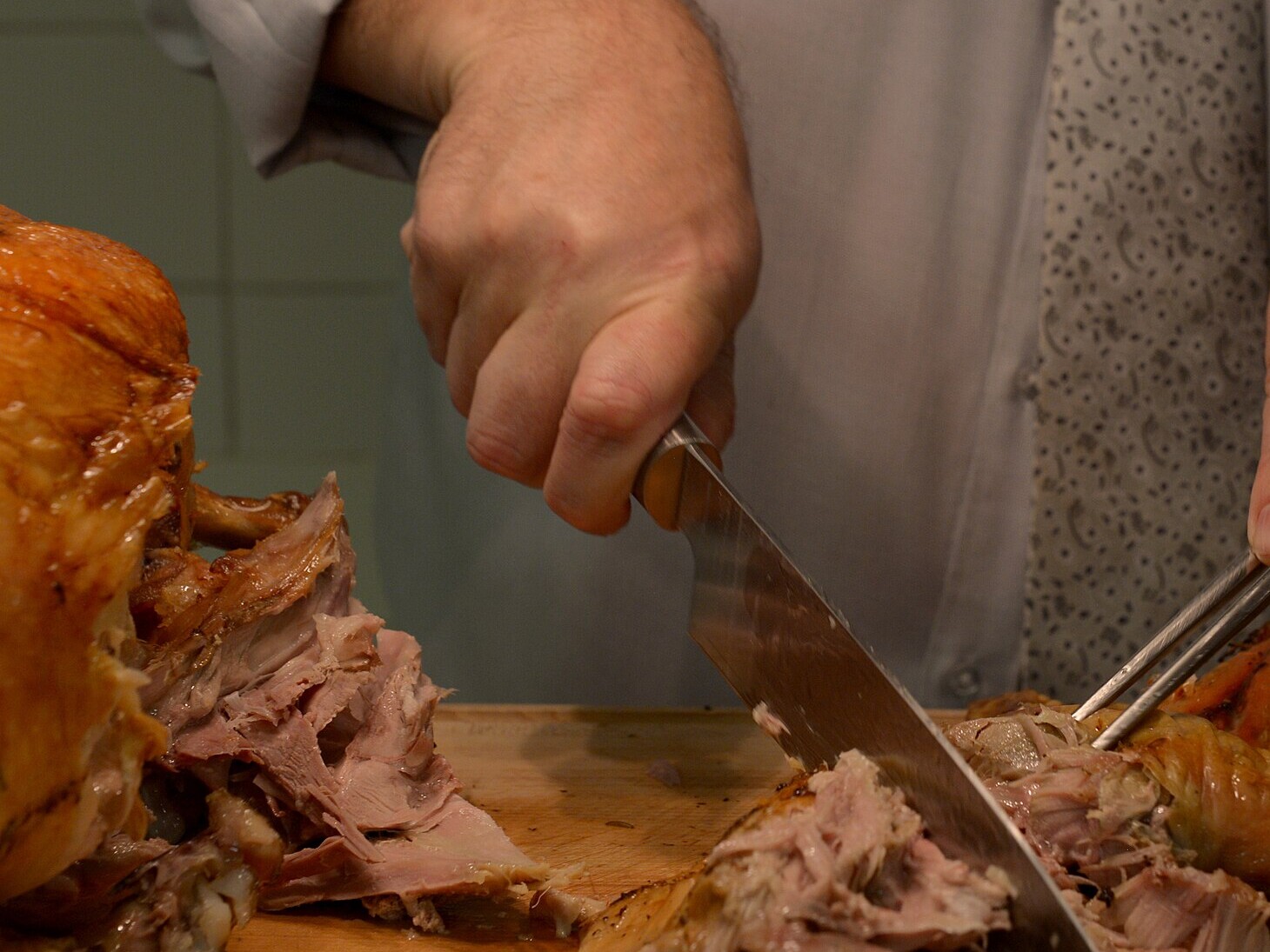
After a big holiday meal everyone relaxes, and the turkey sits out while the games and dessert go on. The USDA says perishable food should be refrigerated within 2 hours. The agency also suggests cutting the bird into smaller pieces so it cools fast: slice the breast meat, and the legs and wings can stay whole. Who is in charge of putting the turkey away at your house?
You will need: A carving knife, cutting board, shallow containers or zip bags
How to make it: 1. Set a timer for 2 hours when the meal starts. 2. Carve the meat off the bones. 3. Slice the breast, and keep legs and wings whole. 4. Pack the meat in shallow containers. 5. Refrigerate and use within 3 to 4 days, or freeze.
Stuffing stored inside the bird
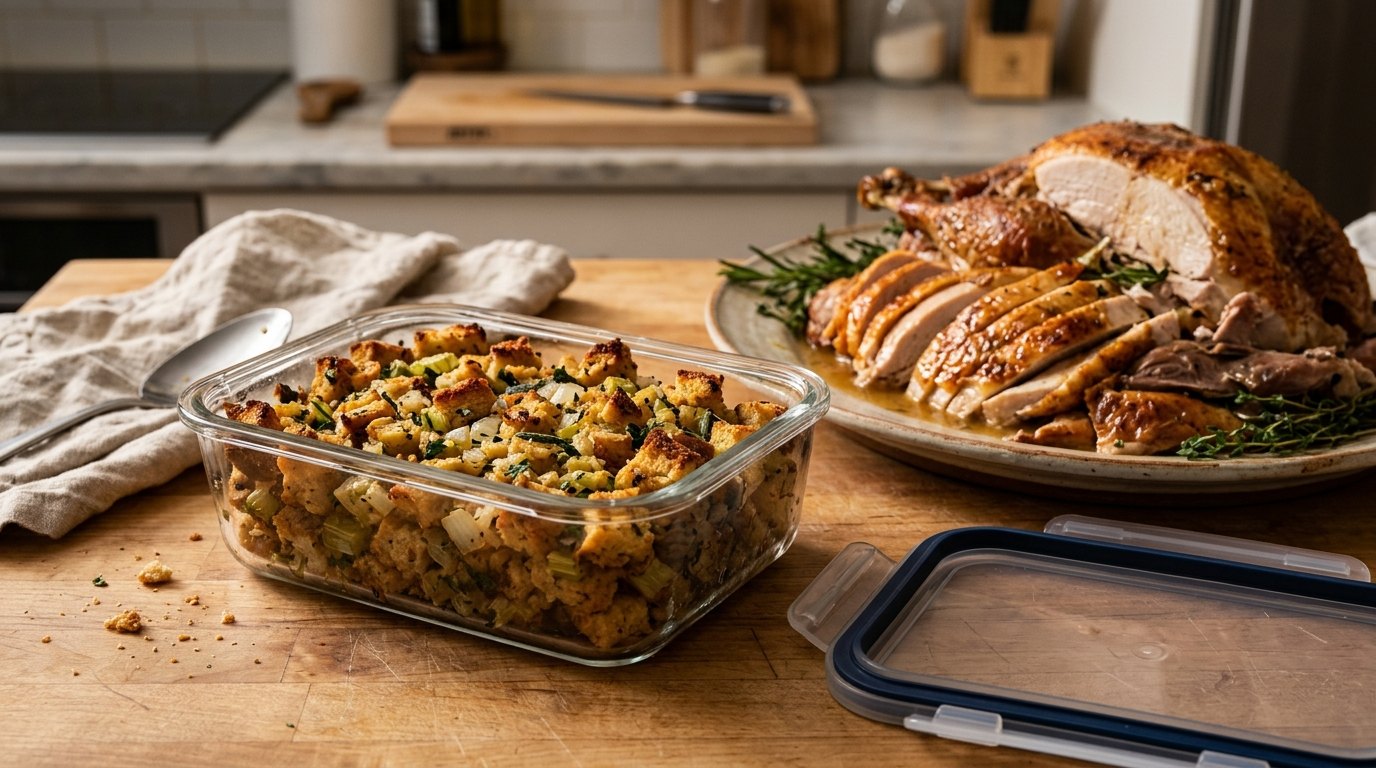
It feels easier to put the whole turkey in the fridge with the stuffing still inside, but the USDA does not recommend it. The stuffing in the middle would take too long to cool to a safe temperature. Instead, scoop all of it out into its own container. Did your family always keep it inside the bird?
You will need: A large spoon, a separate sealed container
How to make it: 1. Let the cooked bird stand 20 minutes, then remove all the stuffing. 2. Put the stuffing in its own shallow, sealed container. 3. Refrigerate within 2 hours. 4. Use or freeze within 3 to 4 days. 5. Reheat until the center reaches 165 F.
Gravy that is only warmed, not boiled
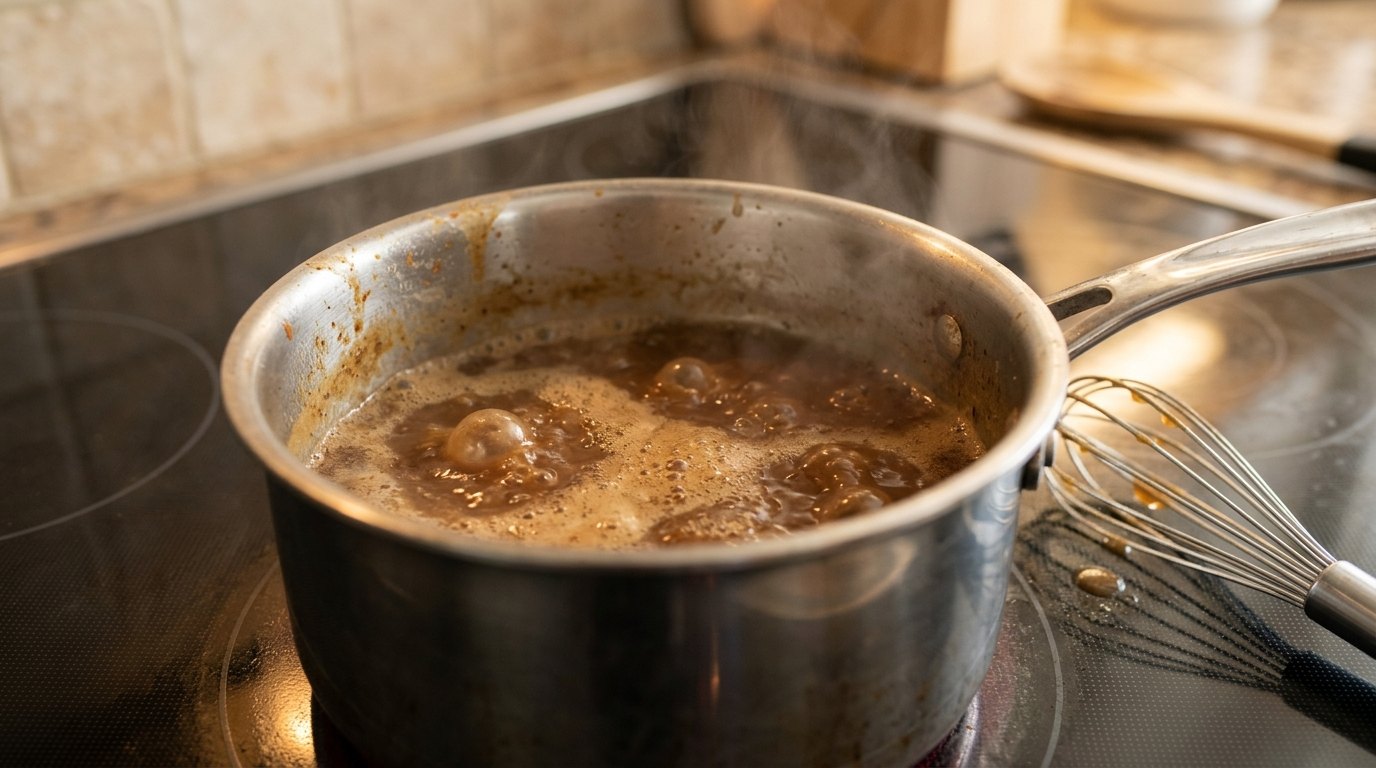
Leftover gravy often gets just a quick warm-up in the microwave. USDA guidance is clear on this one: reheat sauces, soups and gravies by bringing them to a rolling boil. It only takes a few minutes on the stove and helps make sure the whole batch is heated through. Is gravy the first leftover to disappear at your house?
You will need: A small saucepan, a whisk, a splash of broth or water
How to make it: 1. Pour the gravy into a saucepan. 2. Add a splash of broth if it is very thick. 3. Bring it to a rolling boil, whisking. 4. Let it bubble for a minute. 5. Serve hot and refrigerate any extra again within 2 hours.
Baked potatoes left wrapped in foil
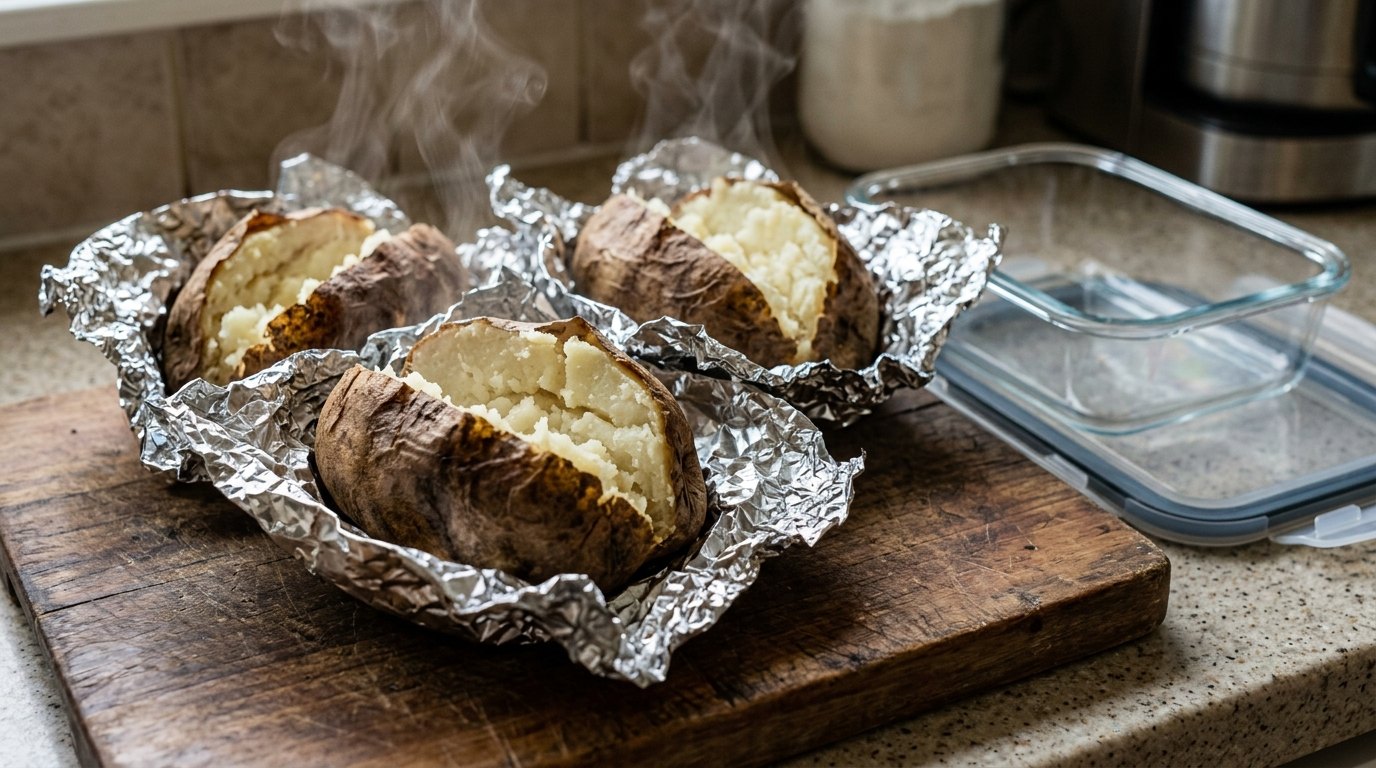
This one surprises a lot of people. The CDC lists baked potatoes wrapped in foil among foods that have been linked to a rare but serious foodborne illness when they sit at room temperature. The fix is simple: keep them hot until serving, or loosen the foil and refrigerate them. Did you know this one?
You will need: A cooling rack, an airtight container
How to make it: 1. Serve baked potatoes hot, at 140 F or warmer. 2. Do not leave foil-wrapped potatoes on the counter. 3. Loosen or remove the foil before chilling. 4. Refrigerate at 40 F or colder. 5. Reheat until steaming before eating.
A big pot of soup cooled whole on the stove, a common leftover food safety mistake
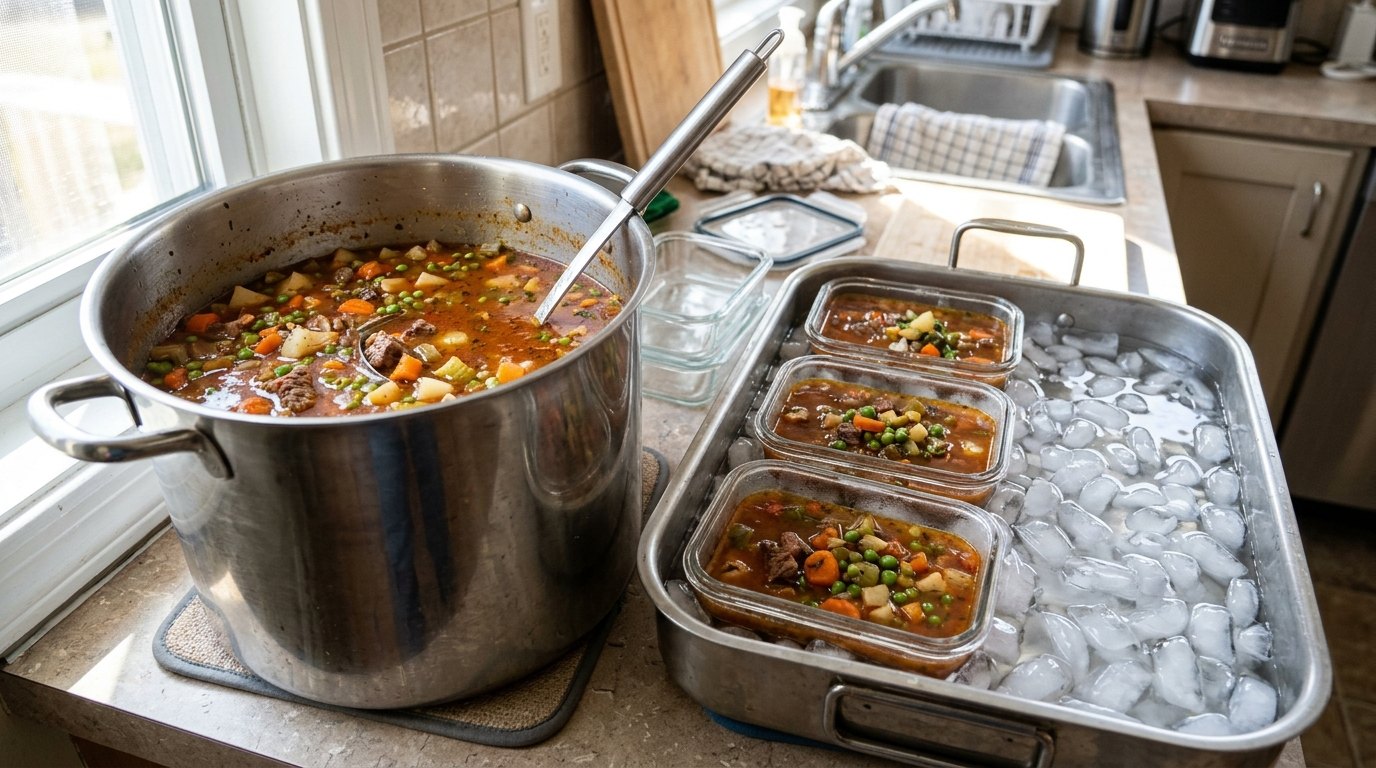
A full pot of soup or chili takes hours to cool on its own, and that long slow cool is exactly what food safety experts warn about. USDA guidance is to divide large amounts of food into shallow containers so they chill quickly. Soups and stews keep 3 to 4 days in the fridge and 2 to 3 months in the freezer.
You will need: Several shallow containers or freezer bags, a ladle, an ice bath (optional)
How to make it: 1. Turn off the heat and ladle the soup into shallow containers. 2. For extra speed, set the containers in a sink of ice water for a few minutes. 3. Cover and refrigerate within 2 hours. 4. Freeze any portion you will not eat in 3 to 4 days. 5. Reheat to a rolling boil.
Pizza left out overnight
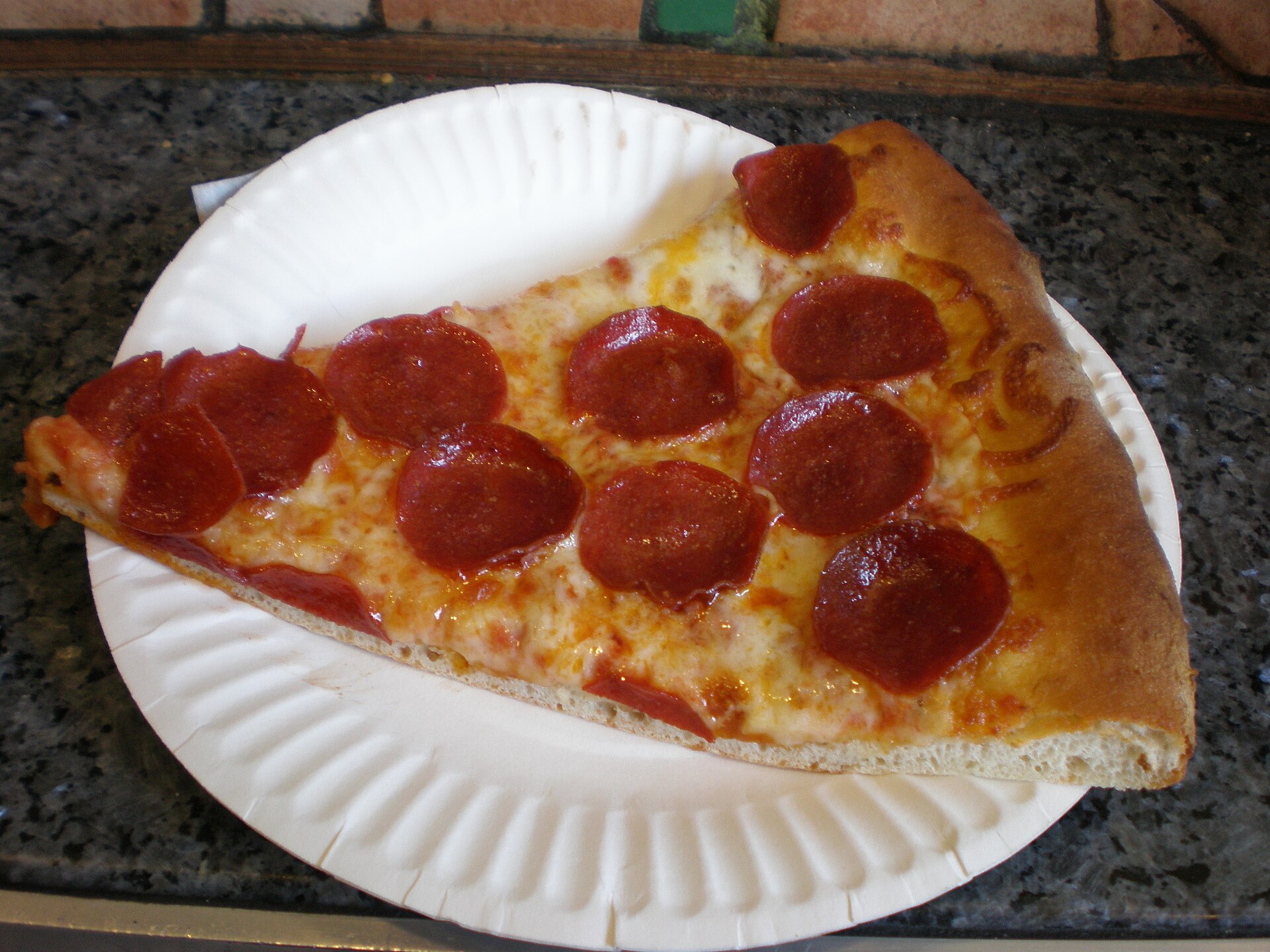
Cold pizza for breakfast is a beloved tradition, but only if the pizza went into the fridge the night before. When it comes to leftover food safety, pizza follows the same 2 hour rule as other perishable food. Once chilled, leftover pizza keeps 3 to 4 days in the fridge or 1 to 2 months in the freezer. Hot or cold: how do you eat leftover pizza?
You will need: A plate, foil or a zip bag
How to make it: 1. Put leftover slices away within 2 hours. 2. Wrap them well or stack them in a zip bag. 3. Refrigerate up to 3 to 4 days. 4. Reheat in a skillet or oven for a crisp crust. 5. Freeze extra slices for 1 to 2 months.
Reheating leftovers in the slow cooker
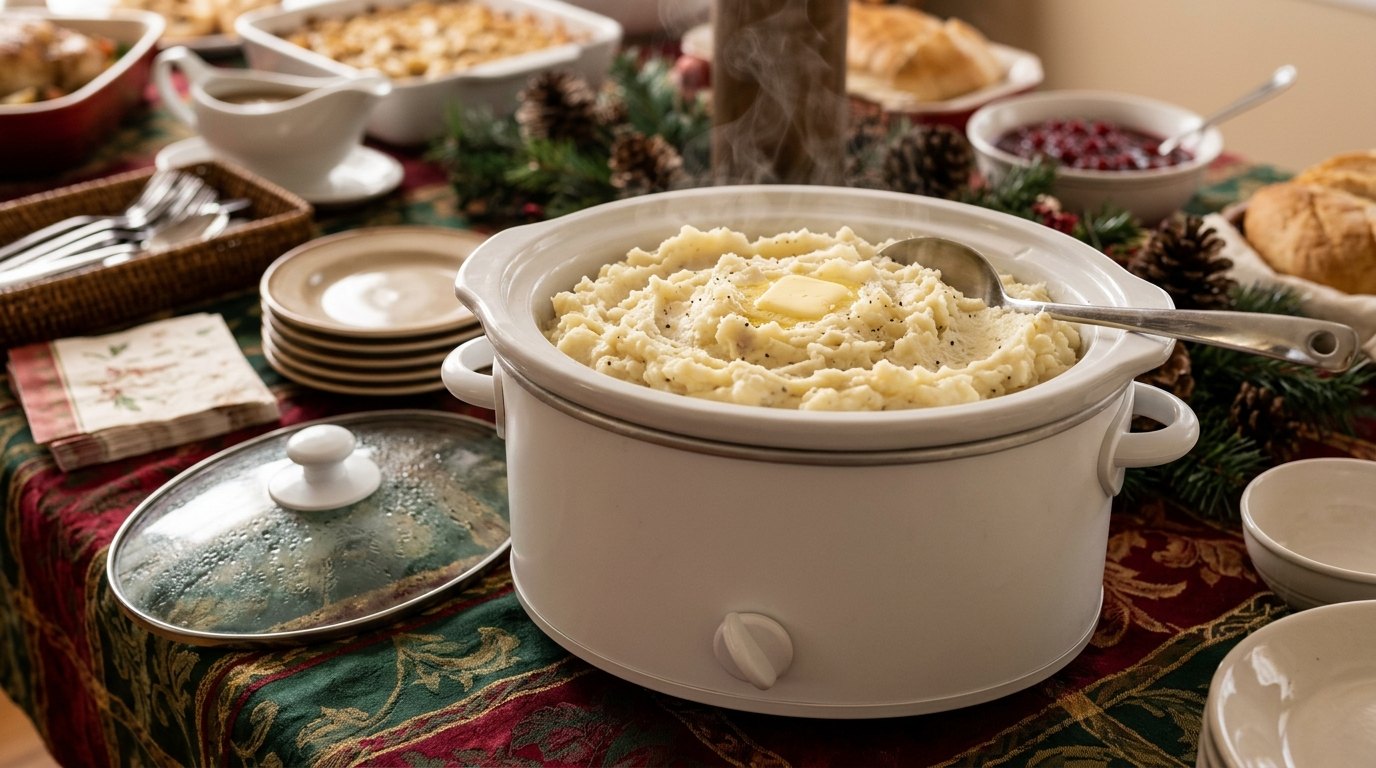
It seems smart to dump leftovers in the slow cooker and let them warm up slowly. USDA advice says not to, because the food spends too long in the danger zone between 40 F and 140 F. Reheat on the stove, in the oven or in the microwave first, then you can keep it warm in a preheated slow cooker on the buffet.
You will need: A saucepan or oven-safe dish, a food thermometer, a preheated slow cooker for serving
How to make it: 1. Reheat the leftovers on the stove, in the microwave or in an oven set no lower than 325 F. 2. Check that they reach 165 F. 3. Preheat the slow cooker. 4. Move the hot food into it. 5. Keep it on warm while serving.
Reheating a whole cooked turkey, a leftover food safety habit to drop
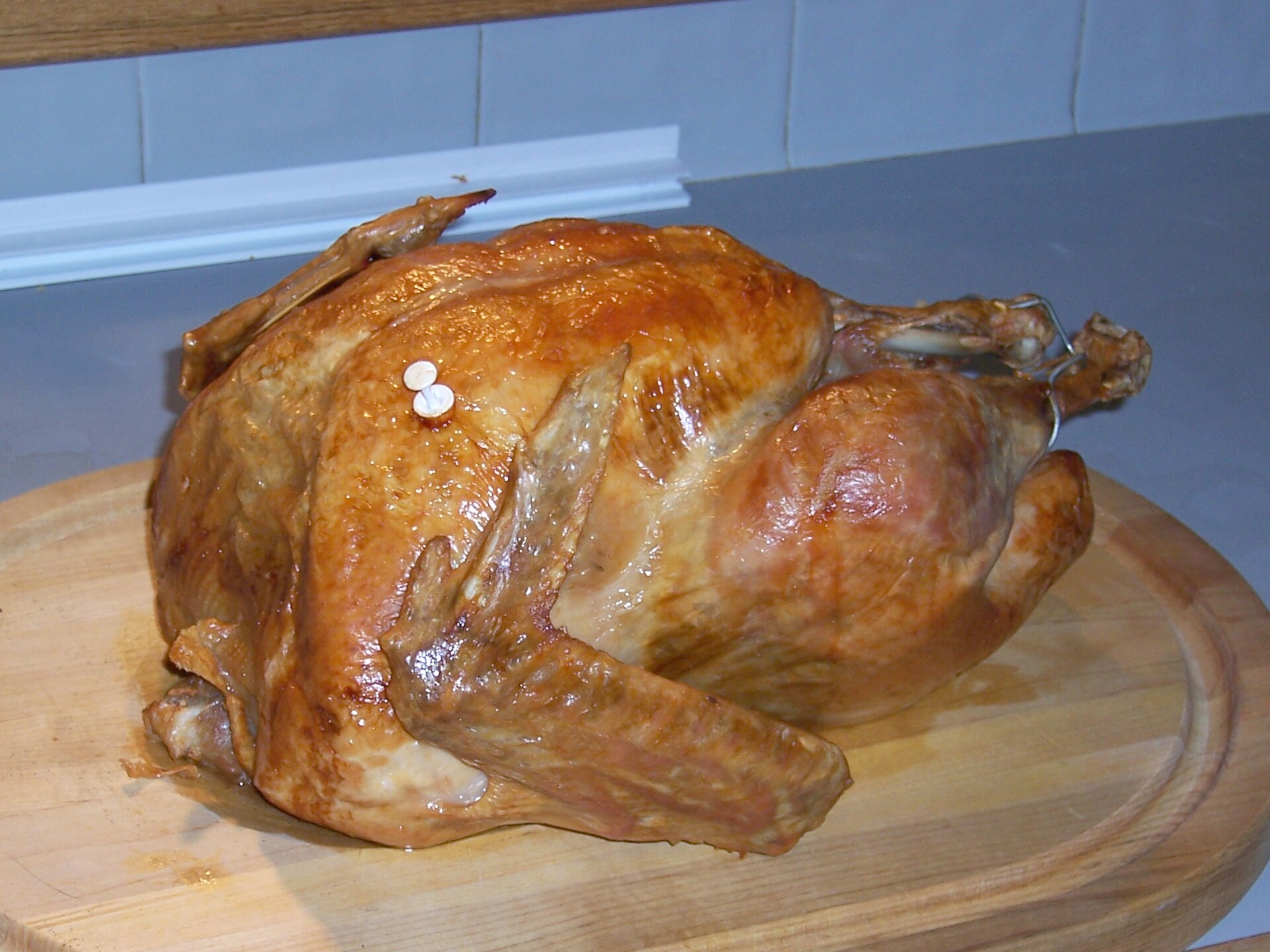
Putting the entire leftover bird back in the oven might look easy, but USDA guidance says not to reheat a whole cooked turkey. It is too dense to heat evenly. Carve the meat first and reheat just the slices or pieces you need. They warm faster and stay juicier too.
You will need: A carving knife, an oven-safe dish, foil, a splash of broth
How to make it: 1. Carve the leftover meat off the bones. 2. Put the slices you need in a dish with a splash of broth. 3. Cover with foil. 4. Heat in a 325 F oven until the meat reaches 165 F. 5. Refrigerate the rest right away.
Microwaving leftovers without covering or stirring
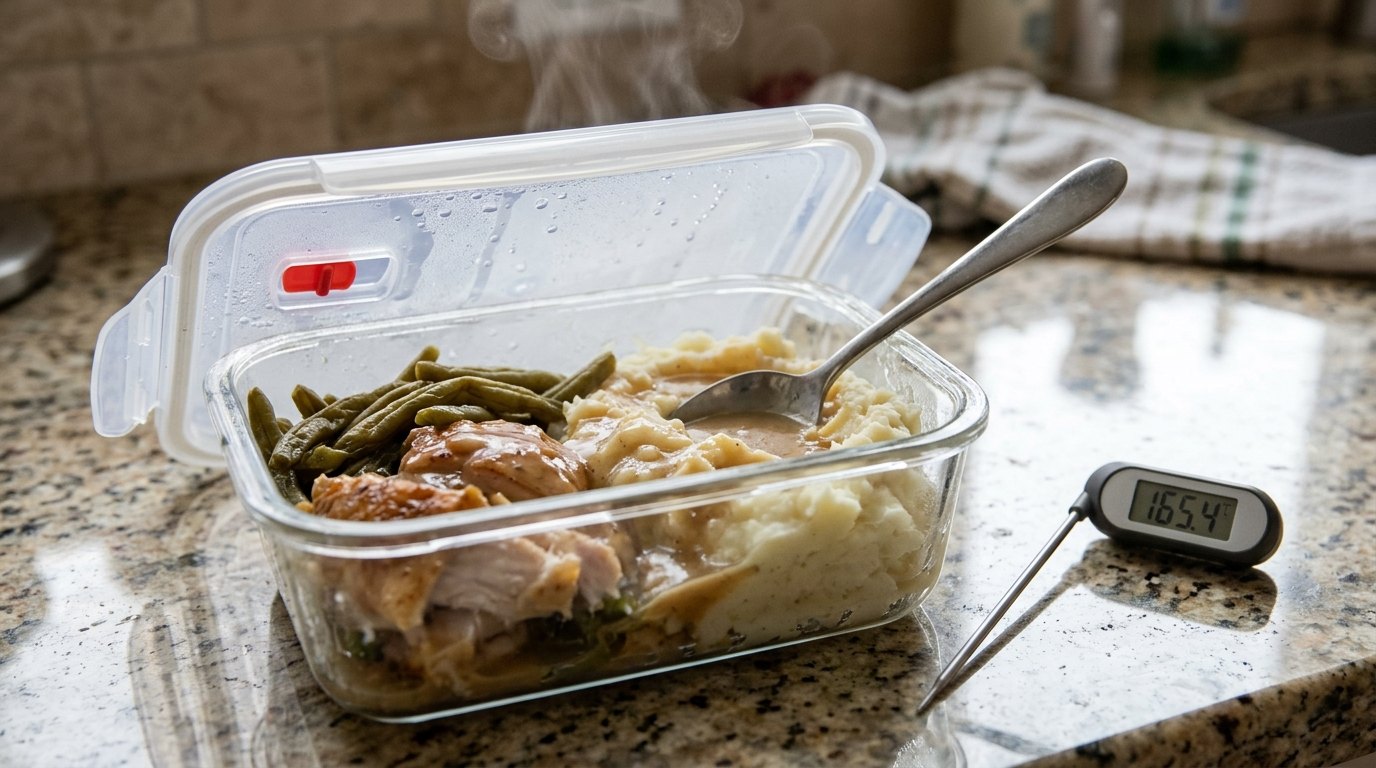
Microwaves have cold spots, so a plate can be hot on the edges and cool in the middle. The USDA suggests covering the food, rotating or stirring it, adding a little liquid if needed and letting it rest before checking the temperature in several places. Do you stir halfway through, or just hit start?
You will need: A microwave-safe glass or ceramic dish, a vented lid, a food thermometer
How to make it: 1. Spread the food evenly in the dish. 2. Add a spoon of water or broth if it looks dry. 3. Cover with a vented, microwave-safe lid. 4. Heat, stirring or rotating halfway. 5. Rest 1 minute and check that it reaches 165 F in several spots.
Deviled eggs left on the buffet all evening
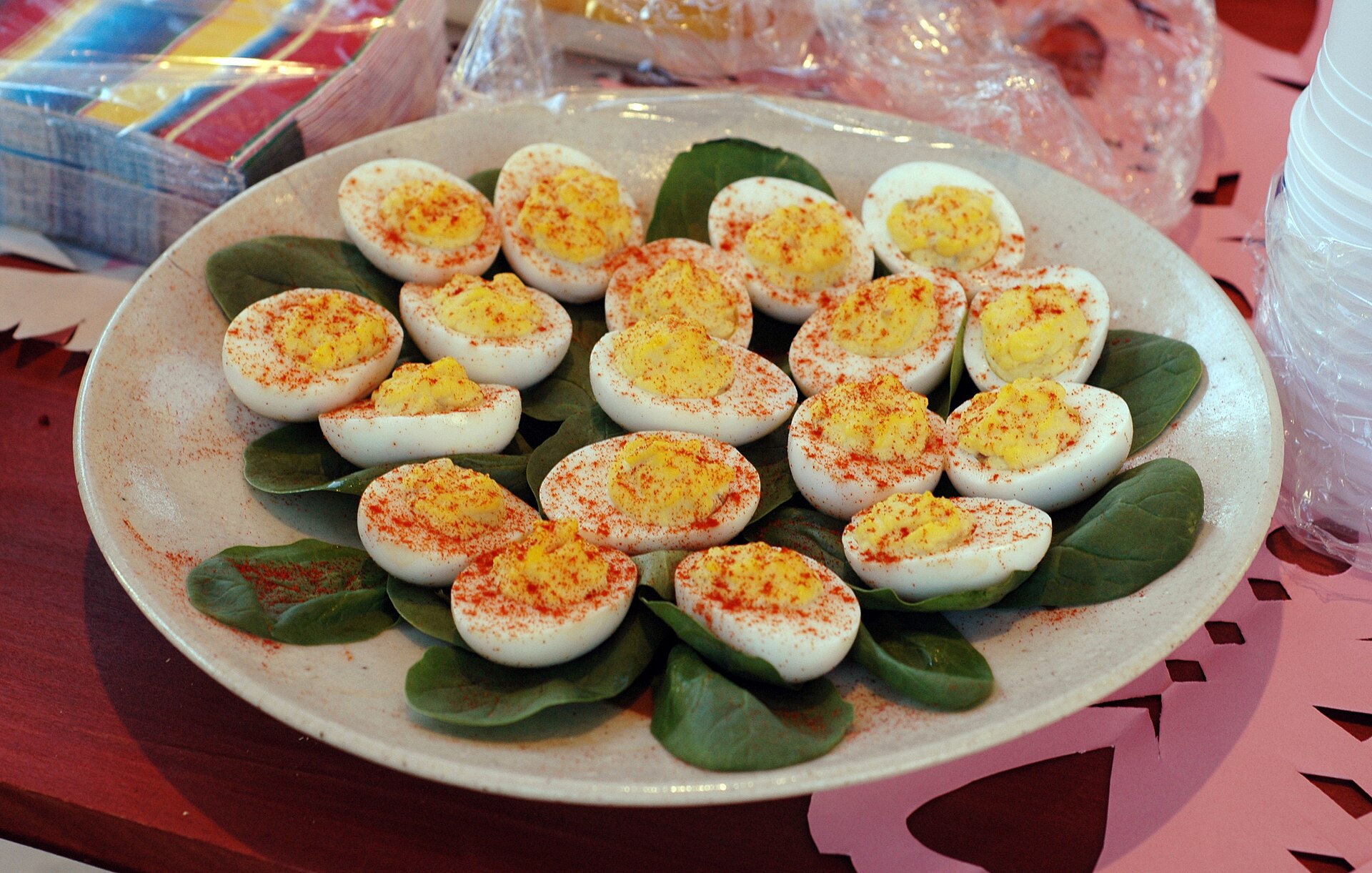
Deviled eggs are often the first appetizer out and the last one put away. Like other cold perishable food, they should not stay at room temperature for more than 2 hours. Nest the platter in a bowl of ice, or put out small plates and refill from the fridge. Egg salads keep 3 to 4 days in the fridge. It is an easy leftover food safety win.
You will need: A serving platter, a larger bowl of ice, a backup plate in the fridge
How to make it: 1. Keep most of the deviled eggs in the fridge. 2. Set out a small plate at a time. 3. Nest the platter in ice to keep it cold. 4. Put everything away within 2 hours. 5. Eat leftovers within 3 to 4 days.
Pumpkin pie left on the counter
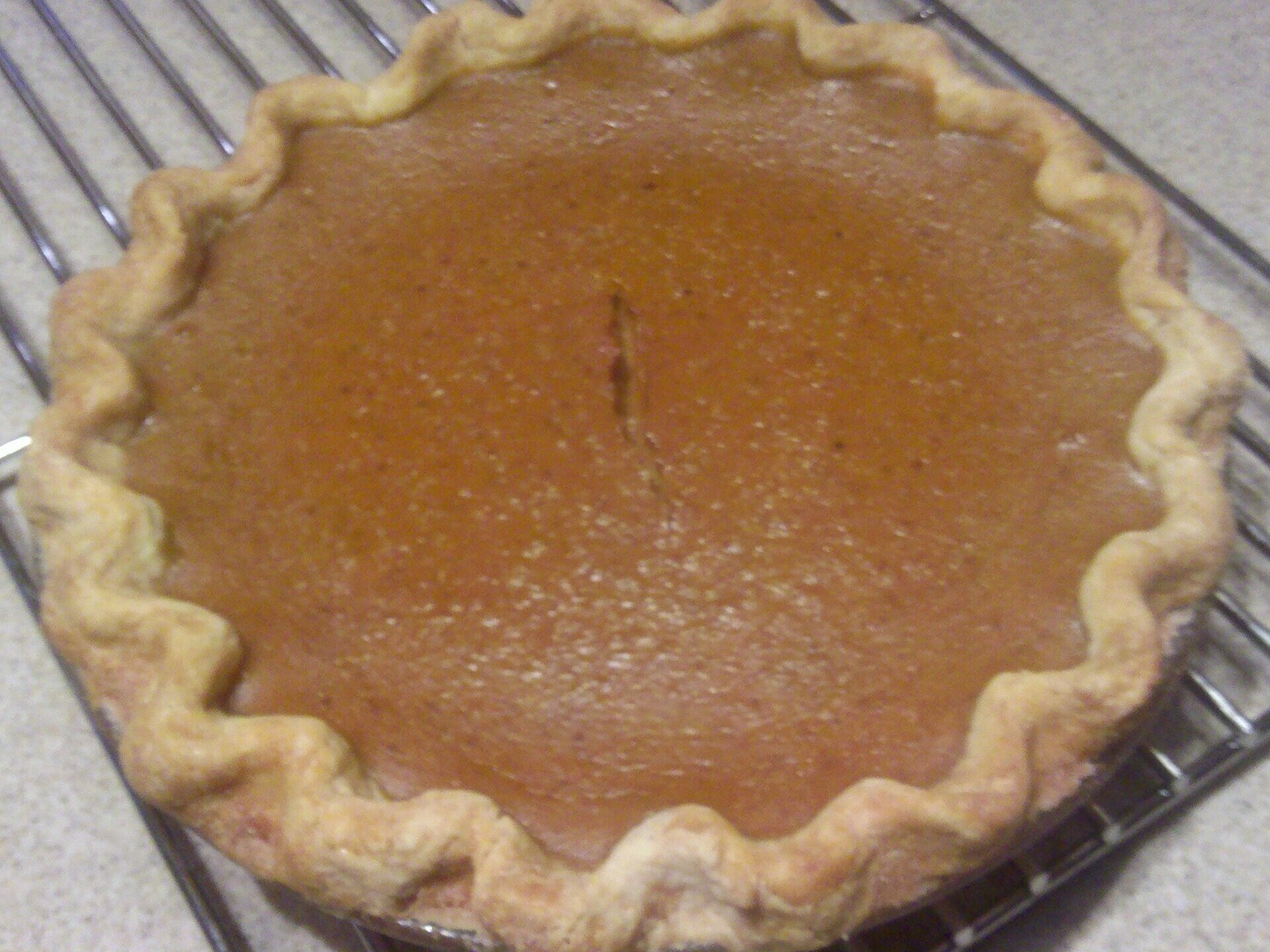
Many families leave pies out on the counter for days. Pumpkin and custard pies are made with eggs and milk, and the federal storage chart lists them as refrigerator foods: 3 to 4 days after baking. Pumpkin and pecan pies can also be frozen for 1 to 2 months, while custard pies do not freeze well. Do you keep your pie on the counter?
You will need: Plastic wrap or a pie keeper
How to make it: 1. Let the baked pie cool. 2. Cover it loosely with plastic wrap. 3. Refrigerate it. 4. Enjoy within 3 to 4 days. 5. Freeze pumpkin or pecan pie slices for up to 1 to 2 months.
Waiting for food to cool on the counter before the fridge
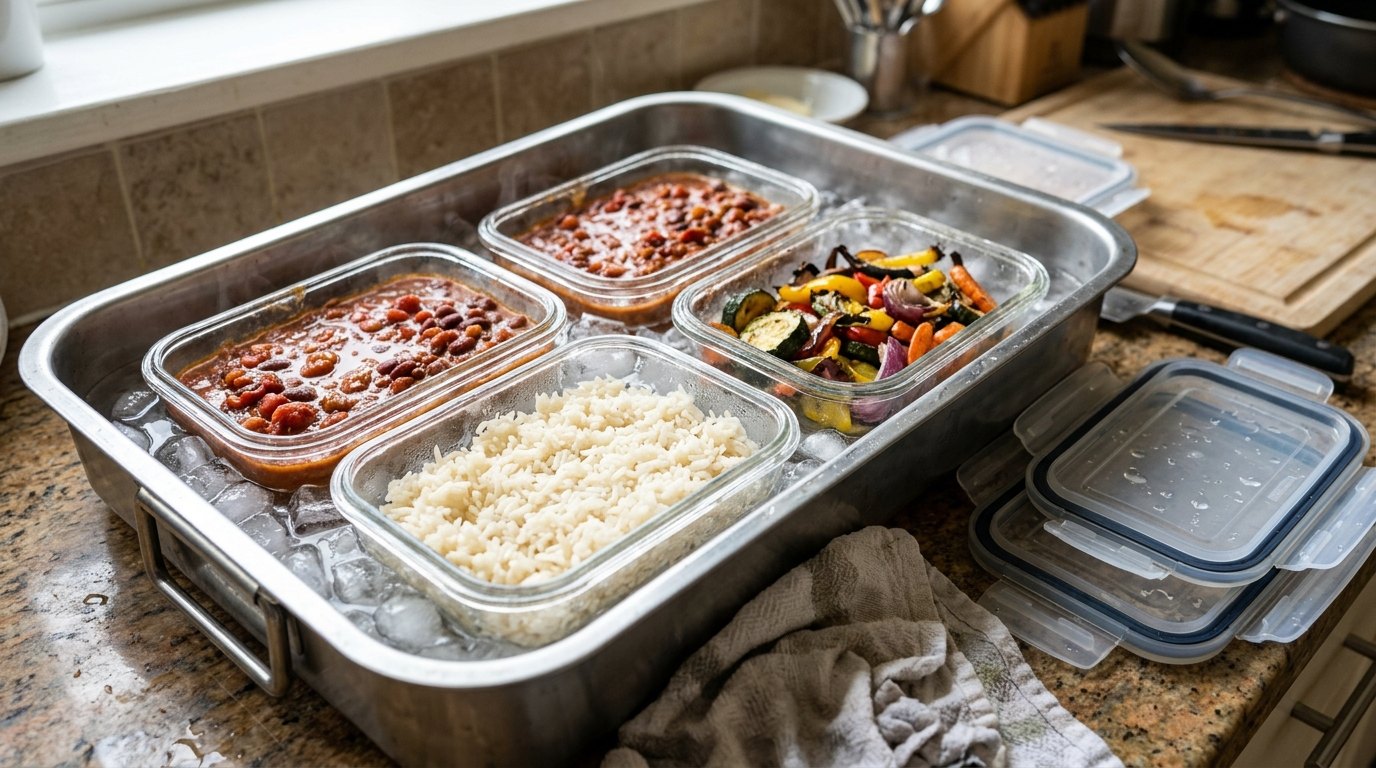
Many of us were taught to let food cool on the counter before putting it in the fridge. USDA guidance says hot food can go straight into the refrigerator, or be chilled fast in an ice or cold water bath first. The key is to divide it into small, shallow portions so it cools quickly. Which way did you learn?
You will need: Shallow containers, lids, an ice water bath (optional)
How to make it: 1. Portion hot food into shallow containers. 2. Chill it in an ice water bath for a few minutes if the batch is large. 3. Cover the containers. 4. Put them straight into the fridge. 5. Make sure the fridge stays at 40 F or below.
Thawing frozen leftovers on the counter, a leftover food safety myth to retire
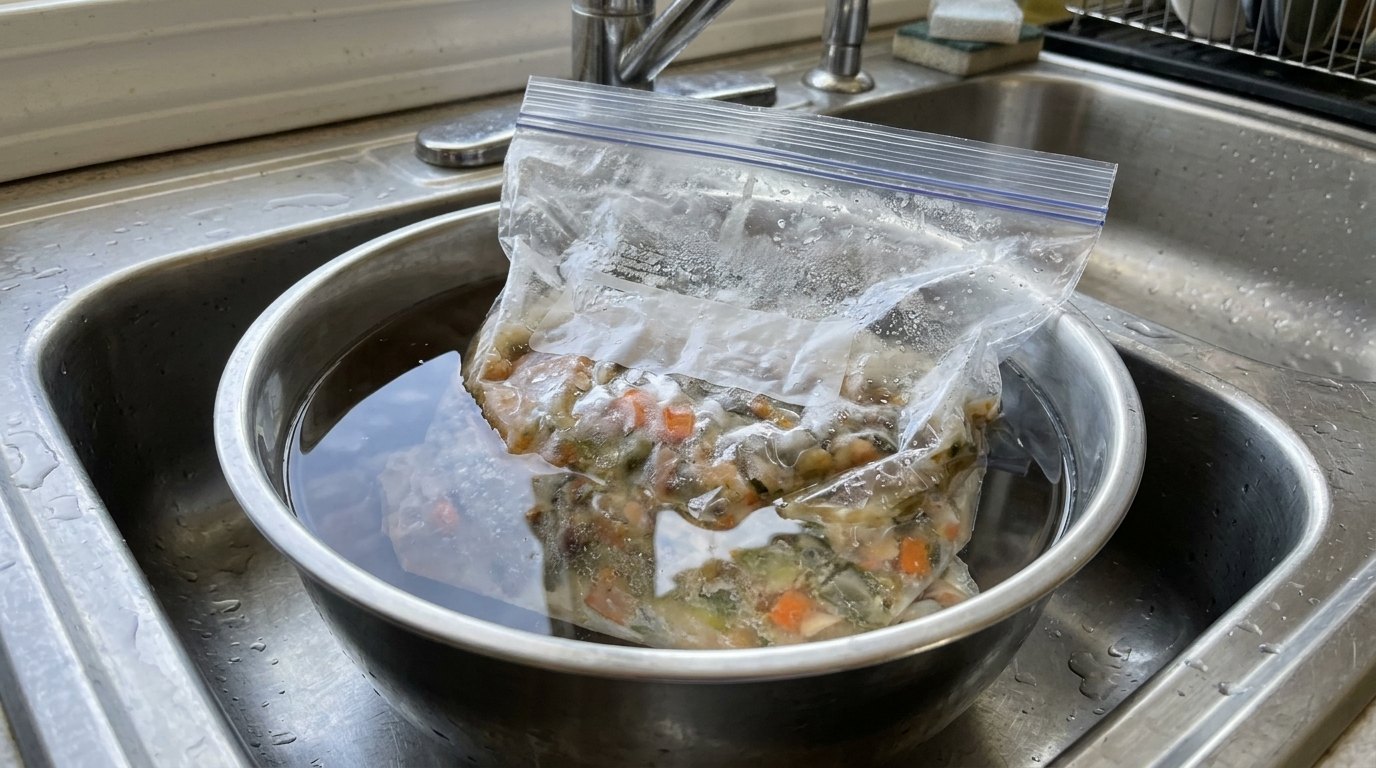
Setting a frozen container on the counter to thaw is one of the most common kitchen habits. The safe ways to thaw leftovers are in the refrigerator, in cold water or in the microwave. The fridge takes longest, but the food stays safe the whole time. Microwave-thawed food should be heated right away to 165 F.
You will need: A leak-proof bag, a bowl of cold water, or space in the fridge
How to make it: 1. Move frozen leftovers to the fridge the night before. 2. For faster thawing, seal them in a leak-proof bag and submerge in cold water. 3. Or use the microwave defrost setting. 4. Heat microwave-thawed food right away to 165 F. 5. Use fridge-thawed leftovers within 3 to 4 days.
Reheating frozen leftovers without thawing
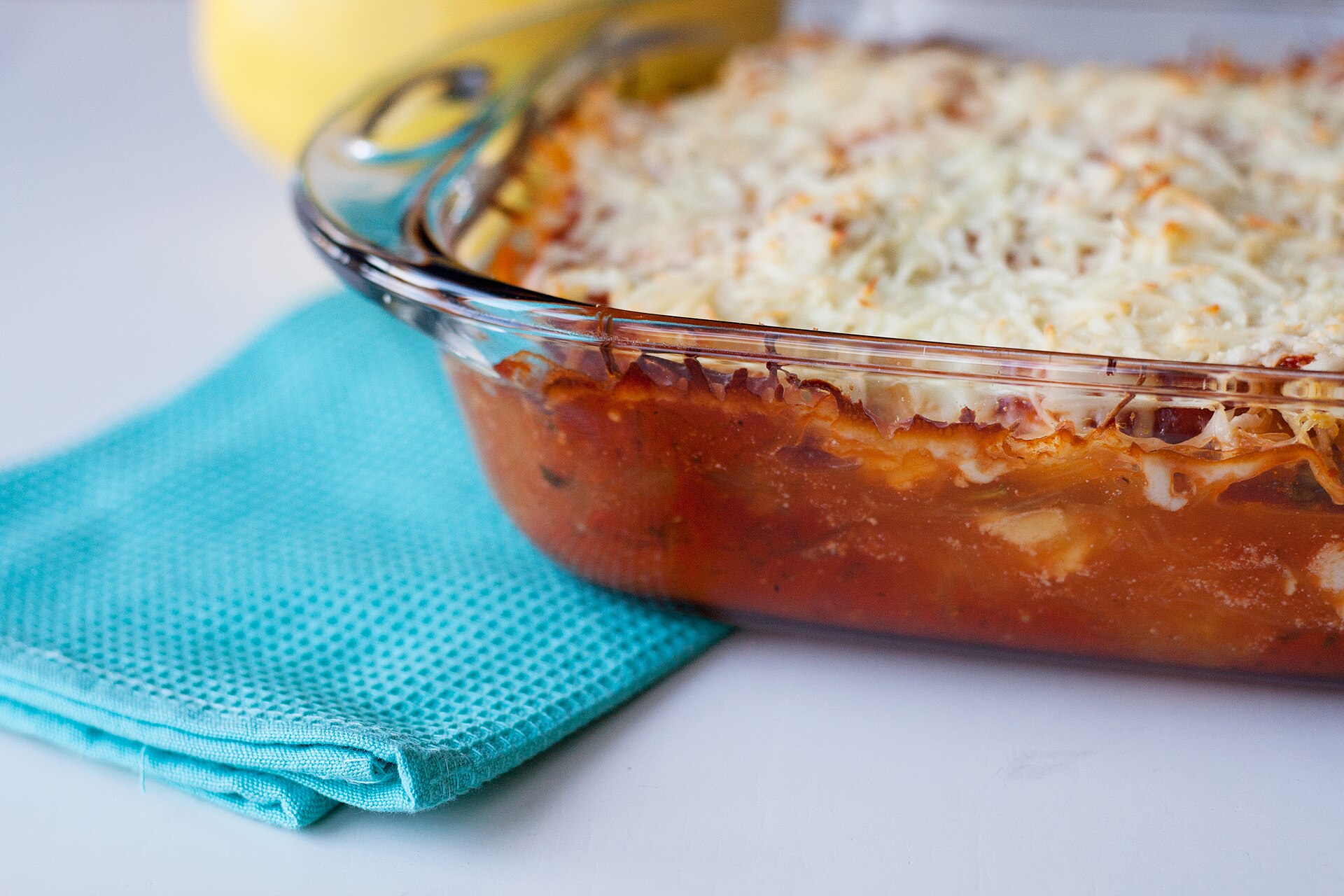
Forgot to take dinner out of the freezer? Good news: the USDA says it is safe to reheat frozen leftovers without thawing. Soups and stews can go straight into a saucepan or the microwave, and casseroles into the oven or microwave. It just takes longer than reheating thawed food.
You will need: A saucepan or oven-safe dish, a lid or foil, a food thermometer
How to make it: 1. Pop the frozen soup into a saucepan with a splash of water, or put the casserole in an oven-safe dish. 2. Cover it. 3. Heat on low to medium, stirring soups now and then. 4. Allow extra time. 5. Check that it reaches 165 F before serving.
Refreezing leftovers
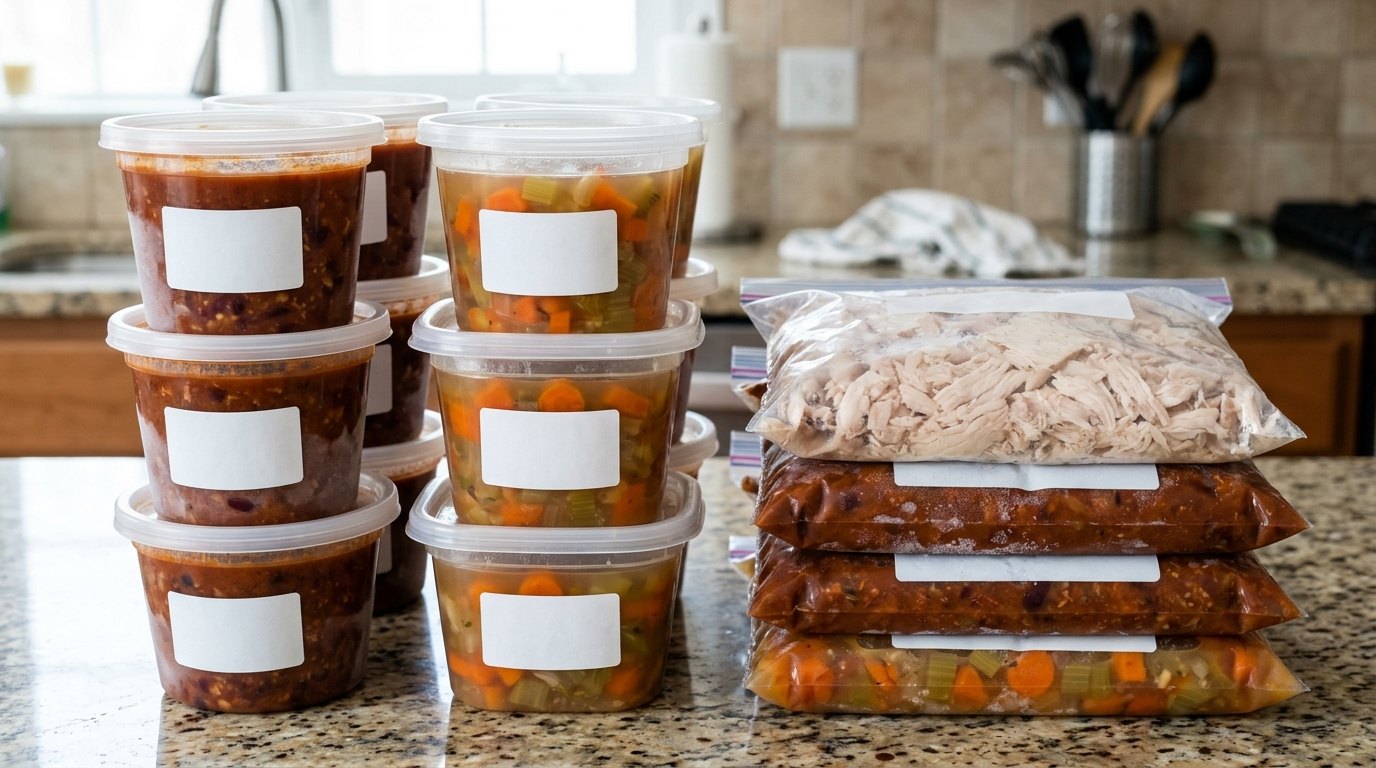
Many people think you can never refreeze food. USDA guidance says it is safe to refreeze leftovers after reheating them to 165 F. And if you thaw a big container in the fridge and only need part of it, you can refreeze the rest without reheating. Quality may drop a little each time, so freeze in small portions.
You will need: Small freezer containers or bags, labels, a marker
How to make it: 1. Freeze leftovers in single or family-size portions. 2. Thaw only what you need in the fridge. 3. Refreeze the unused, fridge-thawed part right away. 4. Or reheat leftovers to 165 F, then freeze what is left. 5. Label every container with the date.
Holiday buffet food kept out all day
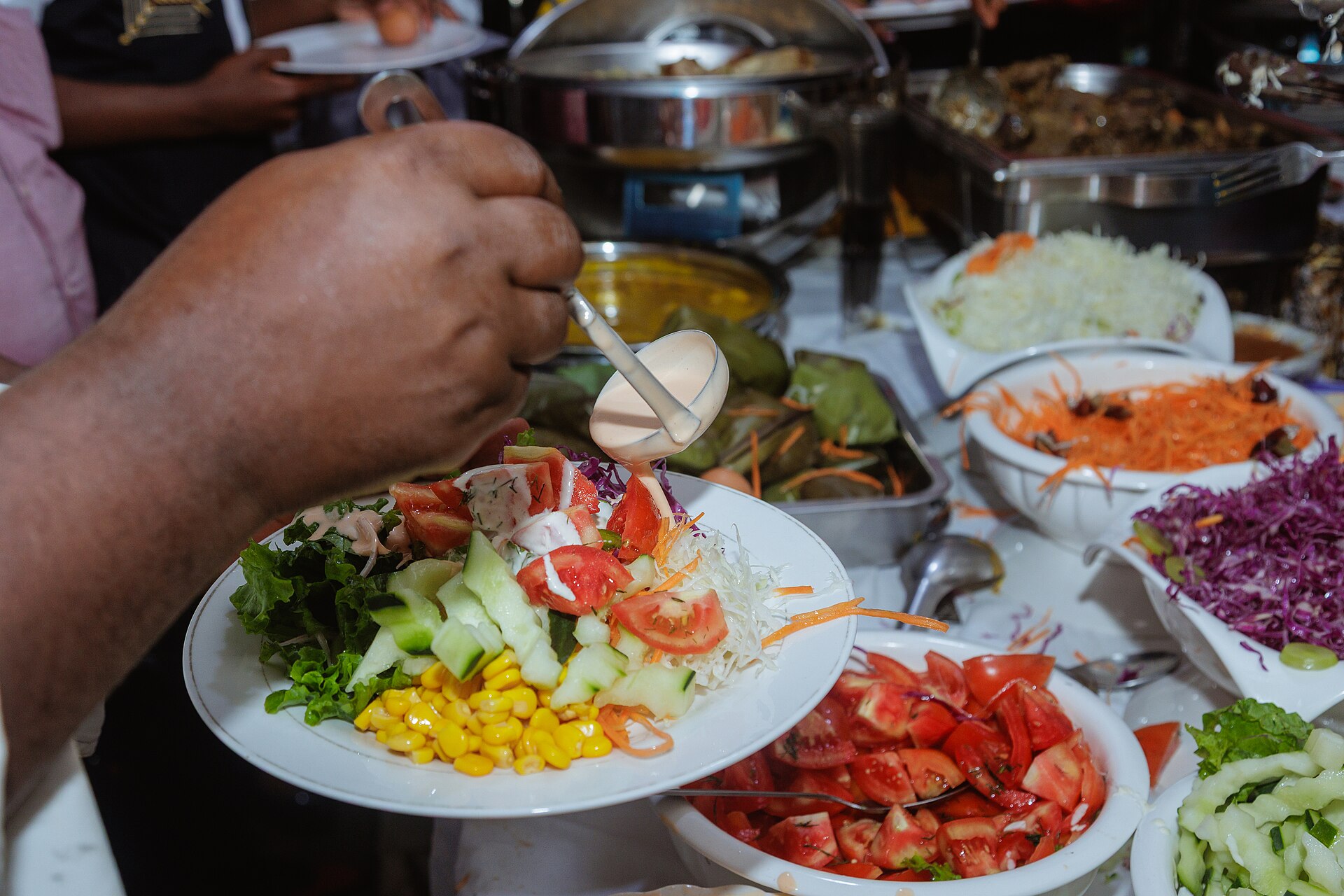
Holiday parties often run for hours, and so does the buffet. USDA advice is to keep hot food at 140 F or warmer in chafing dishes, slow cookers or warming trays, and cold food at 40 F or below by nesting dishes in ice. Use small serving dishes and swap them often instead of putting everything out at once.
You will need: Chafing dishes or a slow cooker on warm, bowls of ice, small serving platters
How to make it: 1. Keep backup portions hot in the oven or cold in the fridge. 2. Set out small dishes. 3. Keep hot foods in warmers and cold foods on ice. 4. Swap dishes rather than topping them up. 5. Toss anything left at room temperature over 2 hours.
The 3 to 4 day rule, the heart of leftover food safety
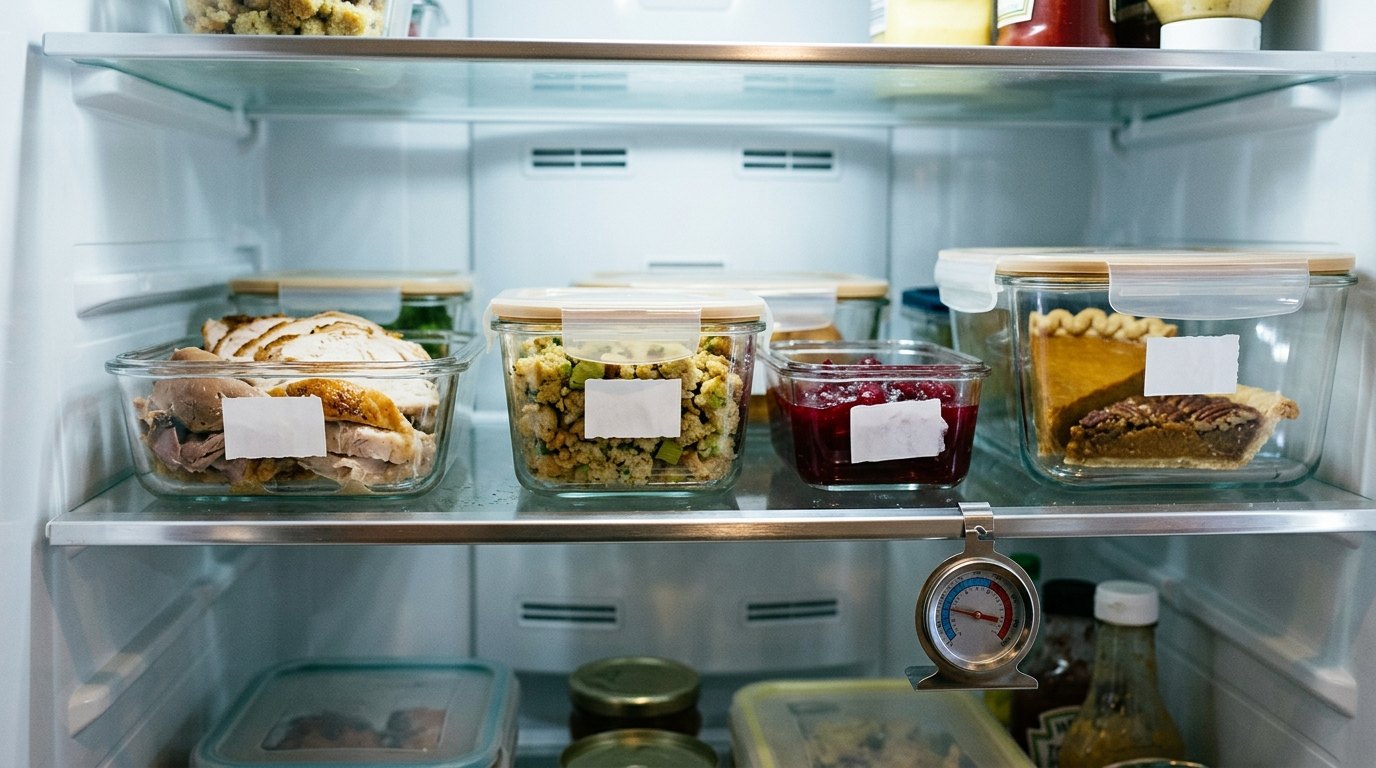
If you remember one thing, make it this: according to the USDA, leftovers can be kept in the fridge for 3 to 4 days or frozen for 3 to 4 months. Frozen leftovers stay safe longer but lose moisture and flavor over time. For tasty ways to use them up, see our Thanksgiving leftover recipes, or read the full USDA leftovers guide. Which leftover food safety tip surprised you most?
You will need: Labels or masking tape, a marker, a fridge thermometer
How to make it: 1. Date every leftover container. 2. Keep the fridge at 40 F or below. 3. Eat leftovers within 3 to 4 days. 4. Freeze anything you will not eat in time. 5. When in doubt, throw it out.