Japanese Cleaning Hacks: 13 Simple Habits That Keep Small Homes Spotless
Japanese cleaning hacks are taking over home videos this month, and they feel like a deep breath. One video of Japanese cleaning tricks passed 541,000 views in a month, another on a simple room order method reached 382,000 in three weeks, and a third topped 1.3 million in four weeks. The idea behind them is calm and simple. Instead of one exhausting cleaning day, you do tiny things every day, right after you use a space. Homes in Japan are often small, so nothing is wasted and nothing piles up. With the holidays coming in a few weeks, these habits can make your home feel ready for guests without a big scramble. Here are 13 easy ones to start with today..
Japanese Cleaning Hacks Start at the Door
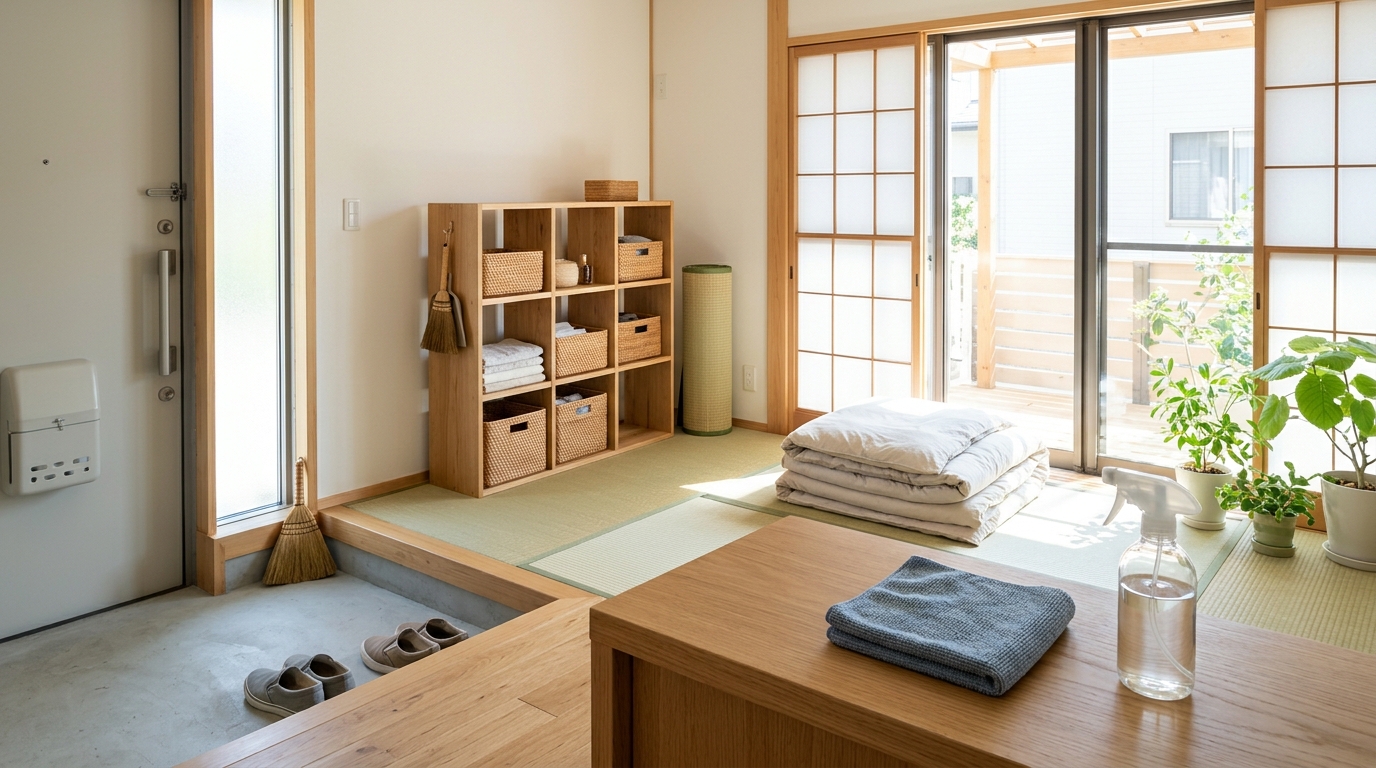
In many Japanese homes, the entry has a small lowered area called a genkan where everyone takes off their shoes before stepping inside. Shoes are lined up neatly facing the door, ready for the next trip out. This one habit keeps a huge amount of dirt, mud and grit out of the house. Floors stay cleaner for longer, and you vacuum less. It is the simplest of all Japanese cleaning hacks to copy. A small mat and a shoe shelf are all you need. Could your family get used to shoes off at the door..
You will need: A washable door mat, a small shoe shelf or tray and a basket of house slippers if you like.
How to make it: 1. Mark a small shoe zone by the door with a mat or tray. 2. Place a shelf or rack beside it. 3. Ask everyone to line shoes up facing the door as they come in.
Wipe the Sink Right After You Use It
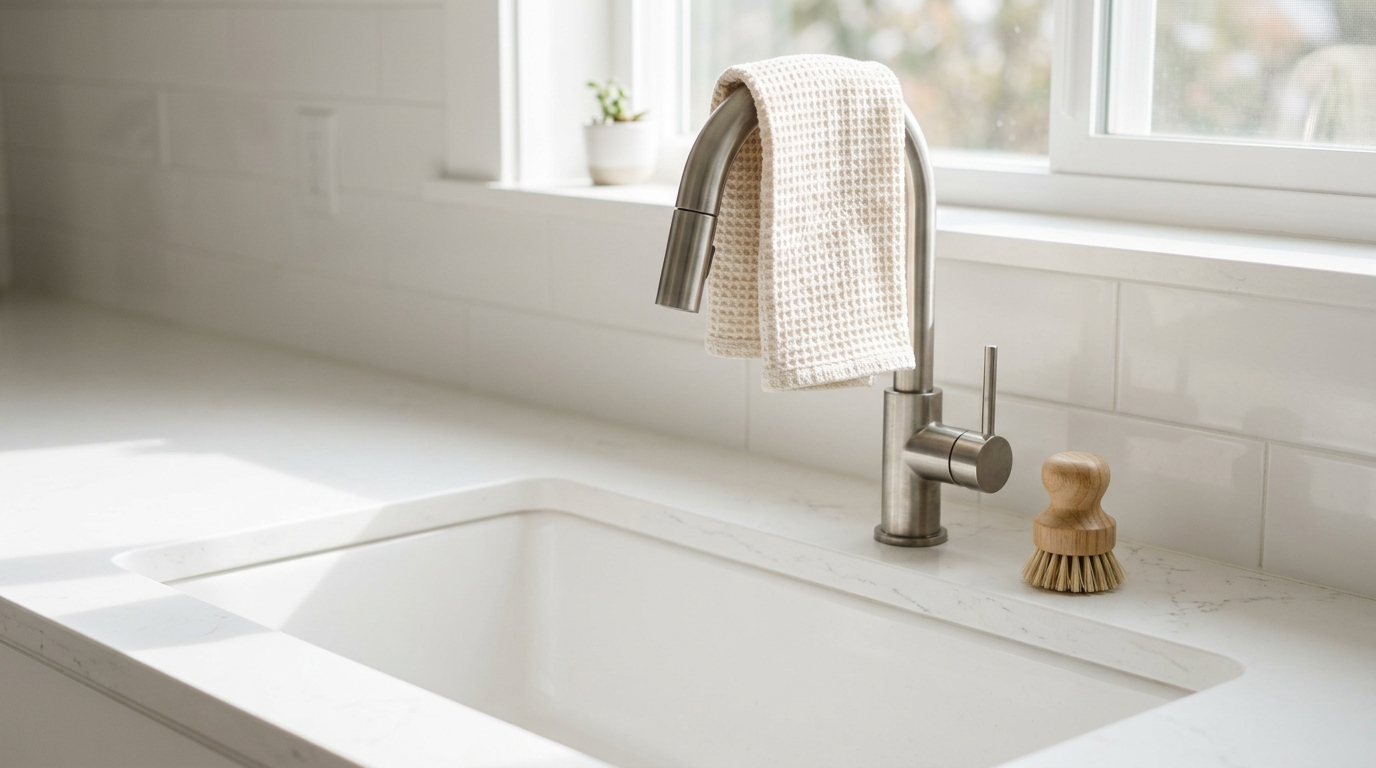
Clean as you go is at the heart of Japanese cleaning hacks. After washing up, take ten seconds to wipe the sink and counter dry with a small cloth, then hang the cloth to dry. Water spots and grime never get a chance to build up. A dry sink looks bright and fresh every morning. It feels like a tiny thing, but it saves a big scrubbing job later. Could you try it after dinner tonight?
You will need: A small cotton cloth or towel and a hook or faucet to hang it on.
How to make it: 1. After washing up, wipe around the sink and faucet. 2. Dry the counter edges too. 3. Hang the cloth to dry so it is fresh for next time.
Make Zokin Rags From Old Towels
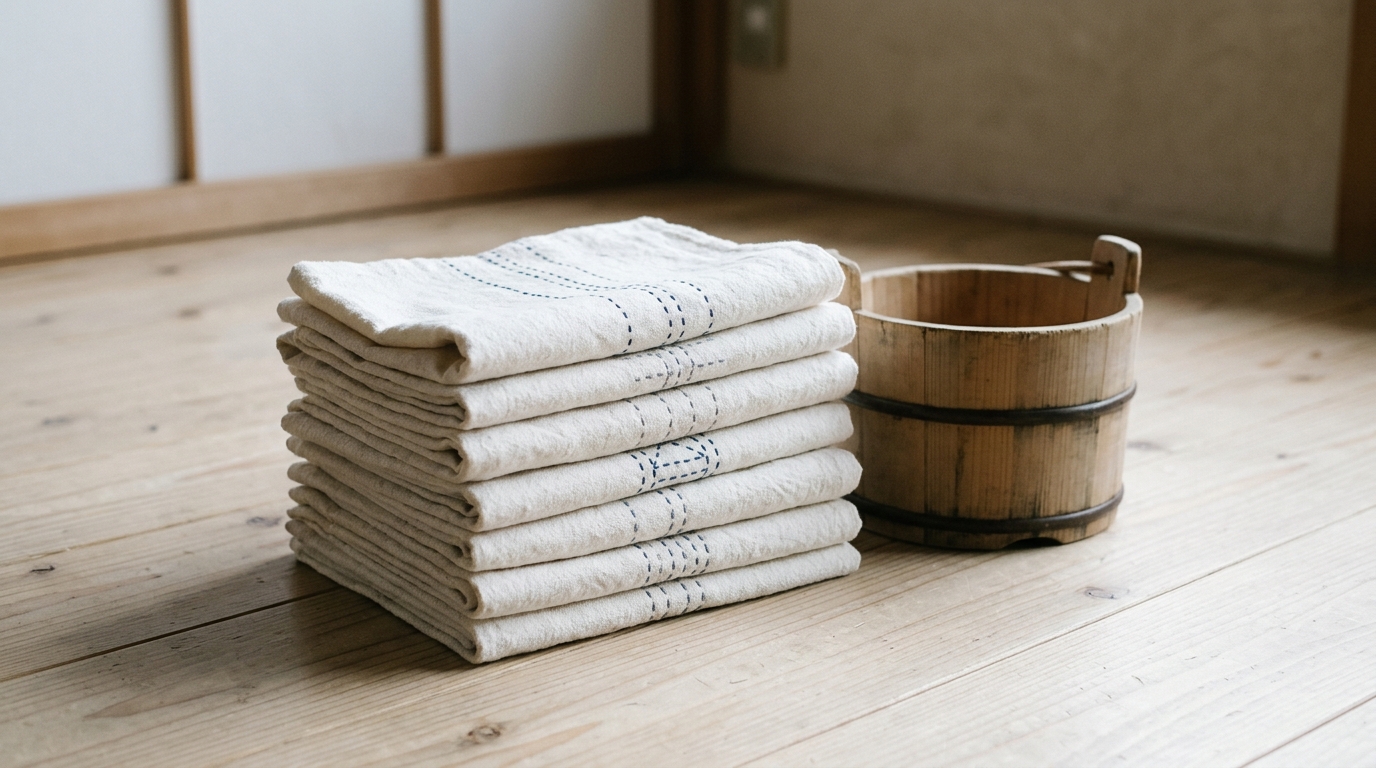
A zokin is a simple cleaning cloth made from old towels folded and stitched into a thick pad. Japanese schoolchildren often use them to clean their classroom floors. They are strong, washable and free, since they are made from towels you already have. Use them for floors, shelves and windowsills, then toss them in the wash. It is a lovely way to give old towels a second life. Do you have a few worn towels waiting in the cupboard?
You will need: Old cotton towels, scissors, a needle and strong thread, or a sewing machine.
How to make it: 1. Cut a towel into a rectangle and fold it in half or thirds. 2. Stitch around the edges. 3. Add a few lines of stitches across the middle so it holds its shape.
Japanese Cleaning Hacks for Drawers: Fold Clothes Upright
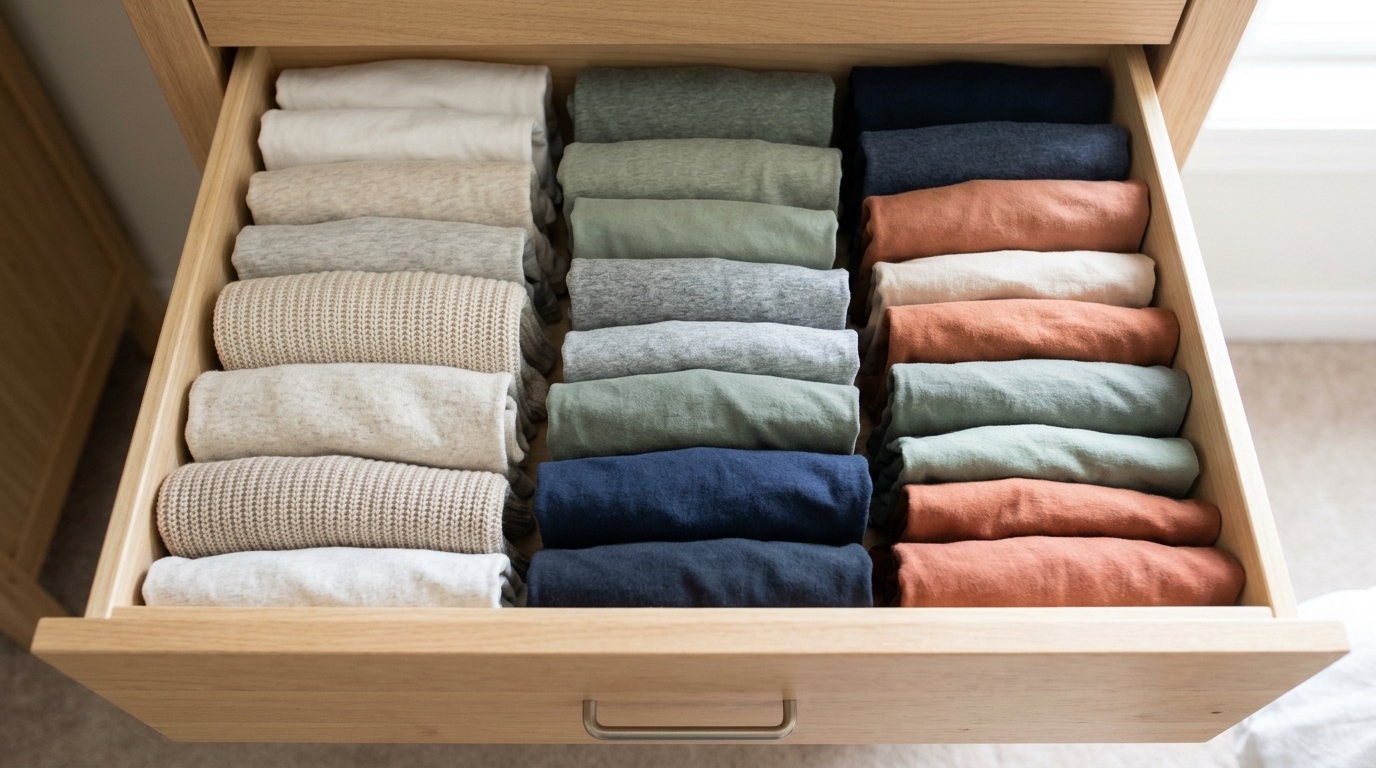
Folding clothes into small rectangles and standing them upright in a drawer, like files, means you can see everything at once. Nothing gets lost at the bottom of the pile, and drawers stay neat even when you pull something out. This idea has become one of the most loved Japanese cleaning hacks around the world. It works for T shirts, sweaters, leggings and even kids clothes. Would your drawers look different tomorrow?
You will need: Your clothes and a drawer, plus small boxes if you want dividers.
How to make it: 1. Fold each item into a long rectangle. 2. Fold it again into thirds until it can stand up. 3. Line the folded pieces up in rows, like books on a shelf.
Japanese Cleaning Hacks for the Evening: A Five Minute Reset

Before bed, take five minutes to put the living room back to its calm starting point. Fluff the cushions, fold the throw, clear the table and put remotes in their basket. Waking up to a tidy room makes the whole morning feel lighter. When everyone in the house helps, it takes even less time. This little routine is a simple way to keep clutter from building up. Who in your house would be the fastest helper?
You will need: A small basket for remotes and a few minutes before bed.
How to make it: 1. Set a five minute timer. 2. Return things to their places and straighten cushions and throws. 3. Clear and wipe the coffee table.
Japanese Cleaning Hacks for the Bath
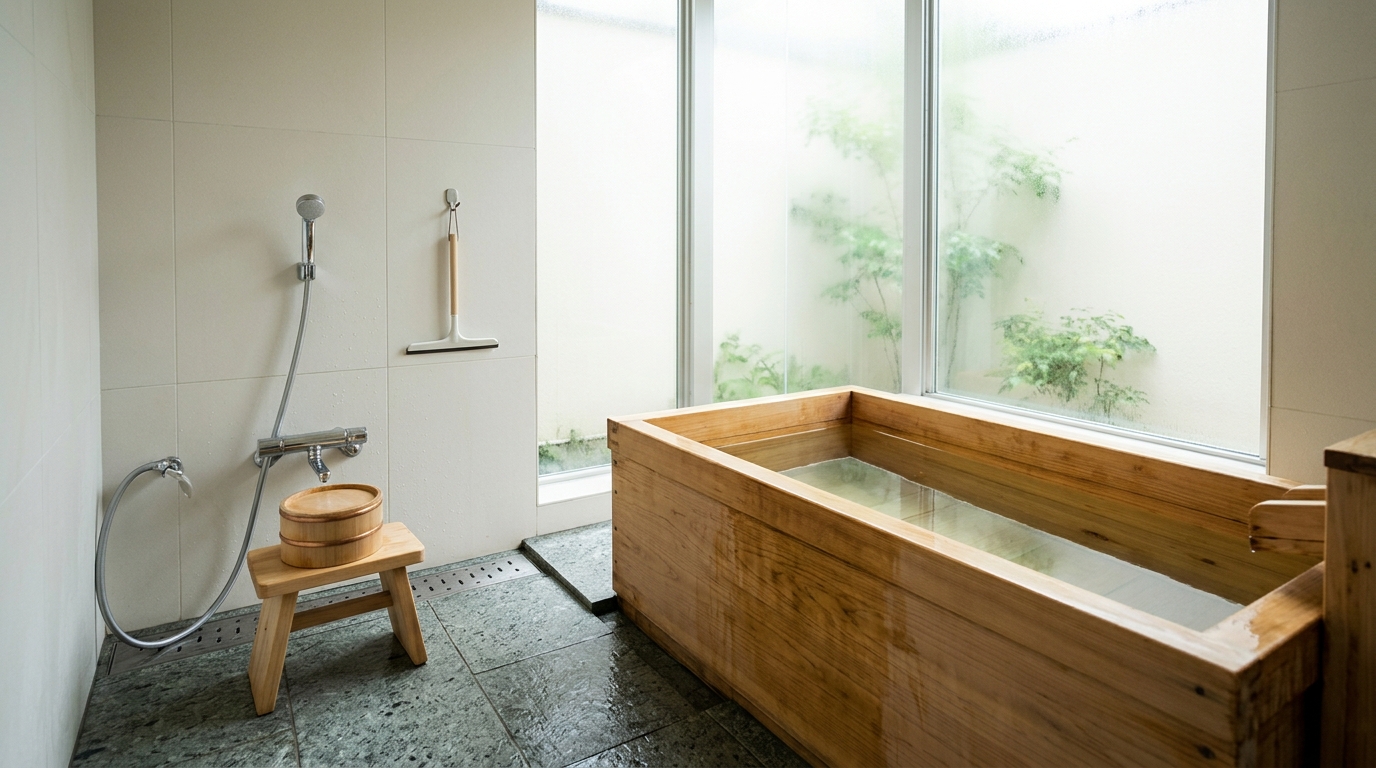
In many Japanese homes, the last person to use the bath gives it a quick rinse and wipe right away. Warm surfaces are easier to clean, and soap scum never gets a chance to harden. A squeegee on the wall makes it fast. Then the room is left with the window open or the fan on to dry. This saves a big weekly scrub. Does your family take turns with chores like this?
You will need: A squeegee, a soft sponge and mild soap.
How to make it: 1. After the last bath or shower, rinse the walls and tub with warm water. 2. Wipe with a sponge and a little mild soap if needed. 3. Squeegee the walls dry and leave the room to air out.
A Sticky Roller for Quick Passes
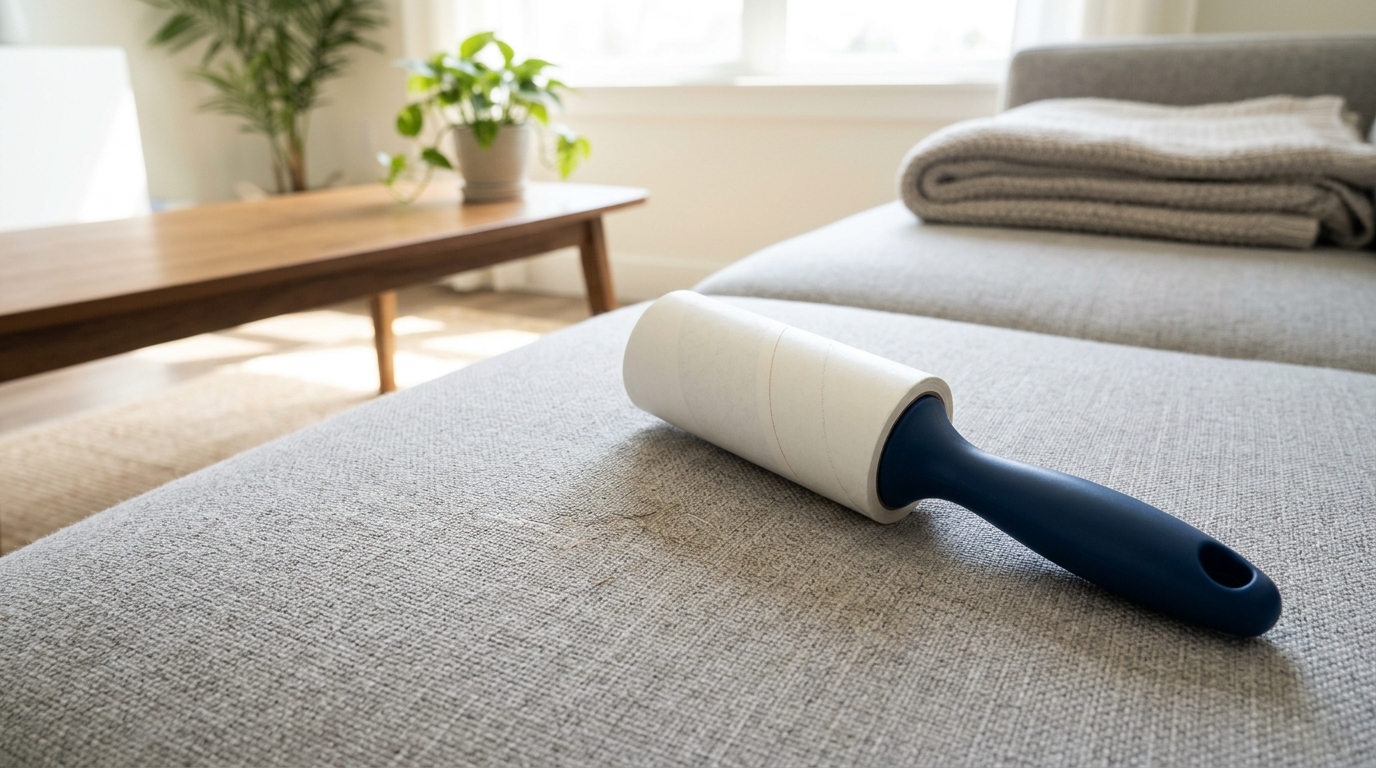
Many Japanese homes keep a sticky lint roller handy, not just for clothes but for floors, sofas and rugs. A few quick passes pick up hair, crumbs and dust without getting the vacuum out. It is especially handy if you have pets. Keep one in the living room and one in the bedroom so it is always close by. Have you ever used a lint roller on your sofa?
You will need: A sticky lint roller with refill sheets.
How to make it: 1. Roll it across the sofa cushions or a rug in short strokes. 2. Peel off the used sheet when it is full. 3. Keep the roller somewhere easy to reach.
Air Out Bedding in the Sunshine
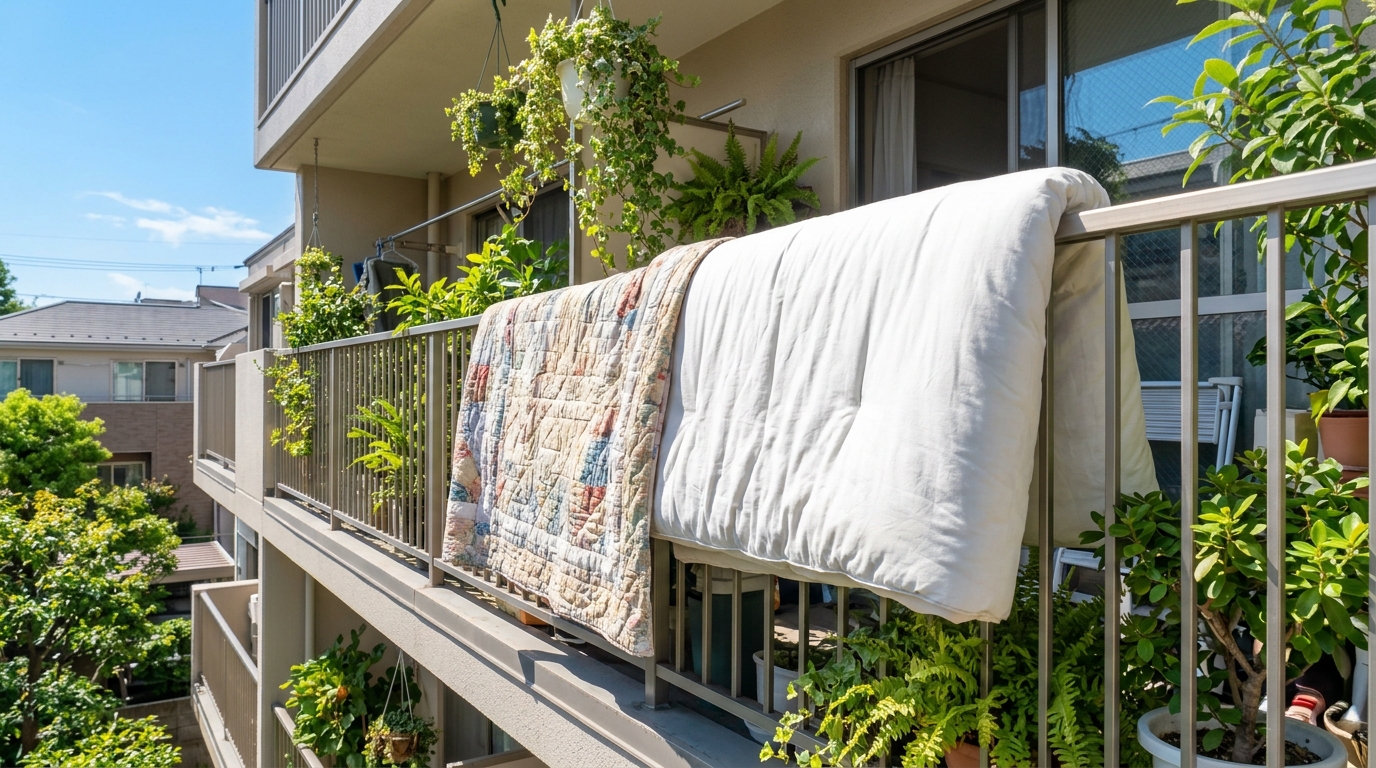
On sunny days, it is common in Japan to see futons and quilts hanging over balcony rails. Airing bedding in fresh air and sunshine helps it feel lighter and smell fresh. You can do the same with pillows, blankets and duvets on a clothesline or an airy porch. Flip them halfway through so both sides get some sun. It is free and feels wonderful at bedtime. When is the next sunny day where you live?
You will need: A clothesline, a balcony rail or a drying rack and some clothespins.
How to make it: 1. Pick a dry, sunny morning. 2. Hang your bedding over a rail or line. 3. Flip it after an hour and bring it in by mid afternoon.
Wrap With Furoshiki Cloths Instead of Plastic
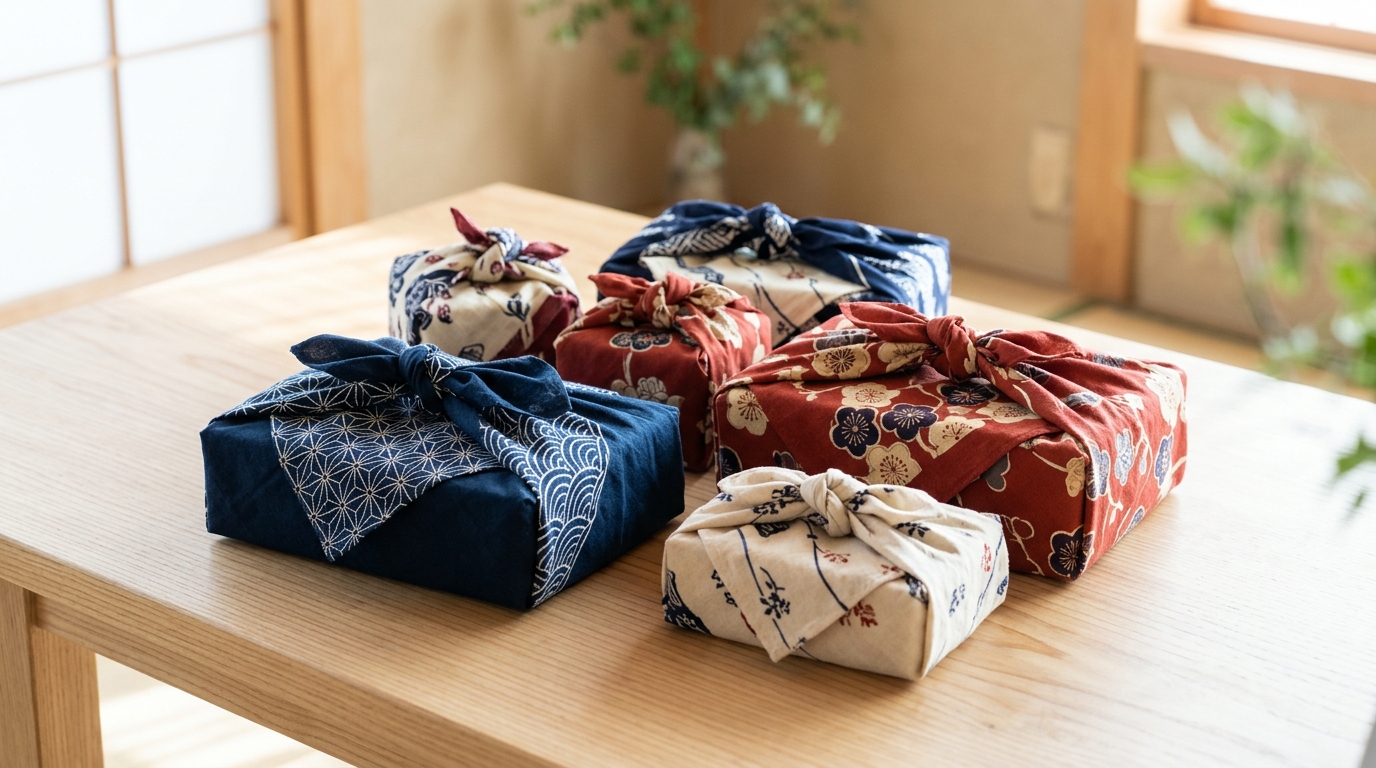
A furoshiki is a square of cloth used to wrap and carry things. It can be a gift wrap, a lunch bag, a shopping bag or a way to bundle items in a closet. Using cloth instead of plastic bags means less trash and less clutter in your kitchen drawers. With the holidays coming, it is also a beautiful way to wrap gifts. Which gift would you wrap in cloth this year?
You will need: A square scarf or a large square of cotton fabric.
How to make it: 1. Lay the cloth flat and place the item in the center. 2. Fold two opposite corners over it. 3. Tie the other two corners in a neat knot on top.
Old Newspaper to Shine Windows
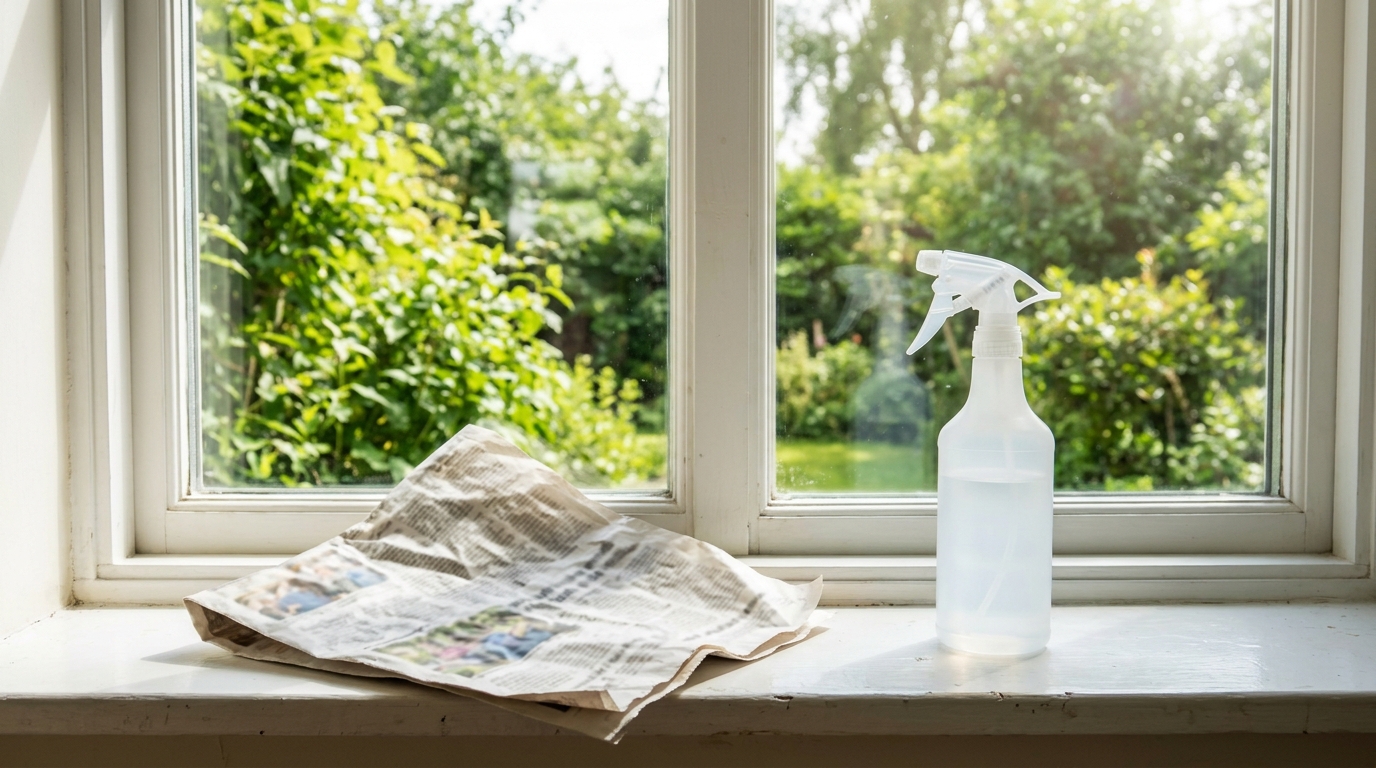
An old trick in Japan, and in many grandmothers’ homes, is to polish glass with crumpled newspaper. Spray the window with plain water, wipe it with a soft cloth, then buff it with newspaper for a streak free shine. It costs nothing and uses up paper you already have. As this Japanese cleaning hacks video shows, simple tools often work best. Do you still get a paper newspaper at home?
You will need: A spray bottle of plain water, a soft cloth and a few sheets of old newspaper.
How to make it: 1. Spray the glass with plain water. 2. Wipe it with a soft cloth. 3. Crumple newspaper and buff the glass in small circles until it shines.
Hang Brooms and Dustpans Off the Floor
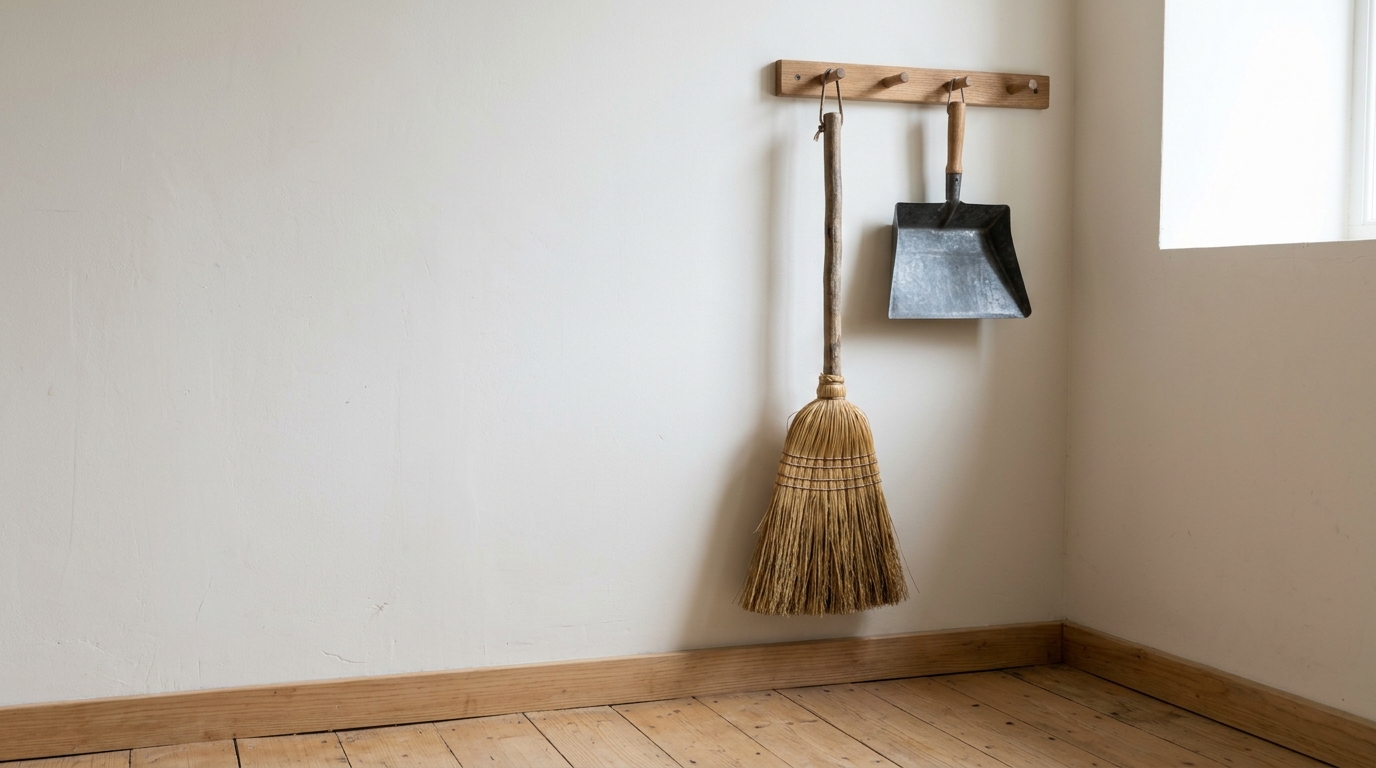
In small homes, every bit of floor counts. Hanging brooms, mops and dustpans on wall hooks keeps them tidy, dry and easy to grab for a quick sweep. It also keeps the bristles in good shape. When cleaning tools are easy to reach, you use them more often. This is one of the easiest Japanese cleaning hacks to set up in an afternoon. Where could you add a hook?
You will need: Two or three wall hooks or a small rail, plus a screwdriver.
How to make it: 1. Choose a spot near where you clean most. 2. Fix the hooks to the wall. 3. Hang the broom, dustpan and mop with their heads off the floor.
Use Small Trays to Corral Counter Clutter
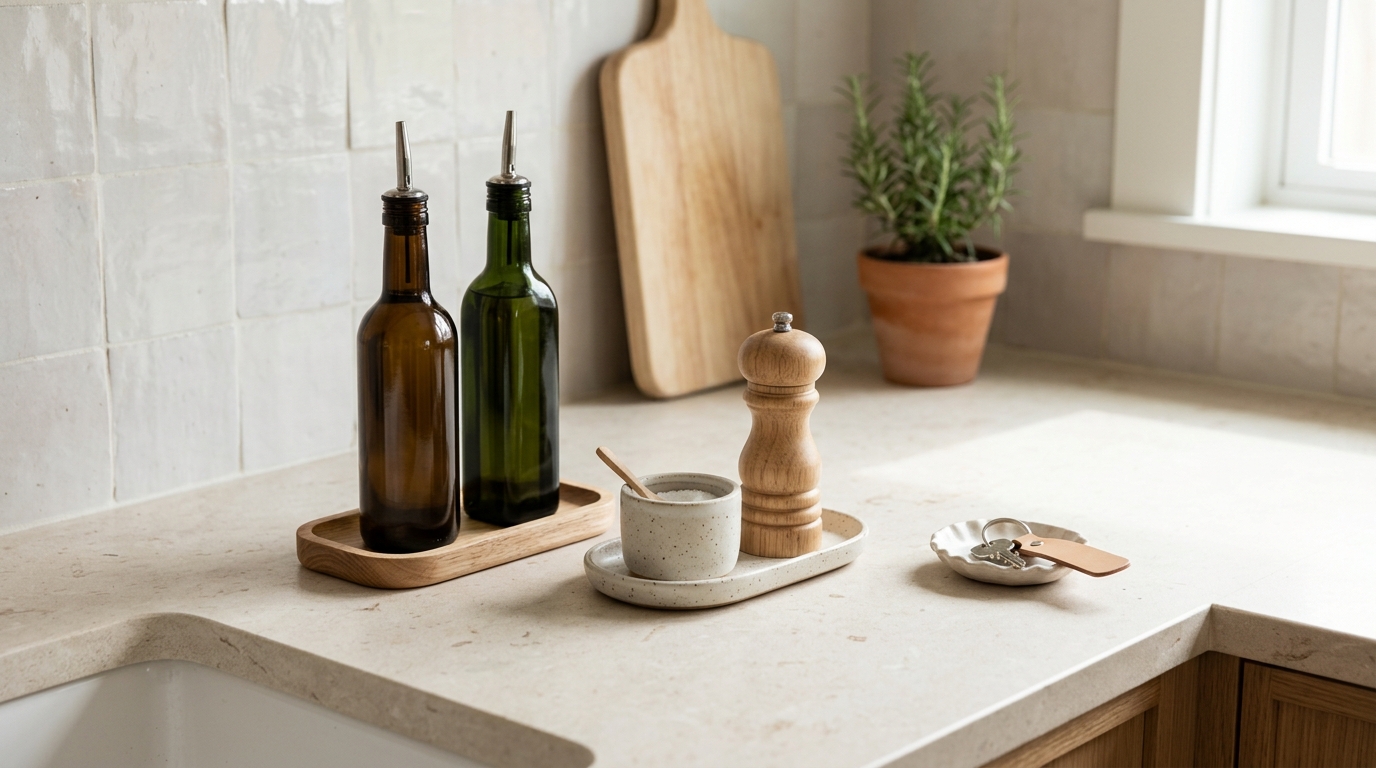
Small trays on counters keep everyday items grouped and easy to move. Oil bottles sit on one, salt and pepper on another, keys on a little dish. When it is time to wipe, you lift the tray, wipe underneath and set it back. Counters look calm instead of cluttered. Wood, ceramic or even a pretty plate works. How many trays would your counters need?
You will need: Two or three small trays, plates or shallow dishes.
How to make it: 1. Group items that are used together. 2. Give each group its own tray. 3. Lift the trays to wipe underneath once a day.
Japanese Cleaning Hacks for the New Year: Osoji
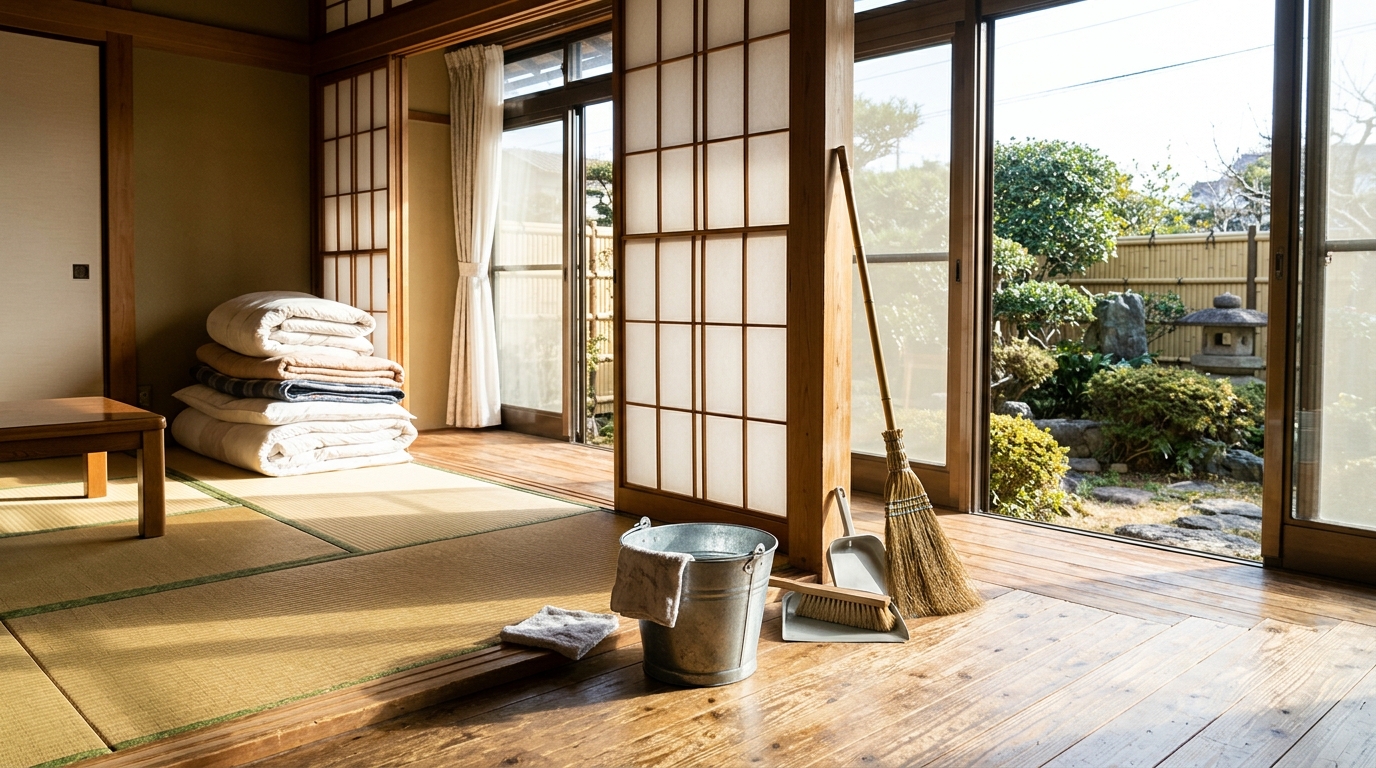
Osoji is the big clean many Japanese families do at the end of December to welcome the new year with a fresh home. Windows, floors, closets and corners all get attention, and everyone helps. It is about starting the year light and clear. You can do your own version before holiday guests arrive. For more ideas, see our guide to holiday deep cleaning. Which room would you start your osoji in?
You will need: Cloths, a bucket of warm water with mild soap, a broom and some good music.
How to make it: 1. Make a list of rooms and give each person a job. 2. Work from top to bottom in each room. 3. Finish with floors and open the windows to let in fresh air.