Japanese Winter Hacks: 15 Cozy DIY Tricks That Keep a Home Warm Without Central Heating
Japanese winter hacks are having a moment, and once you see them you will understand why. Many homes in Japan were never built with central heating, so families learned to keep warm the clever way: heat the person, not the whole house. They gather around a low table under a thick quilt, hang fabric in doorways, sew padded jackets and tuck warm bottles into soft knit covers. Almost every idea is cheap, simple and made by hand, and these Japanese winter hacks work just as well in an American house or apartment, which makes them perfect for anyone staring at a scary heating bill this year. Below are 15 cozy projects you can make in an afternoon or two, from a blanket table to a sun catching shelf. Grab a mug of tea and pick your favorite..
Japanese Winter Hacks Start With a Kotatsu Style Blanket Table
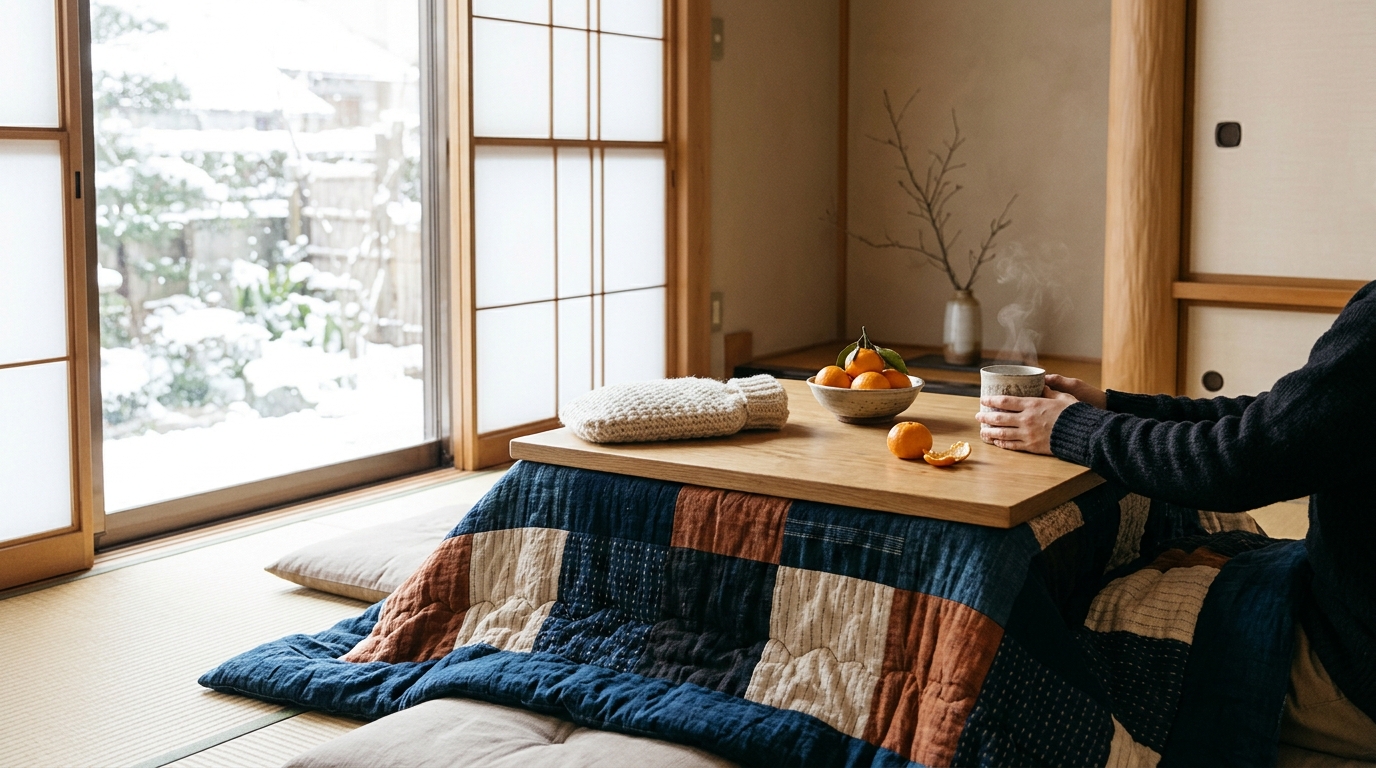
Japanese winter hacks begin at the kotatsu, a low table covered with a heavy quilt that families sit under from late autumn to spring. You can make a no-wiring version from any coffee table you already own. Lay a thick blanket or old comforter over the frame, set the tabletop back on, and slide your legs under. The quilt traps body heat like a little tent, and a hot water bottle under the cover makes it feel wonderfully toasty. Who would you invite to your first tea night under the blanket..
You will need: a low coffee table with a removable or lift-off top, a thick quilt or old comforter, floor cushions, a hot water bottle in a cover.
How to make it: 1. Lift off the tabletop and drape the quilt so it hangs evenly on all four sides. 2. Set the top back on to hold the quilt in place, and add floor cushions around it. 3. Tuck a covered hot water bottle under the quilt (never any electric heater you wired yourself) and settle in.
Bubble Wrap on the Windows for an Instant Insulation Layer
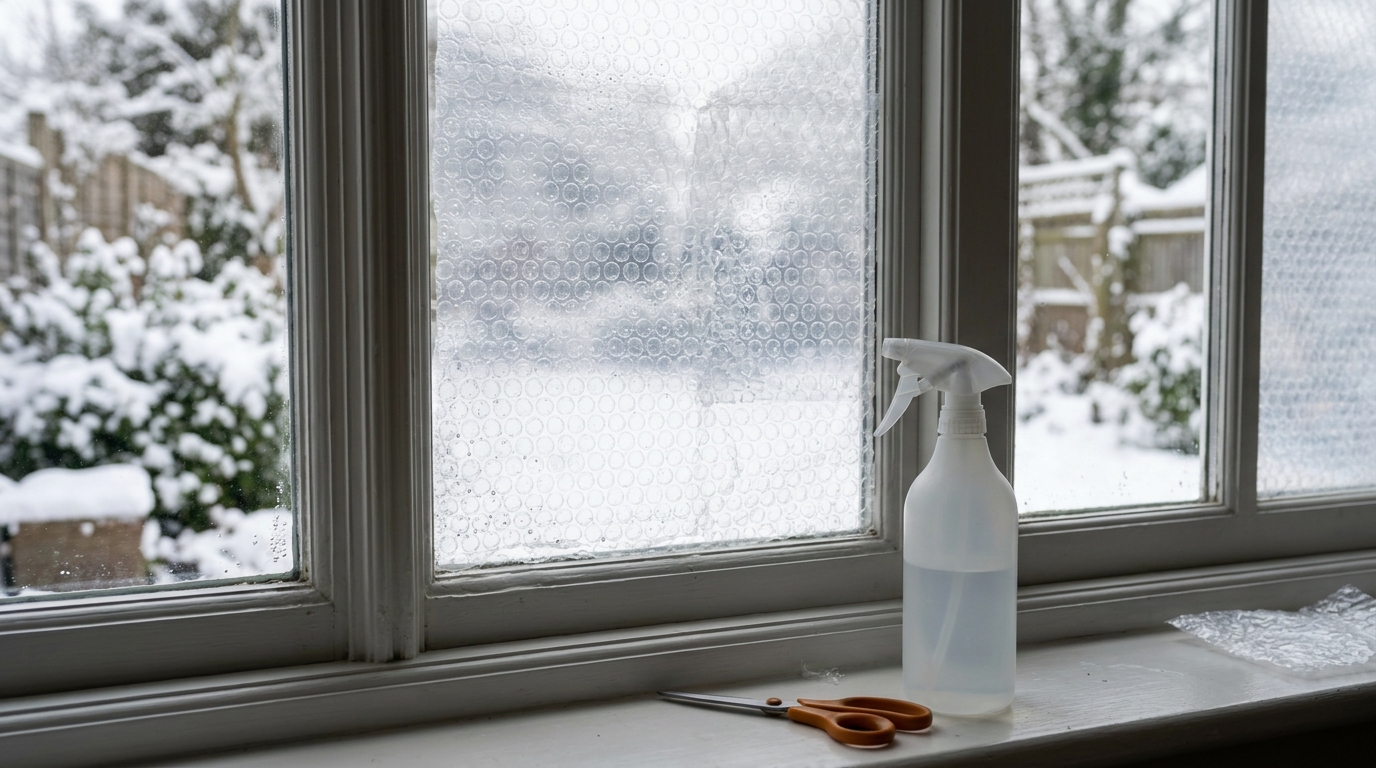
In many Japanese apartments, the first sign of winter is bubble wrap appearing on the windows. The trapped air pockets make a cheap extra layer between the cold glass and your room, and they still let soft daylight through. The best part is that it needs no tape at all. A light mist of water holds the plastic in place for weeks and peels off clean in spring. Try it first on the window that feels coldest when you hold your hand near it. Can you feel the difference by evening?
You will need: bubble wrap with medium bubbles, scissors, a spray bottle of water, a soft cloth.
How to make it: 1. Cut bubble wrap to the size of each glass pane, a little smaller than the frame. 2. Mist the clean glass with water. 3. Press the bubble side against the wet glass and smooth it out with the cloth.
Japanese Winter Hacks for Hallways: A Handmade Noren Curtain
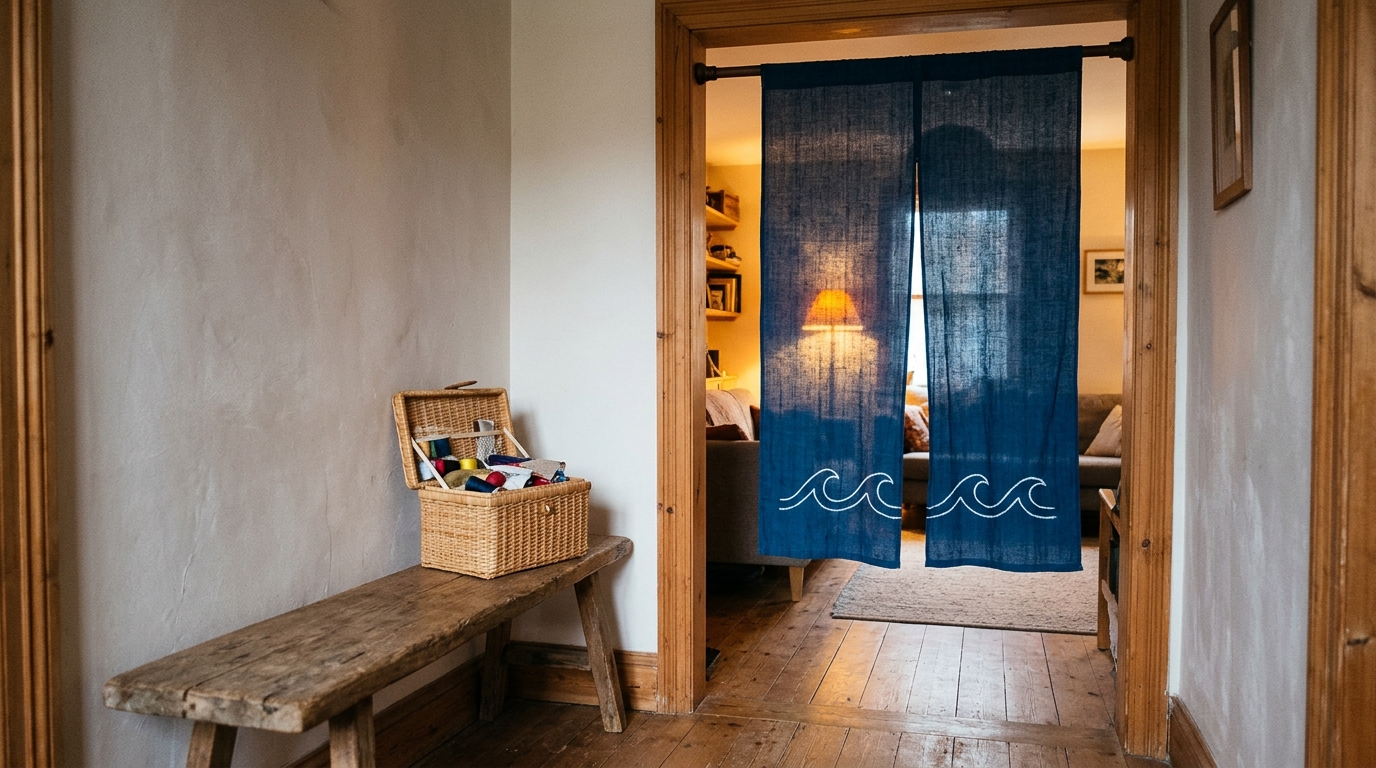
A noren is the split fabric curtain you see hanging in Japanese doorways, and it is one of the smartest Japanese winter hacks for open floor plans. Hang one across a hallway or a doorless kitchen and it slows down cold drafts while keeping warm air in the room you are using. It also looks beautiful. Sew two simple panels from heavy cotton or linen, leave a slit down the middle so you can walk through, and slide them onto a wooden rod. Which doorway in your home lets the cold sneak in?
You will need: heavy cotton or linen fabric, a wooden curtain rod or dowel, two hooks or rod brackets, needle and thread or a sewing machine.
How to make it: 1. Cut two long panels that together are as wide as the doorway, plus hem allowance. 2. Hem all edges and sew a rod pocket across the top of each panel. 3. Slide both panels onto the rod and hang it high across the doorway, leaving the center split open.
Layer Your Bed Like a Futon for Deep, Warm Sleep
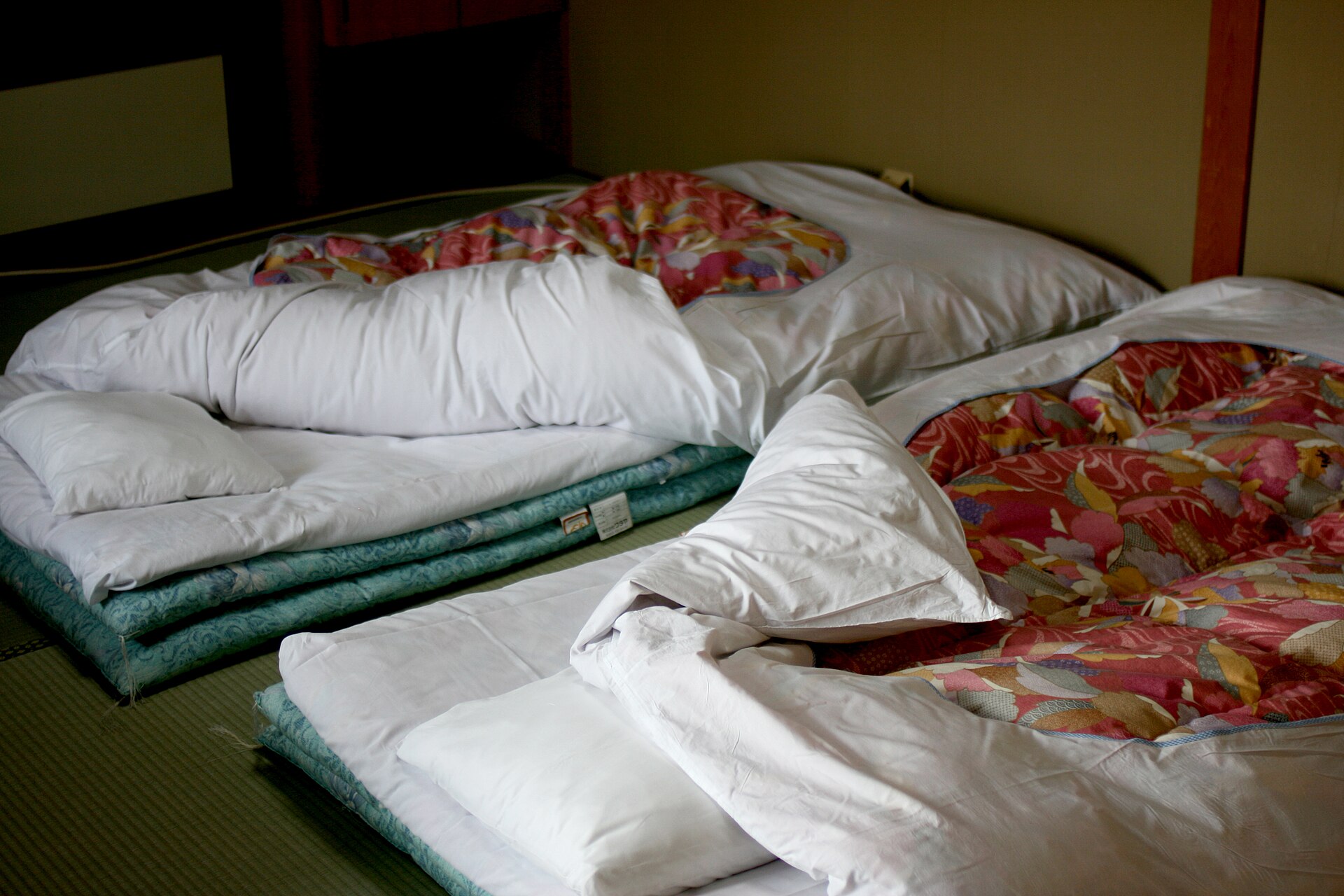
Layered bedding is one of the oldest Japanese winter hacks. A firm shikibuton goes on the bottom, then a soft blanket, then a puffy kakebuton quilt on top, and every layer holds a little more warm air close to your body. You can copy the idea on a regular bed without buying anything new. Put a wool or fleece blanket under your fitted sheet to block cold from below, then stack a light quilt and a heavier comforter on top. It is surprising how much warmer the same bed feels. Ready to rebuild your bed tonight?
You will need: a wool or fleece blanket, a fitted sheet, a light quilt, a heavy comforter or duvet.
How to make it: 1. Spread the wool or fleece blanket over the mattress and pull the fitted sheet over it. 2. Add a light quilt, then the heavy comforter on top. 3. Fold the top layer back in the morning so the bedding can air out.
Sun Dry Your Bedding, the Futon Hoshi Habit
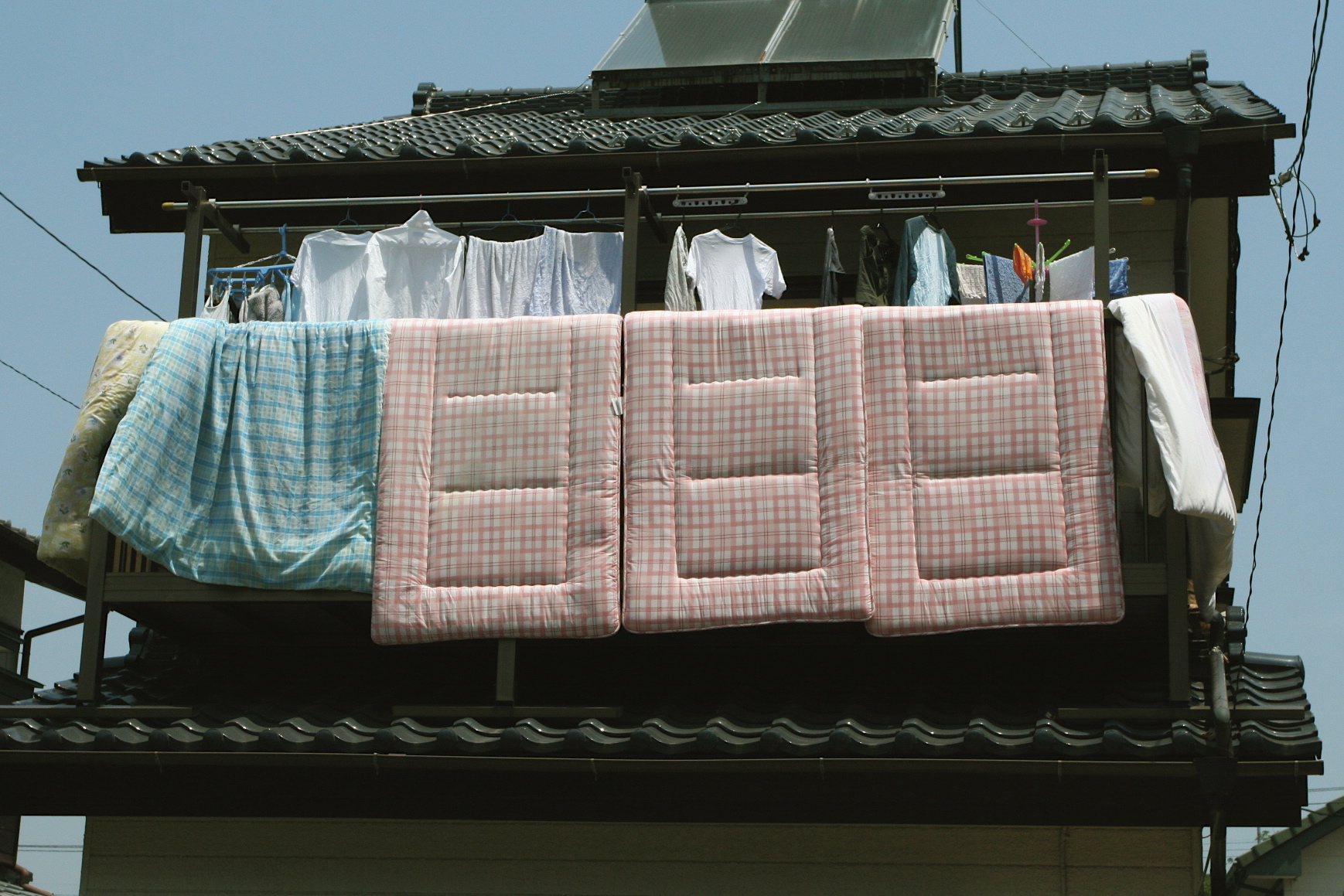
On any sunny winter morning in Japan you will see futons and quilts hanging over balcony rails. This habit, called futon hoshi, fluffs up the filling so it traps more air, and a fluffy quilt keeps you noticeably warmer at night. It also leaves bedding smelling fresh without a trip to the laundromat. You do not need a balcony. A clothesline, a sturdy drying rack by a sunny window or even two chairs in the yard work fine. Give the quilt a few gentle pats before you bring it in. Will you try it this weekend?
You will need: a clothesline, balcony rail or sturdy drying rack, clothespins or quilt clips, a sunny dry day.
How to make it: 1. Hang the quilt or comforter in direct sun from late morning to early afternoon. 2. Turn it over halfway through so both sides get sun. 3. Give it a light pat to loosen the filling and bring it in before the evening damp sets in.
Japanese Winter Hacks for Sitting Low: Zabuton Floor Cushions
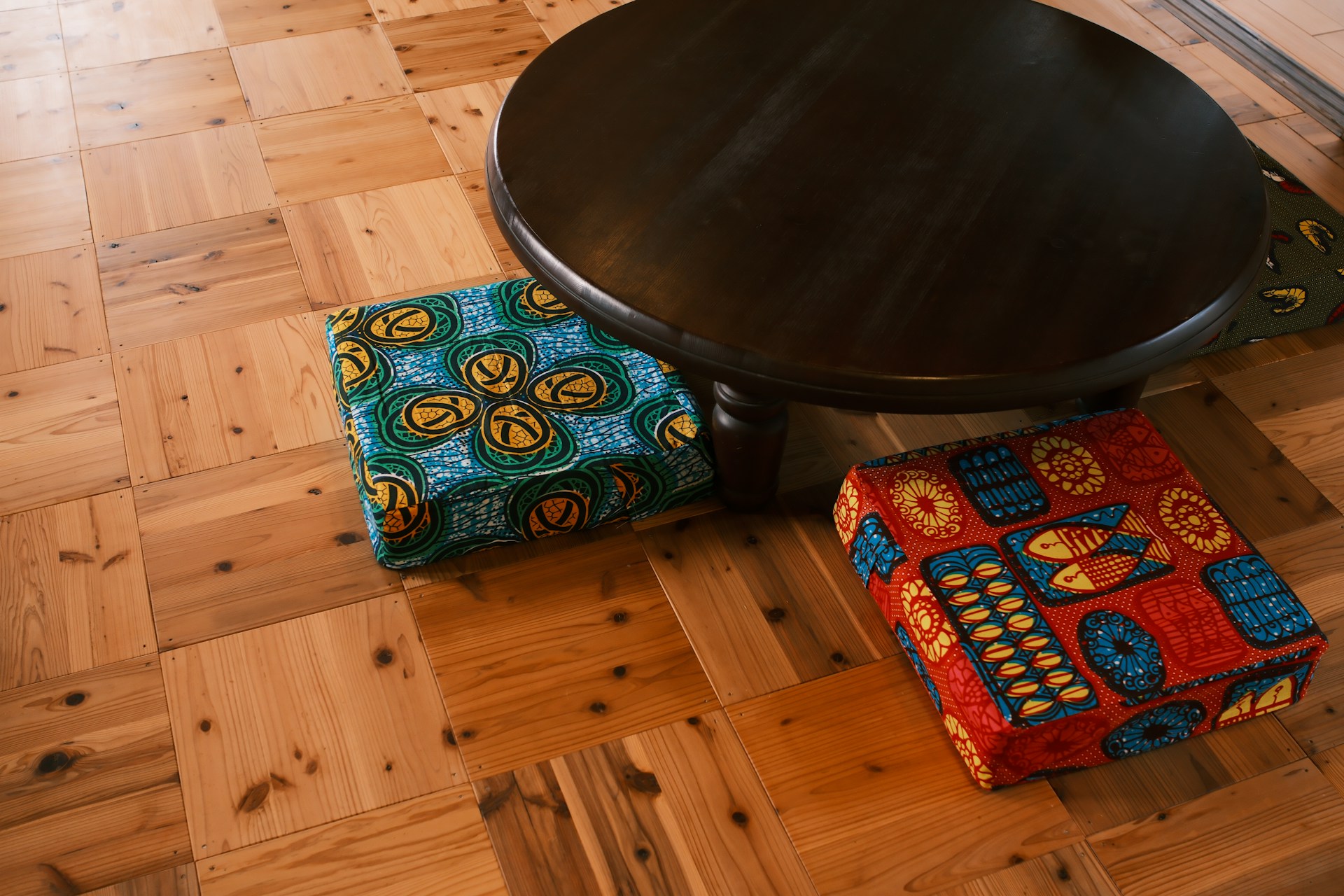
Zabuton are the flat, square floor cushions that sit around every low Japanese table, and they pair perfectly with your blanket table. Sitting on a thick cushion keeps you off the coldest part of the room, which is always the floor. They are also one of the easiest sewing projects in this list. A zabuton is just a big square pillow stuffed firm and flat, often with a few hand tacks through the middle so the filling does not shift. Make a set from old curtains or fabric remnants. What colors would you pick?
You will need: sturdy cotton fabric, polyester batting or an old duvet insert, embroidery thread, a large needle.
How to make it: 1. Cut two squares about 22 inches wide and sew them right sides together, leaving one side open. 2. Turn right side out, stuff with layers of batting until firm and flat, and stitch the opening closed. 3. Tack through the center with a few stitches of embroidery thread to hold the filling in place.
Thick Rugs Over Cold Floors

Japanese winter hacks keep feet off cold floors with tatami mats and carpets, and you can borrow the trick with any thick rug. Bare wood and tile pull heat away from your body all day long, so covering them is one of the cheapest ways to make a room feel warmer, and it pairs nicely with these cold house fixes. Thrift stores and yard sales are full of wool rugs for a few dollars. Layer a big flat rug under a smaller fluffy one, and add a rug pad underneath for an extra barrier against the chill. Which room has the coldest floor in your home?
You will need: a large wool or thick cotton rug, a felt rug pad, an optional smaller fluffy rug to layer on top.
How to make it: 1. Lay the felt rug pad where you sit or walk barefoot the most. 2. Place the large rug on top and smooth it out flat. 3. Layer a smaller soft rug where your feet land, like in front of the sofa or bed.
Quilted Roman Shades That Hold Back the Chill
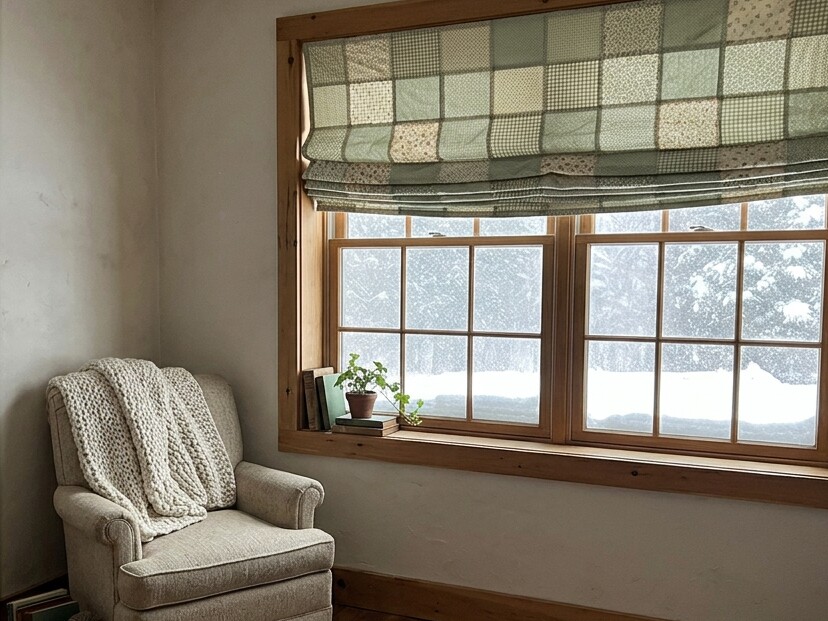
Windows lose more heat than almost anything else in a room, which is why many Japanese homes cover them at night. A quilted Roman shade does the job beautifully. The batting inside adds a soft insulating layer, and the shade folds up neatly during the day to let the sun in. If you can sew a straight line, you can make one from a pretty quilt top, a layer of batting and a lining fabric. Pull it down as soon as the sun sets and feel the room stay cozy. Which window would you start with?
You will need: a quilt top or cotton fabric, cotton batting, lining fabric, small plastic rings, cord, a wooden mounting board, screws and an adult with a drill.
How to make it: 1. Sandwich fabric, batting and lining, quilt a few straight lines and bind the edges. 2. Sew small rings in vertical rows on the back and thread cord through them. 3. Staple the top to the mounting board, have an adult screw it above the window and test the folds.
Japanese Winter Hacks at the Door: A Fabric Draft Snake
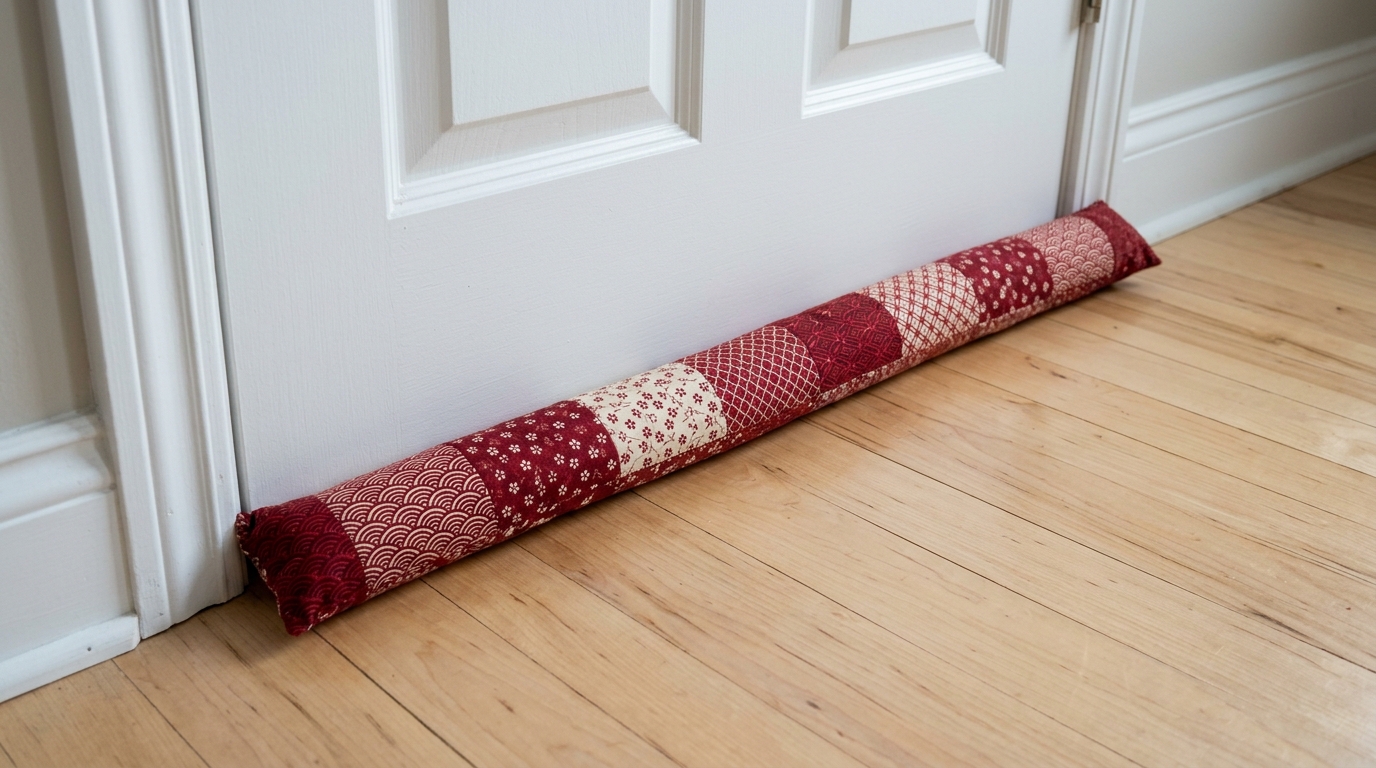
That icy breeze under the door is one of the biggest reasons a room never warms up. Among all the Japanese winter hacks, the draft snake is the quickest to make. Sew a long tube of fabric, fill it with rice, dried beans or old socks, and lay it along the bottom of the door. Japanese style prints in red, indigo or cream turn it into a cute little decor piece instead of an eyesore. Make one for every outside door and the drafty bedroom too. How many doors in your home could use one?
You will need: a fabric strip about 8 inches wide and as long as the door, dry rice or beans or fabric scraps, needle and thread.
How to make it: 1. Fold the strip in half lengthwise, right sides together, and sew the long side and one end. 2. Turn it right side out and fill it firmly with rice, beans or scraps. 3. Stitch the open end closed and lay it along the bottom of the door.
Wool Room Slippers and Warm Socks
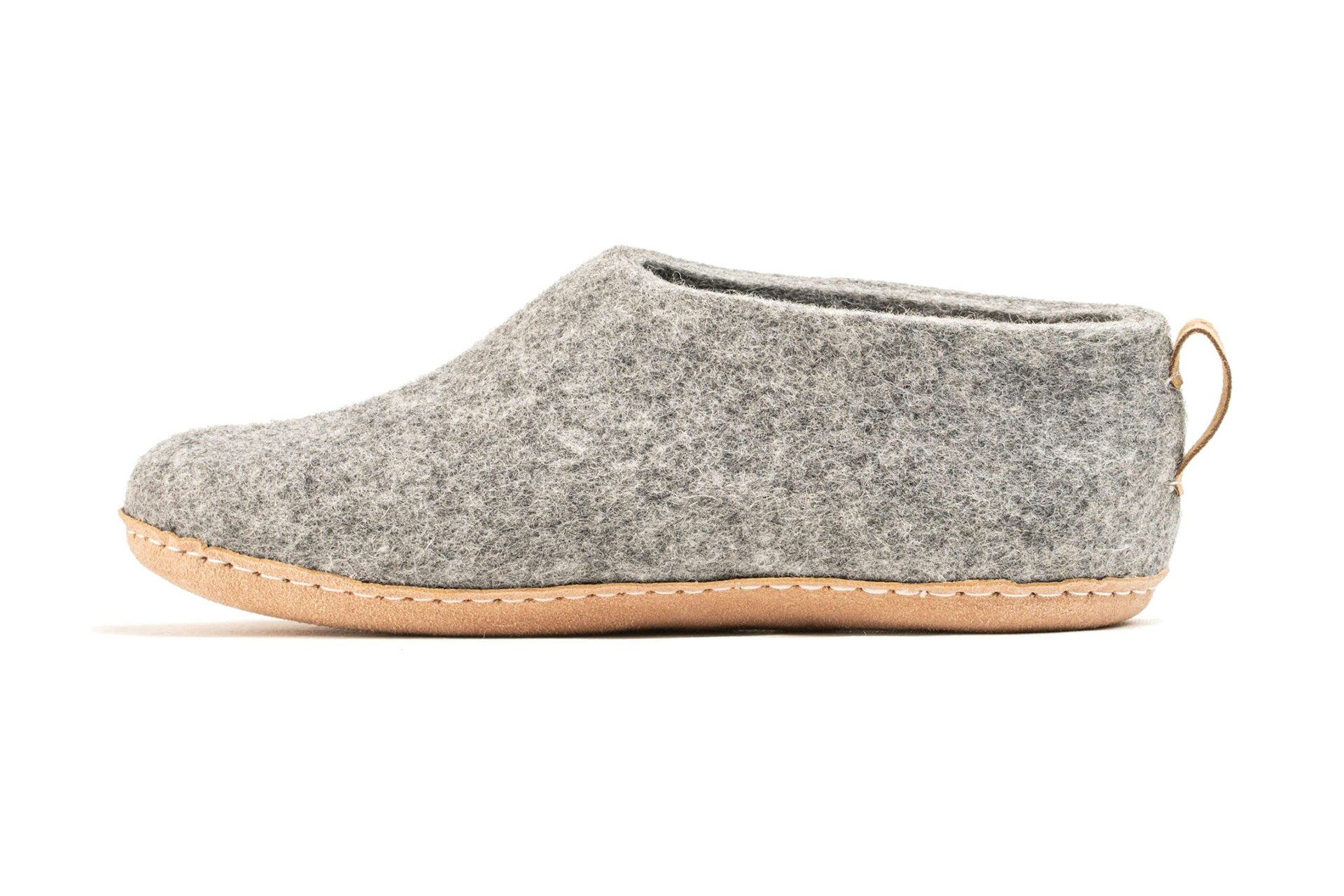
In Japan, outdoor shoes come off at the door and soft room slippers go on, and in winter those slippers are often thick wool or felt. Warm feet make the whole body feel warmer, so this is a tiny habit with a big payoff. You can buy simple felt slippers or make your own from an old wool sweater by felting it in the washing machine and cutting out soles and tops. Keep a basket of cozy socks and slippers by the door so guests can grab a pair too. Who in your house always has cold toes?
You will need: an old wool sweater, a washing machine, a pair of felt insoles or thick craft felt, embroidery thread, a large needle.
How to make it: 1. Wash the wool sweater on hot so it shrinks and felts, then let it dry. 2. Trace your foot on the felt insoles, cut a top piece from the sweater and pin it over the toes. 3. Blanket stitch the top to the sole all the way around and add a second layer for extra warmth.
A Yutanpo Hot Water Bottle in a Knit Cover
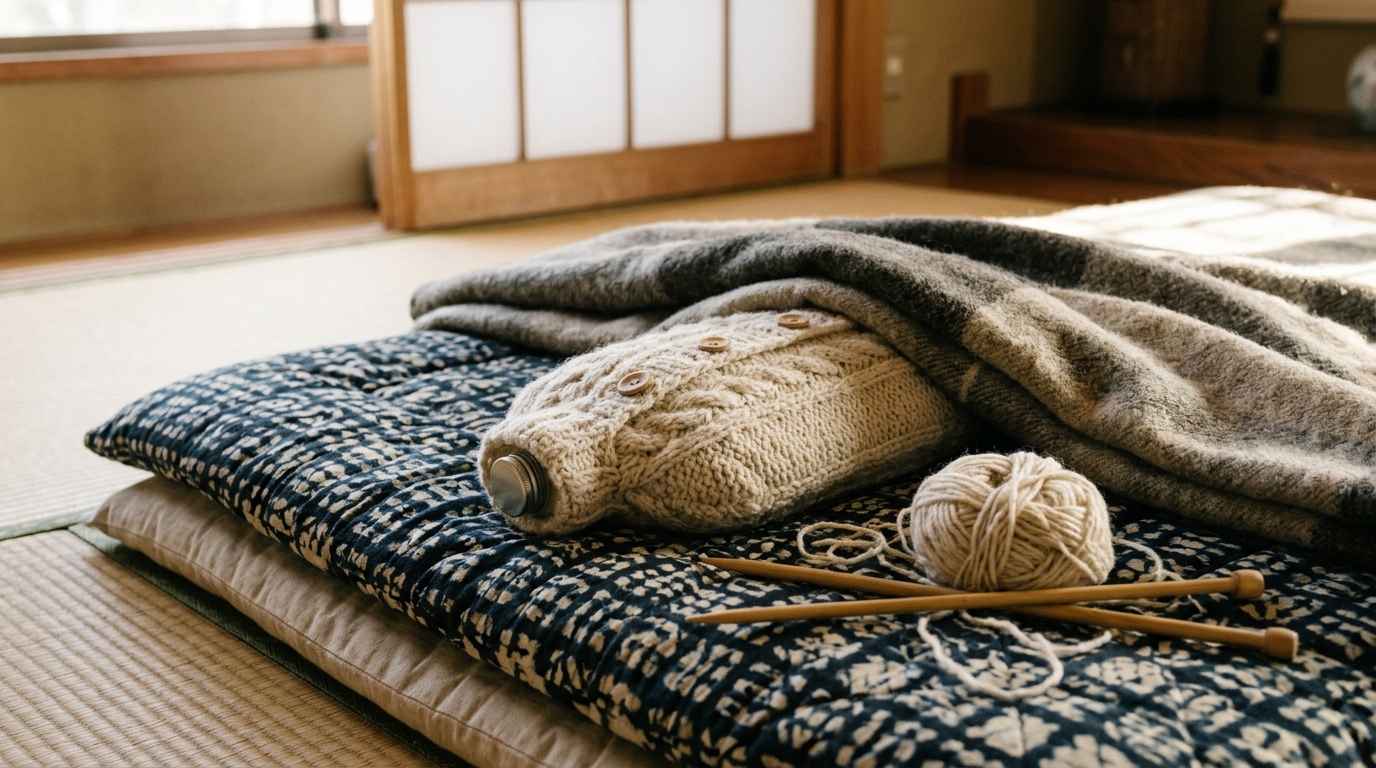
The yutanpo is Japan’s classic hot water bottle, and many families still slip one into the bed an hour before sleep. It warms the sheets without running anything electric all night. A knit cover makes it safer and much cozier, and it is a lovely beginner project if you are learning to knit. A simple rectangle sewn into a sleeve with a button flap is all you need. Fill the bottle with hot tap water, not boiling, and follow the bottle’s own instructions. Would you make one for yourself or as a gift?
You will need: a hot water bottle, chunky wool yarn, knitting needles, two or three wooden buttons, a yarn needle.
How to make it: 1. Knit a rectangle a little wider than the bottle and twice as long, plus a short flap. 2. Fold it into a sleeve, sew the sides and add buttonholes on the flap. 3. Sew on the buttons, fill the bottle with hot (never boiling) water and button it inside.
One Warm Room, Japanese Winter Hacks Style: A Cozy Reading Nook
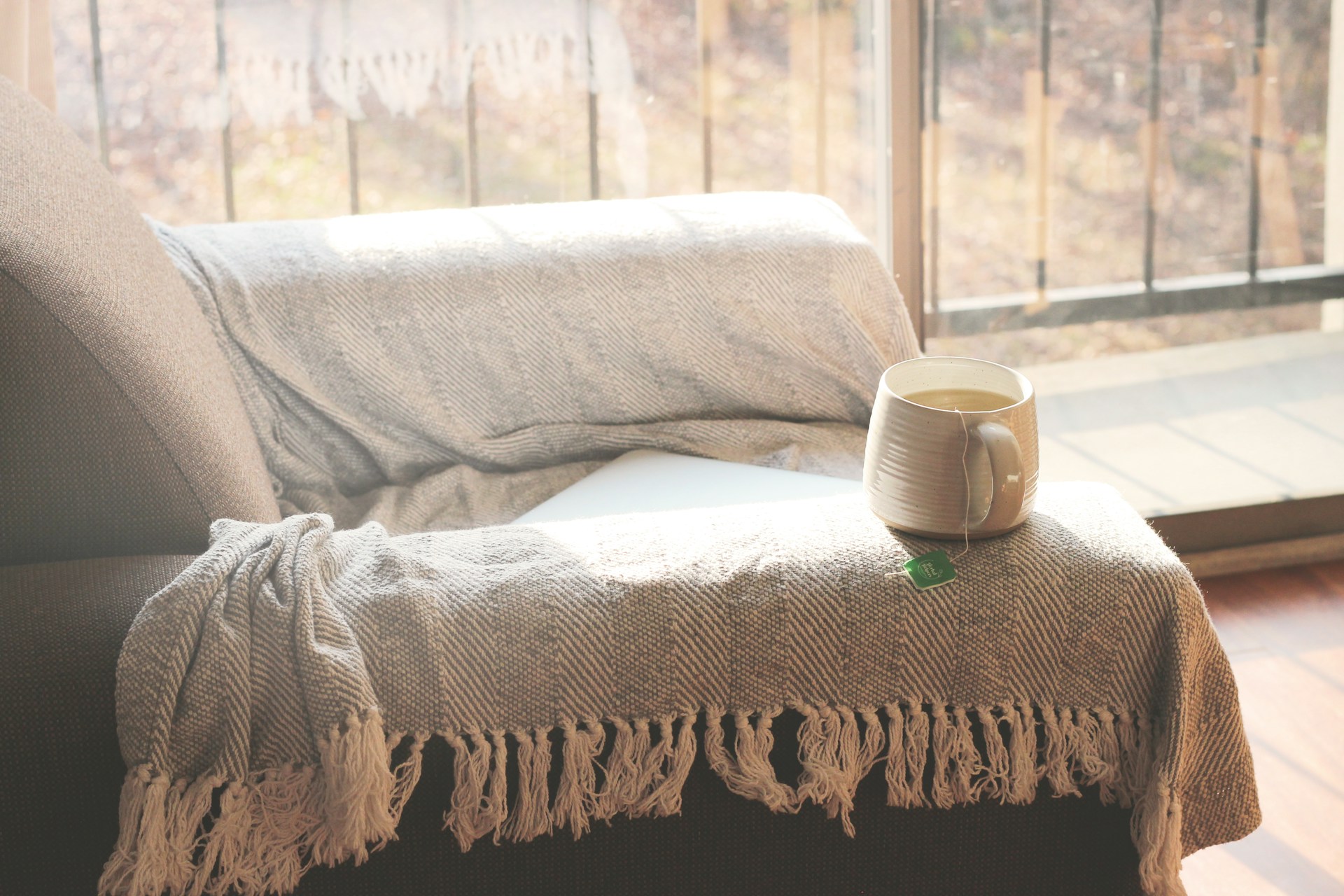
A big idea behind Japanese winter hacks is simple: keep one room truly warm instead of the whole house a little warm. Pick the smallest sunny room, close the doors, and turn it into a cozy nest where everyone reads, plays games and drinks tea. Pile blankets on the sofa by the sunniest window, add a basket of books, and keep warm socks nearby. Families say they end up spending more time together this way. Choose your nook today and make it the warmest spot in the house. Which room would you pick for your warm room?
You will need: a sofa or armchair, two or three throw blankets, floor cushions, a basket for books, a small side table.
How to make it: 1. Pick a small room that gets afternoon sun and close off its doors. 2. Pile on blankets and cushions and add a side table for mugs and books. 3. Use the rug, curtain and draft snake tricks from this list to seal the room in.
Thermal Curtain Liners Behind Pretty Curtains
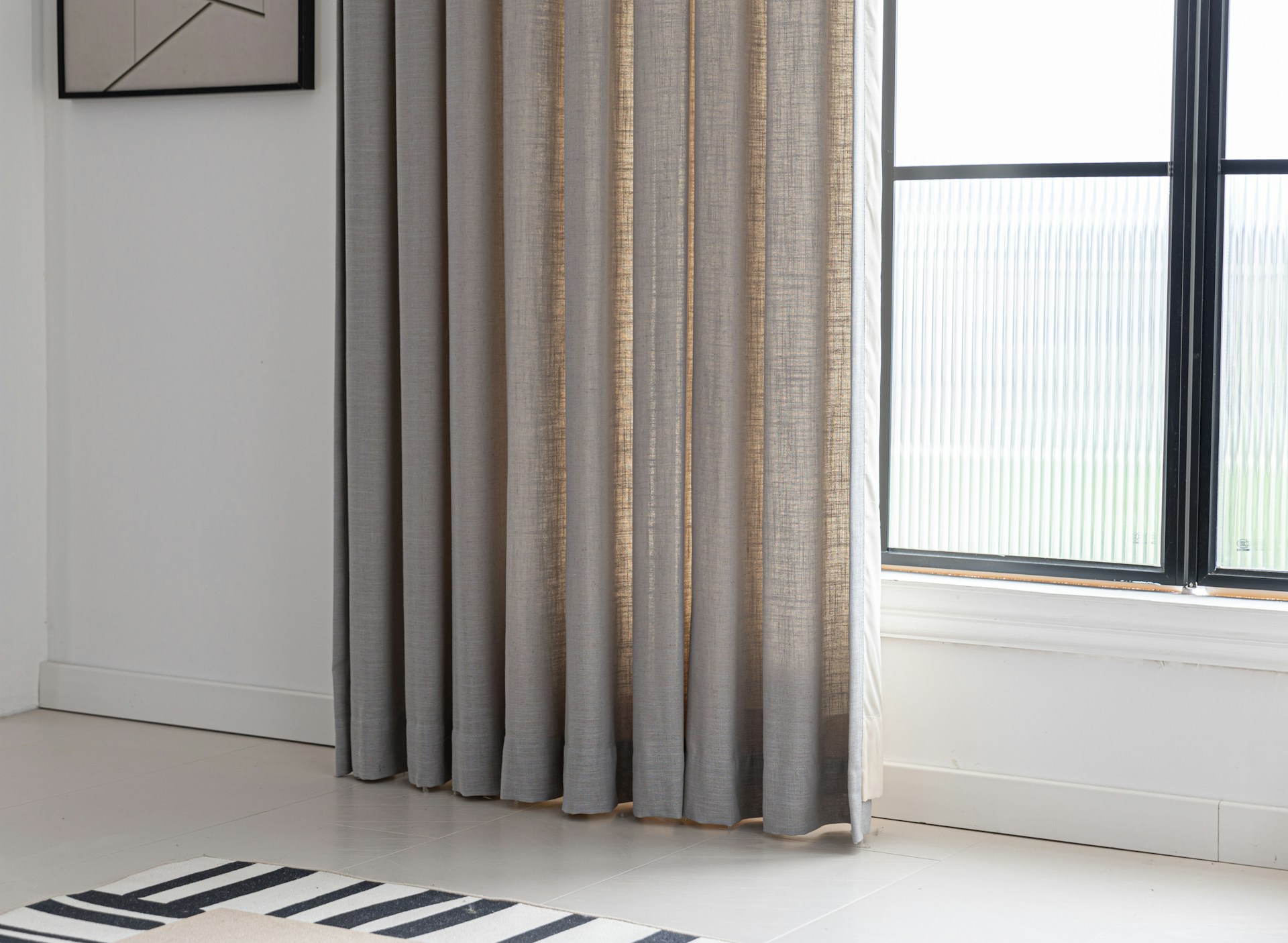
If you love your current curtains, you do not have to replace them. Japanese winter hacks often hang a thick second layer behind a light curtain, and you can do the same with a thermal liner. It traps a pocket of air between the window and the room and blocks cold radiating off the glass. Clip-on liners need no sewing, or you can stitch a fleece or flannel panel onto the back of an old curtain. Close them at dusk and open them in the morning sun. Which curtains in your home feel thin in winter?
You will need: thermal curtain liners or fleece fabric, curtain clip rings or a second rod, needle and thread if sewing.
How to make it: 1. Measure your curtains and buy or cut a liner panel the same size. 2. Clip the liner behind the curtain on the same rings, or hang it on a second rod. 3. Let both layers reach the windowsill or floor so no cold air slips underneath.
A Hanten Jacket Sewn From an Old Quilt
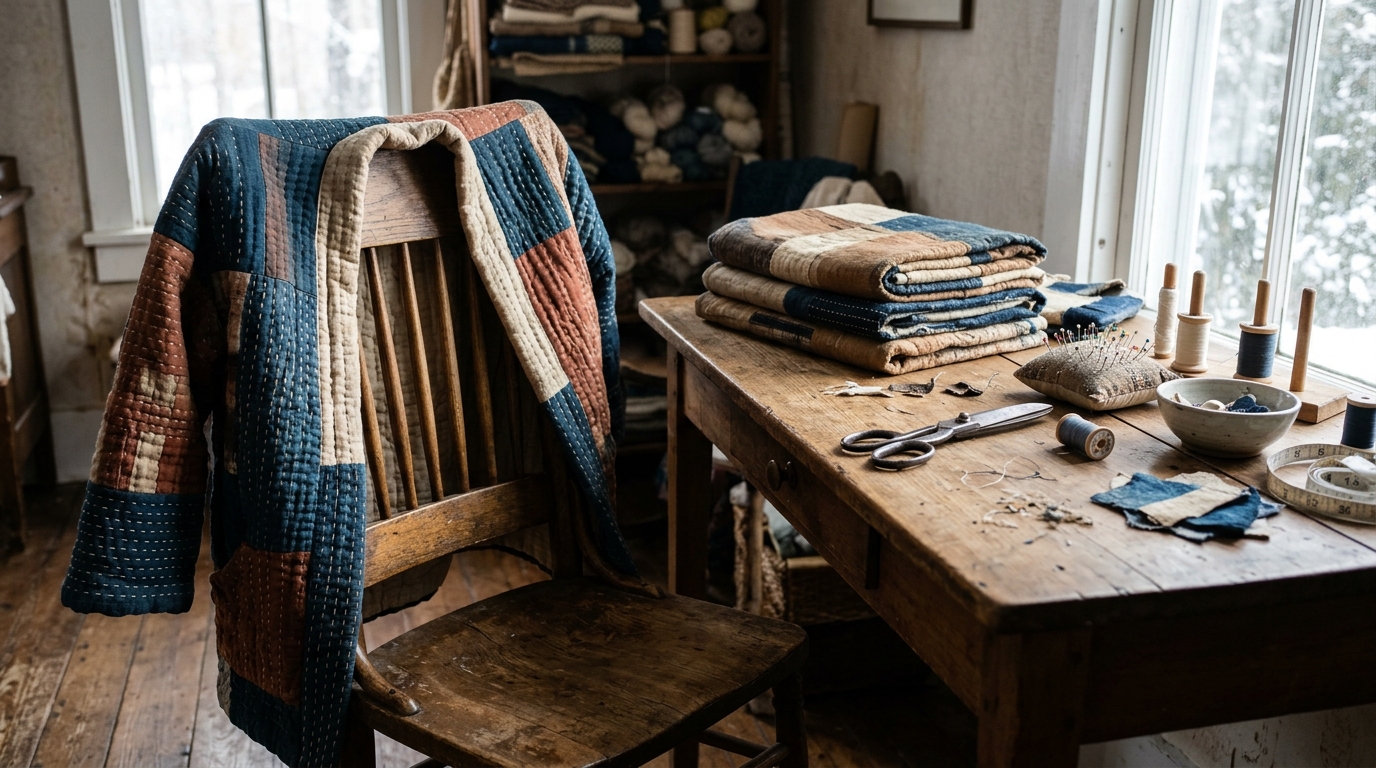
A hanten is a short padded jacket that people in Japan wear over clothes at home, especially on cold mornings. It is basically a wearable quilt, and it means you can keep the thermostat low and still feel snug. An old quilt or a thick comforter you no longer use is the perfect material. Use a simple wrap jacket pattern with wide sleeves, cut the pieces right from the quilt, and bind the raw edges with bias tape. You will want to wear it all season long. Do you have an old quilt waiting in a closet?
You will need: an old quilt or comforter, a simple wrap jacket pattern, bias tape, pins, fabric scissors, a sewing machine.
How to make it: 1. Pin the pattern pieces onto the quilt and cut out the back, fronts and sleeves. 2. Sew the shoulders, attach the sleeves, then sew the side and underarm seams. 3. Bind every raw edge with bias tape and add a fabric tie at the waist.
Japanese Winter Hacks for Sunny Days: A Sun Catching Window Shelf

Japanese homes are often designed to welcome winter sun, and you can make the most of every sunny hour too. Open the curtains on your south facing windows in the morning and let sunlight warm the floor and furniture. A simple shelf or wide sill full of plants and dark ceramic pots soaks up the heat and makes the window feel like a cheerful little garden. Then close the curtains as soon as the sun drops to keep that warmth inside. It is free heat with a happy view. Which window gets your best winter sun?
You will need: a wide windowsill or a simple wooden shelf, brackets and screws, potted plants, dark ceramic pots.
How to make it: 1. Pick the window that gets the most winter sun and clear the sill. 2. Add a wooden shelf on brackets if the sill is narrow (an adult should do the drilling). 3. Fill it with plants and dark pots, open the curtains each morning and close them at sunset.