Everyday Household Items: 17 Things You Use Daily That You Never Knew Were Invented by Women
Everyday household items like the dishwasher, the coffee filter and the ironing board feel so ordinary that we rarely wonder who dreamed them up. Many of them came from women who were tired of a daily chore and decided there had to be a better way. Some worked in kitchens, some in laundries, some in labs, and several had to fight to be taken seriously in a world that did not expect women to hold patents. Their ideas now save us hours every single week. Below, we share seventeen of these inventions, the women behind them and a simple home project inspired by each one, so you can enjoy a little history and make something useful at the same time. You may never look at a paper bag the same way again..
Everyday Household Items Start With the Dishwasher
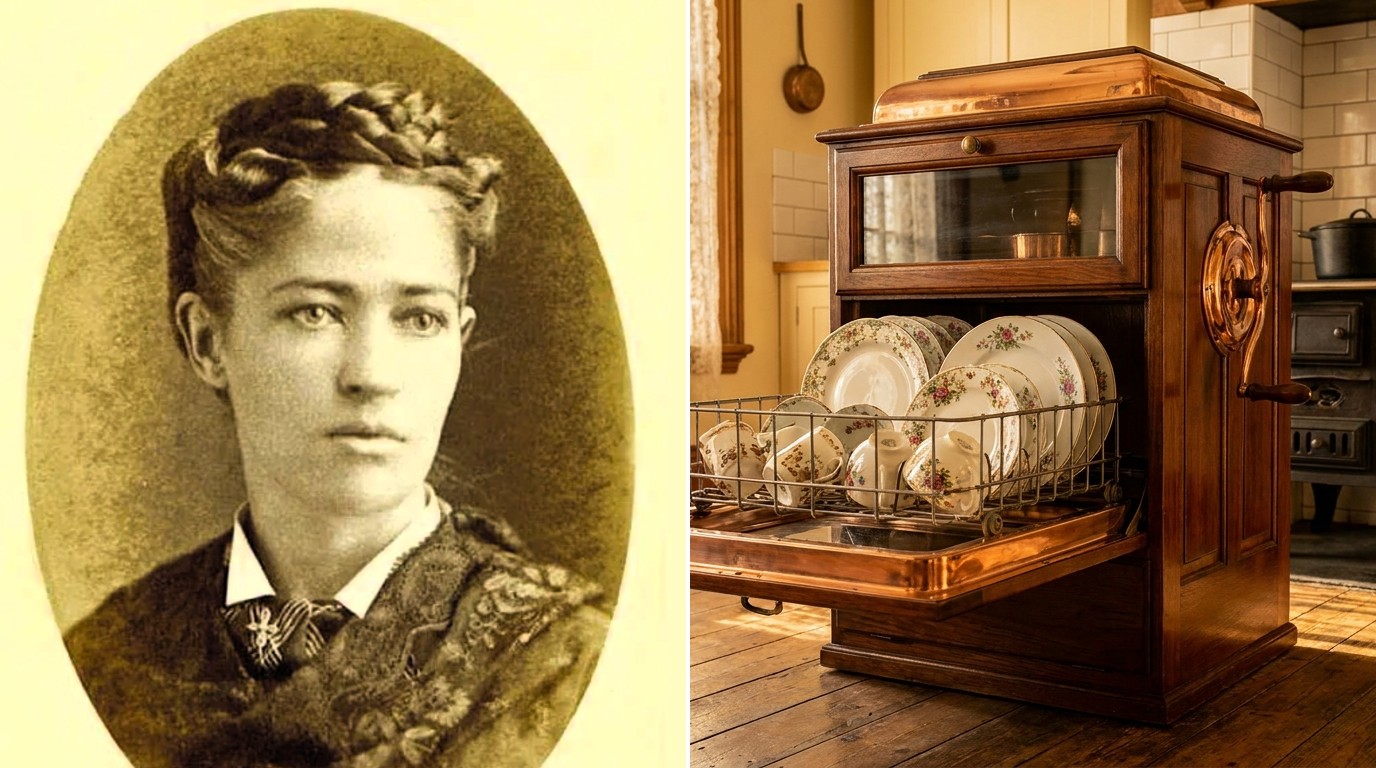
Josephine Cochrane was tired of servants chipping her fine china, so she designed a machine to wash dishes herself. As her biography explains, her patent for the first successful hand powered dishwasher was issued on December 28, 1886. She showed her machines at the 1893 World’s Columbian Exposition in Chicago, where they won a prize for mechanical construction. Restaurants and hotels were her first big customers, long before home kitchens caught on. Every time you load the dishwasher tonight, you can thank her..
You will need: a small tray, a glass soap bottle with a pump, a brush with a wooden handle, a sponge and a little potted herb.
How to make it: 1. Clear a spot beside the sink and set down the tray. 2. Fill the pump bottle with dish soap and arrange it with the brush and sponge. 3. Add the herb for a fresh touch and wipe the tray clean once a week.
Melitta Bentz and the Coffee Filter
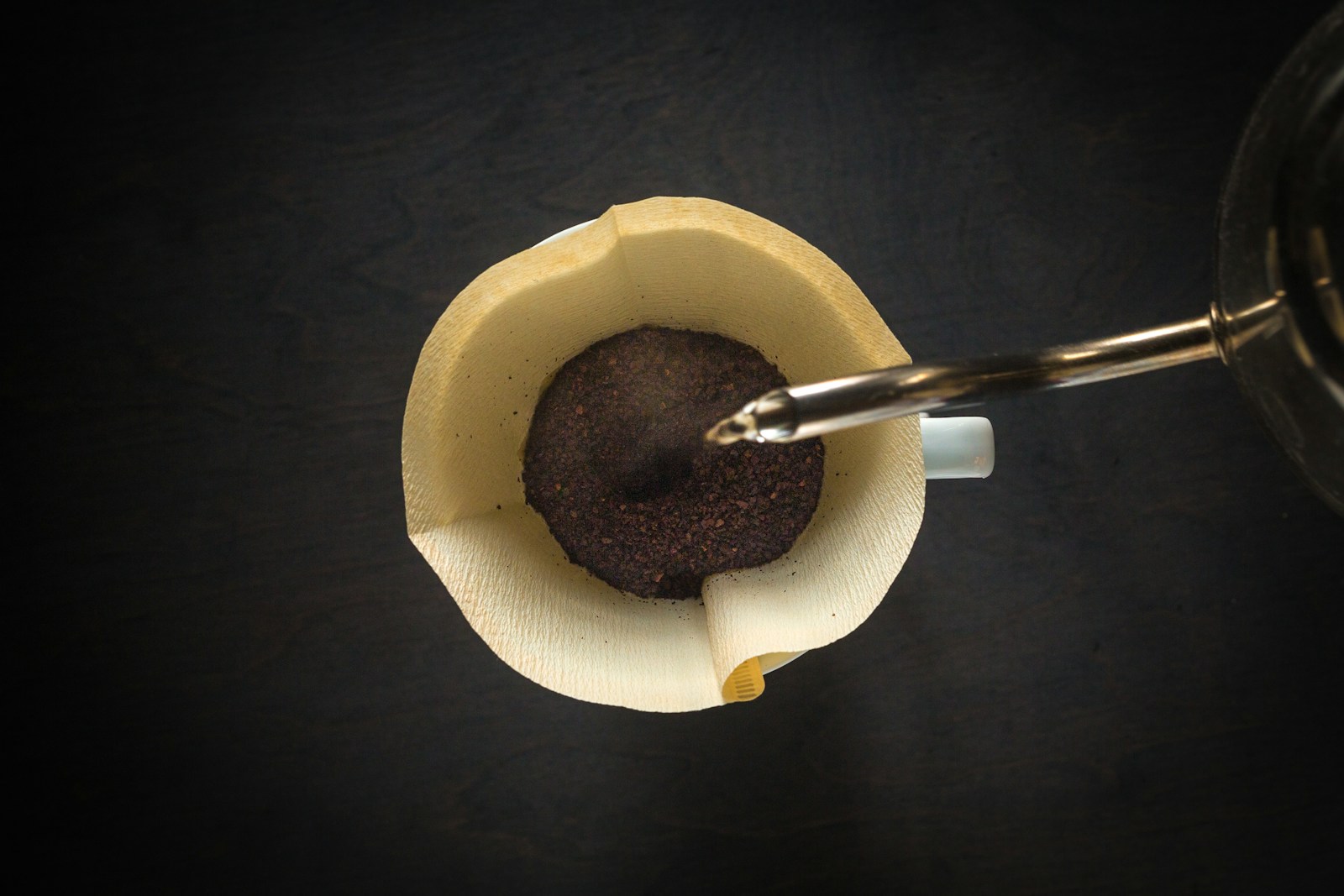
German homemaker Melitta Bentz wanted a cup of coffee without bitter grounds floating in it. She is known for revolutionizing coffee brewing with her invention of the coffee filter, and the company she started is still a big name in coffee today. It is hard to imagine a morning without these everyday household items. Fun fact for crafters: paper coffee filters also make some of the prettiest paper flowers you will ever see. Ready to turn a stack of filters into a bouquet?
You will need: white coffee filters, washable markers, a spray bottle of water, green pipe cleaners and a vase.
How to make it: 1. Color the filters with markers in circles and swirls. 2. Mist them lightly with water and let the colors bleed, then dry flat. 3. Stack three filters, pinch the center, twist a pipe cleaner around it as a stem and fluff the petals.
Everyday Household Items Like the Paper Bag Came From Margaret Knight
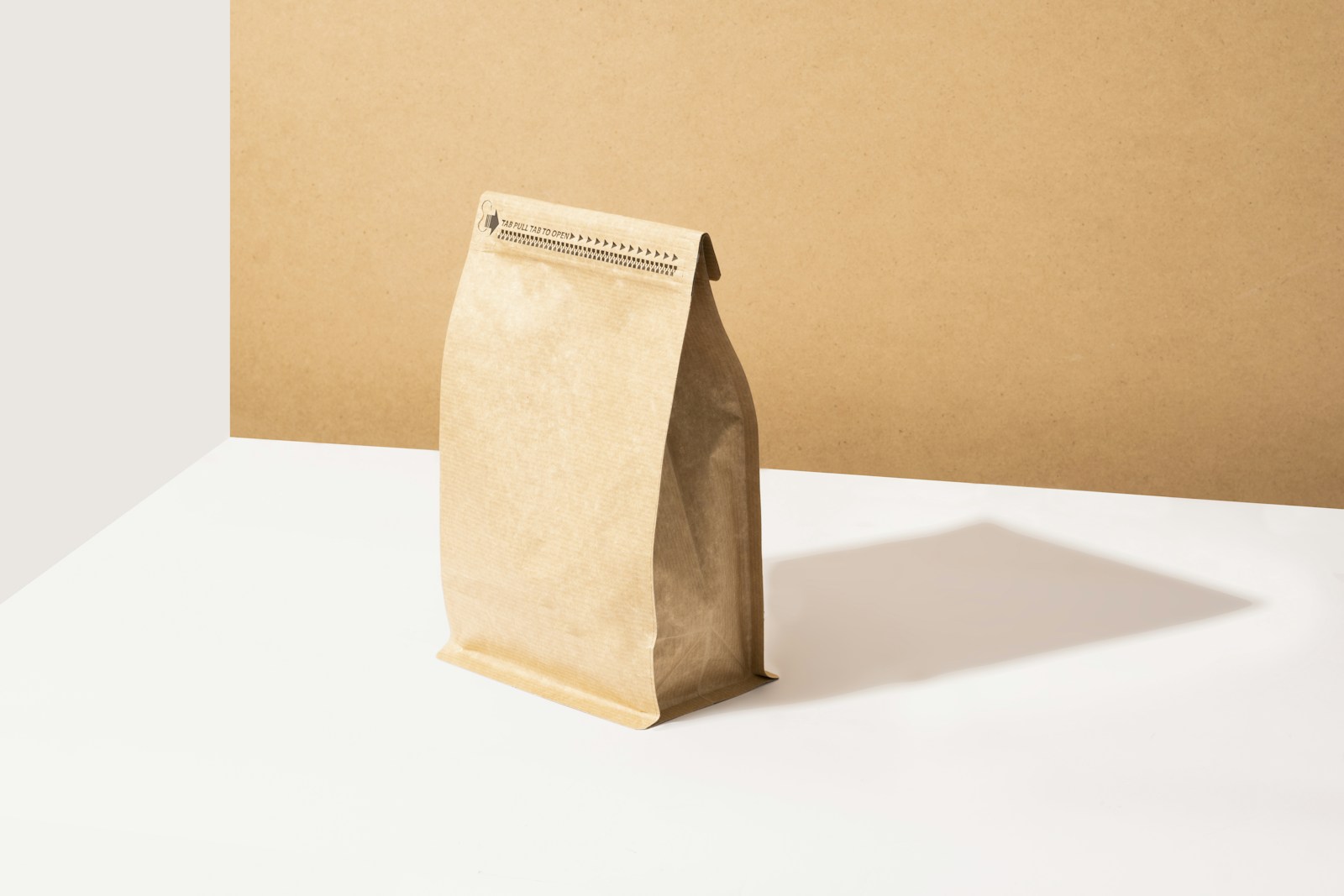
Margaret Knight invented a machine that made flat bottomed paper bags, the kind that stand up on their own at the grocery store. She has been called the most famous 19th century woman inventor, founded the Eastern Paper Bag Company in 1870 and received dozens of patents in different fields. Before her machine, paper bags were more like envelopes that tipped over. Of all the everyday household items on this list, a simple brown bag may be the handiest craft supply. Do you remember covering school books with paper bags?
You will need: a brown paper grocery bag, scissors, tape, a ruler and stickers or stamps.
How to make it: 1. Cut the bag open along a seam and remove the bottom so it lies flat. 2. Center the book on the paper, fold the top and bottom edges in, then fold the sides around the covers. 3. Tape the folds to themselves, not the book, and decorate the front.
Everyday Household Items Include the Windshield Wiper

Mary Anderson is credited with inventing the first operational windshield wiper. In her 1903 patent, she described it as a window cleaning device for electric cars and other vehicles, a hand operated blade that cleared snow, ice or sleet. Drivers once had to stop and wipe the glass by hand, so her idea was a huge leap for safety. With winter coming, it is a good time to pack a car kit. What is the first thing you would put in yours?
You will need: a sturdy plastic bin, an ice scraper, a small blanket, gloves, a flashlight with spare batteries, water bottles and snacks.
How to make it: 1. Choose a bin that fits flat in your trunk. 2. Pack the scraper, blanket, gloves, flashlight and batteries first. 3. Add water and snacks, label the lid and check the kit every few months.
Sarah Boone and the Improved Ironing Board
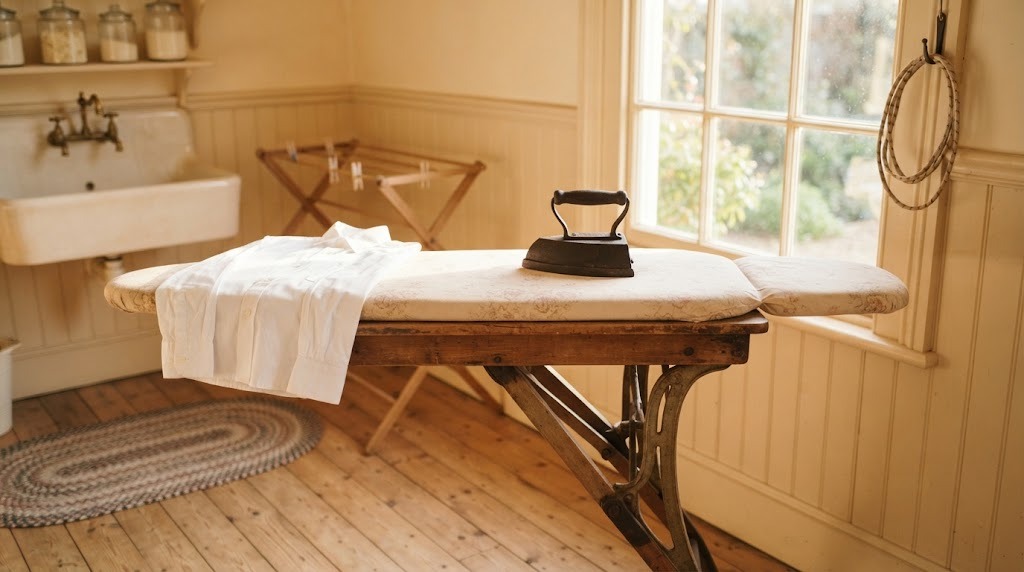
Sarah Boone was an African American inventor who earned U.S. patent 473,653 for an improved ironing board. Before her design, people often balanced a plank between two chairs. Her narrow, curved board made it far easier to press sleeves and the fitted bodies of women’s garments. It is one of those everyday household items we still use every week. If you only need to press small pieces for sewing projects, a tabletop pressing board is handy. Would you keep one on your craft table?
You will need: a flat wooden cutting board or plywood square, cotton batting, a heat safe cotton fabric, a staple gun used by an adult and scissors.
How to make it: 1. Cut two layers of batting slightly larger than the board. 2. Stretch the cotton fabric over the batting and staple it tightly to the back of the board. 3. Trim the extra fabric and use it on a heat safe surface.
Lillian Gilbreth and the Foot Pedal Trash Can
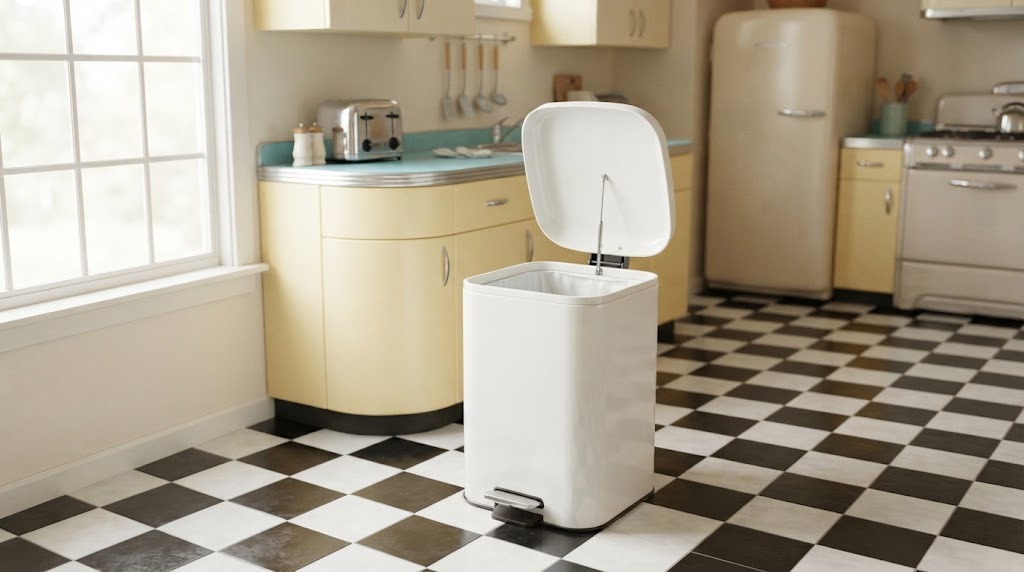
Lillian Gilbreth was a psychologist and industrial engineer, one of the first female engineers to earn a Ph.D., and an expert in making daily tasks more efficient. Among the everyday household items she improved was the foot pedal trash can, which lets you toss scraps without touching the lid. Her large family inspired the book Cheaper by the Dozen. A small countertop scrap bin makes cooking cleanup even faster. Where in your kitchen would one help most?
You will need: a small lidded metal or plastic canister, contact paper or paint, a ribbon and compostable bag liners.
How to make it: 1. Clean the canister and cover the outside with contact paper or two coats of paint. 2. Tie a ribbon around the lid handle for a farmhouse look. 3. Add a liner and keep it by the cutting board while you cook.
Everyday Household Items Like the Fridge Door Shelf
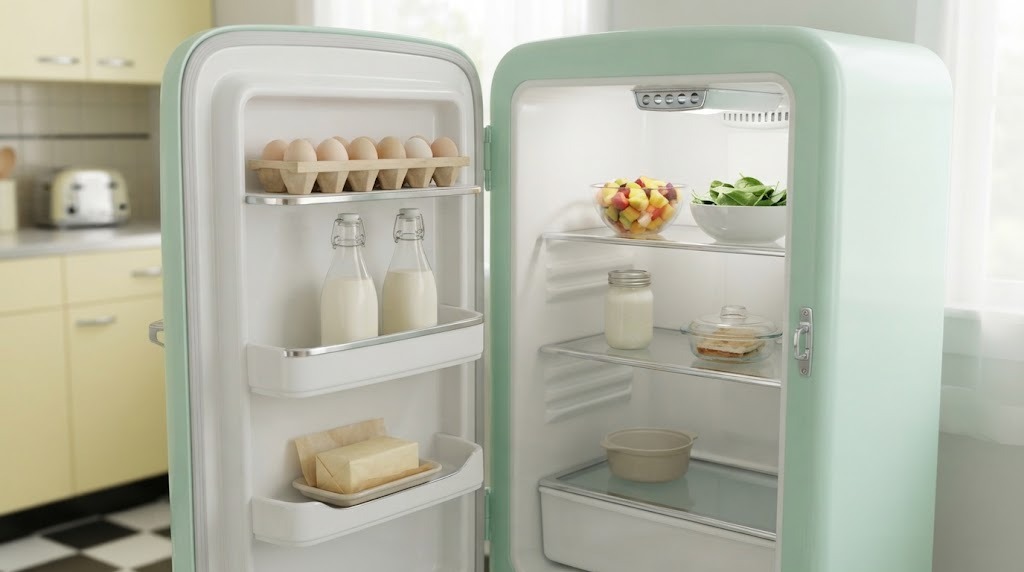
Those handy shelves on the inside of your refrigerator door also trace back to Lillian Gilbreth. She studied how people moved around the kitchen and looked for ways to save steps, and putting small items right on the door was a smart answer. It is one of those everyday household items you would never think to question. A few clear bins can bring the same thinking to the rest of your fridge. How long does it take you to find the mustard right now?
You will need: clear plastic fridge bins, a lazy Susan turntable, a label maker or masking tape and a marker.
How to make it: 1. Empty one shelf at a time and wipe it clean. 2. Group items by type, such as snacks, sauces and dairy, into clear bins. 3. Label each bin and put a turntable in the back corner for jars.
Marion Donovan and the Waterproof Diaper Cover
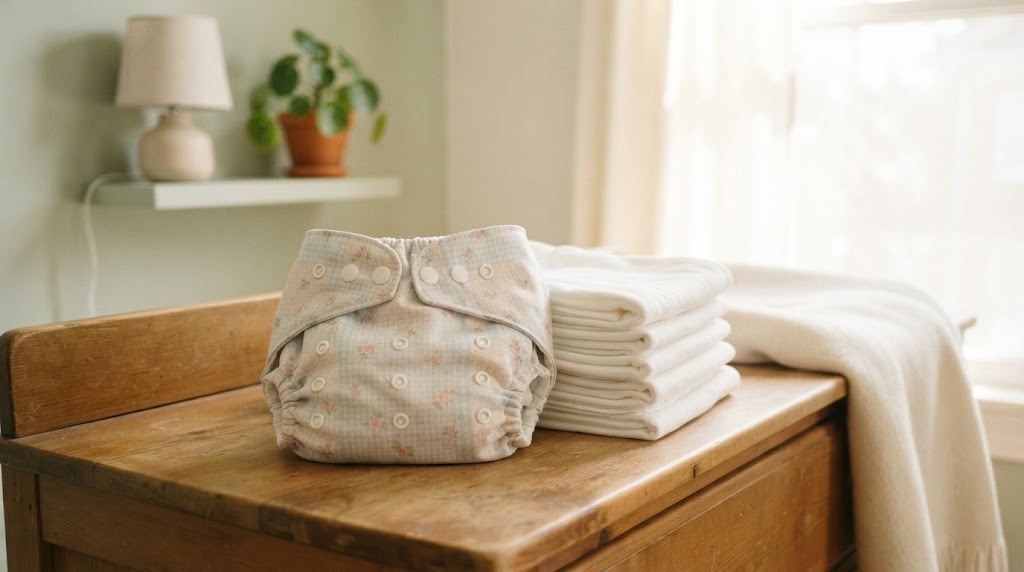
In 1946, Marion Donovan created a reusable, impermeable diaper cover, reportedly starting with a shower curtain. Recognized as one of the most prominent female inventors of her era, she secured a total of 20 patents. Her work helped lead to the disposable diaper, one of the everyday household items parents rely on most today. For new parents, a tidy diaper caddy keeps everything within reach. Who do you know who could use one as a baby shower gift?
You will need: a sturdy basket with handles, small fabric bins, a washable liner and diapers, wipes and cream.
How to make it: 1. Line the basket with the washable liner. 2. Set small bins inside to divide diapers, wipes and creams. 3. Tie a ribbon on the handle and fill it before gifting.
Bette Nesmith Graham and Correction Fluid
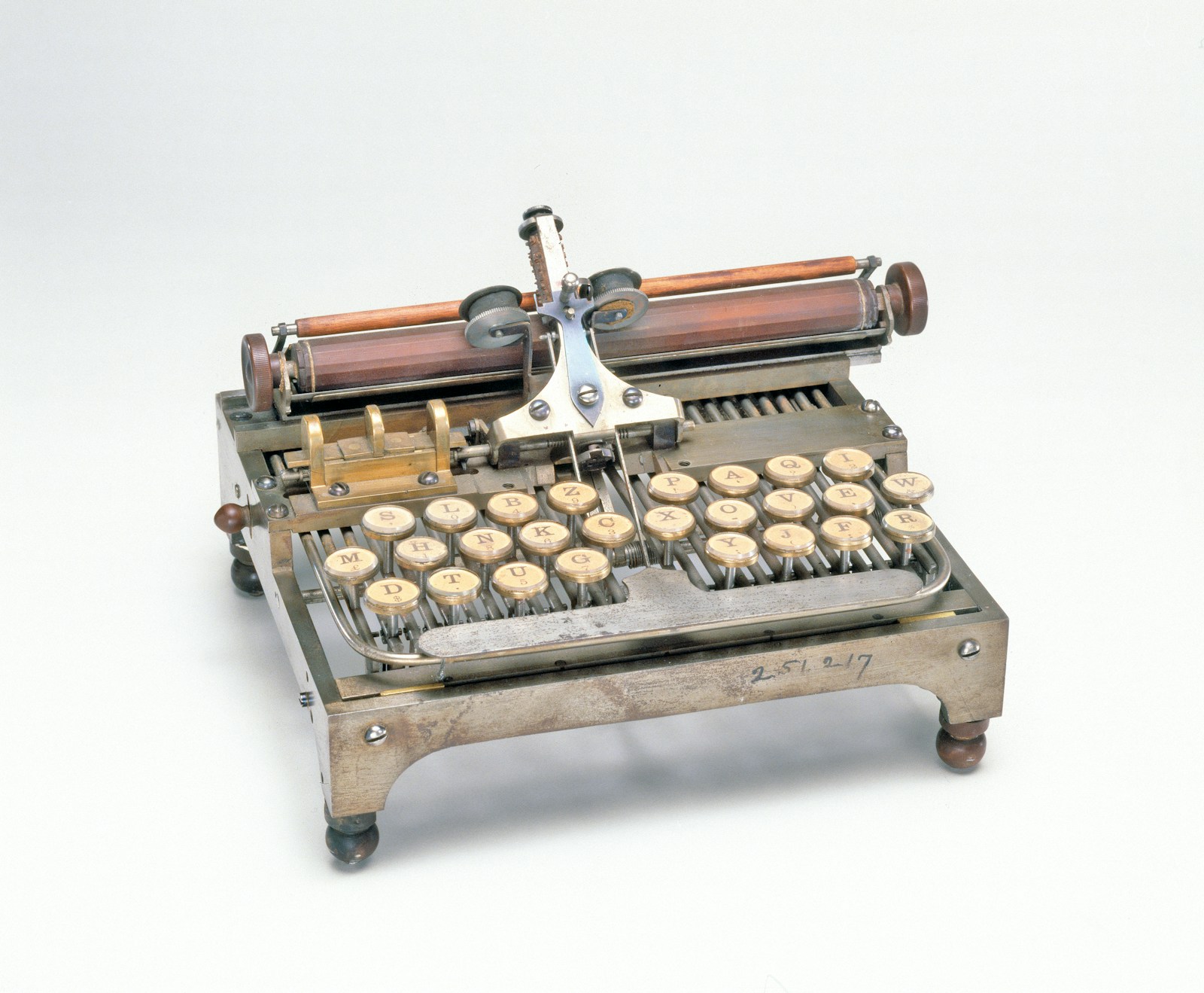
While working as a secretary in the 1950s, Bette Nesmith Graham developed correction fluid to cover typing mistakes. She founded her own company in 1958, built it into a multimillion dollar business and sold it in 1979. Her son was musician Michael Nesmith. Every typo she fixed made life easier for office workers everywhere. A tidy desk caddy honors her spirit of getting things right. What is on your desk that needs a home?
You will need: 3 clean tin cans or jars of different heights, a wooden board, strong glue, paint and washi tape.
How to make it: 1. Paint the cans and let them dry, then add washi tape stripes. 2. Glue them onto the board in a row from tall to short. 3. Fill with pens, scissors and markers once the glue has set.
Everyday Household Items Got Sweeter With Nancy Johnson
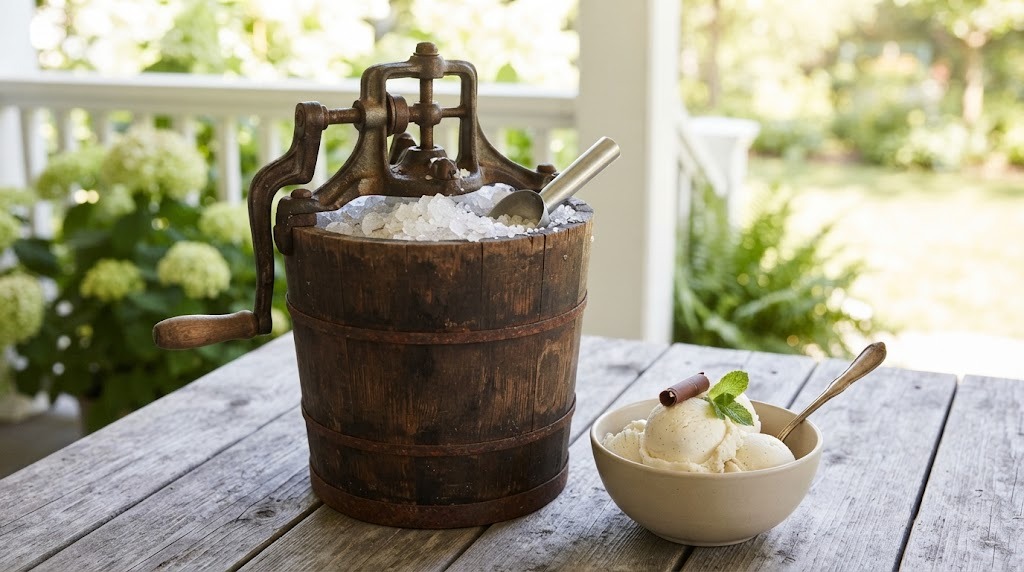
Nancy Johnson is best known for patenting the first hand cranked ice cream freezer in 1843. Her invention turned ice cream from a tiring, labor heavy treat into something many families could make, helping it move from a luxury to a favorite dessert. Kids can still see the same science at home with a fun bag method. It is a great rainy day project. Which flavor would your family shake up first?
You will need: 1 cup half and half, 2 tablespoons sugar, half a teaspoon vanilla, a small and a large zip bag, ice, 6 tablespoons rock salt and a towel.
How to make it: 1. Mix the half and half, sugar and vanilla in the small bag and seal it well. 2. Fill the large bag halfway with ice and salt, put the small bag inside and seal. 3. Wrap it in a towel and shake for about 5 to 10 minutes until it thickens.
Ellen Eglin and the Clothes Wringer
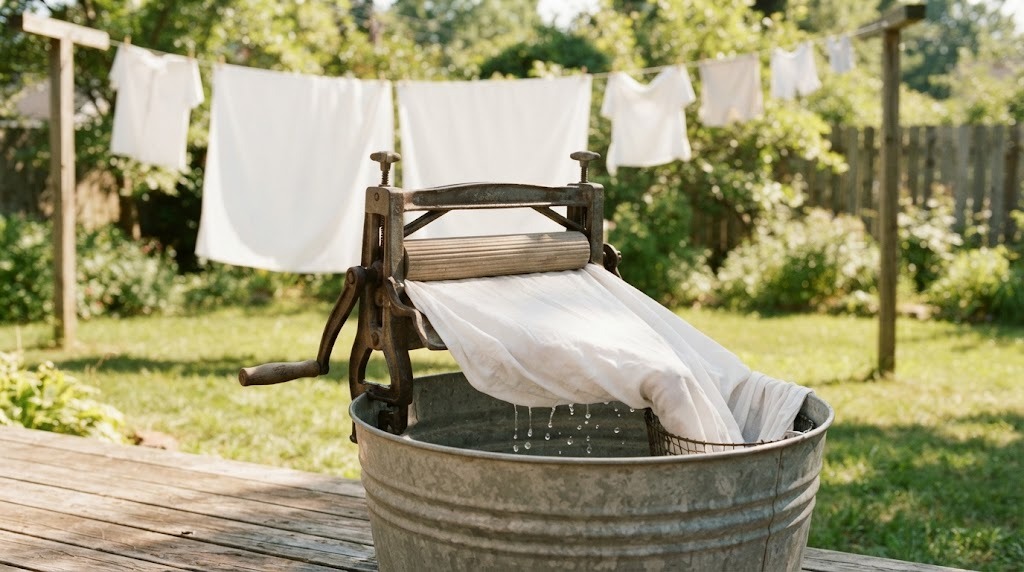
Ellen Eglin was an African American inventor who created a clothes wringer, a device that squeezed water out of wet laundry through rollers. Before that, everything had to be twisted by hand, which was slow and tough on the hands and the fabric. Her idea made laundry day far easier for countless families. Today, a wall drying rack does the same kind of job for delicates. Where would you hang one in your home?
You will need: a small wooden ladder or two wooden dowels and a board, paint, wall anchors, screws and a drill used by an adult.
How to make it: 1. Sand and paint the ladder or board in a soft color. 2. Mount it level on the wall with anchors or into studs. 3. Hang sweaters and delicates over the rungs to air dry.
Ann Moore and the Soft Baby Carrier
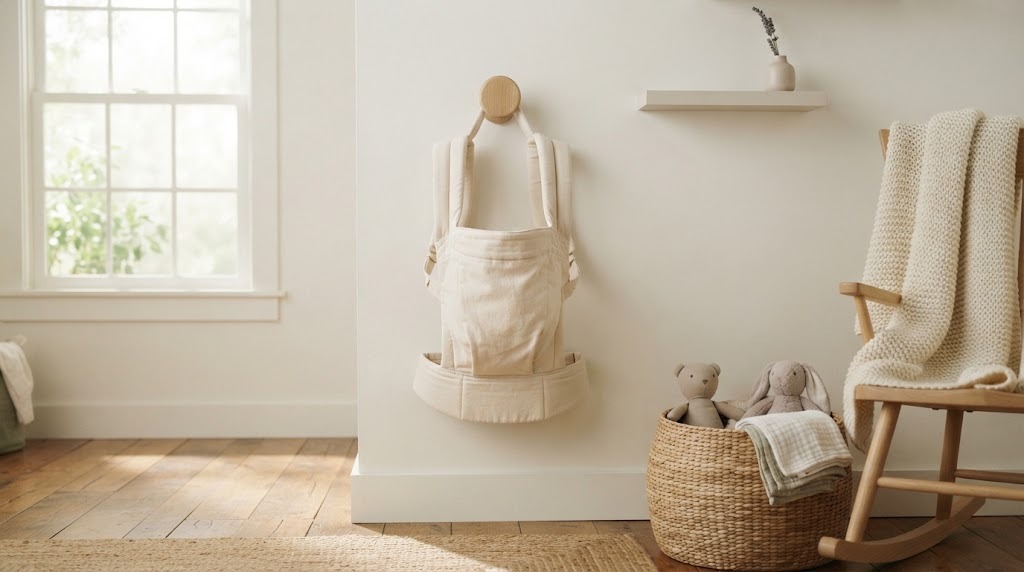
Ann Moore was an American nurse known for inventing a soft baby sling and a refined version of it. Her design let parents keep little ones snuggled while freeing their hands. It changed daily life for millions of families. A simple entry wall with sturdy hooks keeps carriers, diaper bags and jackets ready to grab. Would that save you time on busy mornings?
You will need: a wooden board, 4 to 5 sturdy hooks, paint, screws, wall anchors and a drill used by an adult.
How to make it: 1. Paint the board and let it dry. 2. Screw the hooks along the board, spacing them evenly. 3. Mount the board securely into studs or anchors at adult height.
Everyday Household Items Like the Straw Hat Owe a Lot to Mary Kies
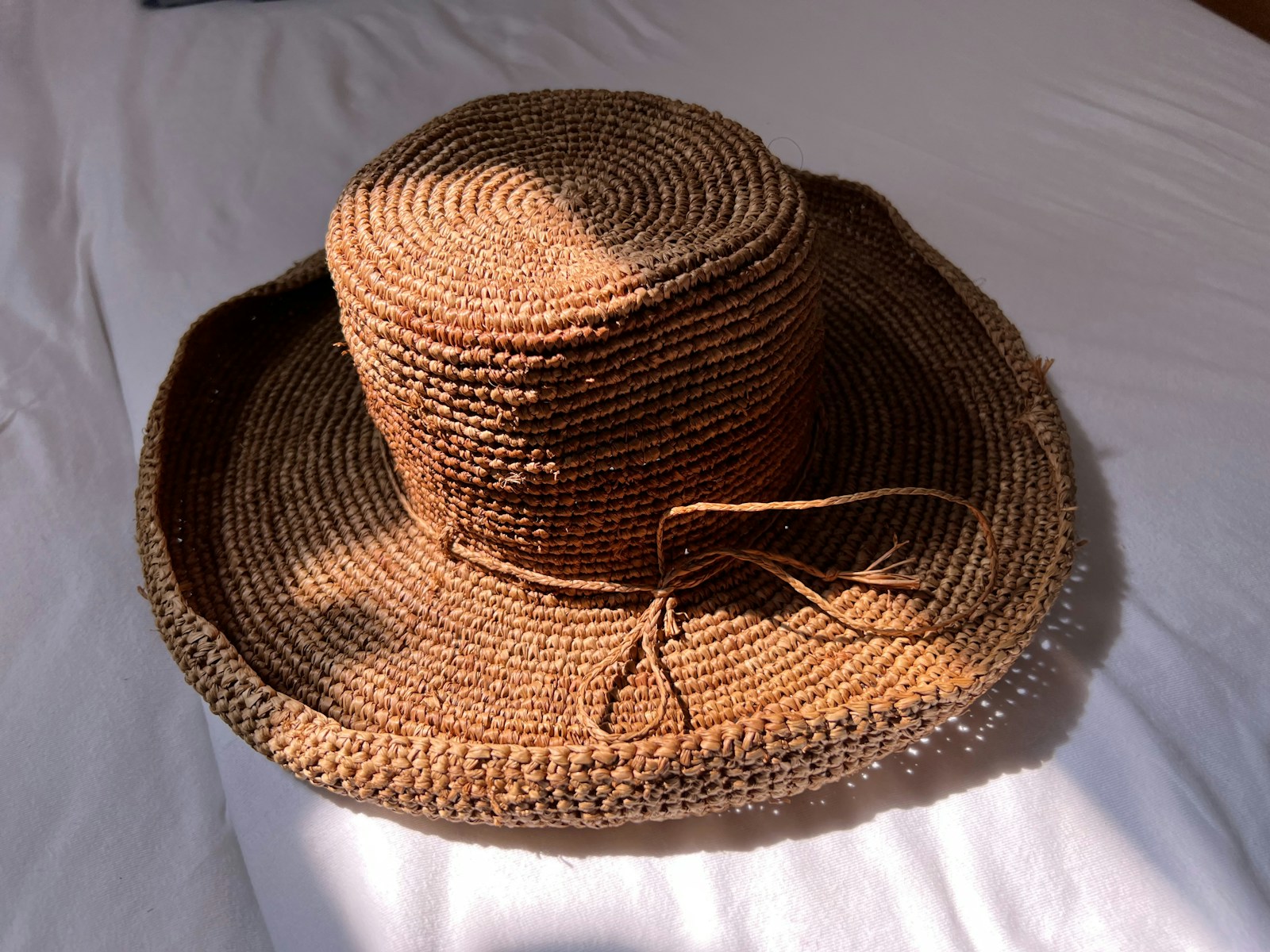
In 1809, Mary Kies received a patent for a new way of weaving straw with silk or thread to make hats. She is often remembered as one of the first women in the United States to receive a patent in her own name. Her method helped the hat making trade at a time when imports were limited. A plain straw hat, one of the simplest everyday household items, is still a perfect craft base today. How would you dress yours up for spring?
You will need: a plain straw sun hat, wide ribbon, faux flowers, a needle and thread or fabric glue.
How to make it: 1. Wrap ribbon around the base of the crown and secure the ends at the back. 2. Arrange a small cluster of faux flowers over the seam. 3. Sew or glue the flowers in place and let it set overnight.
Marie Van Brittan Brown and the Home Security System

Marie Van Brittan Brown, a nurse in New York, co invented an early home security system in the 1960s with peepholes, a camera and a monitor so she could see who was at the door. Her idea laid the groundwork for the video doorbells and security cameras many homes use today. A clear, well lit house number also helps visitors and first responders find you. Is yours easy to read from the street?
You will need: a wooden board, outdoor paint, metal house numbers, a small planter box, screws and a drill used by an adult.
How to make it: 1. Paint the board with outdoor paint and let it dry. 2. Screw the numbers on in a straight line. 3. Attach the planter box to the bottom, add plants and hang it by the door where a light can reach it.
Stephanie Kwolek and a Super Strong Fiber

Chemist Stephanie Kwolek worked for more than 40 years at a large chemical company and invented an incredibly strong, lightweight high strength fiber. It is now used in protective vests, gloves, tires and much more. For her discovery, she received her company’s top medal for technical achievement, an honor no other woman employee had received until 2021. A braided cord keychain is a fun nod to strong fibers. Who in your family loses their keys most?
You will need: 3 lengths of strong cord about 2 feet each, a split key ring, clear craft glue and a binder clip.
How to make it: 1. Tie the cords to the key ring with a firm knot. 2. Clip the ring to a table and braid tightly to the end. 3. Knot the end and seal the tips with clear glue.
Lyda Newman and the Improved Hairbrush
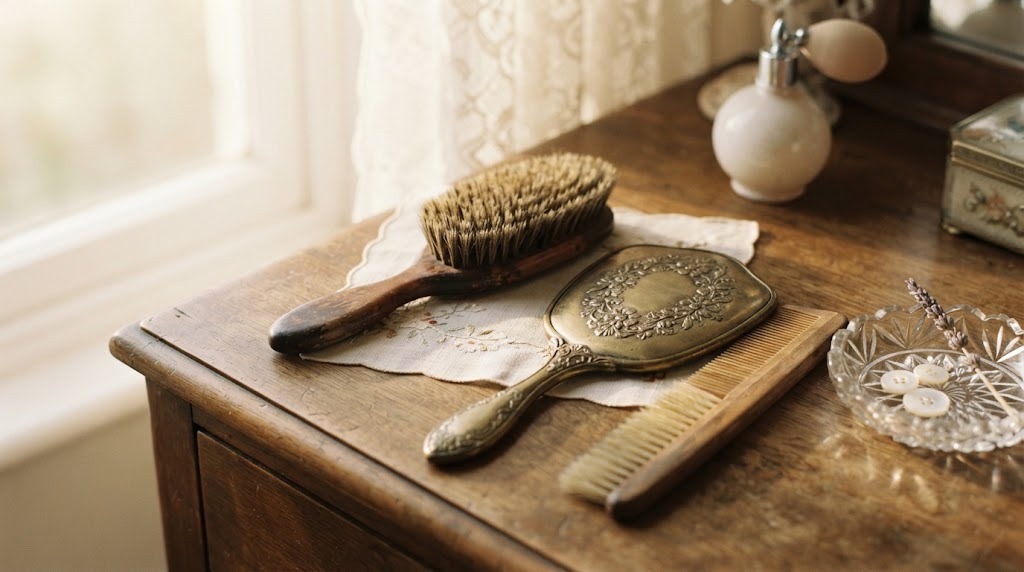
Lyda Newman was a hairdresser and inventor who held a patent for a new kind of hairbrush, and she was also an activist for women’s right to vote. Her brush was designed to be easier to clean and better at working through hair. It is one of those everyday household items that made a daily routine better. A pretty organizer keeps clips and ties from vanishing. Could your bathroom drawer use a little order?
You will need: an old picture frame without glass, a piece of burlap or fabric, ribbon, a staple gun used by an adult and small hooks.
How to make it: 1. Stretch the fabric across the back of the frame and staple it in place. 2. Staple three rows of ribbon across the front for clips. 3. Add small hooks along the bottom for hair ties and hang it near the mirror.
Everyday Household Items and the 49 Patents of Beulah Louise Henry
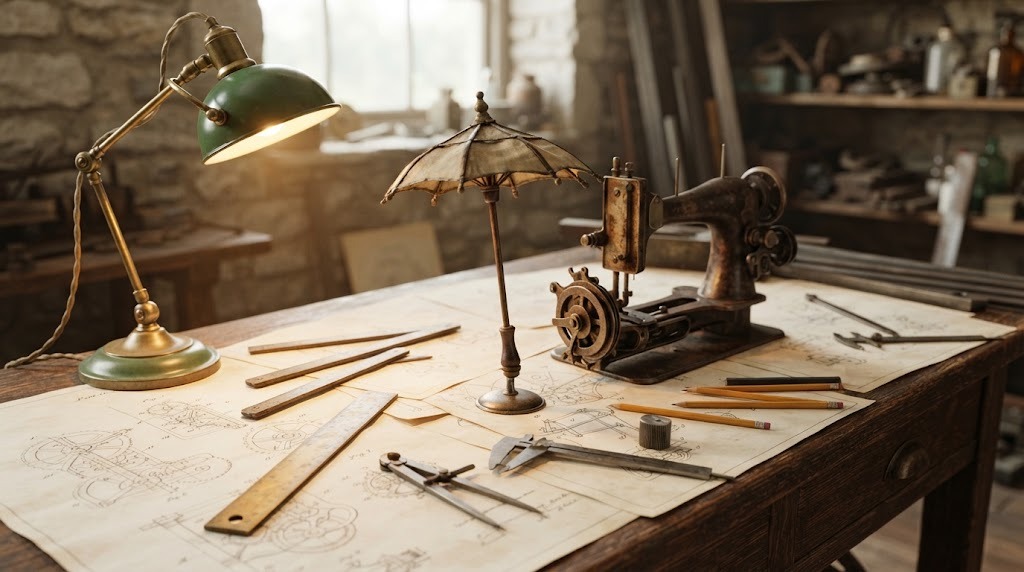
Beulah Louise Henry held 49 patents and developed more than 110 inventions, including a bobbin free sewing machine and a vacuum ice cream freezer. When she died in 1973, she held far more patents than any other woman. Her story is a great reminder that big ideas often start with small daily frustrations. For more surprising origin stories, see these craft supplies invented by accident. What everyday problem would you love to solve?
You will need: a shoebox, paint, a small notebook, pencils, tape, string, cardboard scraps, paper clips and rubber bands.
How to make it: 1. Paint the shoebox and label it as your family invention kit. 2. Fill it with the notebook and building supplies. 3. Once a week, pick a small household problem and sketch and build a fix together.