Lady Bird Johnson Wildflowers: 14 Easy Fall Seed Ideas for a Yard That Blooms All Spring
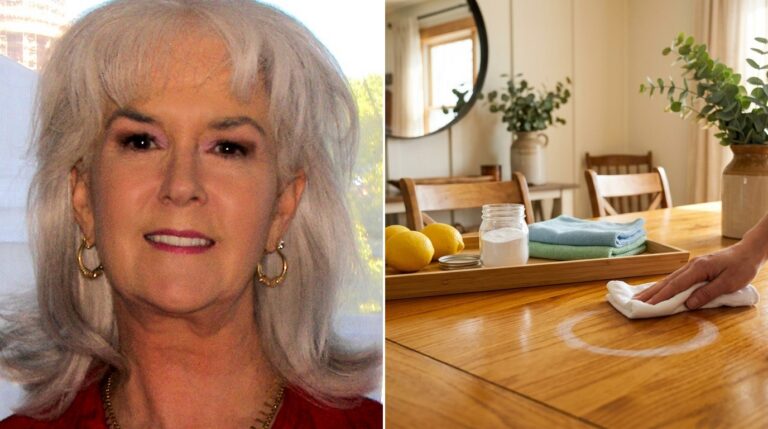
Lady Bird Johnson wildflowers still brighten roadsides and parks across America every spring, and the secret starts in the fall. Born Claudia Alta Taylor in 1912 in Karnack, Texas, she grew up in the pines and bayous of East Texas, watching the wildflowers bloom each spring. As first lady she led a push to plant millions of flowers around Washington, D.C., and in 1965 she called for the Highway Beautification Act, nicknamed Lady Bird’s Bill. Her famous line still rings true: where flowers bloom, so does hope. Right now, before the ground freezes, is the perfect time to scatter seed so it can rest all winter and sprout when the weather warms. Here are 14 easy, budget friendly seed ideas, from simple sowing tricks to handmade gifts for Christmas..
Lady Bird Johnson Wildflowers Begin With a Fall Seed Sowing Day
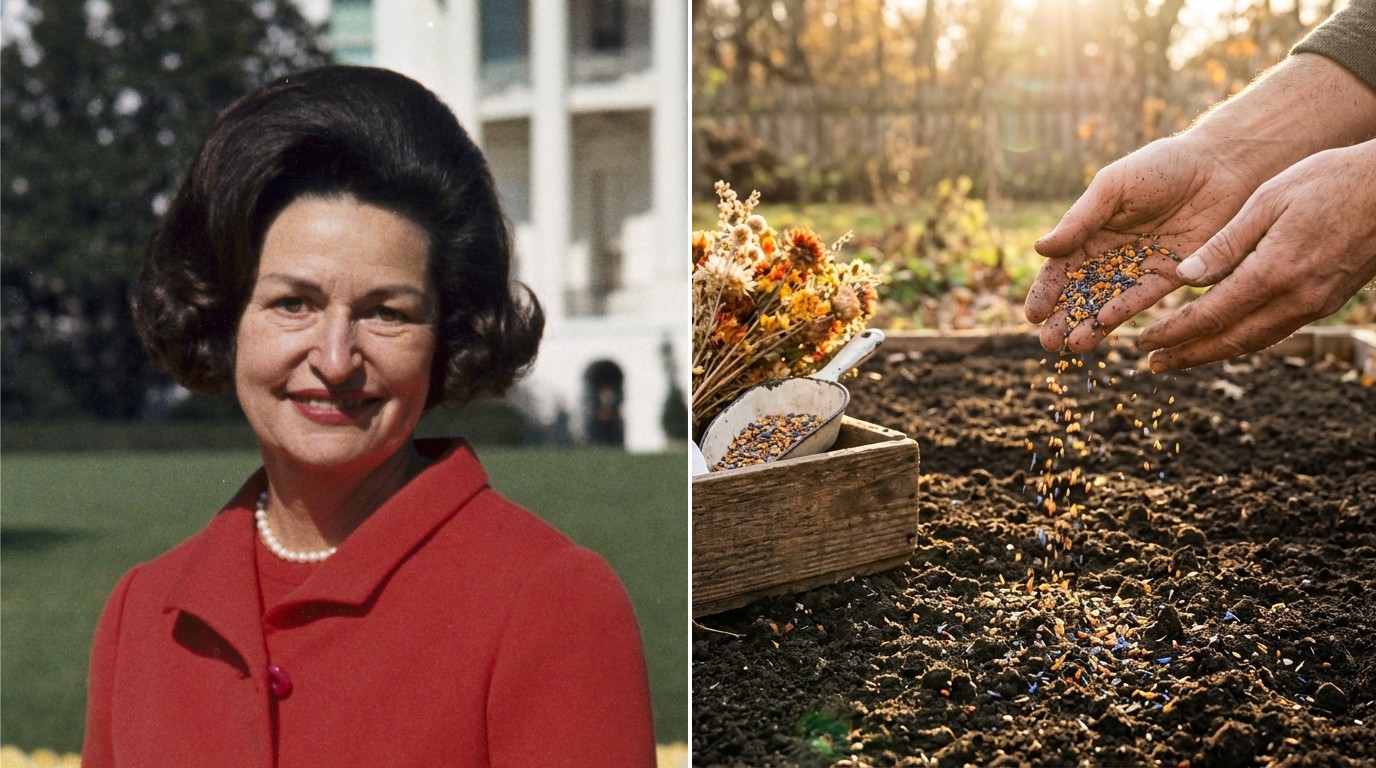
Lady Bird Johnson wildflowers were never fussy, and your first project does not need to be either. Pick a sunny patch, pull the weeds, rake the soil loose and scatter your seed on a calm late fall day. Many native wildflowers need a cold winter rest before they sprout, so fall sowing copies what nature already does. Press the seed in with your feet or the back of a rake and let the snow do the rest. You can read more about her life on the Lady Bird Johnson page. Where will your first patch go. Our DIY bird feeders use the same easy method..
You will need: native wildflower seed mix for your region, a garden rake, a hand scoop, a watering can, garden gloves.
How to make it: 1. Clear weeds and grass from a sunny spot and rake the top inch of soil loose. 2. Scatter the seed evenly by hand on a calm, dry day after the first light frost. 3. Press the seed into the soil by walking over it or tamping with the rake, then water lightly once.
Mix Seeds With Sand for an Even Spread
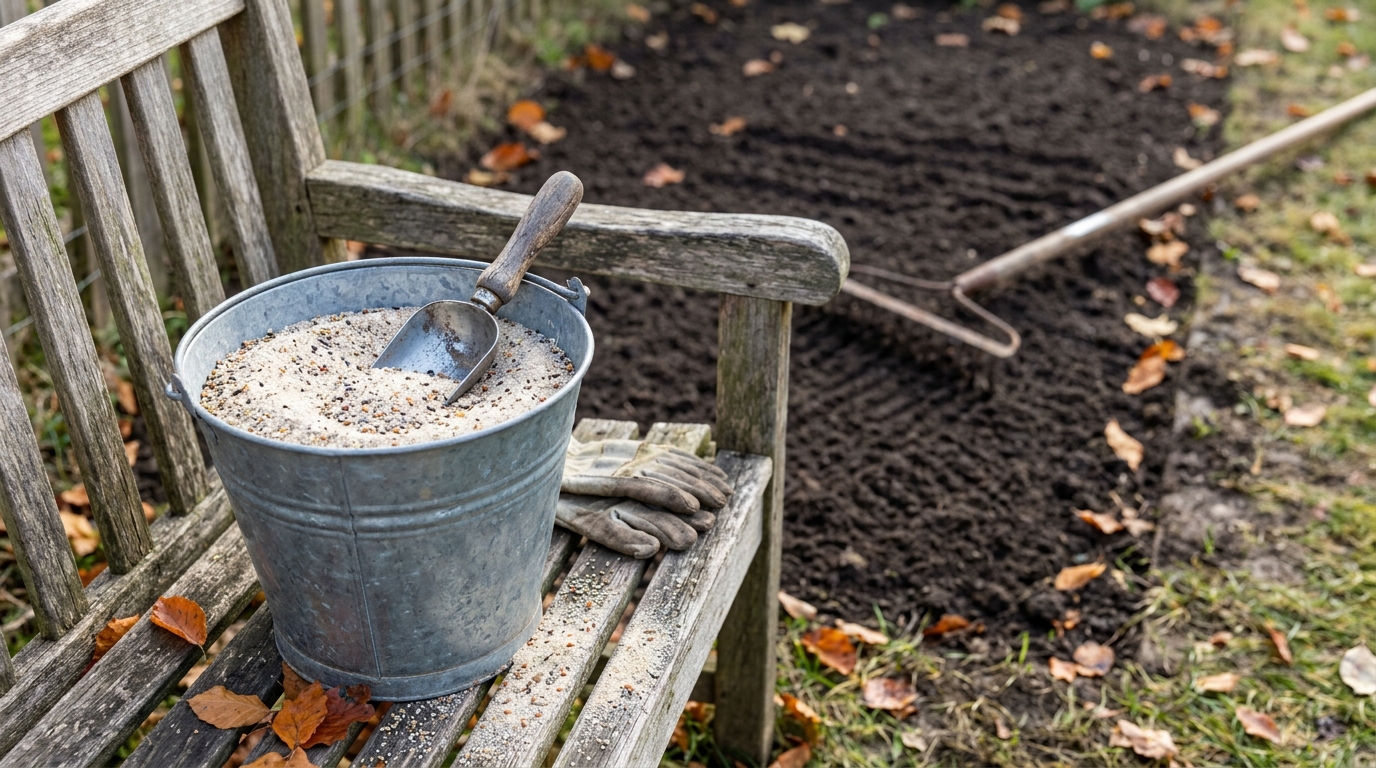
Most flower seeds are tiny, which makes them easy to dump in one spot by mistake. The old gardener’s trick is to mix them with a bucket of light colored sand first. The sand bulks up the mix so you can toss it in wide, even sweeps, and the pale color shows you exactly where you have already sown. It costs almost nothing, and kids love helping with the scooping. A small bag of play sand from the hardware store is plenty for a whole front bed. Have you ever lost a whole packet in one clump?
You will need: a clean bucket, dry play sand, your seed mix, a small scoop or old cup.
How to make it: 1. Pour about four parts dry sand to one part seed into the bucket and stir well. 2. Divide the mix into two halves. 3. Walk the bed one way scattering the first half, then walk across it the other way with the second half.
Lady Bird Johnson Wildflowers Seed Bombs
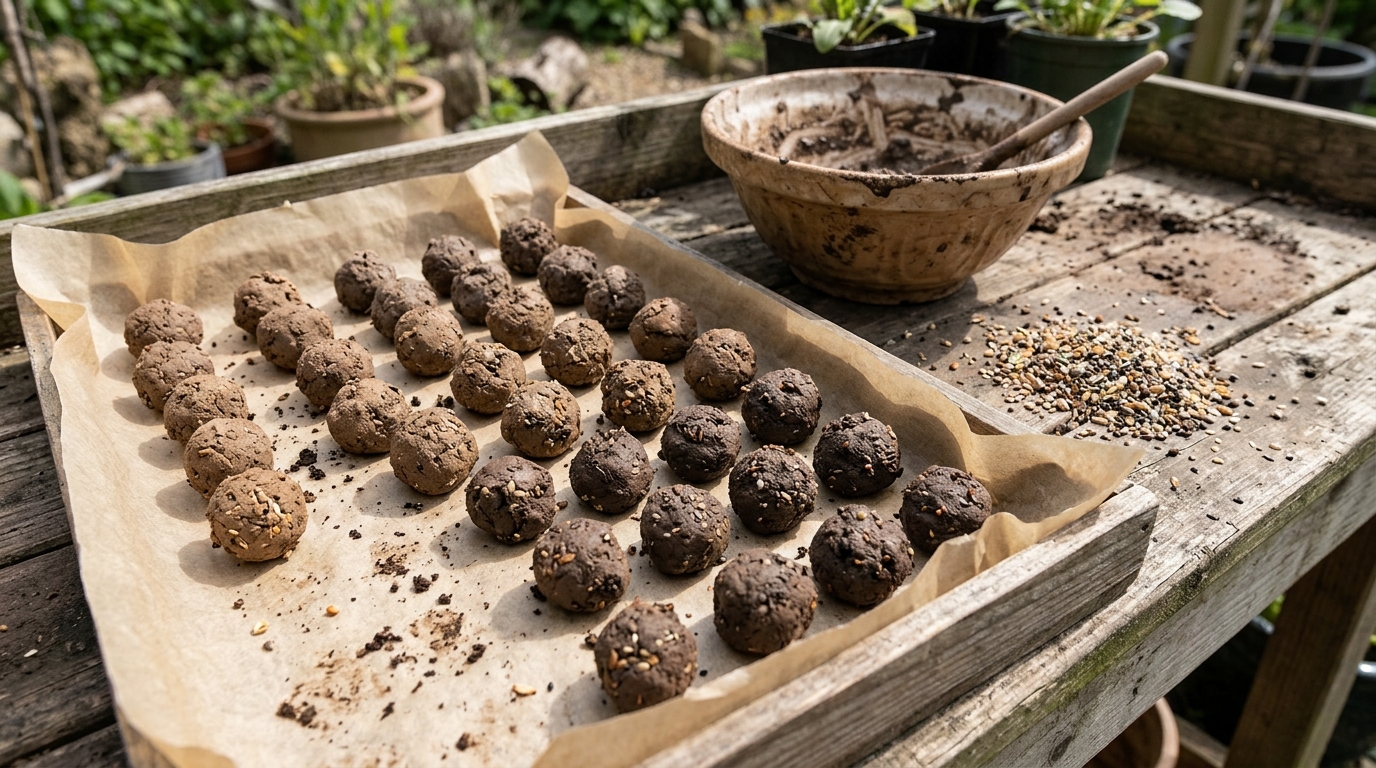
Seed bombs are a fun way to share Lady Bird Johnson wildflowers with friends and neighbors. Each little ball holds clay, compost and seed together, so it can sit on top of the ground all winter without blowing away or feeding the birds. In spring the rain softens the clay and the seeds sprout right where the ball landed. Roll a big batch on a rainy afternoon, let them dry on a tray and keep them in a tin until you are ready. Only toss them in your own yard or where you have permission. Who would you give a jar of these to?
You will need: powdered clay from a craft store, fine compost, native seed mix, water, a mixing bowl, a tray lined with parchment paper.
How to make it: 1. Mix five parts clay, one part compost and one part seed in a bowl. 2. Add water a little at a time until the mix holds together like cookie dough. 3. Roll into marble sized balls and dry them on the tray for two days before storing.
Seed Paper Gift Tags for Christmas Presents
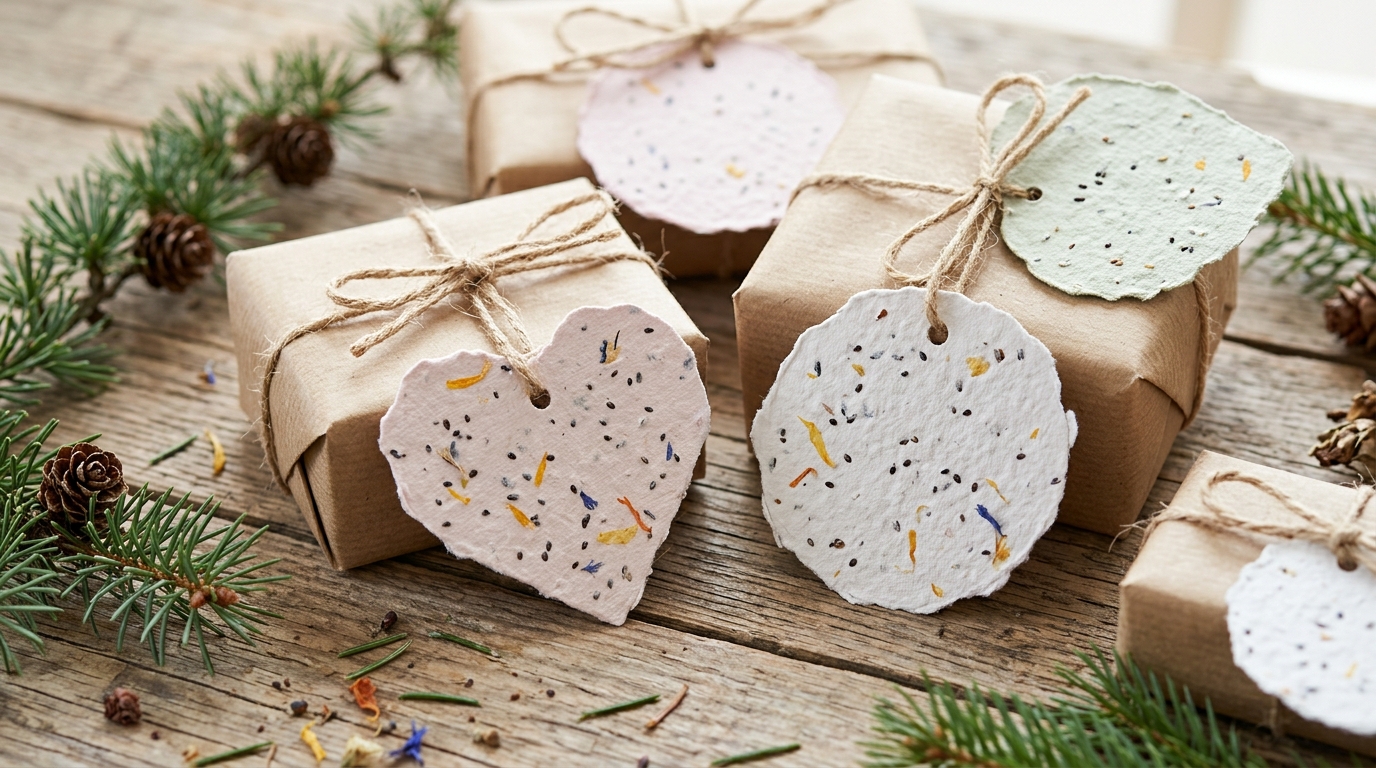
Here is a gift tag that keeps giving long after the wrapping paper is gone. Blend scrap paper into pulp, stir in tiny flower seeds and press it into round or heart shapes. Once dry, tie the tags onto Christmas gifts with natural twine. In spring your friends can plant the whole tag in a pot or flower bed and watch it bloom. It is a lovely way to recycle old printer paper and envelopes, and if you like this kind of craft you will love these pressed flower crafts too. Which shape would you cut first?
You will need: scrap paper without plastic coating, a blender, water, small flower seeds, a window screen or mesh, cookie cutters, a sponge, twine.
How to make it: 1. Tear the paper into bits, soak it in water for an hour, then blend into pulp with an adult’s help. 2. Stir in a spoonful of seed, then press the pulp into cookie cutters set on the screen and sponge out the water. 3. Let the shapes dry for a day, punch a hole and tie them onto gifts with twine.
Lady Bird Johnson Wildflowers Seed Packet Gift Basket
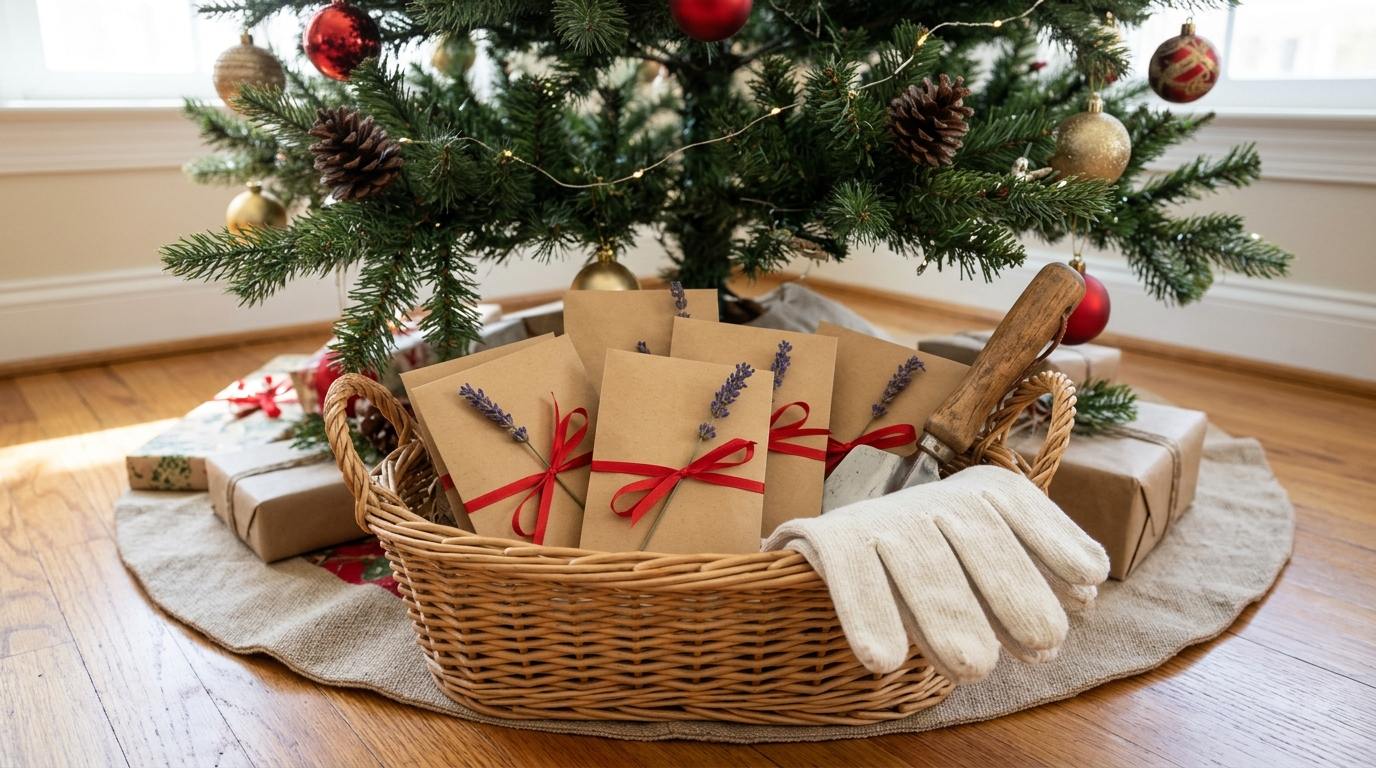
A basket of homemade seed packets is a sweet Christmas gift for any gardener on your list, and it honors the Lady Bird Johnson wildflowers spirit of sharing beauty. Fold simple envelopes from kraft paper, fill them with seed you saved or bought in bulk, and tie each one with a red ribbon and a sprig of dried lavender. Tuck in a small trowel and a pair of cotton gloves and you have a full gift for well under twenty dollars. Write planting tips on a card inside the basket. Who on your list would love this most?
You will need: kraft paper, a glue stick, bulk native seed, red ribbon, dried lavender, a small trowel, cotton garden gloves, a basket.
How to make it: 1. Cut kraft paper into rectangles, fold them into small envelopes and glue the sides. 2. Fill each envelope with a spoonful of seed, fold the top closed and tie it with ribbon and lavender. 3. Line the basket with a tea towel, then arrange the packets, gloves and trowel inside.
Lady Bird Johnson Wildflowers Favorite: A Bluebonnet Patch
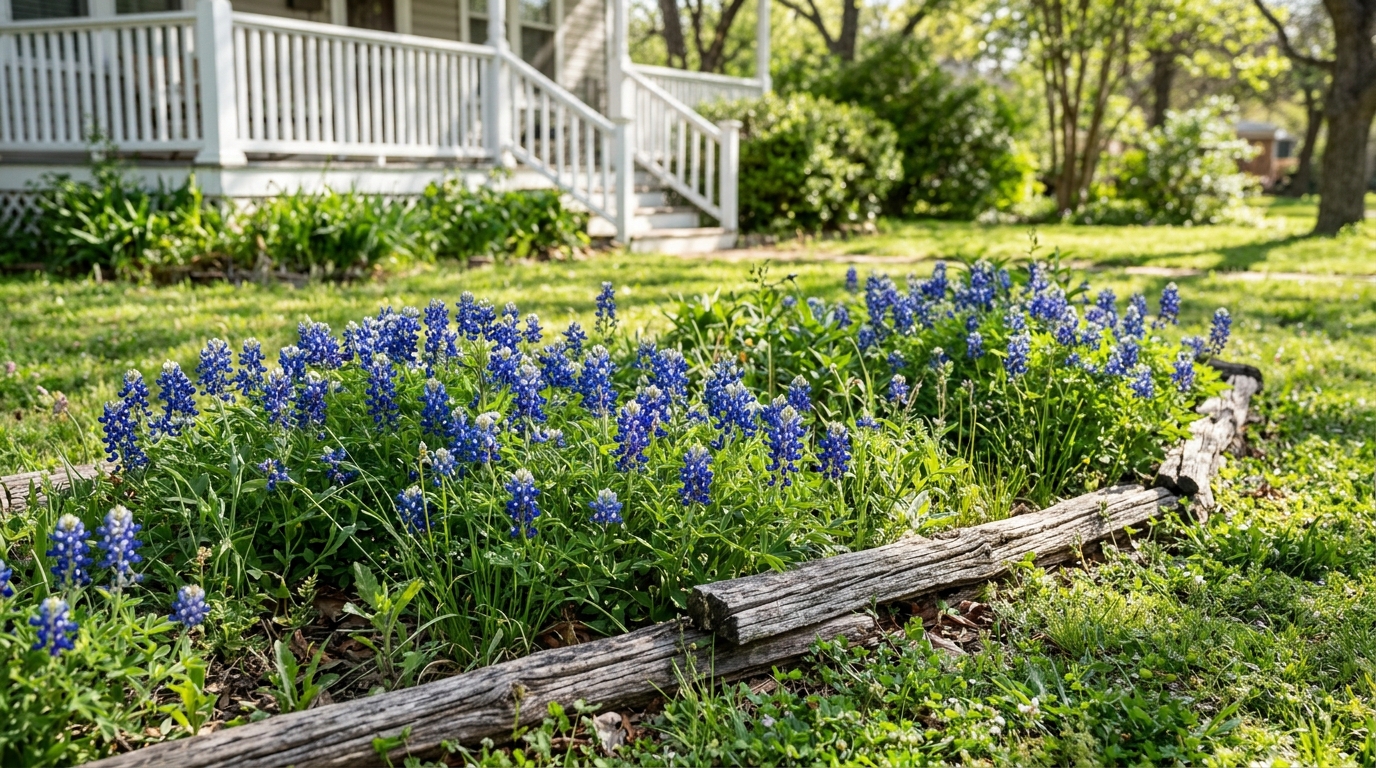
Texas bluebonnets were close to her heart. The first time she flew into Austin, she was awed by a field covered in bluebonnets and fell in love with the city. If you live where they grow, fall is the time to plant them. The seeds have a hard coat, so many gardeners nick or soak them first to help them sprout. Give them full sun, poor soil and very little water and they will reward you with a sea of blue in spring. Outside Texas, pick a blue native flower from your own region instead. What is the favorite wildflower where you live?
You will need: bluebonnet seed or another blue native flower seed, a nail file, a bowl of warm water, a rake.
How to make it: 1. Gently rub each seed on a nail file or soak the seed overnight in warm water. 2. Rake a sunny, well drained patch and scatter the seed on the surface. 3. Press the seed into the soil and water once, then let the winter rain take over.
A Flower Bed Around the Mailbox
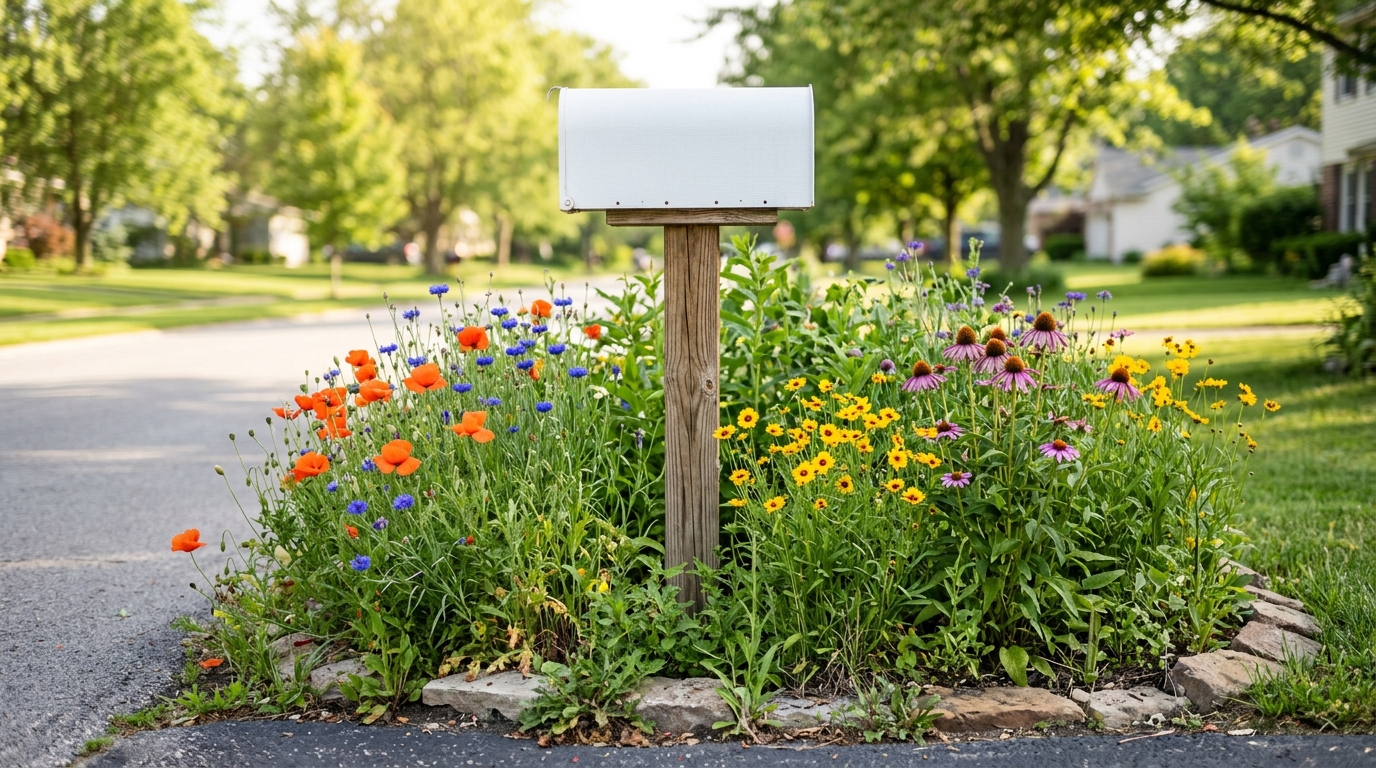
The mailbox is the first thing visitors see, so why not give it a ring of color? A small round bed of poppies, cornflowers, coreopsis and coneflowers turns a plain post into a cheerful welcome sign for your whole street. Edge the circle with stones you already have, fill it with good soil and sow your seed now. By late spring the mail carrier will be smiling. Keep the plants low near the driveway so they never block the view of the road. What color would your mailbox bed be? Our things to never throw away ideas use the same easy method.
You will need: a shovel, flat edging stones, a bag of garden soil, a mix of low native flower seed, a rake.
How to make it: 1. Mark a circle about three feet wide around the post and dig out the grass. 2. Set the stones around the edge and fill the circle with garden soil. 3. Rake it smooth, scatter the seed and press it in.
Lady Bird Johnson Wildflowers Pollinator Strip Along the Fence
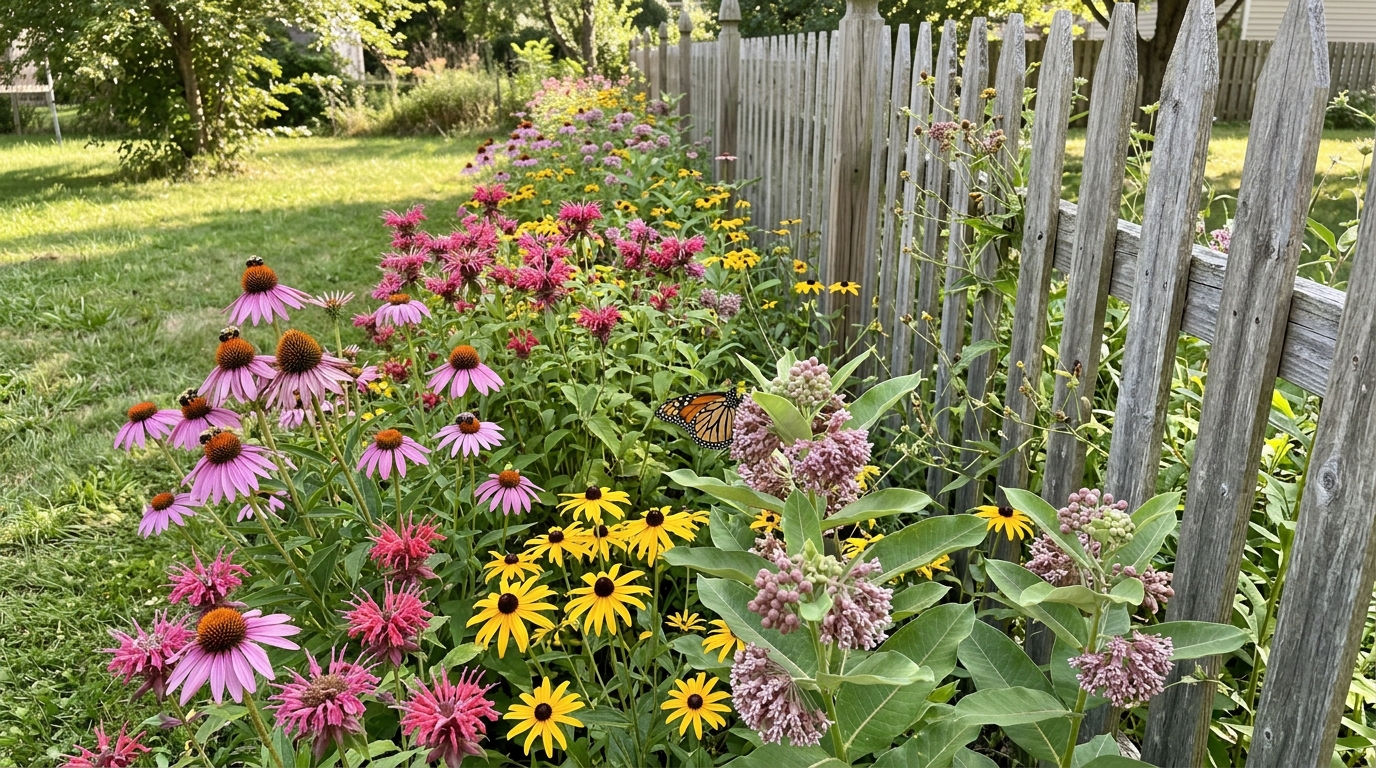
A long, narrow strip along a fence is the easiest place to start a pollinator garden, and it is exactly the kind of planting Lady Bird Johnson wildflowers fans love. Coneflowers, black eyed Susans, bee balm and milkweed come back year after year and feed bees and butterflies all summer. The fence shelters young plants from wind and gives tall stems something to lean on. Sow the seed in fall and you will see the first blooms by summer. Do you have a bare fence line waiting for color? It also goes well with our painted closet doors.
You will need: a spade, native perennial seed such as coneflower, black eyed Susan, bee balm and milkweed, compost, a rake.
How to make it: 1. Dig out a strip about two feet wide along the sunny side of the fence. 2. Mix in a little compost and rake the soil smooth. 3. Scatter the seed, taller kinds at the back near the fence, and press it in.
Winter Sowing in Milk Jugs
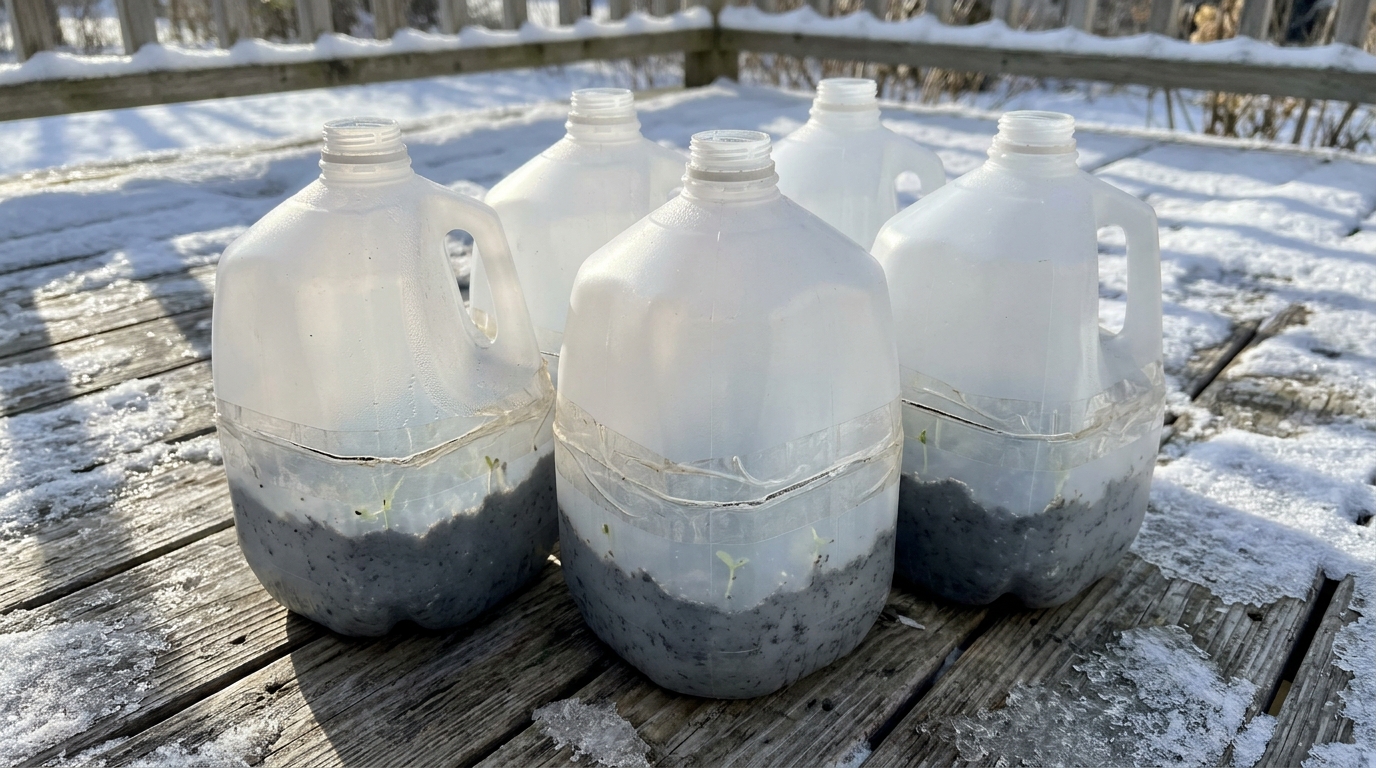
Winter sowing is a clever trick that turns empty milk jugs into tiny greenhouses. You cut each jug around the middle, fill the bottom with soil, sow your seed and tape it closed. The jugs sit outside all winter, even in the snow, and the seeds sprout on their own when the time is right. There is no indoor light setup and no fuss. In spring you simply plant the strong little seedlings into your beds. It is a great way to reuse plastic you would otherwise toss. How many jugs could you save this month?
You will need: clean plastic milk jugs with labels removed, scissors or a craft knife used by an adult, potting soil, seed, duct tape, a marker for the tape.
How to make it: 1. An adult cuts each jug around the middle, leaving a hinge under the handle, and pokes a few drain holes in the bottom. 2. Fill the bottom with damp potting soil, sow the seed and tape the jug closed, leaving the cap off. 3. Set the jugs outside in a sunny spot and check now and then that the soil stays damp.
Painted Rock Plant Markers
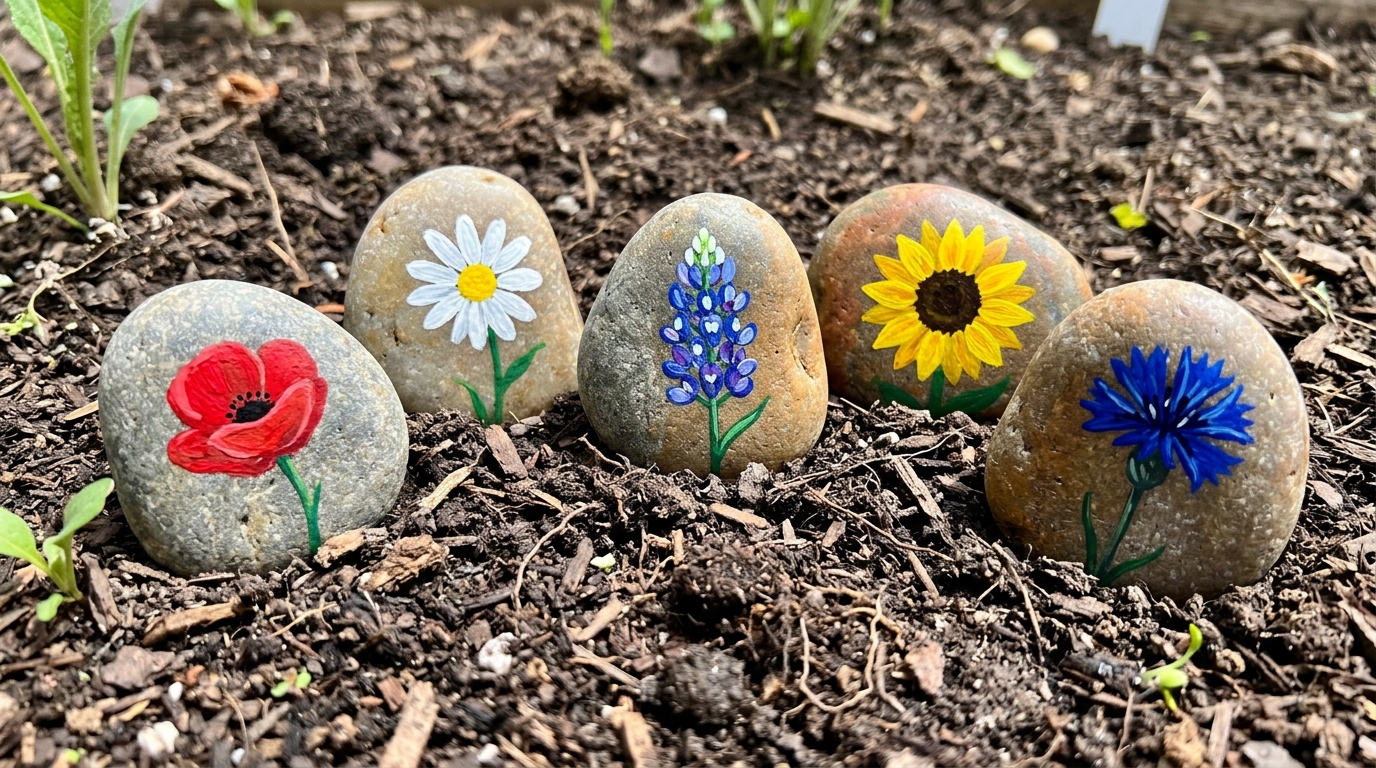
Once your seed is in the ground, it is easy to forget what you planted where. Painted rocks solve that in the prettiest way. Paint a simple picture of each flower on a smooth river rock, a red poppy, a white daisy, a blue cornflower, and set it at the edge of the patch. They survive snow and rain and look cheerful even before anything sprouts. This is a lovely rainy day project for kids and grandparents to do together. Which flower would you paint first?
You will need: smooth flat rocks, outdoor acrylic paint, small brushes, a clear outdoor sealer.
How to make it: 1. Wash and dry the rocks, then paint a light base coat. 2. Paint a simple flower on each rock and let it dry fully. 3. Seal the rocks with clear outdoor sealer, then set each one beside its patch.
Lady Bird Johnson Wildflowers Meadow in One Lawn Corner
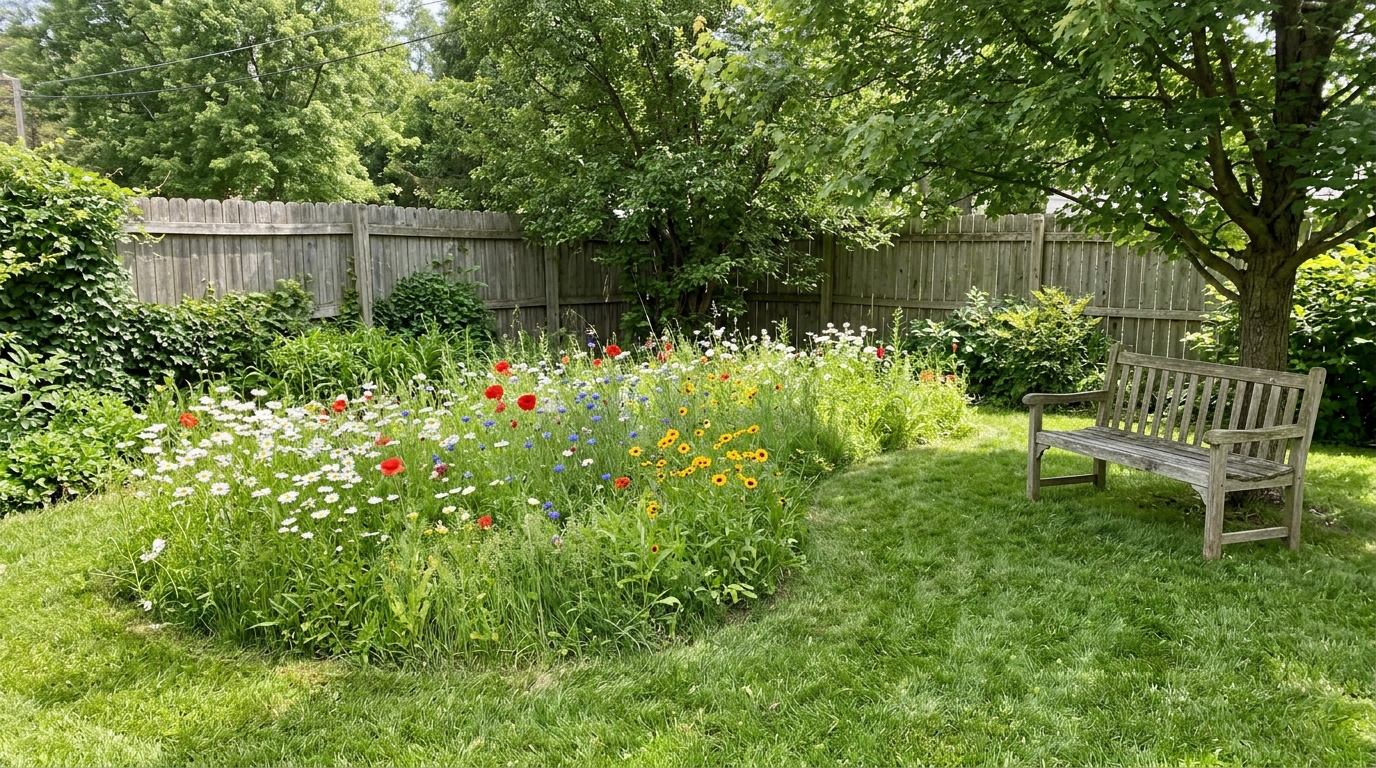
You do not need acres to grow a meadow. Turn one sunny corner of your lawn into a small patch of Lady Bird Johnson wildflowers and keep a mowed path curving around it so it looks planned and tidy. Daisies, poppies, cornflowers and coreopsis fill in fast and need far less water and mowing than grass. Add a simple bench and you have a new favorite spot for morning coffee. Check any neighborhood rules first, and keep a neat edge. Which corner of your yard could go wild?
You will need: a garden fork or a rented sod cutter, a rake, native meadow seed mix, sand for spreading.
How to make it: 1. Remove the grass from a sunny corner and loosen the soil with a fork. 2. Mix the seed with sand and scatter it evenly over the patch. 3. Mow a curving path around the edge so the meadow looks neat and planned.
A Seed Swap Box for the Neighbors
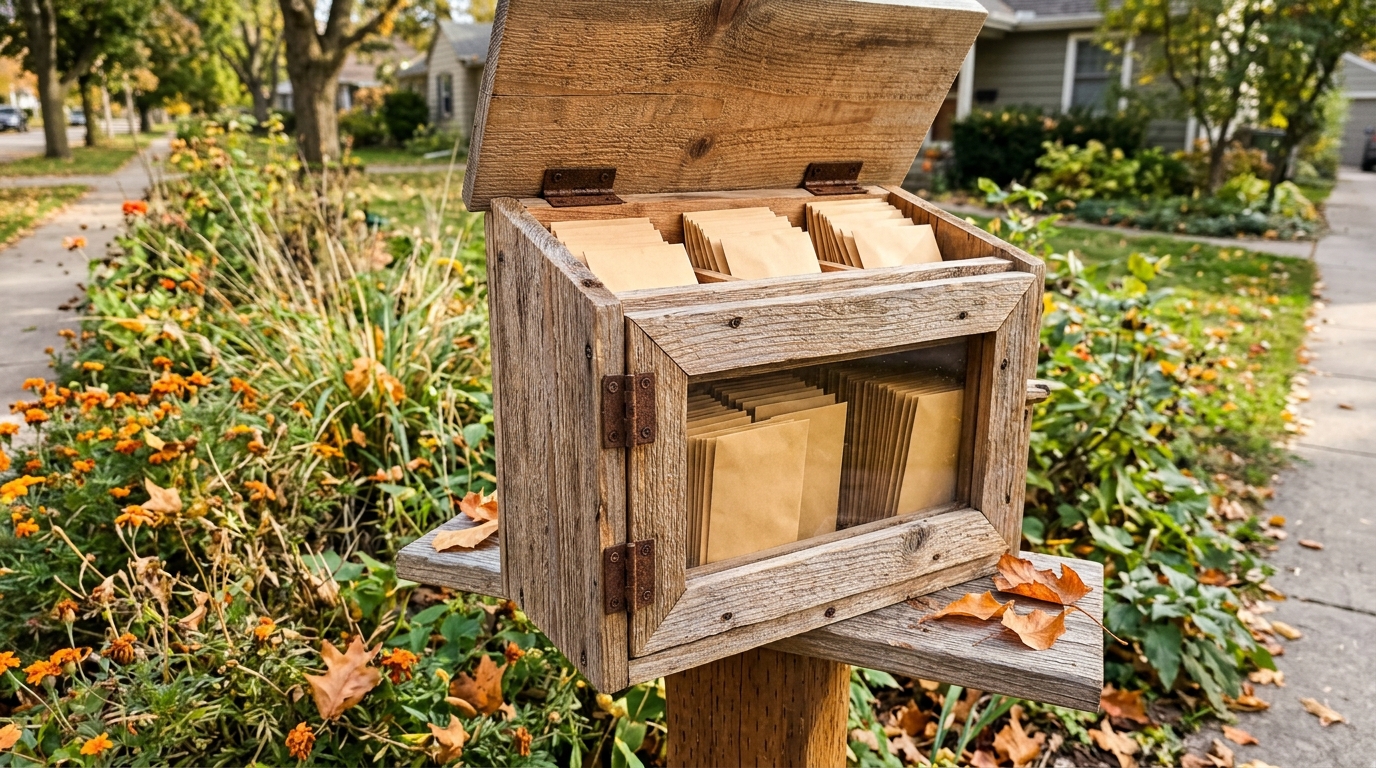
A seed swap box works like a little free library for gardeners. Build or repurpose a small wooden box with a door, mount it on a post near the sidewalk and fill it with envelopes of seed you saved from your own flowers. Neighbors can take a packet and leave one in return. It is a friendly way to spread native flowers around the whole block and meet the people next door. In 1982 she and actress Helen Hayes founded a national wildflower research center in Texas, and sharing seed is a small way to carry on that idea. What seed would you share first?
You will need: a small wooden box or an old cabinet, hinges, a clear acrylic sheet for the door, outdoor paint or sealer, a wooden post, screws, small paper envelopes.
How to make it: 1. Paint or seal the box and fit a hinged door with a clear window. 2. An adult mounts the box on a sturdy post near the sidewalk with screws. 3. Fill it with labeled envelopes of seed and a short note inviting neighbors to swap.
A Raised Bed Full of Poppies
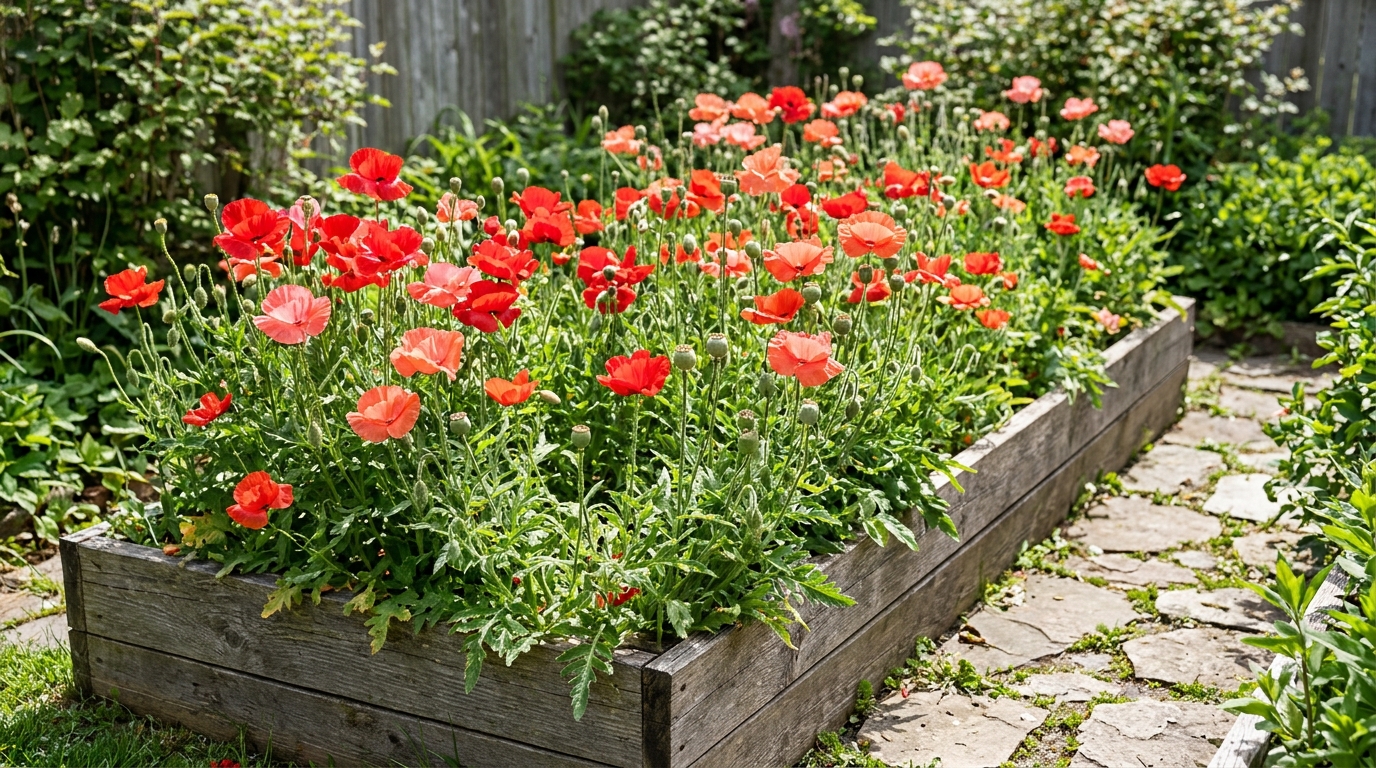
Poppies are one of the easiest flowers to grow from seed, and fall or very early spring is the time to sow them. They hate being moved, so you scatter the seed right where you want the flowers. A raised bed makes it simple: the soil drains well, warms up early and keeps the tiny seedlings safe from feet. By early summer the bed will be a wave of red and coral petals, followed by pretty seed heads you can dry for crafts. Would you choose red, pink or white poppies?
You will need: a raised bed or a frame made from old boards, garden soil, annual poppy seed, sand, a rake.
How to make it: 1. Fill the raised bed with loose garden soil and rake it smooth. 2. Mix the tiny seed with sand and scatter it thinly across the surface. 3. Do not cover the seed; just press it in gently and let winter do the work.
Lady Bird Johnson Wildflowers for the Curb Strip
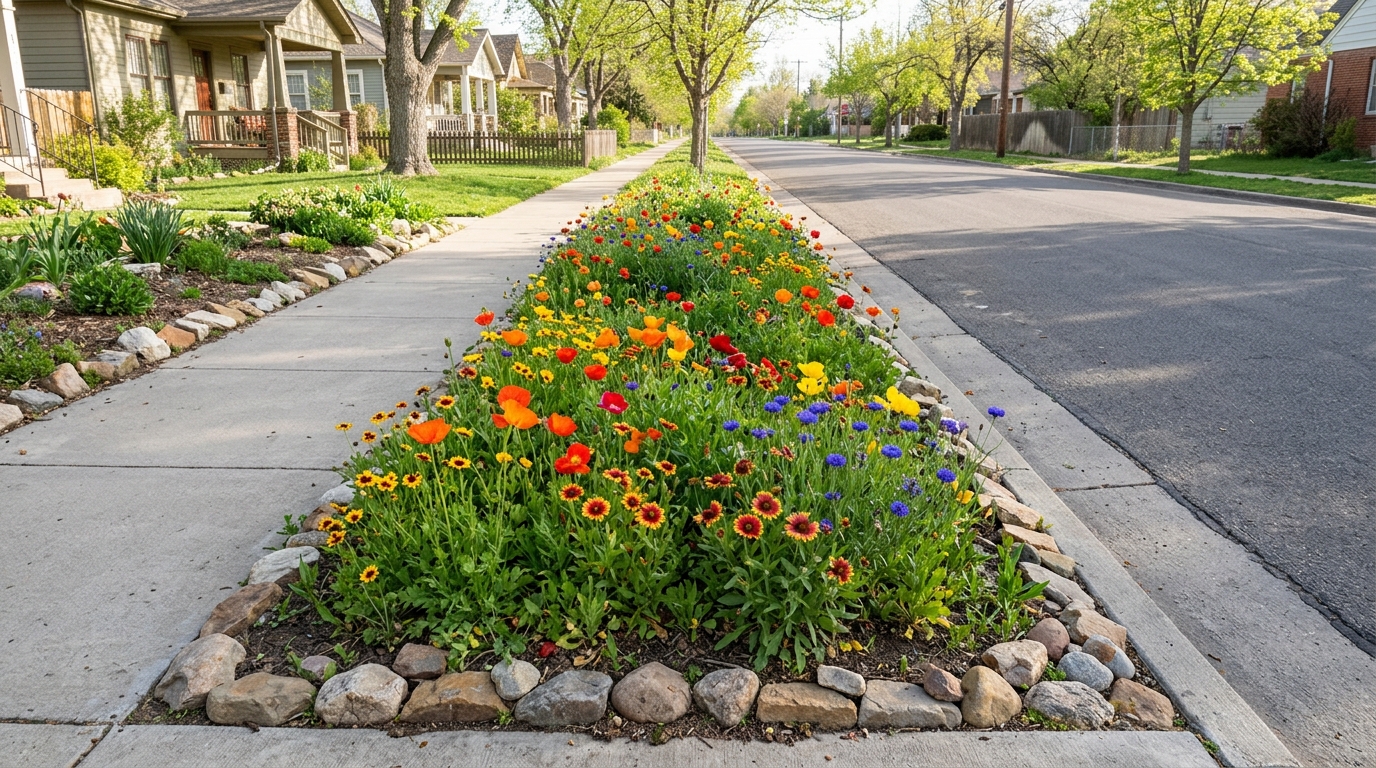
Her biggest dream was to bring flowers to the roadside, and the strip between your sidewalk and the street is your own small piece of that dream. Lady Bird Johnson wildflowers in a curb strip mean less mowing, more color and a happy surprise for everyone who walks by. Choose low growing kinds like poppies, coreopsis and blanket flowers so drivers can always see clearly, and edge the strip with stones to keep it neat. Many towns have rules for this strip, so check with your city before you dig. Would your street be brighter with a curb garden? It also goes well with our oprah favorite things.
You will need: a spade, edging stones, garden soil, low growing native seed, a rake, a watering can.
How to make it: 1. Check your city’s rules, then remove the grass from the strip. 2. Lay stones along both edges and add a little fresh soil. 3. Scatter the low growing seed, press it in and water once.