
That Late Night Snack Habit Is Linked to a Higher Risk of Liver Disease, a Study of Nearly 200,000 People Finds
Nearly 200,000 people, decades of data, and one everyday habit stood out: what time the kitchen closes. A new study finds that late night eating, meaning regular eating after dinner or after bedtime, is linked to a 20% to 30% higher risk of liver disease. Before you worry about last night’s bowl of cereal, here is what the research really found, what it cannot prove, and a simple evening routine that may help..
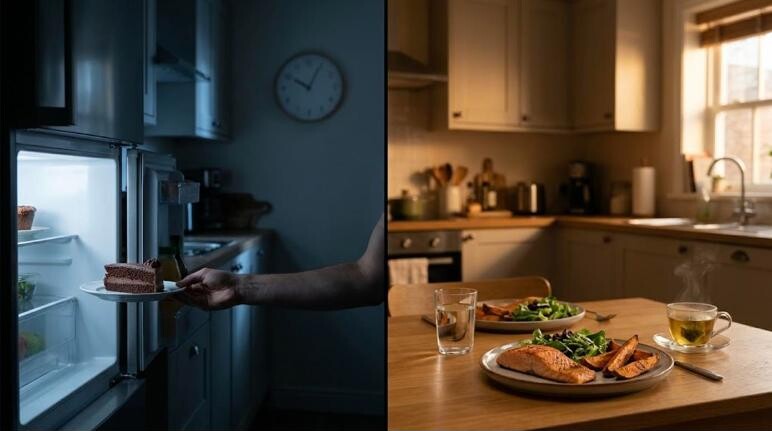
What the Late Night Eating Study Found
The study was published in the journal Clinical Gastroenterology and Hepatology. It was led by researchers at Oregon Health & Science University (OHSU), working with Massachusetts General Hospital in Boston. The team pooled data from three long running nationwide studies: the Nurses’ Health Study, the Nurses’ Health Study II and the Health Professionals Follow-up Study.
Participants reported their eating habits, daily routines and other lifestyle details. The researchers compared people who regularly ate after dinner or after bedtime with people who did not. The late night eaters had a 20% to 30% higher risk of liver disease, including fatty liver disease (now called MASLD, short for metabolic dysfunction-associated steatotic liver disease) and cirrhosis.
Lead author Dr. Robert Wilechansky, a liver specialist at OHSU, said the work is “among the first long-term analyses to explicitly draw the connection to fatty liver disease.”
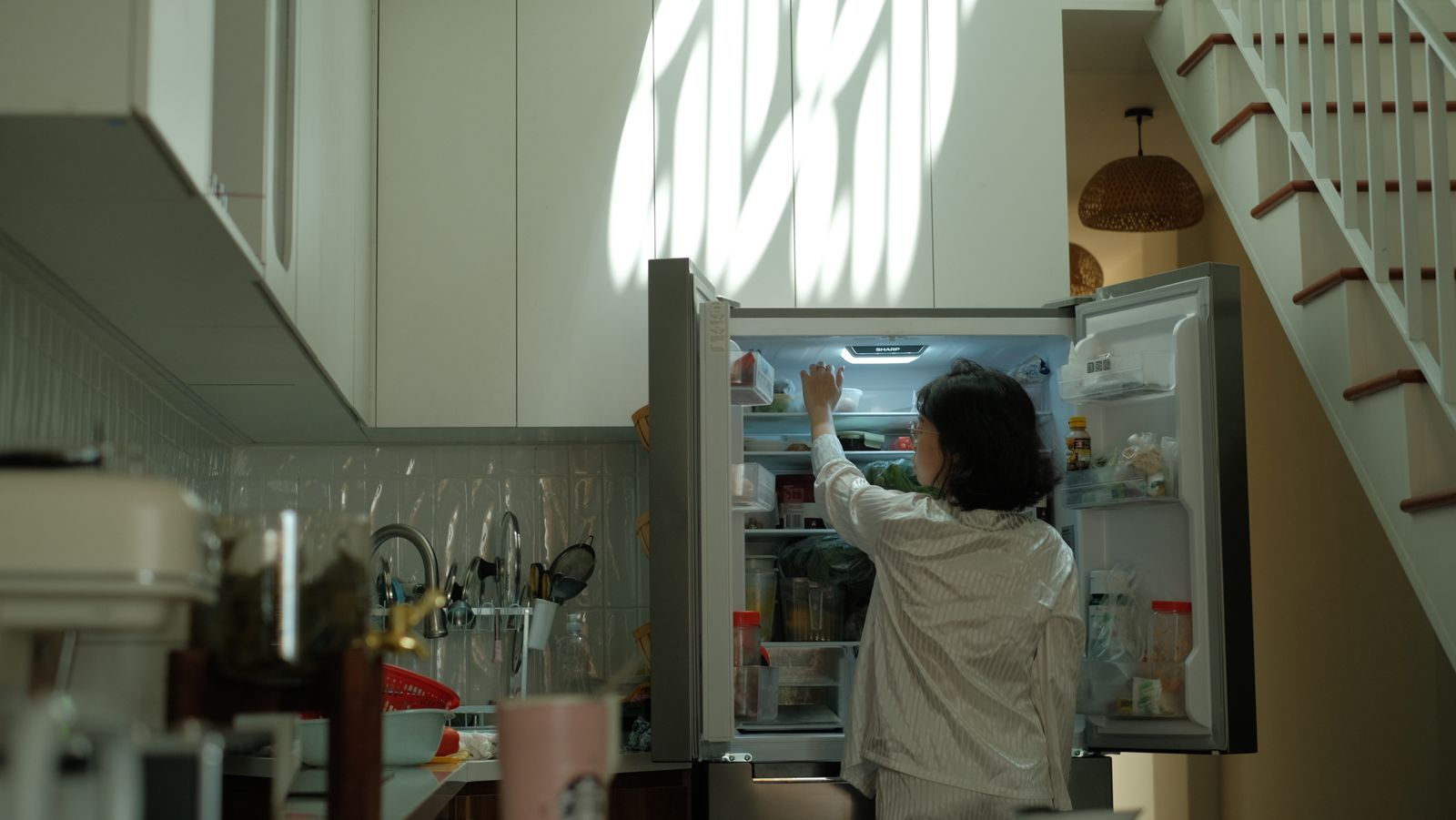
Why Fatty Liver Matters, and Why Timing May Too
Fatty liver disease is more common than many people think. According to OHSU, it affects as much as 30% of people in the United States, and it often has no symptoms in its early stages. The reassuring part: only a small fraction of people with fatty liver go on to develop serious forms like cirrhosis.
So why might the clock matter? Co-author Andrew McHill, Ph.D., of OHSU explained that eating during the night, when the body’s internal clock is getting ready for sleep, may make it harder for the body to process food efficiently. As he put it, “the timing of behaviors, whether it’s sleep, eating, or exercise, really matters.” If you are building a calmer evening, our foods for sleep recipes are a cozy place to start.
What This Study Cannot Prove
This part is important. The study was observational, which means it found a link between late night eating and liver disease, not proof that one causes the other. People described their own habits, and the questions about meal timing were broad. Other factors, like sleep, overall diet or body weight, could help explain the connection. The study also did not test whether changing meal times lowers the risk.
That is why the OHSU team is now recruiting people for a new clinical study. It will track meal timing directly, instead of relying on memory, and test whether eating earlier leads to measurable improvements in people who already have fatty liver disease.
An Easy Routine to Close the Kitchen After Dinner
Dr. Wilechansky’s practical takeaway was simple: keeping your eating to the hours well before bedtime might be beneficial. You do not need a strict diet to try it. These small habits may help make late night eating less of a routine:
- Pick a closing time. Choose a time that fits your family, a few hours before bed, and stick to it most nights.
- Make dinner satisfying. A plate with protein, vegetables and whole grains may help you feel full longer. Our Mediterranean diet lunches work great as light dinners too.
- Plan dessert with dinner. Enjoy your treat at the table, not at 10 p.m. in front of the TV.
- Brush your teeth after dinner. It is a small signal to your brain that eating is done for the day.
- Keep a warm drink ready. A caffeine free herbal tea can replace the habit of reaching for a snack.
- Go to bed a little earlier. Fewer late hours means fewer chances to wander into the kitchen.

Cozy Early Desserts and Evening Sips
Closing the kitchen early does not mean giving up sweets. It just means enjoying them a little sooner. Try a warm baked apple with cinnamon and a spoon of yogurt right after dinner, a square of dark chocolate with fresh berries, or a small yogurt parfait with granola. For evening sips, chamomile, peppermint or rooibos tea are naturally caffeine free, and warm milk with a pinch of cinnamon feels like a hug in a mug.
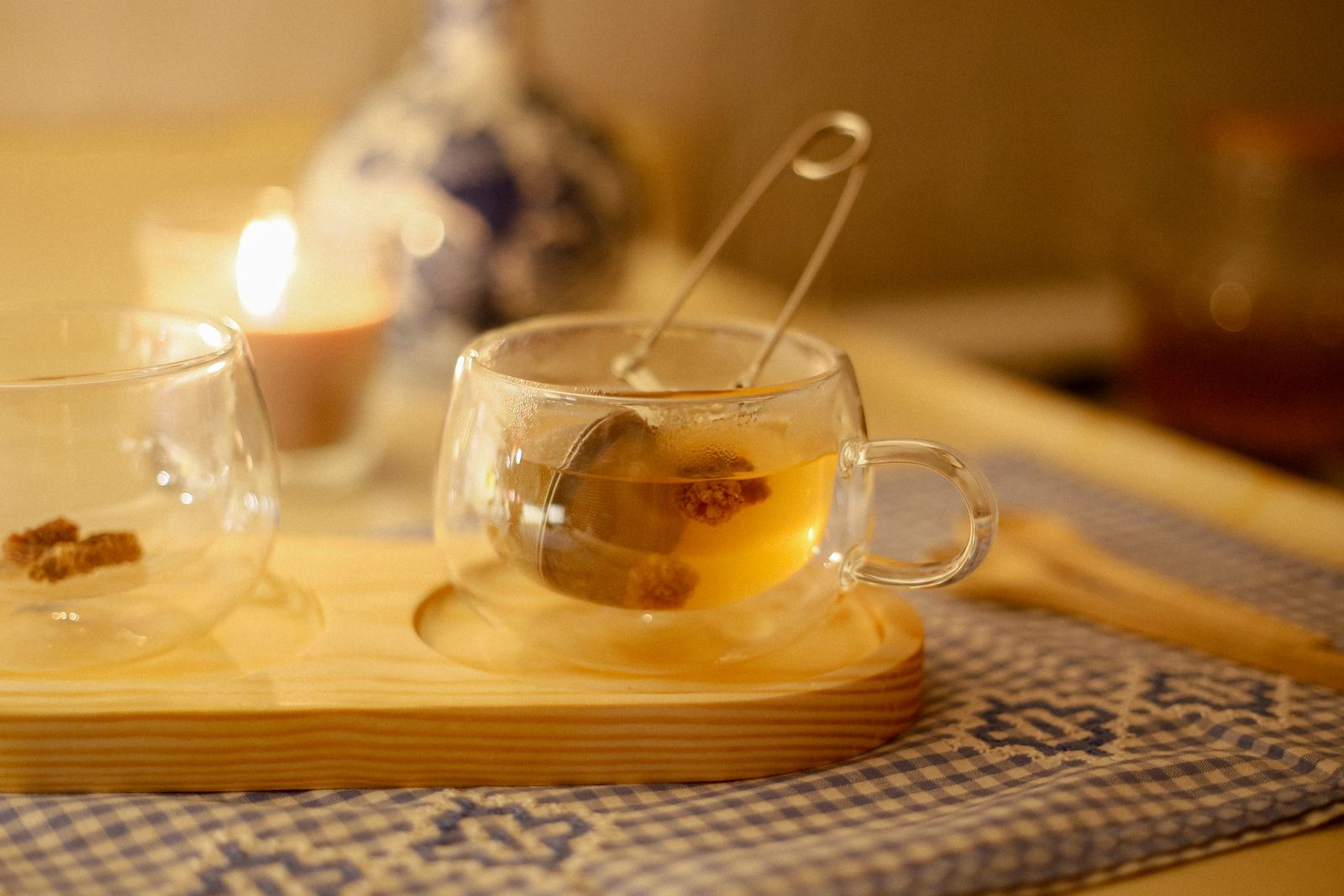
Make it a ritual. When the dishes are done, put the kettle on, dim the lights and let the kitchen rest. Many families find that a cozy routine makes it easier to skip the late night eating without feeling like they are missing out.
The Bottom Line on Late Night Eating
A large study of nearly 200,000 people finds that late night eating is linked to a higher risk of liver disease, including fatty liver disease and cirrhosis. It cannot prove that the snack itself is to blame, and the new OHSU trial should tell us more. Until then, eating dinner earlier and letting the kitchen close for the night is a simple, free habit that may help.
Note: This article is for general information and is not medical advice. If you have liver concerns, diabetes, take medicine that depends on meal times, or are thinking about changing when you eat, please ask your doctor first.
Sources: Oregon Health & Science University news release via ScienceDaily (October 15, 2026); Medical Economics; Wilechansky RM, et al., “Late-Night Eating is Associated with MASLD and Cirrhosis,” Clinical Gastroenterology and Hepatology, 2026.