Ultraprocessed Foods: 2 Meals With the Same Nutrition Label Did Very Different Things in the Body
Ultraprocessed foods got a fresh twist this month, and it is one that makes you look twice at your plate. Researchers at Virginia Tech served healthy adults two small meals that would have nearly matching nutrition labels. Same calories, same carbs, same fat, same protein, even the same salt and water. Yet inside the body, the two meals did not act the same. One researcher said that if the meals had a nutrition label, they would be “practically identical.” So what changed? Here is the story in plain words..
The study was published on October 5, 2026, in the journal Nature Metabolism. It came from the lab of Alex DiFeliceantonio, an associate professor at the Fralin Biomedical Research Institute at Virginia Tech. The first author is researcher Zach Hutelin.
It is a small study, and it does not prove that any food is harmful. But it is a neat clue about why scientists keep looking so closely at how our food is made, not just at the numbers on the label.
Why Ultraprocessed Foods Were Put to a Fair Test
Ultraprocessed foods are things like packaged snacks, sweet cereals, deli meats, instant sides and many store cookies. They are made with industrial steps and ingredients you would not usually find in a home kitchen. Scientists sort foods by processing level with a system called the Nova scale.
Here is the problem researchers face. Many ultraprocessed foods are also high in fat and sugar and low in fiber and protein. So when a study finds a difference, it is hard to know if processing played a part or if it was just the nutrients. This team tried to take the nutrients out of the question by matching both meals as closely as they could, within about 1 percent.
What Was on Each Plate
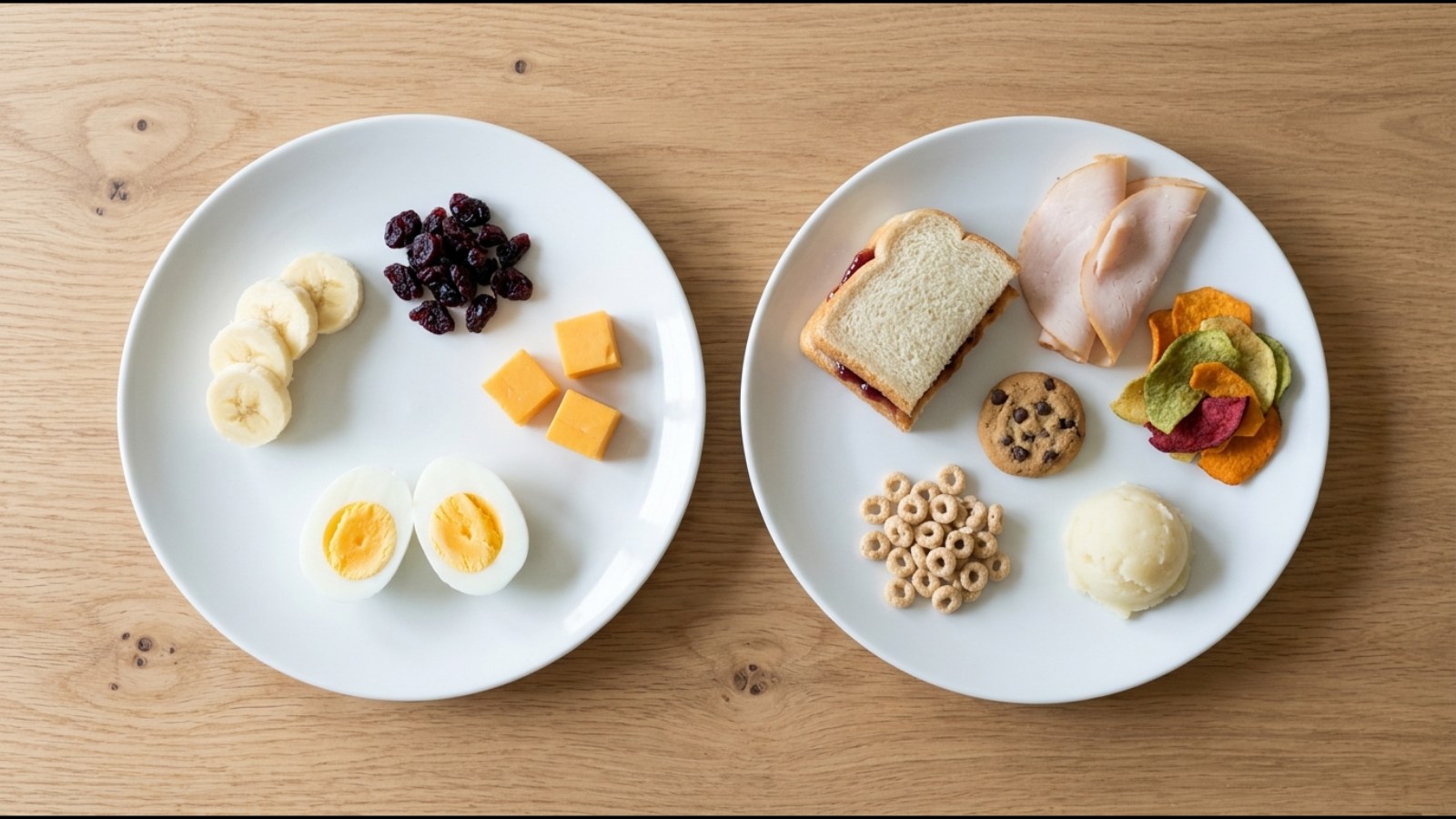
Each meal had about 300 calories, about the size of a big snack. They were matched on calories, carbohydrates, fat, protein, salt, water and weight.
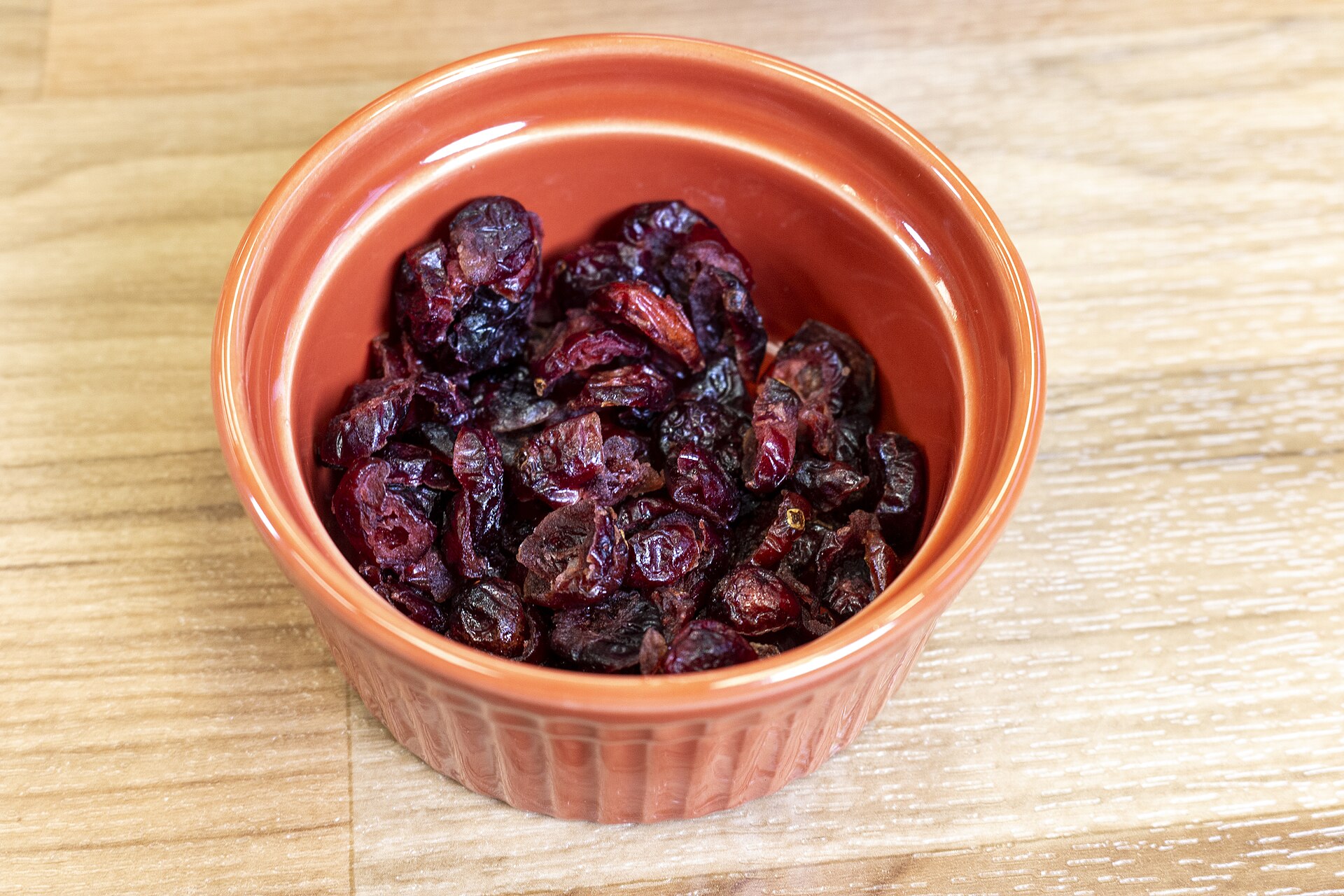
- The minimally processed plate: sliced banana, dried cranberries, cheese and egg.
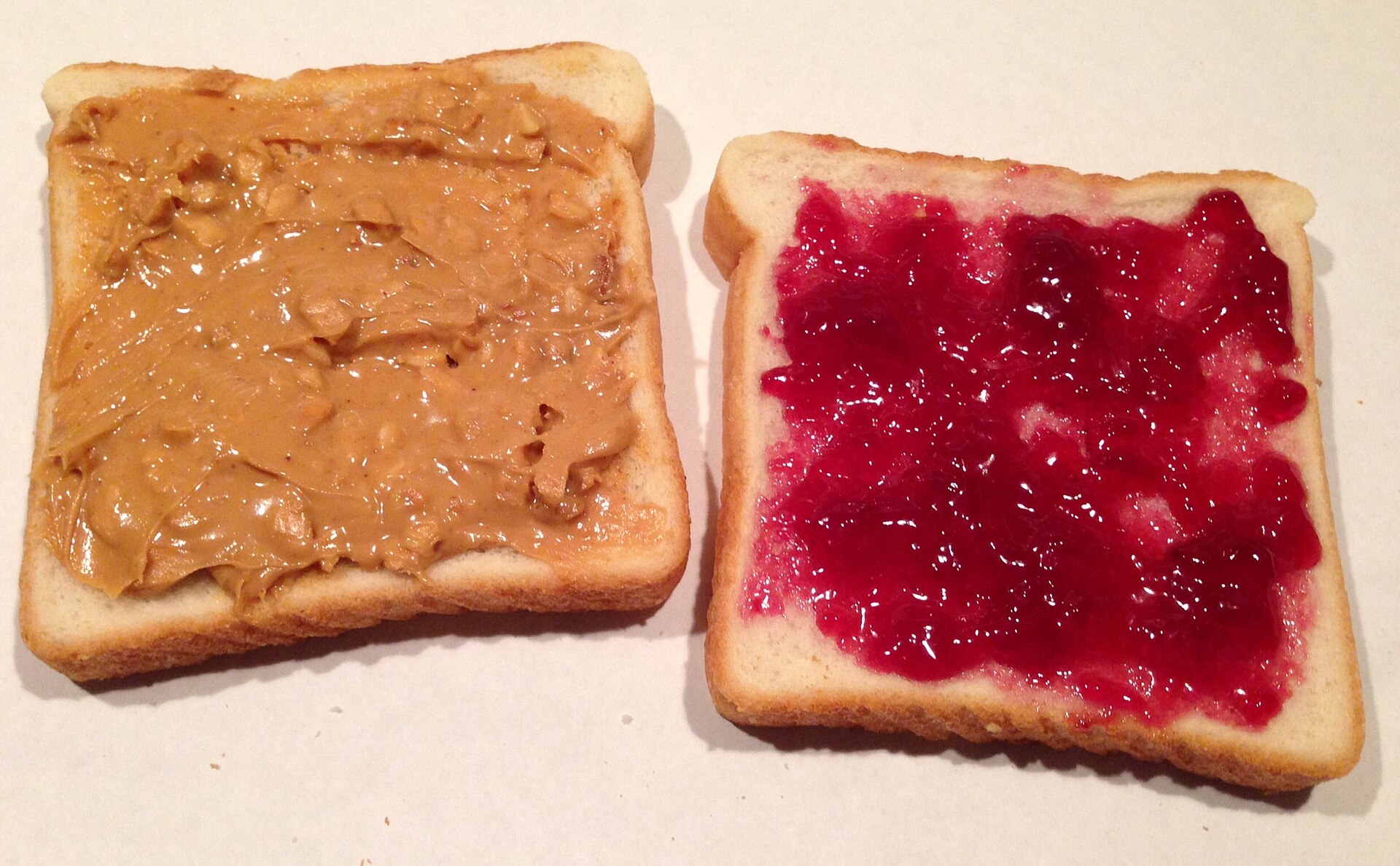
- The ultraprocessed plate: a bite of peanut butter and jelly sandwich, deli turkey, veggie chips, a cookie, cereal, instant mashed potatoes and a little water.
Look at those two lists for a second. Neither one sounds wild. The second plate looks like a pretty normal lunchbox. Which plate would you reach for on a busy afternoon?
How the Test Worked
The researchers recruited 57 healthy adults between 18 and 45 years old. Every person ate both meals, on separate days at least three days apart, so each person could be compared with themselves. Of the group, 32 people finished both the brain scan and the metabolism sessions.
On test days, people came in after an overnight fast and sat inside a sealed metabolic chamber, a small room that measures how much energy the body burns and what kind of fuel it uses. After baseline readings, they had 10 minutes to eat the meal. Blood was drawn right after eating and six more times over the next three hours.
What the Researchers Found After Each Meal
The team said the results surprised them. Hutelin said they were “shocked when every single metabolic metric differed.” Here is what stood out after the ultraprocessed meal, compared with the minimally processed one:
- More insulin. The body released more insulin, the hormone that helps move sugar out of the blood.
- Blood sugar stayed up a little longer. In Hutelin’s words, blood sugar stayed “a little bit higher for a little bit longer.”
- More energy burned, but less carbohydrate burned. People burned a bit more energy overall, yet used less carbohydrate for fuel.
On a separate day, people looked at pictures of the foods during an MRI scan and said how much they would pay for each one. The scans showed differences in the ventral striatum and nucleus accumbens, brain areas involved in reward, motivation and learning. The differences in how much carbohydrate people burned after each meal were linked to the differences in how their brains responded to the food pictures. People did not say they would pay more for either type of food.
Carlos Monteiro, the University of Sao Paulo scientist who created the Nova scale, called the brain findings a new and important addition, since the brain is what guides how we eat. You can read a full summary of the findings at News-Medical.
What This Study on Ultraprocessed Foods Does Not Show
It is easy to read too much into one study, so here are the honest limits the researchers and the coverage pointed out:
- It tested only one pair of small, 300 calorie meals.
- Everyone was young and healthy, so the results may not apply to older adults or people with health conditions.
- The protein came from different foods on each plate, which could have shaped the results.
- The ultraprocessed meal had more additives, and the physical structure of the foods was not studied directly.
- It looked at a few hours after one meal, not at long term health.
So this study does not say that a cookie or a turkey sandwich will make you sick. What it suggests is that two meals with the same numbers on the label may not be handled the same way by the body. DiFeliceantonio says the team wants to test other groups of people, longer time periods, bigger meals and more food pairs, and to look at specific factors such as additives.
Easy Ways to Eat Fewer Ultraprocessed Foods at Home
You do not need to throw out your pantry. Large population studies have linked eating a lot of ultraprocessed foods with poorer health over time, and this new study hints at one possible reason. Small, simple swaps are a calm place to start:
- Build a snack plate like the study. Fruit, a few cubes of cheese, a hard boiled egg and a small handful of dried fruit take five minutes.
- Make mashed potatoes from real potatoes. Boil, mash with a little butter and milk, and freeze extra in portions for busy nights.
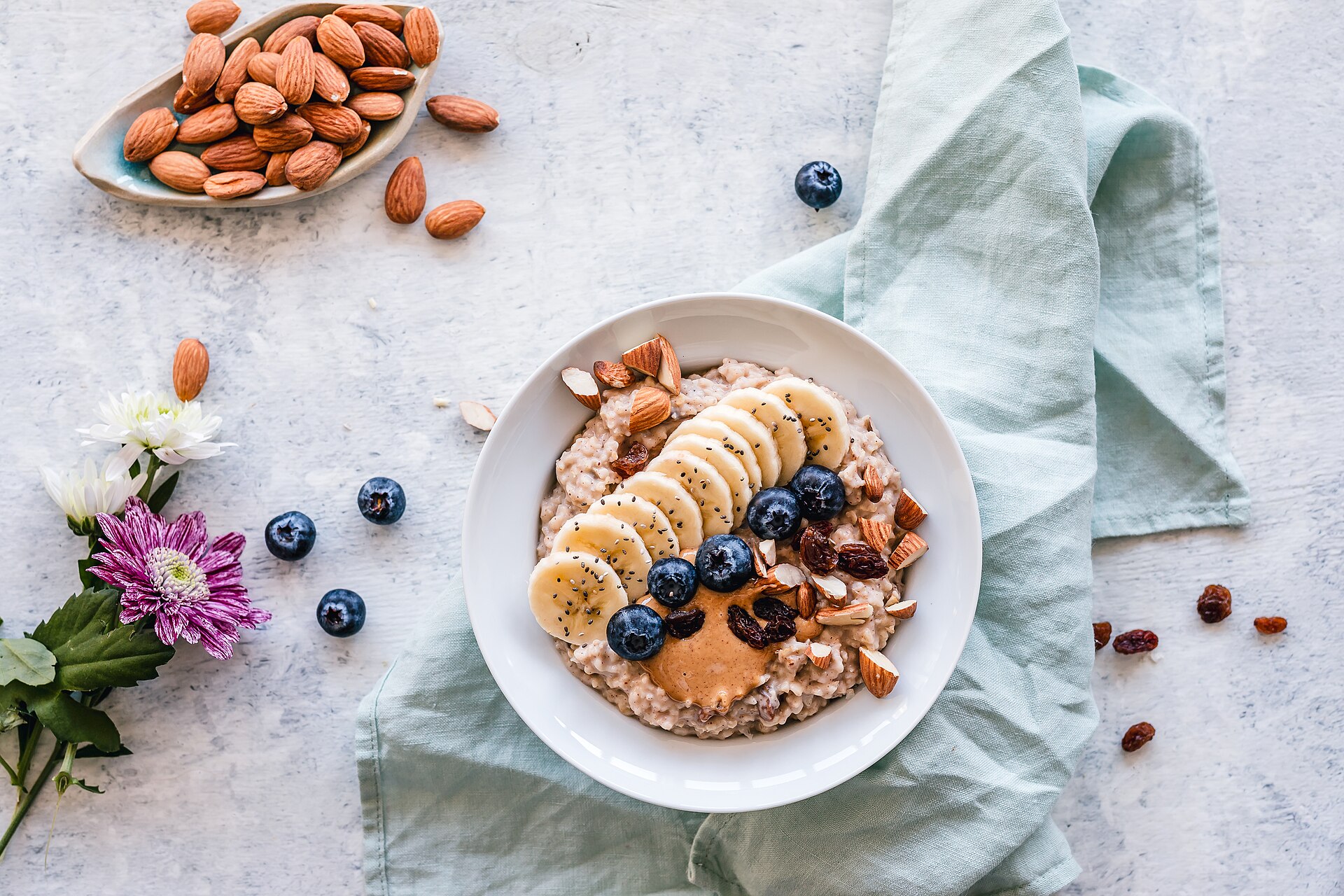
- Swap sweet cereal for oats some mornings. Top them with banana, berries and nuts.
- Roast leftover chicken or turkey and slice it for sandwiches instead of deli meat now and then.
- Bake chips at home. Thin slices of sweet potato or beet with a little oil, baked until crisp.
- Keep it kind. Busy weeks happen. One homemade swap a day is a real win.
Feeding kids too? California is already moving ultraprocessed foods off school lunch trays, and our school lunch favorites made from scratch are full of easy ideas the whole family will like.
One more thing: if you have diabetes, prediabetes or another health condition, talk to your doctor or a registered dietitian before making big changes to how you eat. Now tell us: which plate looks more like your usual afternoon snack, the left one or the right one?