Ultra-Processed Foods and Your Brain: What a New Study of 8,783 Adults Found on MRI
Ultra-processed foods are back in the headlines, and this time the news is about the brain. A new study of 8,783 middle-aged adults in Canada found that the people who ate the most of them had more body fat, more deep belly fat and higher odds of small, silent changes on brain scans.
Here is the part that surprised a lot of readers. The people in this study did not score any worse on memory and thinking tests. The difference showed up somewhere else: on their MRI scans.
Before you clear out your pantry, take a breath. This was a snapshot study, and it shows a link, not proof that chips or soda cause brain changes. Below is what the researchers actually found, what the study cannot tell us, and a few easy swaps if you want to eat a little less processed food this fall.
What the New Study Looked At
The study was published on October 15, 2026, in JAMA Network Open. Researchers used data from two large Canadian projects, the Canadian Alliance for Healthy Hearts and Minds and PURE-MIND. Everyone was between 35 and 69 years old and had no heart disease. The average age was 57.7, and a little more than half were women.
Each person filled out a detailed food questionnaire about what they ate over the past year. They also had body fat measured and an MRI that looked at belly fat, liver fat and the brain. Researchers then sorted people into four groups, from the lowest to the highest intake of ultra-processed foods.
What Counts as Ultra-Processed Foods?
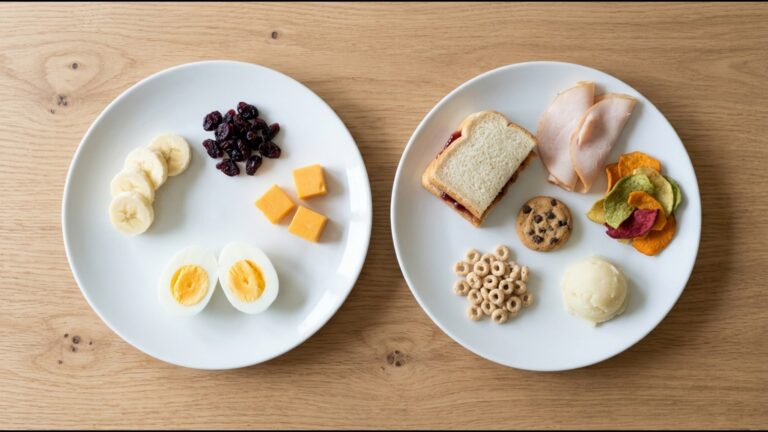
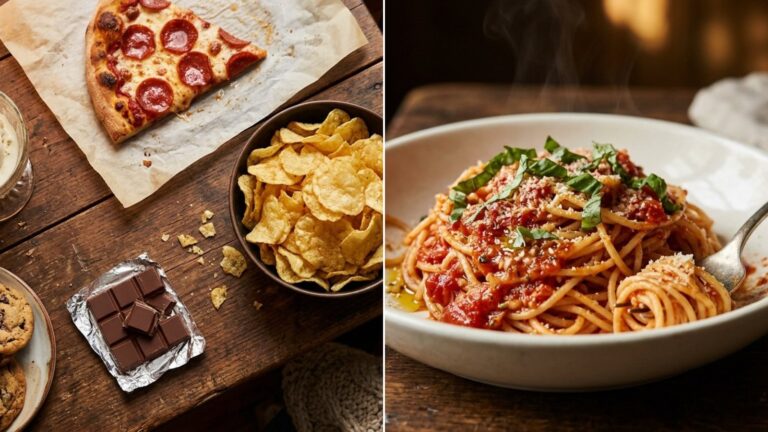
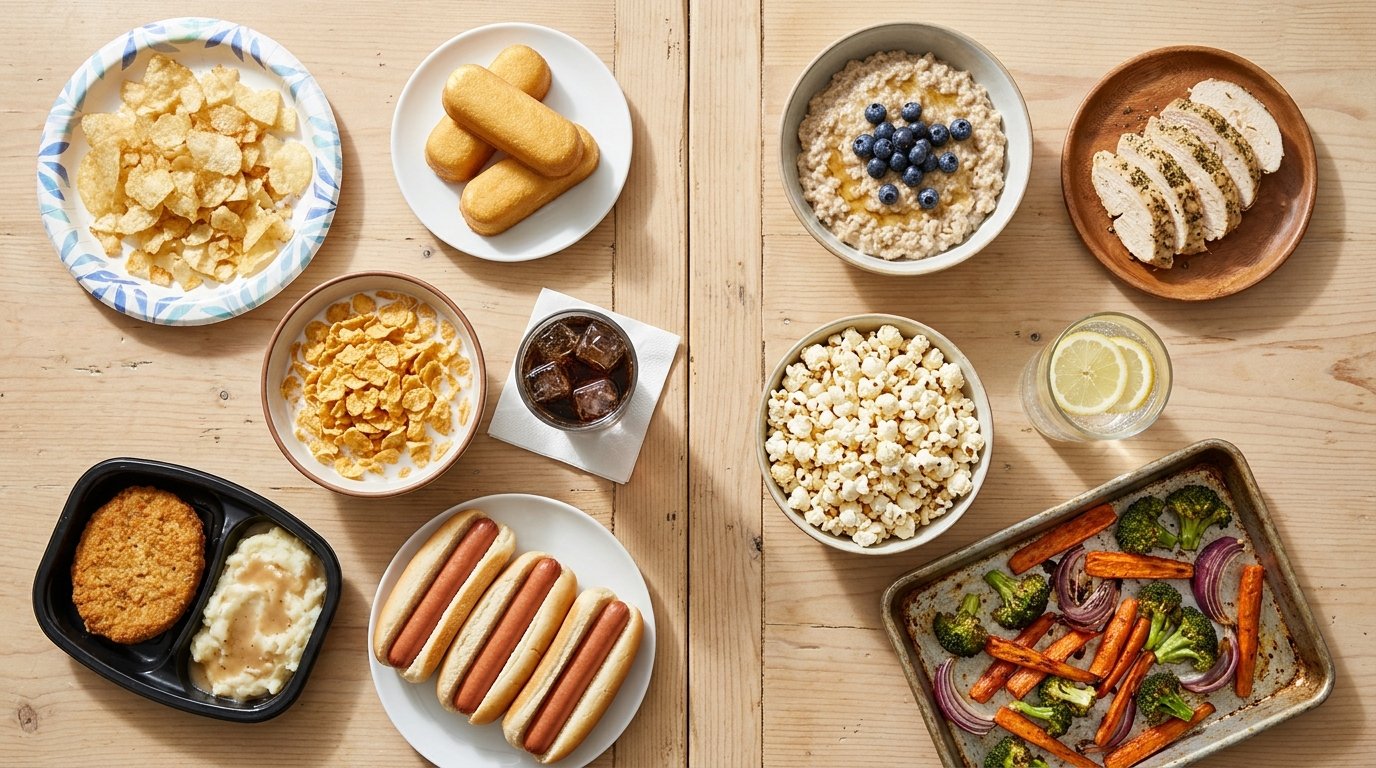
The researchers used the NOVA system, which sorts food by how much it has been processed. Ultra-processed foods are factory-made products built mostly from ingredients you would not cook with at home. Think packaged snacks, sweetened drinks, many breakfast cereals, hot dogs and deli meats, and lots of ready meals.
In this group they made up about 42 percent of daily calories on average. The lowest group ate about 3 servings a day (per 2,000 calories), while the highest group ate almost 13. In the top group, close to half of all food servings were ultra-processed. If you love food that is good for your head, our brain food recipes for a healthy mind are full of simple, real-food ideas.
What the Scans Showed
More body fat and belly fat. Compared with the lowest group, the highest group had body fat about 1.7 percentage points higher and 5.7 mL more visceral fat, the deep fat around the organs. This link was strongest in people with a BMI of 30 or higher.
Silent changes in the brain. The highest group had 40 percent higher odds of what doctors call vascular brain injury. That means tiny areas of damage from small blood vessel problems, called silent or covert brain infarcts, or a heavy load of bright spots on MRI known as white matter hyperintensities. People usually do not notice these changes. About 11.3 percent of the highest group had them, compared with 8.1 percent of the lowest group. Every 5 extra servings a day was linked to 16 percent higher odds.
No difference in thinking scores. Scores on two common tests of memory and thinking were similar across all four groups. The study also found no clear link with liver fat in its main analysis.
What This Study Cannot Tell Us
It is easy to turn a study like this into a scary headline, so here are the honest limits. Each person was measured only once, so the study cannot show which came first. Diet was self-reported, and one questionnaire may not capture years of eating. The brain finding also lost its statistical strength when the researchers measured ultra-processed food as a share of servings or calories instead of a count. The authors say the results cannot prove cause and effect.
Still, the findings fit with other research linking heavily processed diets to weight gain, high blood pressure and heart disease. That is a good reason to look at the everyday habits that are easy to change.
7 Simple Swaps for Fewer Ultra-Processed Foods
You do not need a perfect diet. Small, steady swaps add up, and many of them save money too.
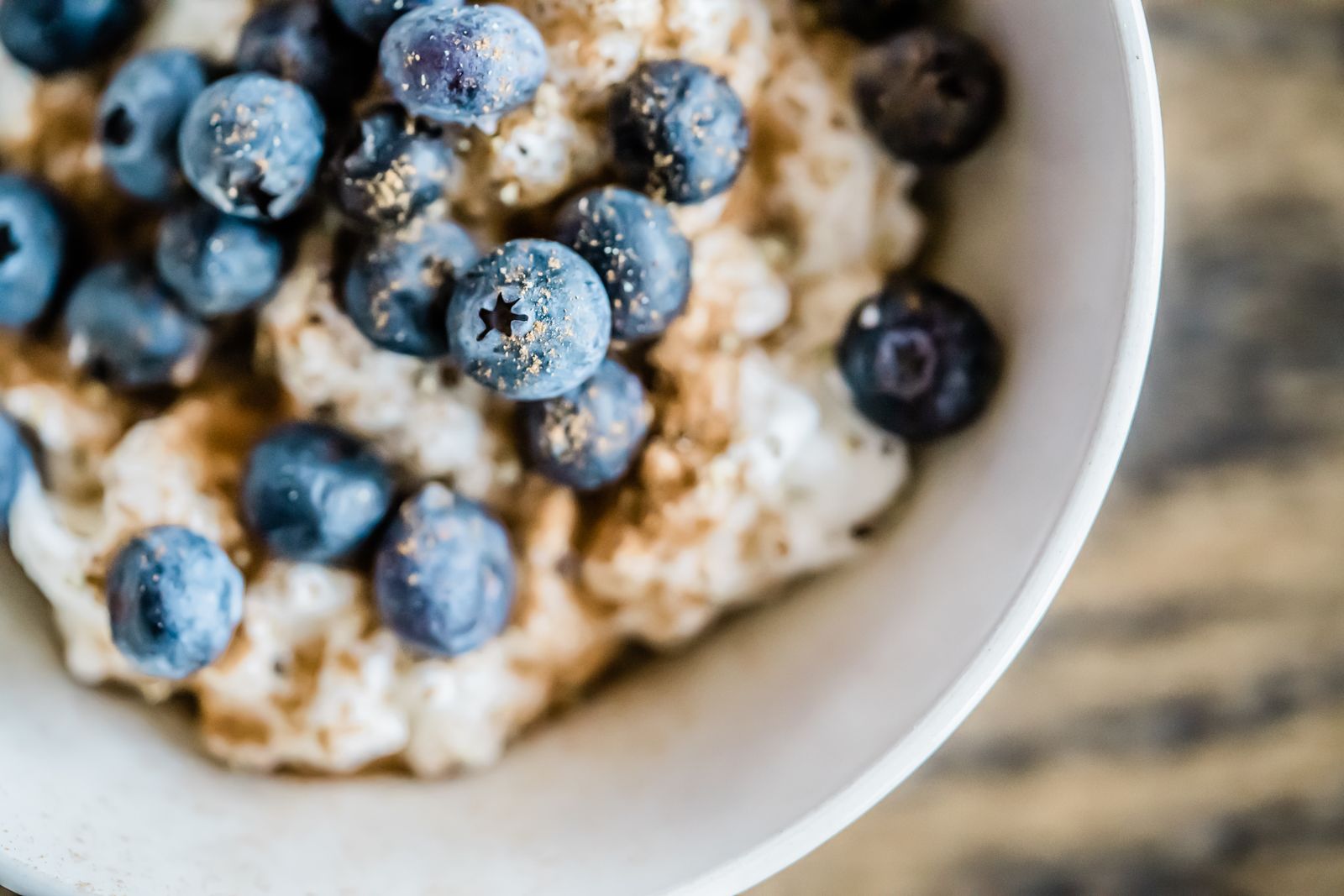
- Sweet cereal to oatmeal. Cook plain oats and top them with berries and a spoon of nuts.
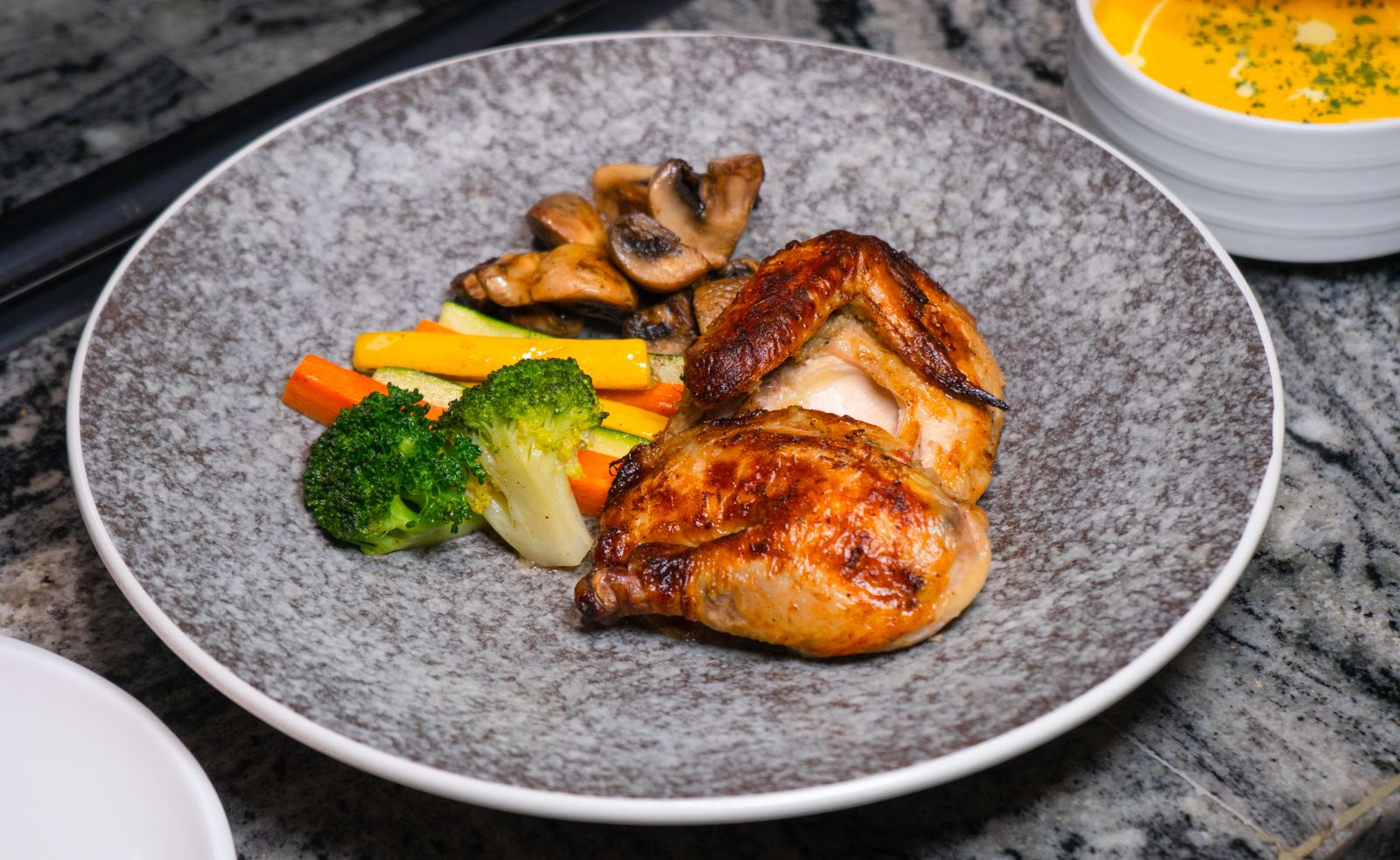
- Deli meat to roast chicken. Roast a whole chicken or a tray of thighs on Sunday and slice it for sandwiches all week.
- Chips to popcorn. Pop plain kernels on the stove with a little oil and salt.
- Soda to sparkling water. Add lemon, lime, mint or a splash of juice for flavor.
- Frozen dinners to sheet pan meals. Toss chicken or sausage with chopped vegetables, oil and spices, and roast at 425 F for 25 to 30 minutes.
- Bottled dressing to homemade. Shake 3 parts olive oil with 1 part vinegar, a little mustard, salt and pepper.
- Flavored yogurt to plain. Stir in fresh fruit and a drizzle of honey.
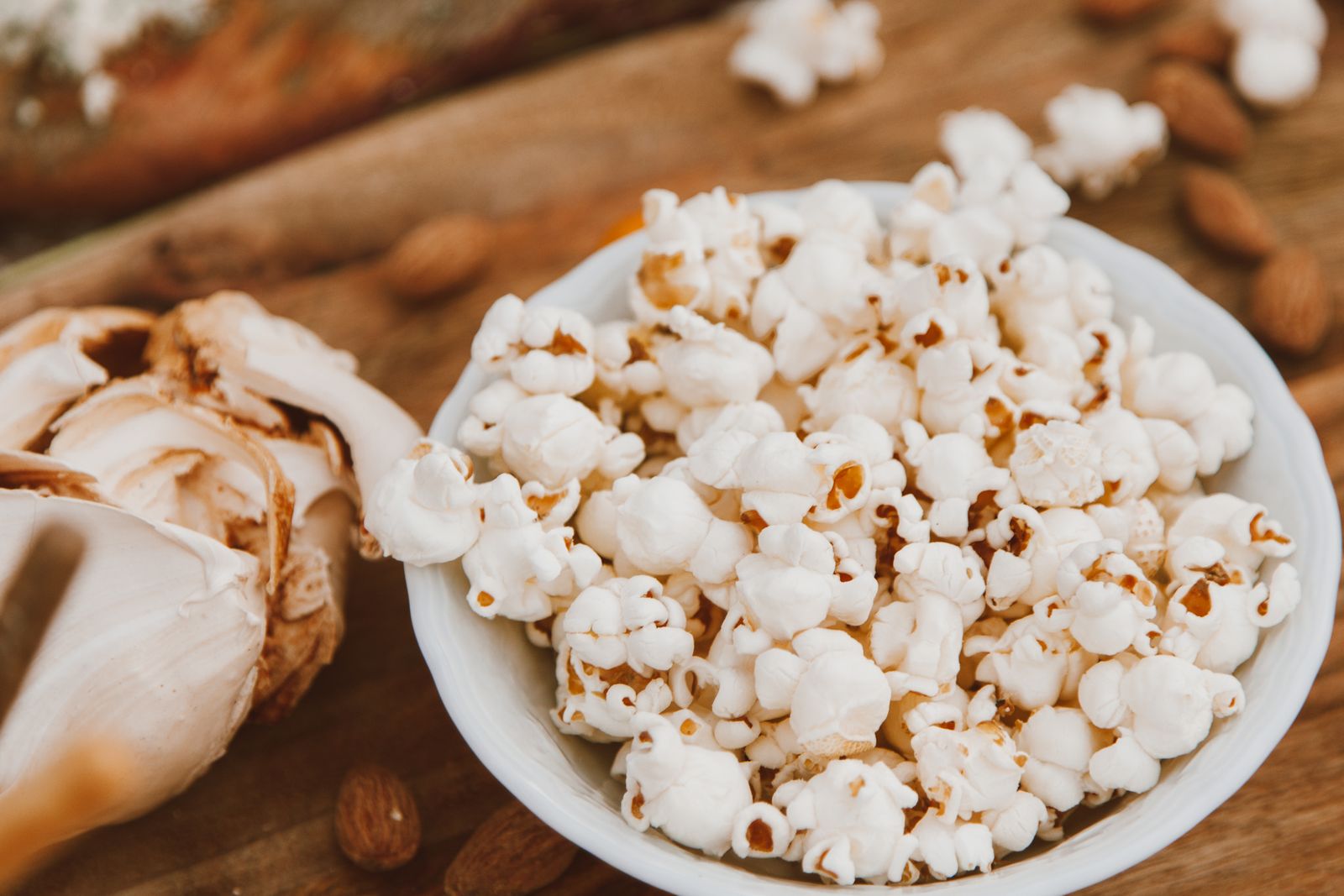
Start with the one or two foods you eat most often. Swapping a daily soda or a daily bag of chips can cut several ultra-processed servings a week without feeling like a diet.

Talk to Your Doctor About the Bigger Picture
No single food decides your brain health. Blood pressure, cholesterol, blood sugar, smoking and activity all play a big role in stroke and blood vessel health. If you are in midlife, ask your doctor when you last had these checked and what matters most for you. Do not start supplements or big diet changes without talking to your doctor or a registered dietitian first.
Sources: de Souza RJ, et al. Ultraprocessed Food Intake and Adiposity, Vascular Brain Injury, and Cognition in Middle-Aged Adults. JAMA Network Open, 2026, and the News-Medical summary of the study. Which swap will you try first this week?