Thomas Jefferson Inventions: 14 Genius Home Ideas You Can DIY This Weekend
Thomas Jefferson inventions are a lovely surprise for anyone who likes to tinker at home. Most of us know him as the third President of the United States, but he was also a restless maker who loved clever gadgets. According to his Wikipedia biography, he invented a revolving book stand and a Great Clock driven by heavy weights, improved the pedometer, the moldboard plow and a copying machine called the polygraph, and is credited with creating the swivel chair. He never patented his plow idea because he wanted people to share it freely. That generous spirit is the heart of this list of Thomas Jefferson inventions turned home projects. Each idea below takes one of his practical inventions or Monticello habits and turns it into an easy, modern DIY for your own home. Grab a cup of tea and pick your favorite..
Thomas Jefferson Inventions Start With a Revolving Book Stand
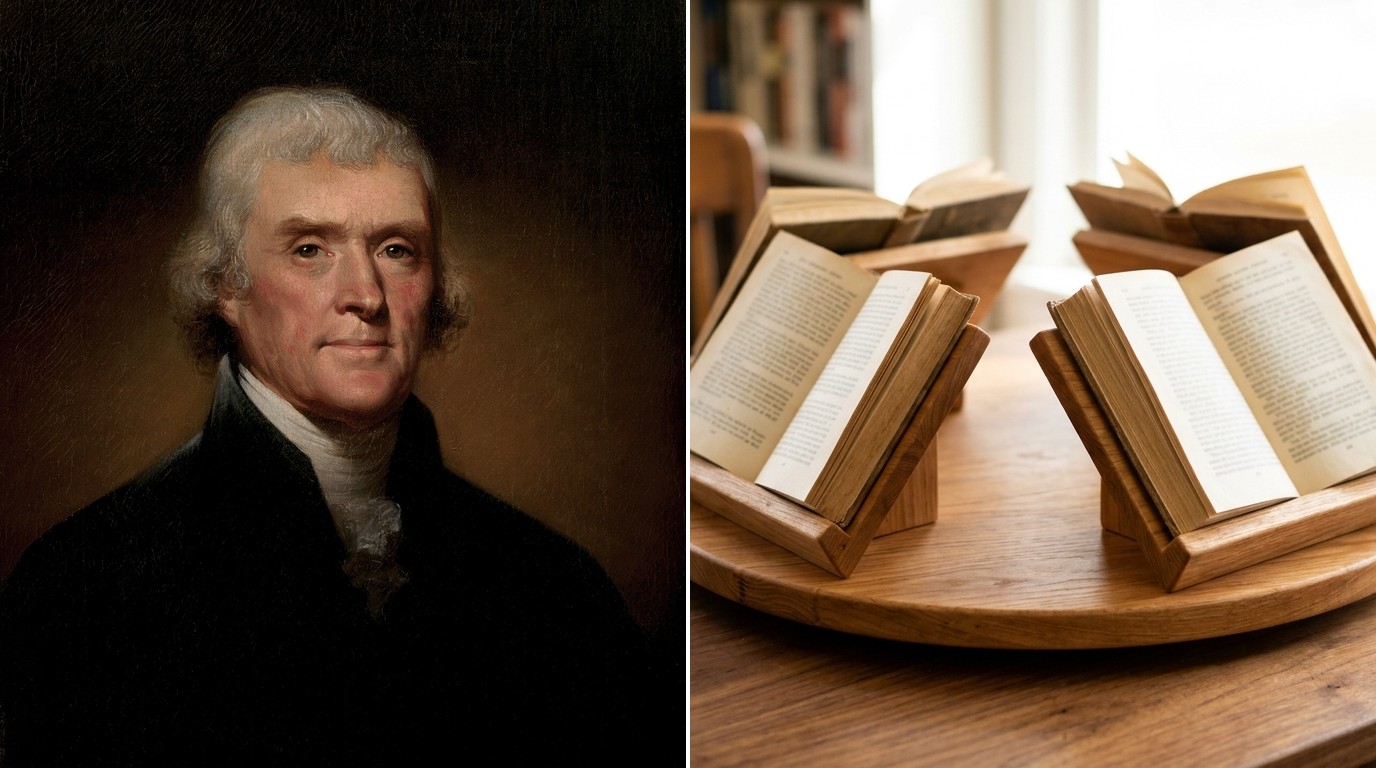
Jefferson read several books at once, so he designed a stand that could hold a handful of open volumes and spin to the one he needed. You can make a cozy modern version in an afternoon. A ready made lazy susan turntable becomes the base, and four small angled rests made from scrap wood hold your books, cookbooks or craft magazines open. It is perfect for a reading nook, a homework desk or a kitchen counter. Which books would you keep open on yours..
You will need: A 14 inch wooden lazy susan, scrap pine boards, a small hand saw or miter box, wood glue, sandpaper, wood stain or paint, a soft cloth.
How to make it: 1. Cut four short base pieces and four slightly taller back pieces, then glue each back to a base at an angle to make little book rests. 2. Sand, then stain or paint the rests and the turntable to match. 3. Glue the rests around the turntable facing outward and let everything dry overnight.
A Swivel Desk Chair Makeover
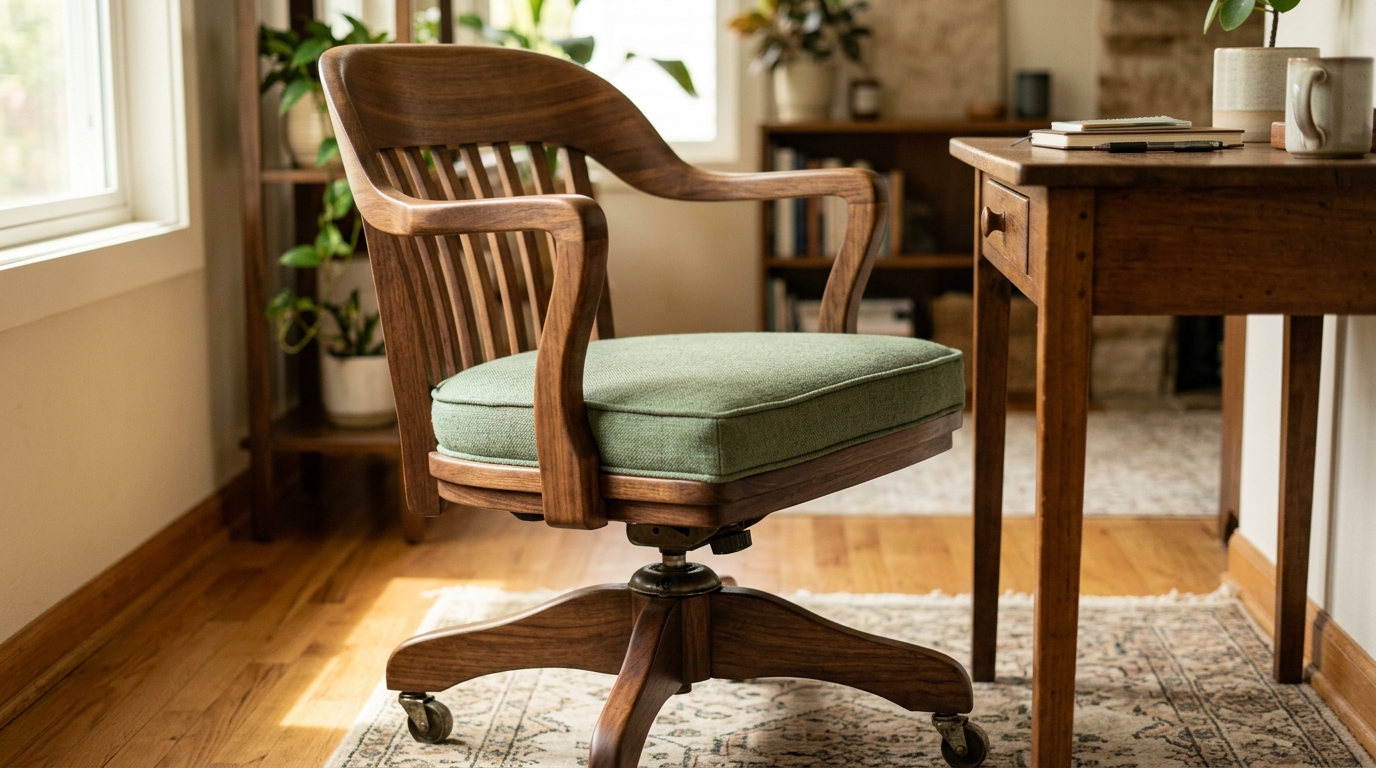
Wikipedia notes that Jefferson is credited with creating the swivel chair, and he is said to have used one while writing much of the Declaration of Independence. Thrift stores are full of tired old wooden office chairs that still spin beautifully. A light sanding, a fresh coat of stain and a new padded seat cover turn one into the best seat in the house. It costs a fraction of a new chair and has far more charm. Could your home office use a little history?
You will need: An old wooden swivel chair, sandpaper, wood stain, a rag, foam padding, a yard of upholstery fabric, a staple gun (adult use), a screwdriver.
How to make it: 1. Unscrew the seat and sand the frame lightly, then wipe on stain and let it dry. 2. Wrap new foam and fabric around the seat board and staple it underneath. 3. Screw the seat back on and oil the swivel so it turns smoothly.
Thomas Jefferson Inventions Like the Great Clock Make Bold Wall Decor
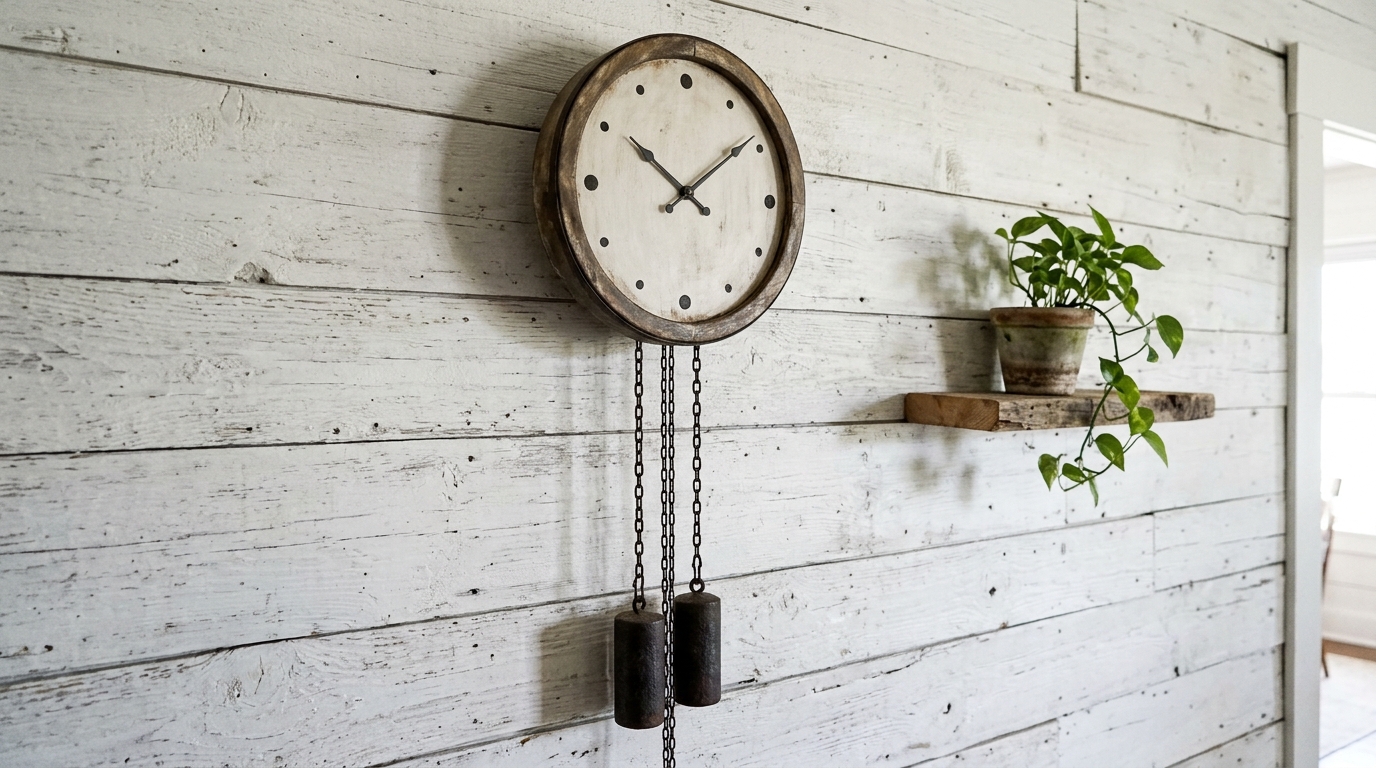
One of the most famous Thomas Jefferson inventions is the Great Clock in the entrance hall at Monticello, which ran on a set of heavy weights that slowly dropped down the wall as the days of the week passed. You can borrow the look with a simple battery clock and two decorative weights on chains. It makes a striking hallway focal point and gets everyone talking. Where would your weighted clock look best?
You will need: A battery clock movement kit, a round wooden board or plaque, paint, two decorative weights or painted wooden cylinders, chain, screw hooks, wall anchors.
How to make it: 1. Paint the board, drill a center hole and fit the battery clock movement and hands. 2. Screw two hooks under the clock and hang a weight from each chain. 3. Hang the clock securely on a wall anchor or stud so the weights sit flat against the wall.
A Pass Through Kitchen Shelf Inspired by Monticello
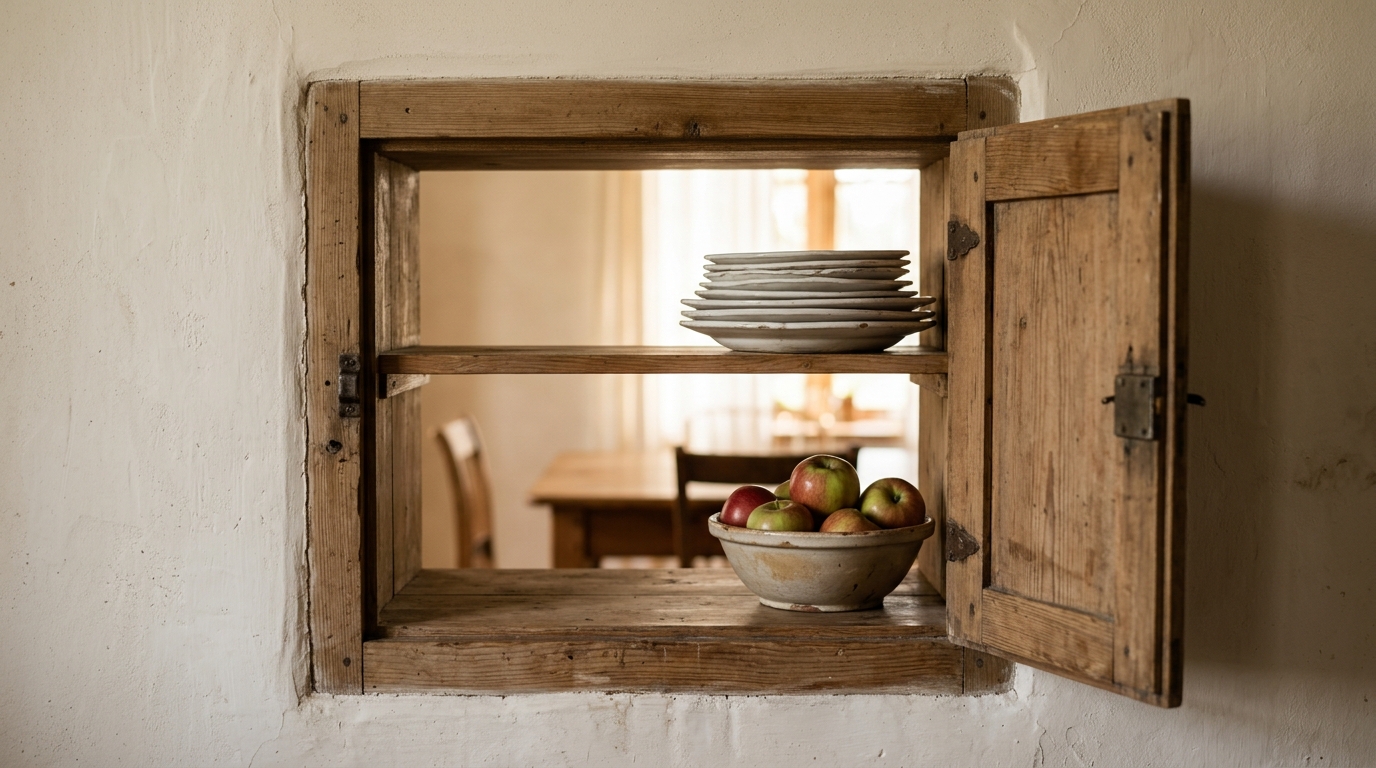
Monticello is known for its clever dumbwaiters, small lifts and shelves that moved things between rooms quietly. A pass through shelf with a little cabinet door gives you the same handy idea in a modern kitchen. Plates, bread and snacks slide straight through to the dining room without a trip around the wall. If a wall opening is too big a job, a framed cabinet with a door on a shared wall shelf gives the same charming look. Who in your house would use it most?
You will need: Pine boards, a small cabinet door with hinges and a knob, wood glue, screws, wood stain, a level. A contractor for any wall opening.
How to make it: 1. Build a simple wooden box frame to fit your opening or wall shelf. 2. Add one or two shelves and attach the little door with hinges. 3. Stain it to match your kitchen and fit it in place, checking that it is level.
Thomas Jefferson Inventions Inspired a Portable Lap Desk
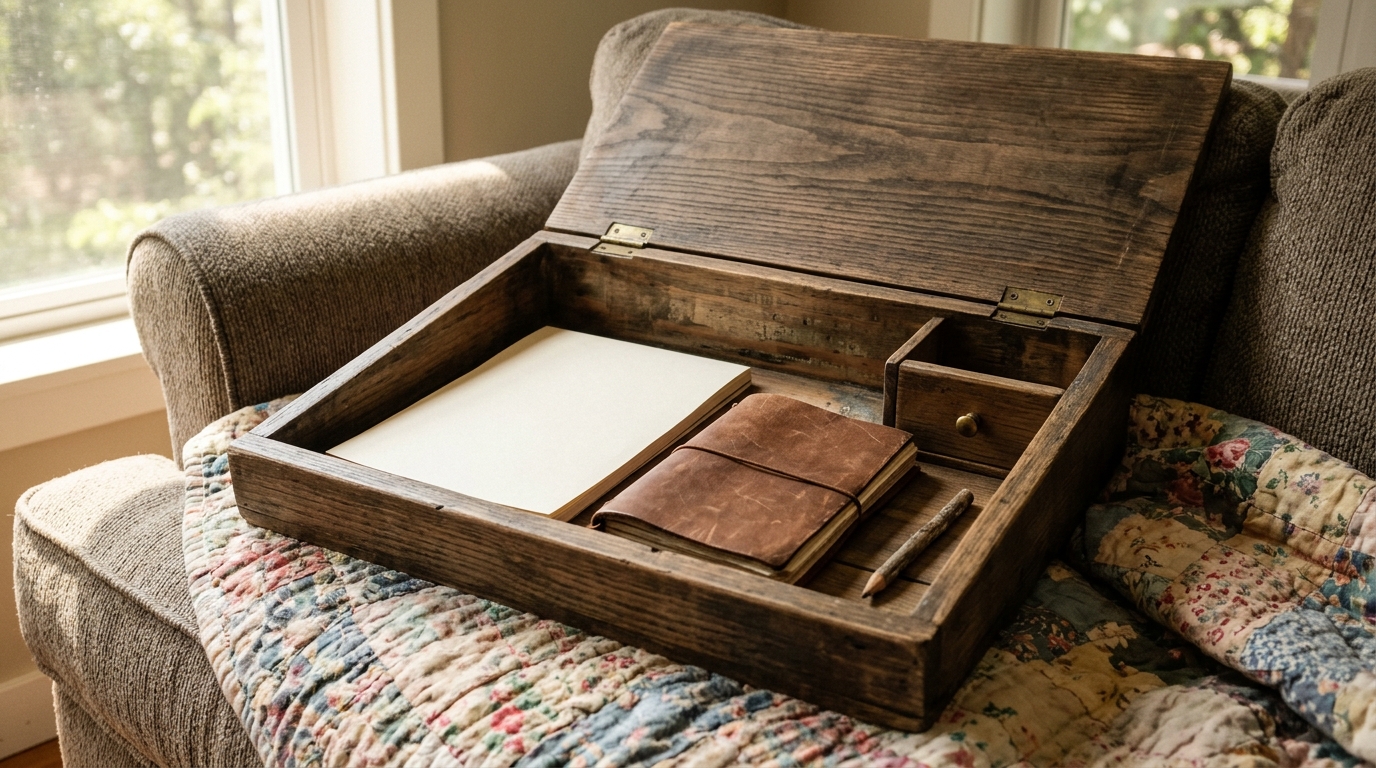
Jefferson designed his own portable writing desk, a small wooden box with a slanted writing surface and a drawer for paper and ink, and he wrote the Declaration of Independence on it. A homemade lap desk is a wonderful weekend build and a thoughtful gift. It turns any sofa or bed into a cozy spot for letters, journals and puzzles. Add a little drawer and the pencils will never go missing again. Who would you build one for?
You will need: Thin plywood or pine boards, a piano hinge, a small drawer pull, wood glue, small nails, sandpaper, wood stain or paint.
How to make it: 1. Build a shallow box with a taller back so the lid slopes toward you. 2. Attach the lid with a piano hinge and fit a small drawer at one end. 3. Sand all edges smooth and finish with stain or paint.
A Hidden Storage Entry Bench
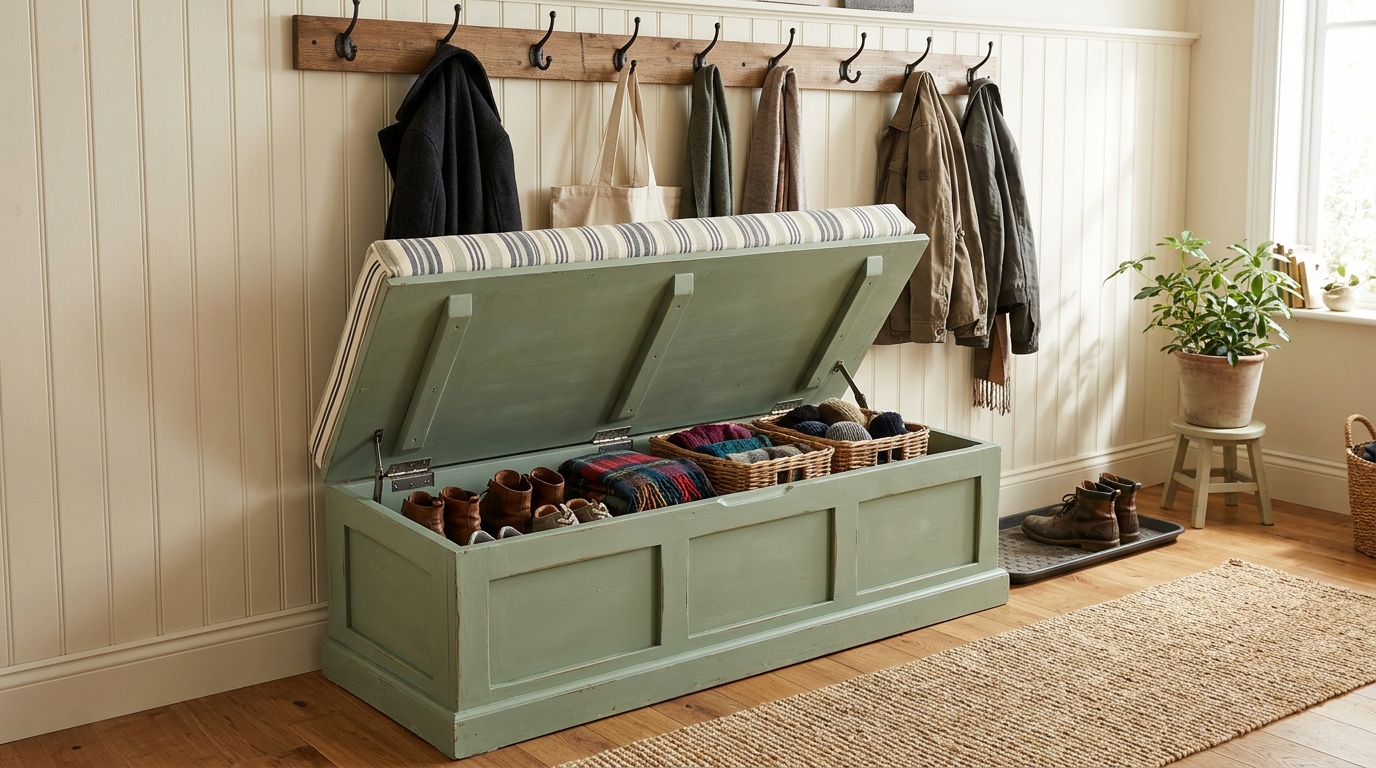
Jefferson hated wasted space and filled Monticello with clever little storage spots. A lift up storage bench is the easiest way to bring that thinking to your entry. Boots, scarves and the dog leash all vanish under the seat, and guests just see a pretty painted bench. Add a striped cushion and a row of hooks above and the whole corner looks neat in minutes. What would you hide inside yours first?
You will need: A plain wooden storage bench or toy chest, chalk style paint, a foam cushion, fabric, soft close lid hinges, a row of wall hooks.
How to make it: 1. Paint the bench in a soft color and let it dry well. 2. Wrap the foam in fabric and fix it to the lid. 3. Swap in soft close hinges so the lid never slams, then hang hooks above.
A Garden Journal and Seed Box Like His Garden Book
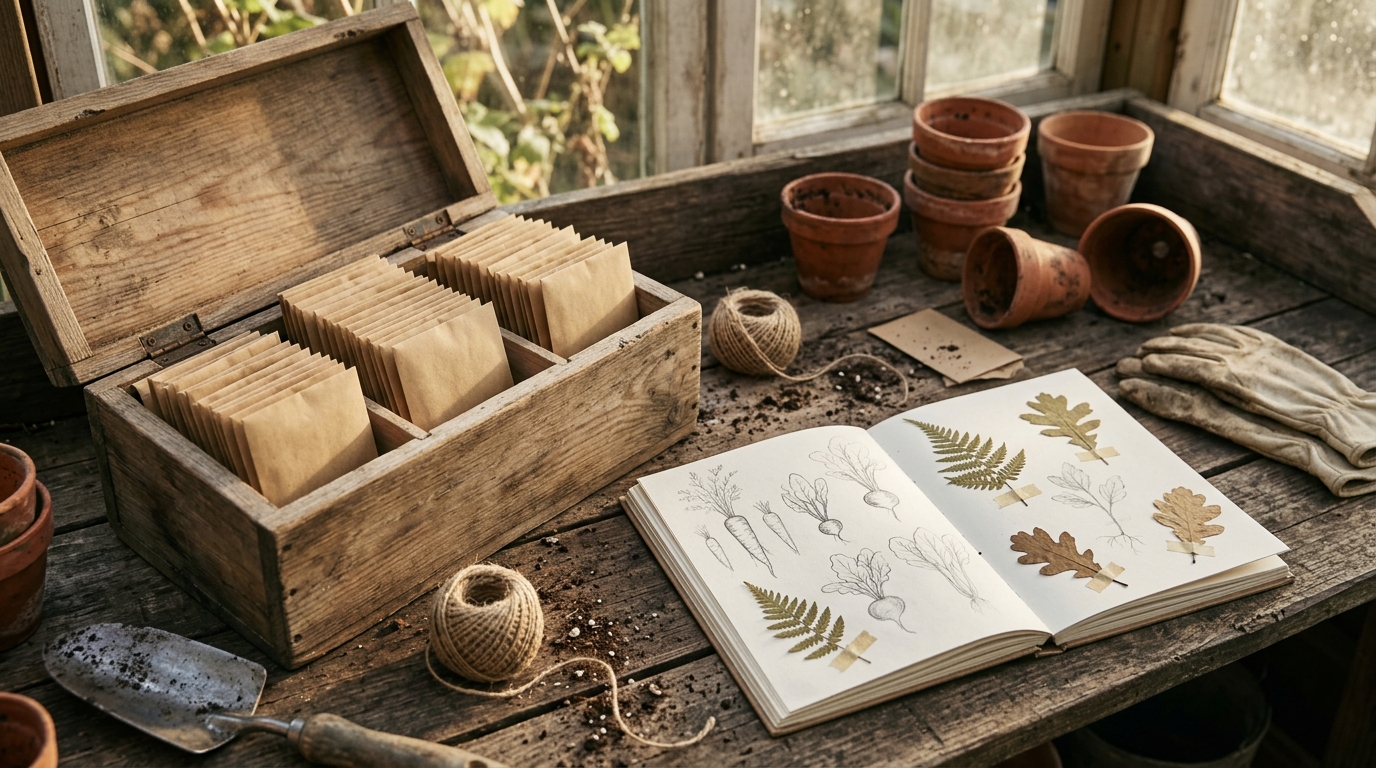
Jefferson kept a detailed Garden Book for decades, noting what he planted, when it sprouted and when it reached the table. A seed box and a hand made garden journal let you keep your own record. Small dividers keep seed packets sorted by month, and the journal holds sketches, pressed leaves and notes on what grew best. It is a gentle winter project that makes spring planting so much easier. What will you plant first next year?
You will need: A small wooden box, thin wood strips for dividers, kraft paper envelopes, a plain notebook, twine, pressed leaves, wood glue.
How to make it: 1. Glue thin dividers into the box to make sections for each month. 2. Fill kraft envelopes with saved seeds and write the variety on the back. 3. Decorate the notebook cover with twine and pressed leaves and start your first page.
Thomas Jefferson Inventions Meet the Family Recipe Box
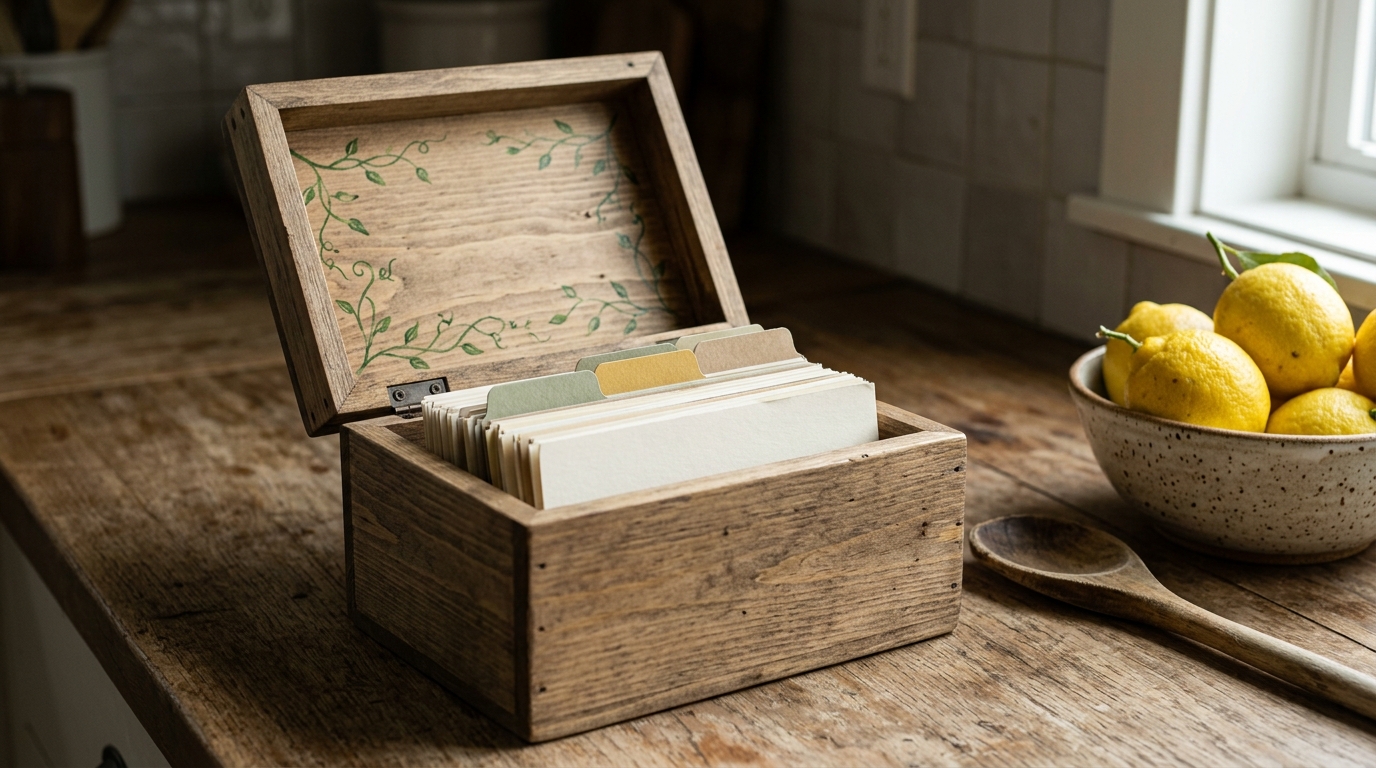
Jefferson wrote things down, including a recipe for ice cream in his own handwriting that the Library of Congress still keeps. A wooden recipe box is a sweet way to save your family favorites the same way. Paint a few simple vines on the lid, add tab dividers for each course, and fill it with cards in your own handwriting. It becomes a keepsake your grandchildren will treasure. Whose recipe card would go in first?
You will need: A small unfinished wooden box with a hinged lid, acrylic paints, a fine brush, clear sealer, index cards, tab dividers.
How to make it: 1. Sand the box lightly and paint simple green vines on the lid. 2. Seal it with a clear coat once the paint is dry. 3. Add dividers for each course and start filling cards with family recipes.
A Rolling Library Ladder for Tall Shelves
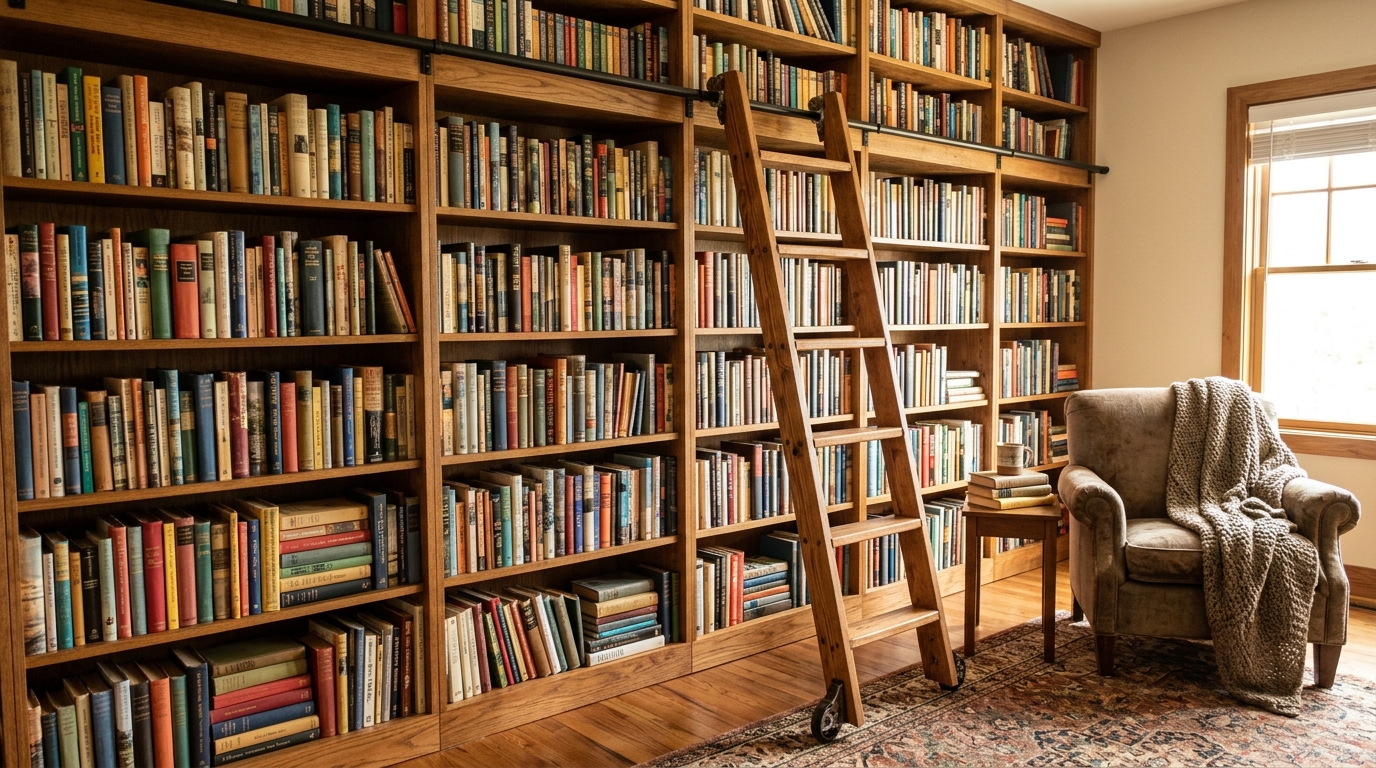
Jefferson owned one of the largest private libraries in America, and he later sold it to Congress to help rebuild the Library of Congress. Tall shelves call for a good ladder, and a DIY library ladder makes any book wall feel grand. You can build one from straight boards and a simple rail, or add hooks to an old wooden ladder so it hangs safely on the shelf rail. Climb slowly and keep it secured. Which shelf would you reach for first?
You will need: Two straight hardwood boards for rails, dowels or flat treads, wood glue, screws, a metal rail kit with hooks, stain. Adult help for cutting.
How to make it: 1. Cut matching side rails and fit treads every 10 to 12 inches with glue and screws. 2. Stain the ladder to match your shelves. 3. Mount the rail firmly to the shelving and hook the ladder on, testing it before use.
Thomas Jefferson Inventions Fans Will Love This Window Seed Shelf
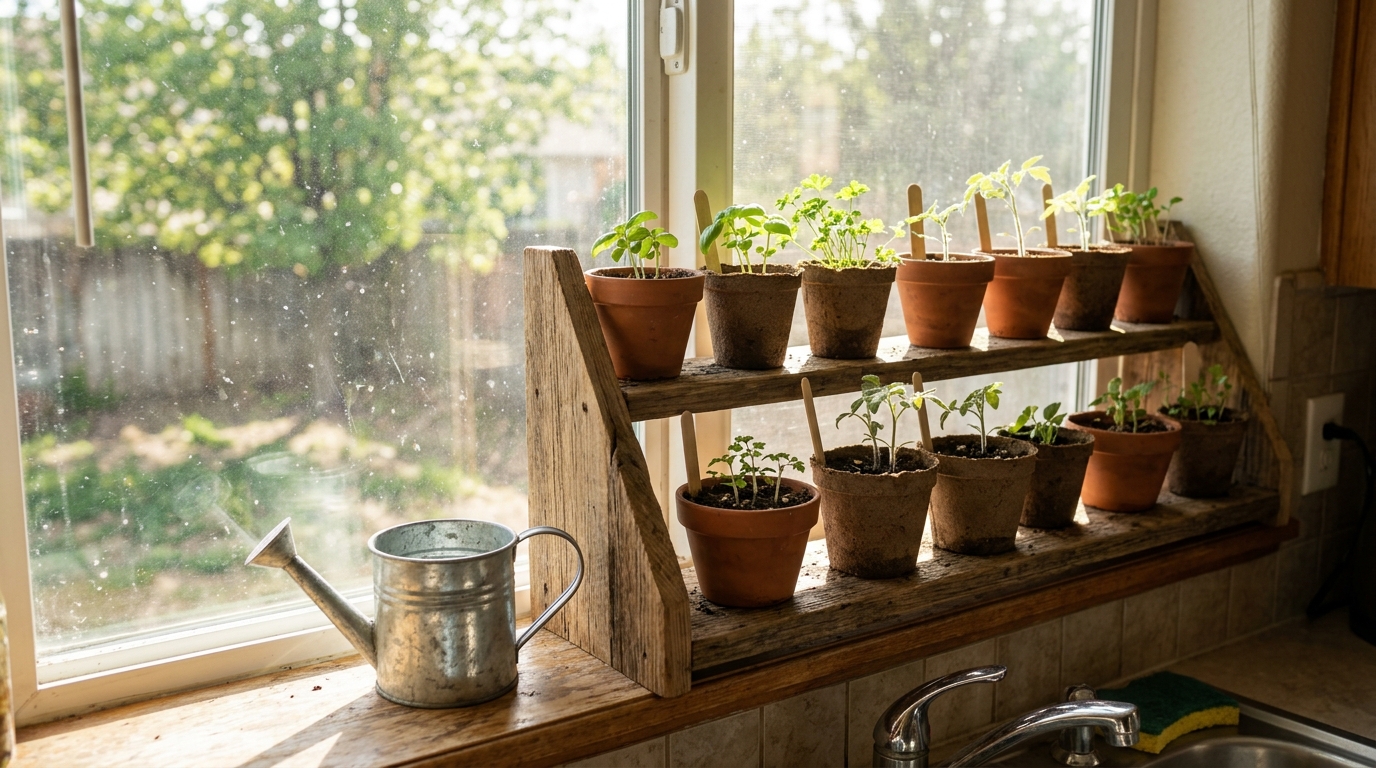
Jefferson grew hundreds of varieties of vegetables at Monticello and loved trying new ones each year. A tiered window shelf gives your own seedlings a sunny start, even in a small kitchen. Two or three simple wooden steps fit right on the counter by the glass, so every pot gets light. It is a cheerful late winter project and a great way to grow herbs all year. Will you start with basil or tomatoes?
You will need: Scrap pine boards, wood screws, sandpaper, outdoor sealer, small pots or recycled tins, seed starting mix, seeds.
How to make it: 1. Cut two side pieces in a step shape and screw two or three shelves between them. 2. Sand and seal the wood so watering will not harm it. 3. Set it by a sunny window and fill it with seed pots.
A Copy Stand for Recipes and Notes
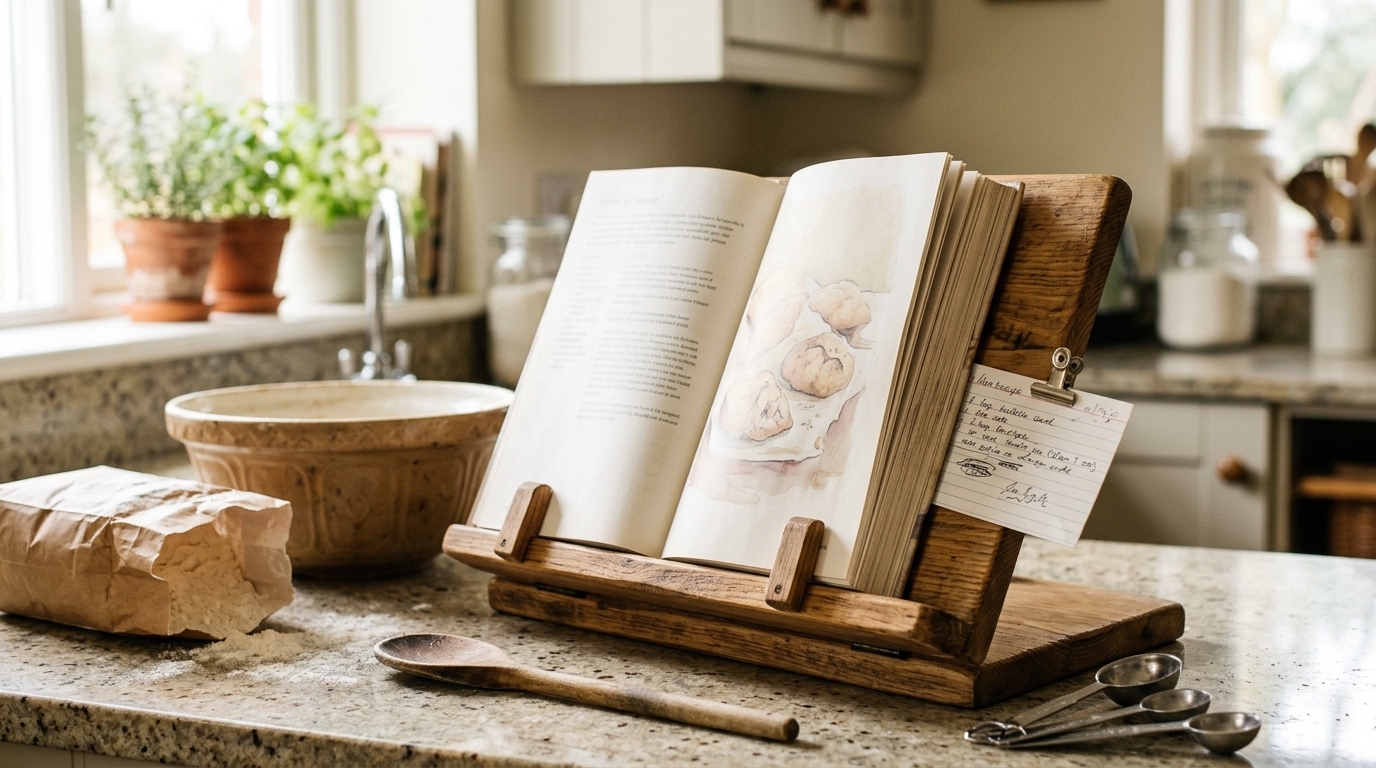
Jefferson used a polygraph, a clever machine that copied his letters as he wrote them, and he worked to improve it. That love of keeping papers handy inspires this simple copy stand. A slanted wooden easel holds a cookbook or a recipe card at eye level, so it stays clean and easy to read while you cook. A small clip on the side holds a note or shopping list. Where would you use yours, the kitchen or the craft table?
You will need: Pine boards, a small hinge or wooden support, a thin wooden lip strip, a binder clip, wood glue, sandpaper, stain.
How to make it: 1. Cut a back board and a small base, then hinge or glue them at a comfortable angle. 2. Glue a thin strip along the bottom edge as a book ledge. 3. Stain it and screw a small clip to one side for notes.
Thomas Jefferson Inventions Room Idea: A Map Pin Board Office
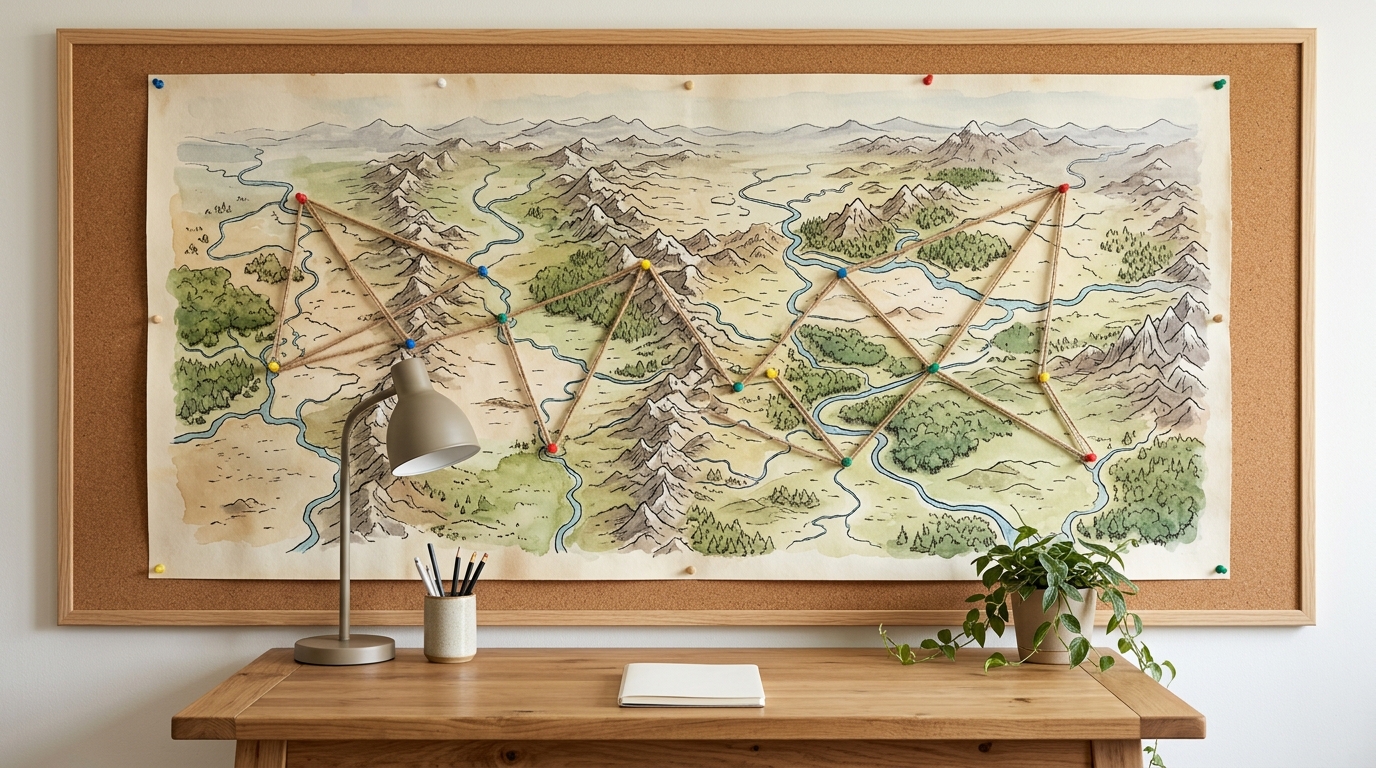
Jefferson loved maps and sent Lewis and Clark west to explore and chart the land. A big map pin board brings that spirit of adventure to a home office or family room. Mount any map you love on cork, frame it with simple wood strips, and mark trips you have taken or dream of taking with pins and twine. It is a fun family project and a great conversation piece. Where would your first pin go?
You will need: A large paper map or printable map, cork board tiles, spray adhesive, thin wood trim, small nails, push pins, twine.
How to make it: 1. Glue the cork tiles to a backing board and spray mount the map on top. 2. Frame the edges with wood trim. 3. Hang it on the wall and mark your trips with pins and twine.
Hand Drawn House Plan Art
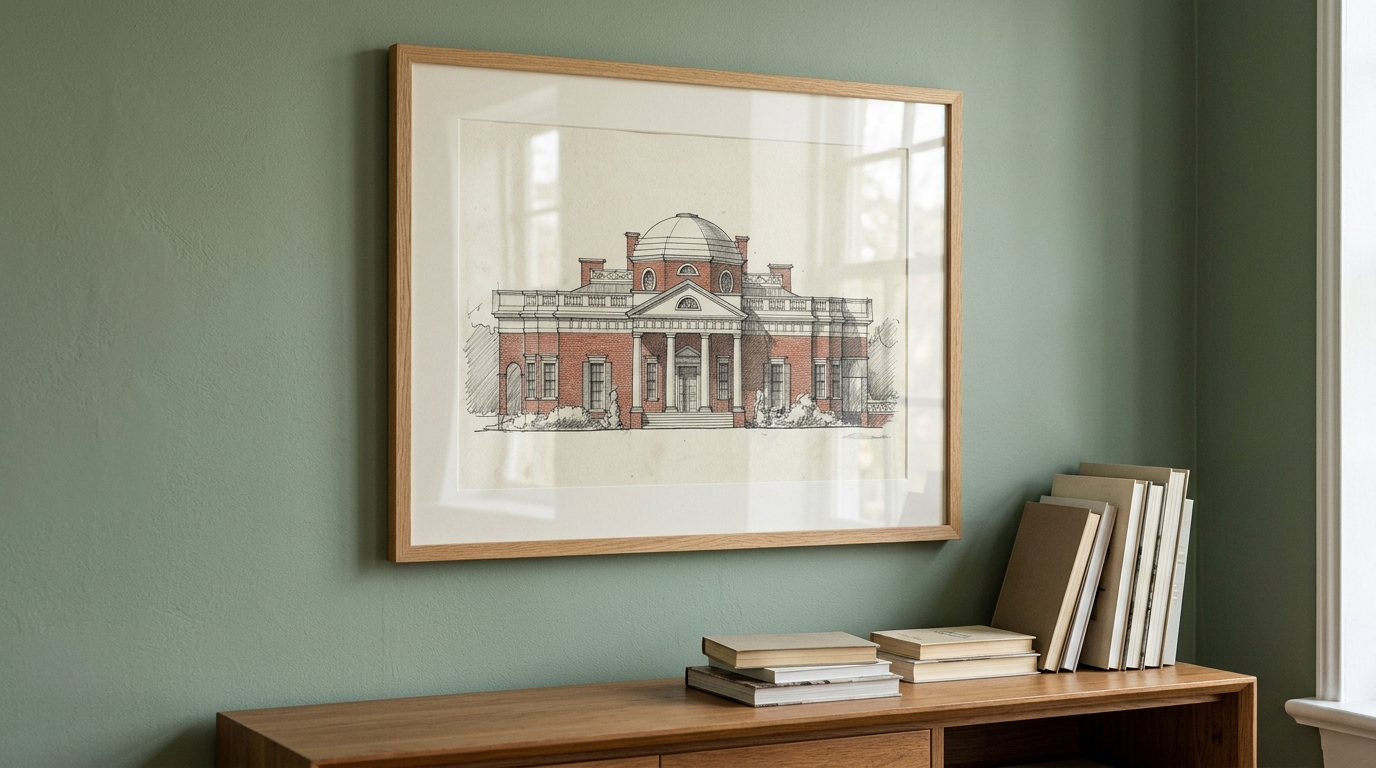
Jefferson was a self taught architect who designed Monticello himself and changed it for years. Drawing your own home, or the house you grew up in, makes lovely personal art. Start with a light pencil sketch from a photo, then trace over the lines with a fine ink pen and add soft watercolor if you like. Framed in simple wood, it looks like a treasured antique drawing. Whose house would you draw first? You might also enjoy our Benjamin Franklin winter hacks for more history inspired projects.
You will need: Watercolor or drawing paper, a pencil, an eraser, fine ink pens, optional watercolors, a ruler, a simple wooden frame.
How to make it: 1. Lightly sketch the house from a straight on photo using a ruler for the walls. 2. Go over the lines with ink and erase the pencil. 3. Add a little color if you like and frame it.
A Cozy Bed Alcove Nook for Small Rooms
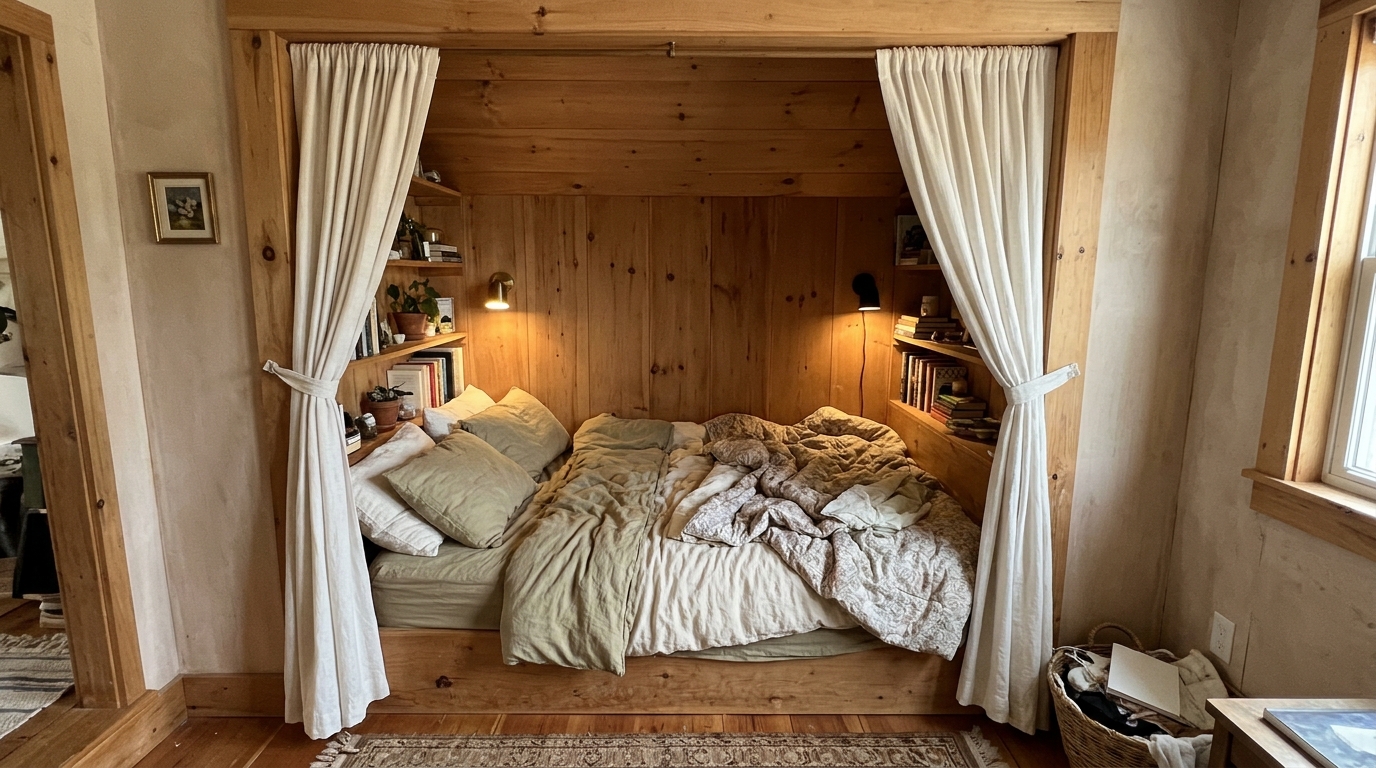
Jefferson tucked his bed into an alcove at Monticello, a clever trick that saved space and kept him cozy. A bed nook does the same in a small bedroom or a kids room. Build a simple wooden frame around the bed, add curtains on a tension rod, and fit small shelves for books. Battery reading lights keep it safe and snug. It feels like a little cabin inside your home. Who in your family would want this nook?
You will need: Pine boards for a simple frame, screws, a tension rod, linen curtains, small wall shelves, battery reading lights, stain or paint.
How to make it: 1. Build a three sided frame around the bed and fix it securely to the wall. 2. Hang curtains from a tension rod across the front. 3. Add small shelves and battery reading lights inside.